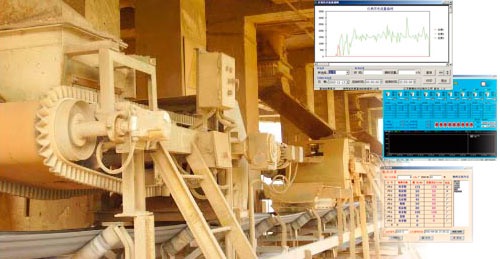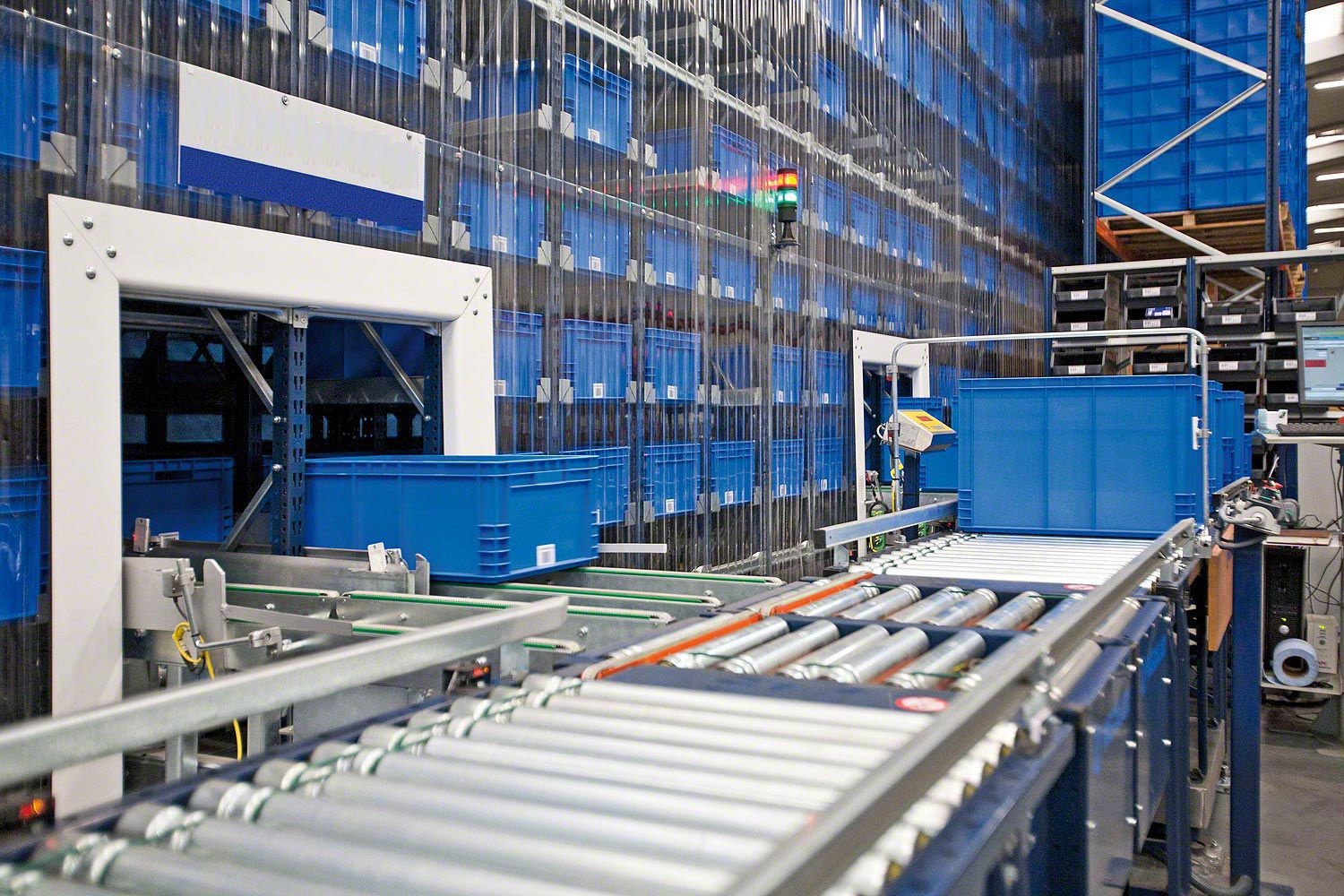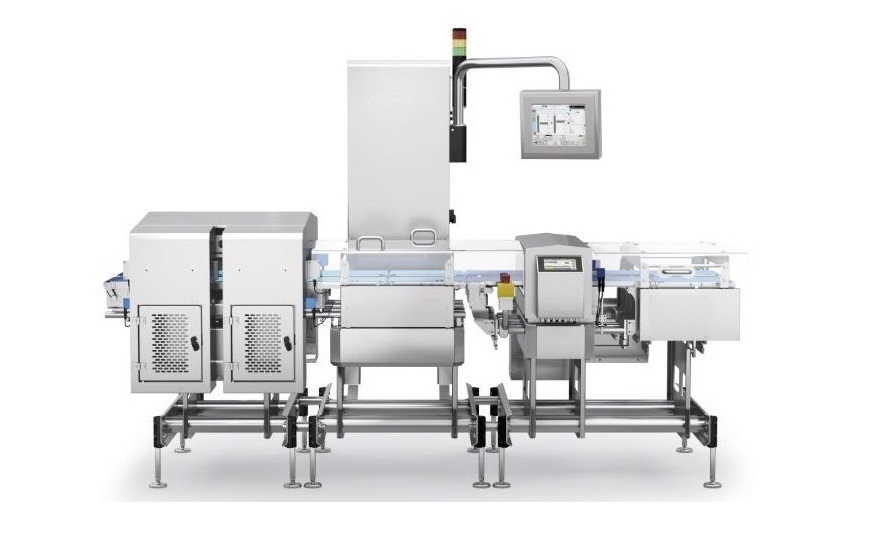


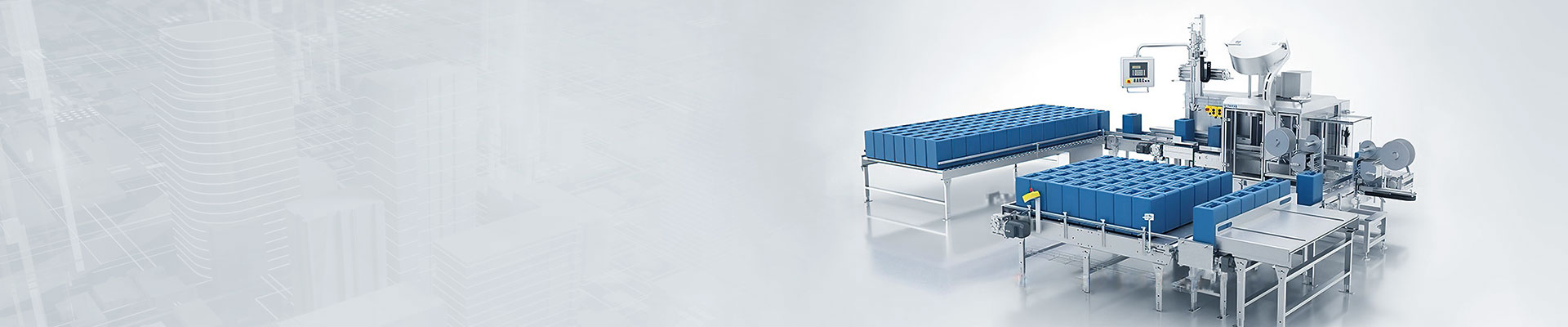




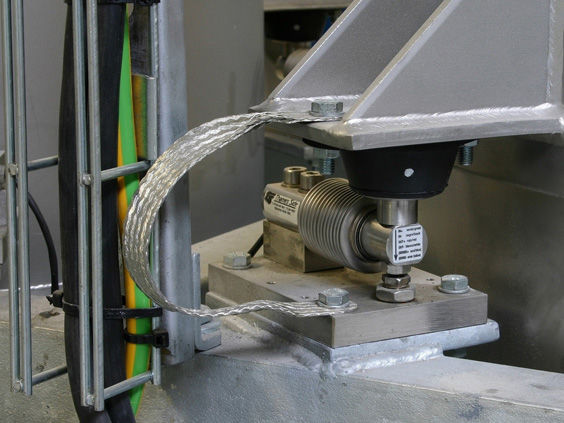
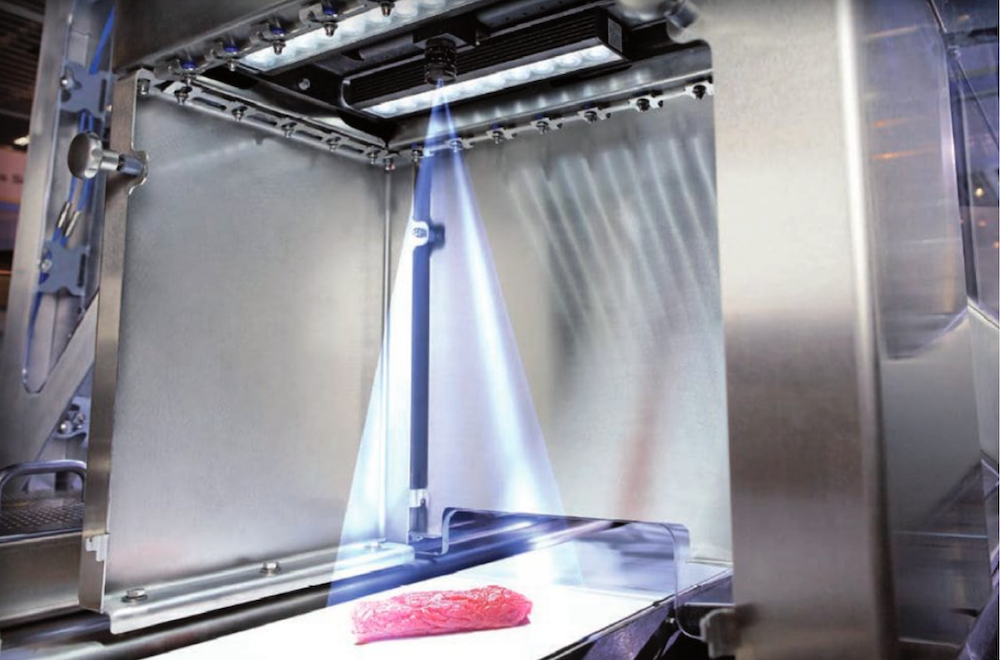
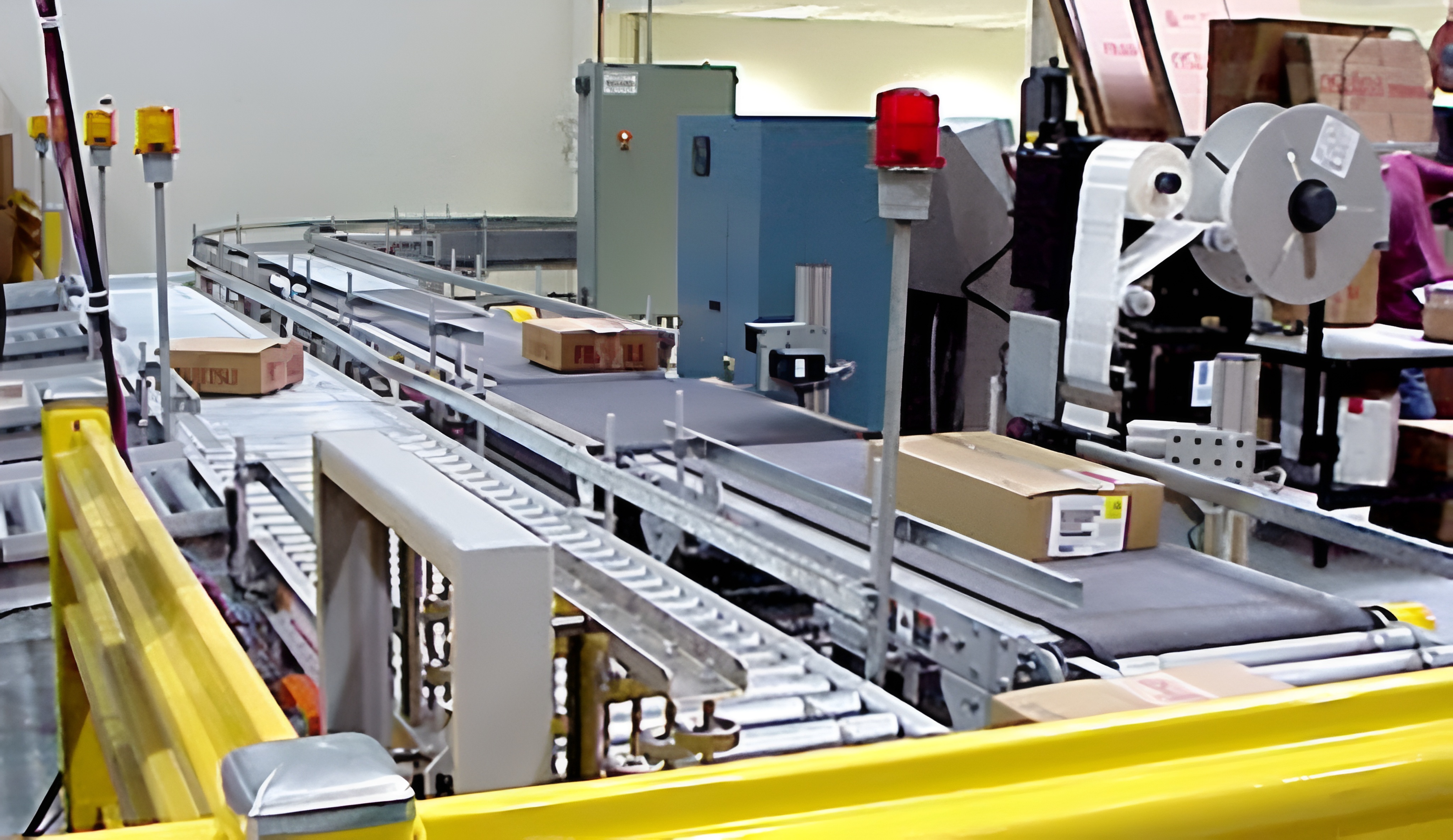


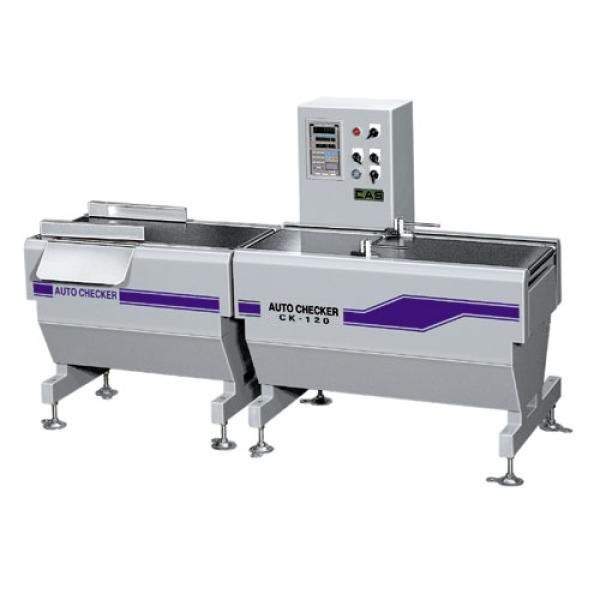
The weight checker is mainly composed of conveying part, weighing part and sorting part. The products to be inspected and weighed in queue on the assembly line are conveyed by a conveyor belt to increase the running speed and ensure sufficient spacing between products to avoid having two products on the weighing table at the same time. After the products enter the weighing platform, the system recognizes the products to be inspected into the weighing area according to the external signals (photoelectricity, threshold). The weighing section completes the acquisition of the weight signals and sends them to the controller for processing to obtain the dynamic weight value of each product. The sorting section is used to transport the products that have completed the inspection out of the weighing area and to reject the products that do not pass the weight test. Depending on the shape and weight of the product, the rejection can be done by air blowing, pusher, flap, etc.

 020-34563445
The products to be weighed in the detection system are transported by other conveyors to the conveyor device located on the weighing scale. The products to be weighed are weighed by the weighing machine 1. After the weighing is completed, the weighing machine automatically resets to zero and retests the next product. Then, the weighed products are transported by the conveyor device to the rejection device. If there are products that do not meet the weight requirements, the detection device will issue an alarm signal. The rejection component in the rejection device will push the products into the recycling device for recycling. The rejected products will be manually filled with the weight difference and assembled into qualified products, and then pushed into the production line for normal operation; After passing the inspection, the whole box of products will be transported to the subsequent assembly line by the rejection device.
The weight inspection machine releases items that pass the inspection, and for items that do not pass the weight inspection, it may issue an alarm or be pushed out of the conveyor belt by the sorting mechanism. Automatic weight inspection machine can replace manual sampling and testing on the production line, and can detect all passing items without exception. It is a very suitable measuring equipment to ensure the quality of production products. The inspection table of the automatic inspection machine is equipped with a lightweight conveyor belt. When the tested item passes through the inspection table, the system judges its weight, checks whether it meets the specified weight requirements, and gives qualified, overweight, or underweight prompts, or performs corresponding non-conforming product removal actions (according to user needs), and pushes the non-conforming products out of the production line. The weighing scale control system has functions such as standard weight detection, counting, alarm, sorting, etc. The weighing detection machine can also have the function of grading and sorting (customized). When different weight specifications of items are conveyed on a conveyor belt, the sorting scale can still distinguish their weight. The weight inspection machine can be used to control the qualification rate of packaged products, check whether the packaging weight meets the standards, determine whether the number of items placed in the packaging box meets the requirements, automatically determine the weight of small packaged foods and classify them into grades, and can also be used to detect weight errors in packaging bags on quantitative packaging production lines. It can also detect abnormal states in the preceding processing steps of mechanical processing production lines, thereby eliminating unqualified products or implementing alarms, achieving the goal of timely adjusting equipment and controlling product quality.
The weighing machine includes a weighing machine, which consists of a weighing scale and an electrical control box. The weighing scale is equipped with a conveying device, and one end of the weighing scale is connected to the rejection device, while the other end is connected to the recovery device. The conveyor device is embedded in the middle of the weighing scale and includes a conveyor belt. One end of the conveyor belt is connected to the driving wheel, and the other end is connected to the driven wheel. The driving wheel is connected to the driving motor, and a detection device is installed on the weighing scale. The detection system is a photoelectric detection device. Under photoelectric detection, when the product passes through the belt conveyor, the weight detection system automatically resets and detects to prevent the product from being underweight or overweight. High detection accuracy. The removal device includes a first bracket, with a first drum set at the upper end of the first bracket. The first drum is a double chain wheel drum, which is connected to the motor through a chain wheel. The removal device also includes a removal component, which includes a push plate. The push plate 5 is connected to the push plate seat through a connecting rod, and one side of the push plate seat is connected to the cylinder and induction switch. The push plate seat is sleeved on the sliding shaft, and the push plate is set above the first drum. The push plate seat is connected to the first bracket. Among them, the preferred cylinder and induction switch are Yadeke magnetic cylinder+node type induction switch, and the cylinder installation is simple. The recycling device includes a second bracket, with a second drum set at the upper end of the second bracket, and one end of the recycling device connected to the baffle.
Technical parameters
Sorting range: 10-1200g
Sorting accuracy: 0.5g
Sorting speed: Max 60 times/minute, Max 120 times/minute
Minimum display: 0.5g sorted material (width 20-220mm) (length 50-400mm, 50-300mm) (height 12-42mm can be arbitrary)
Power supply: AC110/220V, 50/60HZ
Air pressure used: 5kgf/c ㎡