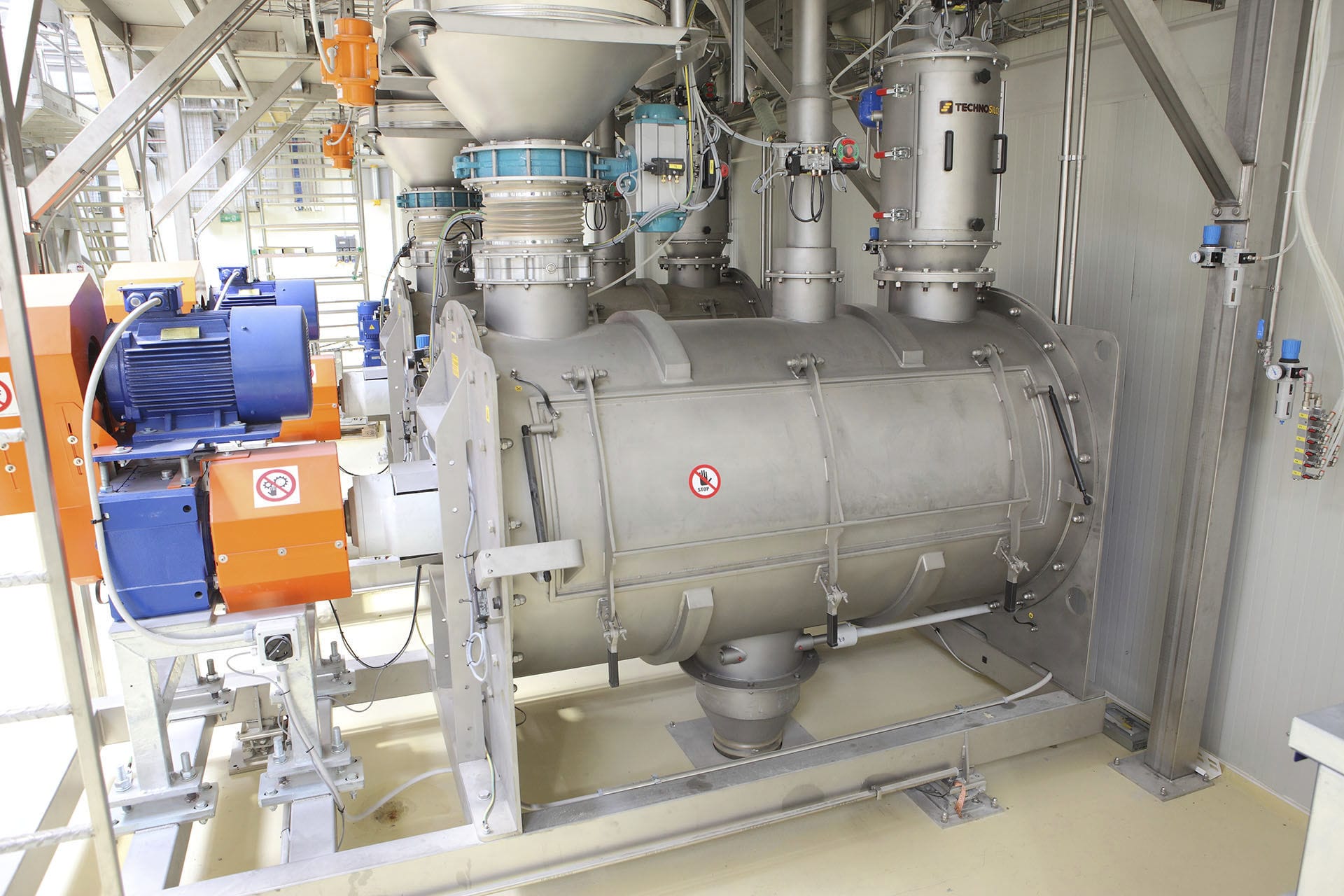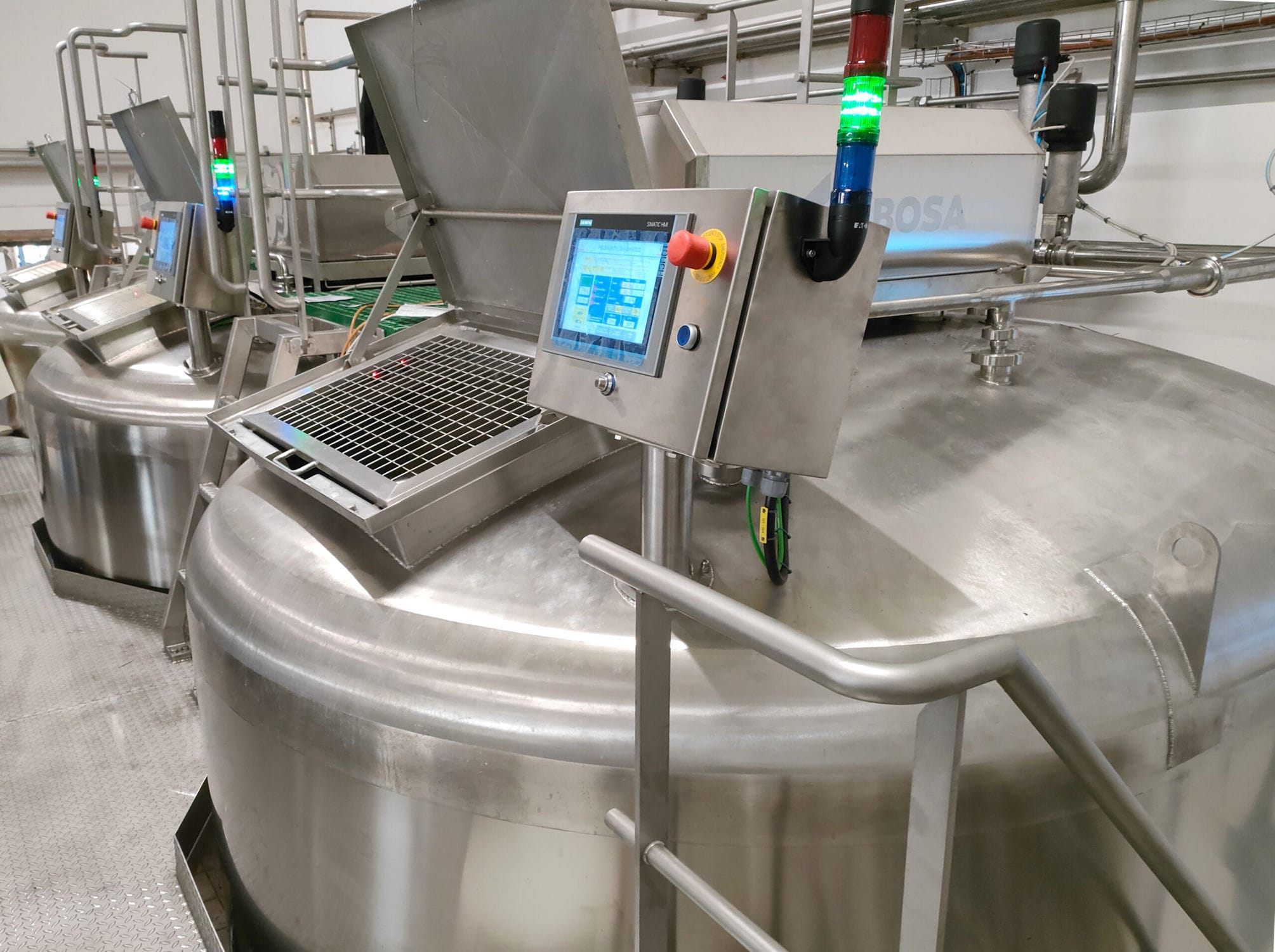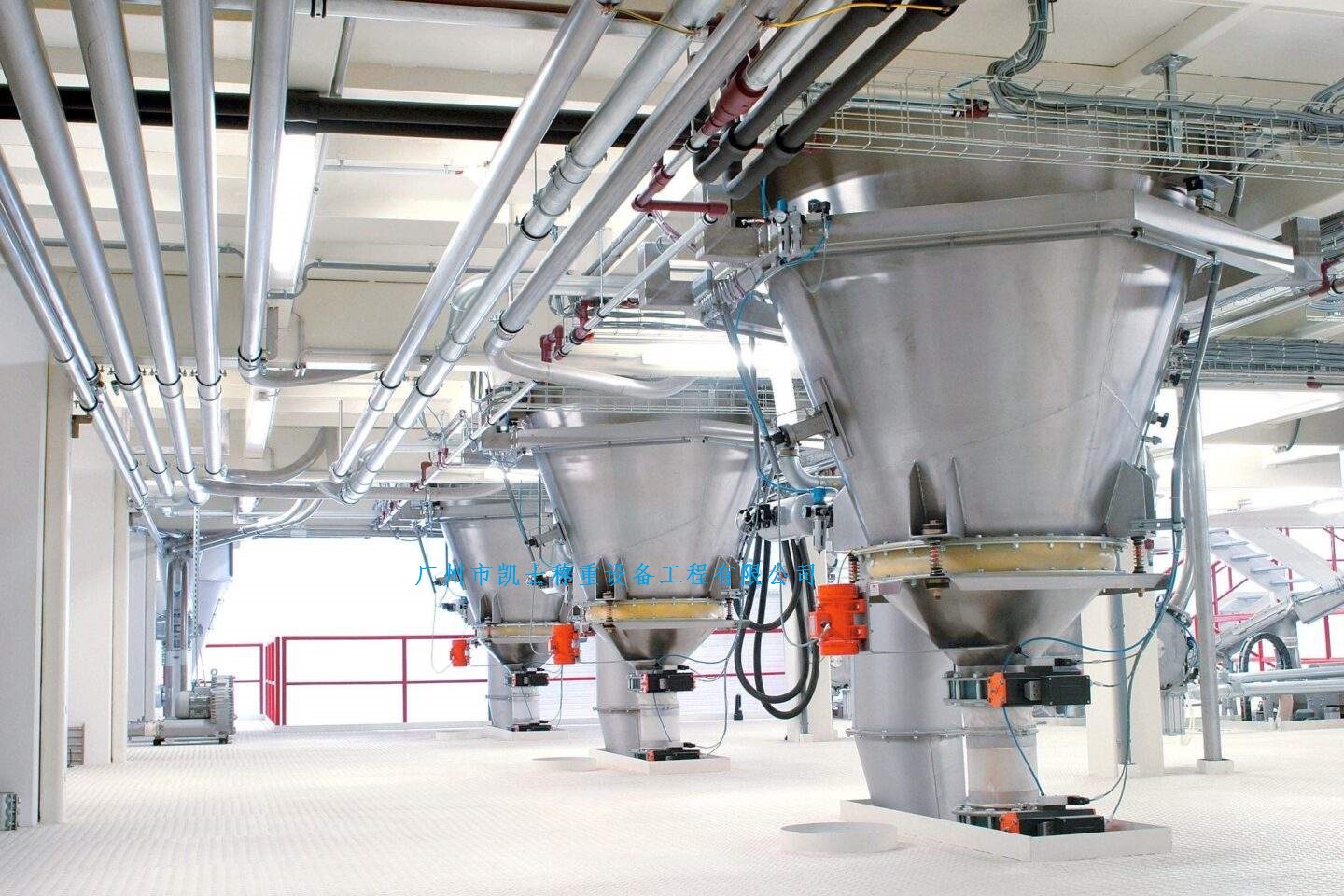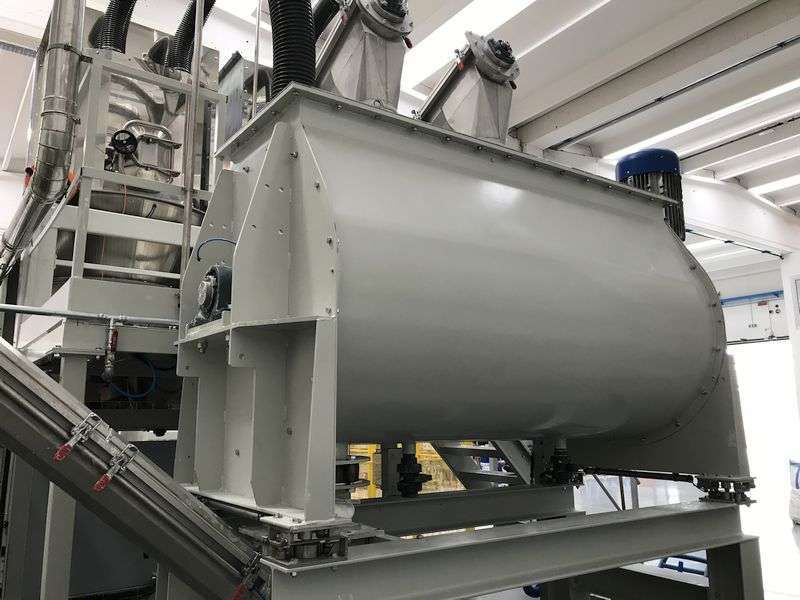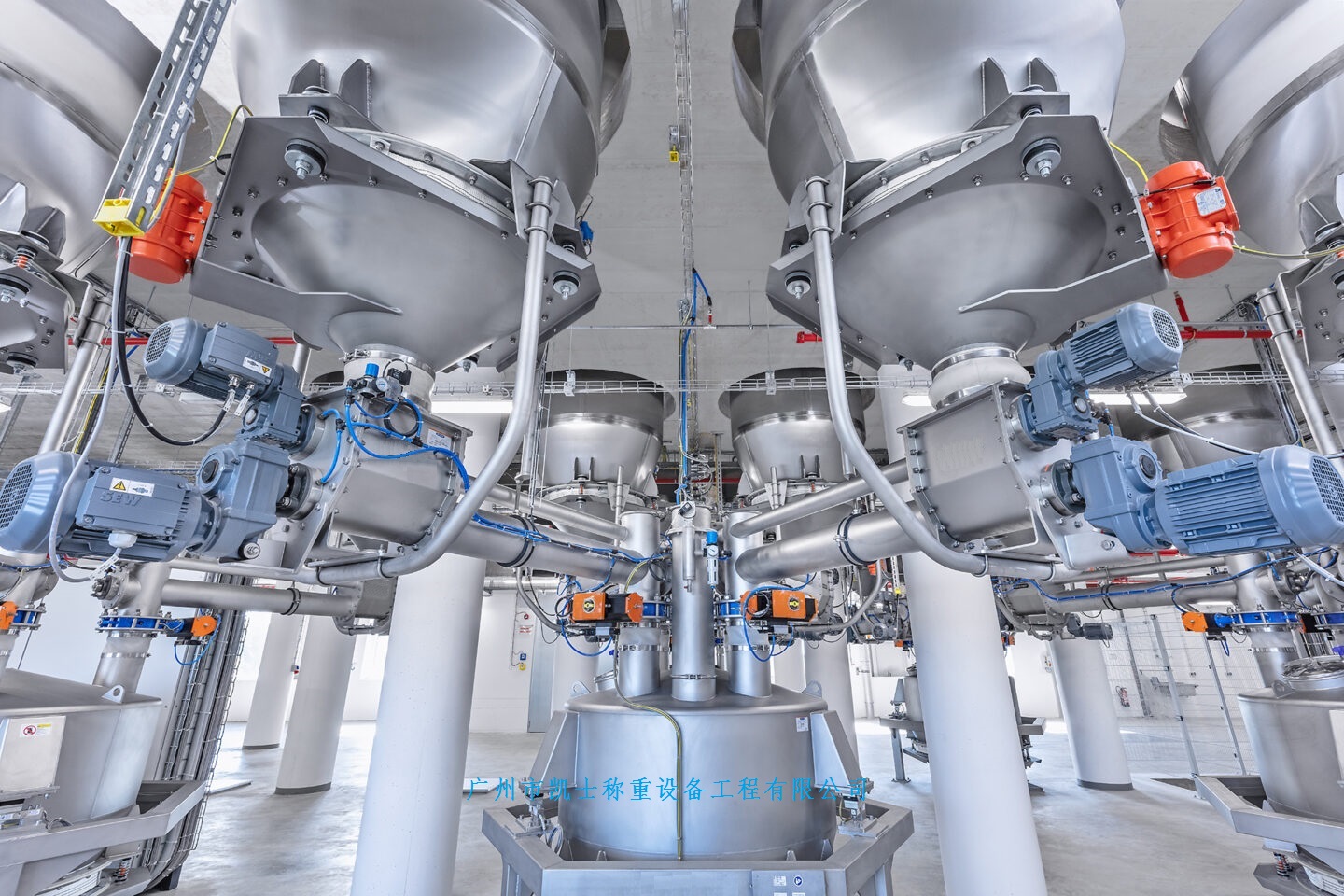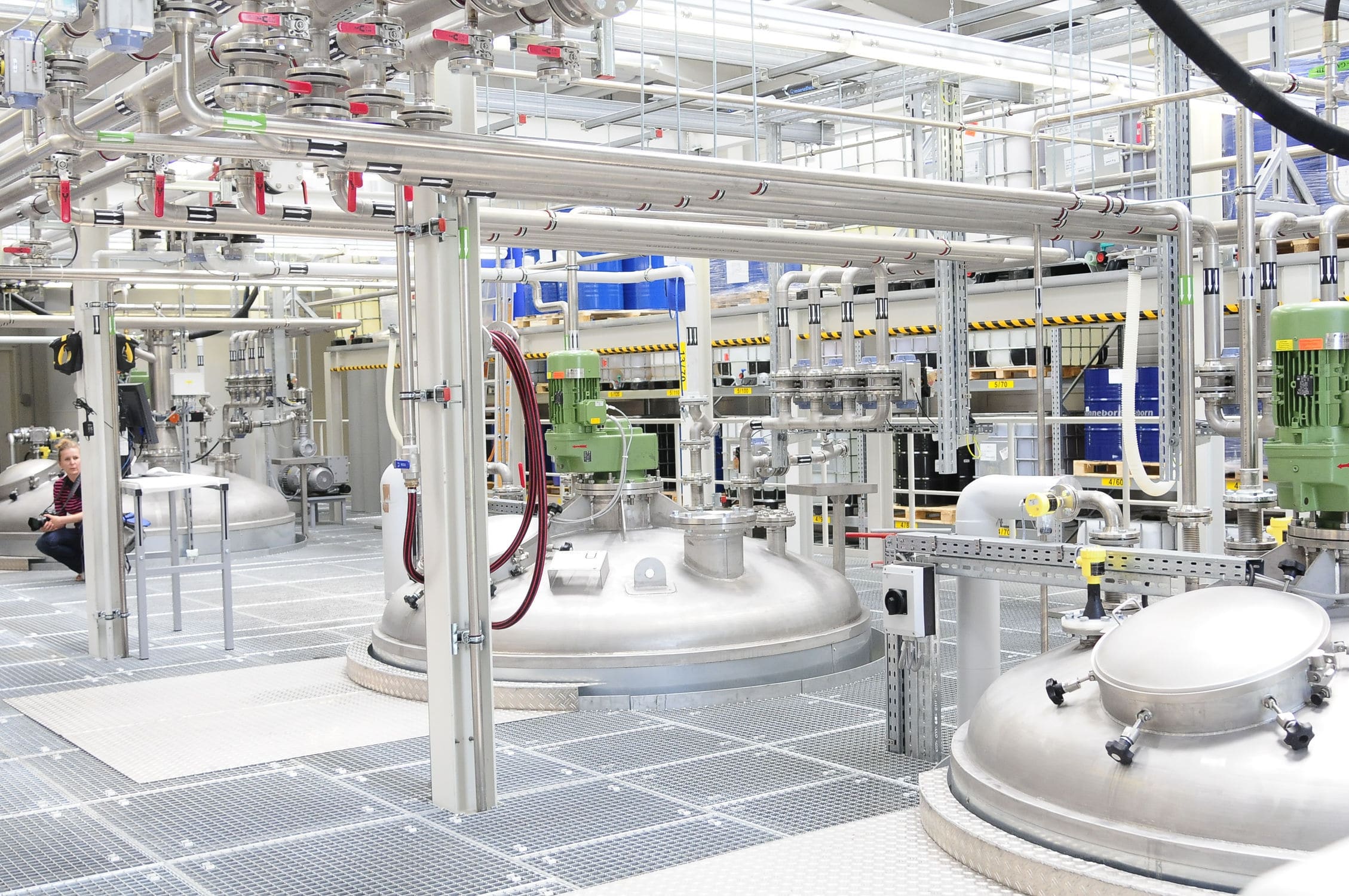


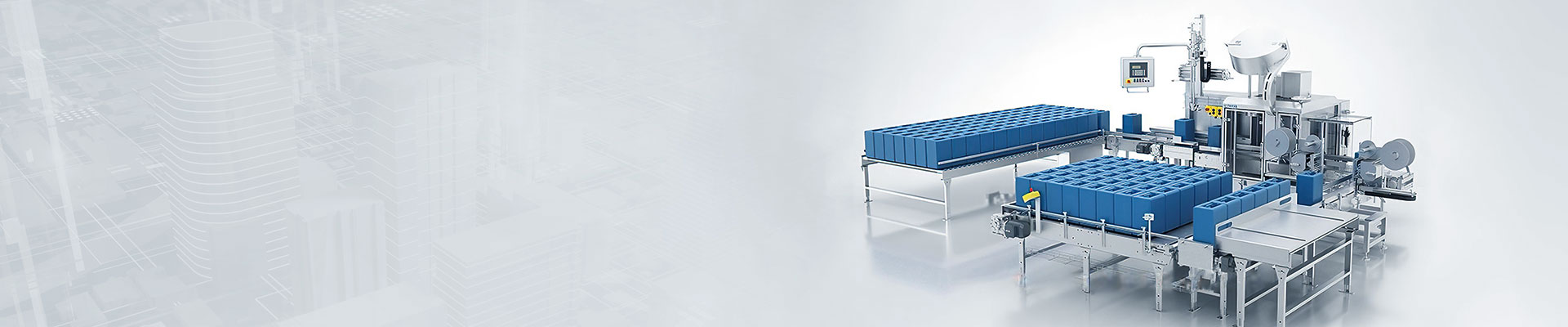



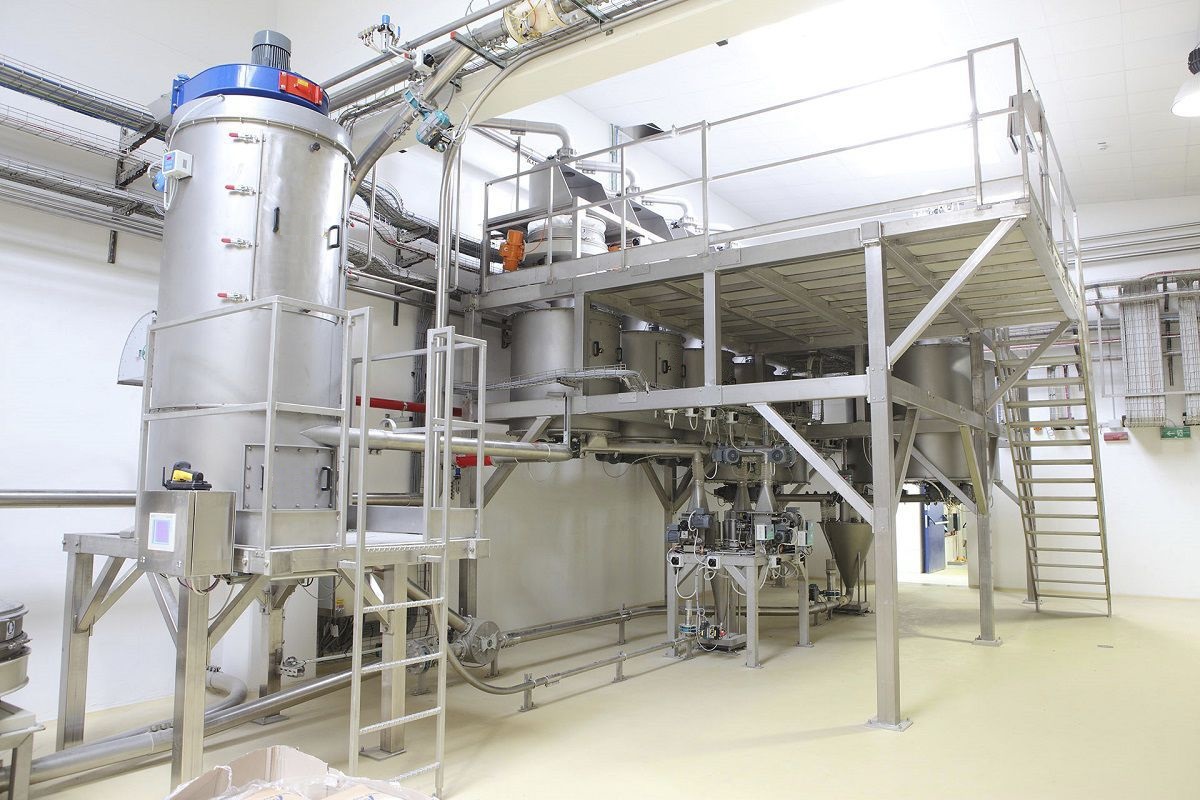
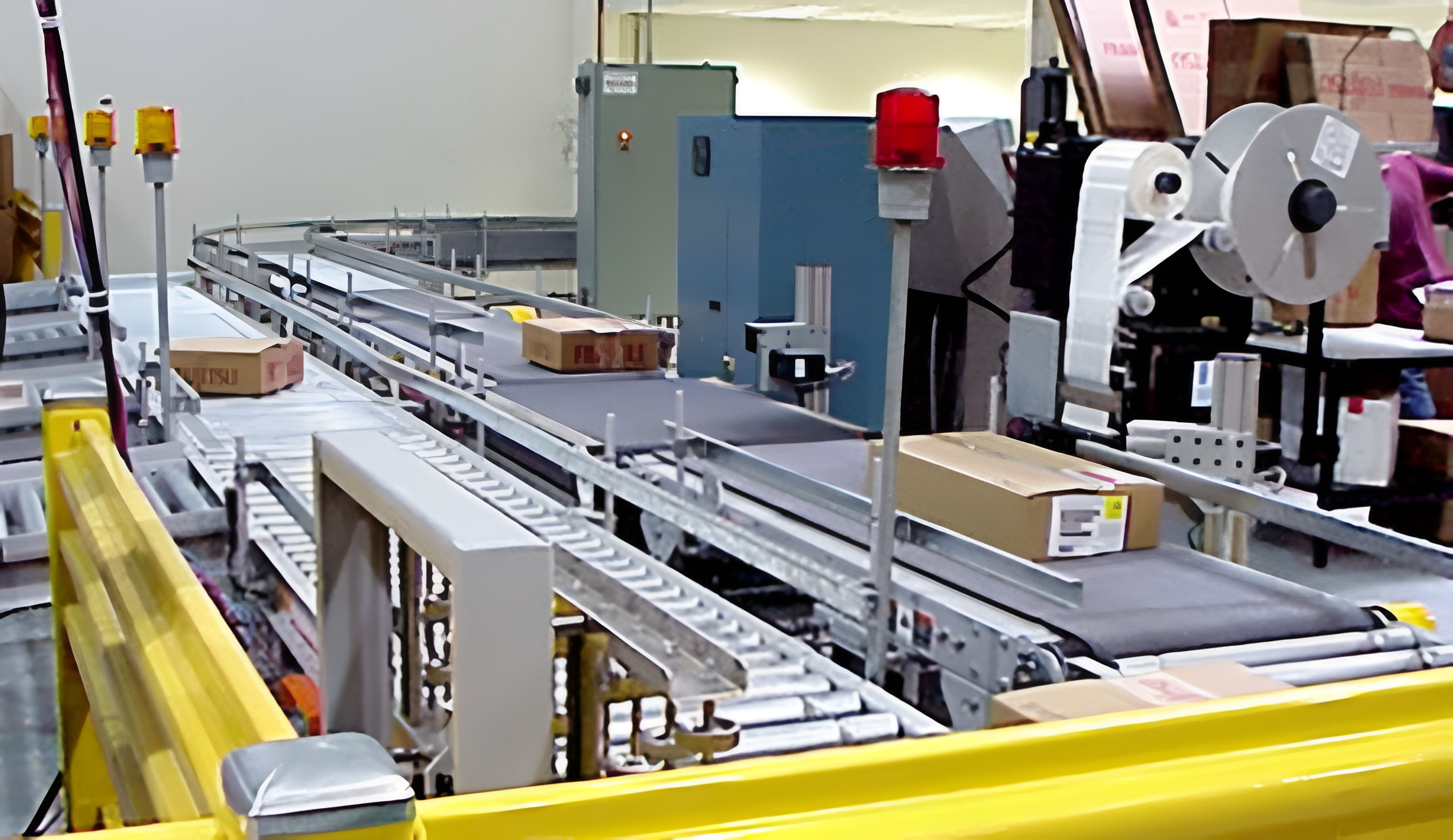
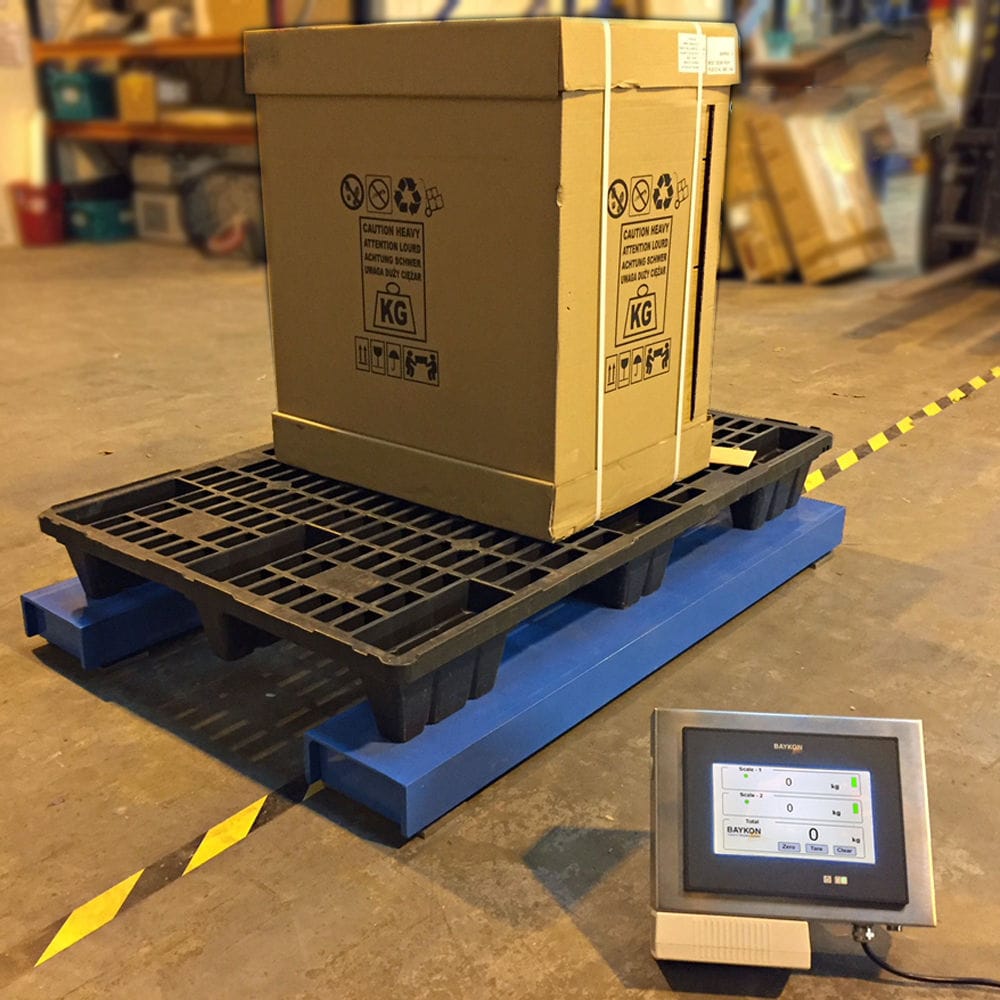


The hopper weighing system measures the weight of the material passing through the weighing module, adds liquid (or powder) and mixes it at a fixed time. After the mixing is completed, the discharge gate is opened to place the mixed material into the intermediate storage bin. The material in the intermediate storage bin is uniformly placed together with the weighed resin into the mixing hopper conveyor to send the material to the storage bin. Real-time monitoring of temperature, pressure, flow rate, etc. at the process site is completed, historical data is recorded, production parameters are recorded, and the system issues warnings in the form of sound and light alarms to alert the system to operate stably in the fully automatic control mode.


 020-34563445
The hopper Weighing system can achieve the measurement and proportioned conveying of various materials, featuring precise measurement, high speed, no wear on the materials, and high measurement accuracy. It also has the characteristics of high automation level, simple operation, environmental protection, accurate feeding, and high proportioning accuracy. Through the computer control center, the entire production process can be monitored, and effective control of the operation process can be achieved. This eliminates the potential errors caused by human operation. It is widely used in the pharmaceutical, food, and chemical industries. After the material is measured through the hopper and the weighing module, liquid (or powder) is added and mixed at a fixed time. After the mixing is completed, the discharge gate is opened to place the mixed material into the intermediate storage bin. The material in the intermediate storage bin and the weighed resin are uniformly placed into the mixing hopper conveyor to send the material to the storage bin. Real-time monitoring of the temperature, pressure, flow, etc. at the process site is completed, historical data is recorded, production parameters are recorded, and the system issues warnings in the form of sound and light based on the manual/automatic status, batching status, and protection status, ensuring the stable operation of the system in the fully automatic control mode.
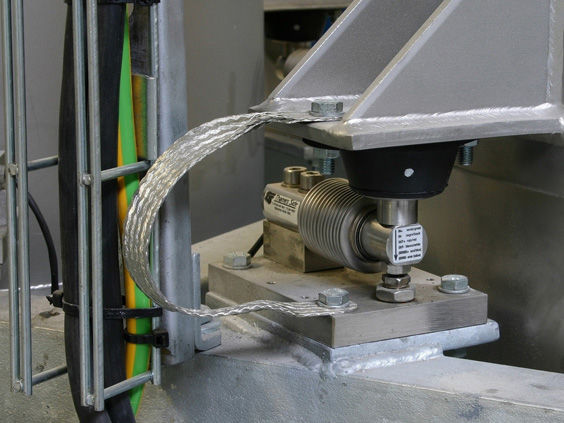
The hopper weighing system consists of a hopper weighing frame, valves, weighing sensors, wiring boxes, signal cables, and an intelligent weighing display. The weight of the material acts on the hopper weighing system, which is converted into an electrical signal by the weighing sensor on the hopper weighing system and amplified by the amplifier in the measurement circuit before being displayed, recorded, and processed. The hopper weighing system can weigh gross weight, tare weight, and net weight, and has the functions of automatic zero adjustment and weighing data processing. The weighing module is installed below the load-bearing hopper, and usually one hopper is equipped with 3 Weighing modules. The modules contain weighing sensors; during operation, the weighing sensor undergoes elastic deformation under the gravitational force of the hopper, and the resistance strain gauges attached to its surface also deform accordingly. After the resistance strain gauges deform, their resistance values will change, which is detected by the detection circuit and converted into a corresponding electrical signal (0~20 mV, DC) and transmitted to the weighing instrument. This signal is proportional to the weight of the material in the hopper and thus allows the weight of the material in the hopper to be obtained. The weighing instrument outputs (0~20) mA, the standard signal of the weighing instrument, to DCS or PLC for batching control, measurement, etc.
After the materials enter the hopper, the measurement is automatically completed. When the hopper weighing system weighs the powder materials, it needs to adjust and set the quantitative range of the automatic measuring instrument of the hopper weighing system based on the approximate weight of the input materials measured by the weighing module. According to the preset feeding program, the frequency converter controls the coarse feeding operation into the hopper weighing system. When the weight in the hopper of the hopper weighing system changes, the weighing module inputs the detected signal into the weighing controller. After a series of processing, it re-changes and sets the quantitative range of the weighing instrument of the hopper weighing system based on the processing results. It determines whether the hopper weighing system's coarse feeding set value is reached. If it is reached, the frequency converter controls the fine feeding, that is, slowly feeding the powder materials into the hopper; otherwise, if it has not reached the coarse feeding set value, it will again perform coarse feeding into the hopper until the coarse feeding set value is reached for fine feeding into the hopper. When the fine feeding set value is reached, the weight in the entire hopper meets the weight requirement for a single feeding. At this point, the hopper valve is opened for the discharge operation. After the discharge is completed, the weighing instrument of the hopper weighing system is reset to zero, the discharge valve of the hopper is closed, and a single feeding measurement operation of powder materials is completed.