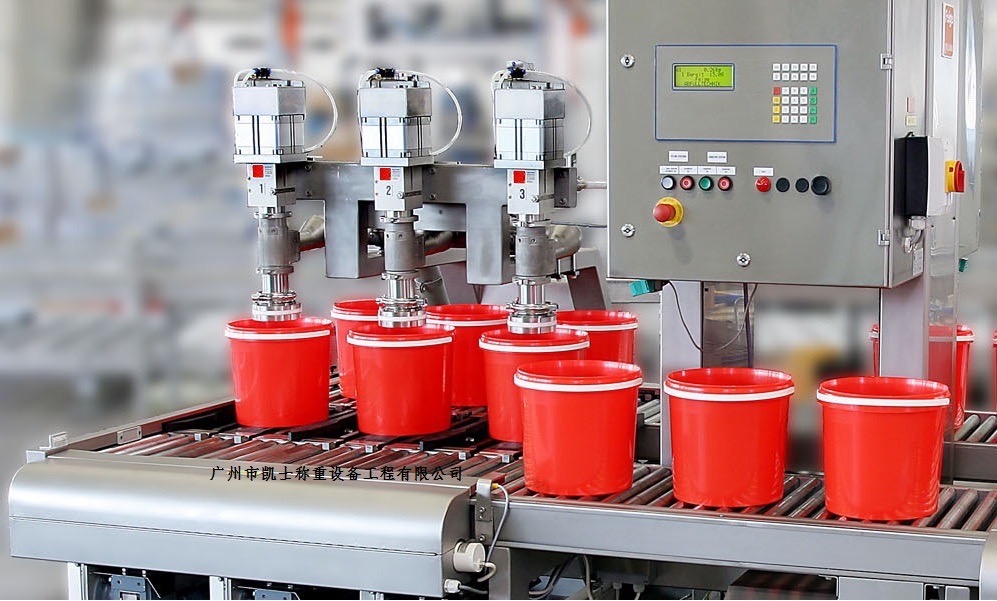


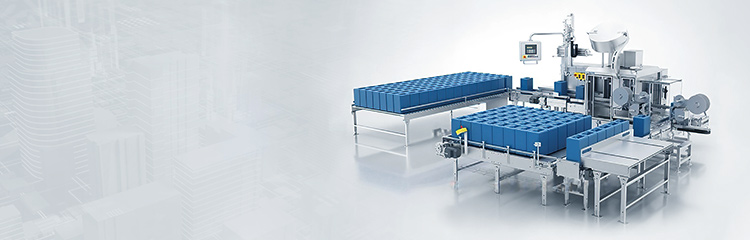


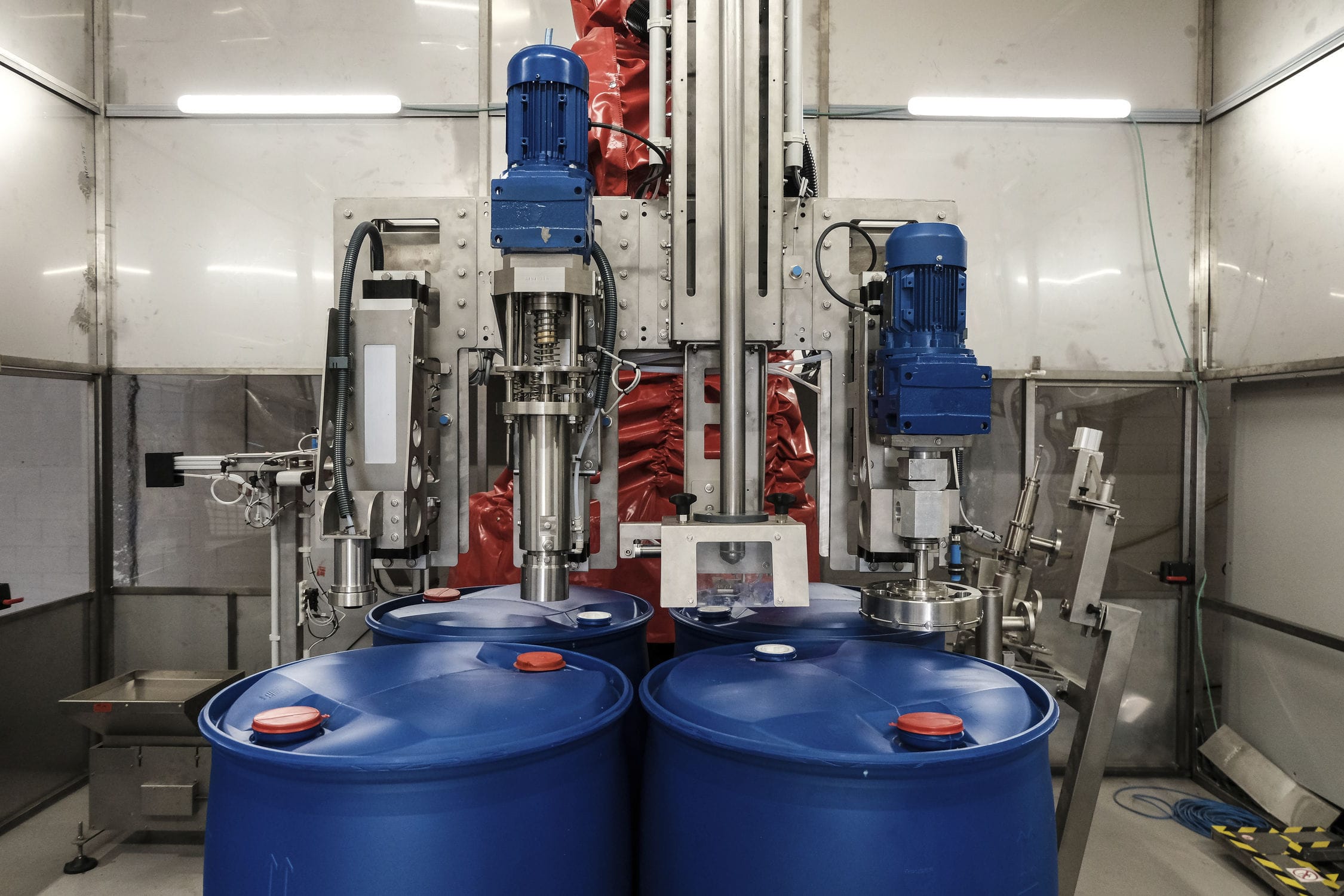


The filling machine calculates the position information of the circular filling port in the image of the barrel cover surface, namely the filling port radius, the filling port center mark and the height of the oil gun. The corresponding position information is transmitted to the stepper motor control system, and the motor control system drives the shaft stepper motor according to the pulse instruction issued by the computer, and drives the oil gun to run above the filling port to realize automatic positioning and filling.


 020-34563445
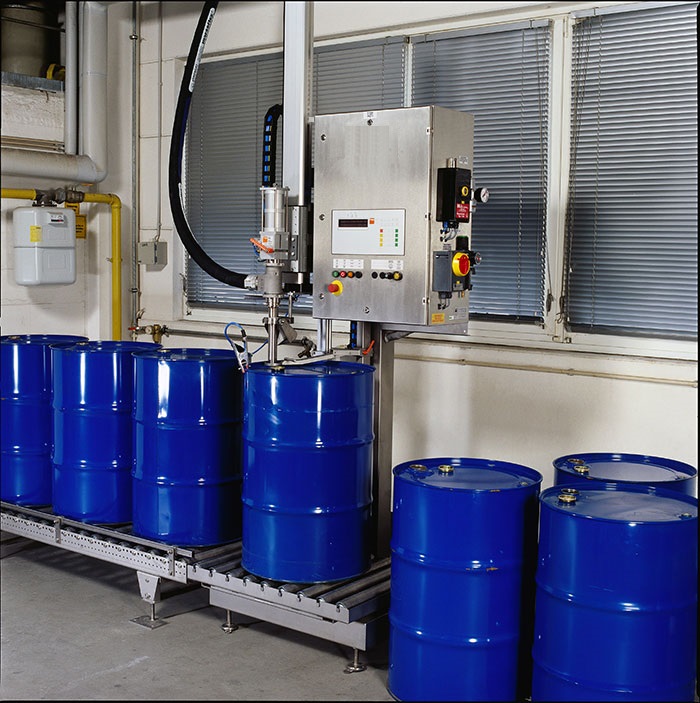
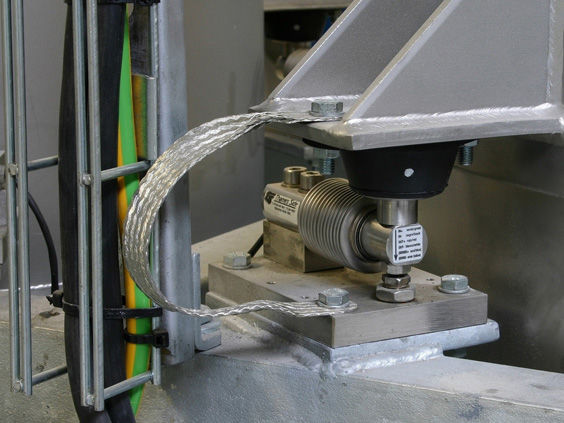
The automatic Filling machine adopts a unique anti drip device to prevent materials from dripping onto the barrel and weighing platform, which may affect the packaging and drum; The Electronic scale measurement method uses imported weighing sensors, with a long service life, stable weighing, and dual speed filling to ensure filling accuracy The arbitrary stop button facilitates pipeline cleaning and shutdown, with triple protection of emergency stop/power-off/tank removal. The filling, capping, and clamping machines are completed in one machine. The automatic filling scale includes a bracket, an automatic liquid discharge device, a finished product bucket, a weighing scale, and a control box; The automatic liquid discharge device and control box are both mounted on the bracket. The automatic liquid discharge device includes a fixed device, as well as pipelines, pumps, and multiple solenoid valves mounted on the fixed device; The pipeline includes an inlet pipe, a discharge pipe, and a filling pipe. The inlet pipe and the discharge pipe are parallel and equipped with pumps and solenoid valves, respectively. One end of the inlet pipe and the discharge pipe is used for inlet and discharge, and the other end of the inlet pipe and the discharge pipe are connected to each other through a filling pipe. The filling pipe includes two or more branch pipes arranged in parallel and a filling outlet pipe connected to each branch pipe, and solenoid valves are installed on each branch pipe and the filling outlet pipe. A flow meter is also installed on the filling outlet pipe. The finished product barrel is used to contain the liquid flowing out of the filling outlet pipe, and an electronic weighing scale is installed below the finished product barrel for real-time weighing of the finished product barrel; The pump, multiple solenoid valves, flow meter, and electronic scale are respectively connected to the control box for communication.
The Liquid filling machine precisely controls the filling operation of the pump and solenoid valve through the control box, with extremely high accuracy, and can achieve a relatively stable filling process through this utility model. In order for the liquid to flow smoothly into the finished product barrel, the discharge pipe is located below the inlet pipe, the branch pipe is located below the discharge pipe, the filling outlet pipe is located below the branch pipe, and the finished product barrel is located below the filling outlet pipe. The PLC controller and the human-machine interface, timer, and switch buttons connected to the PLC controller are also included. The fixed device is slidably connected to the bracket through a height adjustment device. The height of the fixed device can be adjusted through the height adjustment device. The height adjustment device is a height adjustment screw. The fixed device is fixedly connected to the height adjustment screw and moves up and down with the height adjustment screw.
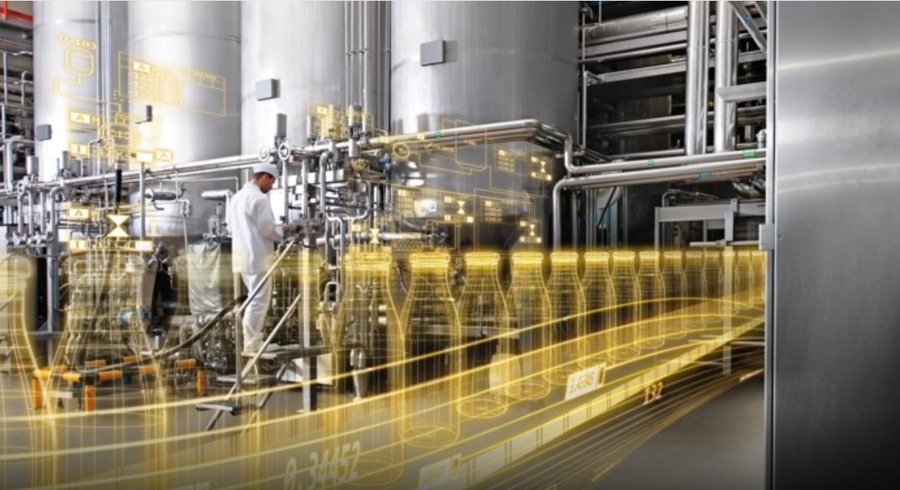
Empty bottle conveying and equidistant bottle separation: This part is located at the front end of the detection system and is connected to the conveyor belt at the back end. After the empty bottles are cleaned by the cleaning machine, the liquid bottles are conveyed to the bottle separation mechanism by the conveyor. The bottle separation mechanism adjusts the bottles equally to ensure that each bottle has sufficient detection time. By changing the speed of the bottle separation mechanism, the spacing between the liquid bottles can be adjusted.
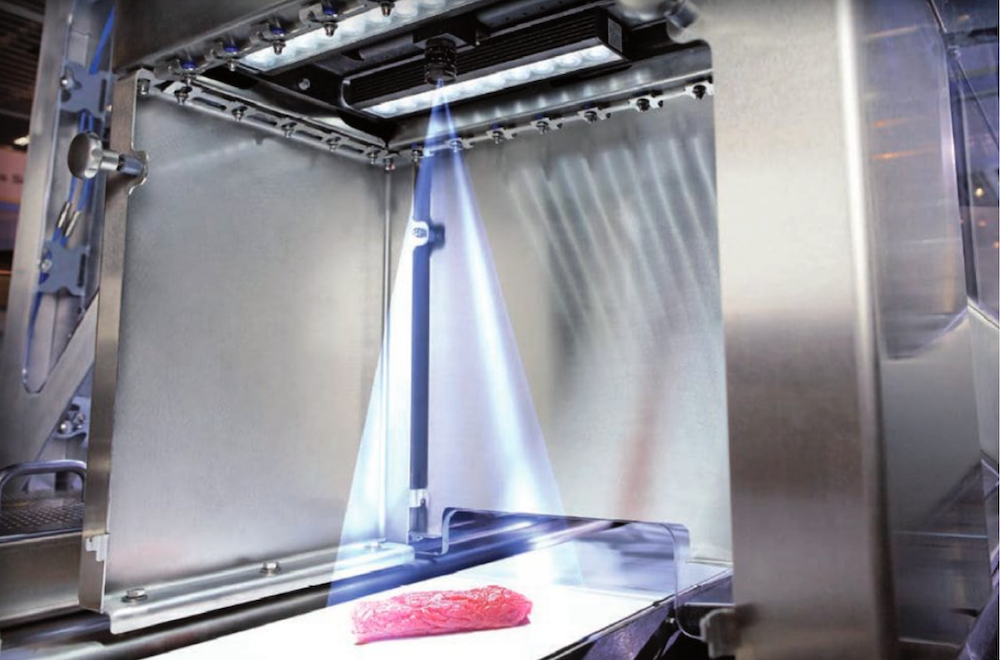
Bottle body detection: The liquid bottle to be detected is transferred to the bottle body detection module. When the liquid bottle passes between two reflective mirrors, it triggers the photoelectric sensor. The DSP transmits the signal to the bottle body CCD camera, which takes pictures of the liquid bottle after being refracted by the reflective mirror to obtain accurate cleaning images.
Bottle mouth detection: After the bottle body detection is completed, it is transported to the bottle mouth detection module. After being illuminated by a light source, the bottle mouth is photographed by a CCD camera, and the collected image is transmitted to the DSP for further processing.
Bottle bottom detection module: The bottle bottom light source selects backlight illumination, which can obtain clearer edge contours.
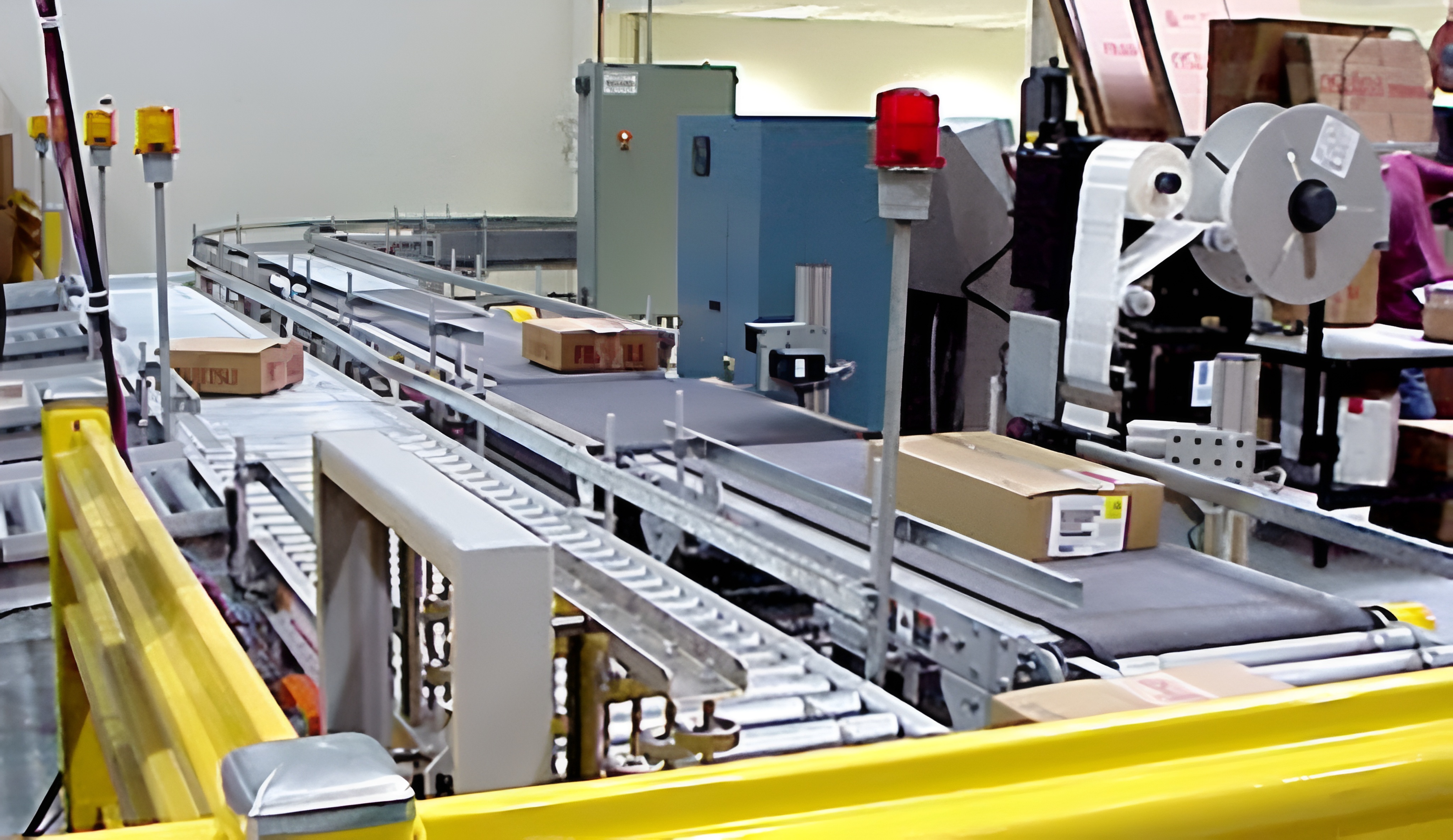
Bottle body conveyor belt: The bottle body is clamped by two parallel conveyor belts. During the conveying process, the conveyor belt uses longitudinal gears with high resistance to ensure that the bottle body is suspended, which facilitates smooth image acquisition of the bottle mouth, bottom, and body.
Removal module: After the three detection processes of bottle mouth, bottle body, and bottle bottom are completed, the bottle passes through the tail positioning photoelectric switch and continues to run forward. The software in the control system judges the passing bottles. If it is a defective product, the PLC sends a high-level signal to the solenoid valve, and the removal cylinder will quickly remove the defective bottle body.
Technical parameters
Filling range: 10-20kg
Filling speed: 200-300 barrels per hour
Power supply: AC110/220V
Power consumption: 500W
Gas source pressure: 0.3-0.5MPA
Filling accuracy: ≤ 0.3%
Dimensions: 610 × 530 × 1450