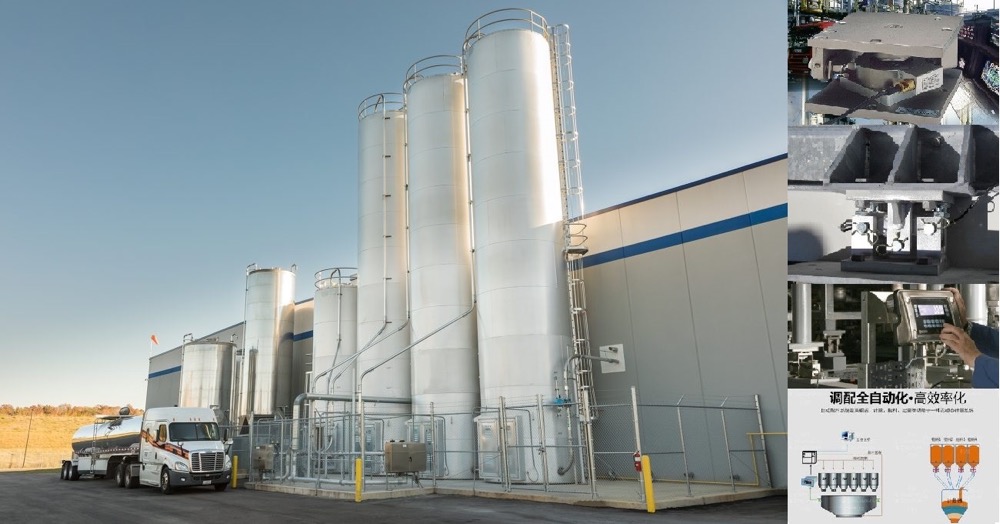





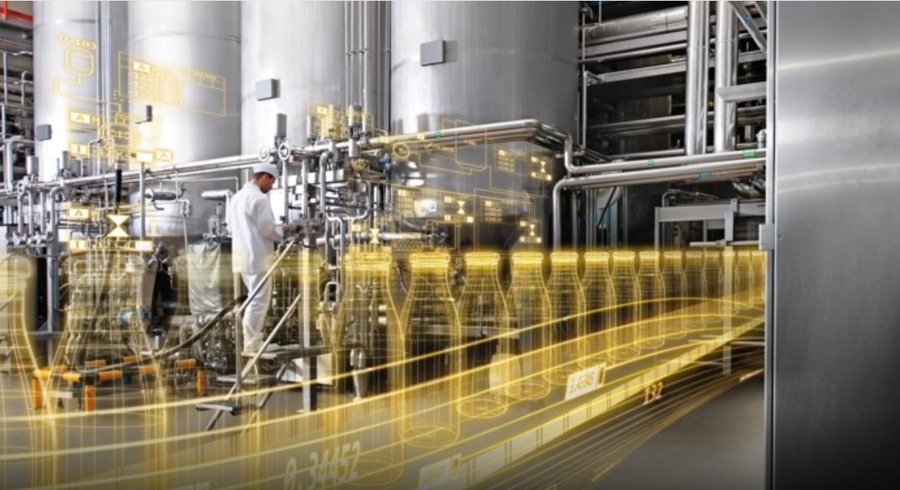
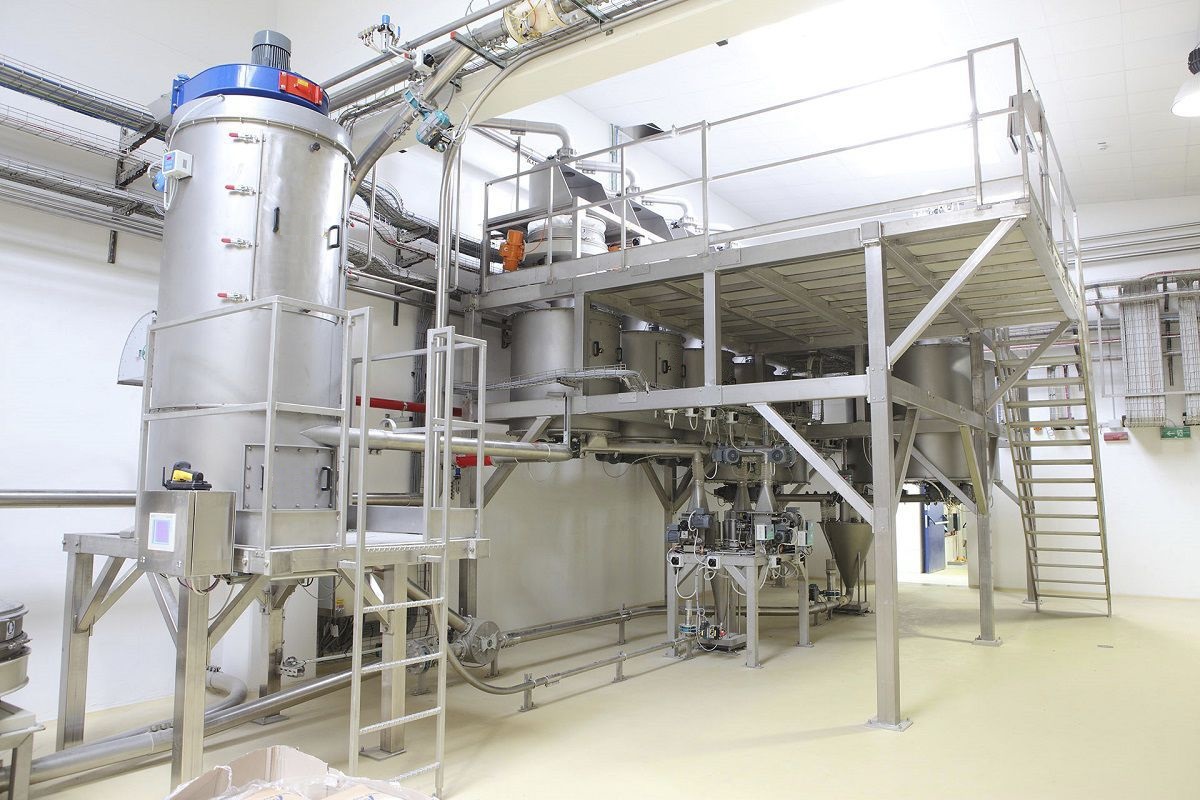
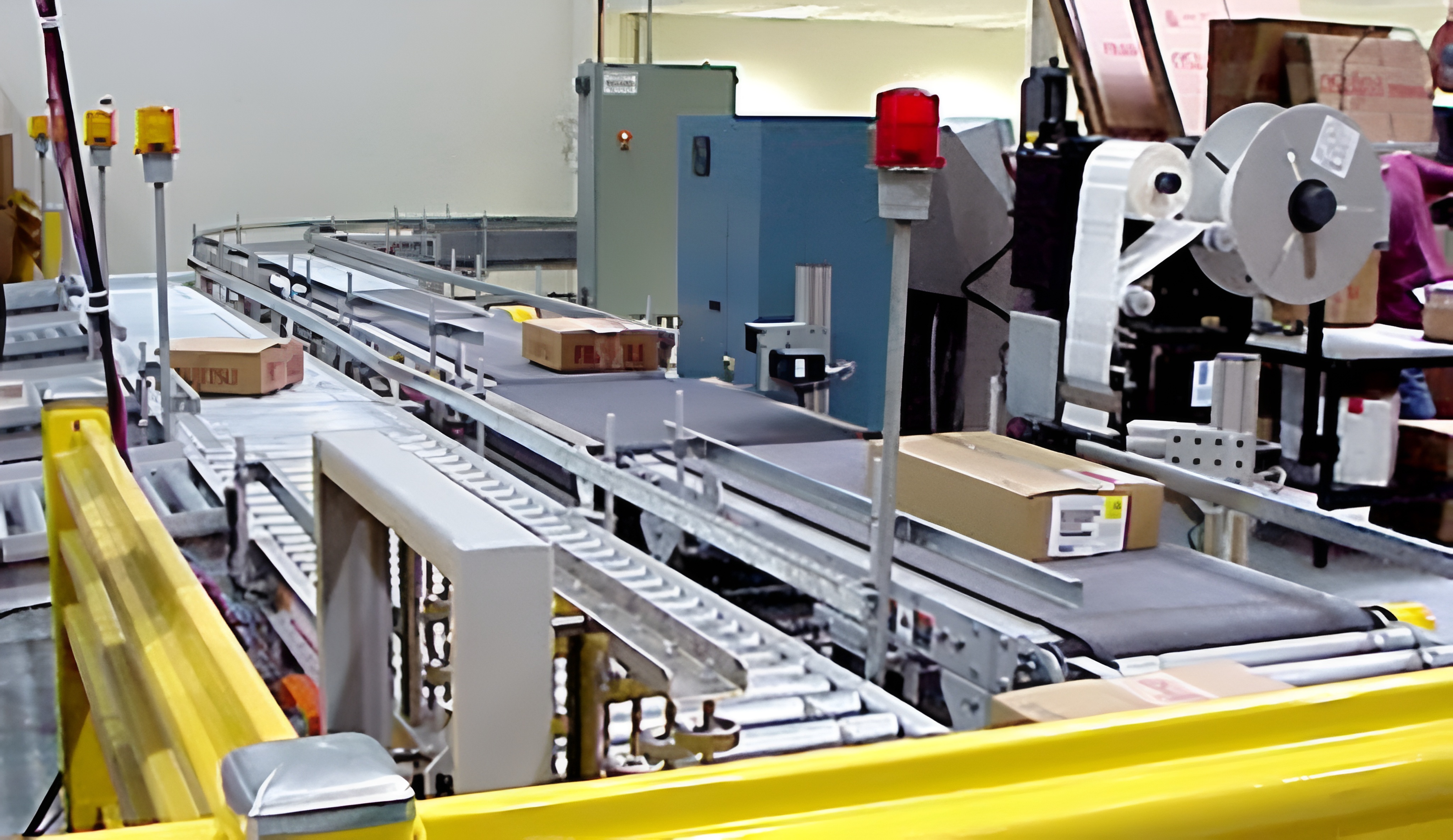


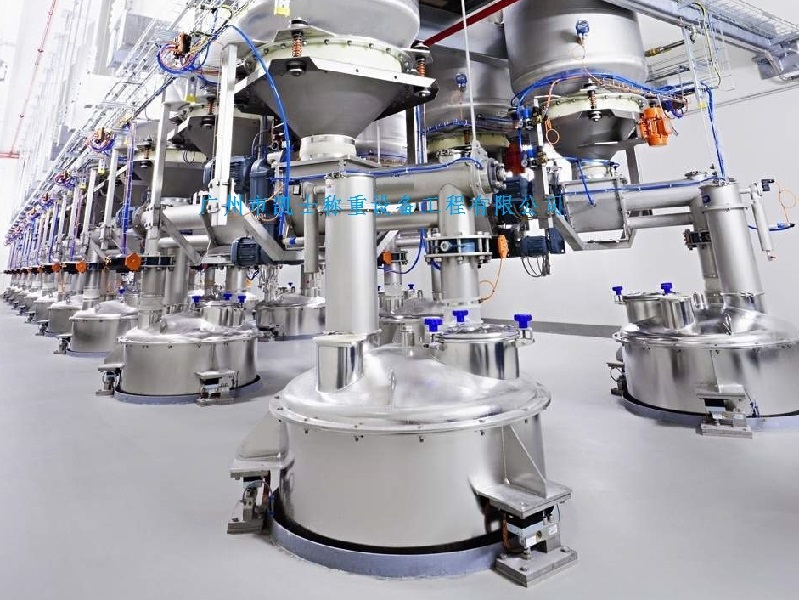
The Bus automatic batching equipment is connected to the field weighing instrument through the bus, the control field equipment, the frequency converter of the weighing feeder, etc., which has a high degree of intelligence and fast processing speed. In the process of batching production, the main material and auxiliary materials are matched in a certain proportion to complete the measurement of the transported material. It is mainly responsible for real-time control of conveying and weighing process, fault detection, display and alarm, and adjustment of spiral speed by output signal to inverter.

 020-34563445
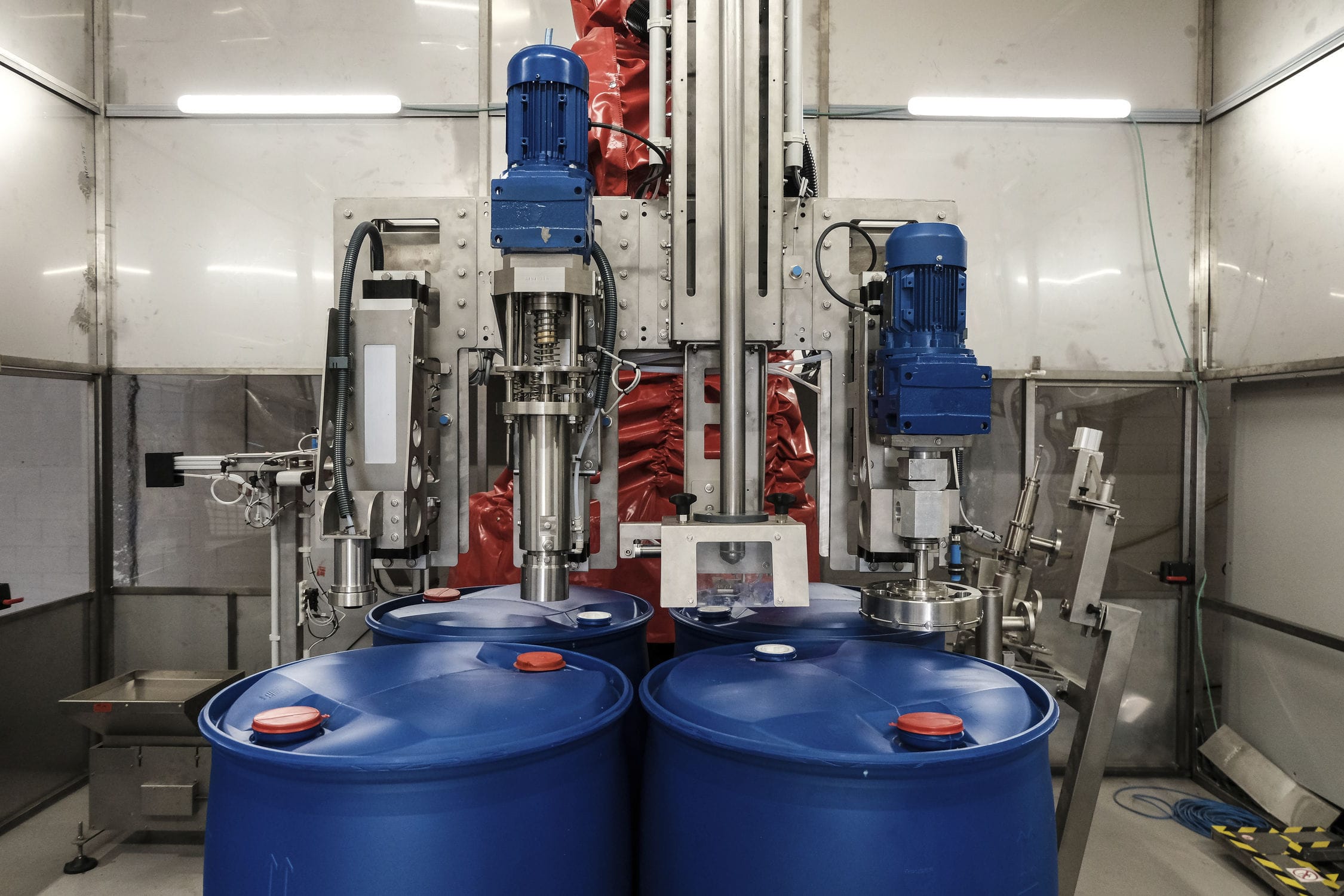
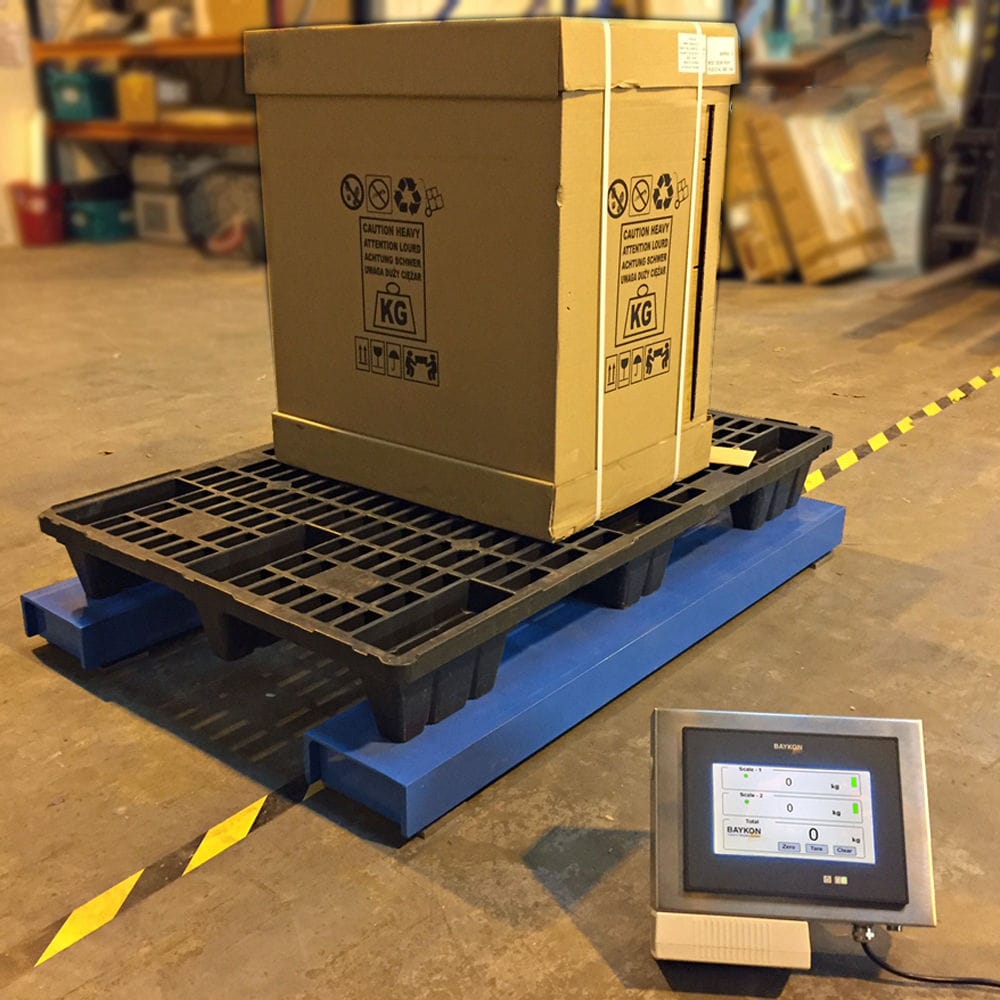
Automatic bus batching equipment is a control system used for automated color mixing and batching, consisting of a computer with batching algorithm software. The application of this system can not only save a lot of labor and improve the production efficiency of enterprises, but also bring huge benefits to the production of enterprises. The weighing control system consists of Weighing modules, weighing instruments, and communication cables. It is operated by Windows and controlled by programming and configuration software using a combination of PID adjustment of measurement deviation and variable frequency speed regulation. The hardware settings, parameter settings, and software design process in variable frequency control are also included. Strictly coordinate and control the various ingredient conveying production lines with multiple outputs, and monitor and adjust the material level weight in a timely and accurate manner. By connecting on-site weighing instruments, controlling on-site equipment, weighing Feeder frequency converters, etc. through a bus, it has a high degree of intelligence and fast processing speed. In the process of ingredient production, the main and auxiliary materials are mixed in a certain proportion to complete the measurement of the transported materials. Mainly responsible for real-time control of the conveying and weighing processes, as well as completing fault detection, display, and alarm, while outputting signals to the frequency converter to adjust the screw speed. In the batching process of the storage tank, the materials are mixed in a certain proportion and sent directly into the mixing bin by a screw machine. Under the silo is a discharge screw machine, whose speed can be adjusted to regulate the amount of feed entering the warehouse, that is, to adjust the amount of material discharged. The weighing signal of the feeder is adjusted by the quality automatic control system to regulate the speed of the discharge screw, thereby automatically adjusting the incoming feeding amount and the ratio between several feeding amounts.
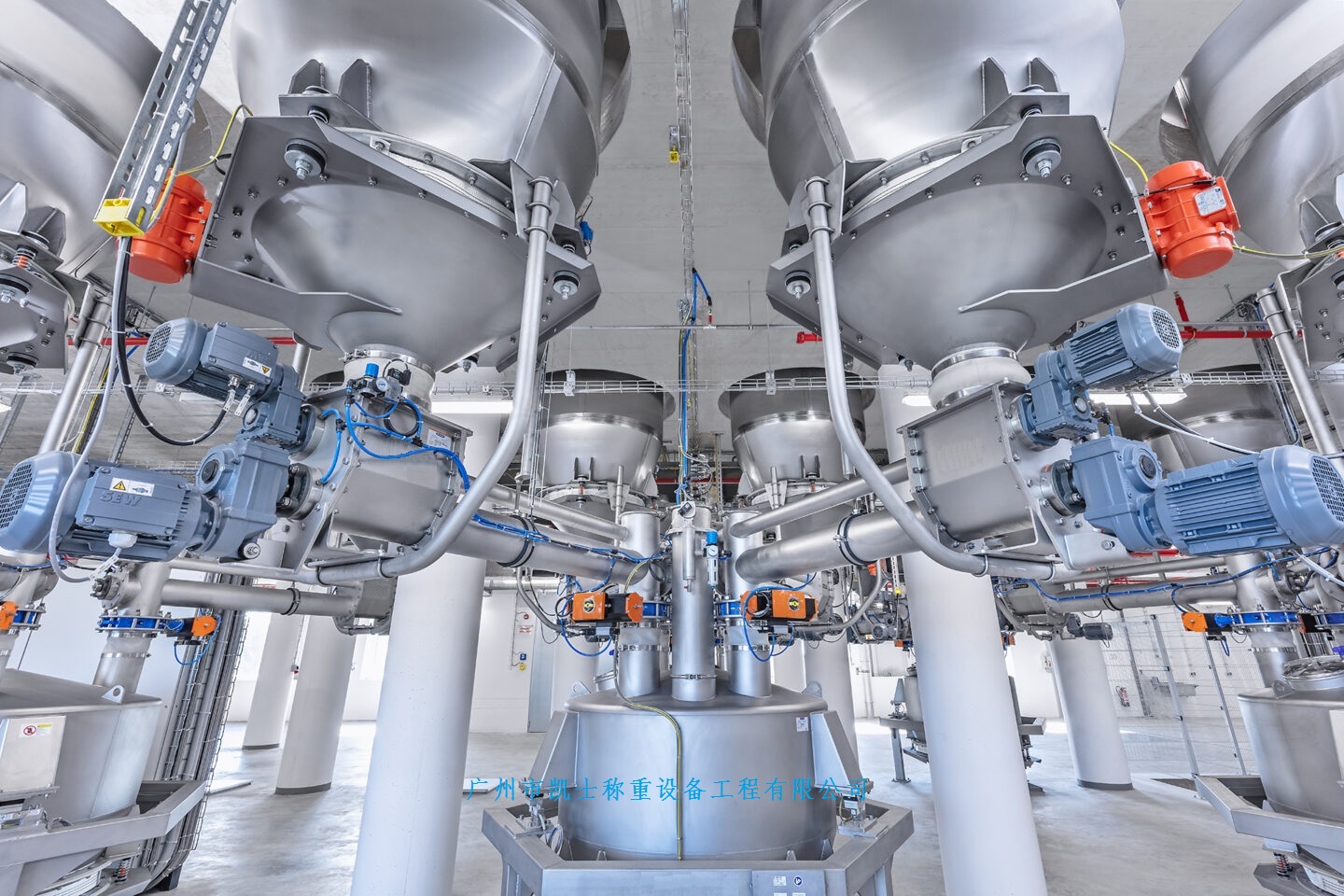
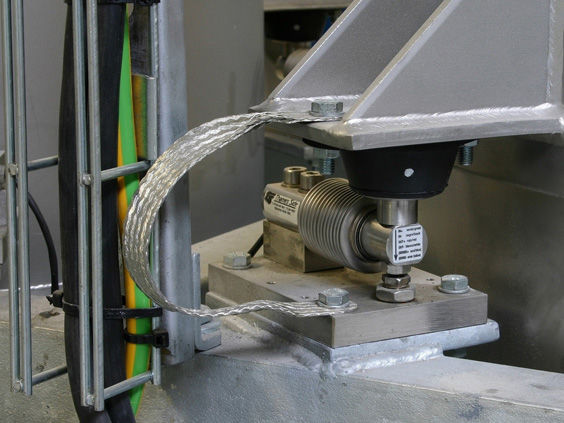
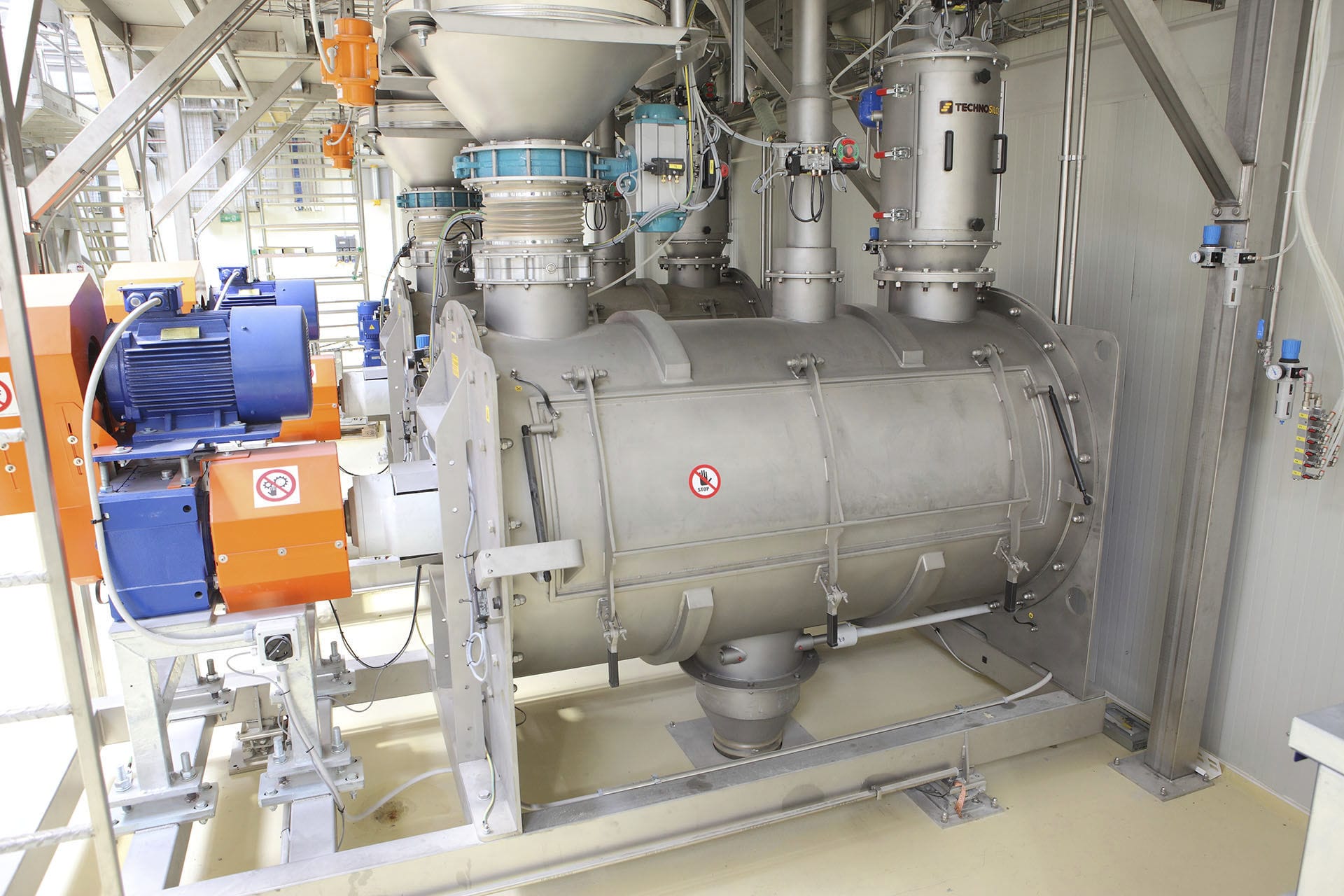
The automatic batching machine includes a silo, a guide frame set at the top of the silo, and a support frame for supporting the silo. The support frame is equipped with a load-bearing beam, and there are at least four ear seats on the outer side of the silo top. A weighing module is set between each ear seat and the load-bearing beam. The inner wall of the guide frame is fixedly equipped with a filter screen, and a discharge valve is set at the bottom of the silo. External electro-hydraulic push rods for controlling the discharge valve are fixedly installed on both sides of the outer wall of the silo. This utility model is equipped with four weighing modules for accurate weighing; Three directional limiters are installed between the weighing modules to keep the entire Weighing system level, prevent lifting, and ensure weighing accuracy; Each swinging sealing rack is equipped with an external electro-hydraulic push rod and a three-phase vibration motor, which can control the precise opening of the discharge valve, ensuring smooth loading and unloading of goods, and ensuring that all goods are unloaded without remaining in the silo.
The material bin of the weighing and batching machine is in a waiting state, the discharge valve is closed, and the three-phase vibration motor stops operating. The operator first fills in statistical information such as the supplier, material name, and transportation specifications on the computer workstation, and places the control system in the initial state to start the control system. Use a grab bucket or suction cup to grab the material, and unload it about 50 centimeters directly above the silo. The material enters the silo through a filter screen. When the material is completely in the silo and the weighing value of the weighing instrument stabilizes, notify the material grabbing personnel that the silo is working. At the same time, the weighing instrument measures the mass of the material in the silo and adds it up to the total amount of material. After the single bucket weighing process is completed, the control system opens the discharge valve to first gear. The material passes through the discharge valve and falls into the transport screw, which then transports the material away. When the material is close to being discharged, the discharge valve is fully opened and the three-phase vibration motor is started, causing the material in the silo to completely pour out. After thorough discharge, the discharge valve is closed, the three-phase vibration motor stops, and the material bin returns to the waiting state. At this time, the system allows the material grabbing personnel to discharge the material into the material bin again. Repeating the single bucket weighing process, the computer workstation monitors the current weighing value and cumulative amount of the silo throughout the entire process. After the entire batch of goods is transported, the computer workstation will record the purchase situation, write it into the database, print the code sheet, and generate a statistical report for settlement and financial statistics.
The hopper scale is equipped with four ear seats on the outer side of the top of the silo, and a weighing module is installed between each ear seat and the load-bearing beam. The fixed fit between the weighing module and the load-bearing beam ensures accurate weighing calculation. Three directional limiters are installed between the weighing modules to keep the entire weighing system horizontal, prevent warping, and ensure weighing accuracy; Each swing sealing rack of the discharge valve is equipped with an external electro-hydraulic push rod and a three-phase vibration motor. The external electro-hydraulic push rod can control the precise opening of the discharge valve, ensuring smooth loading and unloading of goods. The three-phase vibration motor can unload all goods, ensuring that no goods remain in the silo; There are maintenance rails and stairs installed on the outer side of the support frame, which facilitate engineering personnel to inspect and test the system at any time, ensuring the normal operation of the system. There is also a hook hoist made outside the silo, which is connected to a standard weight through a chain. A standard sensor and hydraulic jack are installed on the three-way limiter. The above two settings allow engineering personnel to randomly inspect and debug the system, ensuring that the system is at its best accuracy at all times.