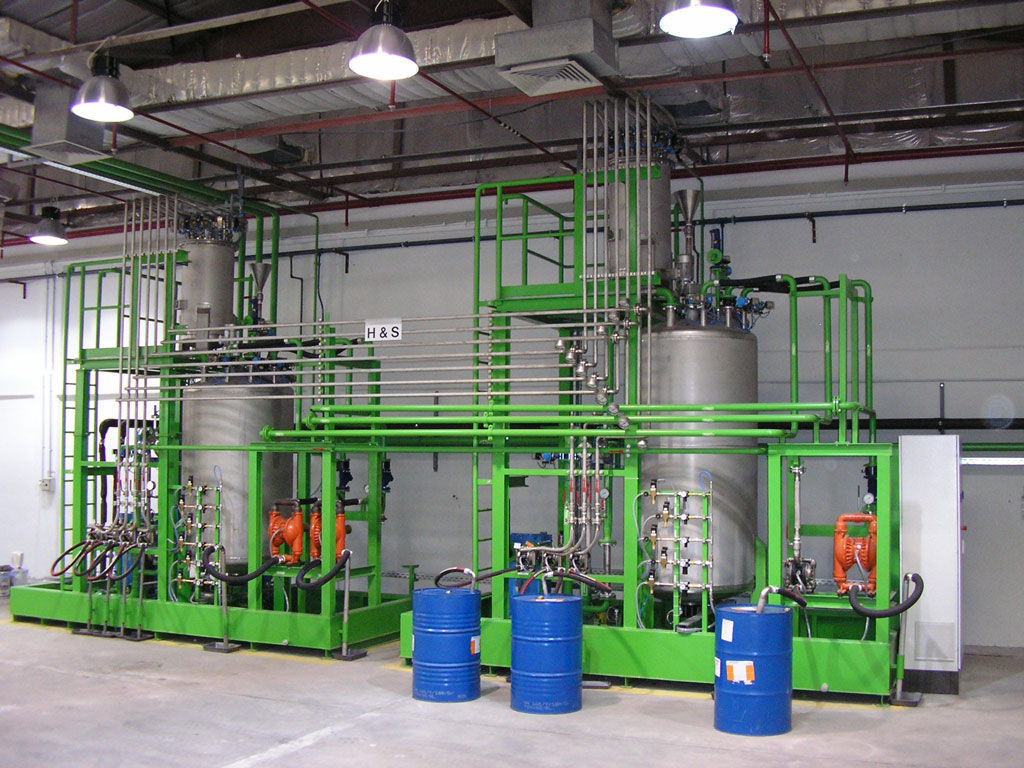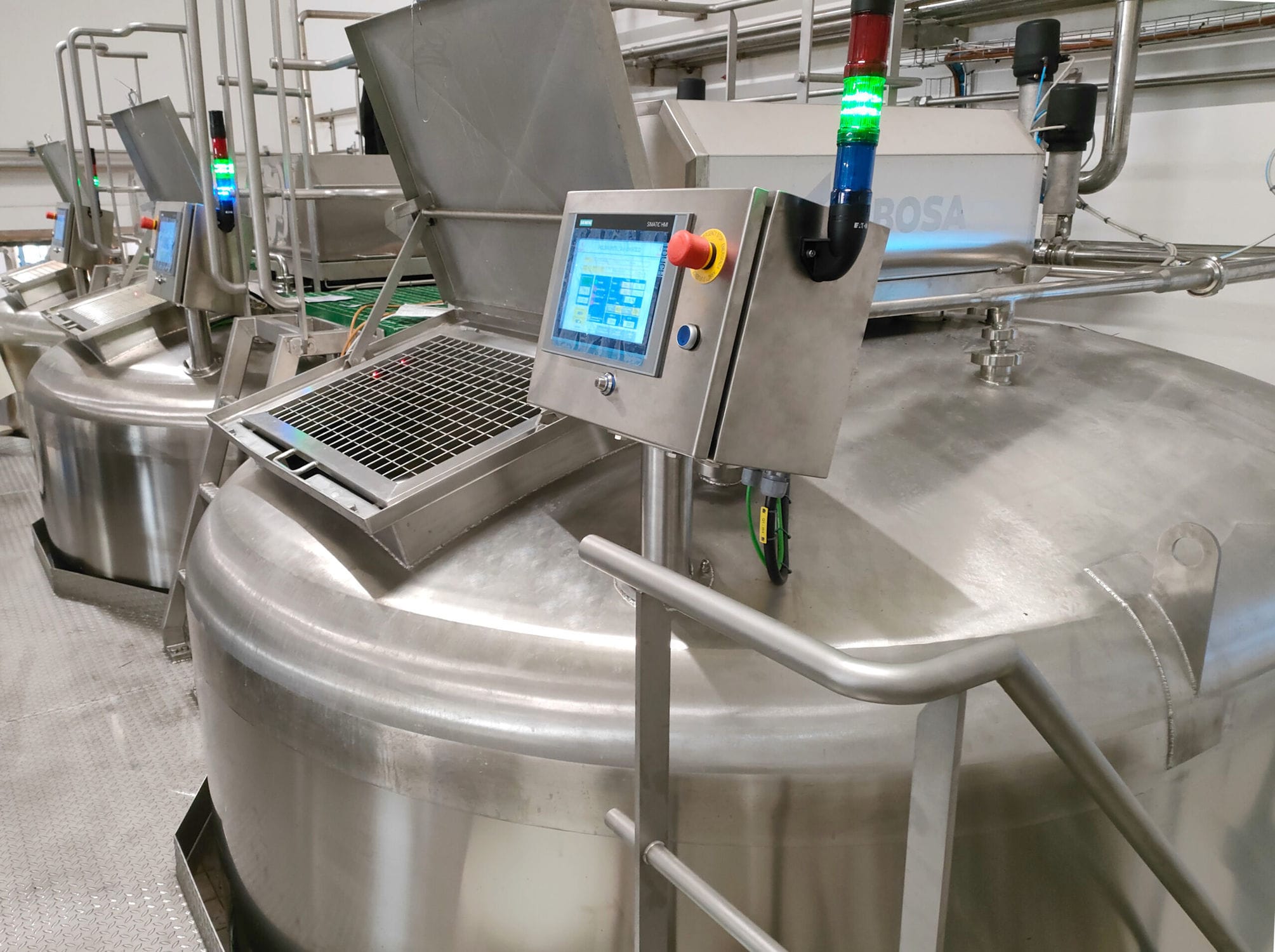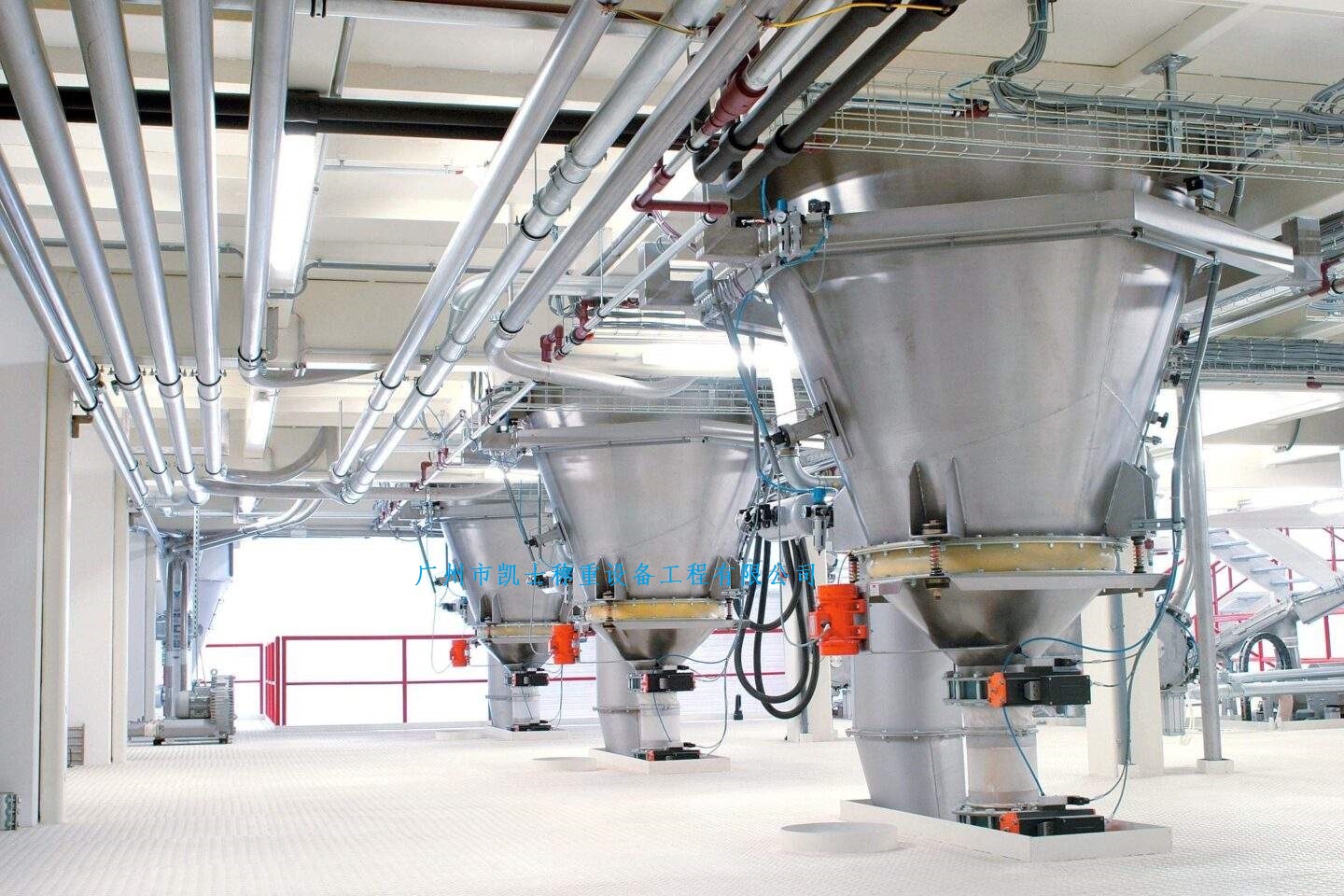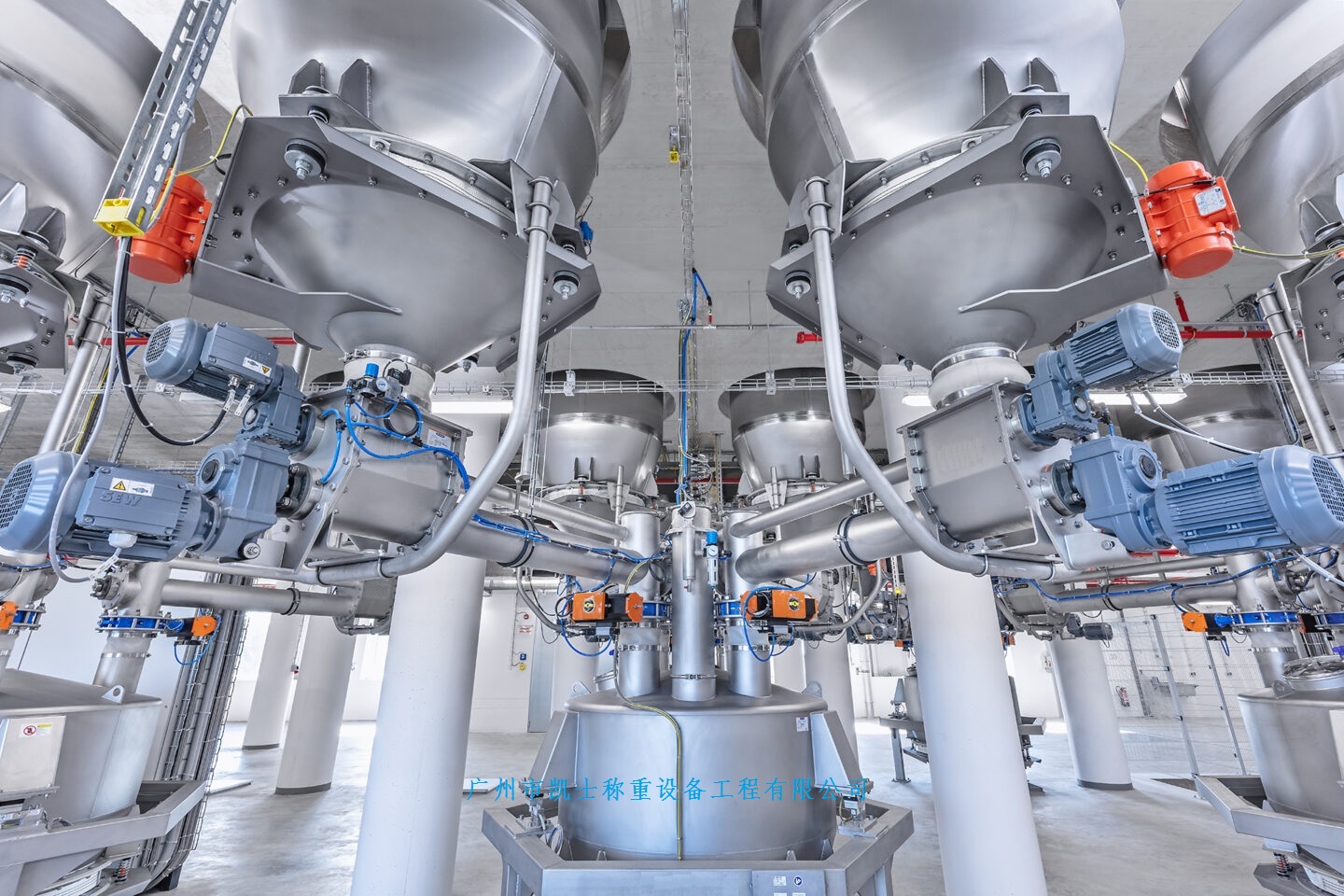


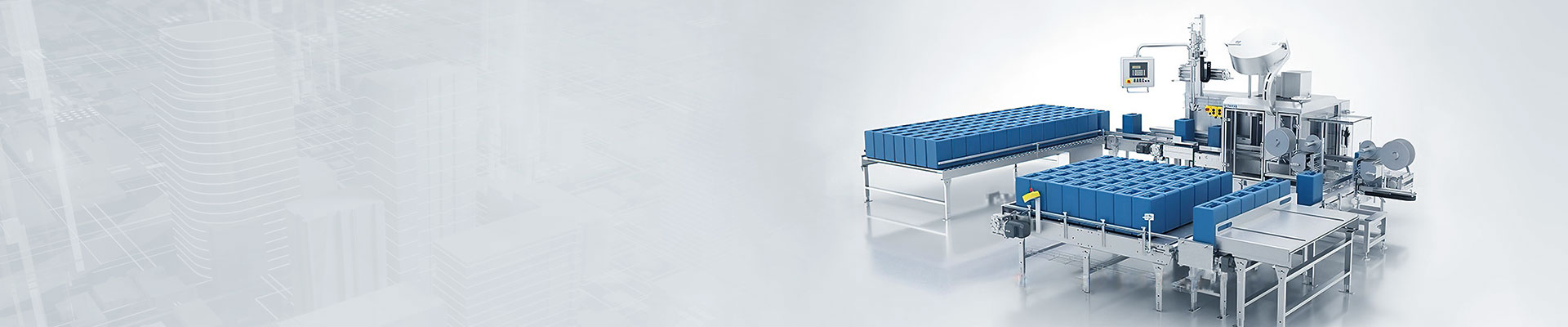




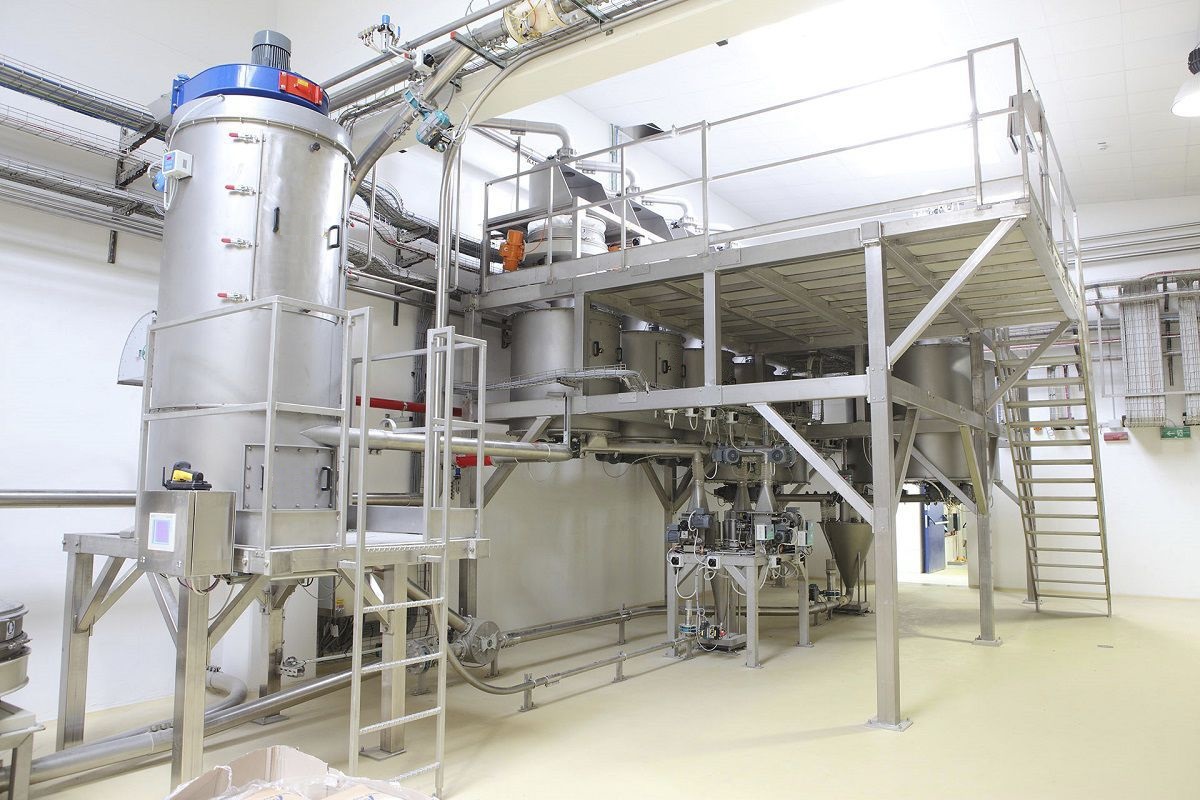
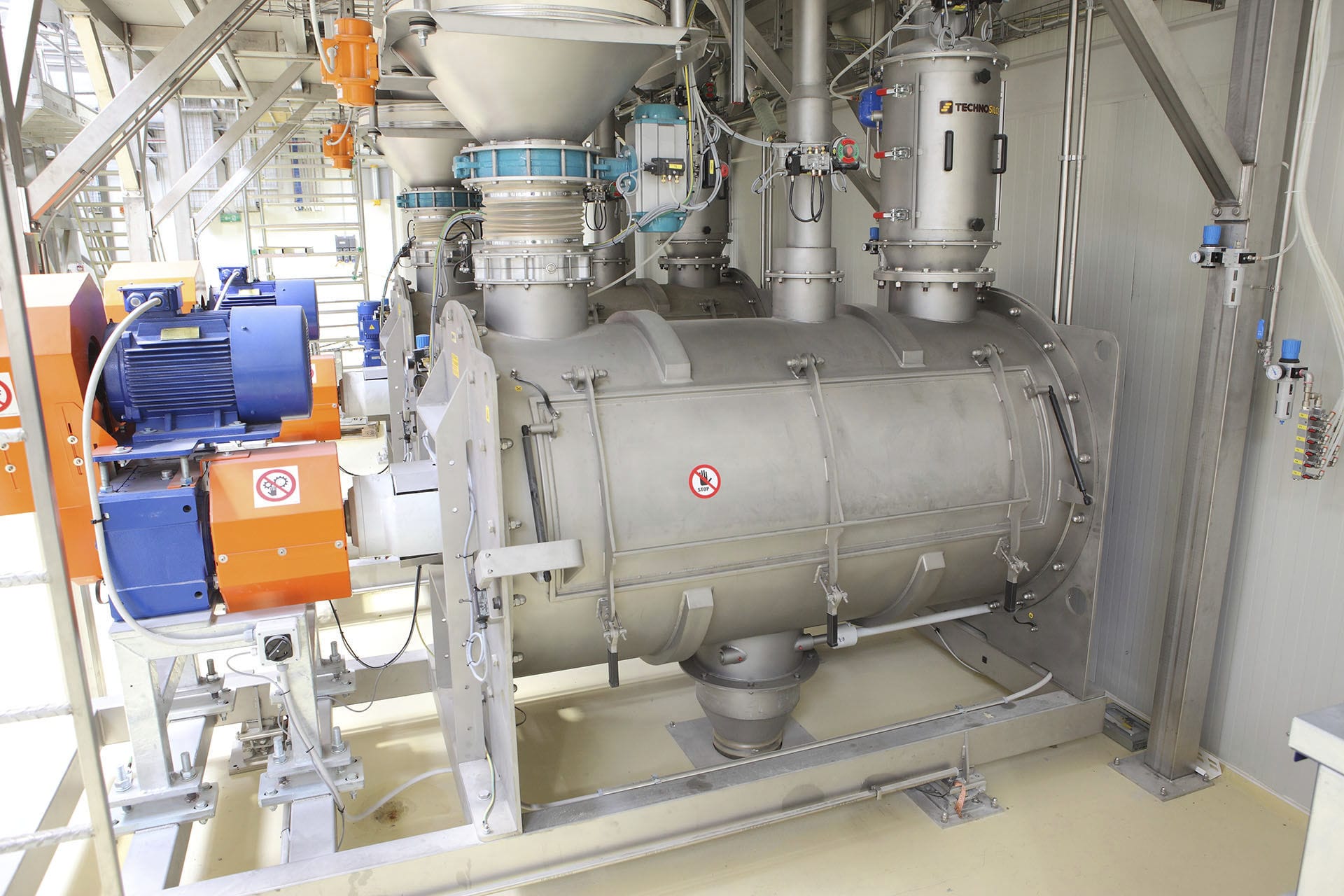
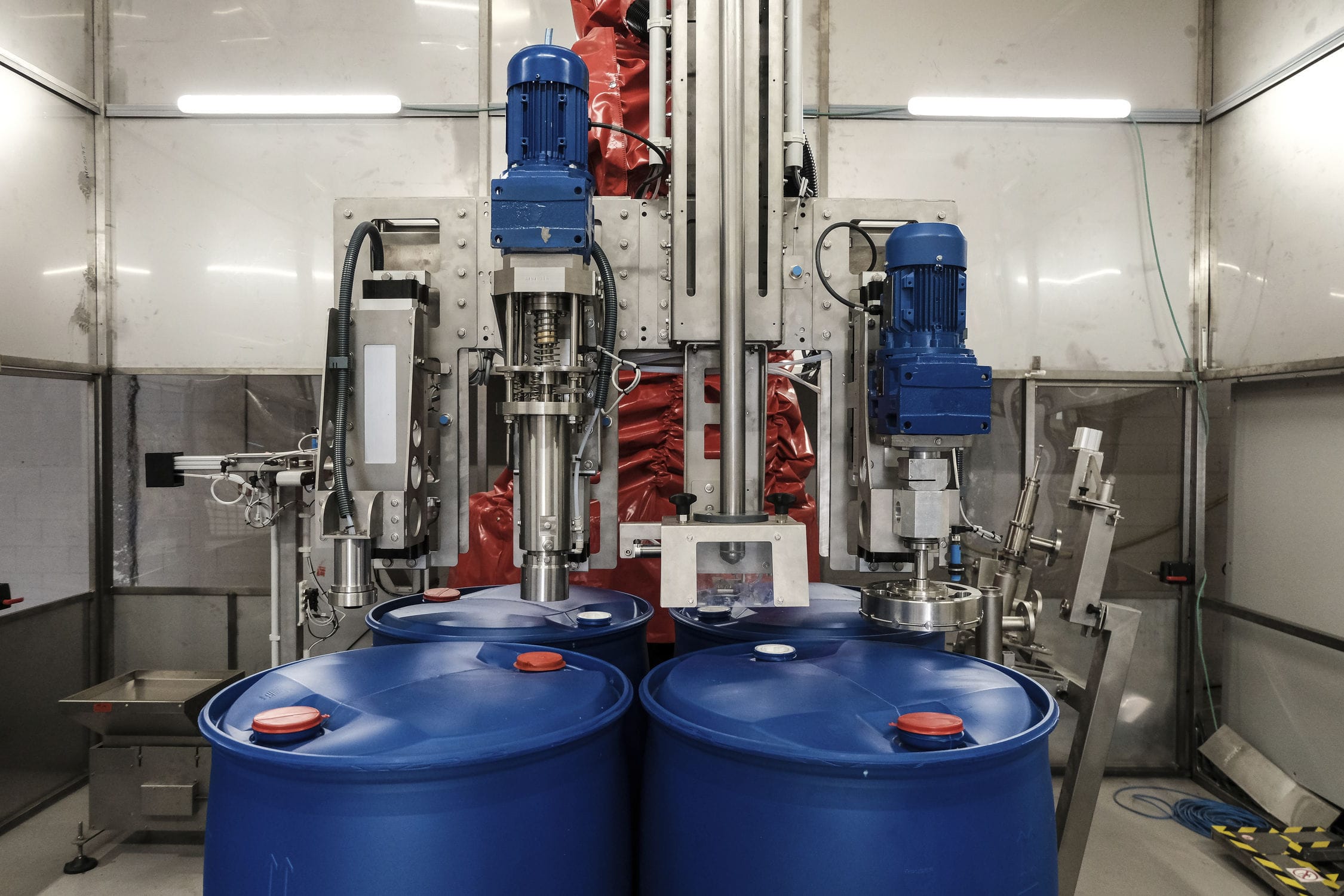
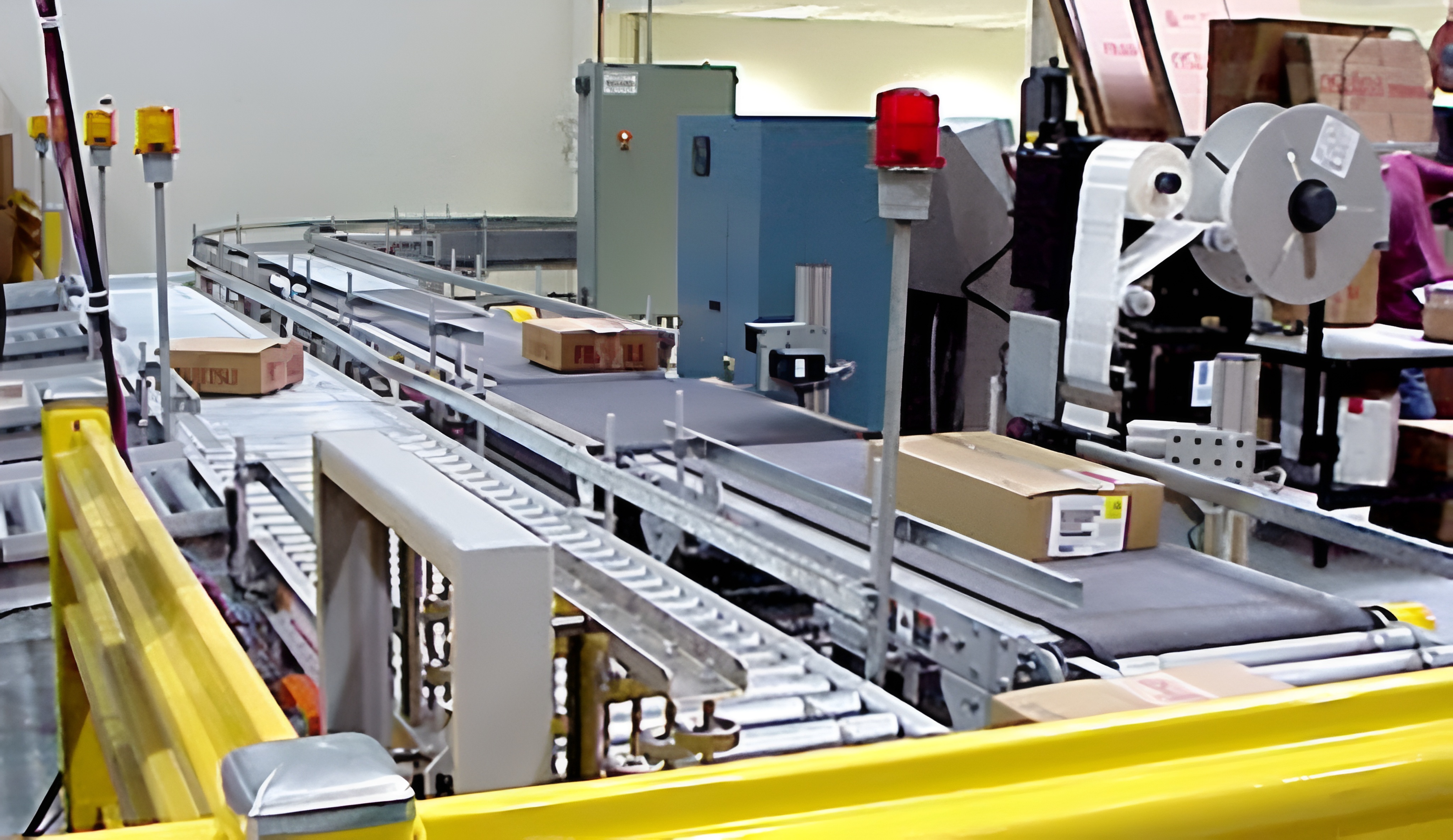
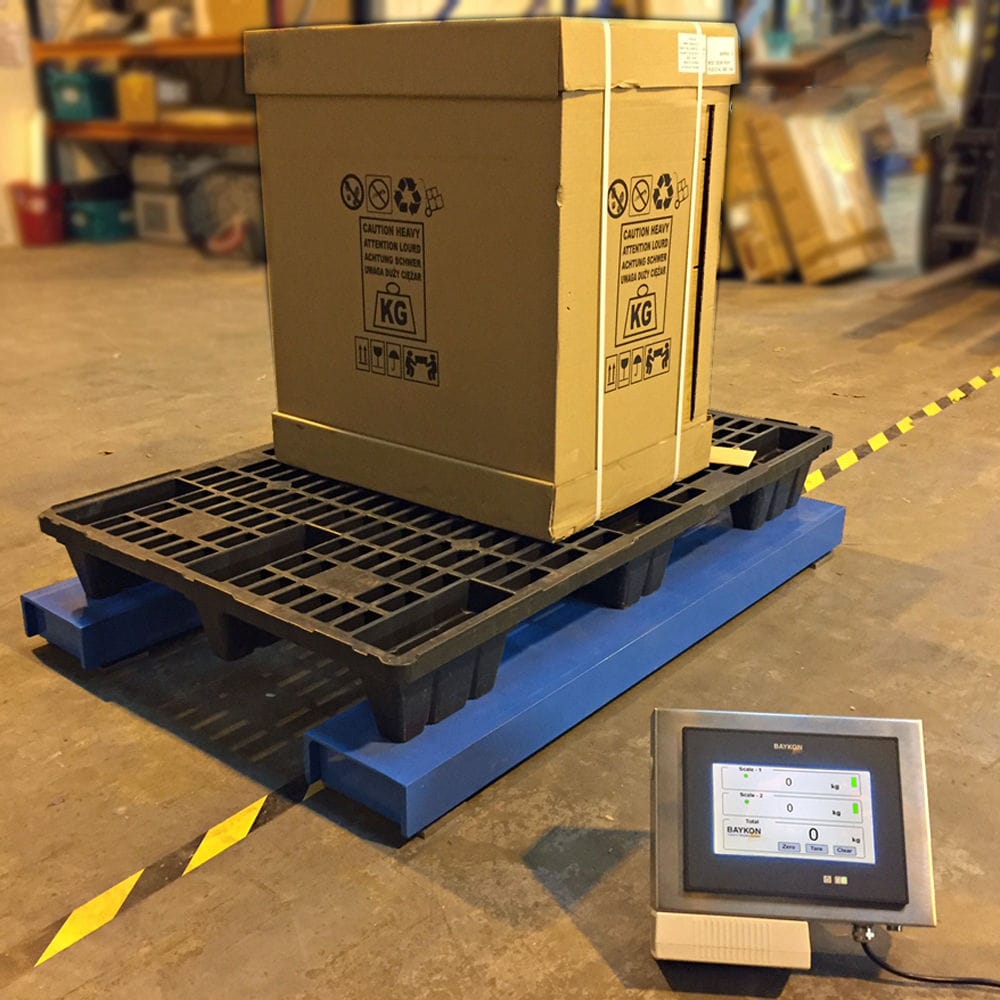


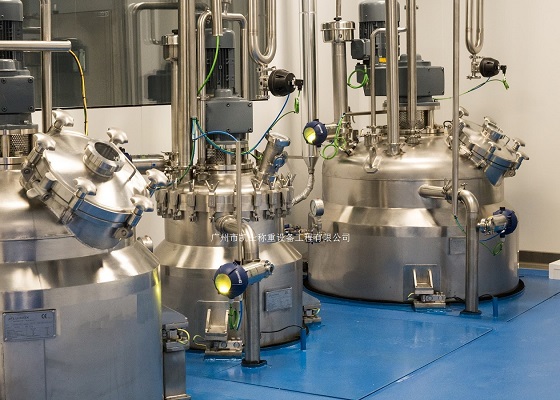
Enamel Mixing scales are automated production lines for conveying, proportioning, heating, mixing and finishing different types of materials. It controls the action commands of each part of the dosage so as to fully automate the process of material conveying, precise proportioning, mixing, blending and transportation. Through the material conveying device, all kinds of materials will be automatically conveyed to the dosing tank, and then automatically weighing according to the proportion, and then automatically conveying the proportioned mixture to the reaction kettle for stirring and mixing, and then automatically unloading the materials after stirring and mixing.

 020-34563445
The enamel mixing scale integrates computer technology, automatic control, communication technology, and weighing technology. Based on human control instructions and settings, it achieves automatic batching and weighing through microcomputer control. According to the properties of the raw materials, they are mainly divided into large material weighing, small material weighing, and micro material weighing. The process control of small material weighing, micro material weighing, and large material weighing involves weighing a raw material from 0, gradually increasing its weight over time until it reaches or approaches the set value, and finally unloading it to restore it to 0. This represents the control of the Weighing system over the single batch weighing process of a raw material, and continuous weighing will be a repetition of the process. When the system is in automatic mode and the formula weighing system is started, the weighing of large and small materials begins simultaneously, and the weighing process is independent of each other. However, only when both types of weighing are completed can a batch of materials be weighed and there be a discharge signal. There is only one material component in the bulk weighing process. Once the component is weighed, the system will automatically detect whether the weighing accuracy (weighing error) is within the pre-set range (≤ ± 0.5%). If it exceeds the set range, the system will sound an alarm to indicate the actual error value for emergency handling (manual feeding or discharging). Under normal circumstances, small ingredients are composed of several raw material components. When the system automatically weighs, it will strictly weigh each component in the order set in the formula system, with a delay interval of 5-10 seconds between each component weighing. Under normal circumstances, the weighing process of each component starts at high speed and ends at low speed. During high-speed weighing, the material is quickly unloaded, and the proportion of the weighed material accounts for the majority of the composition; When weighing at low speed, feeding at low speed results in a small specific gravity, mainly to control the weighing accuracy. When weighing, it is necessary to set the cut-off point and the size of the high and low speed weighing conversion in the menu parameters and program in advance.
The electronic mixing scale may have different cutting points and sizes for weighing conversion between high and low speeds for different raw materials, depending on the specific situation. After weighing each ingredient, its weighing accuracy (weighing error) should be checked to ensure it is within the pre-set range (<± (0.2~0.3)%). If it is normal, the next ingredient should be weighed continuously. If it exceeds the set range, the small material scale will sound an alarm, indicating the actual error value for emergency handling. When the weighing of both large and small materials is completed, the scale body will be unloaded. After unloading, the system will also automatically detect whether the weight parameters of the scale body exceed the pre-set empty weight parameters to confirm whether the material on the scale body has been unloaded. Due to various reasons, the weight parameter on the scale may not be 0 when unloaded, and the unloaded weight parameter should be set according to the specific situation. If the actual weight parameter is greater than the set value, the scale will maintain the feeding state until the weight parameter on the scale is within the set range. Only then can the feeding be considered complete and the weighing of the next batch of materials be carried out. The hopper scale consists of two parts: a cover and a weighing chamber. A feeding port is opened on one side of the cover, and the feeding end of the feeding and conveying mechanism extends into the interior of the hopper scale through the feeding port. The feeding and conveying mechanism uses a conveying screw, and after the material conveyed on it reaches the feeding end, most of the material has a certain initial speed with the feeding and conveying mechanism and is thrown forward through the feeding channel to fall into the hopper scale. A small part of the material is scattered to the bottom of the feeding and conveying mechanism and falls directly into the hopper scale through free fall motion. The hopper scale is equipped with a receiving channel below the feeding and conveying mechanism to receive these scattered materials and guide them to slide into the hopper. The sentence is:. A dust collector is installed at the top of the hopper cover near the feeding channel to capture the dust raised inside the hopper scale through forced dust removal. At the same time, in order to prevent some escaping dust from escaping through the receiving channel below the feeding conveying mechanism, a dust-proof structure is installed at the receiving channel.
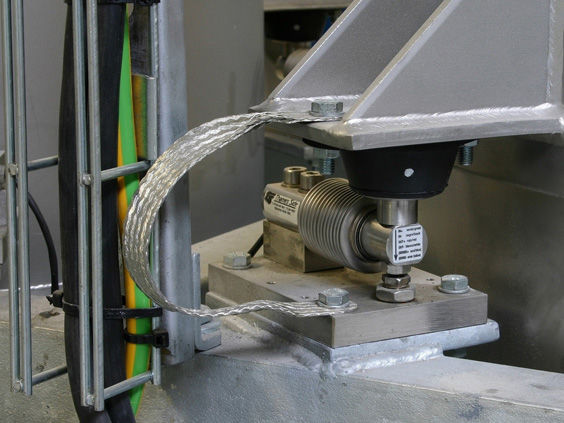
The weighing module is installed at the bottom of the discharge conveyor mechanism of the hopper scale, fixed at the bottom of the hopper scale near the lower part of the discharge port. The weighing module is directly fixedly connected to the two sides of the bottom of the hopper scale, and the connection method is not limited. It can be fastened by bolt connectors. The weighing module serves as an open space for the discharge port receiving channel. The weighing module connects the discharge channel and receiving channel of the hopper scale warehouse at the discharge port position. The material enters and exits through the inner side of the hopper scale and the discharge channel on the upper part of the discharge conveying mechanism. The scattered material is guided along the stable outer side of the weighing module and enters and exits the hopper scale through the receiving channel below. The weighing compartment of the hopper scale below is equipped with an openable dust-proof compartment inside. The top hinge of the dust-proof compartment is assembled on the top hinge point of the weighing compartment near the discharge port. The hinge point is located on both sides of the weighing compartment of the hopper scale and has a certain support strength. It can support the dust-proof compartment and swing back and forth through the hinge point. The dust-proof compartment can rotate and swing in a certain arc around the hinge point. The bottom of the dust-proof compartment hangs freely and contacts the inner wall of the weighing compartment of the hopper scale. The inner wall of the weighing compartment of the hopper scale limits the forward swing of the dust-proof compartment. In the normal state without discharge, the dust-proof compartment hangs by gravity and contacts the inner wall of the weighing compartment of the hopper scale, allowing materials to enter and exit the feeding hopper scale. The channel is closed, Part of the material falling from the discharge end of the material conveying mechanism falls into the dust-proof bin along the receiving channel in the hopper. The gravity of the material pushes open the dust-proof bin, which is used to seal the receiving channel for scattered materials and prevent dust inside the hopper scale from escaping through the receiving channel.