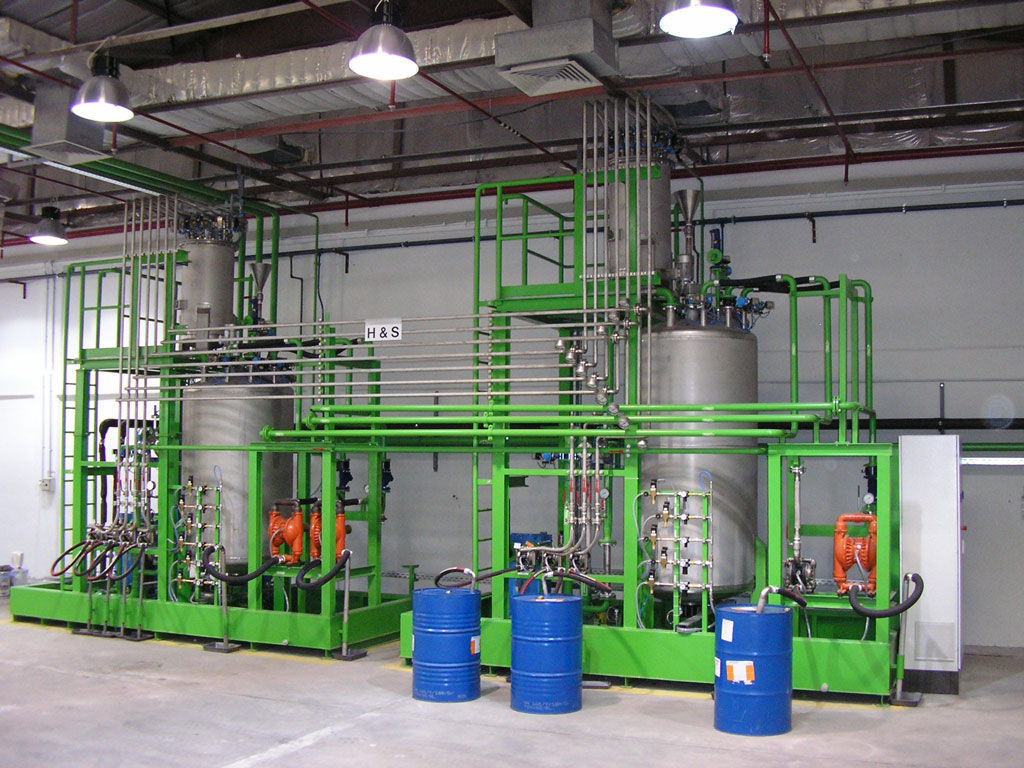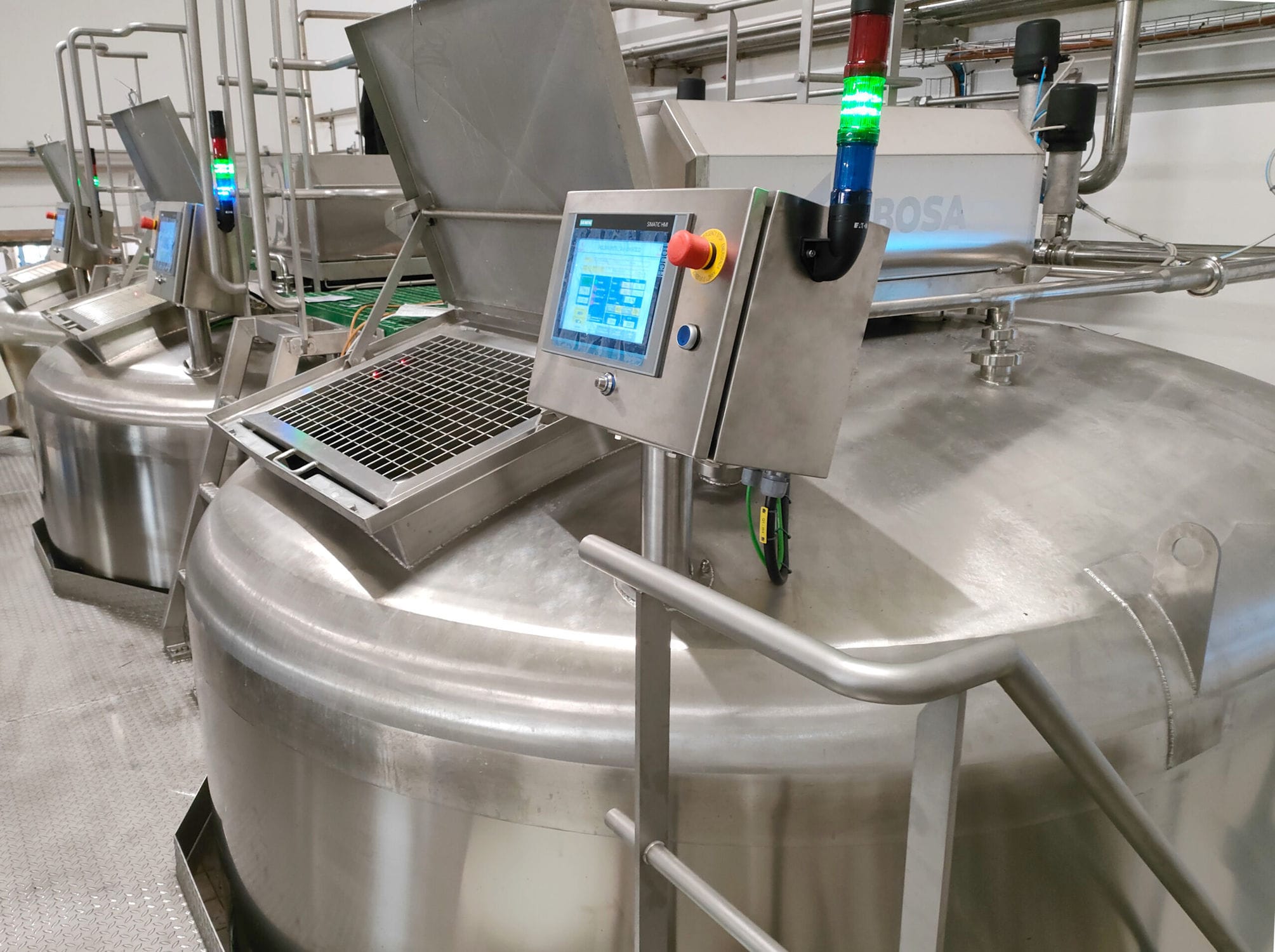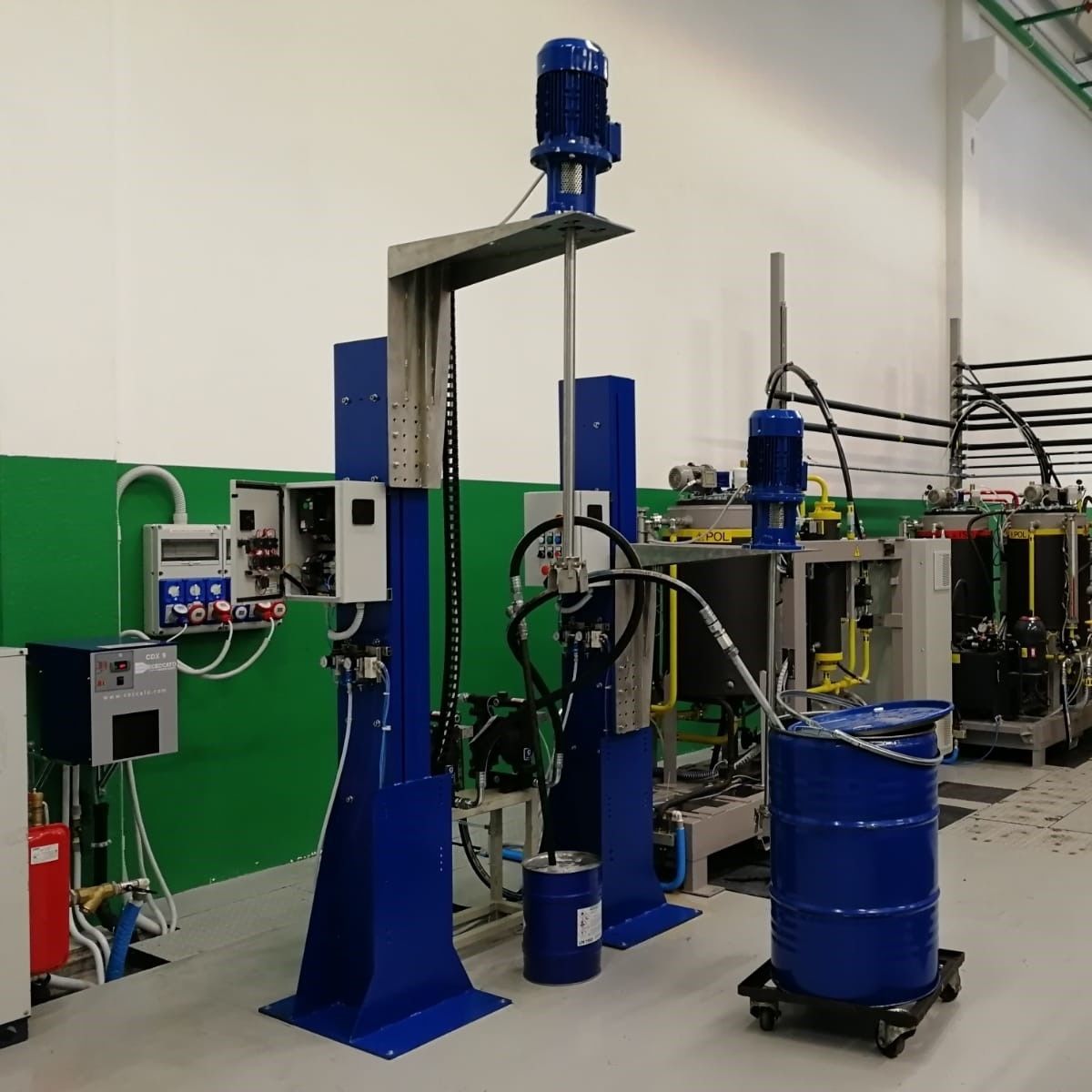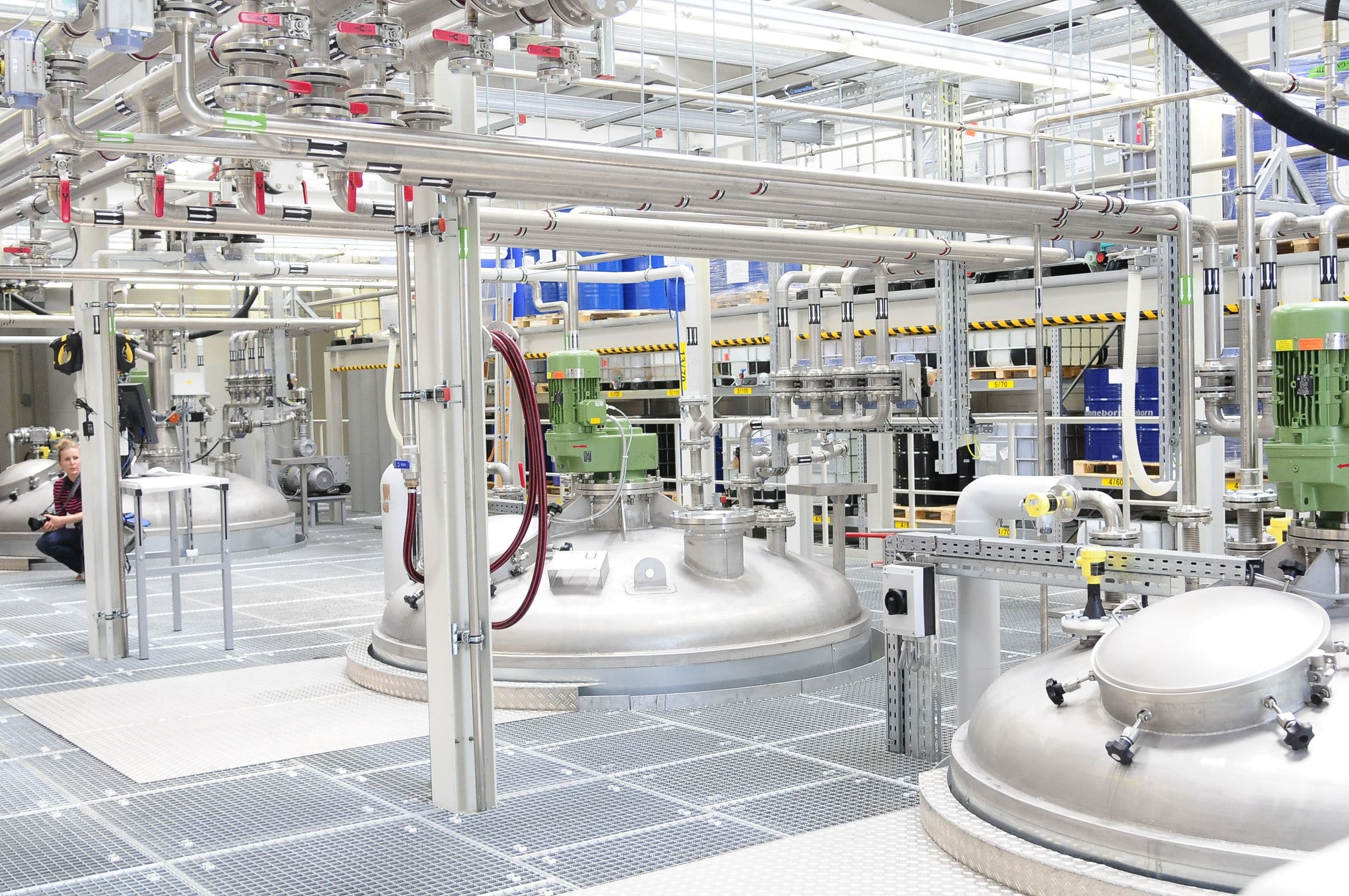





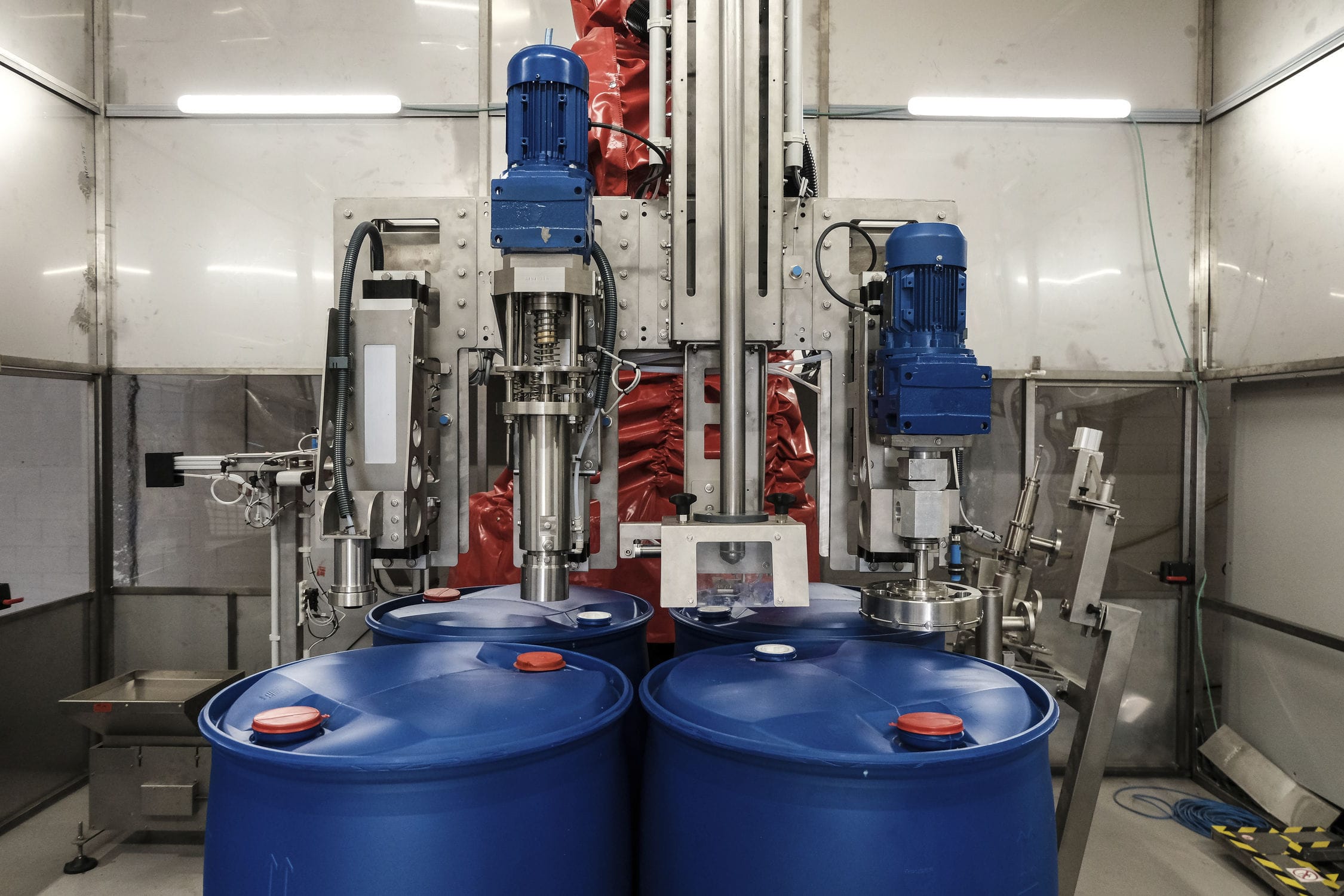
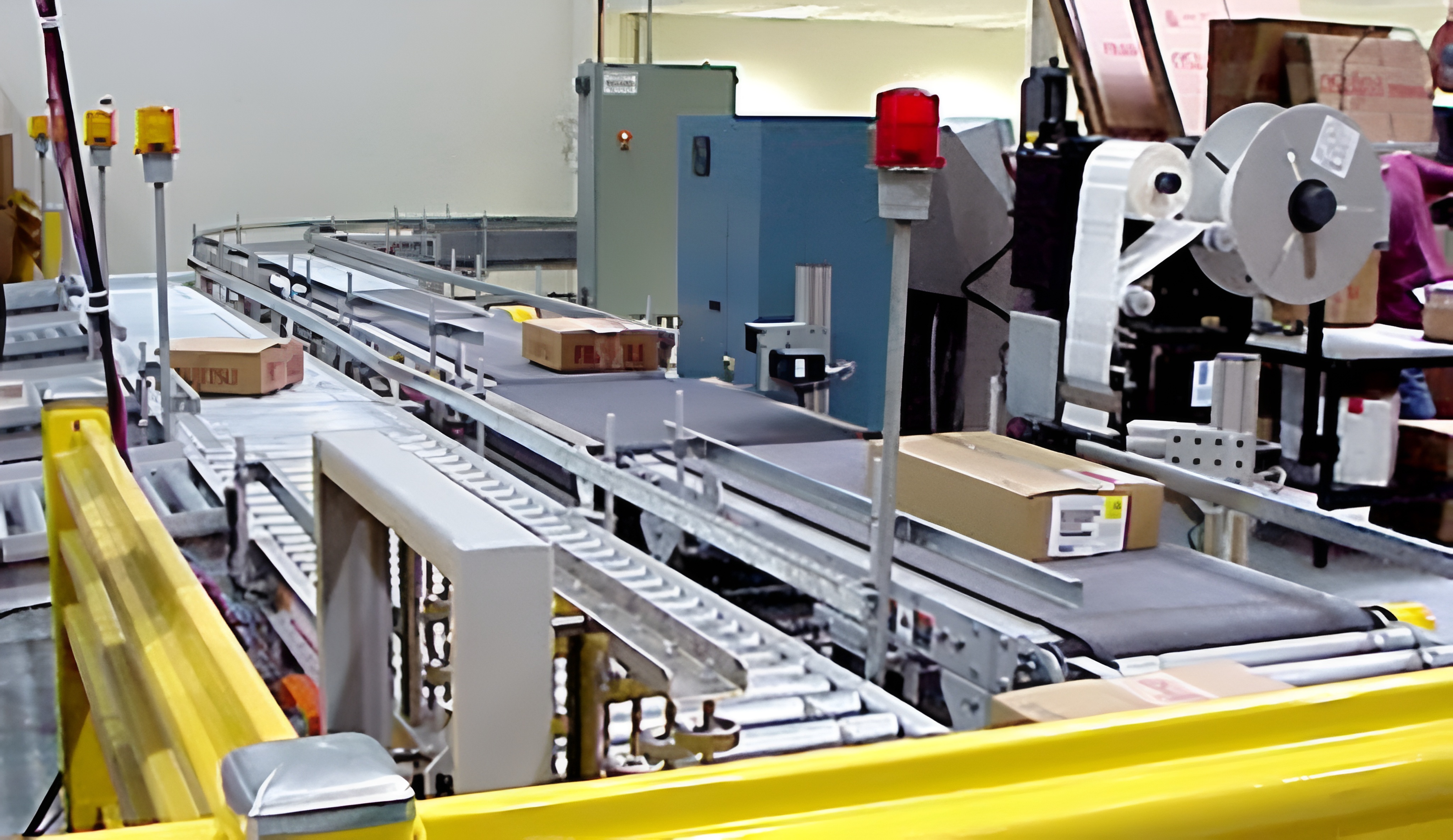
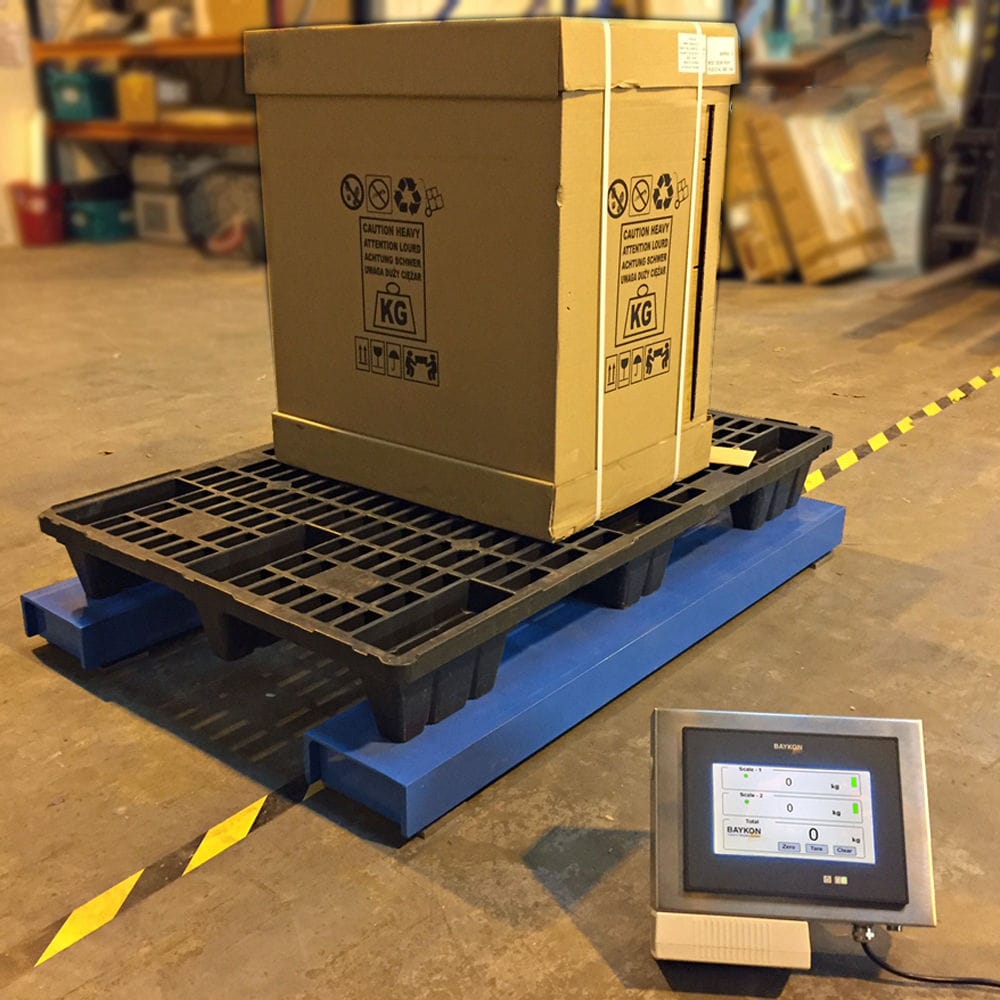


The Feeding machine automatic batching equipment controls the temperature in the reaction tank within a certain range during the whole system operation, and controls the temperature sensor in the jacket temperature design. The communication between the industrial control computer and the site reactor can be adjusted according to the time required for the complete reaction of the material. The reaction tank temperature and jacket temperature cascade proportioning composed of computer and electric regulating valve, the selection of control mode and control algorithm, the setting of set values and related parameters, and the display box of the real-time curve of the reaction tank temperature control, make the proportion coefficient and online debugging, the integration time and differential time can be adjusted intuitively and timely according to the shape of the real-time curve of the temperature in the reaction tank. Get full scale.


 020-34563445
The automatic batching equipment of the Feeding machine uses the speed of the screw to measure the feeding amount, and changes the motor speed through the weighing display to adjust the feeding flow rate. Through the weighing module, the signal is transmitted to the weighing instrument, which changes the motor speed through a frequency converter to alter the feed flow rate. Due to the ability of the weighing sensor to constantly transmit changes in the material inside the machine to the weighing instrument, the material flow rate always fluctuates around the set value, resulting in high accuracy of the average feed flow rate. A visual computer operating system designed and developed for monitoring and automating the batching process. It has the characteristics of simple and convenient operation, strong reliability, user-friendly human-machine interface, and complete functions. With the function of formula library management, the intelligent reporting software provides a large amount of data information for production management, such as ingredient result list, raw material consumption list, production quantity list, formula usage result record, etc. It can calculate and print production shift reports, daily reports, monthly reports, and annual reports by time and formula. Simultaneously providing two types of user-defined report components, one is to use crystal reports for secondary design; Another approach is to seamlessly embed data into Excel reports. The system can interact with other management systems to meet the requirements of deep level data analysis. The upper level will store the cumulative quantity, ratio, start and end time parameters of each operation for easy querying. The software part of the Batching system can automatically complete the system batching process flow, and the computer screen displays the batching system in real time (workflow, software operation is simple, and the screen is realistic). The upper computer software sets the running password and important parameter password modification protection, and users implement hierarchical management, and can define personnel permissions arbitrarily.
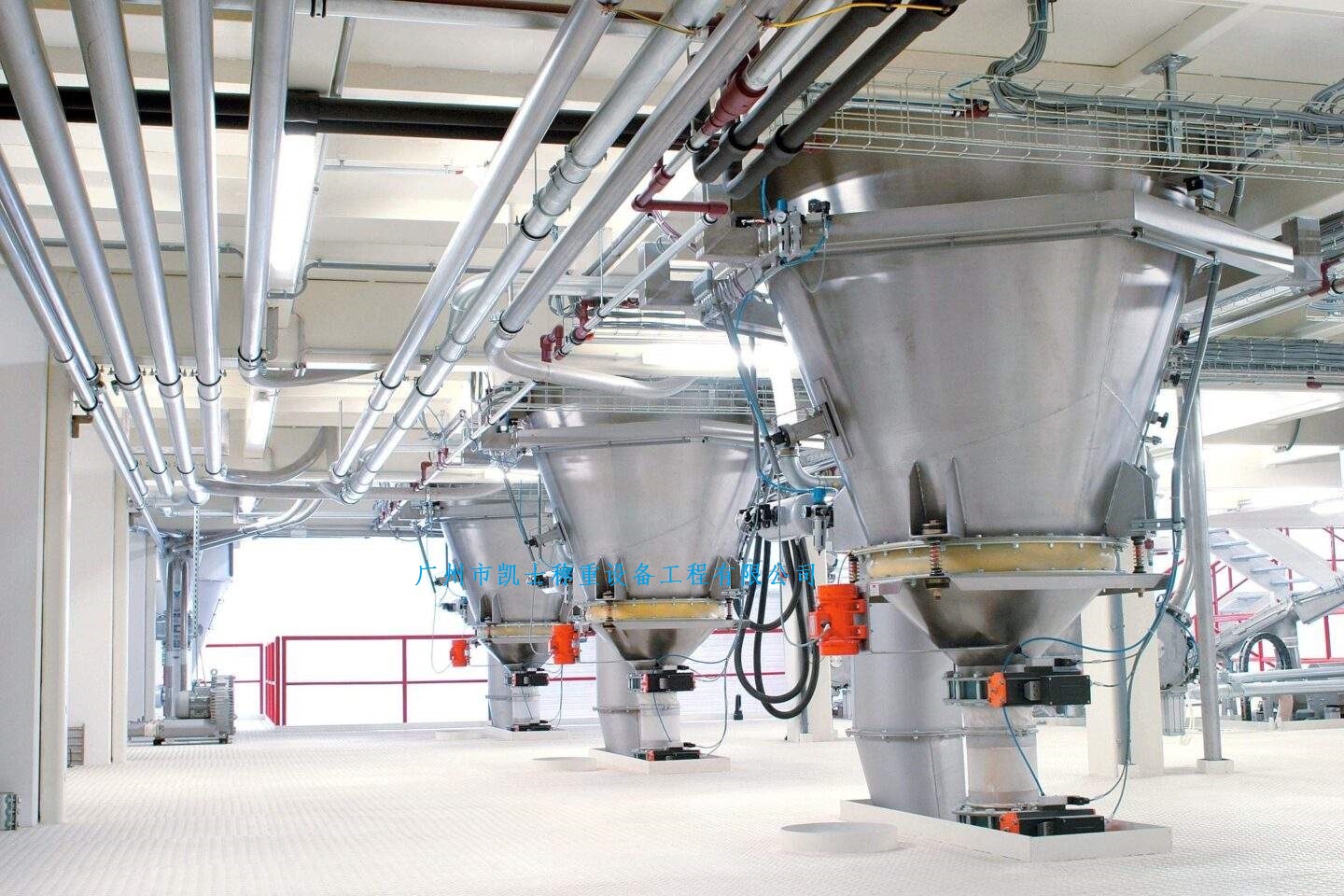
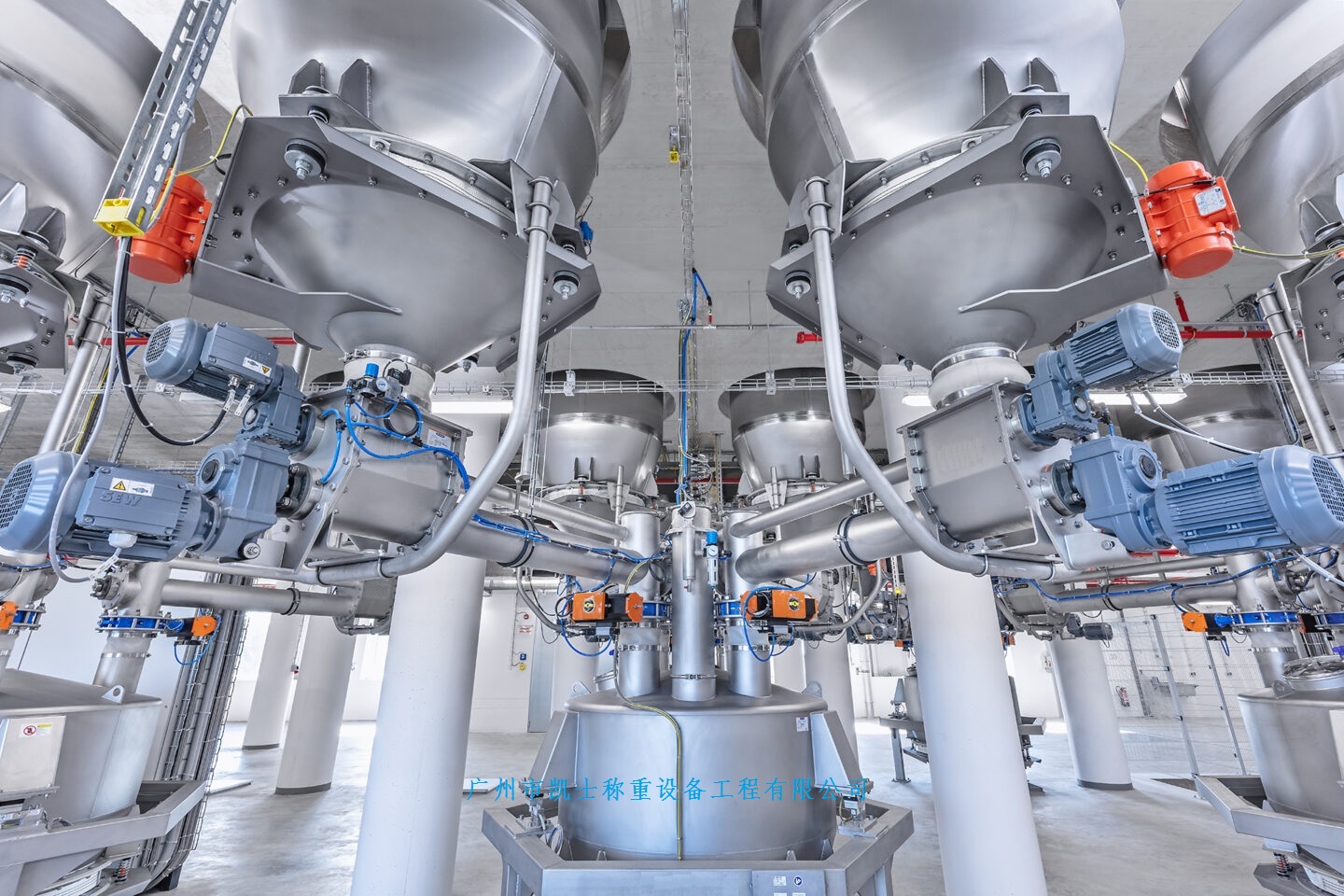
The weighing and batching machine connects the spiral discharge rod to the driving rod, brings the spiral discharge rod close to the driving rod, aligns the driving rod with the connecting hole, moves the spiral discharge rod, and when the driving rod is inserted into the inner part of the connecting hole, connects the driving rod to the spiral discharge rod. Then, the bolt is rotated. When the bolt enters the positioning hole, the spiral discharge rod is fixed to complete the connection. The powder is added to the interior of the hopper scale, and then the motor is started. When the motor runs, it drives the rotating rod to rotate, thereby driving the spiral to rotate. When the spiral is driven by the motor to rotate, the screw drives the driving rod to rotate on the lower surface of the body, and the driving rod drives the anti blocking rod to rotate inside the hopper scale. Stir to prevent powder from blocking the hopper scale, while driving the rod to drive the internal rotation of the spiral discharge rod hopper scale, Thus, it drives the powder to move downwards. When the powder leaves the hopper scale through the storage bin, the function of batching is achieved. When the powder falls onto the batching weighing module, it is weighed. When the weight of the powder reaches the set value, the inlet of the storage bin automatically closes, stopping batching and completing the function of quantitative batching.
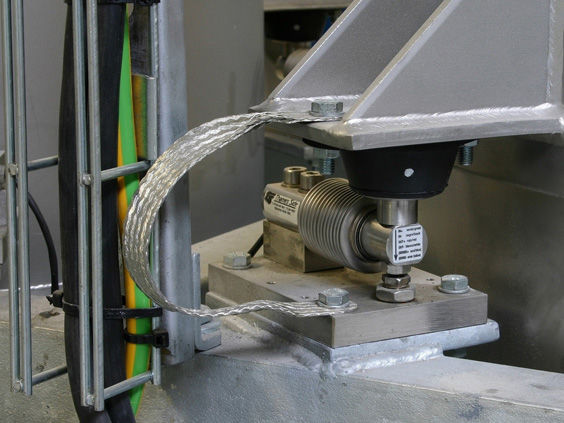
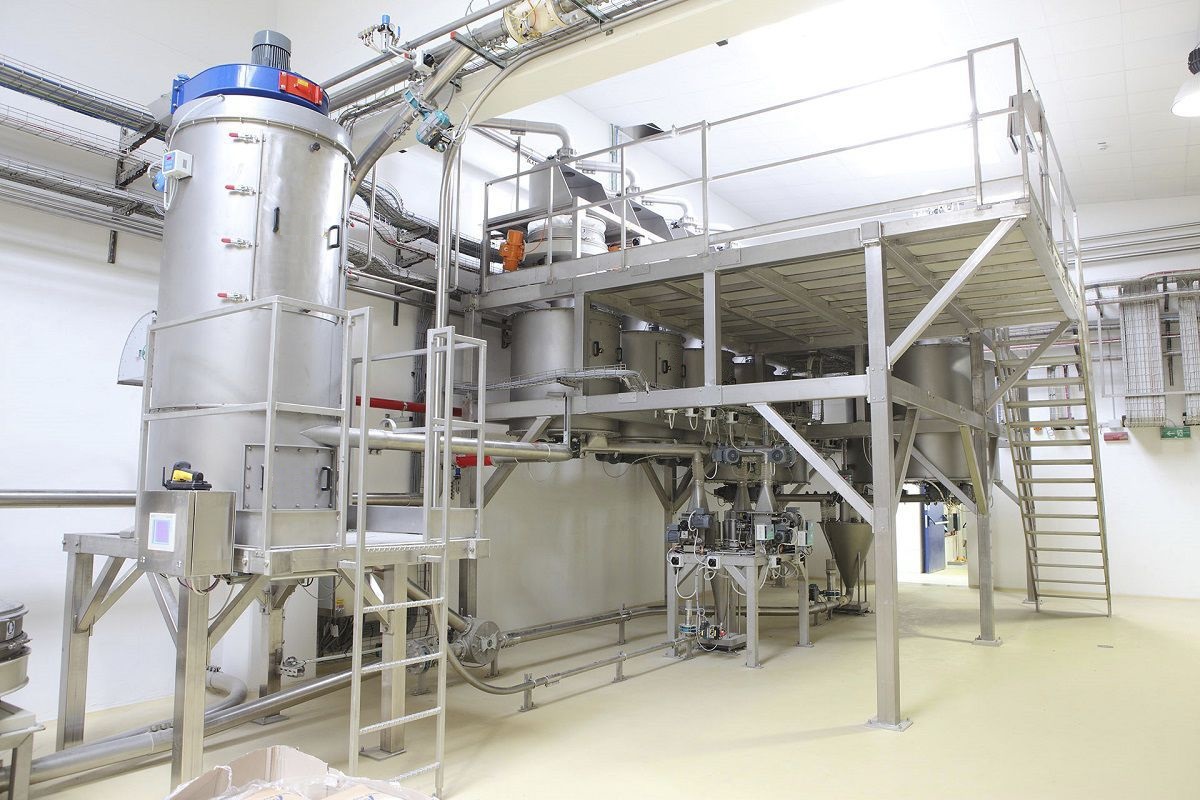
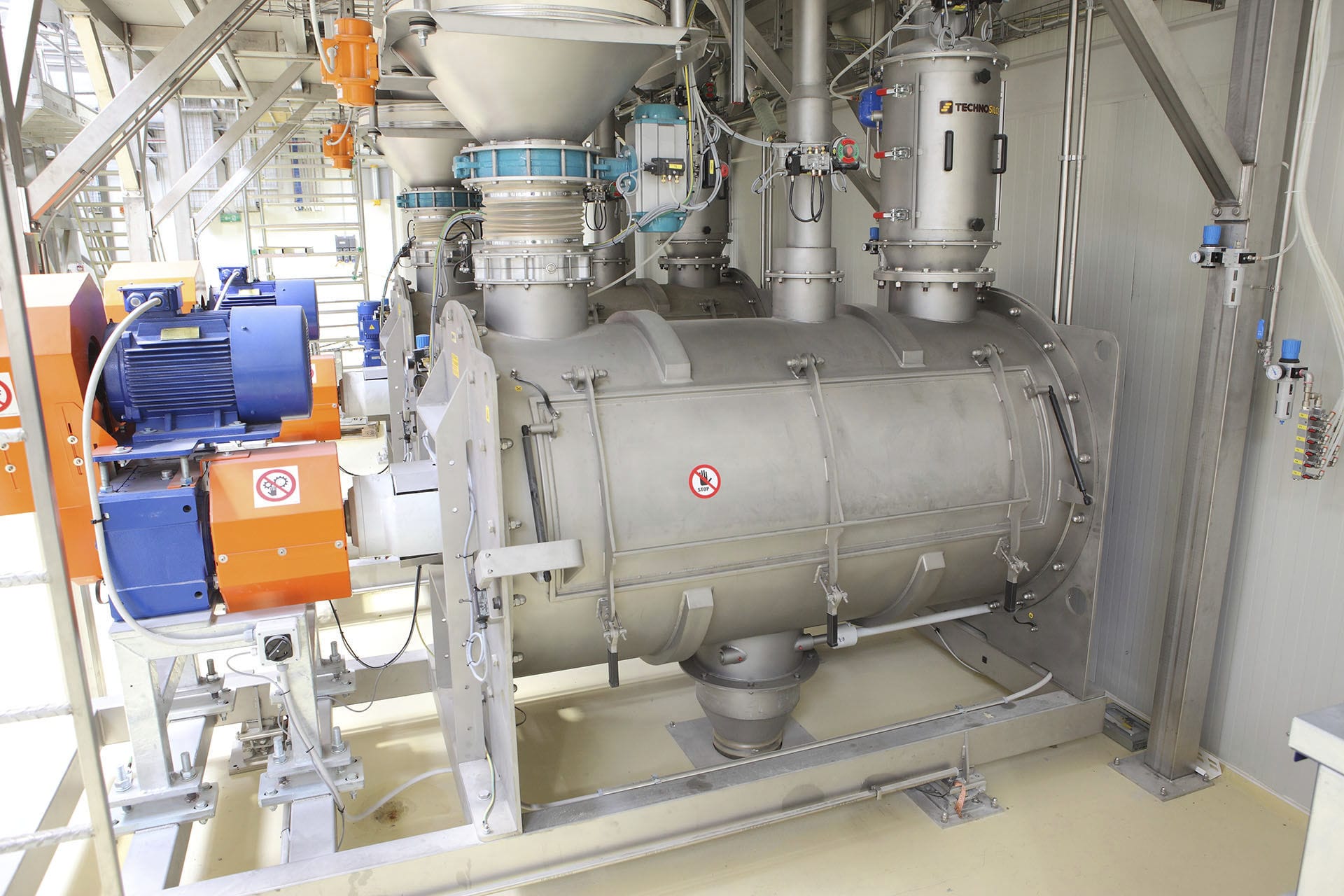
The weighing and batching machine includes a fixed rod, and the top of the fixed rod is fixedly installed with an organic body. The interior of the body is fixedly equipped with a motor, and the output end of the motor is fixedly equipped with a rotating rod. The outer surface of the rotating rod is equipped with a spiral A5, By setting up a motor, when the motor runs, it drives the rotating rod to rotate, thereby driving the spiral to rotate. A hopper scale is fixedly installed on the lower surface of the body, and a fixed frame is fixedly installed on the outer surface of the fixed rod. The hopper scale is connected to the fixed rod through the fixed frame. By setting up the fixed frame, the hopper scale is connected to the fixed rod, thereby improving the stability and firmness of the hopper scale. The lower surface of the body is connected to a driving rod, which runs through the lower surface of the body and extends to the inside of the body. The outer surface of the driving rod located inside the body is equipped with a spiral, and both the spiral and the outer surface of the spiral are equipped with motors. The spiral is connected to the hopper scale through the motor. By setting the motor, when the spiral is driven to rotate by the motor, the spiral is driven by the driving rod. The rod rotates on the lower surface of the body. The interior of the hopper scale is equipped with a spiral discharge rod, and the top of the spiral discharge rod is provided with a connecting hole. The driving rod is connected to the connecting hole, and the outer surface of the spiral discharge rod is rotatably connected with a bolt. The bolt penetrates the outer surface of the spiral discharge rod and extends to the interior of the connecting hole. The outer surface of the driving rod is provided with a positioning hole, and the bolt is inserted into the interior of the positioning hole. The bottom of the hopper scale is equipped with a storage bin. Through the opened connecting hole, when the driving rod is inserted into the connecting hole, it is connected to the spiral discharge rod. At the same time, when the bolt enters the interior of the positioning hole, the spiral discharge rod is fixed, so that when the driving rod rotates, it drives the internal rotation of the hopper scale with the spiral discharge rod. This drives the powder to move downwards, and when the powder leaves the hopper scale through the storage bin, the function of batching is achieved, The outer surface of the fixed rod is fixedly installed with a batching weighing module. Through the set batching weighing module, when the powder falls onto the batching weighing module, the powder is weighed. When the weight of the powder reaches the set value, the entrance of the storage bin automatically closes, stopping the batching, and the outer surface of the driving rod is fixedly equipped with an anti blocking rod. The anti blocking rod is slidably connected to the inner wall of the hopper scale. Through the set anti blocking rod, when the driving rod drives the anti blocking rod to rotate inside the hopper scale, the powder inside the hopper scale is stirred to prevent the powder from blocking the hopper scale.
1) Using Siemens S7-200 series programmable logic controller (PLC) as the core, it has small size, high accuracy, and good stability performance.
2) It can simultaneously control multiple scales, multiple different materials, or control outputs (depending on the process).
3) Intelligent control of batching time ensures no waiting between batching scales, shortening the batching cycle and improving batching speed and output.
4) Operated on the Windows system platform, it runs faster and more stable, with real-time dynamic production screens that display the production process. The operation is intuitive, clear, and has automatic recovery functions.
5) Powerful report function, capable of recording and storing various types of data in large quantities, and printing tables. It automatically compiles and prints ingredient reports after each production is completed, providing information such as date, time, report number, and actual consumption of each material; The report extraction adopts the manual query method of PC, and the production end report is stored in the computer for unlimited reading, ensuring the correctness and completeness of the production report.
6) Easy to operate, this system has three production modes: manual, semi-automatic, and fully automatic.
7) PLC has strong data processing ability, fast and stable sampling rate, and the batching process can fully meet the process requirements for batching.
8) The process can be set according to the user.
9) Good reliability, the system has two control schemes (touch screen and industrial computer scheme). When one of the external devices fails, the other immediately switches to operation without affecting production. The weighing and batching system can prevent production loss of control in case of production failure.
10) The measuring mixer displays the production process in real-time with graphics and text, making it convenient for operators to operate.
11) The text file displays production reports, recipe reports, etc. (with multiple printing contents to be selected by the user), and the powerful alarm prompt function can minimize the scrap rate
12) When discharging each aggregate, a frequency converter is used to control the discharging speed, ensuring that all aggregates are discharged in equal time and ensuring the uniformity of the ingredients.
13) Automatic monitoring software: The relationship between people and the production line has shifted from passive to active. Once there is an abnormal situation in production, the computer system immediately sends an alert to relevant personnel and provides a reminder function. Through real-time online monitoring, important production information can be monitored at any time.