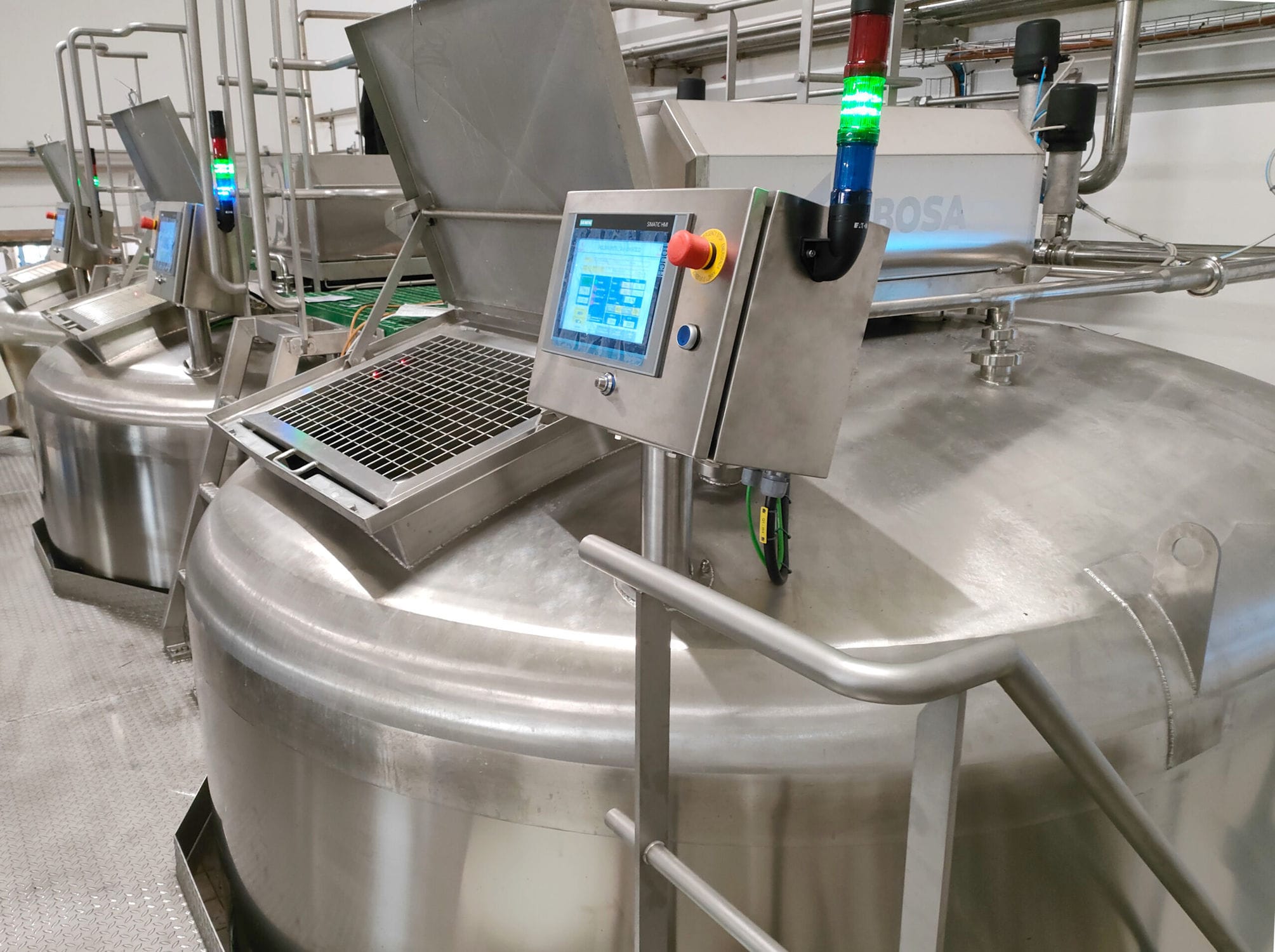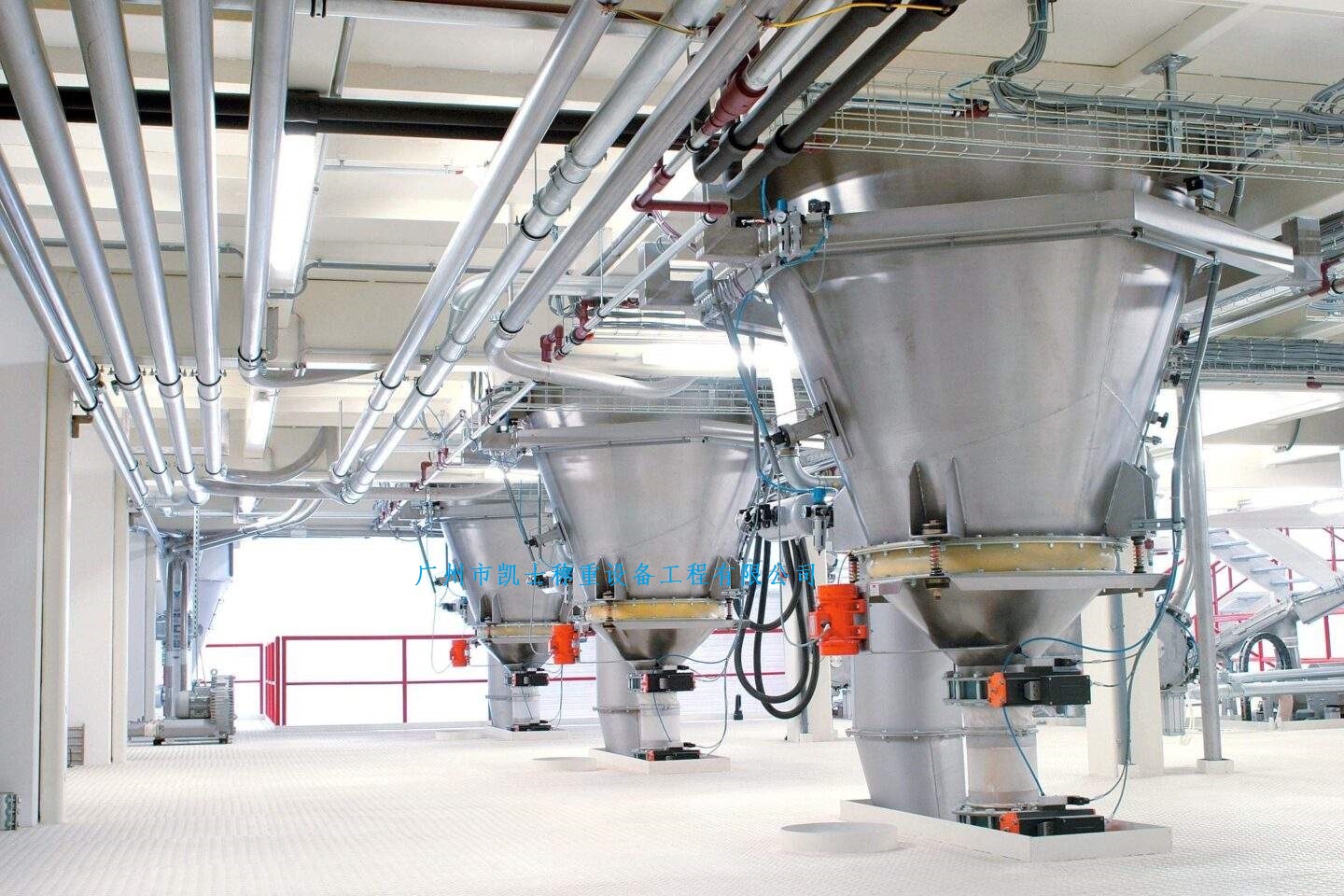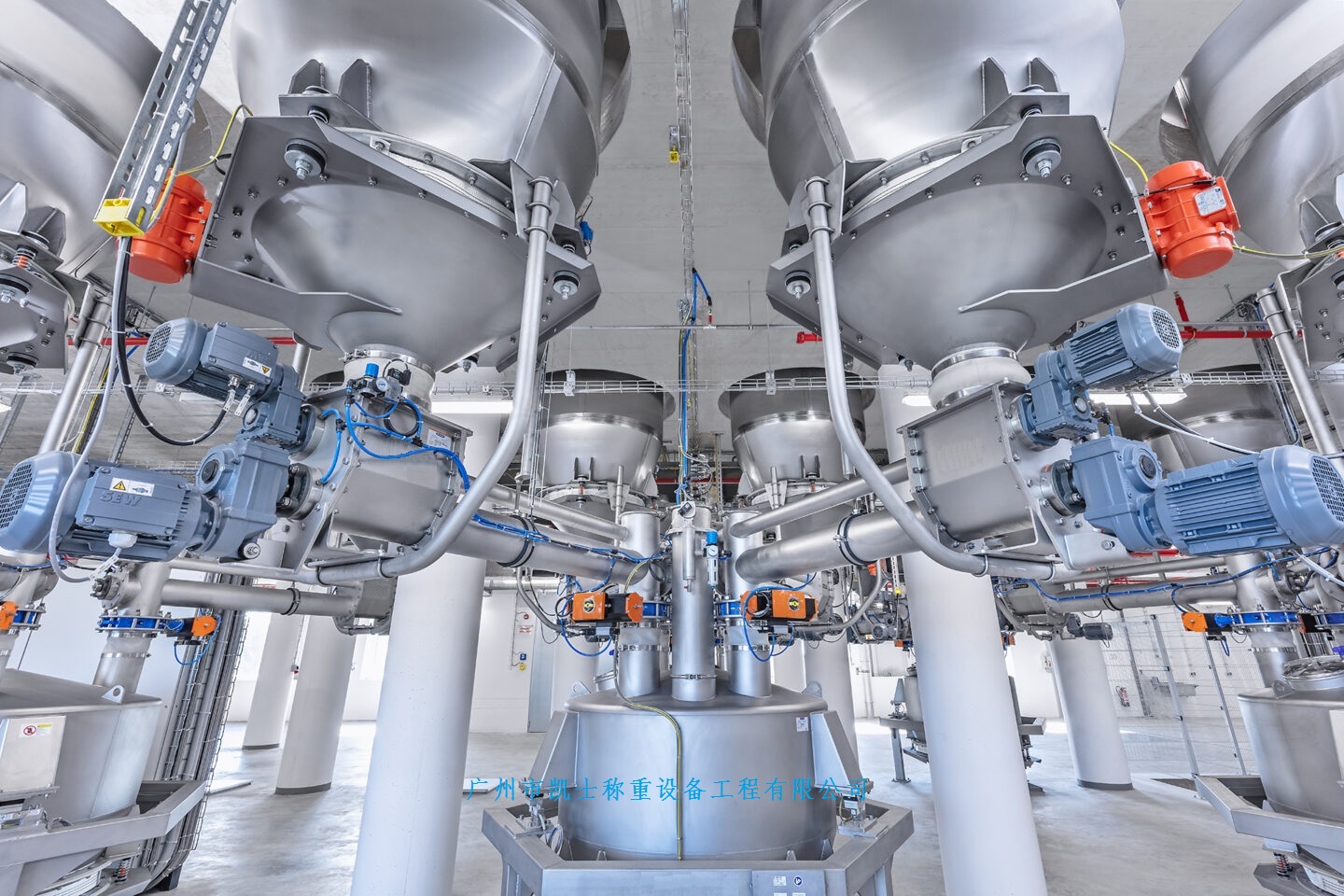







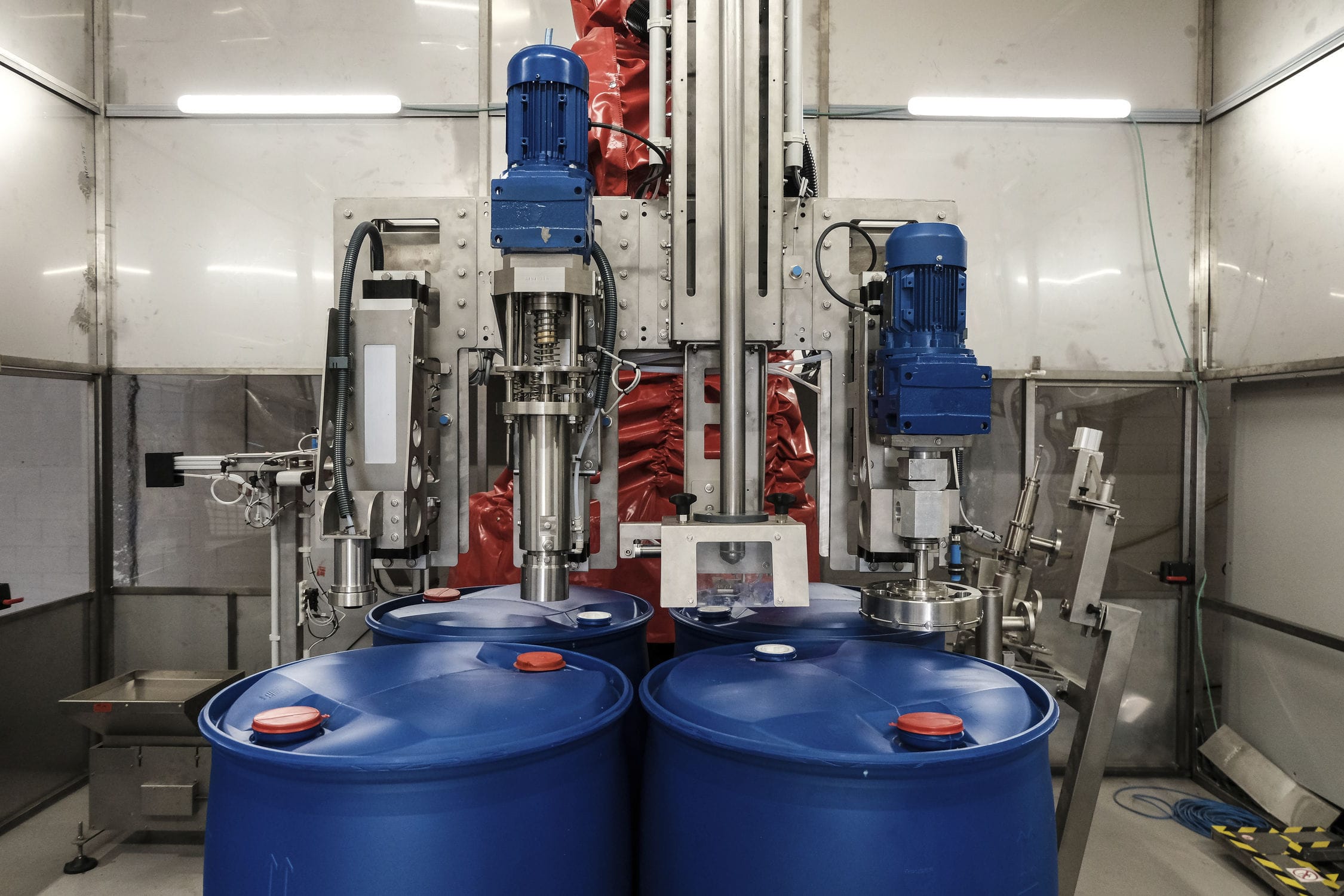


In order to ensure the weighing speed and Material discharge weighing accuracy, the automatic feeding system adopts real-time weighing, and all the feeding machines realize two levels of feeding speed, fast and slow. Weighing is done in a fast way, and when the weighing value is close to the set value, it is done in a slow way until the set value is reached and the feeding is stopped. This weighing system adopts a micro-range weighing device to provide a weighing device for small amount of bulk materials, which integrates feeding, weighing and discharging automatically. The weighing part of the device is separated from the other parts during weighing, and the weigher is emptied after each weighing, which not only improves the weighing accuracy, but also saves cost and improves the time efficiency.

 020-34563445
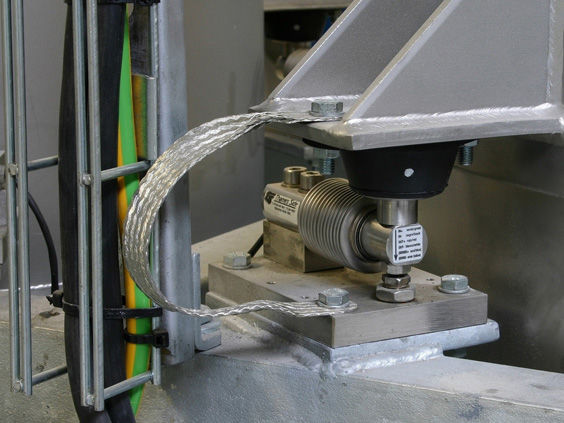
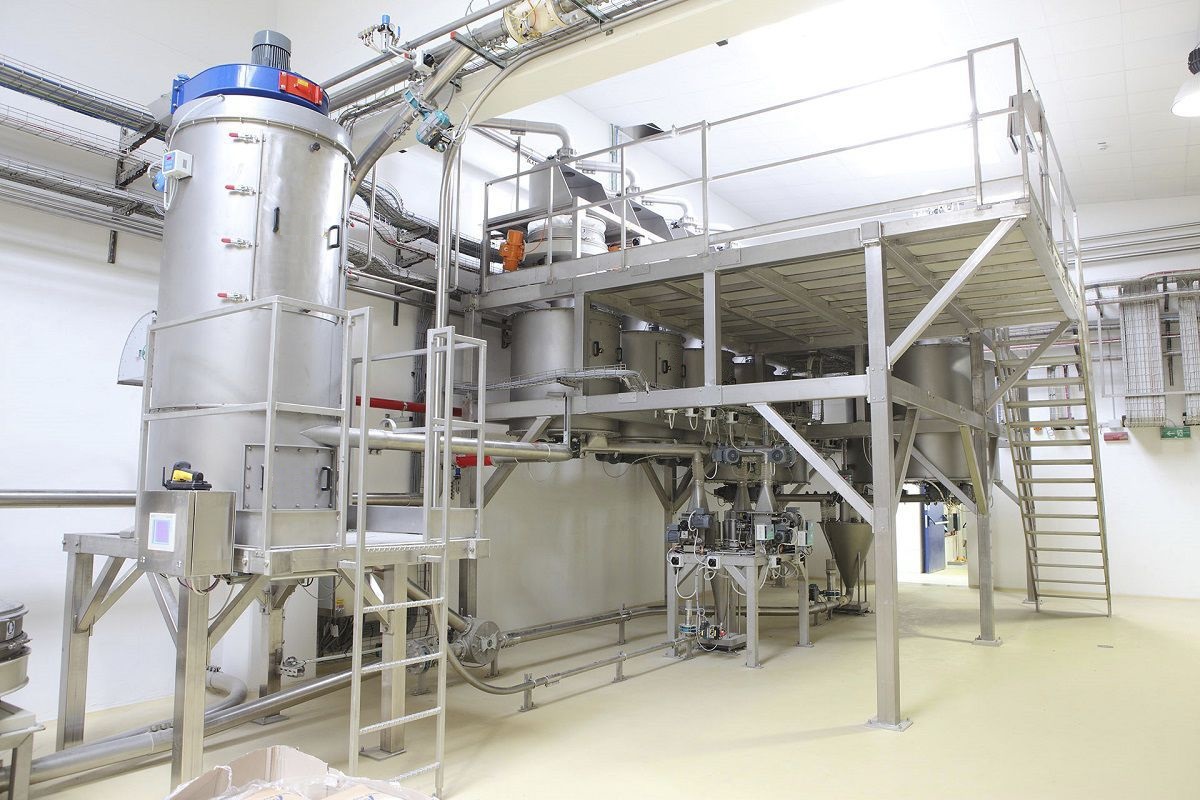
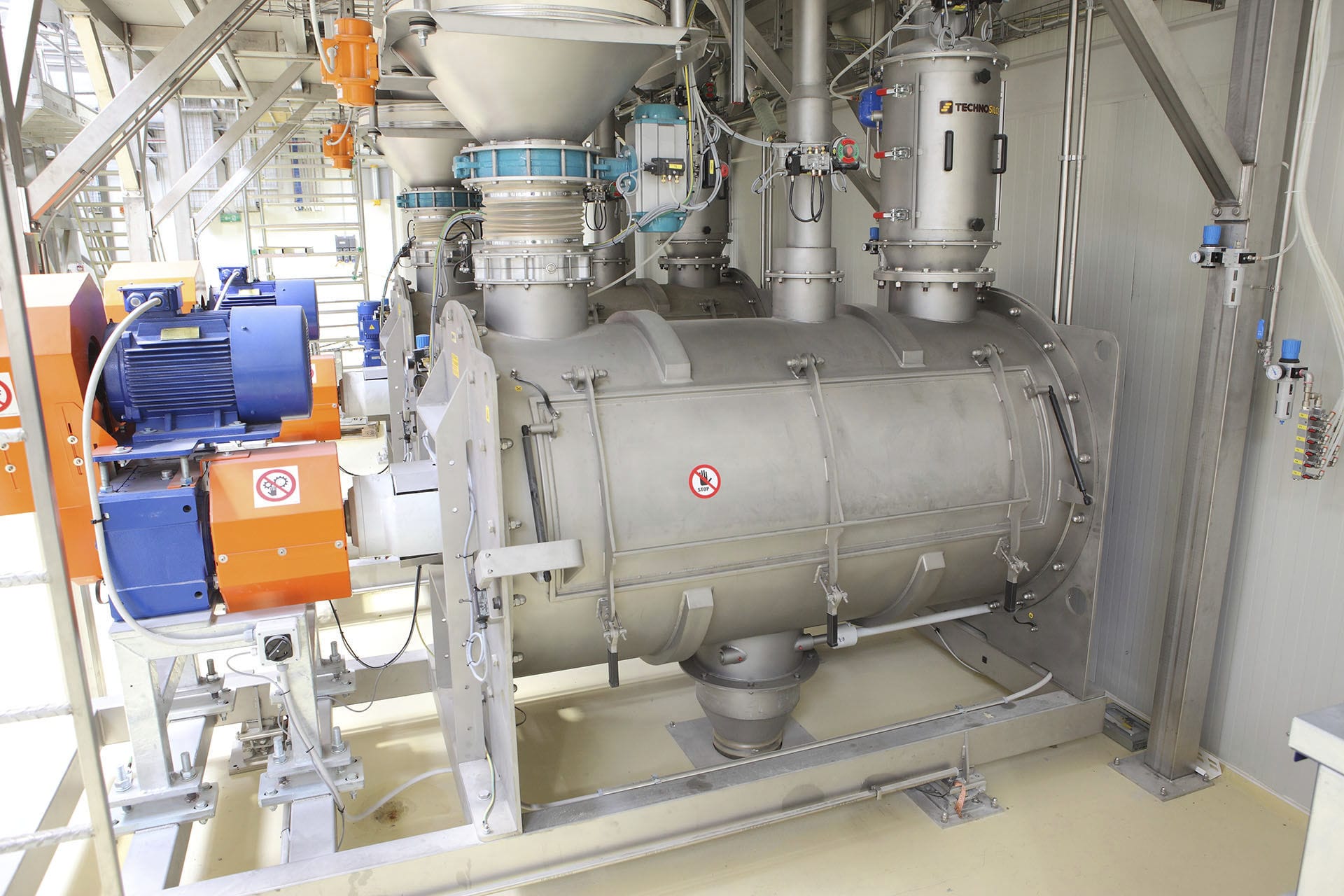
The automatic feeding system for discharge consists of a computer, weighing instruments, PLC, and system software. Using well-known high-performance and reliable industrial control computers, PLC、 High quality components such as weighing instruments, in terms of operation, the computer and control cabinet achieve free switching of manual/automatic operation control between two locations. In production mode, it has operation indication, fault alarm function, automatic data backup, and real-time display of various production report browsing and printing functions. The system has single weighing single mixing, double weighing single mixing, double weighing double mixing, triple weighing double mixing, multi weighing multi mixing, etc. The standard version controls 16 compartments and can also be designed and produced according to different user requirements. The system has good scalability, flexibility, and an open intelligent network system. The weighing screw Feeder modifies mainstream materials by adding a small amount of substances, or mixes multiple materials in a certain proportion to form new substances, which is a key process in the production of powder materials and is increasingly widely used. For example, adding calcium hydroxide and activated carbon for flue gas desulfurization in power plants, adding trace element nutrition enhancement to wheat flour, adding medicinal powder in water treatment, quantitatively adding various materials to extruders and mixers, preparing premixes, and producing flux and welding agent ingredients. To accurately add various trace substances to mainstream materials, it is necessary to choose a suitable micro spiral feeder to achieve the expected goals. The spiral feeder is mainly composed of a mechanical part and a control part. According to the measurement method, it can be divided into two categories: volumetric measurement and gravity measurement. The gravity type automatic spiral feeder is built on the basis of the volumetric spiral feeder by adding a weighing module and weighing instrument.
The weighing and feeding mechanism includes a weighing module and a hopper scale. An opening is provided on the front side of the hopper scale, which can be a part of the front side of the hopper scale or directly penetrate the entire front side of the hopper scale. A first rotating part is provided outside the weighing module or between the weighing module and the hopper scale, which can drive the hopper scale to rotate back and forth in the front and back directions. When it rotates forward, the material can be tilted and poured out, and when it rotates backward, it can be placed on the top side of the hopper scale. There is also a closing or opening baffle on the front side of the hopper scale. A second rotating part can be provided outside the weighing module or on the weighing module, which is connected to the baffle. The second rotating part can drive the baffle to rotate forward to open the opening or backward to close the opening. When it is necessary to weigh materials, pour the materials into the hopper scale and weigh them on the weighing module. At this time, the baffle closes the opening of the hopper scale, allowing the materials to be filled and filled in the hopper scale. When it is necessary to pour out the materials, the first rotating part drives the hopper scale to rotate and tilt forward, thereby pouring out the materials in the hopper scale. The second rotating part can also drive the baffle to rotate forward and open the opening, which can reduce the rotation and tilt amplitude of the hopper scale and smoothly pour out all the materials in the hopper scale, reducing the required space occupation and other design requirements. It has stronger applicability.
The control part is divided into two types: volumetric metering control and gravity metering control.
(1) Volumetric metering control
By changing the feed screw speed, the feed flow rate can be adjusted. Commonly used methods include: frequency converter+reduction motor, stepper motor+stepper.
Drive+stepper weighing display, electromagnetic speed regulating motor+electromagnetic speed regulating weighing display to achieve.
(2) Gravity based metering control
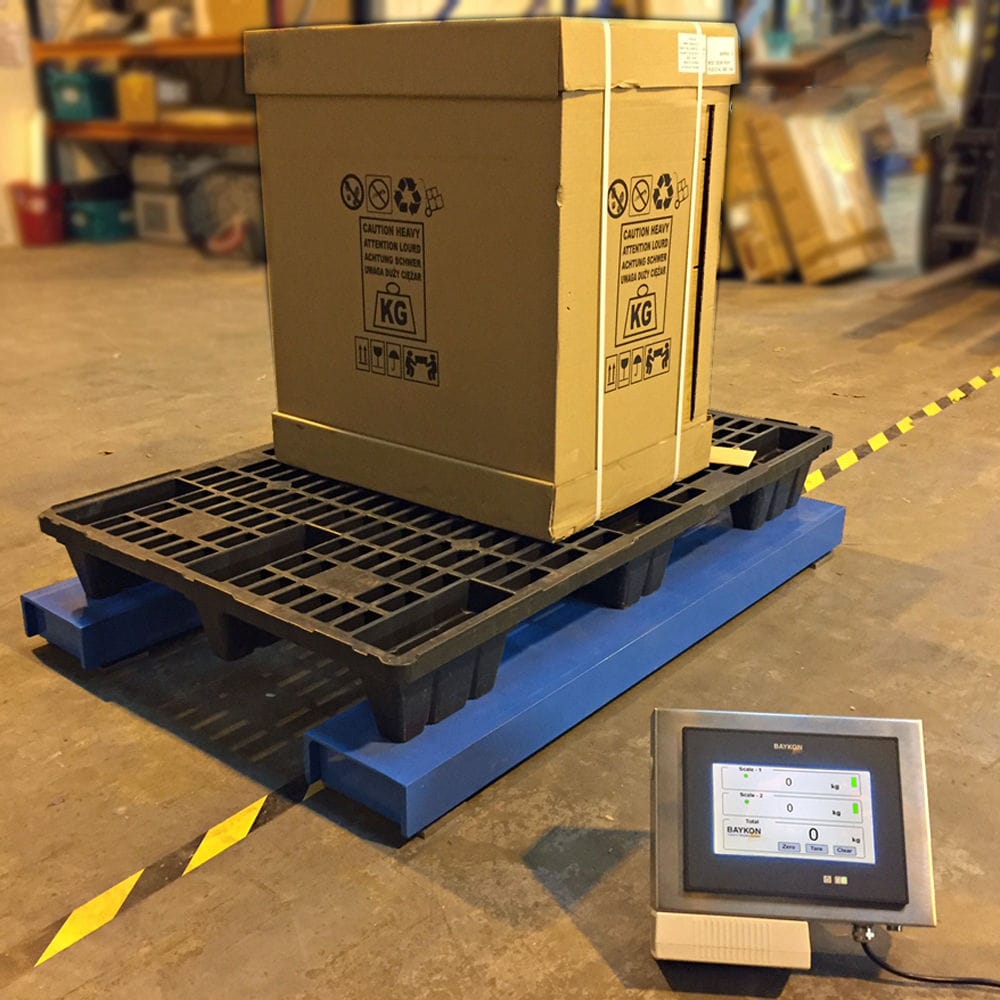
Adjust the feed flow rate by adjusting the weight of the materials inside the machine. It is achieved by adding Weighing modules and weighing instruments on the basis of volumetric measurement.
The mechanical part mainly consists of transmission, shaft seal, feeding screw, flipping mechanism, and hopper.
(1) The transmission system consists of asynchronous motors, variable frequency motors, stepper motors, electromagnetic speed regulating motors, capacitor speed regulating motors, etc., which can be selected according to requirements.
(2) Shaft seals come in various forms such as skeleton oil seals, copper sleeve seals, mechanical seals, etc., and should be designed and selected according to the material properties. For very fine particles, if the shaft seal is not properly selected, it is easy to enter the reducer and cause gear wear or even failure. The shaft seal requirements for pneumatic conveying screw feeders are higher. If the conveying pressure is too high, back pressure should be used to prevent air leakage.
(3) The feeding screw has four types: full face type, spring type, blade type, and screw belt type, each with its own range of use. Materials with different characteristics need to determine the suitable spiral form based on experience or experiments.
(4) The flipping mechanism includes cross type, spiral type, etc.