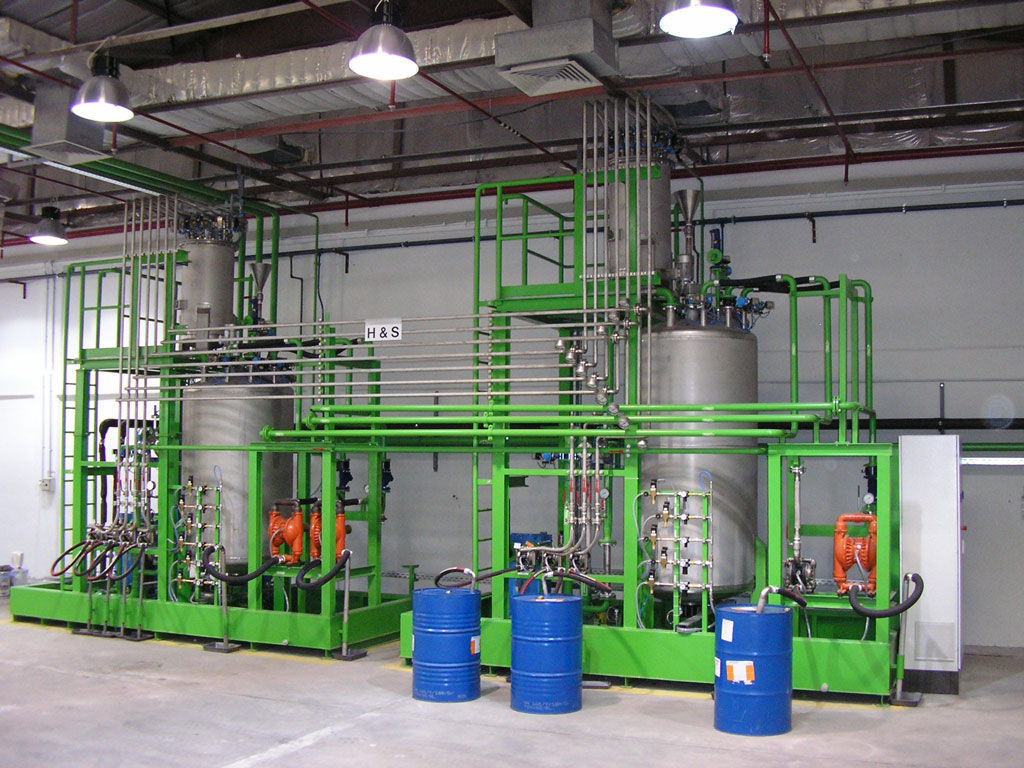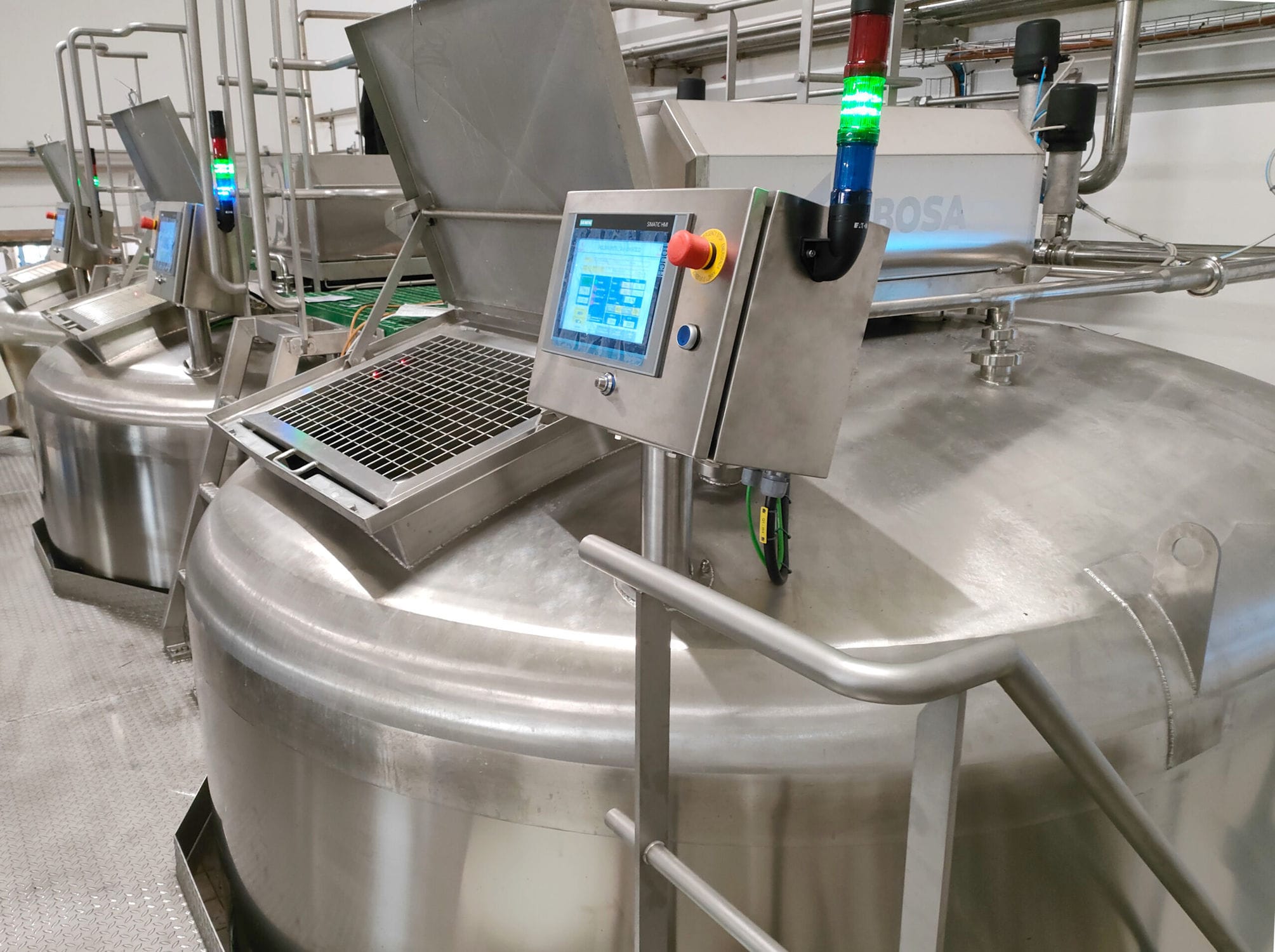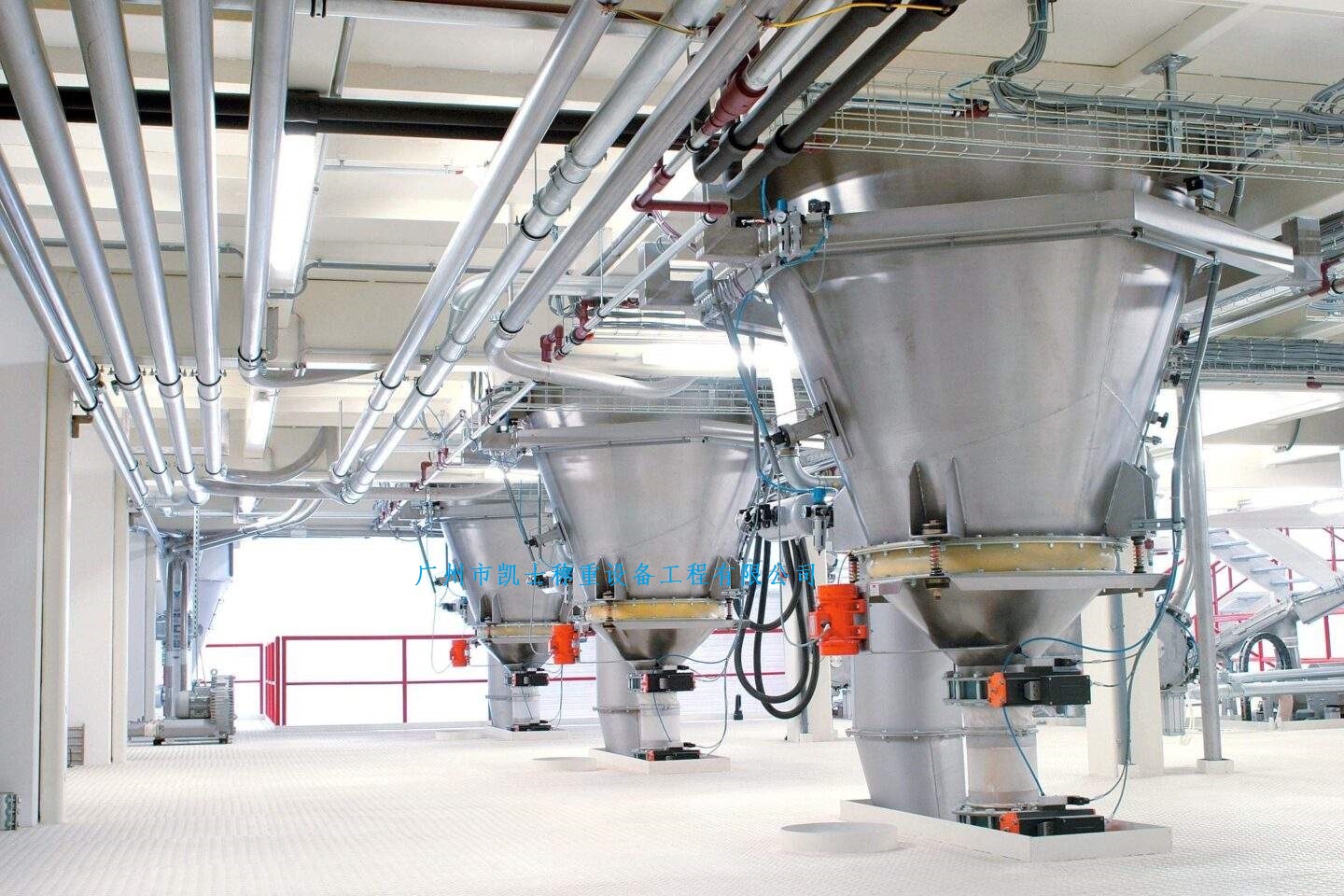







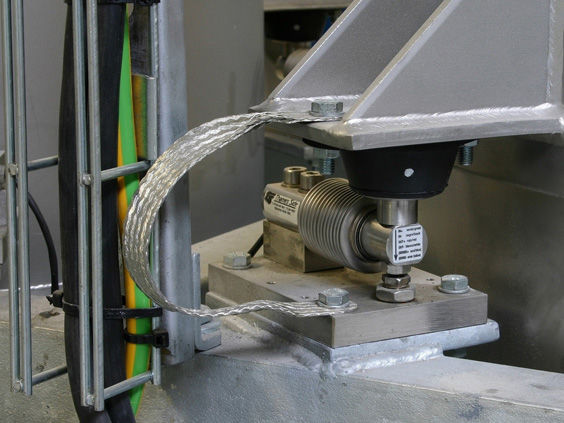


Bulk weigher can be divided into coarse and fine (big and small) feeding device, weighing part and discharging part. When the system works, the coarse and fine feeding device adds materials to the hopper (weighing part), and after stable weighing, the real weight of each scale is obtained and totalized. When the material leveler on the discharging part detects that the materials in the hopper have been discharged, the weighing controller discharges the materials in the hopper into the discharging hopper, and then completes a weighing cycle. Precise bulk material weigher adopts special weighing control software to feed the material according to the pre-set target weight, when the cumulative feeding weight reaches the pre-set weight value, the system automatically stops working and prompts the operator.


 020-34563445
Bulk material scales can be divided into coarse and fine (large and small) feeding devices, weighing components, and discharging components. When the system is working, the coarse and fine feeding devices add materials to the weighing hopper (weighing component), and after stable weighing, the true weight of each scale is obtained and accumulated. When the level sensor on the feeding hopper detects that the material in the hopper has been emptied, the weighing controller discharges the material in the hopper into the feeding hopper, completing a weighing cycle. The precise bulk scale adopts a dedicated weighing control software to feed according to the pre-set target weight. When the cumulative feeding weight reaches the pre-set weight value, the system automatically stops working and prompts the operator. Batch cutting and continuous batch cutting measuring equipment play a crucial role in the production process. Among them, the bulk material scale, as a commonly used equipment, is widely used in various industries. Batch feeding refers to placing a certain amount of raw materials or products into a bulk scale for weighing according to production needs, in order to ensure the accuracy and stability of the production process. Continuous batch feeding refers to the continuous feeding of raw materials or products according to set parameters during an uninterrupted production process, ensuring uninterrupted production. The bulk scale can accurately control the quantity of each discharge through precise weighing technology, ensuring the quality and efficiency of production. It can not only improve production efficiency and reduce the uncertainty of manual feeding, but also save time and costs. The application range of bulk material scales is very wide, suitable for production processes in different industries such as chemical, food, and pharmaceutical. Through continuous innovation and optimization, the bulk scale has not only improved in measurement accuracy, but also become more convenient and intelligent in operation and maintenance. In future production, batch feeding and continuous batch feeding measuring equipment will continue to play a key role, helping various industries achieve more efficient and stable production processes.
The bulk scale adopts a frame, and one side of the frame is equipped with a conveyor, which is fixedly connected to the frame. The side of the frame close to the conveyor is equipped with a bulk Electronic scale, which is fixedly connected to the frame. The upper surface of the bulk electronic scale is equipped with a feeding plate, which is fixedly connected to the bulk electronic scale. The lower surface of the bulk electronic scale is equipped with a discharge valve, which is fixedly connected to the bulk scale. One side of the conveyor is equipped with a sliding plate, which is fixedly connected to the conveyor. One side of the sliding plate is equipped with a bag sealer, which is fixedly connected to the sliding plate. The lower surface of the discharge valve is equipped with a discharge pipe, which is fixedly connected to the discharge valve. The lower surface of the discharge pipe is equipped with a bag clamp. The bag machine is fixedly connected to the discharge pipe, and the inner wall of the discharge pipe is provided with a first baffle, which is fixedly connected to the discharge pipe, The discharge pipe is equipped with a second baffle, which is rotatably connected to the discharge pipe and is in contact with the first baffle. The outer wall of the discharge pipe is provided with a second sliding groove, and the outer wall of the second baffle is equipped with an adjustment button, which is fixedly connected to the second baffle and passes through the second sliding groove. The upper surface of the second baffle is provided with a first discharge groove, and one side of the conveyor is provided with a first sliding groove. The sliding block is connected to the conveyor through the first sliding groove, and the upper surface of the sliding block is provided with a bag frame, which is rotatably connected to the sliding block. The conveyor, bulk scale, discharge valve, bag clamp, and bag sealer are all electrically connected to an external power source.
technological process:
1. Material loading: Load the material to be weighed into the hopper and record the initial weight of the hopper.
2. Stable waiting: After the material in the hopper is stable, wait for the weighing signal to be sent out.
3. Weighing operation: After receiving the weighing signal, the weighing controller releases the material filling the hopper and begins weighing.
4. Weight measurement: The weighing module measures the weight of the material in the hopper and transmits the data to the weighing controller.
5. Output result: The weighing instrument converts the measurement result into the weight of the material and outputs it.
Technical Parameters:
The technical parameters of a bulk scale usually include weighing range, weighing accuracy, weighing speed, etc. The specific parameters need to be selected according to the application scenario.
1. Weighing range: Depending on different industries, application situations, and material characteristics, the weighing range usually ranges from tens of grams to several tons.
2. Weighing accuracy: Different application scenarios require different levels of accuracy, typically ranging from 0.2% to 1%.
3. Weighing speed: The weighing speed of the bulk scale is also an important indicator of user demand, generally within 3-6 times per minute.