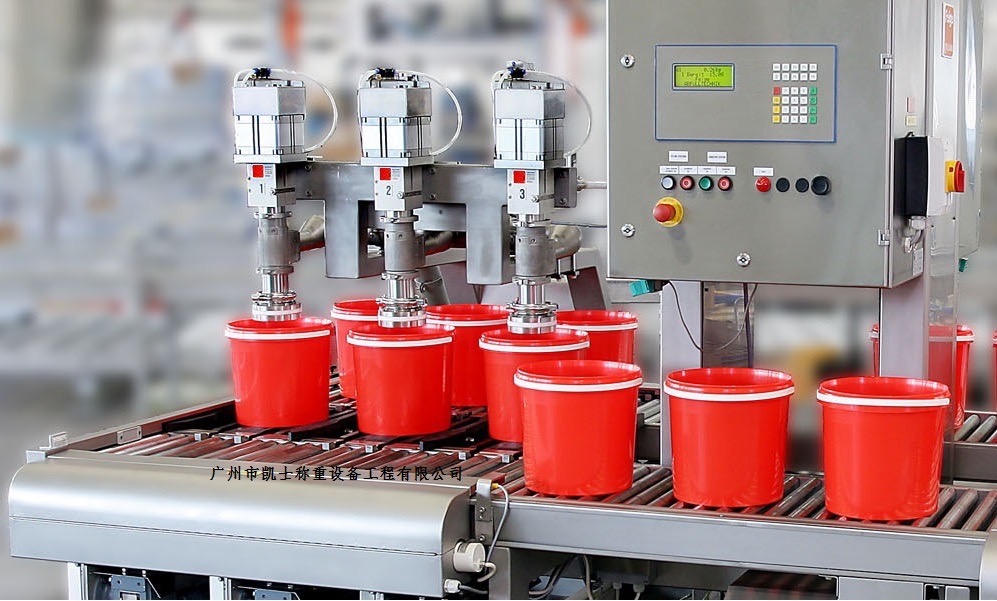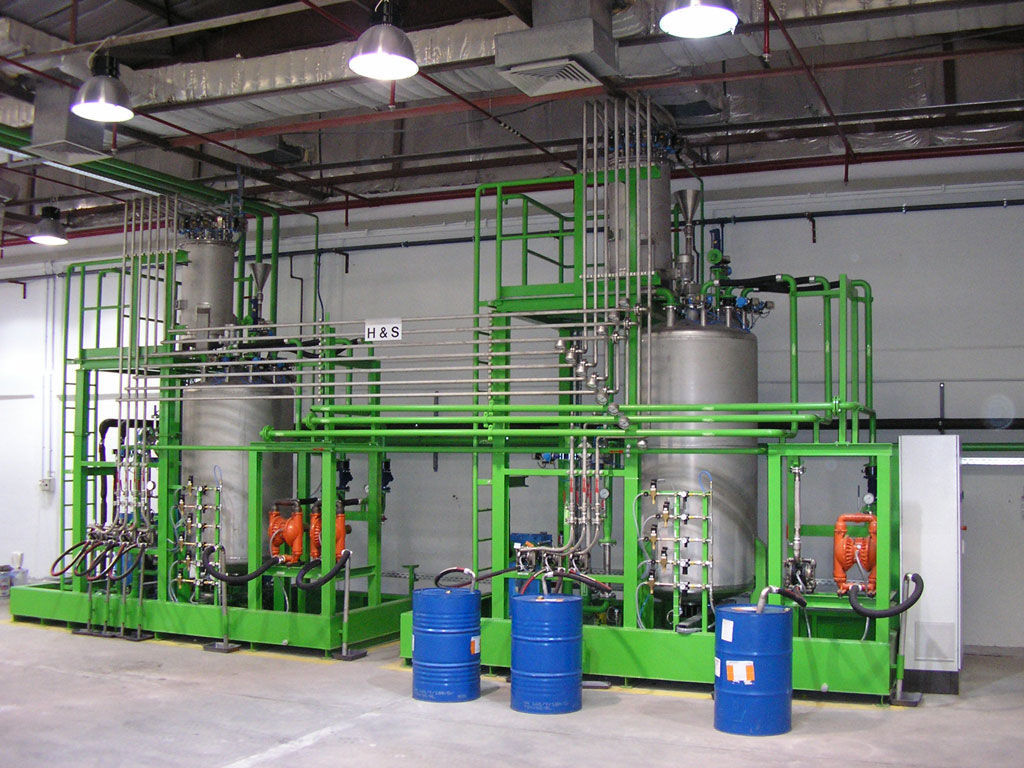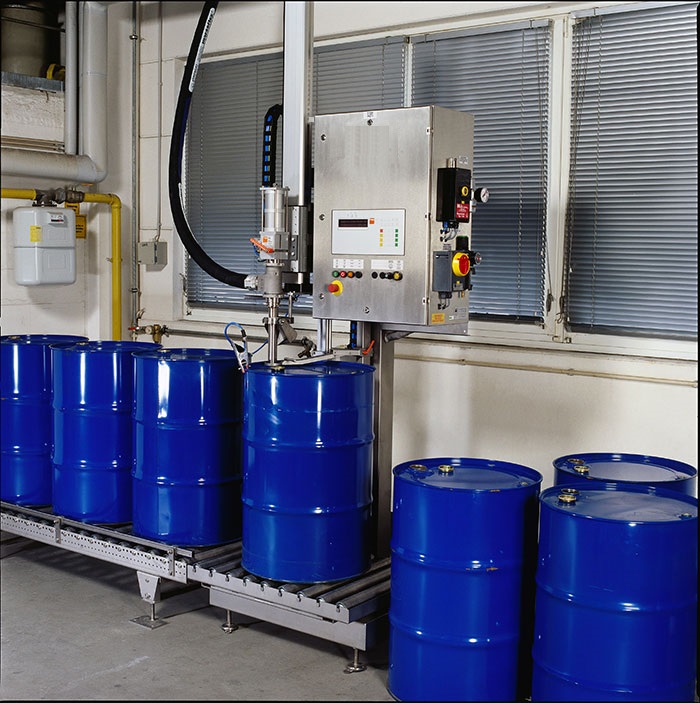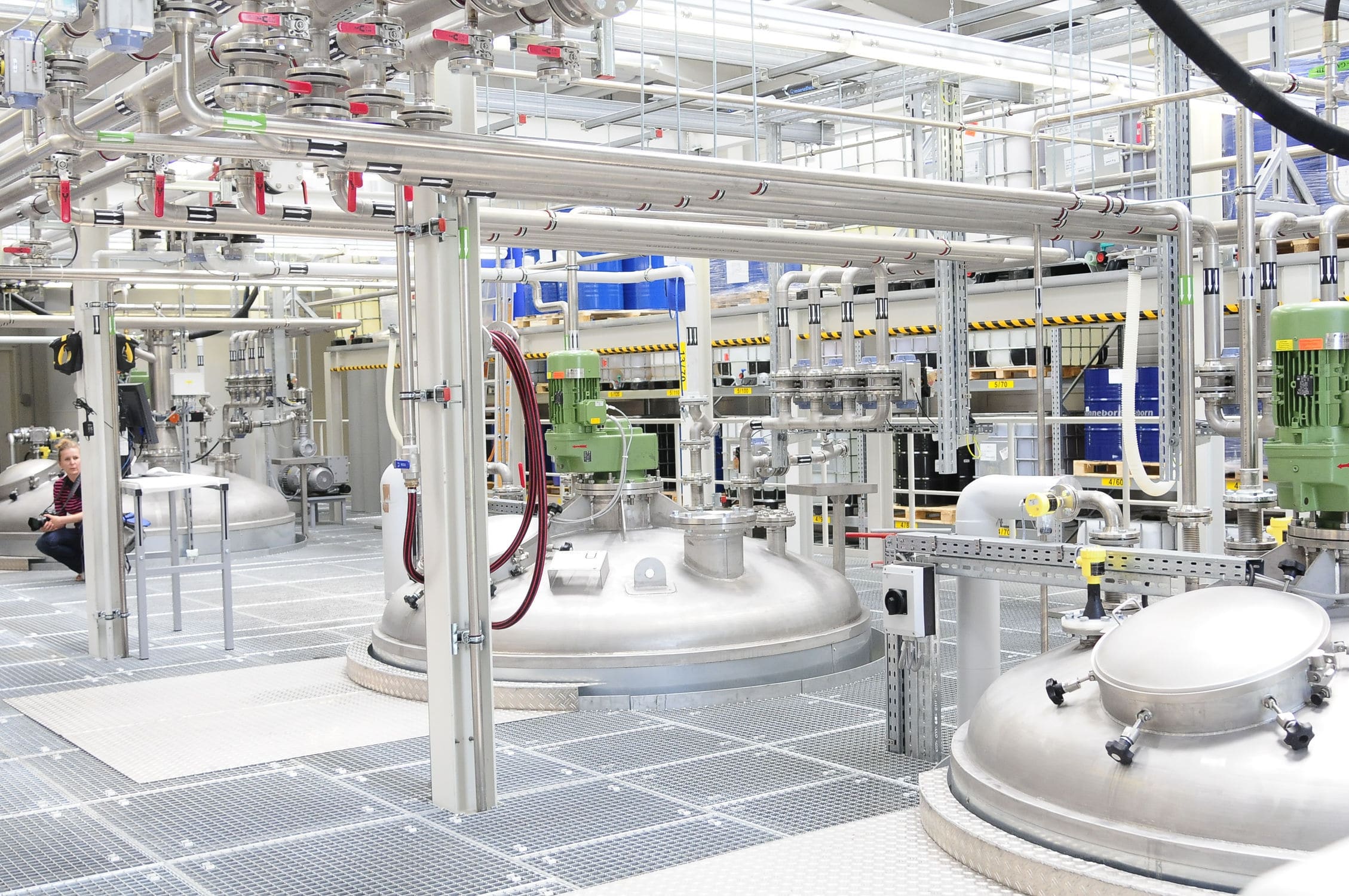


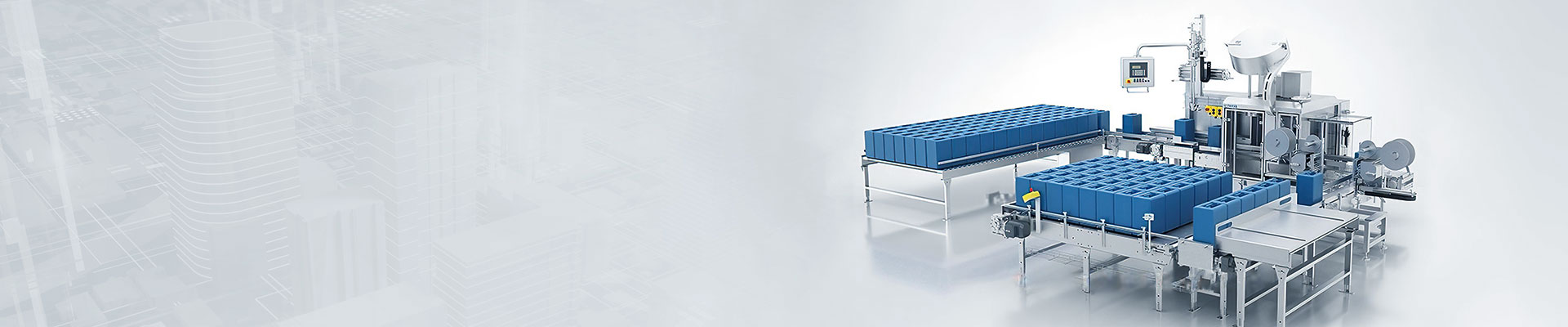


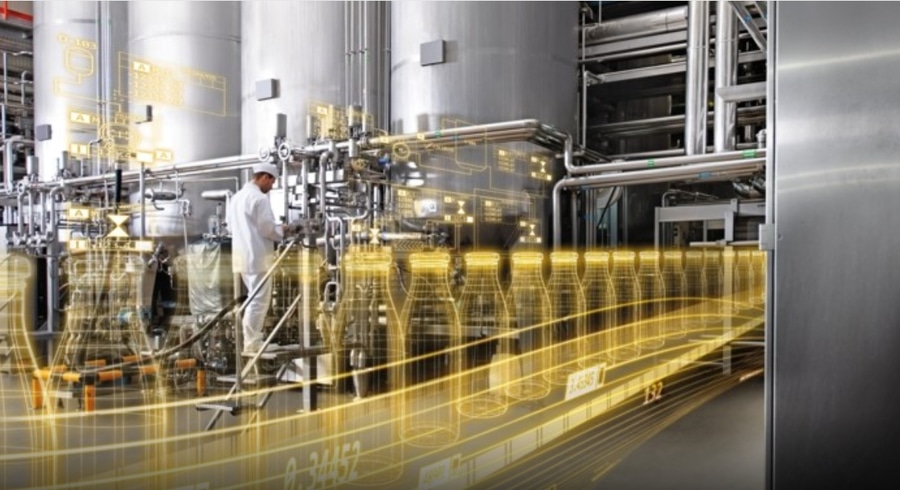
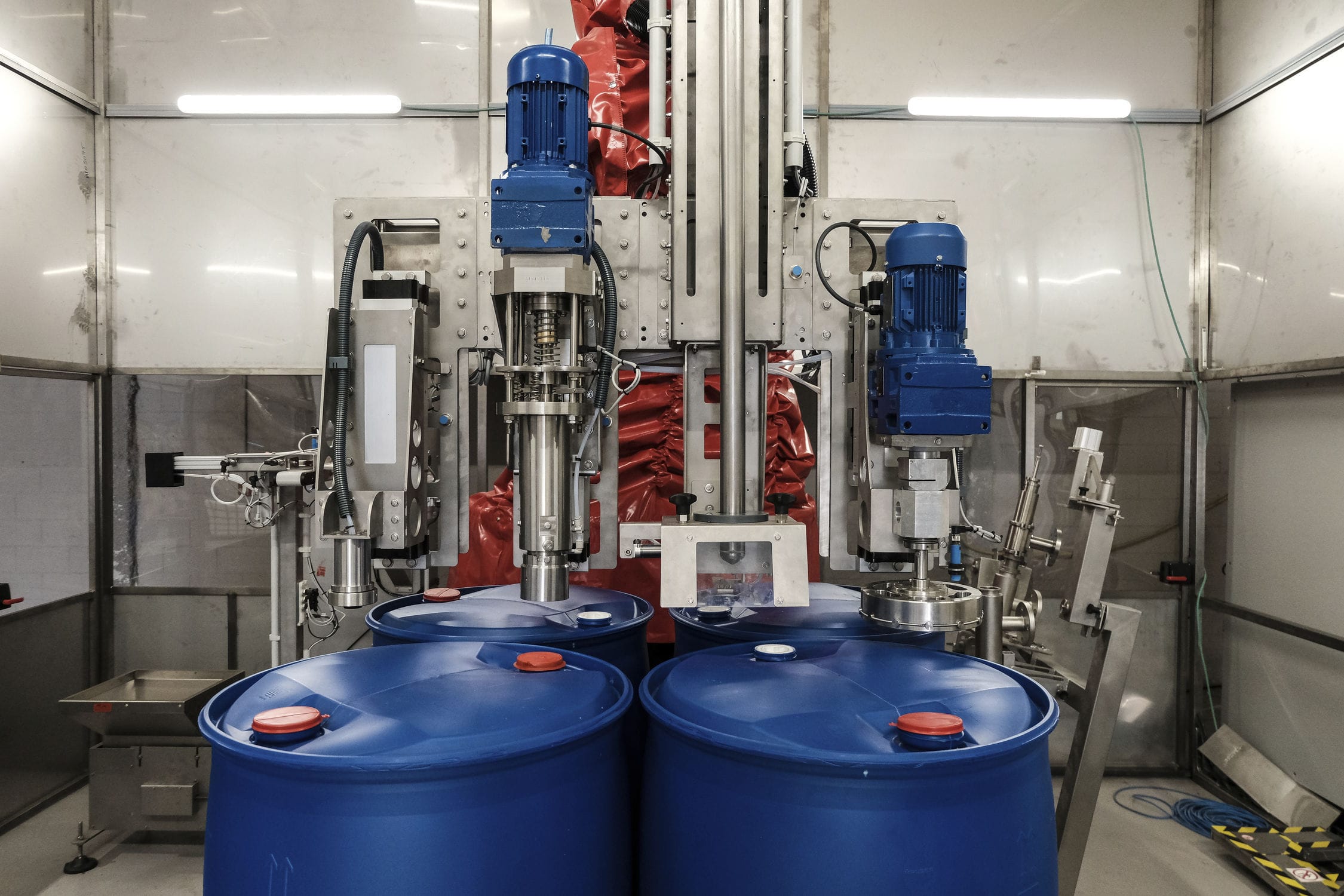
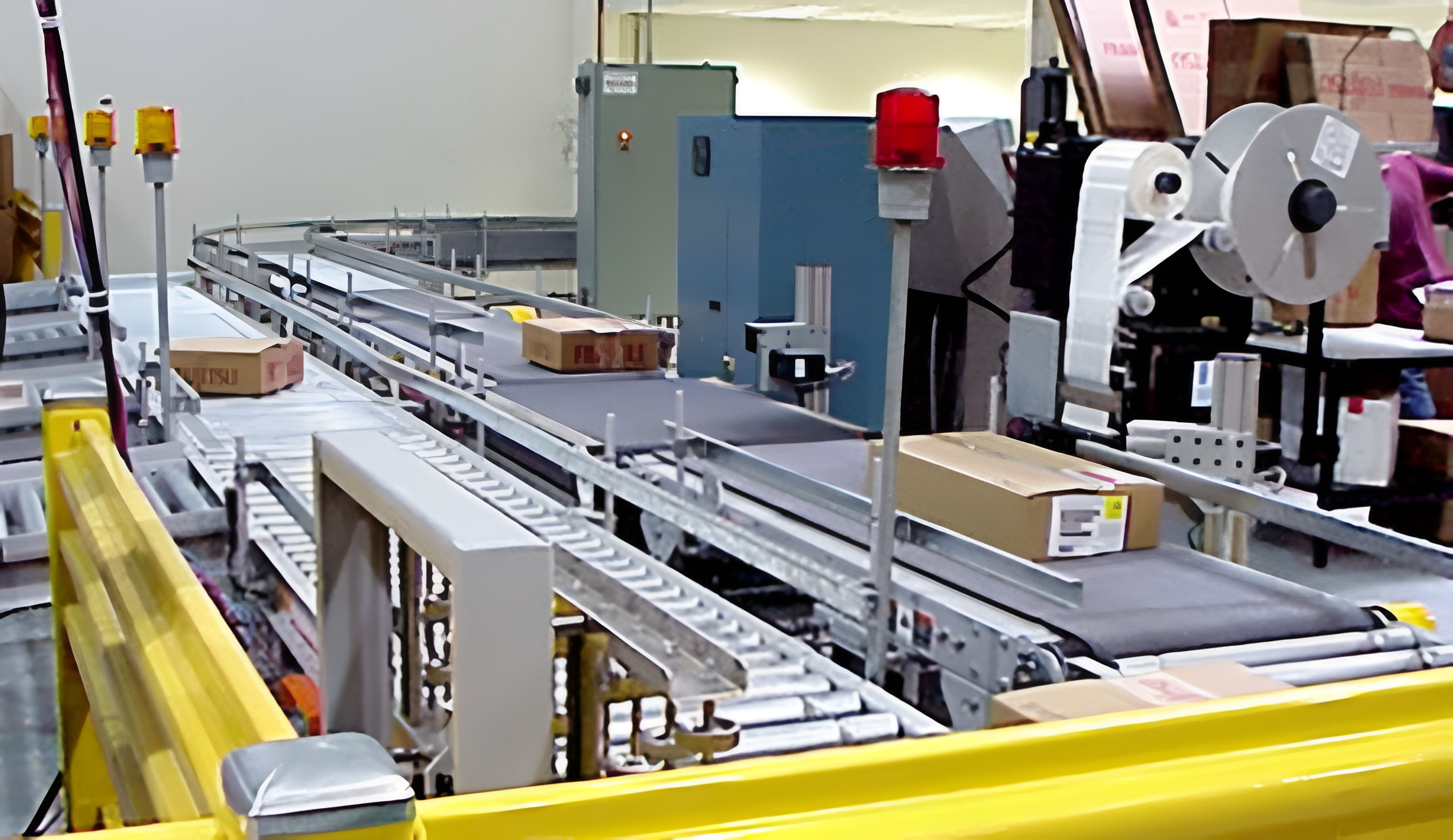
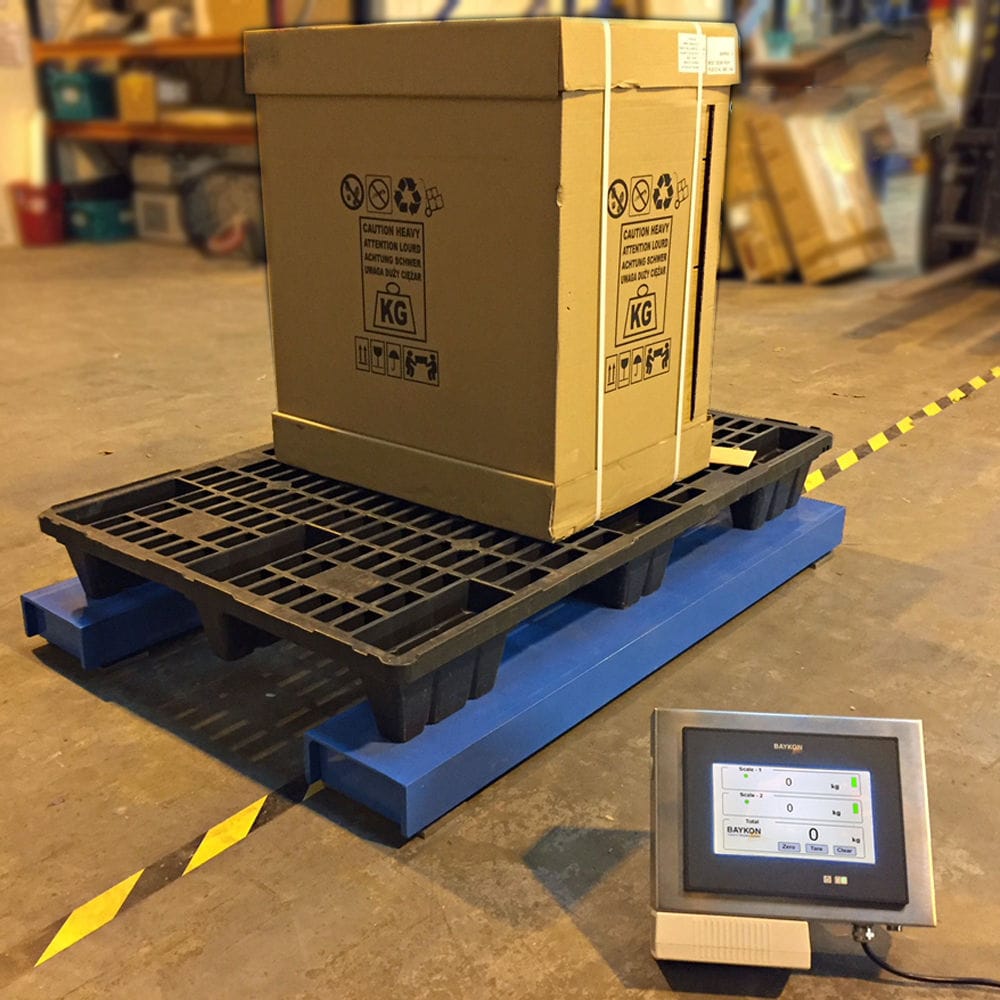


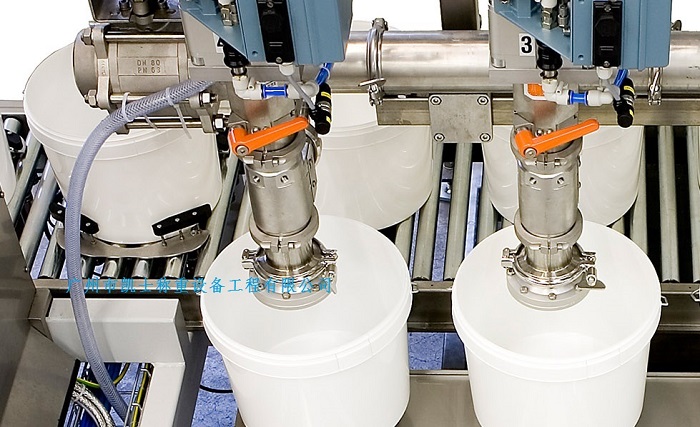
Disinfectant water filling machine has fast and effective product conversion and fast and automatic in-situ cleaning procedure with sealing device and unique self-discharge filling. The material filling can be effectively controlled in real time, realizing real-time detection of filling weight and real-time opening and closing of solenoid valve in the filling process, and data uploading for effective microcomputerized management.

 020-34563445
The liquid Filling machine achieves full automation and intelligence of filling according to a certain proportion. The upper computer sends weight instructions for formula filling. The Filling system adopts an industrial mechanism with a communication board, which can provide RS422 communication port and RS232 communication port. The communication ports are respectively connected to the upper computer. The communication protocol adopts query scanning method. The FCSe/machine number command prefix completion code verification code completion code is a binary decimal number related to the response of the programmable logic controller to the command sent by the upper computer, greatly improving the reliability of system data transmission. The automatic filling machine initializes and forms formulas based on production tasks, including the names, quantities, yields, standard ratios, standard weights, etc. of each component. The parameters are then sent to the weighing instrument and programmable controller to control the start of the weighing instrument and conveyor car in a certain time sequence. The weight signal of the liquid filling scale is read and accumulated. The actual proportion is calculated based on the accumulated value of each component, and compared with the standard to calibrate the given amount of each regulator, so that the system works in the optimal proportion state. When the preset output is reached, the filling speed control curve stops in a certain time sequence. The automatic filling machine adopts a feeding pipeline, a storage tank, a filling cylinder, a filling head, an intake and cleaning pipeline, a touch screen, a frame, a piston valve cylinder, a conveying chain, and a vacuum pump. The feeding pipeline is installed at the bottom of the storage tank, and the intake and cleaning pipelines are installed at the top of the storage tank. There are stop piston valve cylinders located on both sides of the filling head on the conveying chain, and a photoelectric liquid level sensor is installed on the filling head. The empty container is fed through the lower end of the storage tank and the upper end is filled with air. The conveyor chain transports the empty container to the filling head, and the piston valve cylinder opens to accurately define the position of the filled container and the filling head. The filling cylinder opens and the filling head presses down to vacuum, prepare, and fill the container. The filling head is equipped with a photoelectric liquid level sensor, which automatically stops when the material is full, closes the filling cylinder, lifts the filling head, and closes the stop piston valve cylinder. The conveyor chain transports the filled container to the next packaging process.
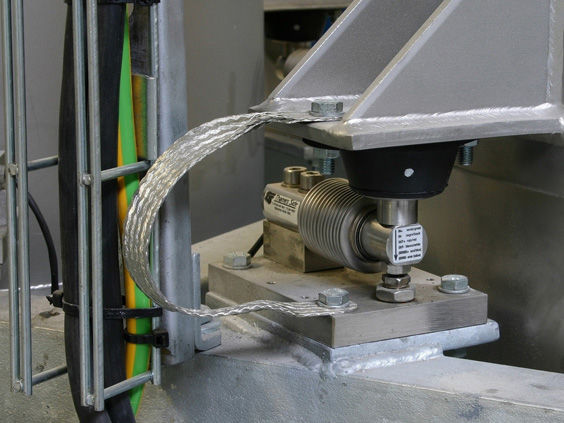
The weighing and filling machine adopts a rack and its storage tank, primary filling valve, container, secondary filling valve, weighing scale, container conveying mechanism, and main control system. The primary filling valve is installed on the storage tank, and the container is equipped with an inlet corresponding to the outlet of the primary filling valve. The secondary filling valve is connected to the container, and the container is set on the detection head of the waterproof weighing scale. The filling weight is controlled by using a sun proof electronic weighing scale with a secondary detection weight difference equal to the weight of the liquid filled. The container conveying mechanism adopts a long screw barrel positioning method, including a conveying chain and a conveying positioning mechanism. The conveying positioning mechanism includes an inlet long screw and a guiding positioning mechanism set on both sides of the conveying chain. The inlet long screw and the guiding positioning mechanism are consistent with the conveying direction of the conveying chain. A barrel mouth clamp is set below the secondary filling valve. Empty barrels with small diameters are divided by the conveying chain through the inlet long screw and enter below the secondary filling valve to stop and rely on the screw pitch accuracy for initial positioning. Then, the barrel neck is clamped by the barrel mouth clamp to achieve precise positioning. The guiding mechanism includes a guiding bracket and several sets of guiding wheels installed on the guiding bracket. The container conveying mechanism uses a conveyor chain to directly transport empty buckets, including a conveyor chain and a bucket stop device set below the secondary filling valve. When the bucket diameter is large, the diameter of the container is greater than the pitch between the secondary filling valves. At this time, a group of empty buckets can be directly pushed into the filling station, and the filling valve and container are matched one-to-one. There is a movable oil pan below the secondary filling valve, which is used to catch the residual liquid droplets from the valve nozzle of the secondary filling valve after filling the empty bucket. A fixed bracket is installed on the rack to suspend the primary filling valve below the liquid storage cylinder. The fixed bracket includes a vertical rod connected to the bracket and a cantilever rod movable on the vertical rod. The primary filling valve is fixed to the cantilever rod by a fixture, and one end of the cantilever rod is sleeved on the vertical rod and connected and fixed to the vertical rod by fasteners. There is a liquid supply pipeline connected between the storage tank and the primary filling valve, and a valve is installed on the liquid supply pipeline to control the on/off of the pipeline. The inlet of the container is set below the outlet of the primary filling valve, and the secondary filling valve is connected to the lower side of the container. The weighing and filling machine installs an explosion-proof weighing scale above the container, connects a filling valve to a container, and installs it together on the detection head of a stainless steel weighing scale. The filling weight is controlled by using the method of using the weight difference of the secondary detection of the material bucket weighing scale to be equal to the weight of the liquid filled.
Basic Parameters:
Maximum weighing capacity: 30kg
Minimum sensitivity: 0.01kg
Filling error: ± 0.01-0.02kg
Filling speed: 20L, approximately 150-180 barrels per hour
Control mode: 2nd gear control
Filling method: Insertion type, above liquid level
Gun head pipeline: PTFE gun head, valve+PTFE hose
Structural material: SUS304 stainless steel for the host, carbon steel for conveying and stacking with anti-corrosion paint.
Scale platform size: 400 × 800mm (304 stainless steel power raceway)
Empty bucket raceway: 400mm × 2500mm (304 stainless steel power raceway) with an additional 1200mm sloping unpowered drum
Heavy bucket raceway: 400mm × 2500mm (304 stainless steel power raceway, 2 sets)
Bucket sorting device: suitable for 20L buckets, carbon steel anti-corrosion paint structure, 304 stainless steel raceway.
Stacking equipment: translation type, suitable for pallets of 1200 × 1200 × 140mm, including pallet supply, palletizing, and lower pallet conveying.
Pipeline pressure: 0.2-0.6MPa (depending on material properties).
Material interface: 4 DN40 flange joints, available according to user provided interface standards
Air source interface: The user provides a 12mm air hose connector for quick connector connection
Power supply: AC220/50Hz (provided by the user to the machine side)
Gas source used: 0.4-0.8Mpa (provided by the user to one side of the machine)
Operating temperature: -10 ℃ -50 ℃
Basic conditions: A sturdy concrete floor with a suspended agent, and the concrete thickness should be greater than 10cm.
Optional models: Standard, Explosion proof Filling