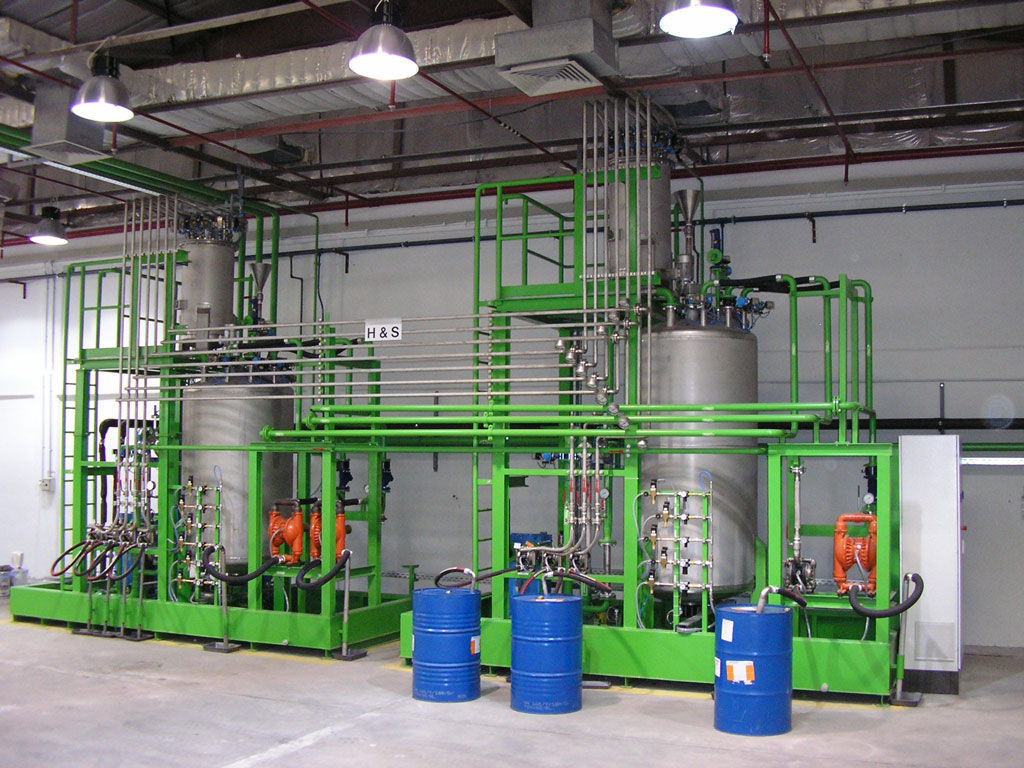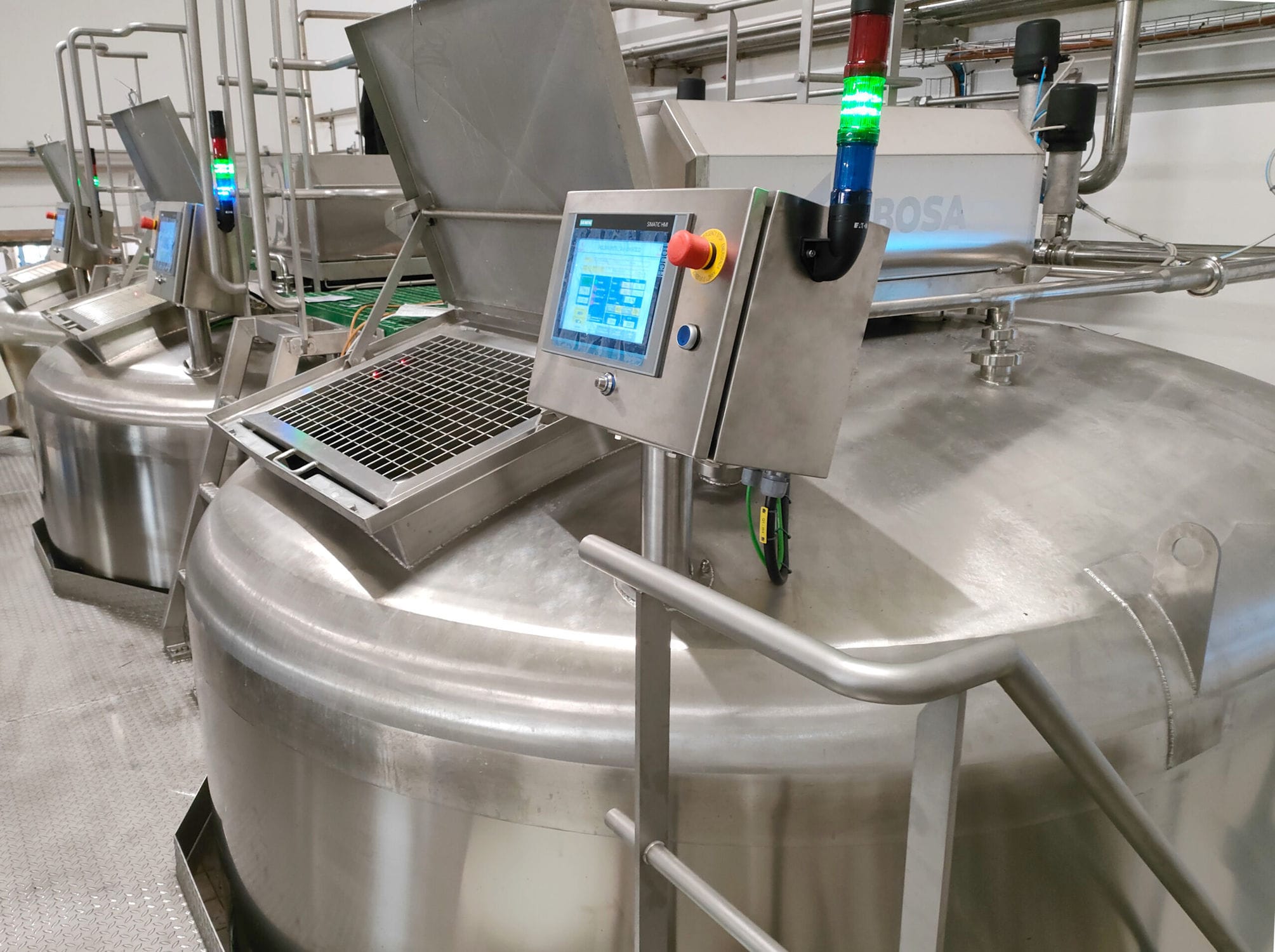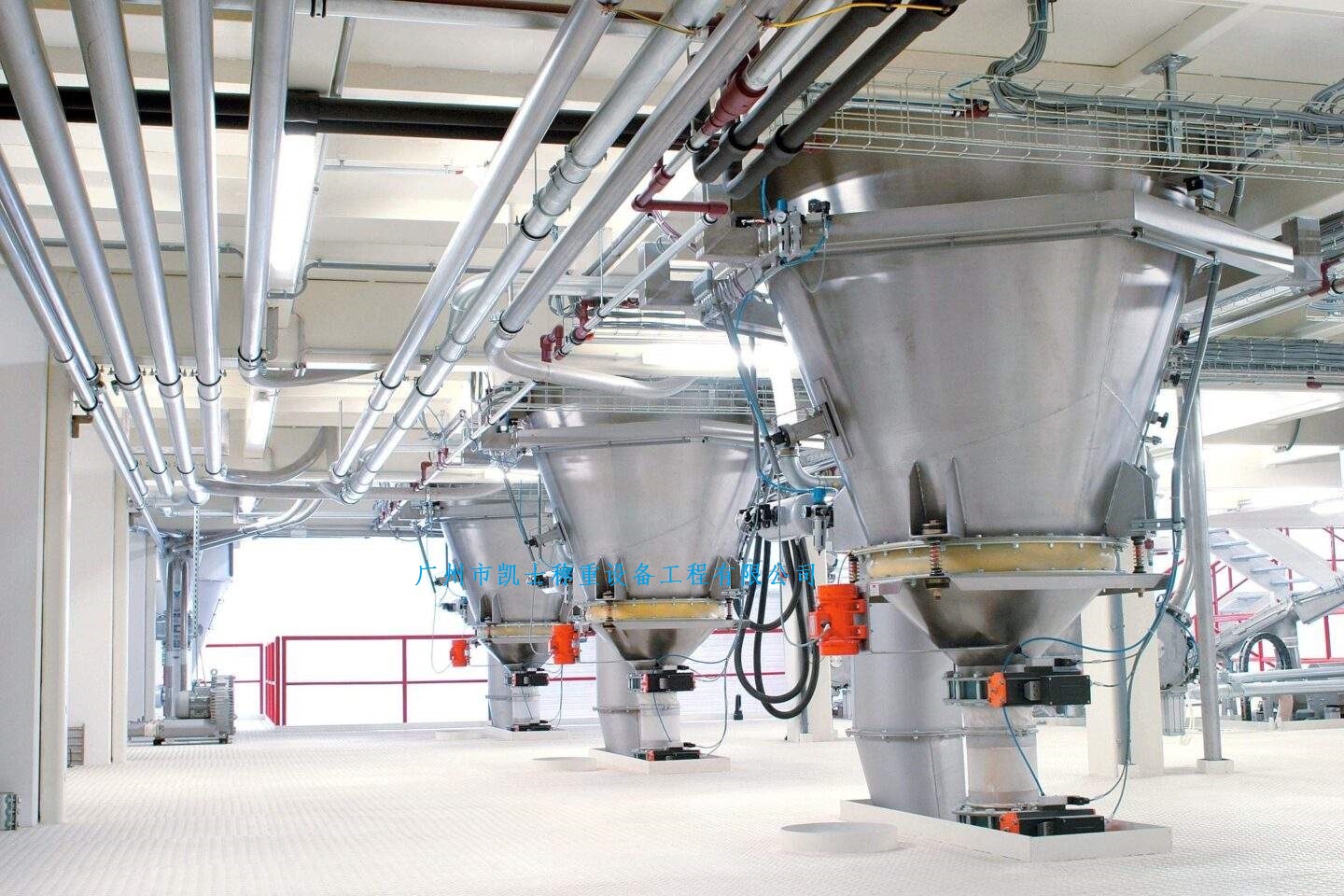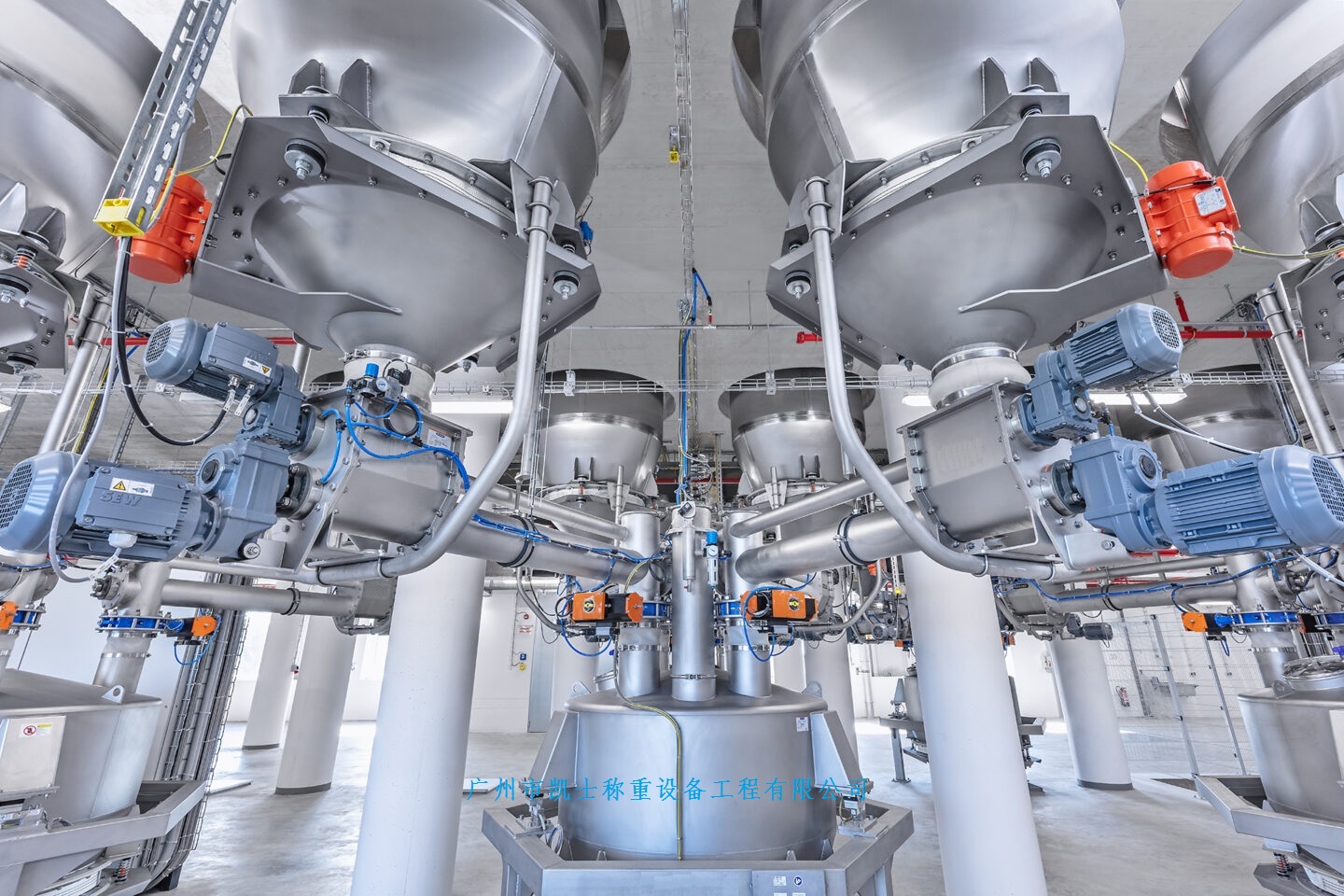






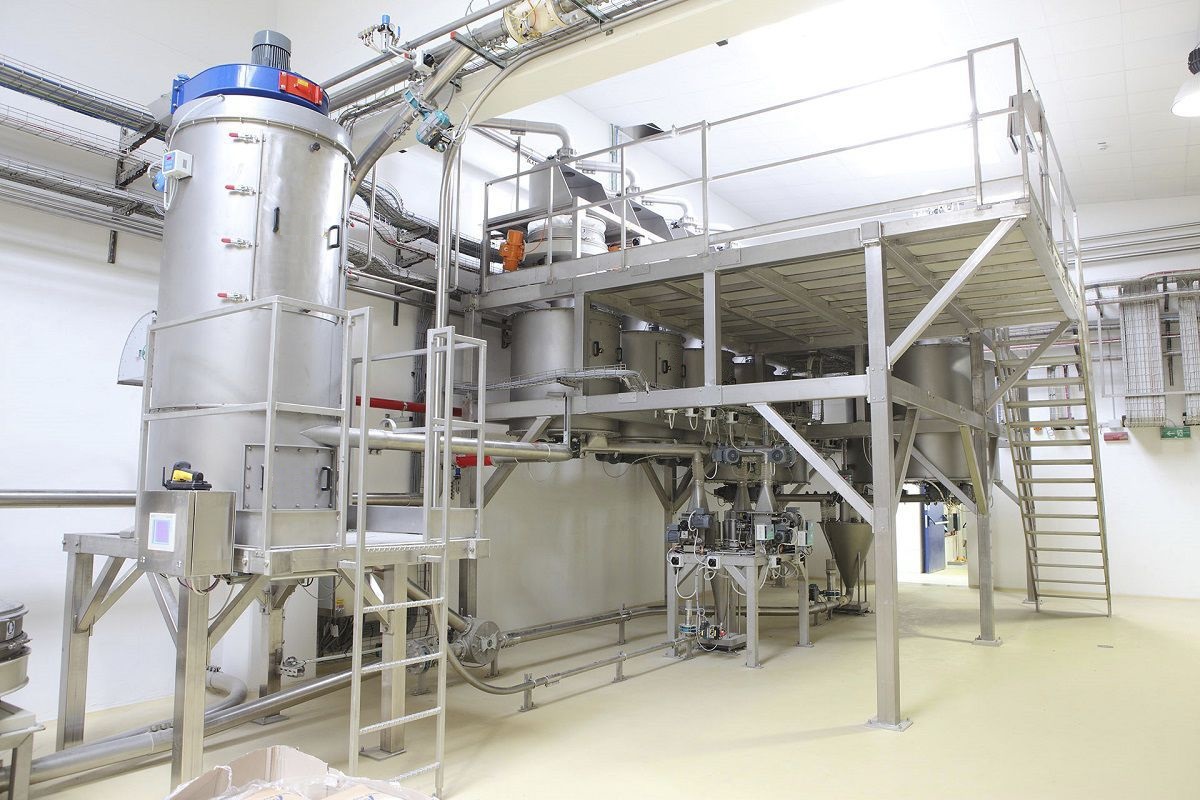
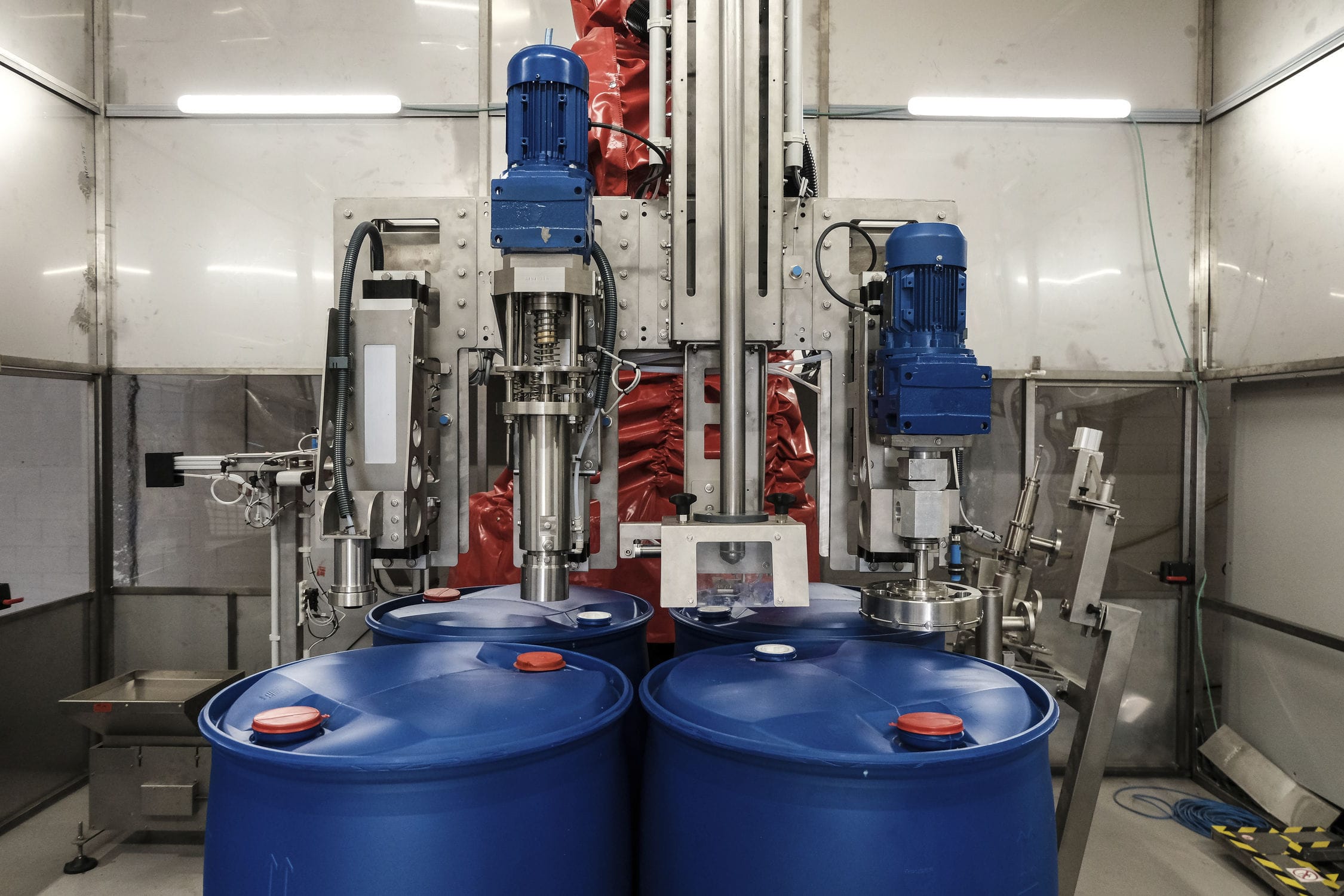
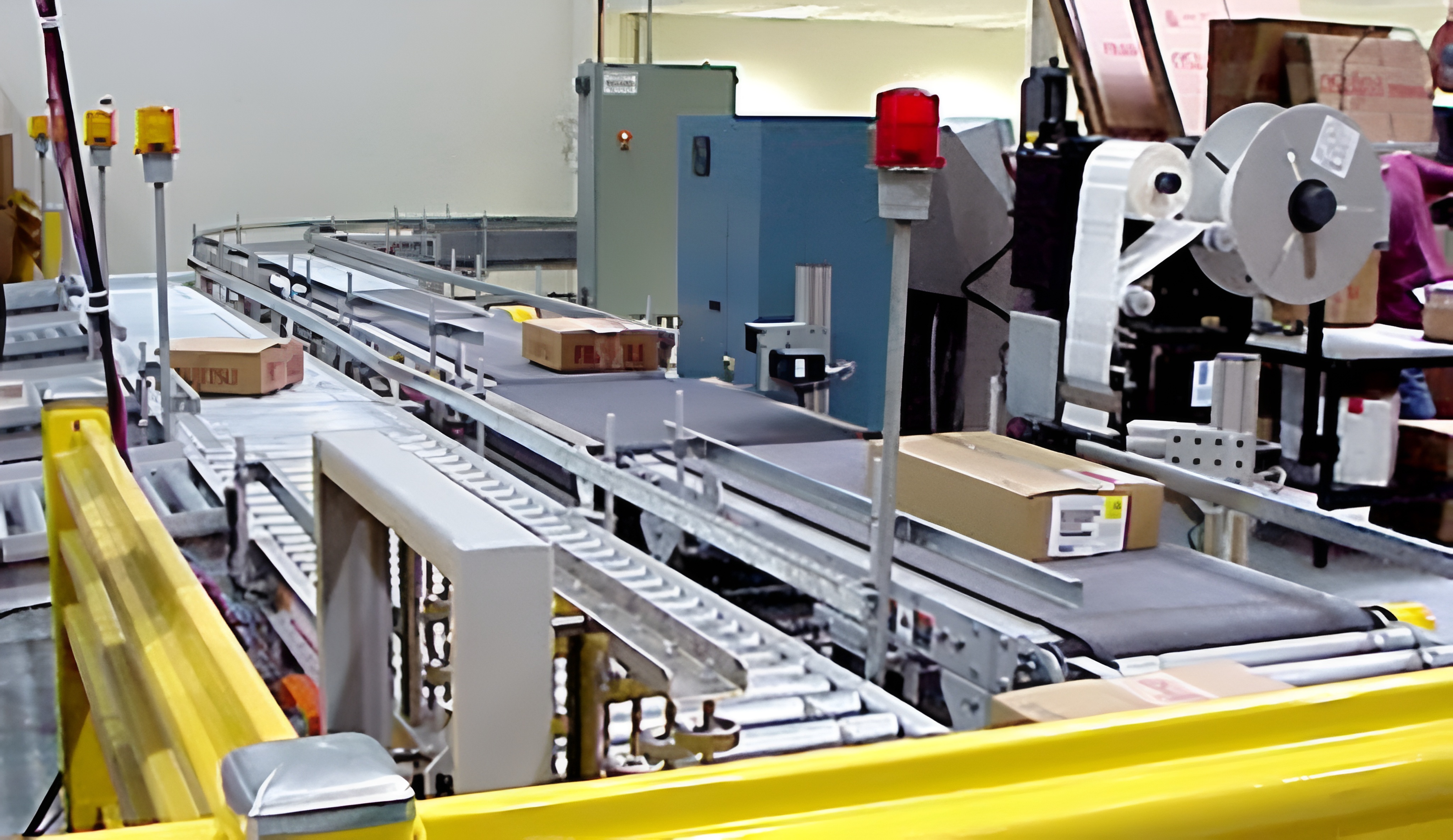
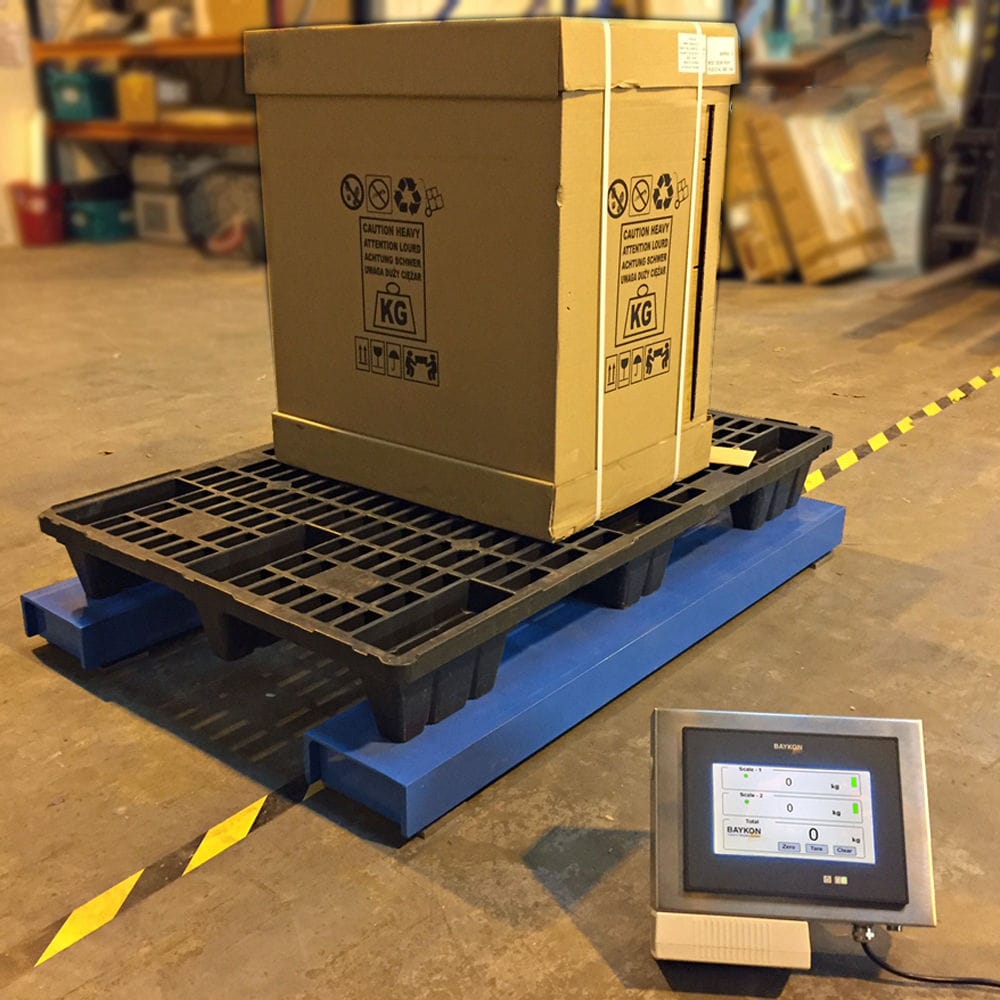


Reduction scale according to the recipe requirements in a number of silos to complete the measurement of a variety of materials under the dosage, to each discharge port automatically unloading, you can realize the receipt of automation, the control room using industrial computer and PLC system, the entire state of the dosage in the industrial computer screen can be seen at a glance, the user can be manipulated at the scene of the entire production process, the scene does not need artificial, the system can also record and print the results of the dosage, print the daily, monthly statements, computer storage of up to 100 formulas, the computer can store up to 100 formulas, and the dosage of the dosage. The system can also record and print the results of each dosage, print daily and monthly reports, and store up to 100 recipes in the computer. Target value setting and dosage control can be operated by touch screen panel, or can be controlled and managed by DCS system commands.

 020-34563445
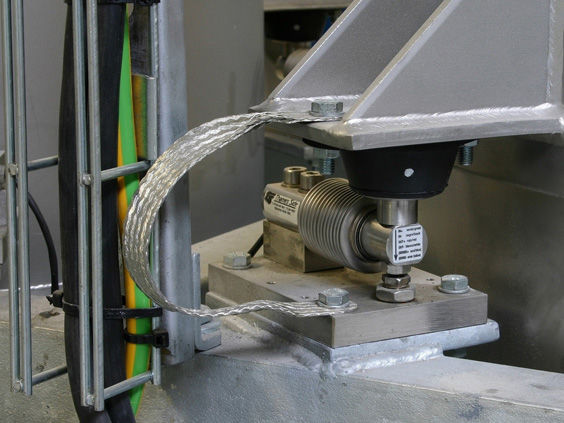
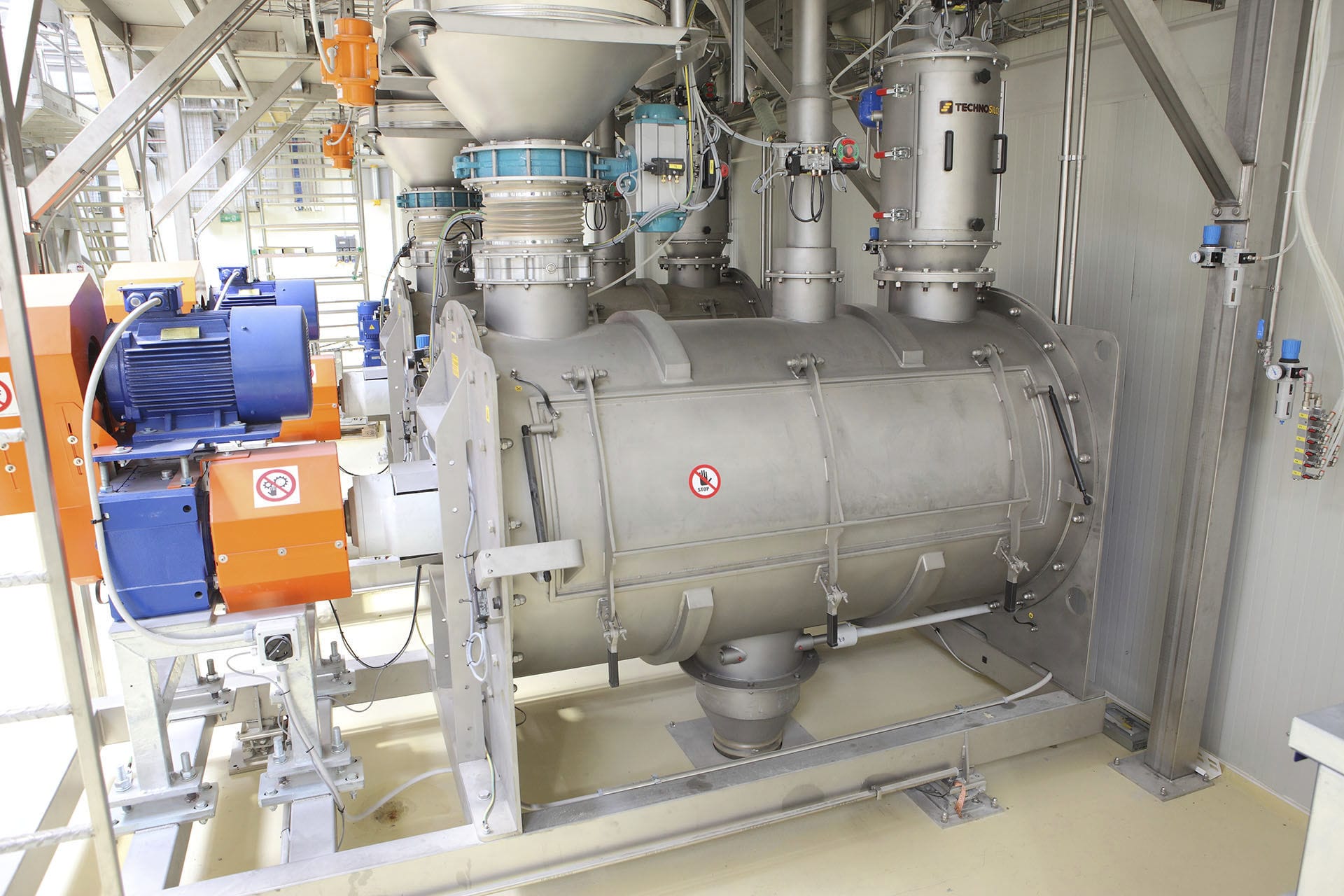
The electronic reduction scale takes the hopper scale and feeding mechanism as the entire scale body, continuously samples the weight signal of the scale body through a weighing instrument or upper computer, calculates the ratio of weight change per unit time as the instantaneous flow rate, and then processes it through various software and hardware filtering techniques to obtain the "actual flow rate" that can be used as the control object. The reduction scale mainly consists of a hopper scale, a feeding Feeder, a weighing feeder, and a suspension device. The control part mainly consists of weighing module, signal amplifier, input/output interface, host (upper computer), etc.
The batching process of the subtractive scale is divided into two stages: feeding and unloading. After the batching starts, the weighing feeder is first started, and the controller detects and samples the weight of the material on the hopper scale. When the weight of the material on the hopper scale reaches the upper limit set for batching, feeding is stopped. At the same time, the controller detects and samples the weight of the material on the hopper scale. When the weight (feeding amount) of the material on the hopper scale reaches the upper limit set for batching, feeding is stopped. In the unloading stage, the controller starts the weighing feeder to unload the material in the hopper scale to the next level of conveying equipment for transportation. When unloading, the controller detects and samples the weight of the material on the hopper scale. When the weight of the material on the hopper scale reaches the lower limit set for batching, the material is fed back to the hopper scale. But after the second feeding stage begins, the weighing feeder continues to unload without stopping.
The subtraction scale continuously weighs the entire feeding system, including the hopper scale and feeding mechanism, equivalent to a static scale; At the same time, the discharge flow rate of the feeding mechanism is controlled by variable frequency speed regulation. Subtraction scale refers to the decrease in feed flow rate per unit time of material weight in the hopper scale. The subtraction scale controller compares the preset feed flow rate and automatically adjusts it by adjusting the speed of the feeder, thus maintaining accurate feed flow rate. When the weight of the material in the hopper scale is lower than the preset value, the subtraction scale control module will lock the feeder speed, maintain the feeding mechanism to feed in a volumetric manner, and open the feeding valve for rapid feeding. When the weight of the material in the hopper scale reaches the high preset value, the feeding valve will automatically close. At the same time, the subtraction scale controller automatically switches the feeding mechanism to the weighing mode for feeding.
The subtraction scale combines the characteristics of both static and dynamic scales. For traditional dynamic weighing measurement methods, it has the characteristics of continuous weighing and efficient process operation. However, there are also problems such as low system accuracy and large maintenance requirements; However, although the static weighing method greatly improves the measurement accuracy of the system (up to 0.1% or even higher), it can only meet the intermittent batch feeding application and cannot fully meet the high efficiency and high output requirements of modern process industries. The emergence of subtraction scales combines the advantages of both and compensates for their shortcomings. The main advantages are:
1) High system accuracy
When the subtractive scale is working, the measurement of the silo is actually completed statically, and it is measured once each after loading and unloading. The flow rate is calculated based on the difference between the two weights measured in the two working states. The difference and the error in the given flow rate can be compensated for in the next cycle, and these two weight measurements can be completed within a few minutes without the influence of sensor zero drift and temperature drift. Therefore, a relatively high measurement accuracy can be obtained, and the system measurement accuracy can reach 0.5% or even 0.2%,.
2) Fully enclosed structure, suitable for various harsh environments.
The feeding system is entirely made of steel, suitable for environments with poor conditions, and has the characteristics of durability, low maintenance, and resistance to high temperature materials.
Many industrial and mining enterprises are major consumers of electricity, so how to save energy is also an important issue. Due to the fully enclosed structure adopted by the subtractive scale, no dust is generated during the batching process, eliminating the need for dust removal devices. The structure is simple and does not require the use of spiral scales or other supporting equipment, which not only saves equipment investment but also saves electricity and improves production efficiency.
3) Maintenance free, easy to calibrate
Due to the fact that the subtractive scale is a material measurement method that calculates flow by measuring the difference in weight, there is no zero drift (caused by screw deviation, sensor displacement, material impact vibration, screw slippage, screw sticking, etc.), material adhesion, mechanical structure deformation of the scale body, and other factors that exist in dynamic scales such as spiral scales. It can ensure long-term stable system measurement accuracy and basically does not require maintenance and extensive calibration work.
According to its measurement principle, not only can physical calibration be carried out, but online calibration can also be performed during production operation. The accuracy is calculated by comparing the difference between the upper and lower weight limits of the material in the hopper scale and the displayed flow rate of the subtraction scale. This calibration method is simple and convenient, saving money and effort.