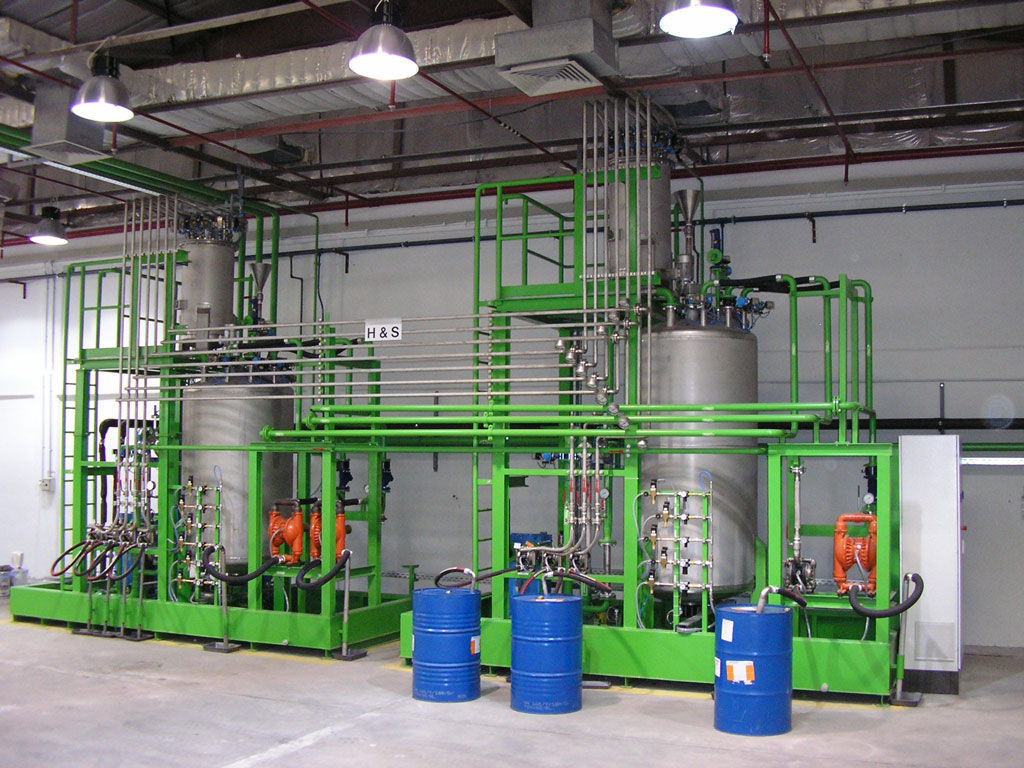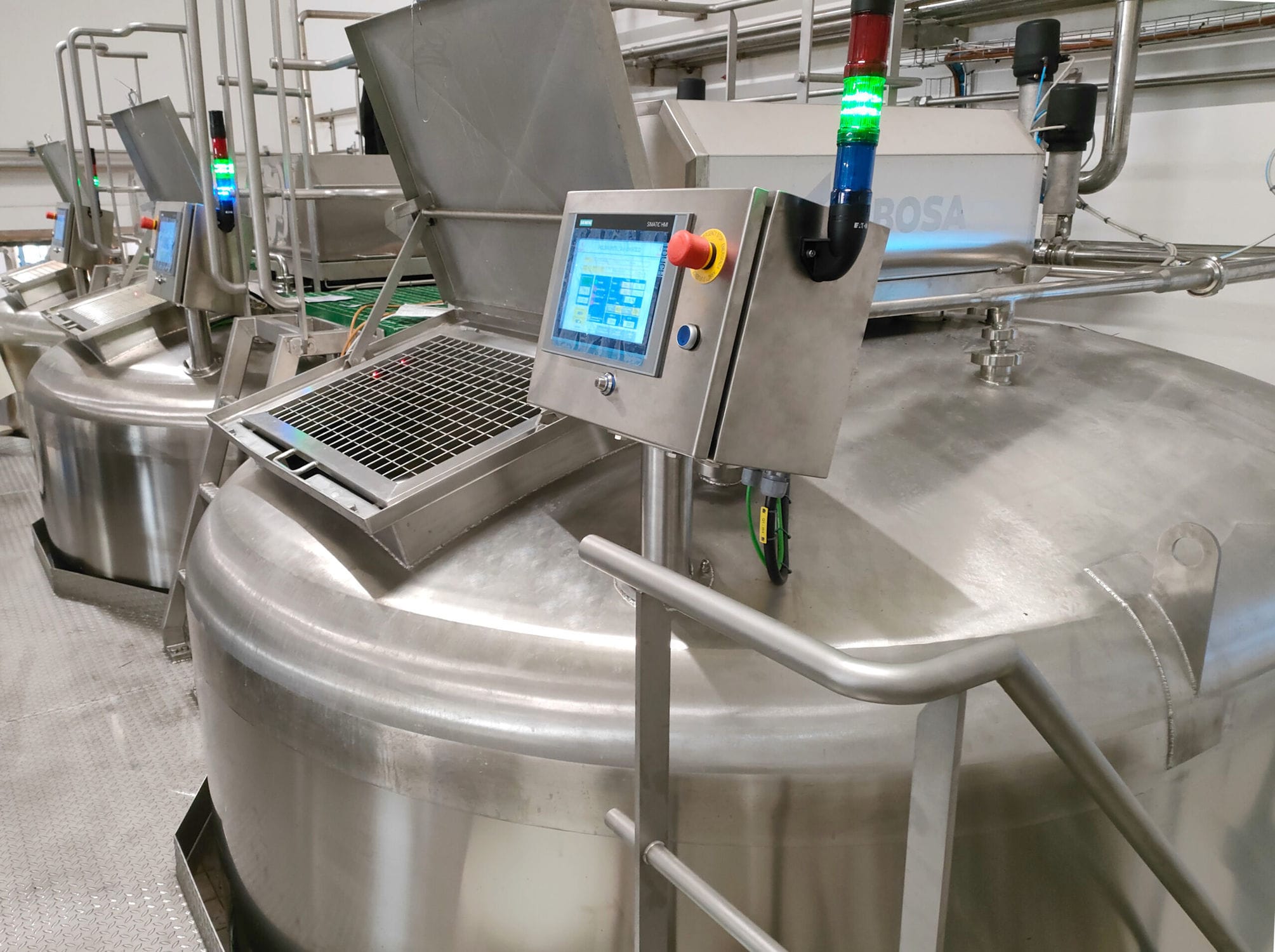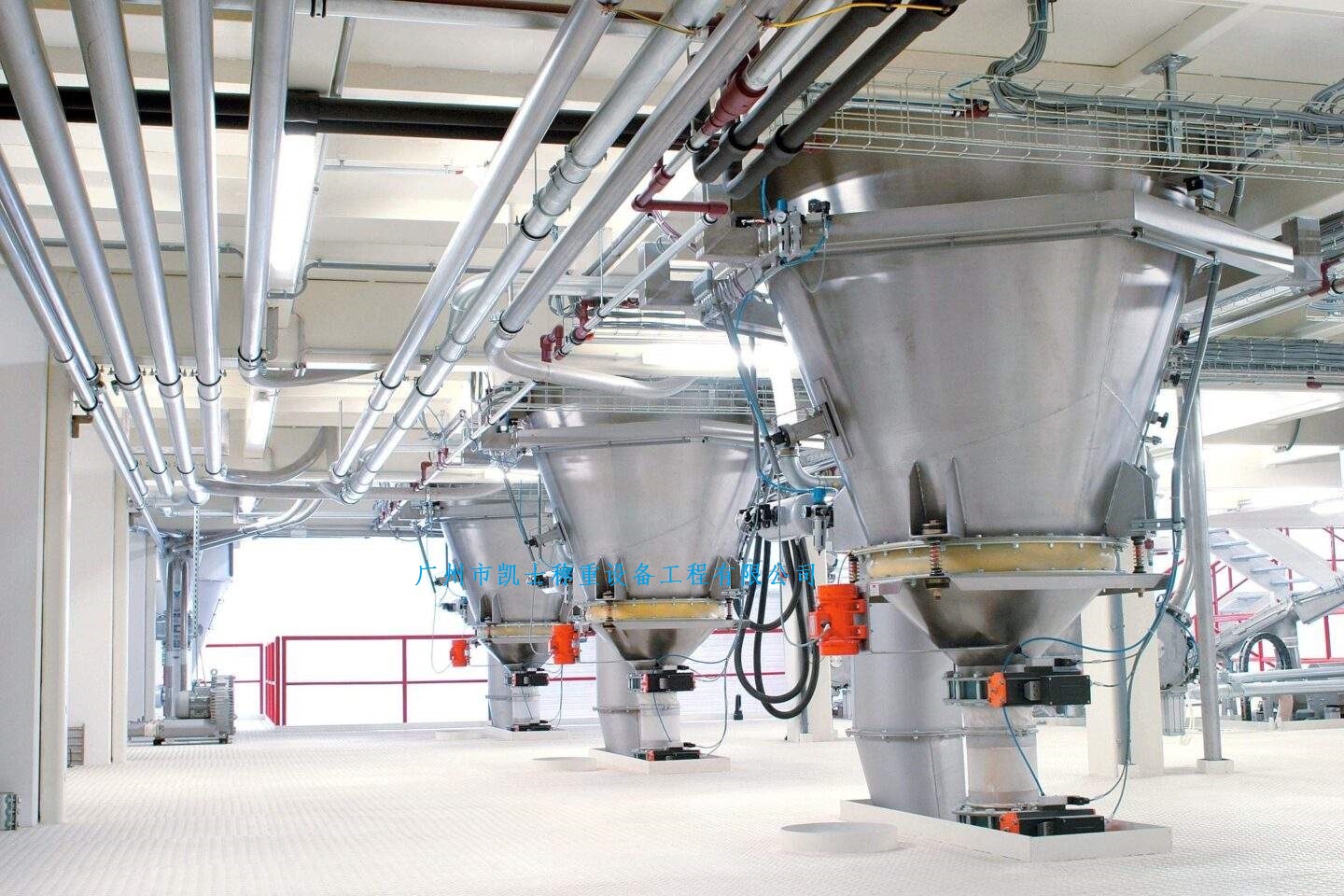


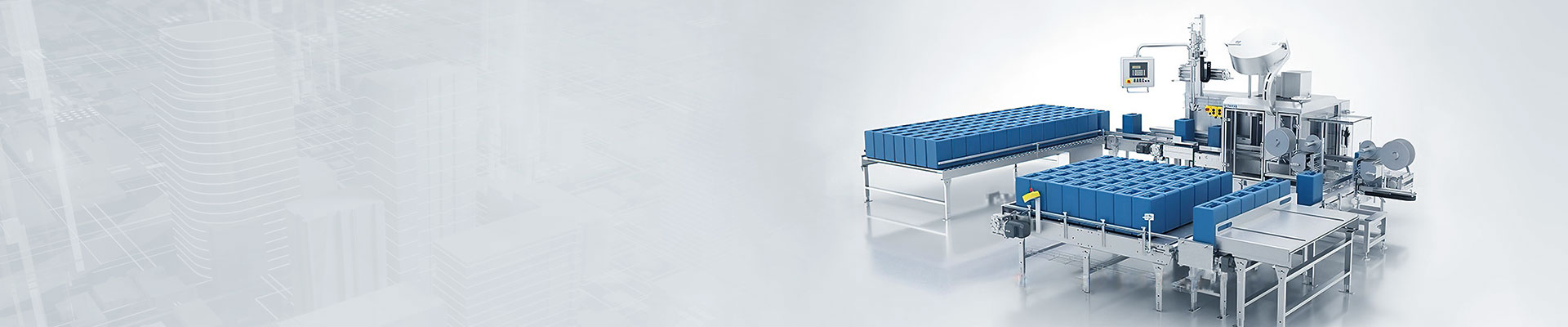




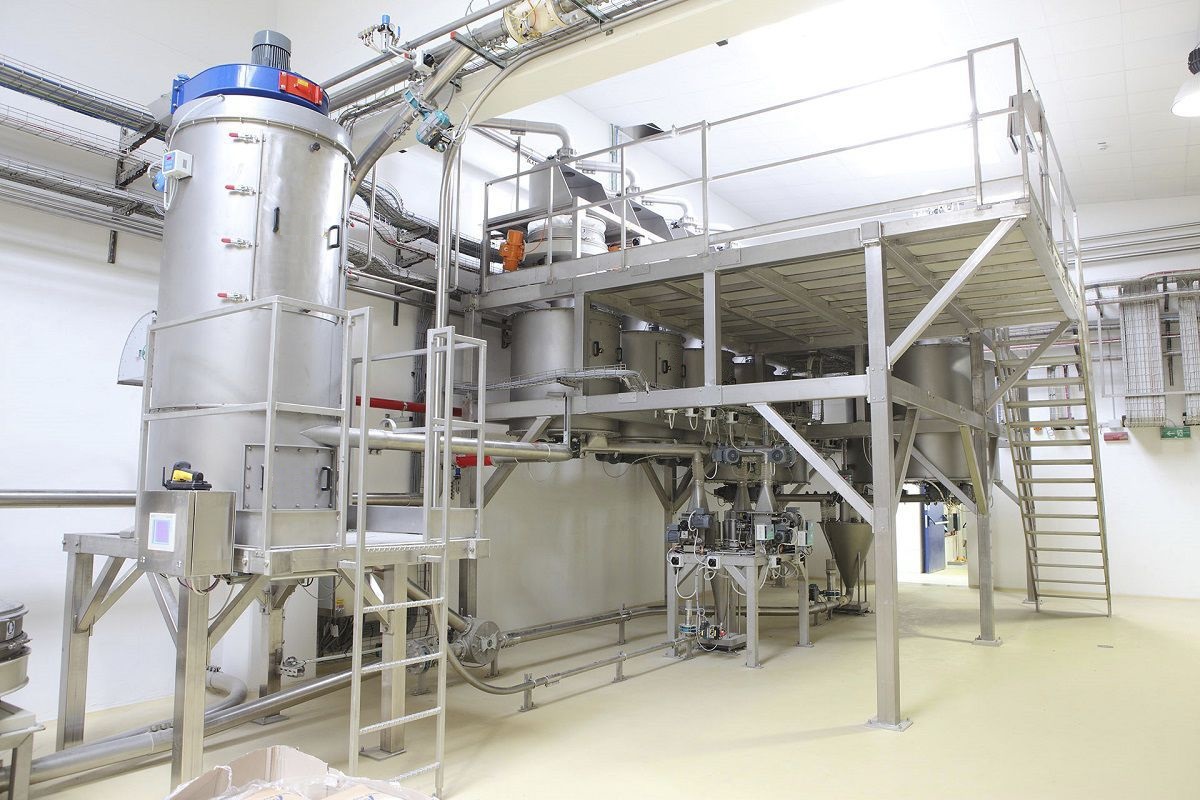
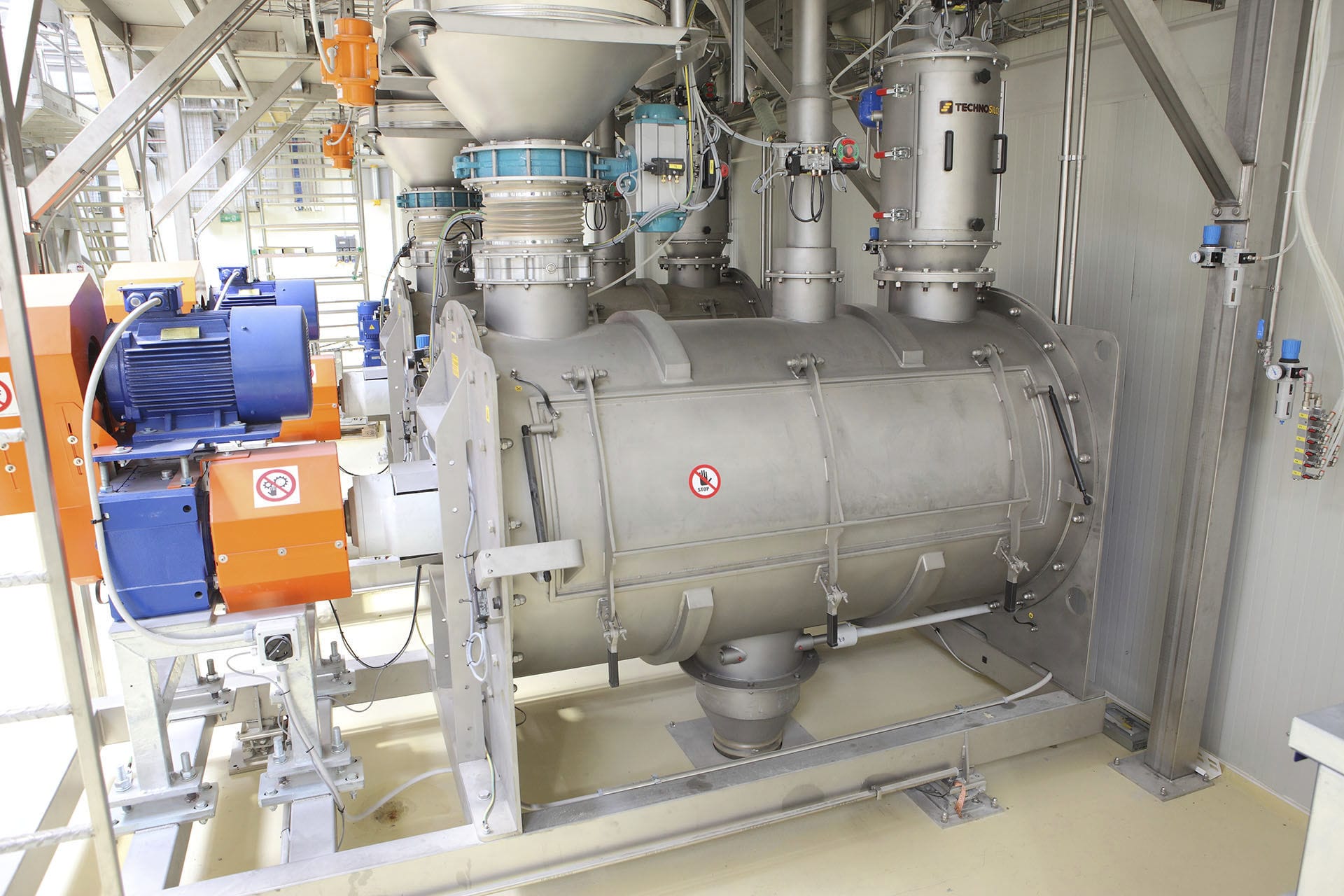
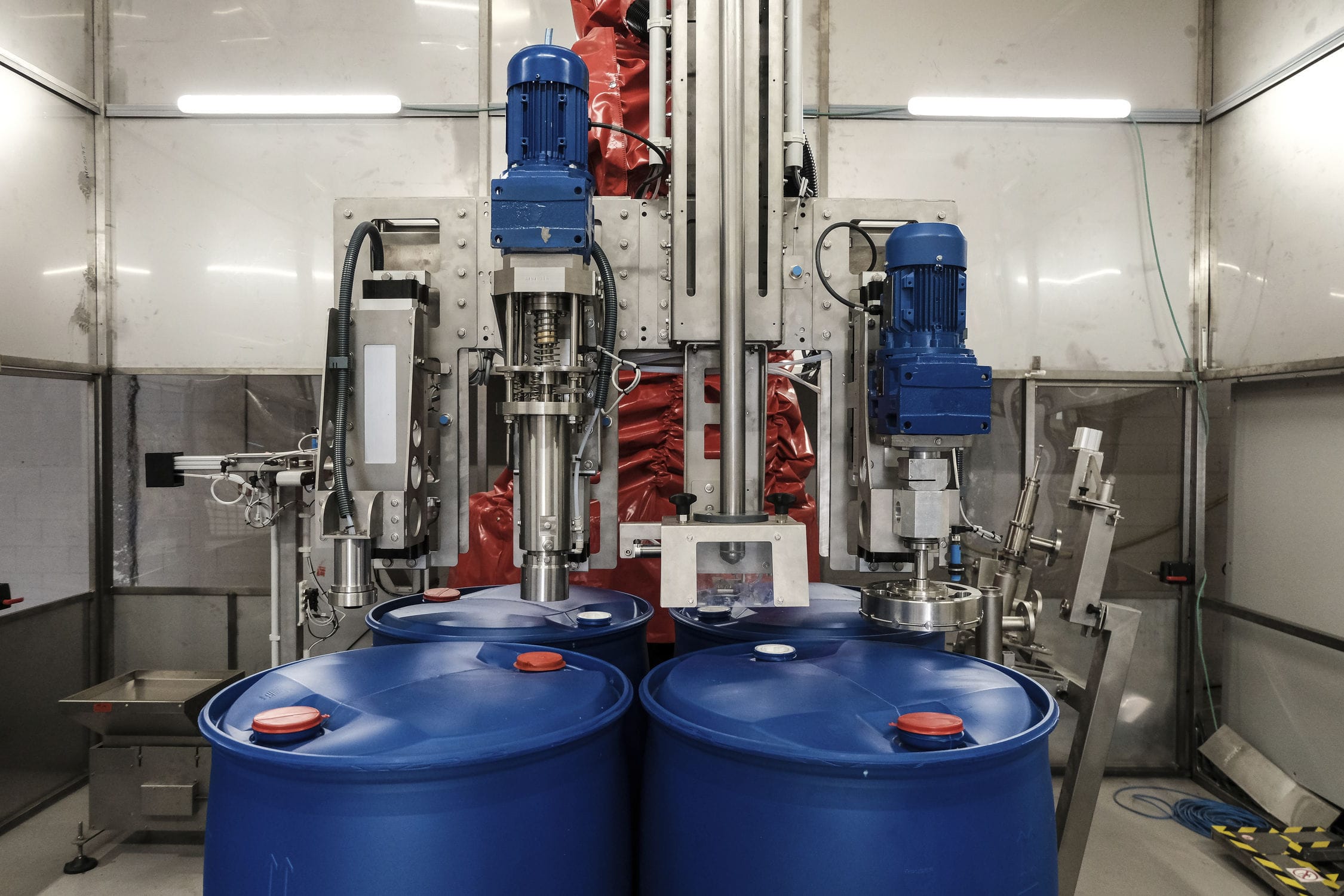
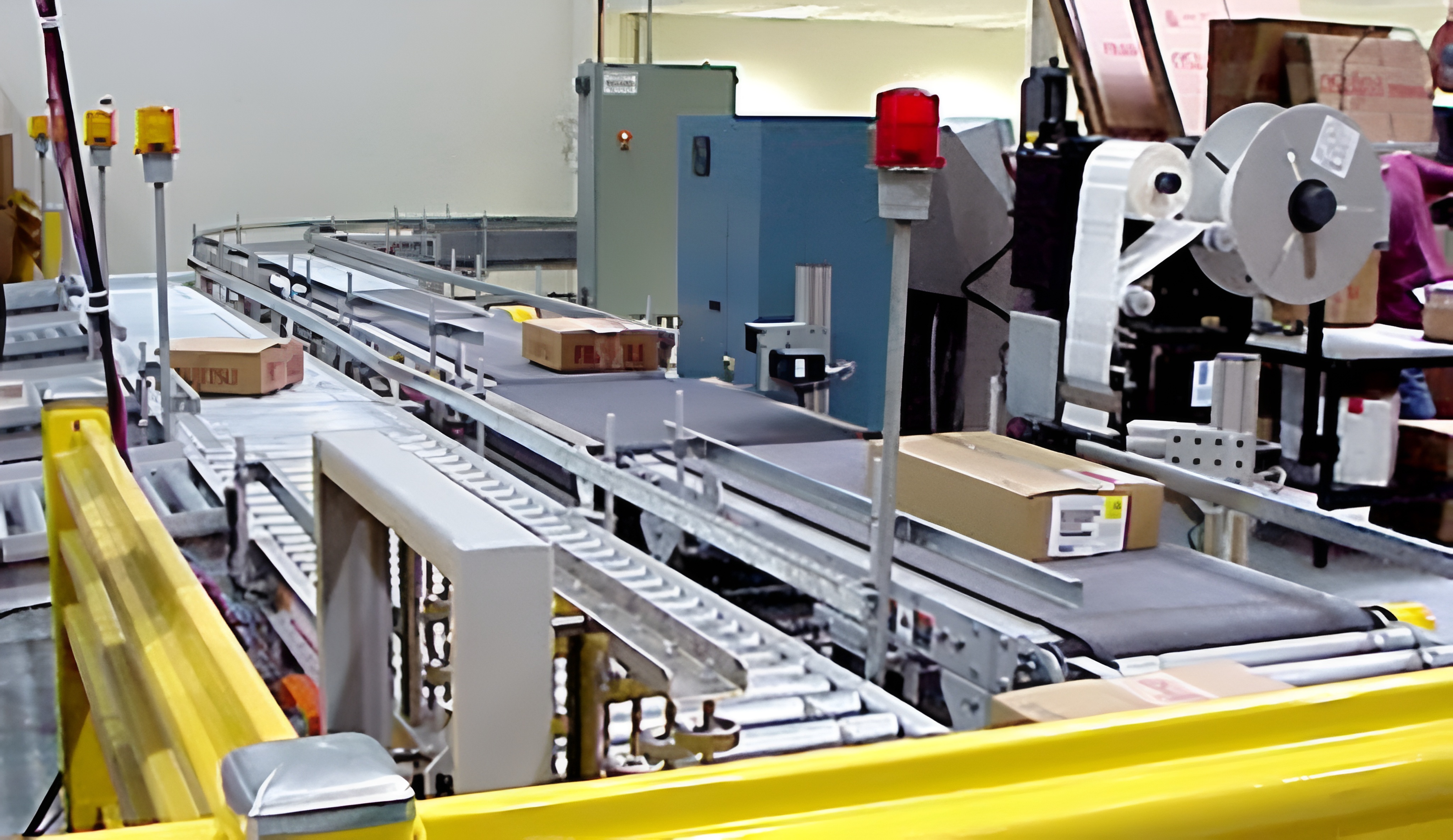


Subtractive scales are production metering equipment for the formulation, feeding and discharging of liquid and powdery materials, all controlled by computer, weighing and measuring, and continuous transportation. According to the pre-determined mass ratio, the balanced weighing of several substances in the weighed material for dosage and measurement. In addition to the hopper, there are dynamic weighing modules, precision amplifiers, analog/digital converters, micro-computers, monitors, printers and execution systems. The computerized control system is capable of controlling several dosage and agitators, as well as controlling the time of dry and wet mixing for weighing and flow control, thus realizing precise metering and dosage.


 020-34563445
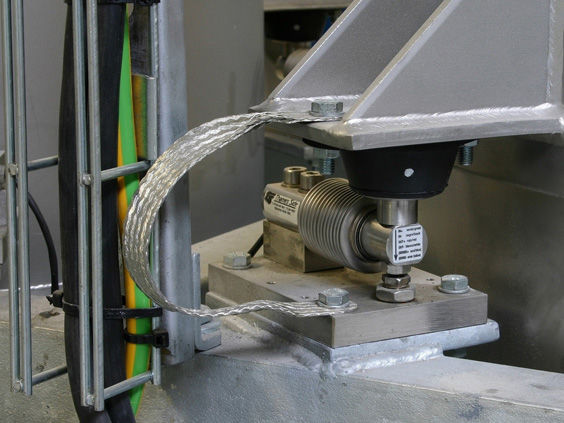
The electronic subtraction scale adjusts the speed of the discharge screw machine according to the weight reduction rate. When the weight of the weighing scale is less than the weighing lower limit, the fixed discharge screw speed starts the fast loading equipment, and the loading stops when it reaches the weighing upper limit. The speed of the discharge screw machine is controlled based on the rate of weight reduction of the material in the hopper scale to achieve the purpose of quantitative feeding. When the material in the hopper scale reaches the weighing lower limit position, the discharge screw machine fixes the discharge amount according to the current speed, and at the same time, the material in the silo is quickly discharged into the hopper scale, thus shortening the feeding time and improving the accuracy and control precision of weighing. The spiral Weighing system includes a hopper scale, which is equipped with a hopper scale feeding port, a hopper scale discharging port, and a pressure release port; A pressure guiding tube having a first port and a second port, wherein the first port is connected to a pressure release port; The screw conveyor is equipped with a conveying inlet and a conveying outlet, and the conveying inlet is connected to the hopper scale outlet. The spiral reduction weighing system is connected to the pressure release port through a soft connection at the first port. The second port of the spiral reduction weighing system is equipped with a detachable connector. The pressure release port of the reduction weighing system is set at the upper part of the hopper scale. The weighing system includes a rack, which is equipped with a vertically arranged installation area. The rack is vertically arranged in the installation area, and the hopper scale is installed on the rack through three sets of Weighing modules. The hopper scale is fixed with a bearing plate that overlaps with the weighing module. The bearing plate is equipped with an adjustable screw that extends up and down, and the lower end of the adjusting screw is in contact with the rack. Three sets of weighing modules are evenly distributed around the hopper scale, and the bearing plate is set corresponding to the weighing module.
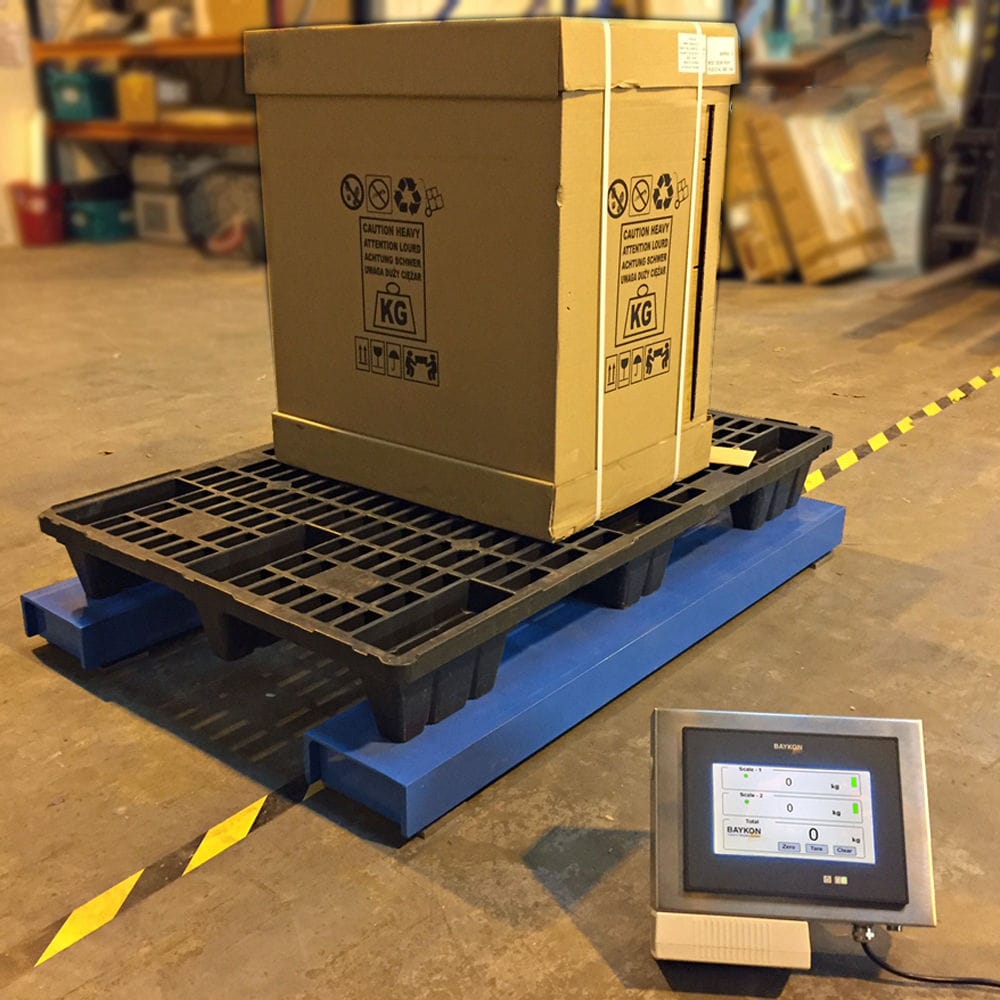
The subtractive scale measures the weight of the Feeder, quickly feeds the material into the hopper scale through the material bin, and controls the speed of the discharge screw to adjust the feeding rate, achieving the purpose of quantitative feeding. By controlling the speed of the discharge screw to regulate the feeding rate, precise control of material weight can be achieved. The design principle of the reduction scale focuses on the rapid feeding of the weighing bin, precise control of the discharge screw machine, and setting of the lower and upper limits of the weighing to ensure that the material can be fed at the set rate, improving the accuracy and control precision of the weighing. The reduction scale can be divided into weighing and counting. First, place the item to be weighed on the reduction scale, then turn on the reduction scale, and the weight of the item will be measured by the sensor. During this process, the reduction scale will calculate the measurement results at fixed time intervals and display the results on the weighing device. Finally, based on the required level of accuracy, the weighing result is rounded up or down to obtain the final accurate weight data. The reduction scale is usually composed of an Electronic scale and a series of controllers, sensors, etc., which work together to complete measurement and calculation tasks.