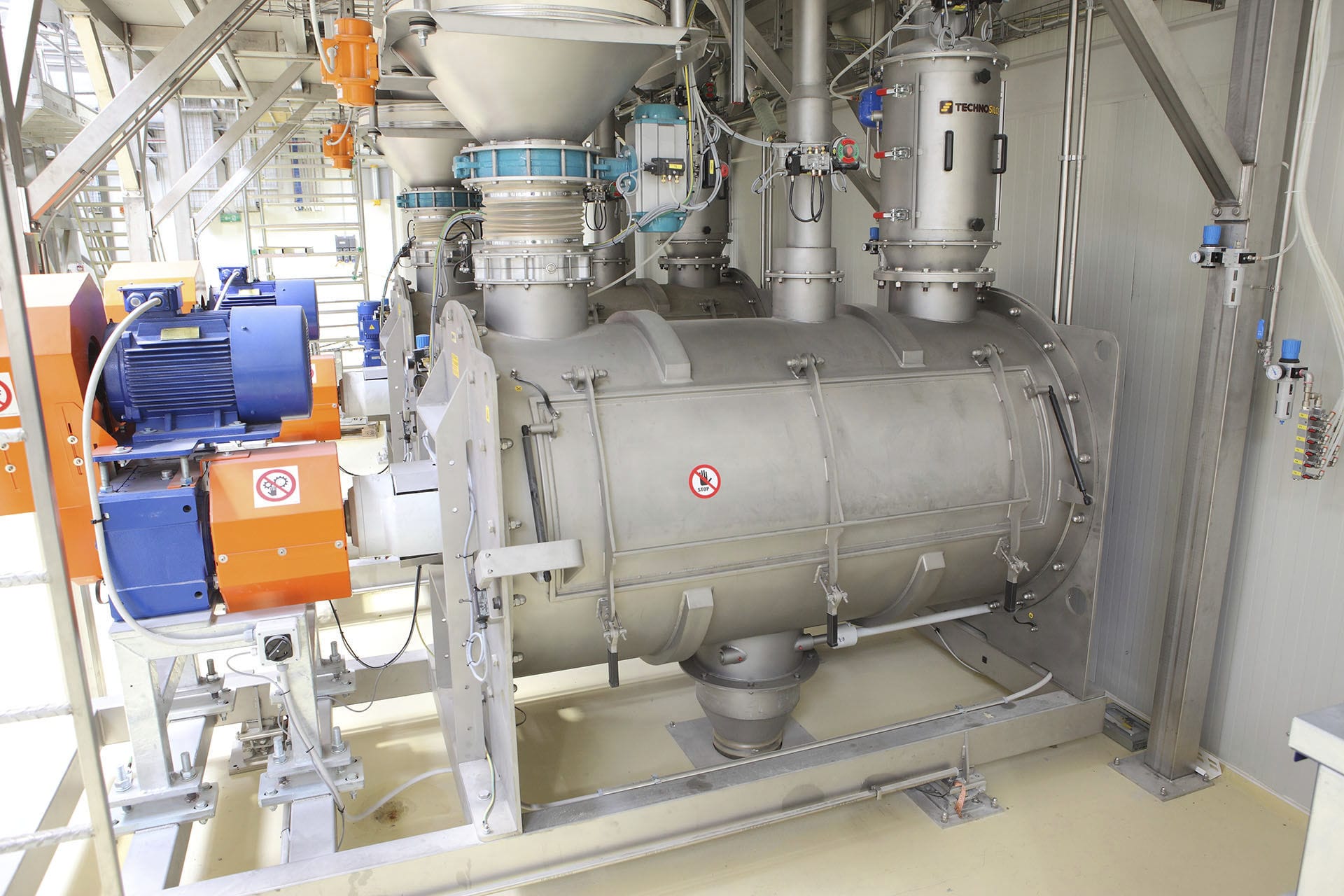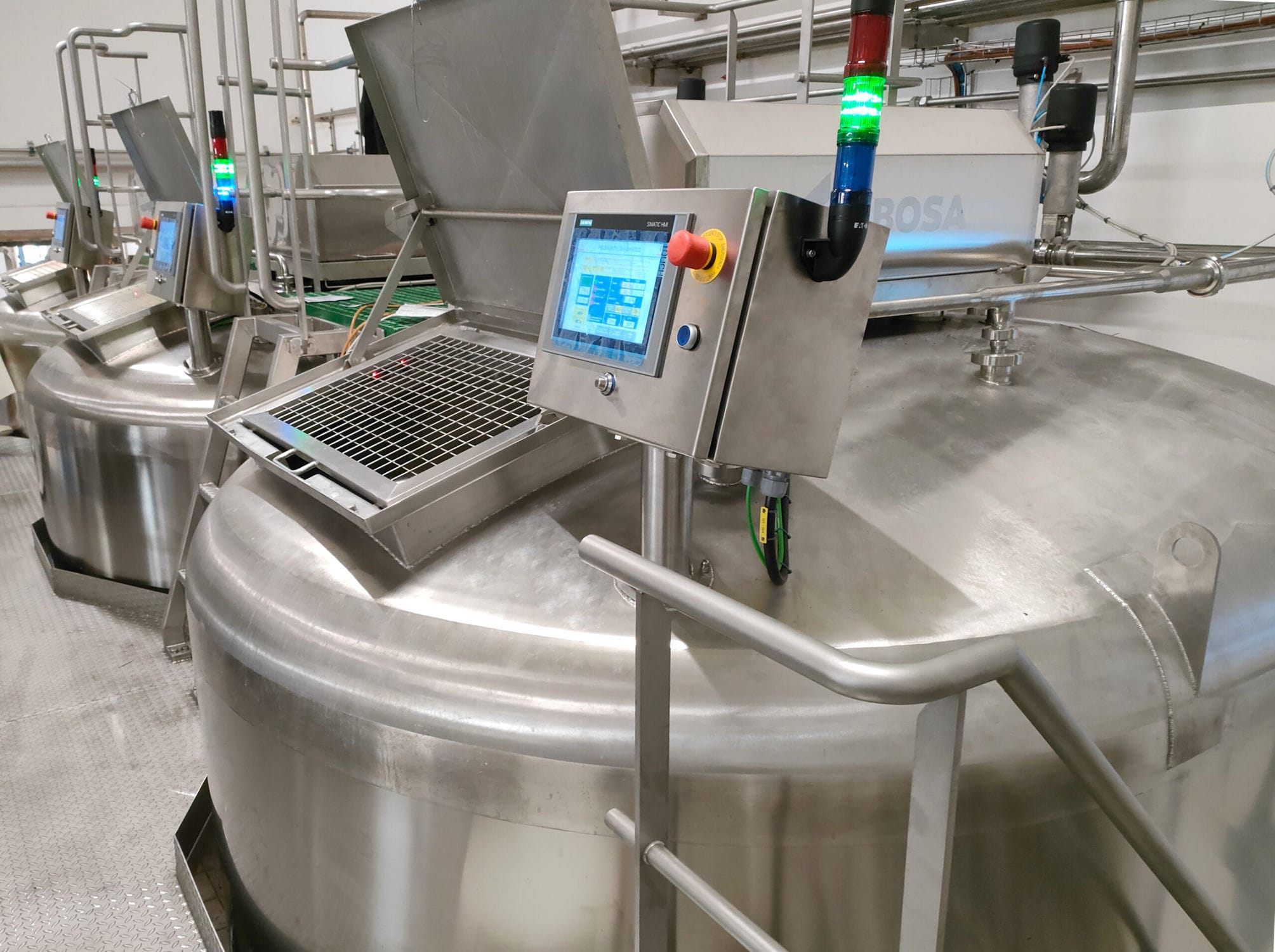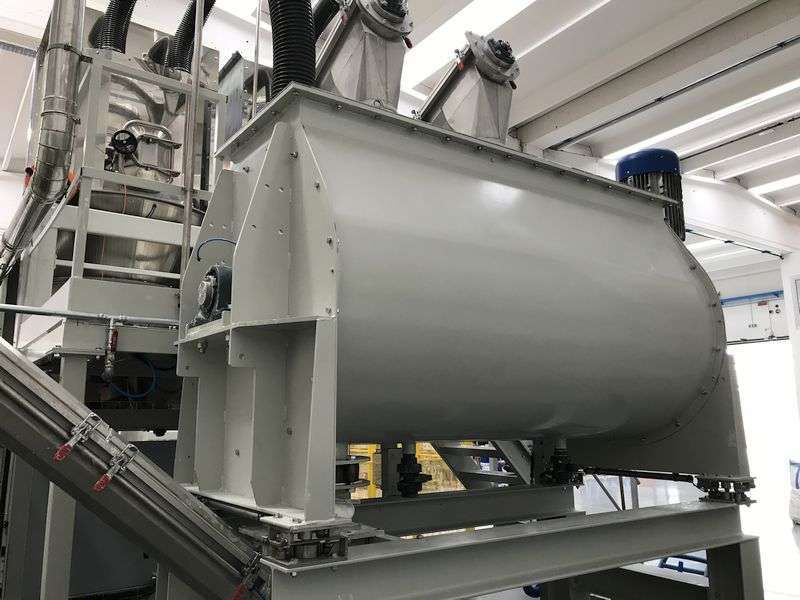


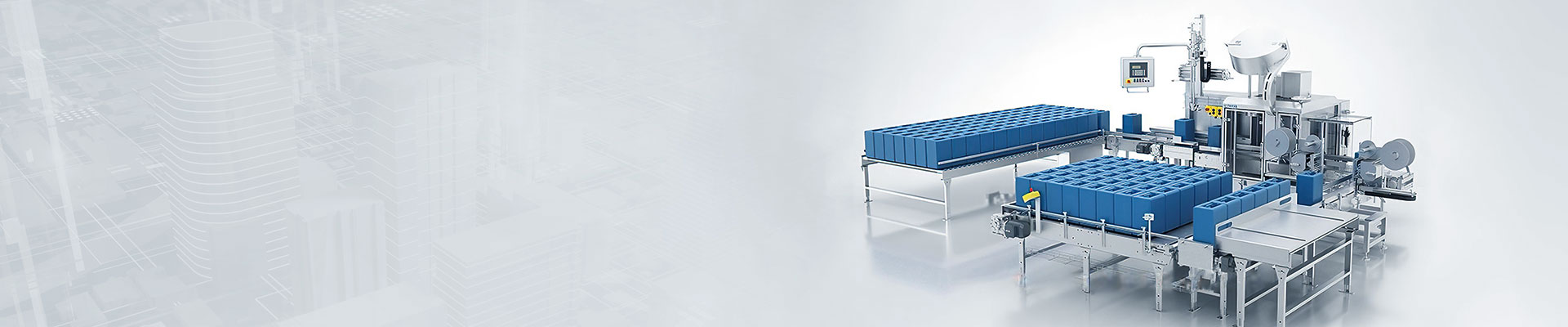
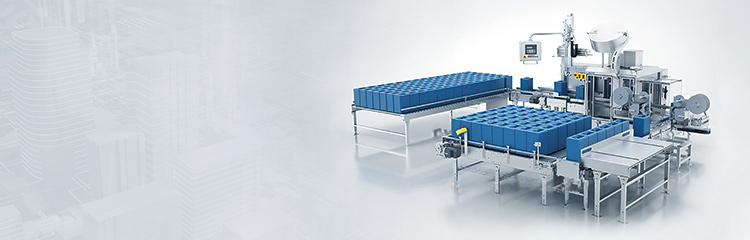

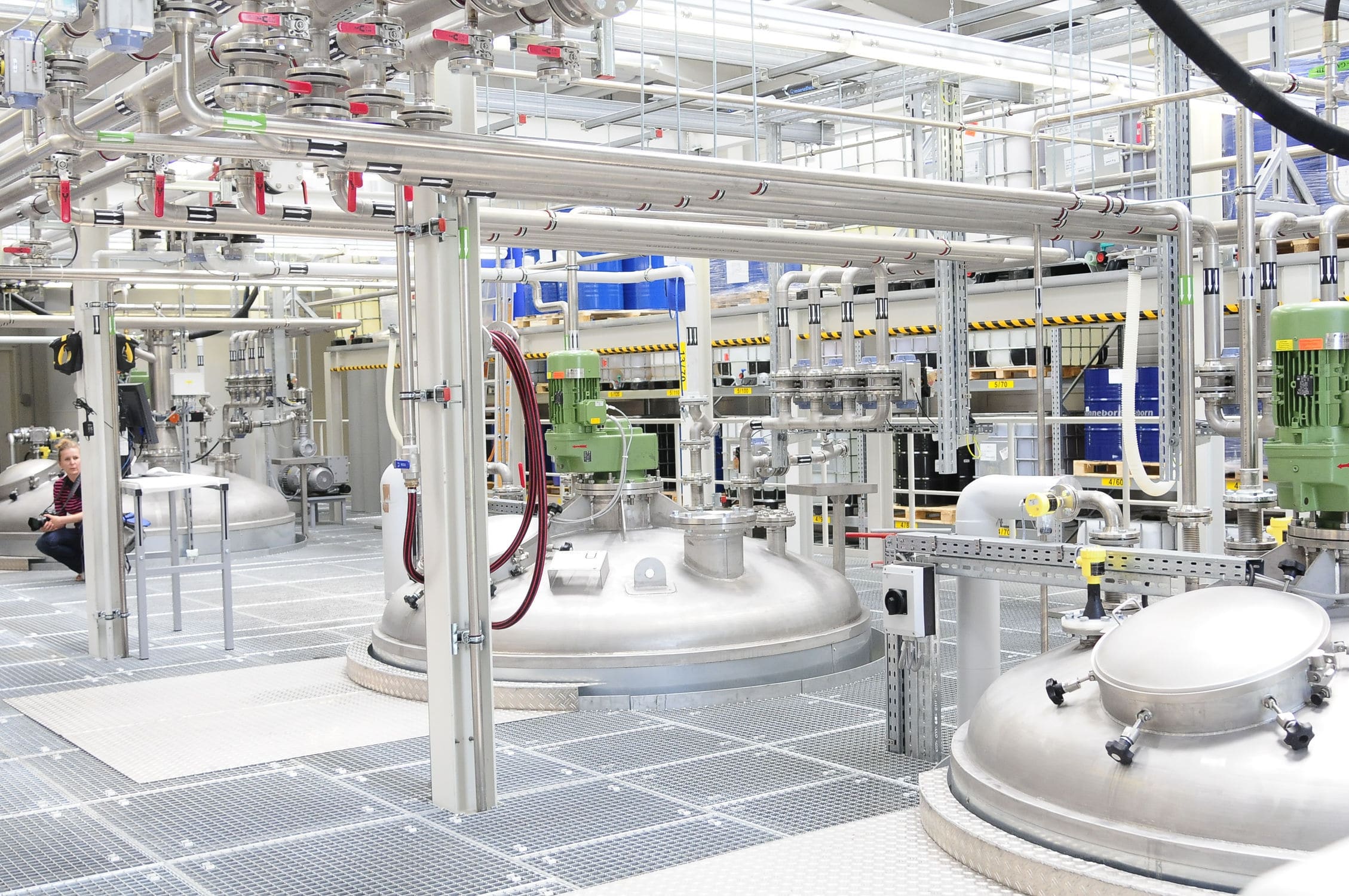


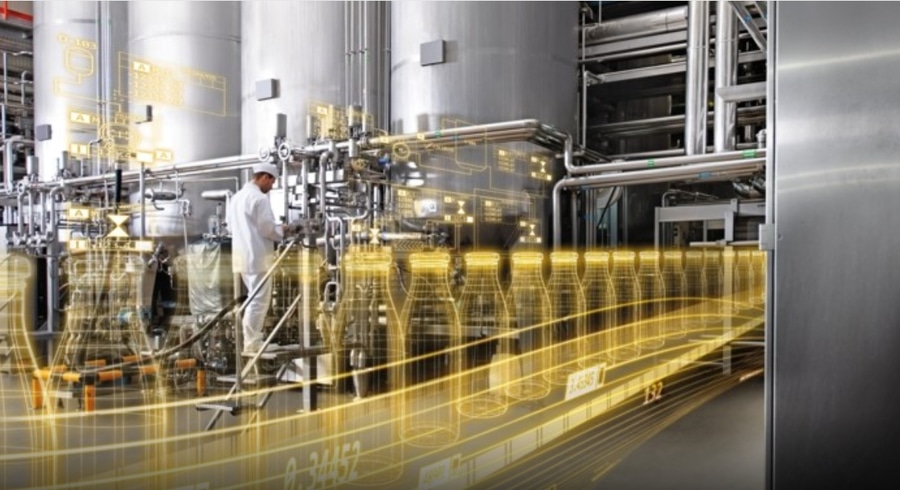
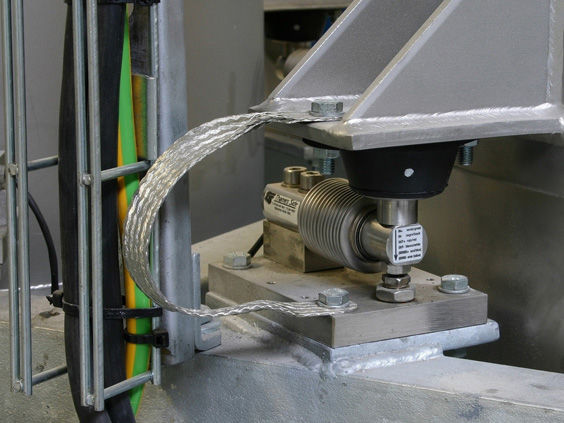
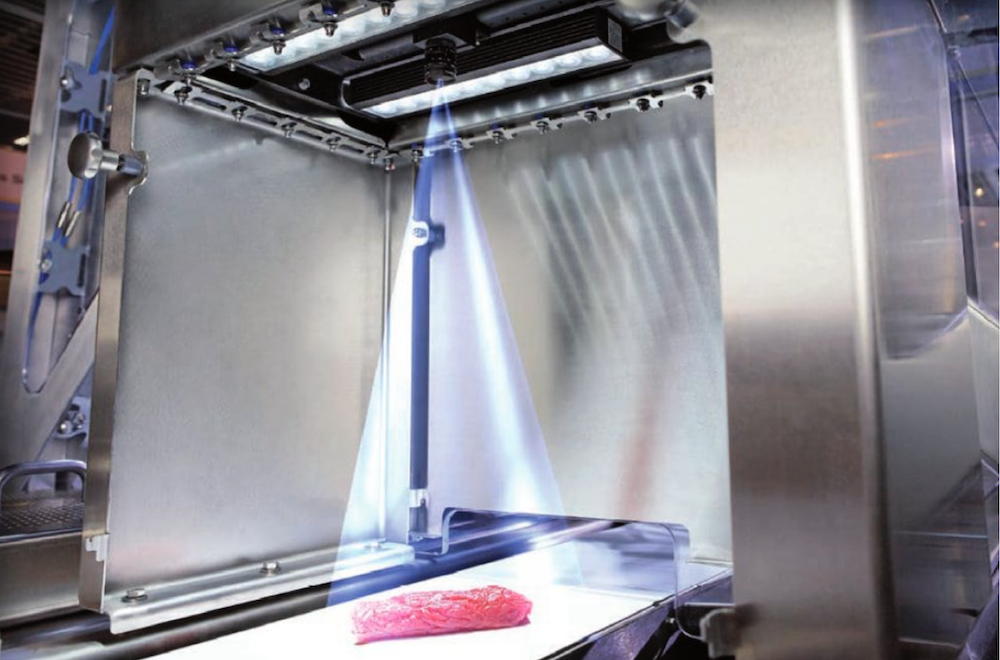
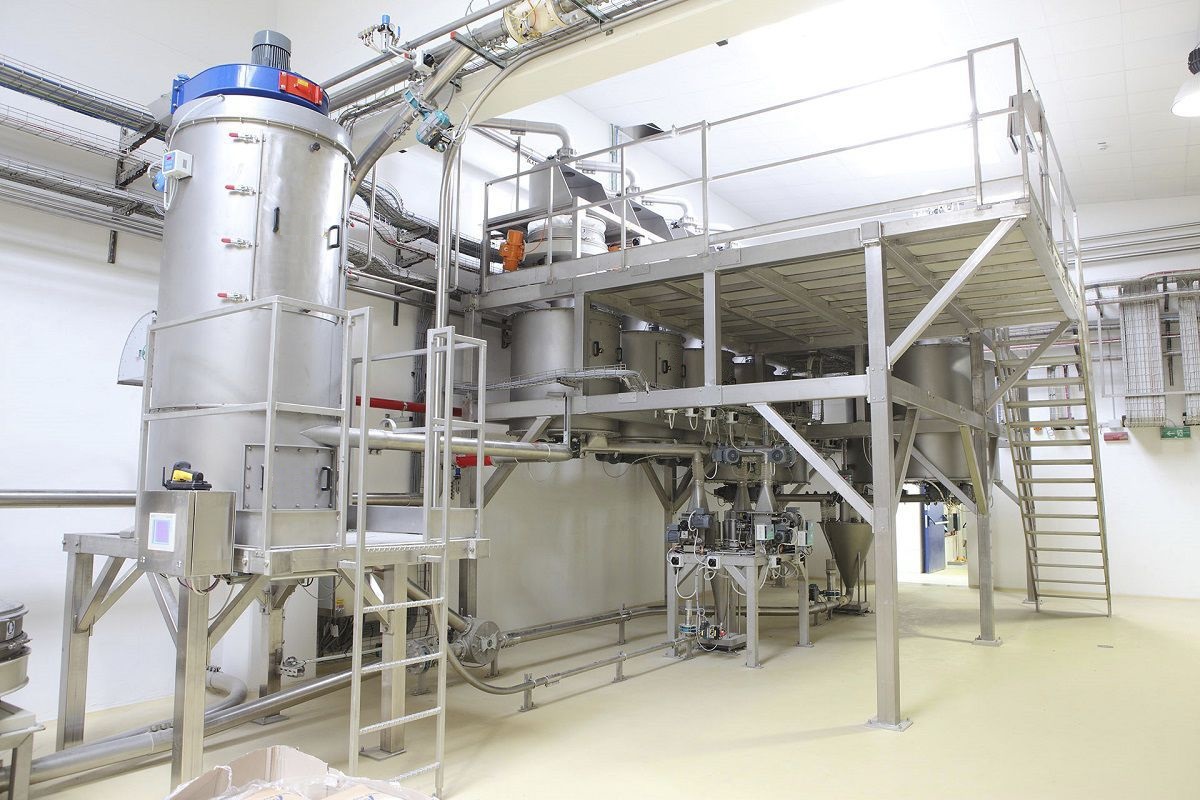
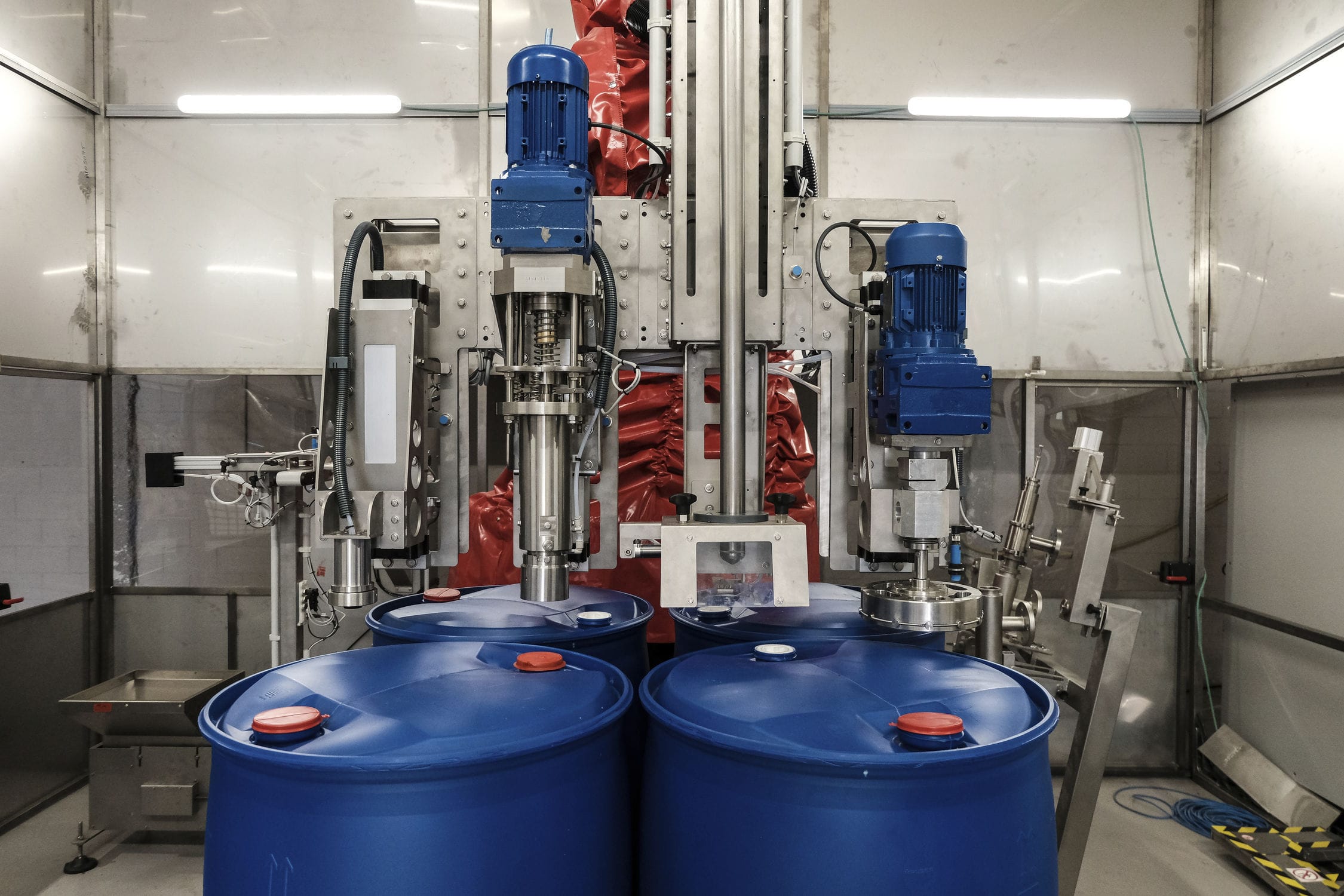
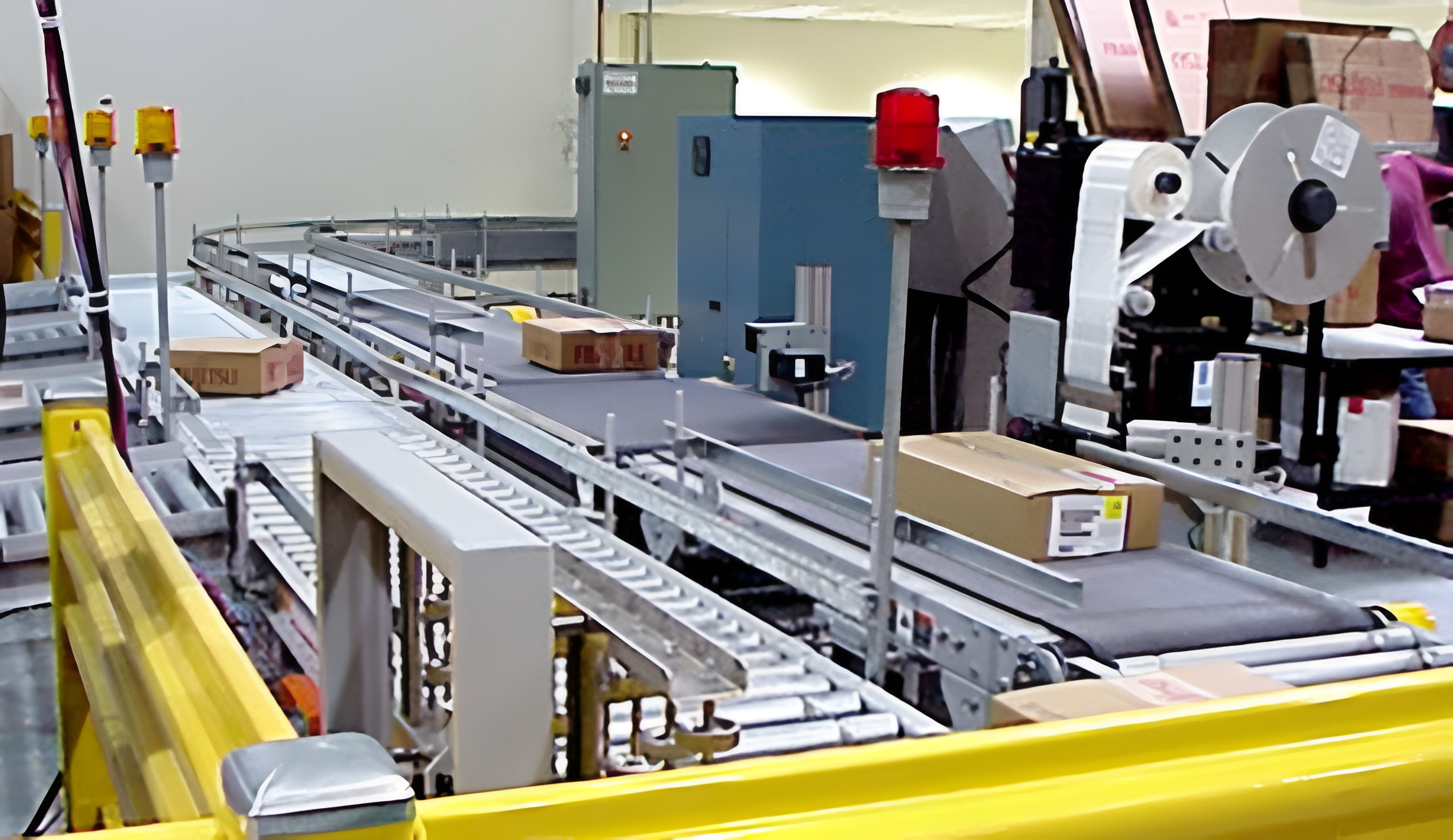
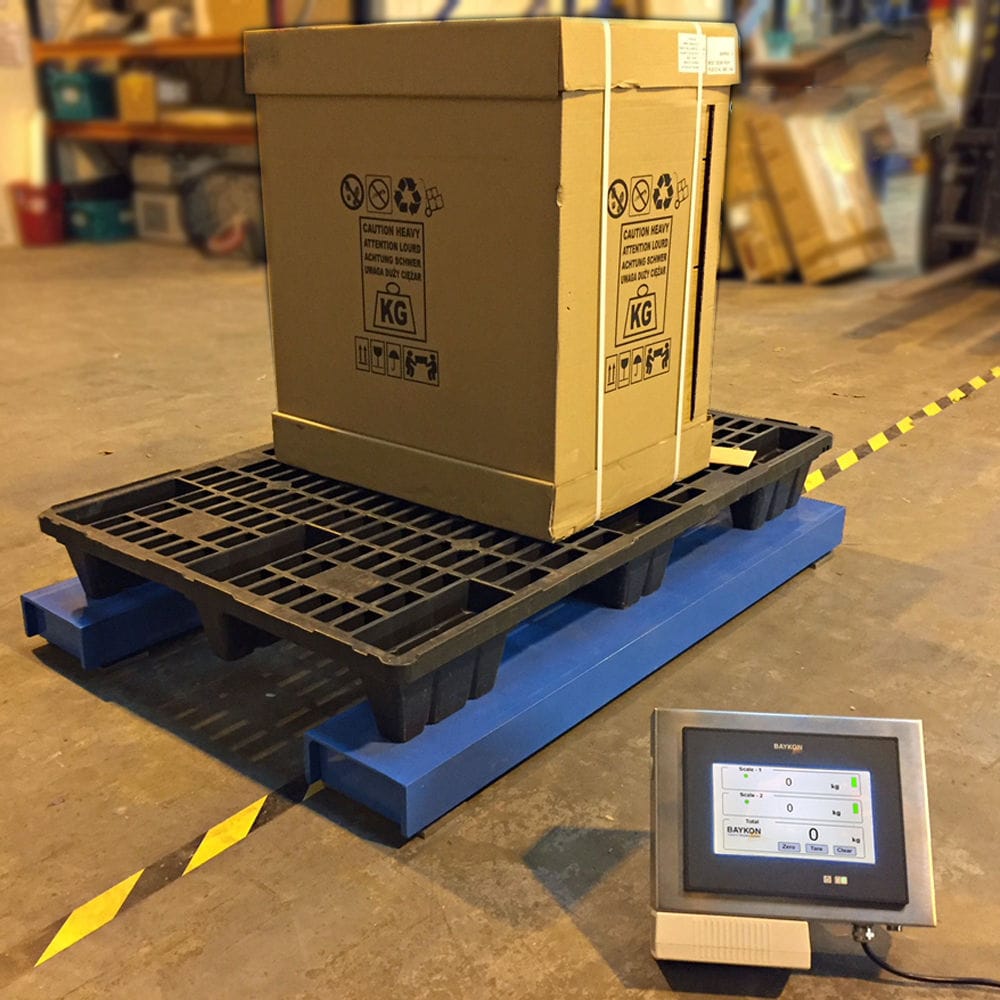


The formula, feeding and discharging of the hopper scale are all controlled by computer. In addition to the hopper, the scale has a dynamic weighing module, a precision amplifier, an analog/digital converter, a micro-computer, a display, a printer and an execution system. It can simultaneously display the batching process and print the name of each material, quality, total quality, cycle time, formula, daily report, monthly report and so on. Computerized automatic batching production line has large storage capacity of formula, many varieties of batching, high speed, high accuracy, abundant available software, convenient program modification, and is a product with high degree of automation. Through the weighing instrument or touch screen, the required weight of various materials is set, and automatically conveyed to the hopper in sequence for automatic weighing and flow control, so as to realize accurate measurement and batching.

 020-34563445
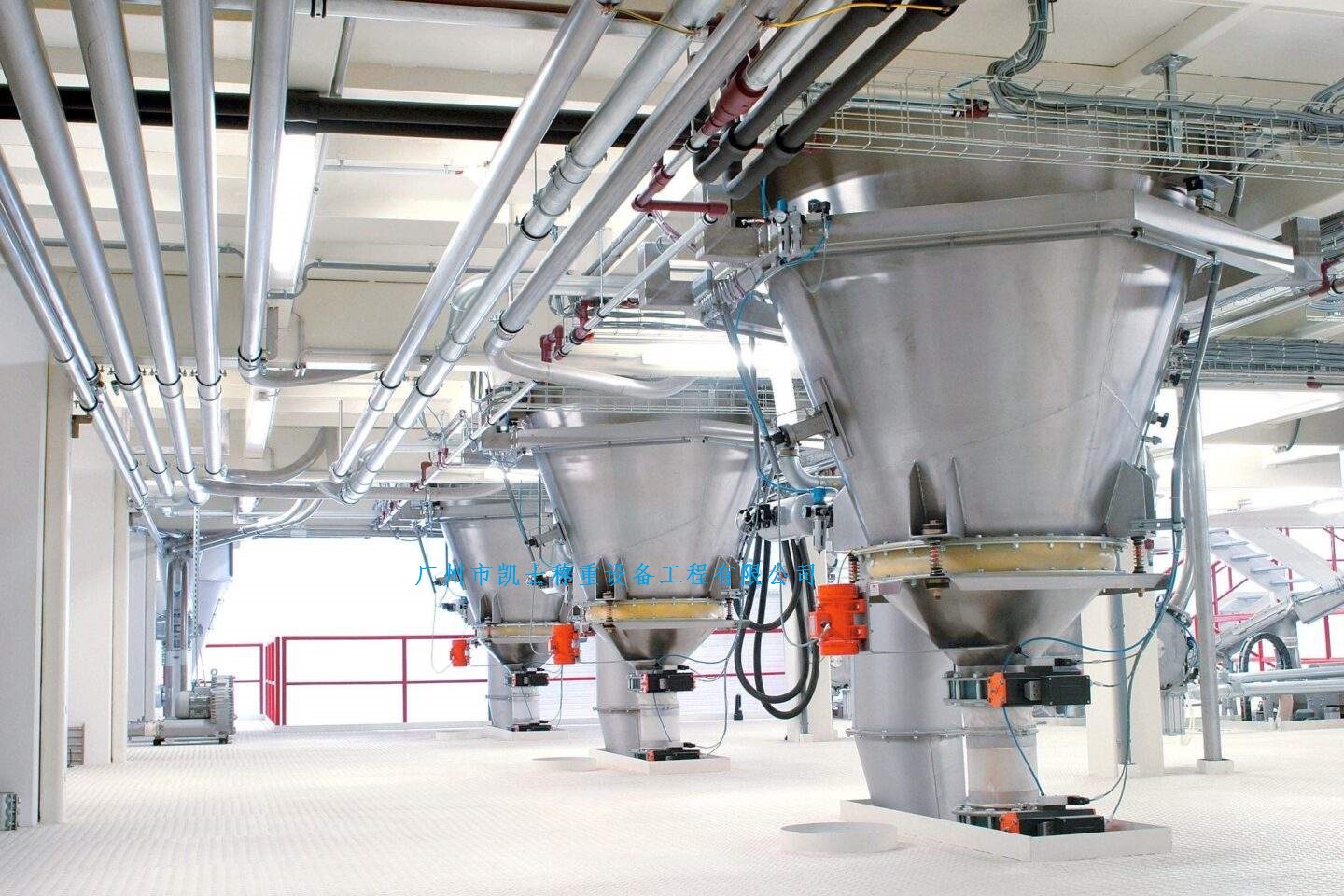
The automatic hopper scale mainly consists of Electronic scales and non-continuous cumulative scales. The non-continuous cumulative scale is designed to obtain the cumulative target value of multiple weighings. The electronic scale is intended to obtain the single weighing target value. From a structural perspective, the non-continuous cumulative scale includes a feeding device, a weighing module, and a discharging device. The bottom of the storage hopper is generally an inverted conical shape. When the material is discharged from the storage bin, due to the self-weight of the material and the continuous overcoming of internal and external friction resistance, it flows downward. During the descent process, the particles constantly displace, squeeze, and recombine. When approaching the discharge outlet, the squeezing and friction of the particles intensify, and a vibrator needs to be added. When the resistance is greater than the self-weight, phenomena such as pile-up or bridge formation will occur, thereby ensuring the normal feeding. When the material level in the storage hopper decreases, the upper layer of material reduces, and the pressure between the particles in the lower layer decreases. The internal and external frictional force between the material particles also decreases accordingly. The material flow velocity at the discharge outlet gradually increases. When the material is about to be emptied, the flow velocity increases sharply, which may lead to measurement errors or even spillage from the weighing hopper. Therefore, in order to ensure accurate measurement, a level valve and level sensor should be installed on the storage hopper. When the material quantity reaches below the level sensor, the valve automatically closes.
The formula, feeding and discharging of the hopper scale are all controlled by the computer. The scale body, apart from the hopper, also includes a dynamic weighing module, a microcomputer, a weighing instrument, a printer and an execution system. It can simultaneously display the batching process and print out the names, quality, total weight, cycle time, formula, daily report, monthly report, etc. of each material. Through the weighing instrument or touch screen, set the required weight of various materials, and automatically transport them in sequence to the hopper for weighing and flow control, thereby achieving precise measurement and batching. The feeding device of the hopper scale requires that when feeding, use a double-travel cylinder for feeding, and control the feeding door. When opening, both cylinders act simultaneously, which can increase the force when opening, and the small feeding cylinder position can be adjusted to regulate the size of the small feeding amount to adapt to different materials. When small feeding is required, the large feeding cylinder retracts, forming a lever effect with the small feeding cylinder, and the feeding door stops in the small feeding state. After small feeding is completed, both cylinders retract simultaneously to complete the feeding process. An intermediate control element is installed in the middle of the cylinder operation to detect its position. When the cylinder reaches the required intermediate position (i.e., the large or small feeding position), the touch control element is touched, sending a signal, and the electromagnetic valve is controlled to stop the cylinder operation, initiating the large or small feeding process. By changing the size of the advance amount, multiple controls can be carried out, and the control system uses the electromagnetic valve to control the opening of the feeding door, and the material in the storage hopper enters the weighing hopper through the discharge port. When the material quantity in the weighing hopper reaches the required amount, the control system controls the cylinder to close the feeding door, completing the feeding process, and the final feeding error meets the requirements.
The Weighing system includes a hopper scale equipped with a weighing module, multiple hopper machines used to hold different raw materials, and a control device capable of independently weighing the materials output by each hopper machine. The multiple hopper machines are connected to the feed inlet of the hopper scale, and a screw feeding device is set between each hopper machine and the hopper scale. The discharge outlet of the hopper scale is equipped with a discharge valve. All the screw feeding devices are electrically connected to the control device, and a vibrator is set at each discharge outlet of the hopper machine. By weighing each type of raw material, when the weight of a certain raw material is equal to the preset weight, the output of that raw material is stopped to ensure that each type of raw material conforms to the weight data in the raw material list, thereby guaranteeing the accuracy of the ingredient mixing; by setting the vibrators, the raw materials in each hopper machine can smoothly enter the hopper scale.