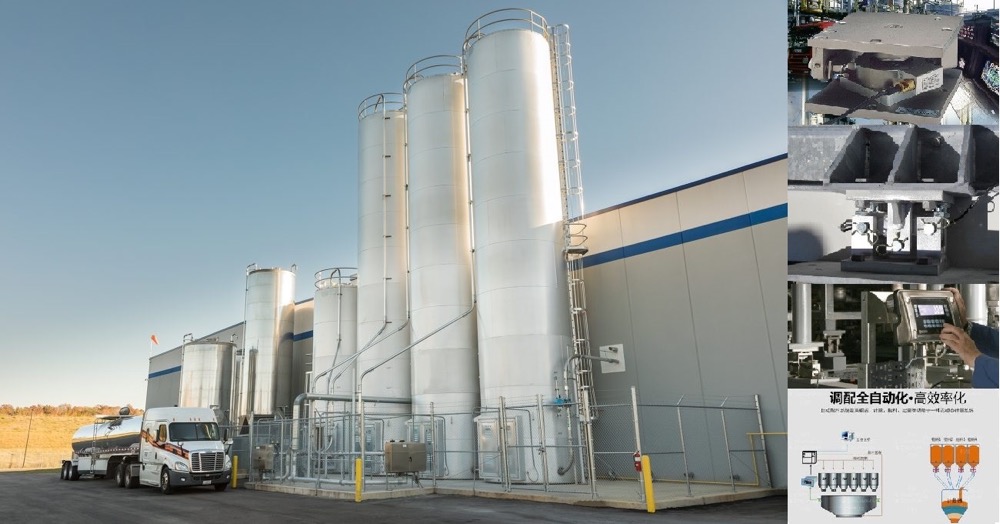





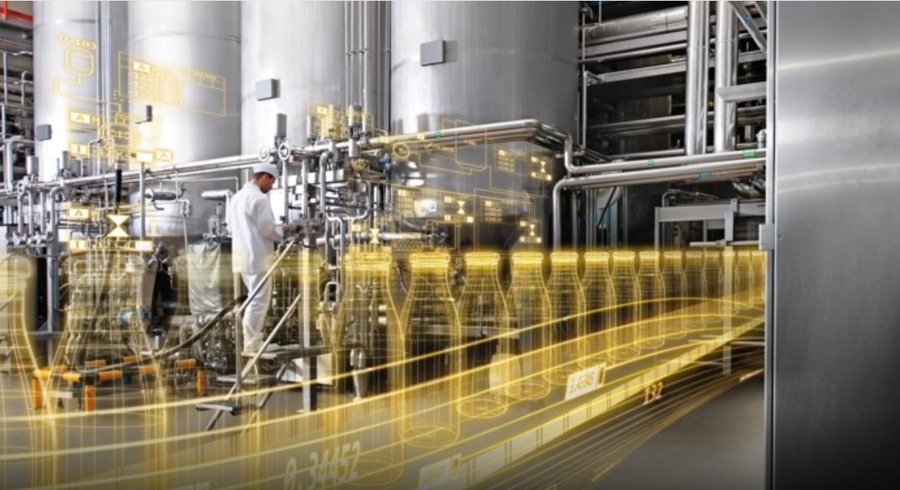
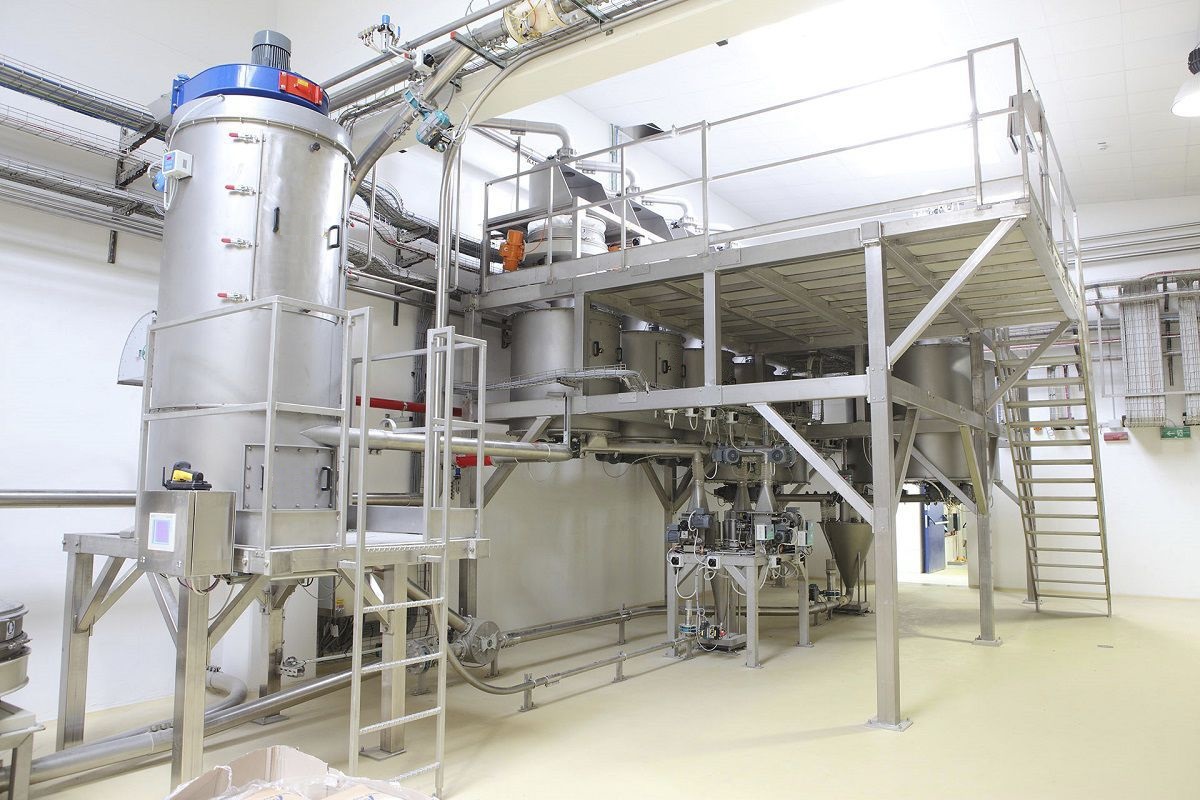
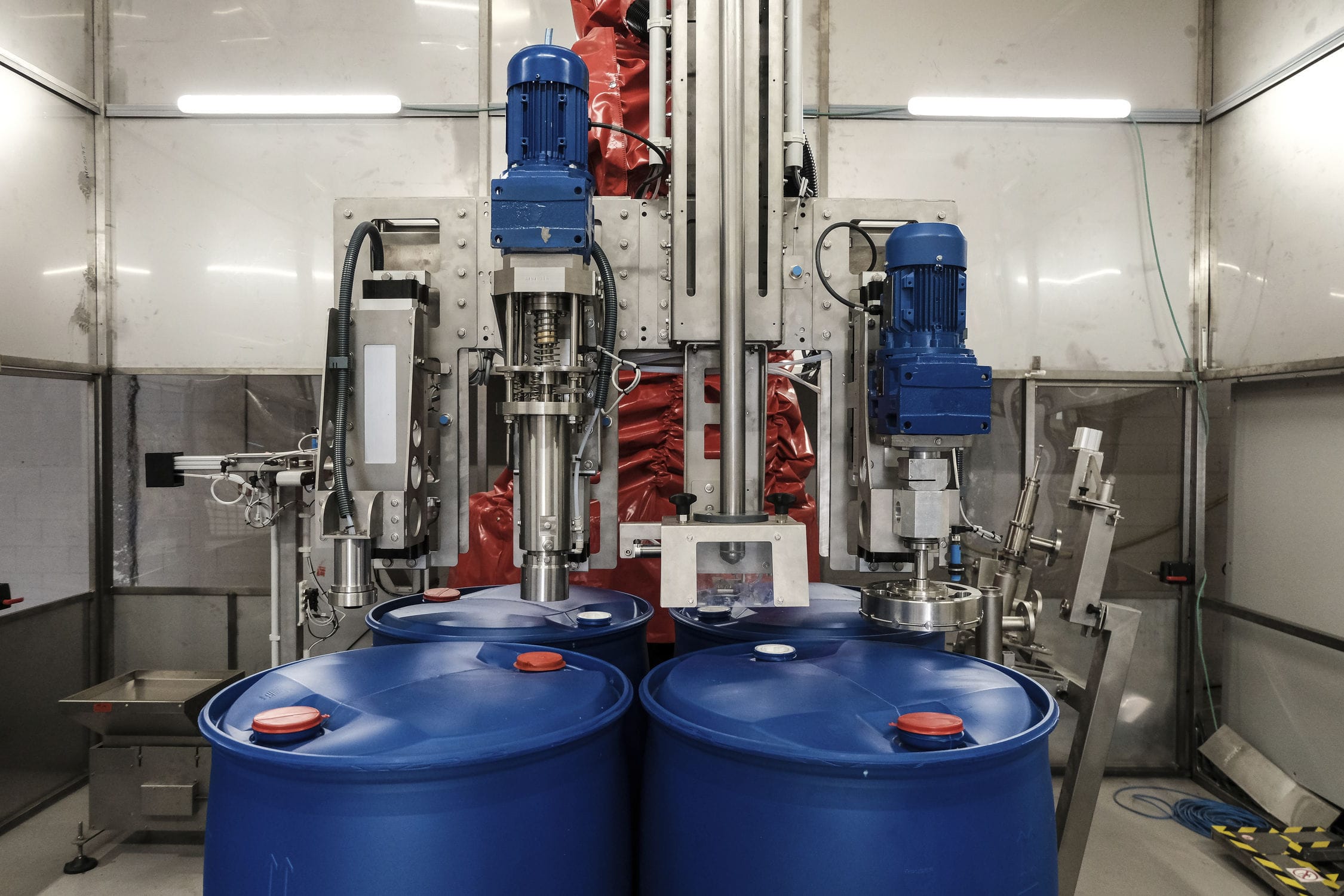


Frequency conversion Liquid feeding system is based on computer technology, control technology, communication technology and graphic display technology (i.e. 4C technology), and connects the field control station, control management station, testing station and operation management station and engineer station of operation control center distributed in the industrial site (nearby) through the communication network, and completes the integrated control system of decentralized control and centralized operation and management together. It can fully realize the management automation of each phase of the business process in the chemical industry and other industries, and carry out automated monitoring of each work process of the user, thus assisting the user's management personnel to carry out business processing more efficiently and accurately.


 020-34563445
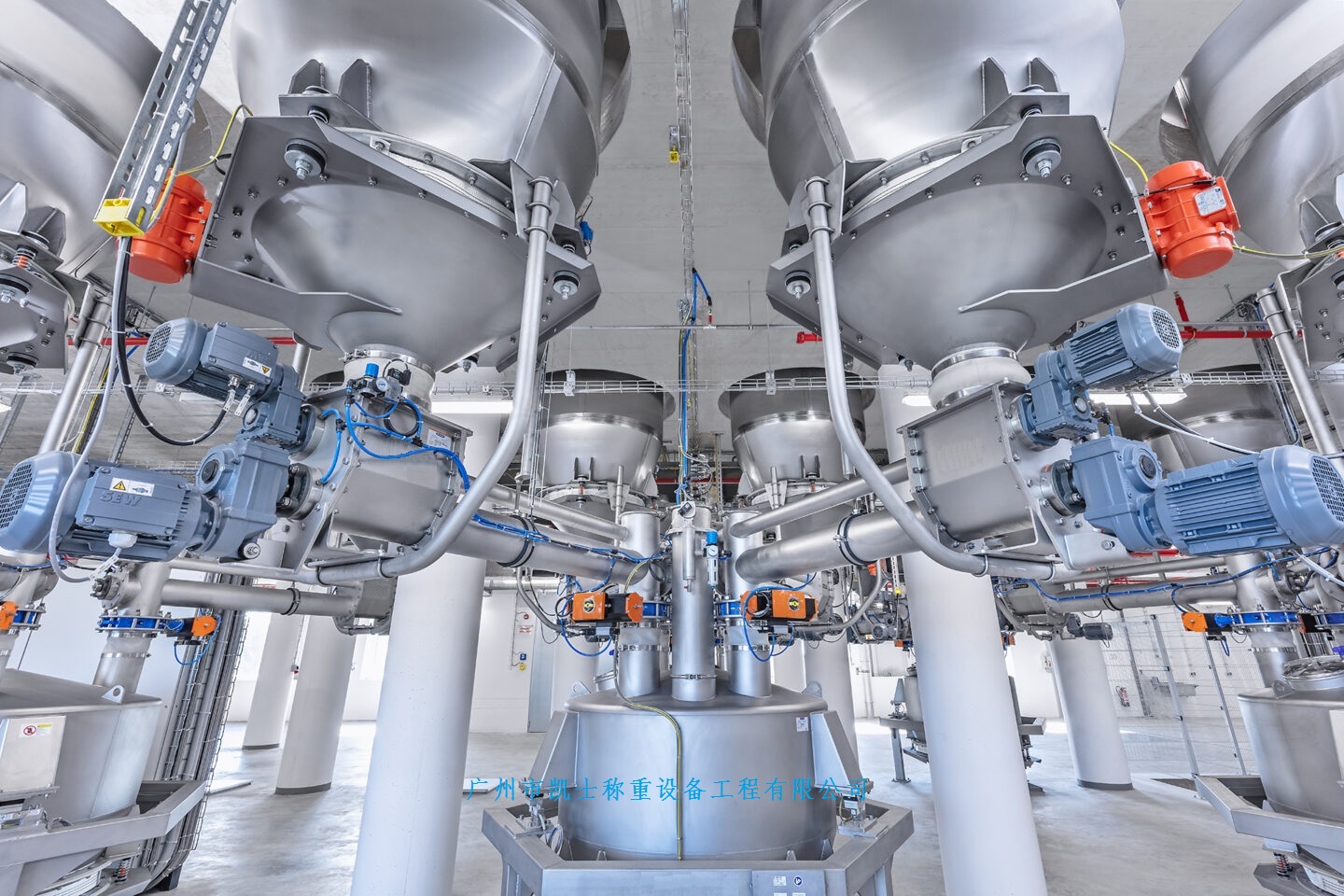
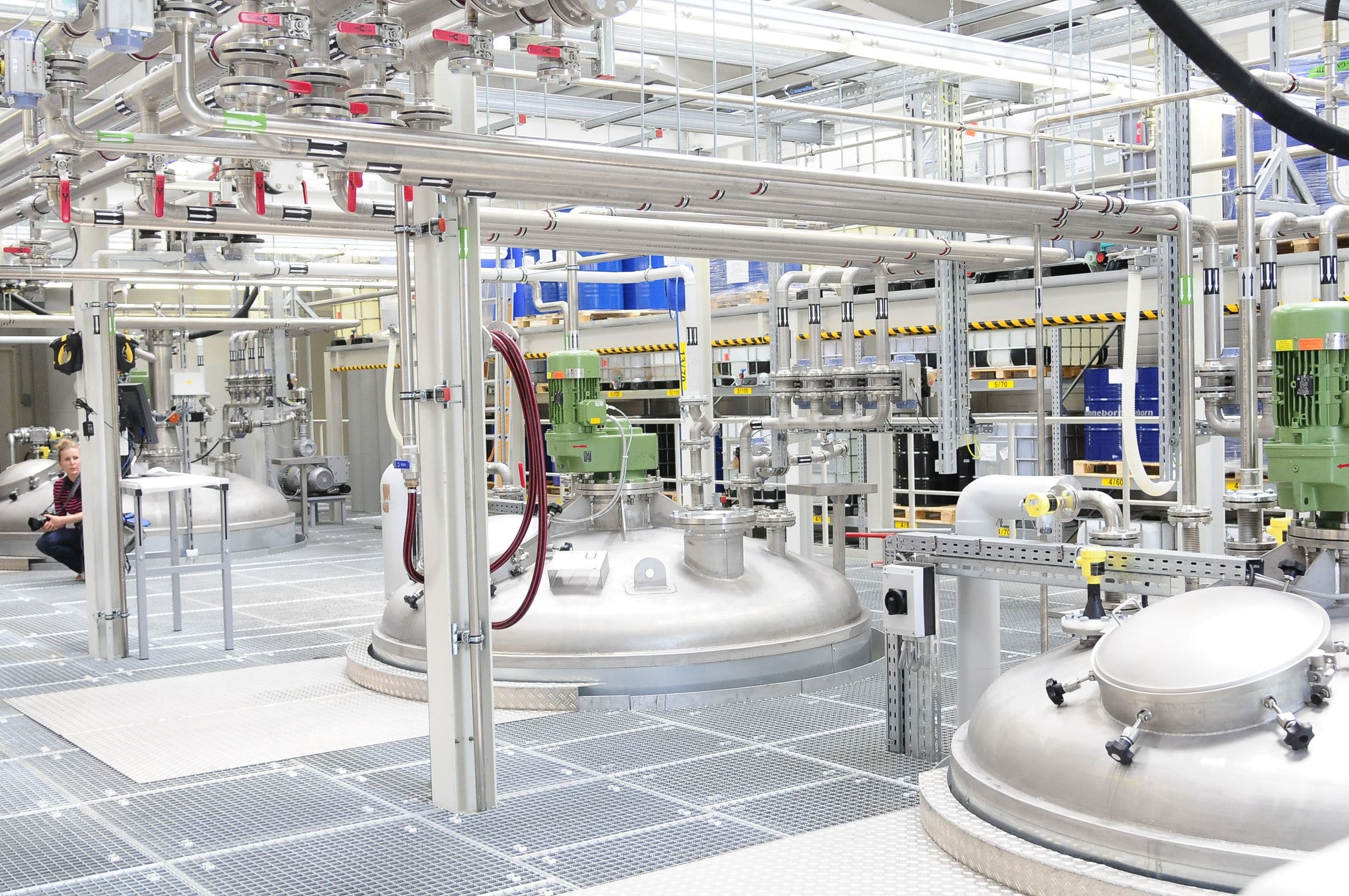
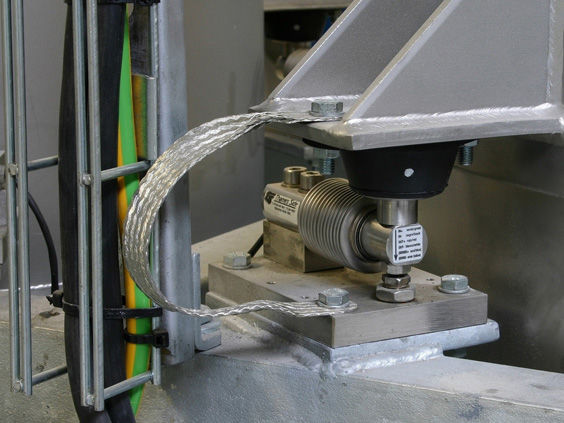
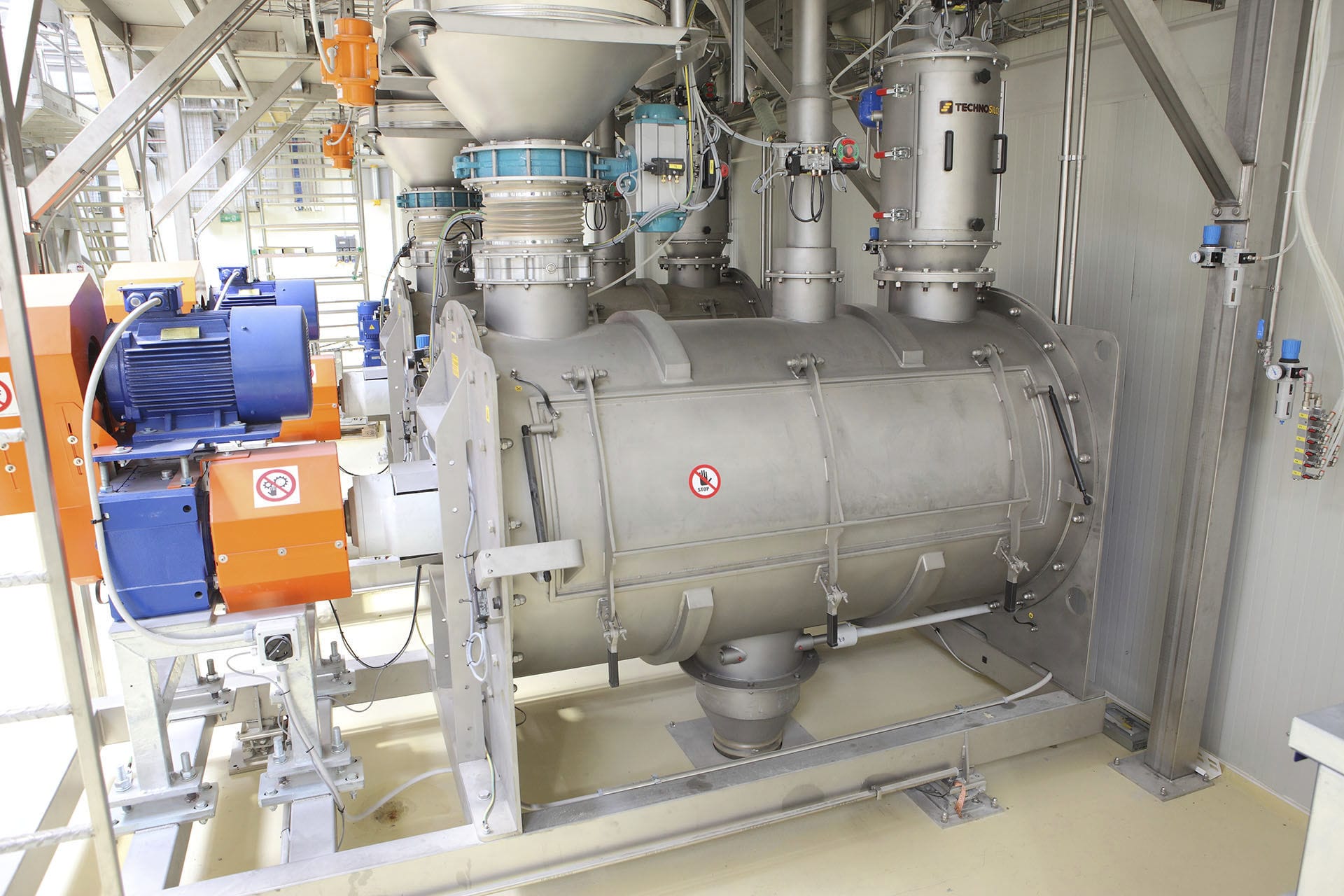
The variable frequency liquid feeding system is suitable for the petroleum, chemical, and proportioning industries. The quantitative liquid feeding system is based on computer technology, control technology, communication technology, and graphic display technology (i.e. 4C technology). It connects the on-site control station, control management station, detection station, and operation control center operation management station and engineer station distributed in the industrial site (nearby) through a communication network to jointly complete a comprehensive control system of decentralized control and centralized operation and management. Fully realize the management automation of various business processes in industries such as oil depots and chemicals, and automate monitoring of users' various work processes to assist user management personnel in more efficient and accurate business processing. The weighing reaction kettle includes a batching kettle and a bottom plate set below the batching kettle. The bottom of the batching kettle is provided with support legs, and a weighing module is detachably connected between the bottom plate and the support legs. The bottom surface of the bottom plate is provided with a support frame. The bottom end of the batching kettle is detachably connected with a discharge cylinder that penetrates the bottom plate. The bottom end of the discharge cylinder is detachably connected with a pneumatic valve. The top of the batching kettle is detachably connected with a top cover, and one side of the top cover is provided with a feeding port connected with the batching kettle. The middle of the top cover is detachably connected with a motor, which is connected and drives a rotating shaft that extends into the batching kettle. The rotating shaft is detachably connected with two symmetrical positioning sleeves, and the outer walls of the two positioning sleeves are provided with several ring-shaped support rods. The rotating shaft There are several circular sailboards on the outer side, The two ends of the sailboard are respectively detachably connected to the ends of the support rods on the outside of the two positioning sleeves. There are connecting rods between the adjacent support rods of the weighing reaction kettle, and the bottom end of the rotating shaft is connected and driven by a winch that extends into the discharge cylinder, which cooperates with the discharge cylinder. There is a detachable hinge connected to the rotating shaft between the two positioning sleeves.
The ingredient system automatically collects dynamic data from various monitoring environments through a unified monitoring interface, and based on this monitoring data, forms various reports (such as paid oil reports, unpaid oil reports, annual, monthly, daily reports, etc.) and detailed tables for business statistics and queries. The powerful query function can query user records, reports, etc. in various ways such as ticket number, crane position number, user code, and train number. On this basis, the system will also form a complete business information feedback and supervision control mechanism, providing strong support for scientific business management and decision-making for enterprises. Automatic material distribution and centralized management functions: The feeding system can achieve automation of the material distribution process, ensure filling accuracy, and improve production efficiency; It can achieve various fault alarms, as well as electrostatic overflow protection and emergency stop protection; Online monitoring of the issuance status of various positions, with password recognition function; Accept production data and production plans from various management networks of superiors, arrange production, generate reports and inventory systems; Provide standard DDE and OPC interfaces for convenient communication with control and management systems such as DCS and ERP.
The main features of the weighing and feeding system are:
1) The weighing automatic liquid feeding system adopts domestic price and imported performance;
2) Unique Ethernet and RS485 networking options for weighing and feeding systems;
3) The communication between the upper computer and the weighing instrument adopts two standard methods: TCP/IP and MODBUS RTU;
4) The upper computer software adopts universal configuration software for easy maintenance;
5) Flexible configuration methods facilitate the selection of on-site instruments;
6) Both the upper and lower computers are in a Chinese English environment;
7) It can be remotely controlled for quantitative control.