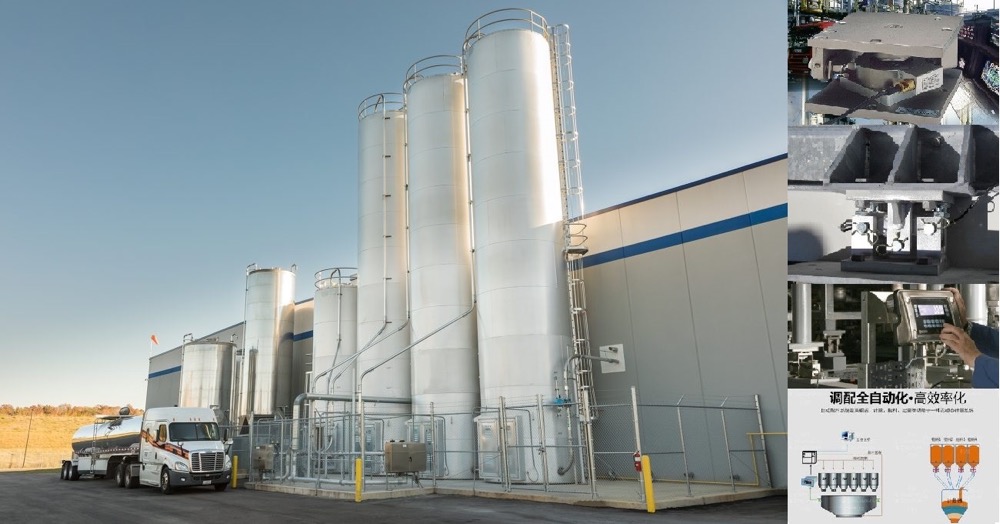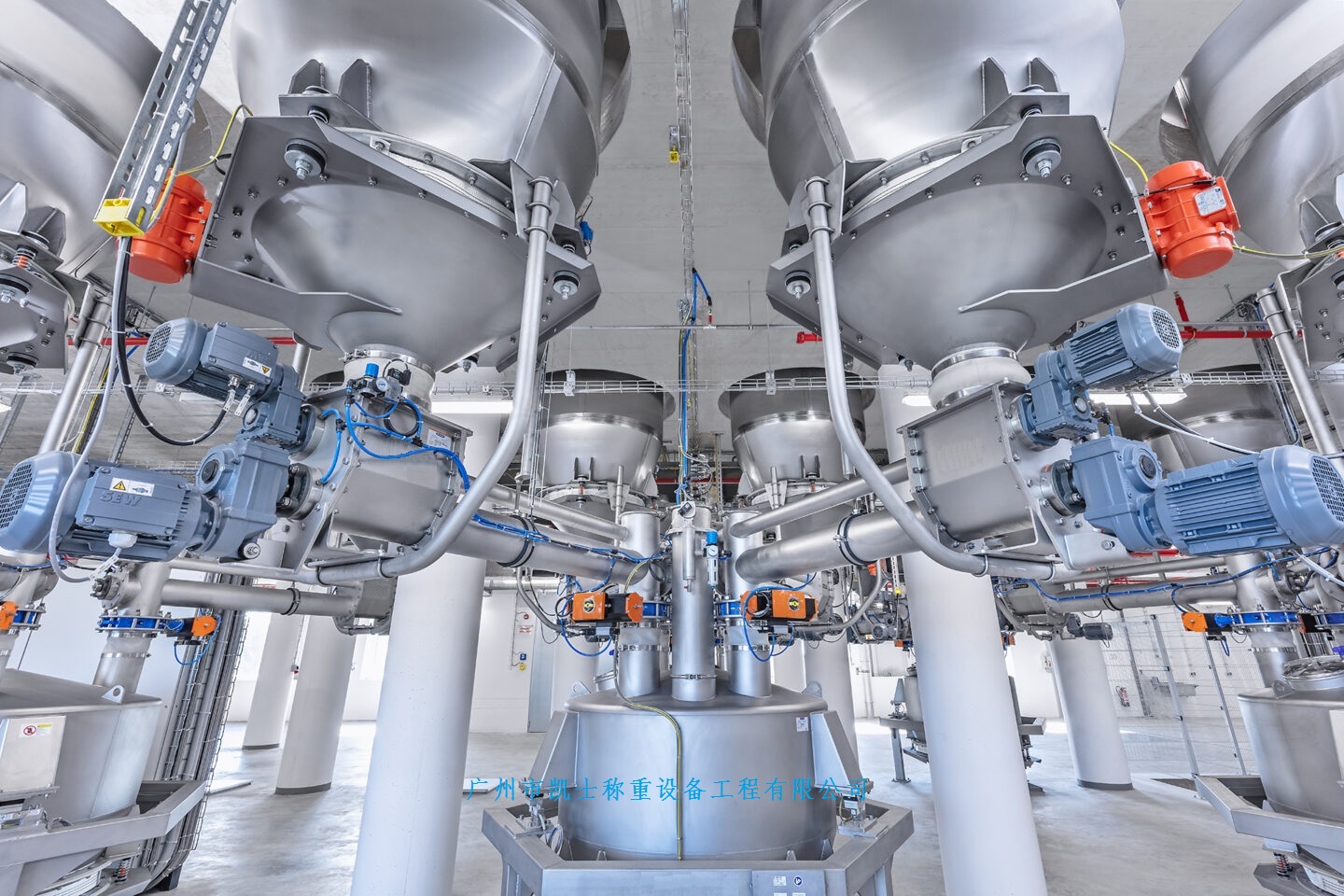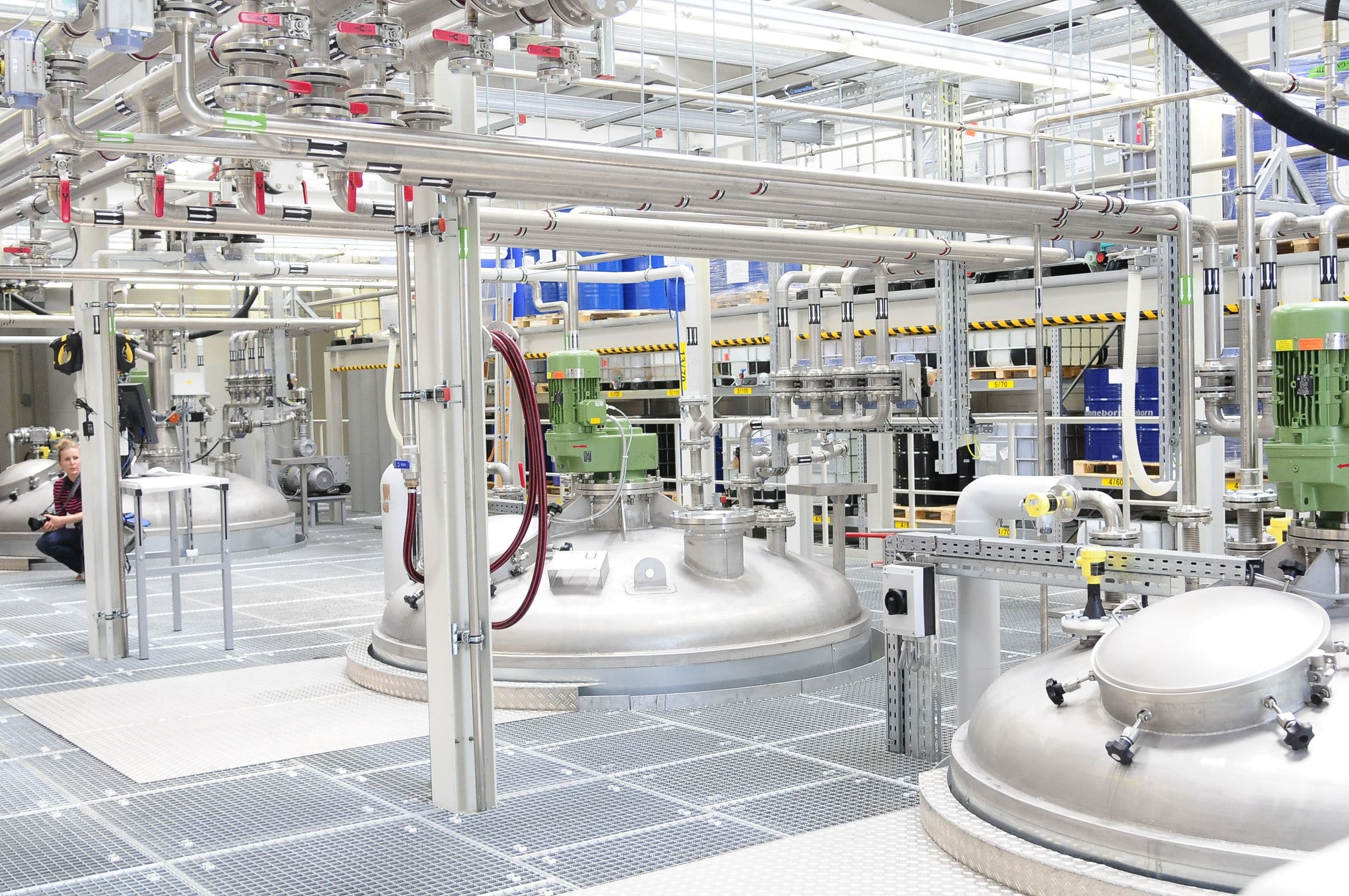





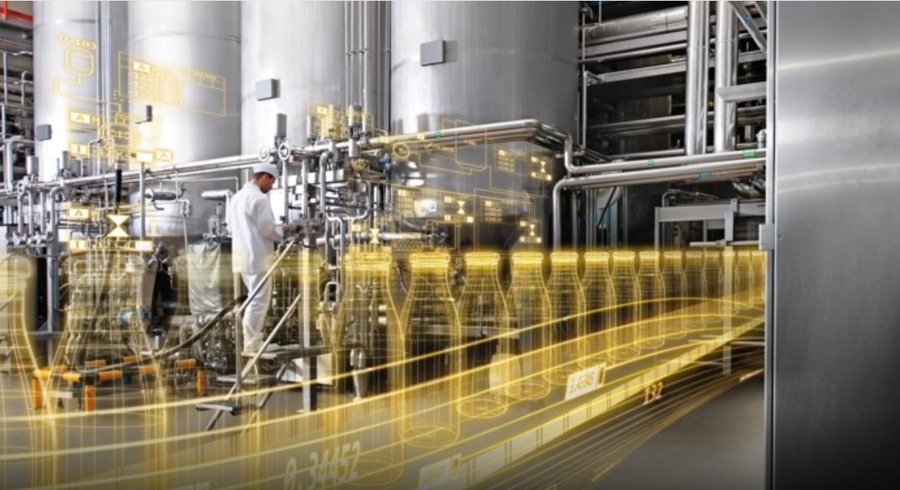
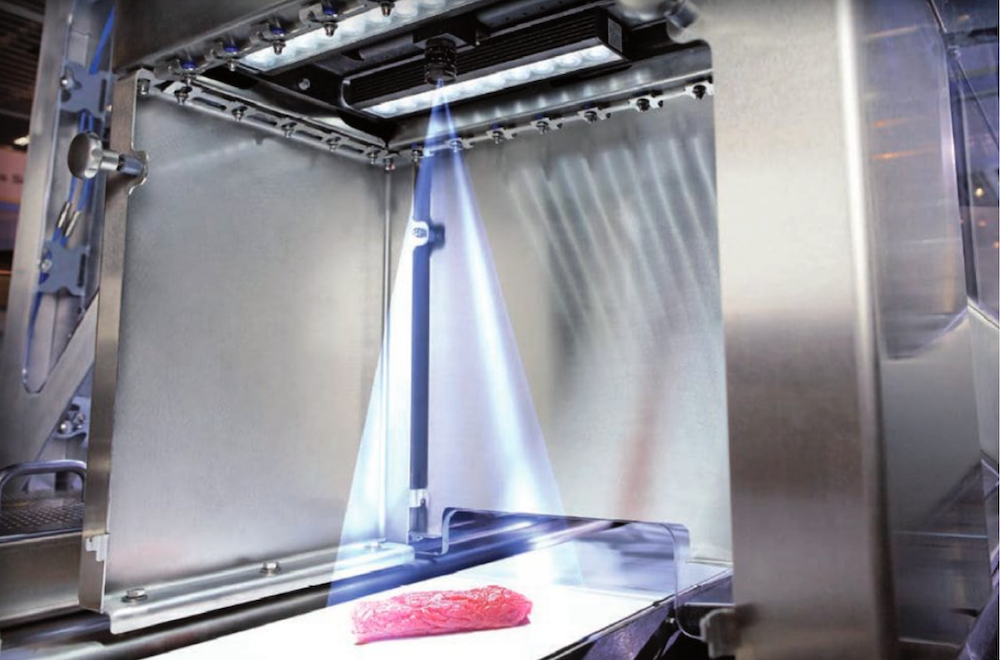
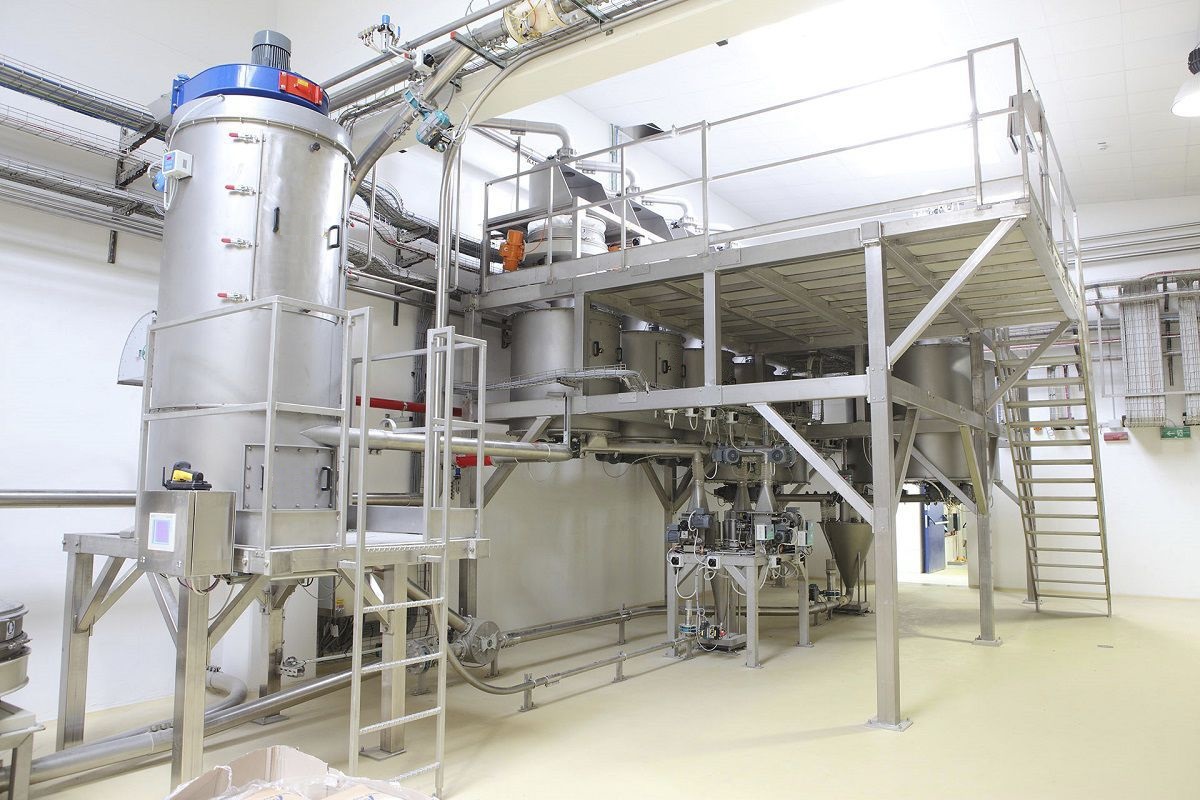
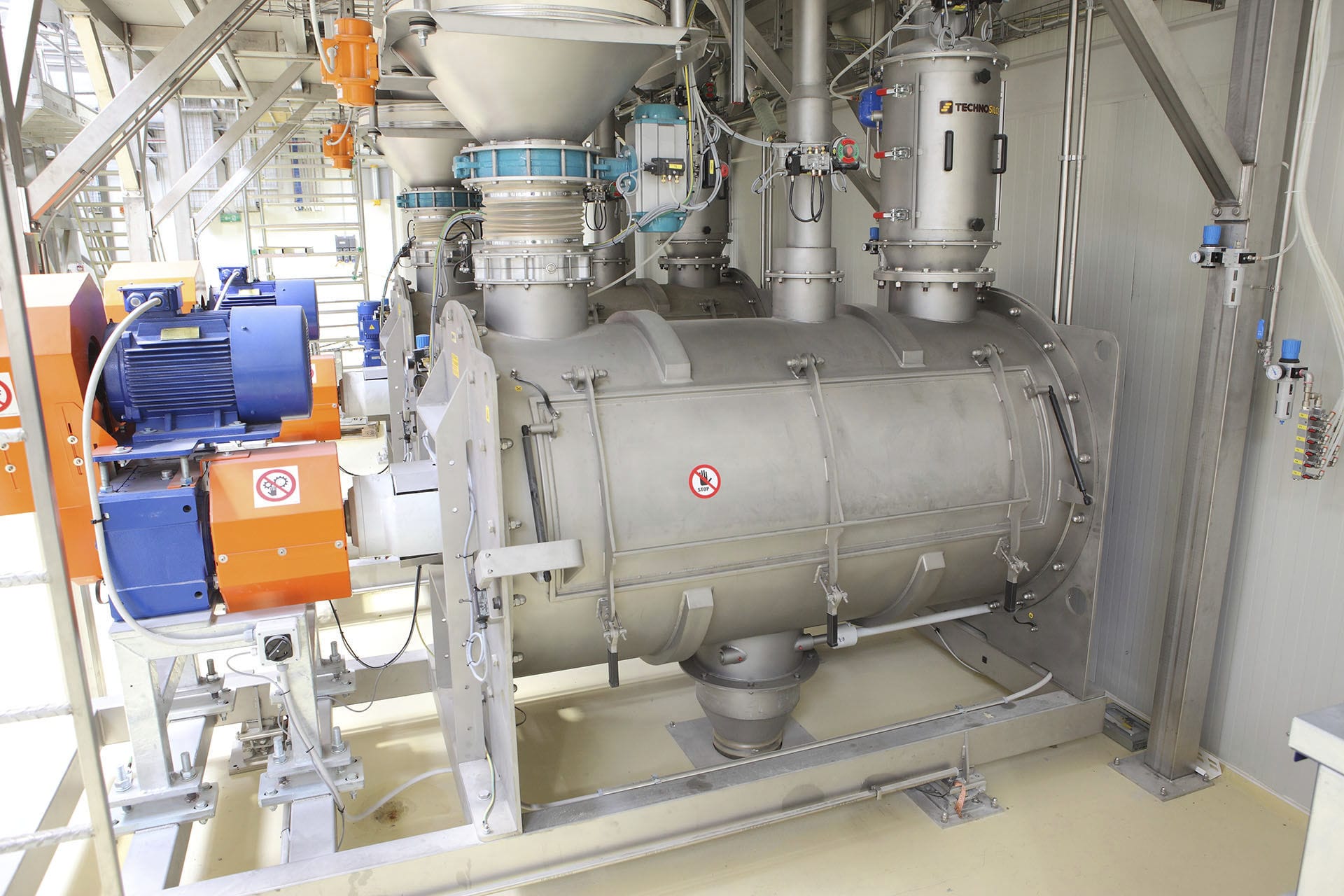
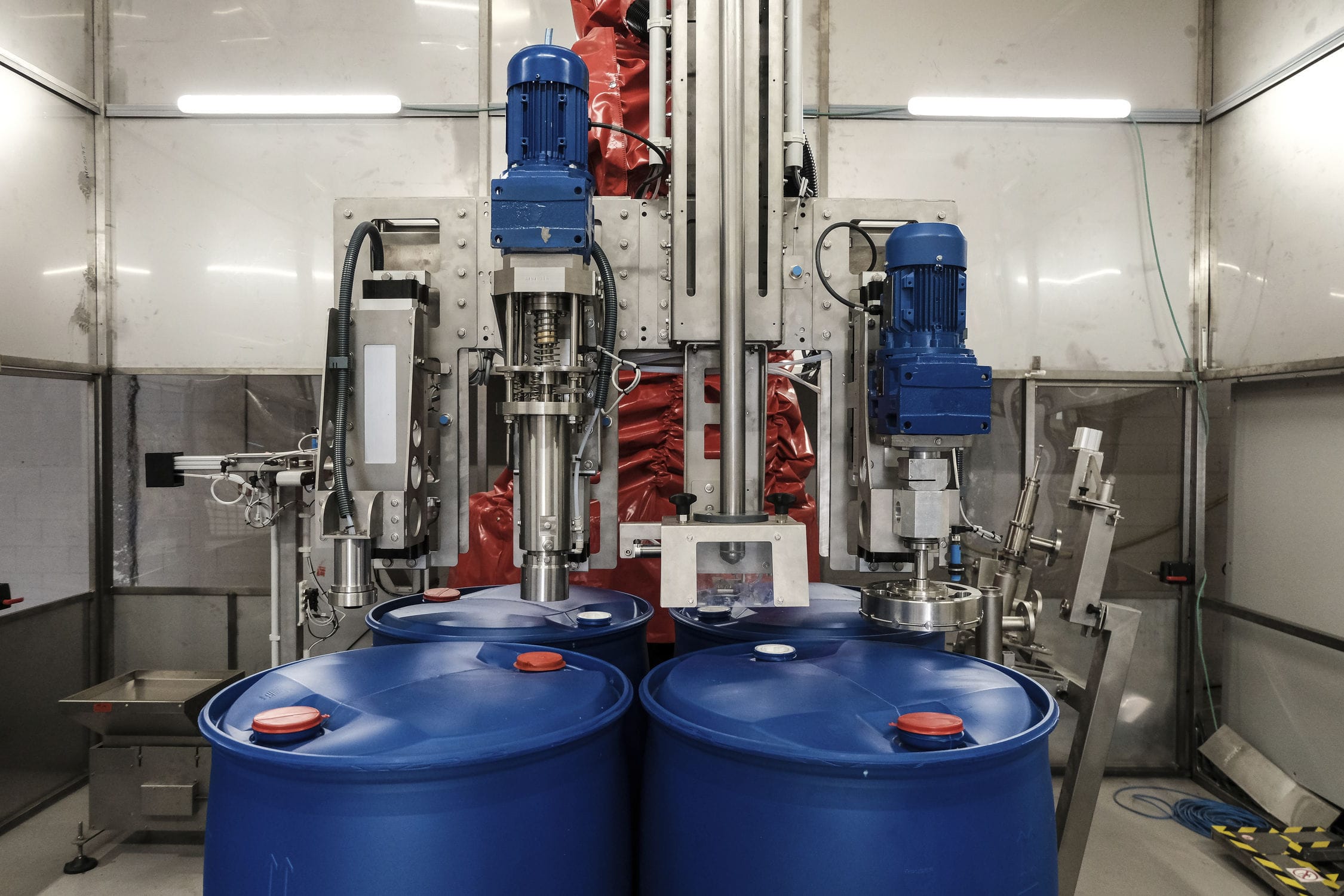
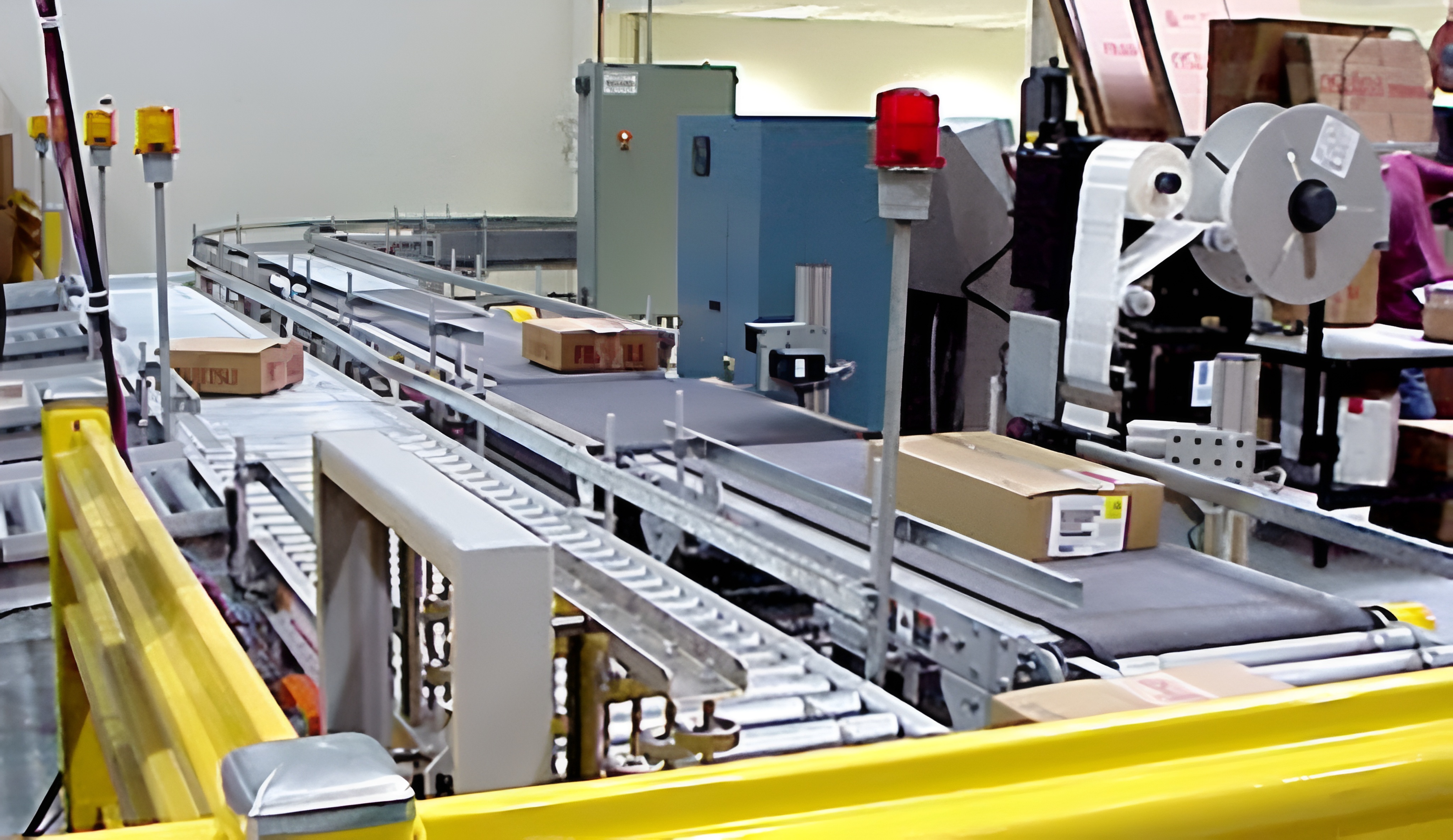
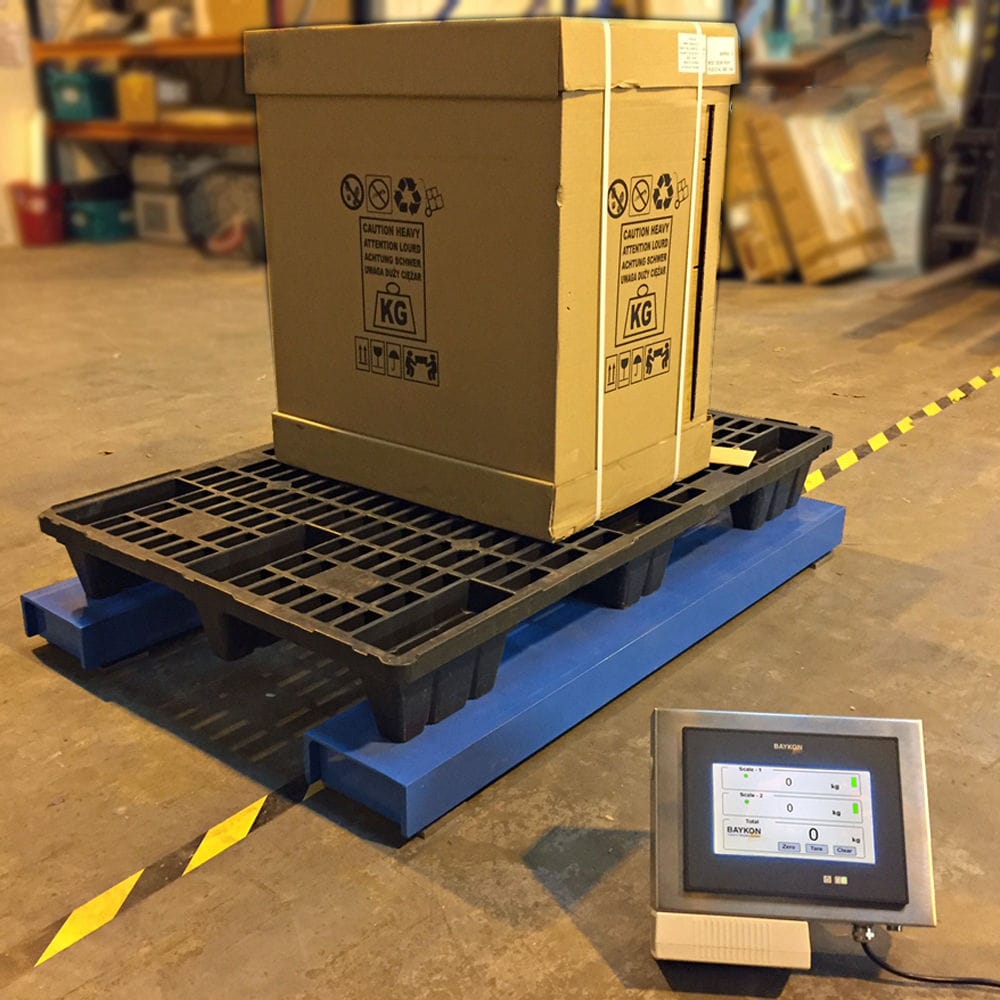


Self-Control Reaction kettle weighing system is a kind of production equipment used in industry for automatic and accurate proportioning of different powder or liquid materials according to a certain ratio, which usually consists of weighing instrument, PLC system and upper computer. Including raw material storage body, conveying body, weighing and dosage body, dust removal body, material mixing body and other equipment; dosage mode can be based on the industry characteristics, production process requirements, specific material characteristics, reasonable choice of "incremental" or "decreasing" weighing mode. It has various working modes such as single hopper and single material, single hopper and multiple materials, and multiple hoppers and multiple materials.



 020-34563445
The weighing self-control reaction kettle system takes the reaction kettle as the control unit, and sets different formula feeding and conveying settings in each reaction kettle to flexibly respond to the needs of different production batches and formulas. The formula, feeding, and discharging of the automatic feeding system are all controlled by computers. In addition to the hopper, the scale body also includes a dynamic weighing module, precision amplifier, analog-to-digital converter, microcomputer, display, printer, and execution system. The touch screen control system can control multiple reaction tanks and mixers, and can control the time of dry mixing and wet mixing. It can prepare several to dozens of materials, display the ingredient process and print the names, masses, total masses, cycle times, formulas, daily reports, monthly reports, etc. of each material simultaneously. The computerized automatic ingredient production line has a large formula storage capacity, multiple ingredient varieties, fast speed, high accuracy, and provides rich software for easy program modification. It is a product with a high degree of automation. By using weighing instruments or touch screens, the required weight of various materials can be set, and then automatically transported to the Batching system by the winch in order for weighing and flow control, thereby achieving precise measurement and batching.
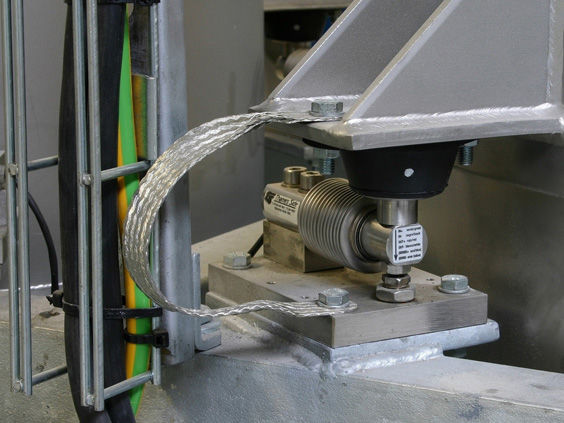
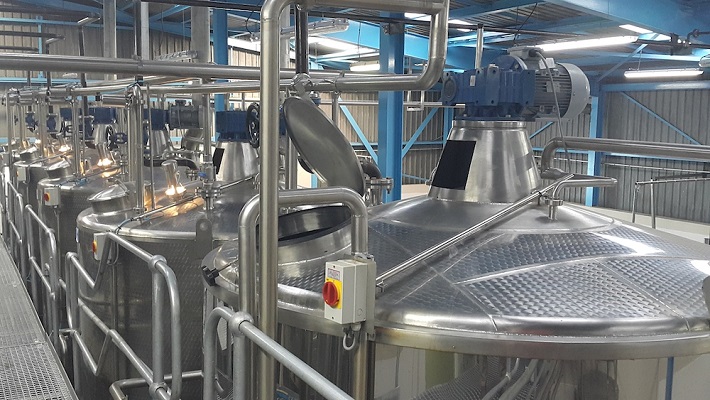
The weighing reaction kettle includes a tank body, an ear support, a weighing module, and a computer. The ear support is fixedly connected to the side wall of the tank body, and the tank body is placed on the weighing module through the ear support. The reaction kettle has three ear supports and three Weighing modules, and the height of the three ear supports on the side wall of the tank body is equal. The weighing module is connected to the computer for communication. The weighing reaction kettle is connected by a data cable for communication, and the weighing module sends weight information to the computer through the data cable. The weighing reaction kettle is designed such that all the gravity exerted on the tank body and ear support is applied to the weighing module. The weighing reaction kettle consists of a tank body, a rotating shaft, a stirring blade, a motor, a hand hole, a hand hole end cover, a thermometer insertion hole, a thermometer insertion hole end cover, a thermometer, a lifting ring, an ear support, a weighing sensor, a jacket, a jacket water pipe, a lower port, and a computer. The ear support is fixedly connected to the side wall of the tank body, and the tank body is placed on the weighing module through the ear support. The weighing module is connected to the computer through communication. The lower end of the rotating shaft extends into the tank body, and the lower end of the rotating shaft is connected to the stirring blade. The upper end of the rotating shaft is located outside the tank body, and the upper end of the rotating shaft is connected to the motor transmission. The top of the tank body has a hand hole and a thermometer insertion hole, and the hand hole end cover is hinged at the hand hole Insert the thermometer socket into the interior of the tank, The lifting ring is fixedly connected to the top edge of the tank body, and the jacket is attached to the outer surface of the tank body. The bottom end of the jacket is provided with a jacket water pipe, and the bottom end of the tank body is provided with a lower port.
The process steps of the reactor Weighing system are decomposed and controlled as follows:
1. Before transporting raw materials, internal logic judgment should be carried out to determine whether the raw materials can be transported. To transport, all of the following requirements should be met: the liquid level of the raw material storage reaction kettle A/B/C must be greater than the low liquid level value, and the temperature must be higher than 120 ℃; Are the delivery pumps P103A and P103B running (both must remain stopped at the same time); At least one weighing unit weighing 0kg is required for measuring reaction vessels A/B.
2. Choose the storage reactor for raw materials. Among the reactors that meet the conditions for raw material transportation, select the one with the highest liquid level. After the selection of the raw material reaction kettle is completed, the pneumatic valve of the corresponding pipeline for ingredient selection is selected, and the raw material pump delivers a quantitative range of weight to the designated reaction kettle.
3. When selecting a measuring reaction kettle, under the condition of meeting production requirements, choose a measuring reaction kettle with a weighing unit weight of 0kg. If both measuring reaction kettles are 0kg, the default choice is measuring reaction kettle A.
4. Trigger the pneumatic valve to start. All controlled reaction kettles are selected within the PLC program. The pneumatic valve is in the normally open state, and the pneumatic pump delivers liquid to the kettle. After measuring the reaction kettle, the measuring kettle automatically reads the weight within the quantitative range. When the set specified weight is reached, the pneumatic ball valve automatically closes.
5. The raw material conveying pump is started after the pneumatic valves of the ingredients are triggered one by one to open. The last pneumatic valve opens to the rising edge signal, triggering the timer to start. After a timer of 3 seconds (adjustable), the pump of the raw material conveying system is started.
6. When the raw material conveying and batching pump stops during the conveying process, the weighing module of the measuring reaction kettle measures the weight. When the weight measurement value reaches the weight of the raw material in the formula, the pump of the raw material conveying system is stopped.
7. After the raw material conveying and batching pump stops, take the falling edge signal of the stop signal to trigger the timer to start. After timing for 3 seconds (adjustable), close the batching pneumatic valve in reverse order according to the opening sequence of the batching pneumatic valve.
Before transporting the raw materials in the raw material reaction kettle, internal logic judgment should be conducted to determine whether the raw materials can be transported. To transport, all of the following requirements should be met: the liquid level of the raw material reaction kettle must be greater than the low liquid level value, and the temperature must be higher than 100 ℃; Is the pump P104 for conveying ingredients running (must remain in a stopped state).
9. Selection of raw material reaction kettle and measuring reaction kettle. When the formula enters the system, the formula number is selected. The selection of measuring reaction kettle is based on the material number selected during raw material transportation.
10. Add a separate recipe interface.
11. The pipeline from the mixing workshop to the target mixing tank has been rearranged. During busy times, the batching system may receive several instructions within a certain period of time. At this time, it is necessary to consider making an interrupt in the main station and inserting instructions with priority. This requires communication and negotiation with the weighing batching system for integration.
12. When measuring the kettle to the production line, maintain manual feeding without any measurement or liquid level monitoring in the measuring tank.