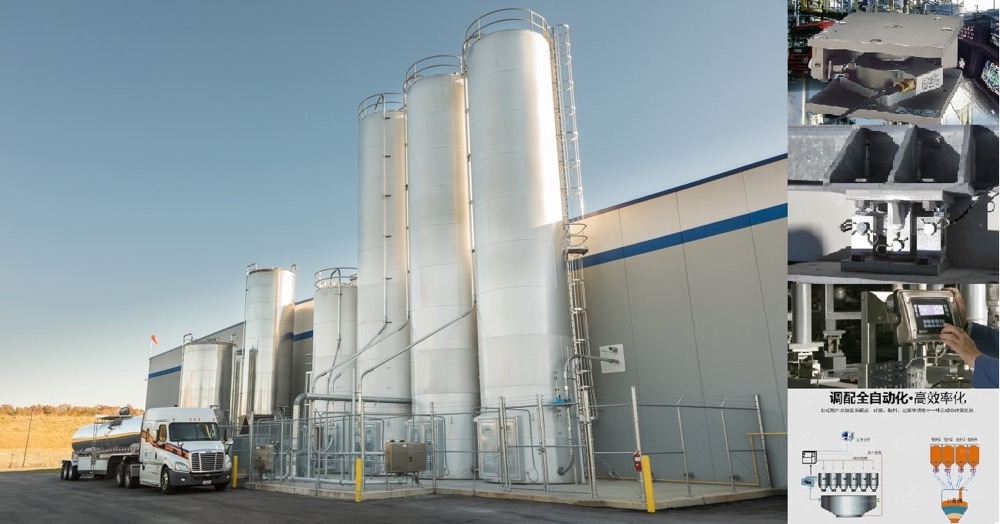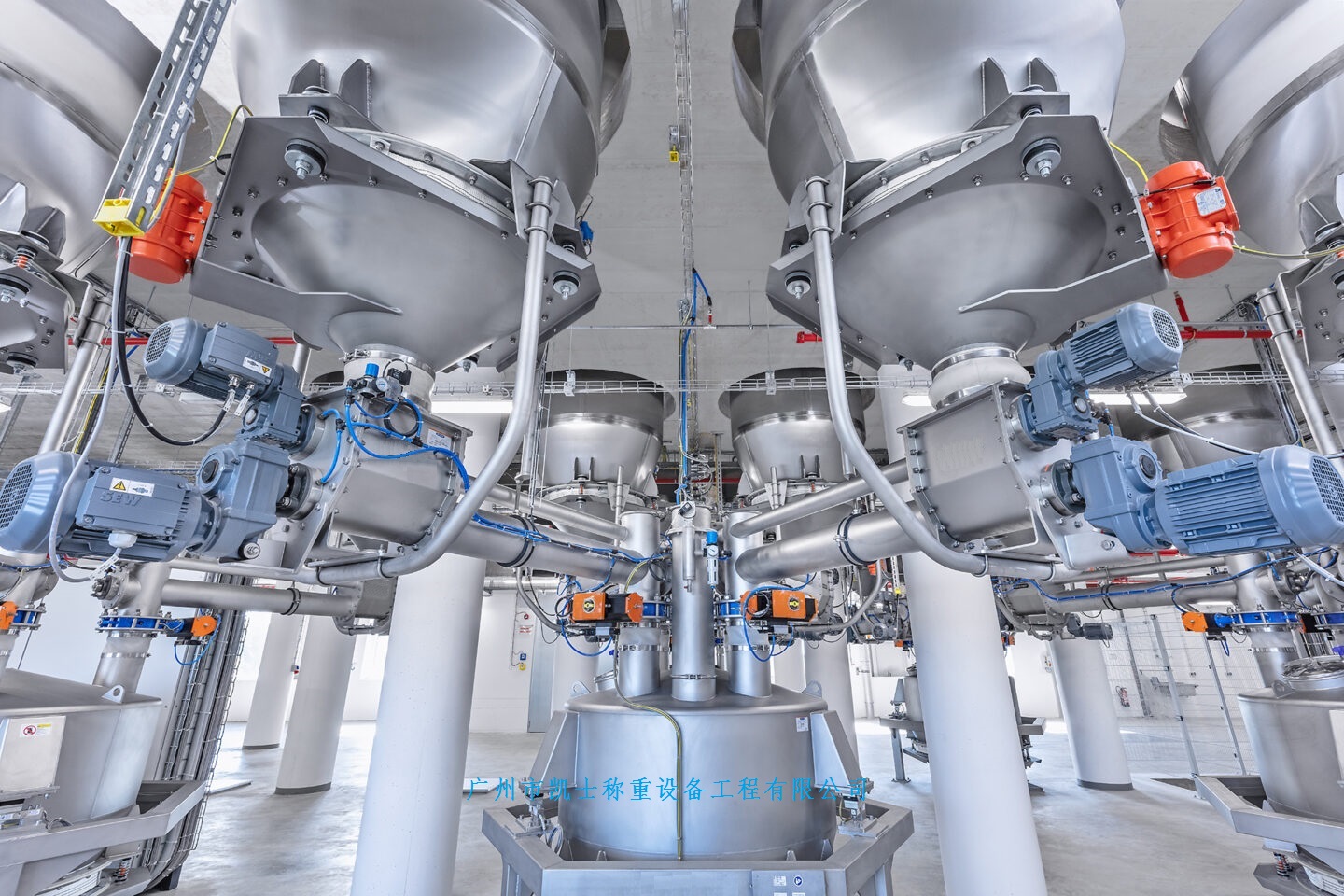


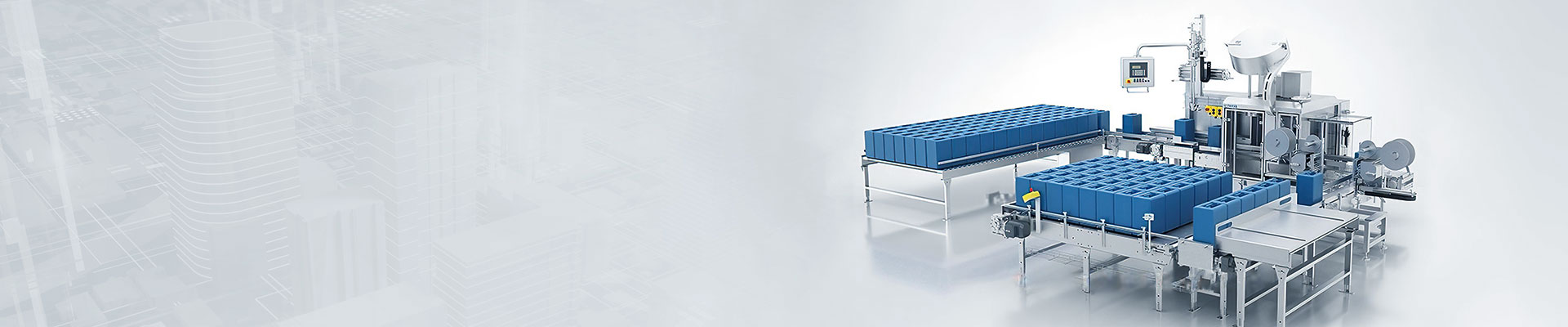




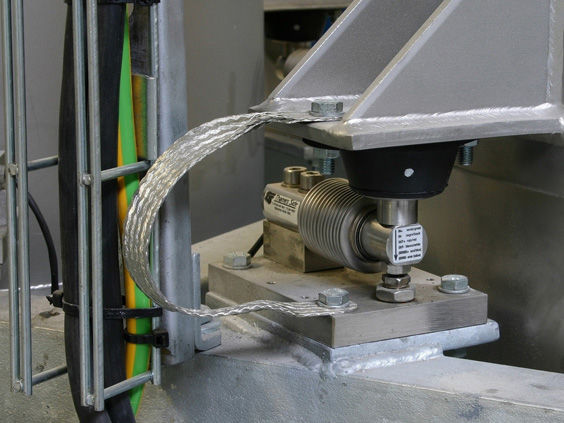
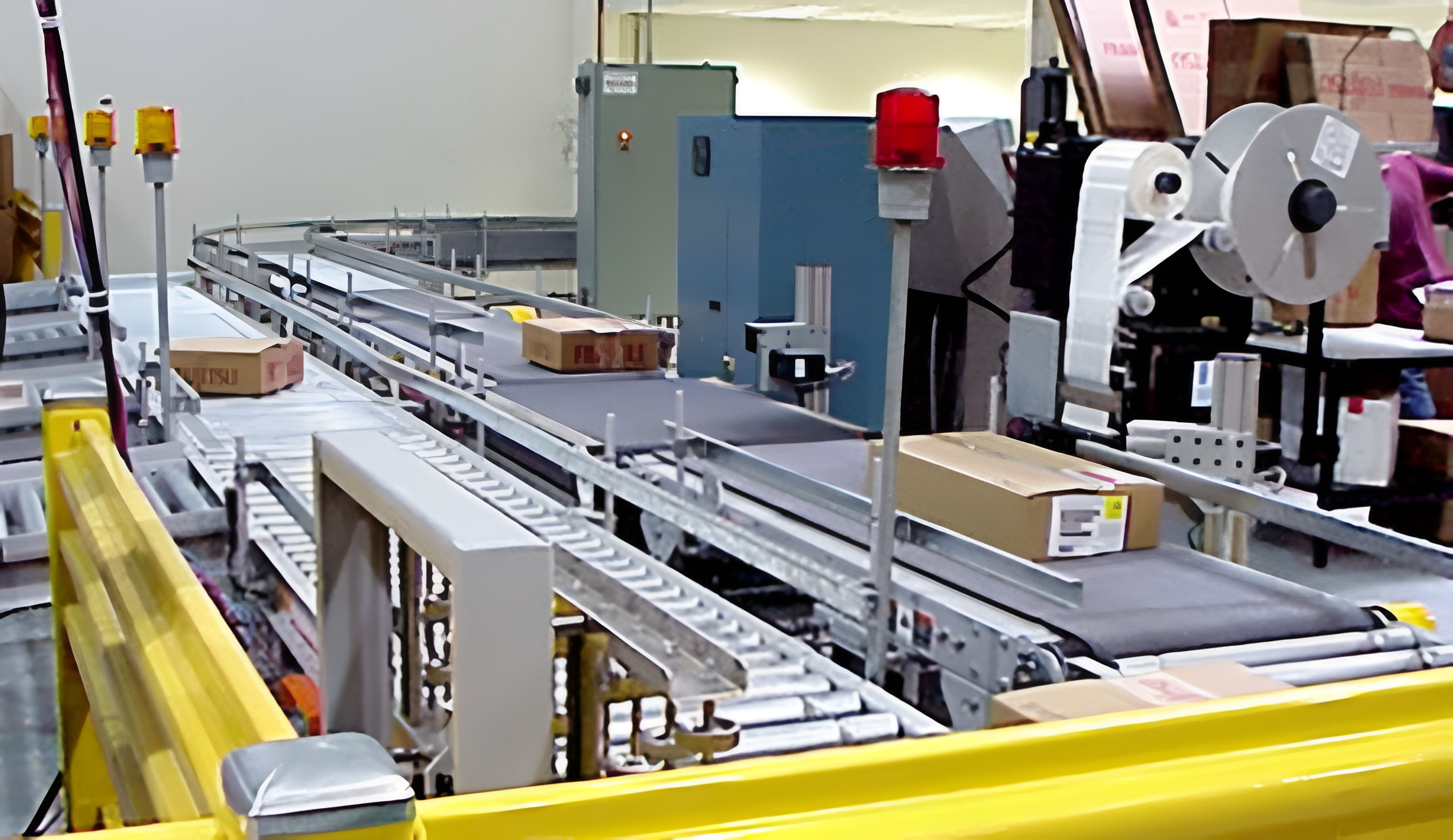
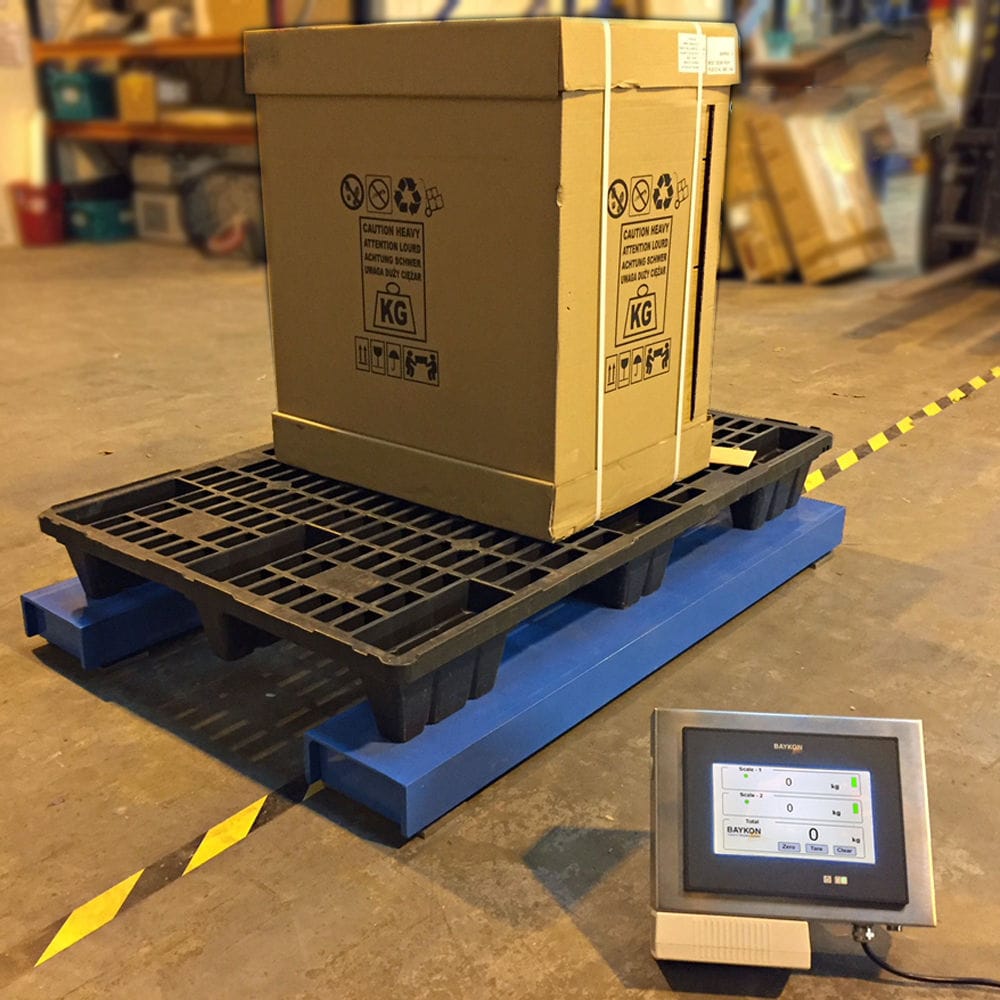


The weighing hopper system automatically calculates the set value and stop-sifting value of the hopper scale before loading. Before each material loading, the hopper scale calculates automatically according to the set weight of the hopper scale and the weight needed to compensate for the previous weighing error by the program. To reduce the loading deviation caused by mechanical inertia and the residual vibration of the feeding equipment during feeding, the weighing system must send a signal indicating that the hopper is full to stop the feeding equipment in advance. The full signal is sent when the weight of the hopper reaches the stop-sifting value.

 020-34563445
The weighing hopper system first feeds materials simultaneously through the coarse and fine Feeders based on the set weighing value. When the weighing sensor reaches a certain value, the coarse feeder stops and the fine feeder continues to feed materials until the set value is reached. The discharging mechanism opens the weighing hopper and discharges the materials, completing one weighing and packaging process. The actuators are two large-diameter solenoid valves and two small-diameter solenoid valves, which are driven by AC relays output from the switch quantity board. The large-diameter solenoid valves mainly complete the outflow of large-flow materials, while the small-diameter solenoid valves are used for error limit adjustment. When the material flows into the hopper and the weight increases to a certain extent, the 1# main solenoid valve is closed and the 2# main solenoid valve is opened. At this time, the weight of the materials in the 1# hopper is completely static weight. The insufficient weight is compensated by the 1# auxiliary solenoid valve. Due to the small flow rate of the material flowing out from the auxiliary solenoid valve and the small inertia, the relative error is much smaller than that adjusted directly by the main solenoid valve. The accuracy of the entire Weighing system is much higher. This also reduces the error of the hopper scale. It is very beneficial to the entire weighing system. Similarly, when the weight of the materials in the 2# hopper reaches a certain level, the 2# main solenoid valve is closed and the 1# main solenoid valve is opened. After static weighing of the 2# hopper, the 2# auxiliary solenoid valve is used to make up for the remaining weight. Although two auxiliary small solenoid valves are added here, it greatly improves the weighing accuracy and reduces the error of the hopper scale.
The hopper scale system has two modes: manual control and automatic control. According to the process of the batching processing, the relay control circuit of the system is divided into various types such as the feeding control circuit for multiple materials, the discharge control circuit of the hopper scale, the control circuit for cooperating batching and mixing, and the spiral control circuit for the finished product. Apart from the feeding control circuit, when a certain material is loaded up to a certain level during the automatic process, the PLC sends out a control signal, causing a certain relay to engage and start the vertical mixer motor. When a certain material has been fully loaded and the total mass has reached the set value, the PLC sends out a signal to open the hopper scale compartment door, causing the relay to engage and start the mixer motor and the horizontal conveyor. The material is then sent to the mixer. When the material in the hopper scale is emptied, the PLC sends out a signal to close the hopper scale compartment door, causing the relay to engage and starting the time relay, beginning the timing. When the timing time is up, the horizontal conveyor stops; when the timing time is up, the discharge door of the mixer opens, and the processed batched materials are discharged. When the material is completely discharged, the timing time of the time relay is up, and the discharge door is closed.
Before loading the material into the hopper system, the system automatically calculates the set value and stop-sifting value of the hopper scale. Before each material loading, the program automatically calculates the set weight of the hopper scale and the weight needed to compensate for the previous weighing error based on this. To reduce the loading deviation caused by mechanical inertia and the residual vibration of the feeding equipment during feeding, the weighing system must send a signal indicating that the hopper is full to stop the feeding equipment in advance. The full signal is sent when the weight of the hopper reaches the stop-sifting value. Only in this way can the loading deviation caused by the weighing error be minimized. After each hopper scale is emptied of material, the actual net loading quantity and loading deviation are automatically calculated, and the loading process ends. When the hopper top needs to be emptied, the hopper gate is opened to discharge the material and the Electronic scale weight is automatically tracked. When the weight of the weighed material is less than the empty weight (which can be set on the screen), a signal indicating emptying is sent, and the hopper scale gate is closed after a delay. After the discharging process is completed, the residual material weight in the electronic scale is measured, so the net loading weight and loading deviation can be calculated.
After the preparation process is completed, the hopper is weighed until it is full, and the feeding equipment stops working. When a signal indicating the need for material is sent from the hopper top, the selected weighing gate opens, and the material in the hopper is transported along with the screw and the screw into the hopper. The weight of the hopper gradually decreases. When the weight of the hopper reaches or falls below the material empty control value (this control value is a constant set by manual input on the screen), the program sends a "material empty" signal, waits for a few seconds, and then closes the hopper weight gate. At this point, the hopper has emptied its material, and the weight of the hopper is now the empty weight. Then, according to the aforementioned algorithm, the next stop-sifting value and deviation value are calculated. The material discharge process ends here, and the process waits for the next material preparation process to start. The material discharge process and the material preparation process always alternate and repeat in a cycle.