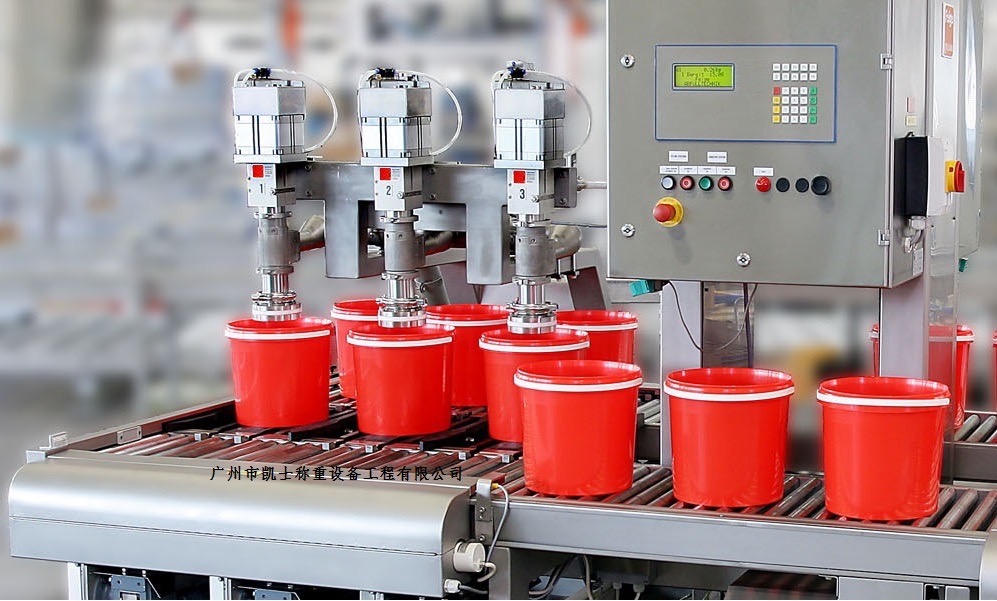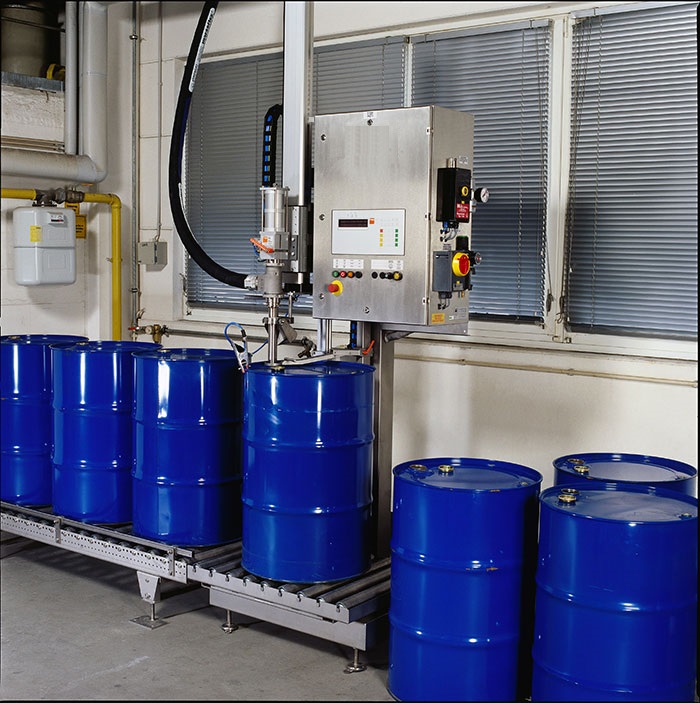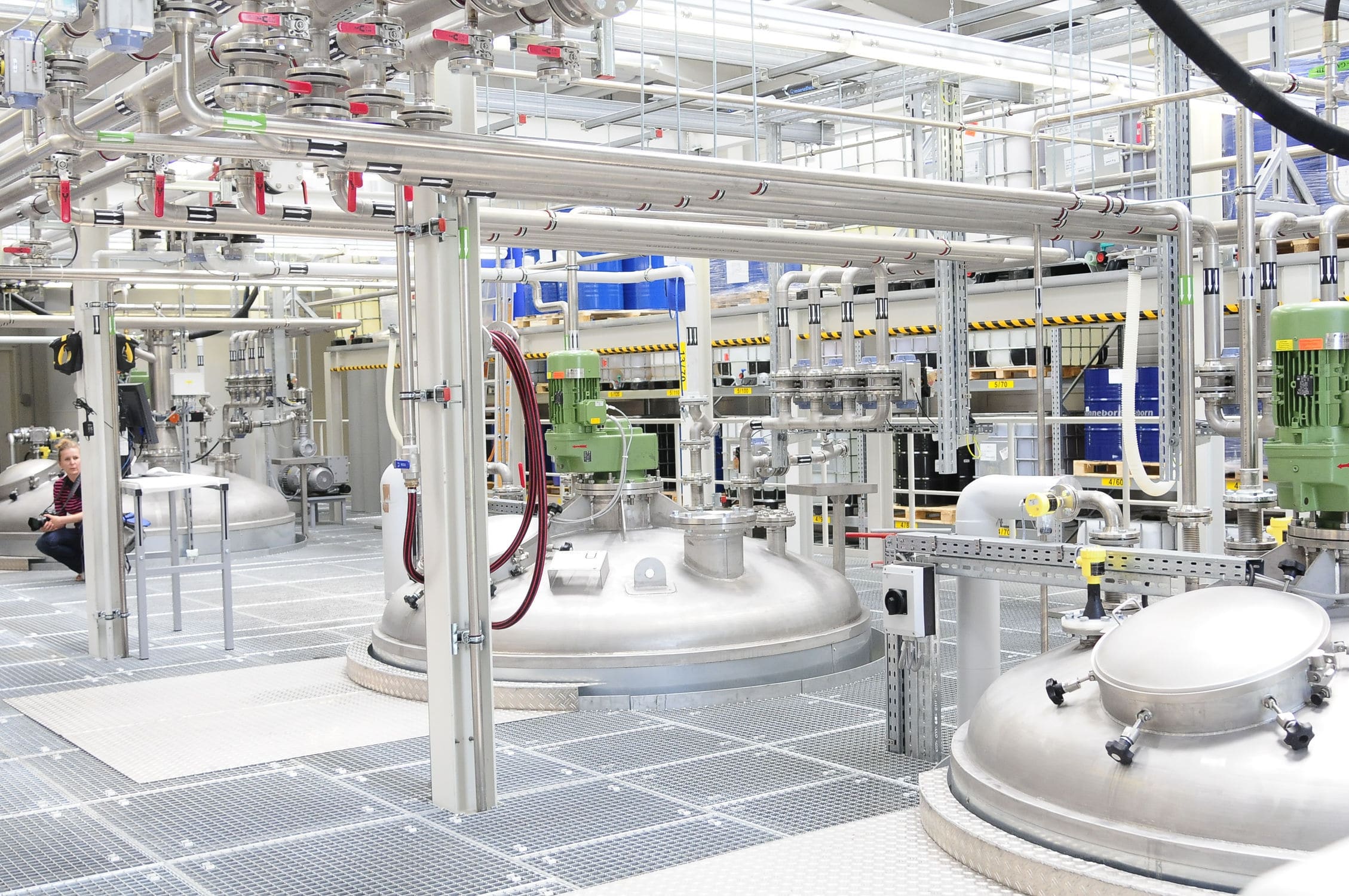


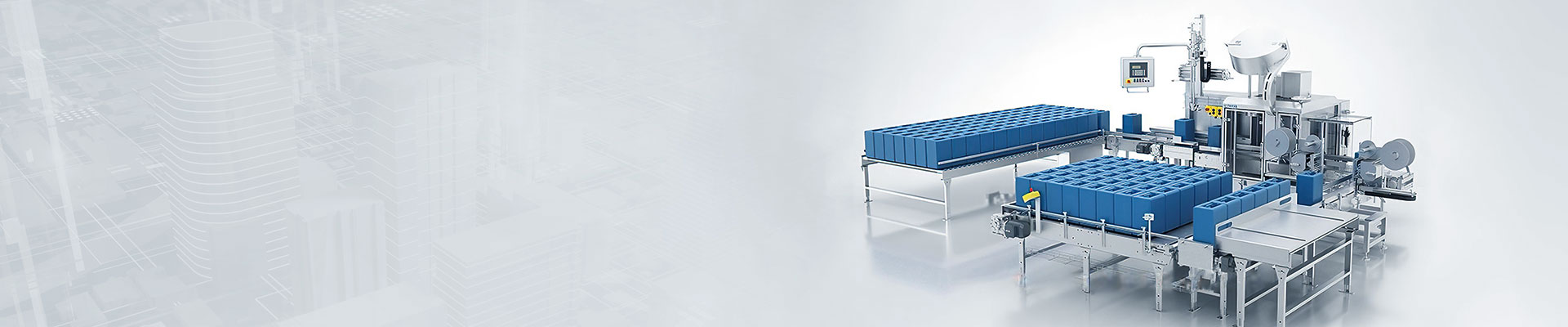
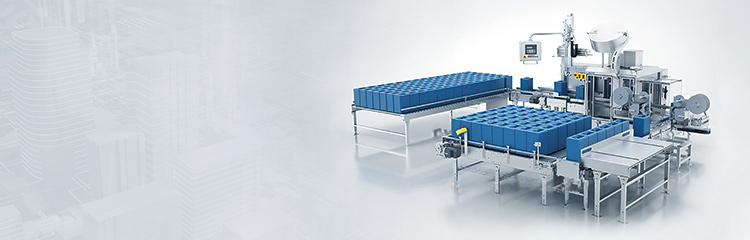


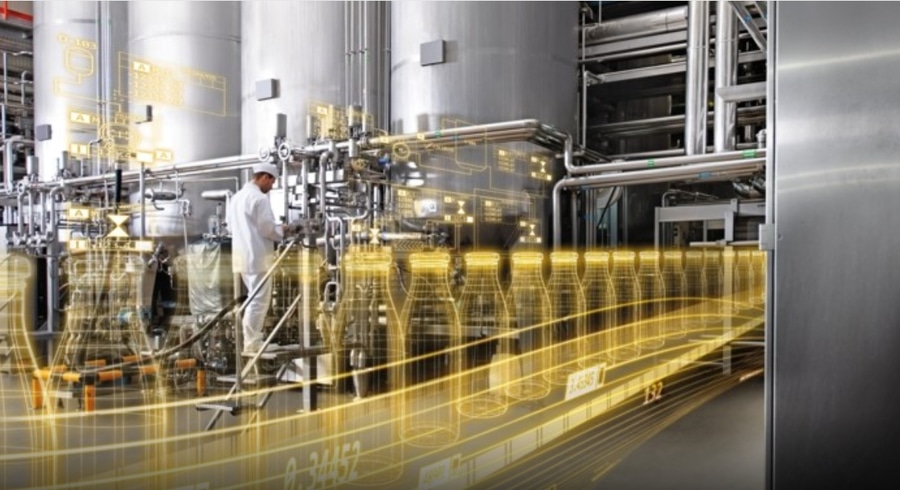
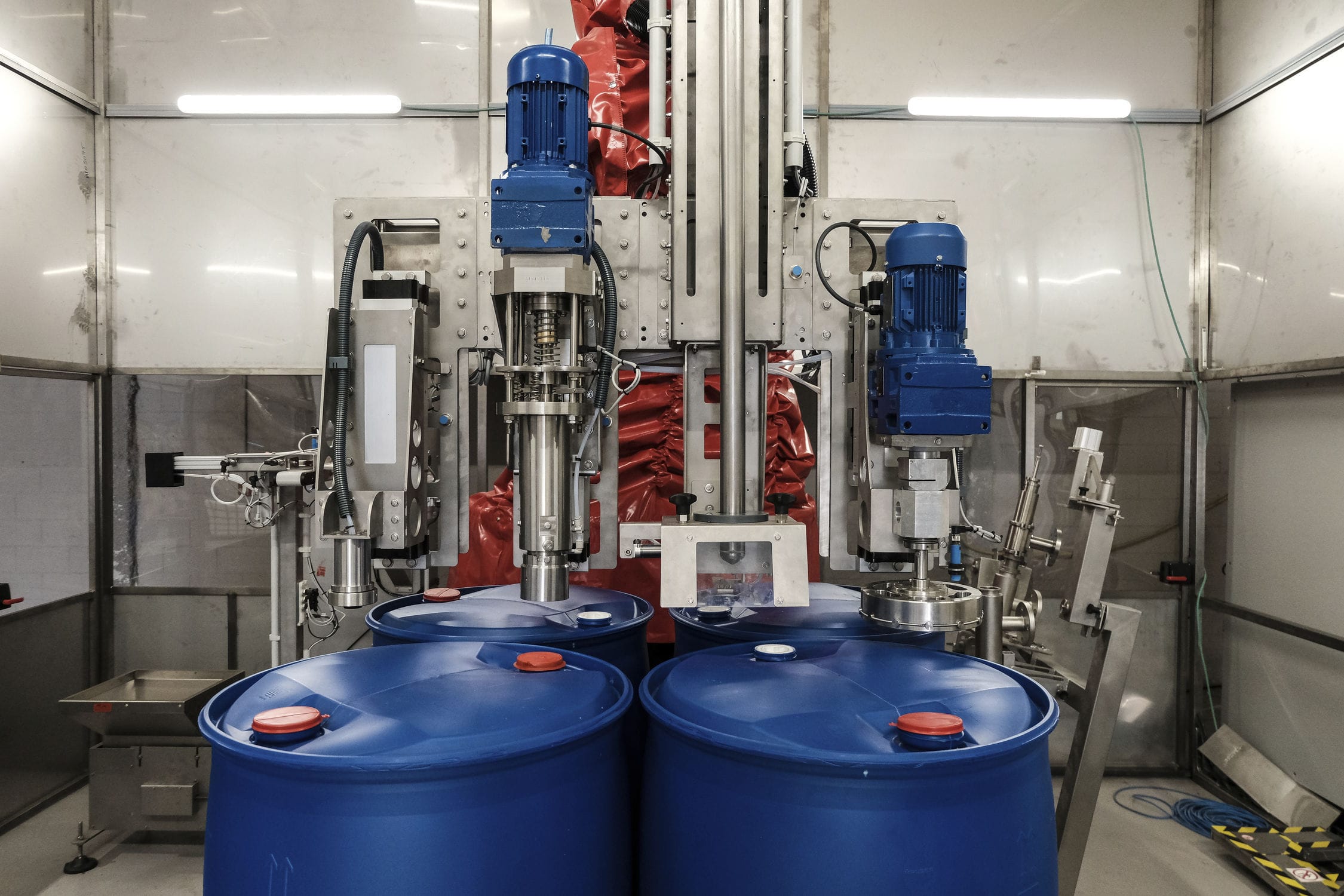
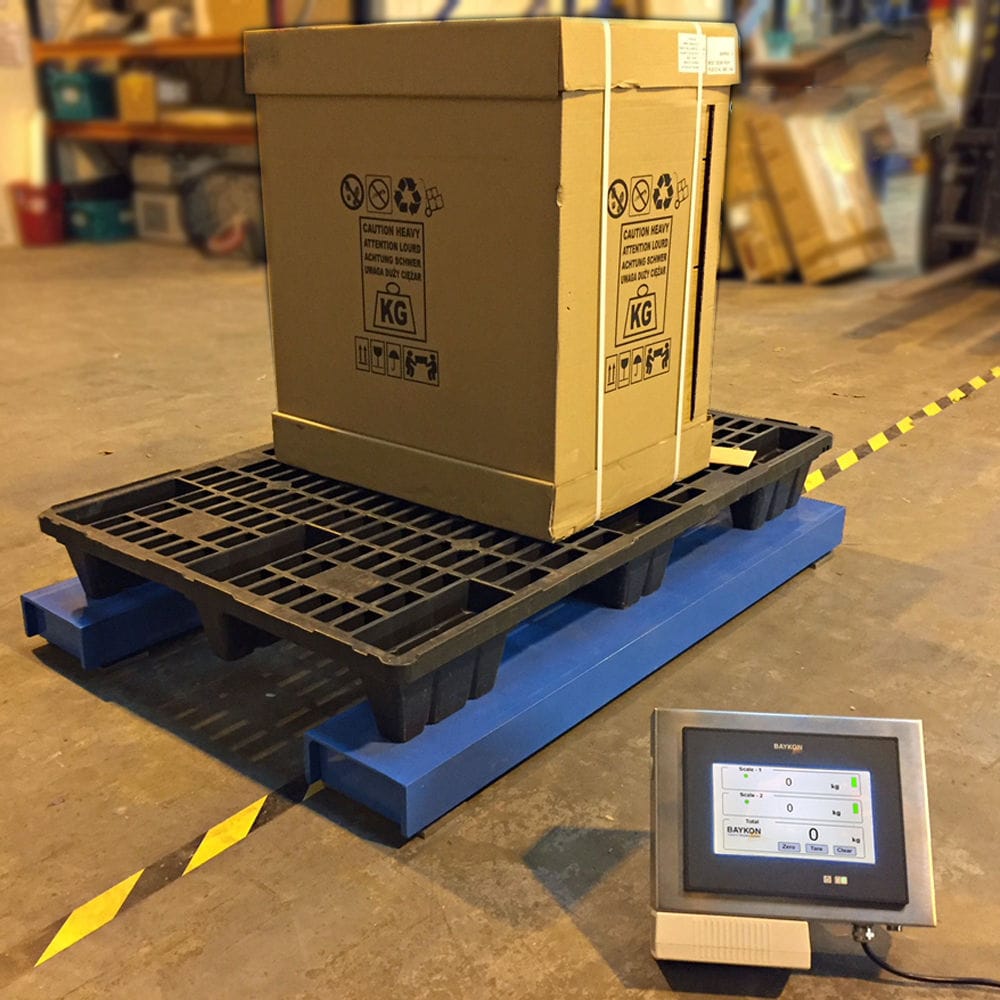


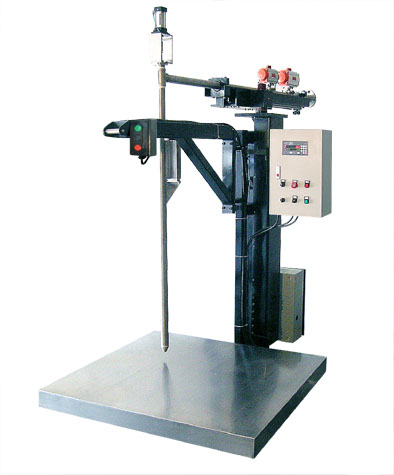
The ton barrel filling machine adopts manual and automatic control scheme, PLC is responsible for collecting the target value input signals and sending control commands to the actuator after program processing. The material filling display window is established, database variables are created and attribute definitions are completed. Through the means of attribute definition, space, strategy, etc., complete the design of dynamic screen, set up the storage attributes of data variables, establish data query and curve browsing. Establish communication connection and parameter setting of external equipment to realize remote monitoring and data management function.

 020-34563445
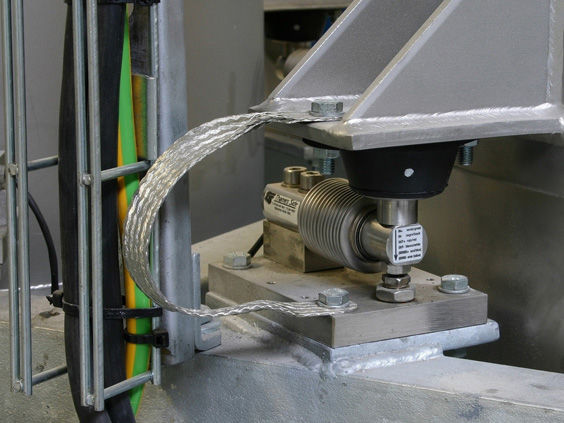
The weighing and Filling machine adopts a weighbridge metering method, which can meet the needs of automatic filling for various liquids. It utilizes an SMC rodless cylinder, and the spray gun device can rise with the increase of the liquid level, ensuring that the spray gun fills at a certain position below the liquid level, which can meet both foam-free and foam-containing filling requirements. The Filling system adopts Siemens' MP2778" touch screen to achieve human-machine interaction, and selects WinCCflexible2008 configuration software for interface design. It allows users to process or monitor real-time changing data through provided information such as text, button graphics, and numerical information. WinCCflexible2008 configuration software and PLC programming software STEP7V5.4 can use a unified communication protocol, database, and programming configuration tool. The touch screen makes the control system of the filling production line more reliable and convenient. According to the functional requirements of the control system, the touch screen program design includes real-time parallel processing of multiple tasks such as data acquisition, graphic display, human-machine dialogue, real-time communication, and real-time data analysis.
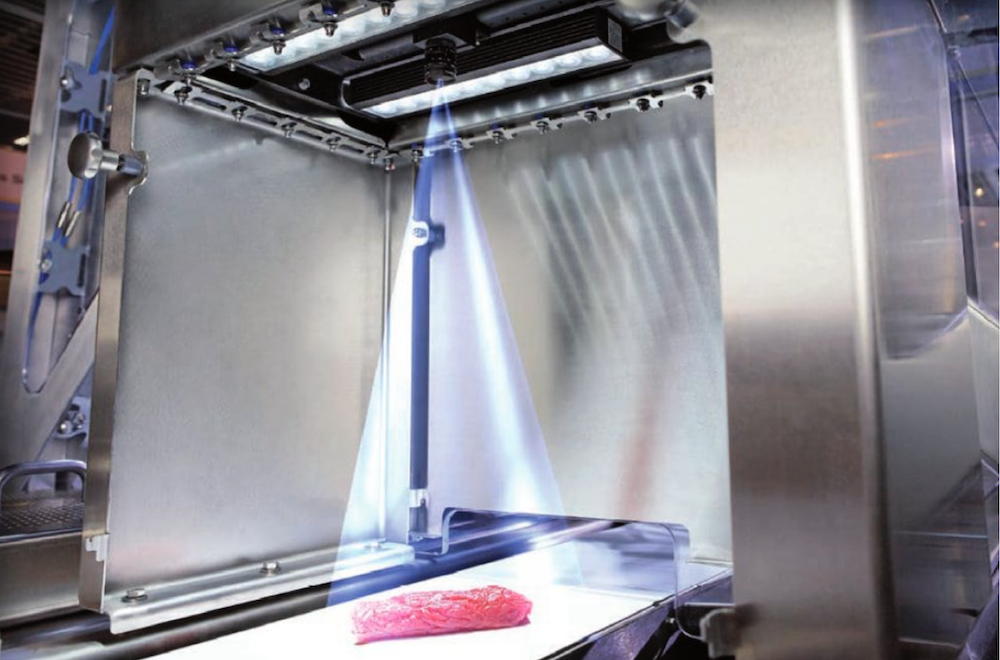
The quantitative filling machine adopts a sequentially arranged transfer station, filling station, conveyor belt, capping station, and sensing station. The sensing station includes a hopper for containing liquid, a weighbridge assembly located below the hopper, and a discharge port with a discharge valve corresponding to the position of the Electronic scale assembly. The transfer station 1 includes a pushing head for pushing the liquid bottles to the entrance of the conveyor belt, a first driving device for driving the pushing head, and a control unit for controlling the first driving device. The capping station is equipped with a first photoelectric sensor corresponding to the exit of the conveyor belt, and includes a capping head and a second driving device for driving the capping head to perform capping. The control unit is connected to the conveyor belt, stainless steel weighbridge assembly, discharge valve, first photoelectric sensor, and second driving device. The pushing head includes a first pushing plate and a second pushing plate that are connected and form an angle with each other. The second pushing plate and the first pushing plate are connected and form an angle with each other, which allows the liquid bottles or liquid barrels to be fixed during transportation, preventing deviation and ensuring accurate transportation onto the conveyor belt. The weighing filling machine uses both the first driving device and the second driving device as air cylinders. In addition, common means such as screw rod driving devices and hydraulic cylinders can be used as substitutes. The discharge valve is an electromagnetic valve that is electrically controlled.
During operation, the operator places the liquid bottle or barrel for containing liquid on the electronic weighbridge assembly, aligning it directly beneath the discharge port. At this point, the reset of the explosion-proof weighbridge assembly is set to zero. Then, after setting the weight of the liquid to be added into the box, the control unit controls the discharge valve to open, allowing the liquid in the hopper to come out from the discharge port and refill the liquid bottle or barrel. When the weighbridge assembly of the material bucket senses that the weight of the liquid bottle or barrel reaches the set value, the control unit controls the discharge valve to close, stopping the addition of material. Subsequently, the control unit controls the transfer station action, that is, controls the first driving device to push the pushing head, allowing the first and second pushing plates to clamp the liquid bottle or barrel and push it towards the entrance of the conveyor belt. When the liquid bottle or barrel reaches the conveyor belt, the control unit controls the conveyor belt to stop, allowing the operator to affix a lid to the liquid bottle or barrel. Then, the conveyor belt continues to rotate, transporting the liquid bottle or barrel to the position beneath the lid pressing head, where the size of the lid pressing head is larger than the lid of the liquid bottle or barrel. When the liquid bottle or barrel is transported to the position beneath the lid pressing head, that is, to the exit of the conveyor belt, it triggers the first photoelectric sensor, which feeds back to the control unit, and then stops the conveyor belt. Subsequently, the second driving device drives the lid pressing head to press the lid onto the liquid bottle or barrel, sealing it with the lid, completing the filling process.
The automatic filling machine is designed specifically for specific liquid bottles or liquid barrels, with each box having the same or nearly the same height and weight. The set liquid weight value in the control unit can remain fixed. After the initial setting to zero and loading weight, subsequent operations can be directly carried out without resetting, further improving processing efficiency. To further ensure accurate stopping time of the conveyor belt, a second photoelectric sensor electrically connected to the control unit is installed above the entrance of the conveyor belt. The second photoelectric sensor detects the state of the liquid bottle or liquid barrel when it first enters the conveyor belt. When the liquid bottle or liquid barrel enters the conveyor belt entrance, the second photoelectric sensor senses it and can immediately stop the conveyor belt, allowing the operator to add a cap to the liquid bottle or liquid barrel in preparation for capping and packaging. To facilitate the unloading, transportation, and collection of filled liquid bottles or liquid barrels, the outlet of the conveyor belt is connected to a downward-sloping unloading chute. The end of the unloading chute is equipped with a collection platform. Additionally, the quantitative filling machine also ensures that the liquid bottle or liquid barrel is aligned with the center of the conveyor belt, with the bisector of the angle between the first pushing plate and the second pushing plate corresponding to the center of the electronic weighbridge assembly, and the center of the loading weighbridge assembly corresponding to the center of the conveyor belt. The angle between the first pushing plate and the second pushing plate is 90 degrees. Compared to existing technology, the Liquid filling machine, through the cooperation of the transfer station, the filling station, the conveyor belt, and the capping station, allows the operator to simply place the liquid bottle or liquid barrel to be filled above the electronic weighbridge assembly, and can complete the automatic loading, weighing, and capping processes of the liquid. This not only greatly improves production efficiency but also reduces the labor intensity of the operator and labor costs.
Technical Specifications
Weight range: 150-500kg
Material interface: DN40 material inlet pressure < 0.5 MPa
Filling speed: 1 to 2 barrels (200L) per minute (diameter 1.5", material flow rate guaranteed at 280L/min)
Filling accuracy: Level 0.2
Spray gun structure: The material of the part in contact with the material is 316 and 316L stainless steel, while the material of the remaining parts is 304 stainless steel, carbon steel, etc
Air source: pressure 0.5±0.1Mpa, consumption 10m3/h, quick connector 8mm air hose
Power supply: 220VAC (-15% to +10%), 50Hz