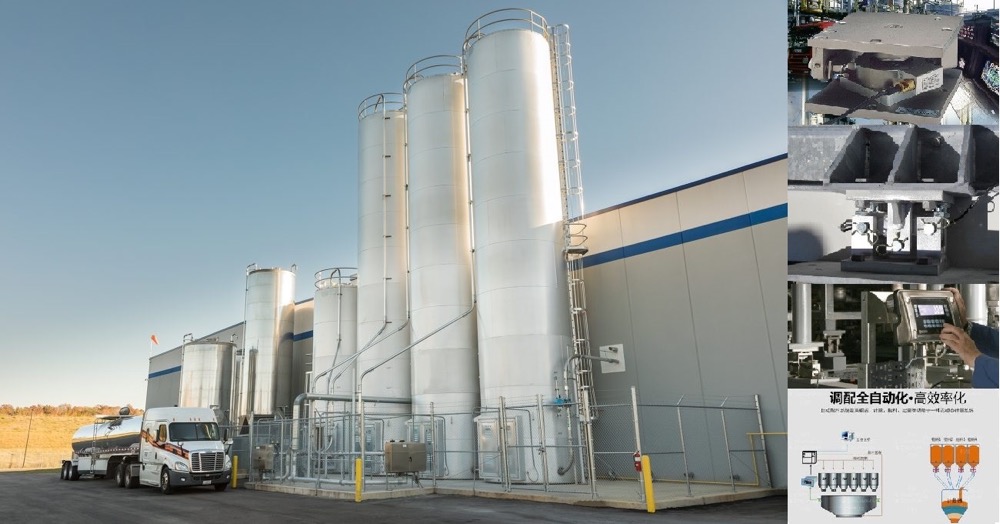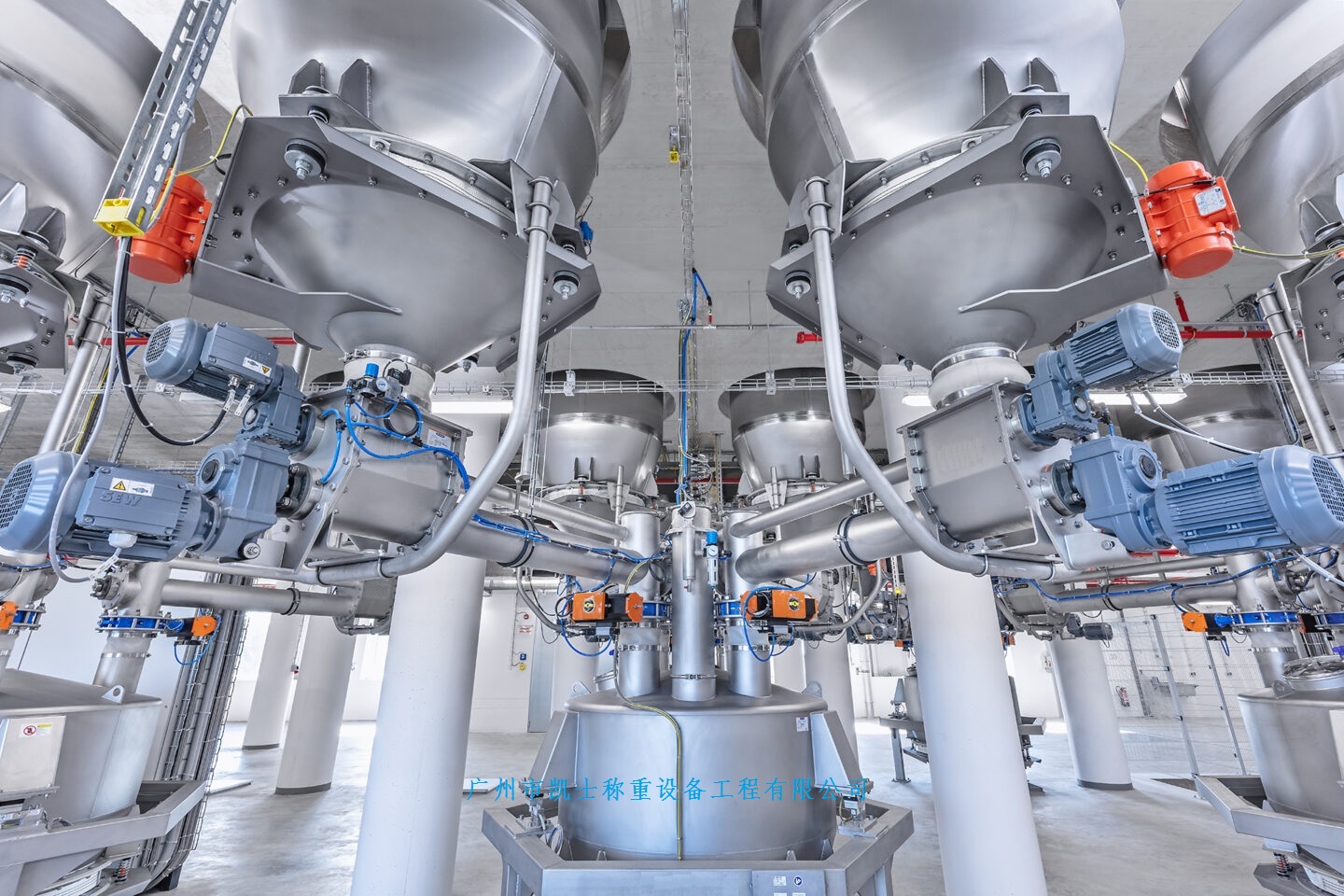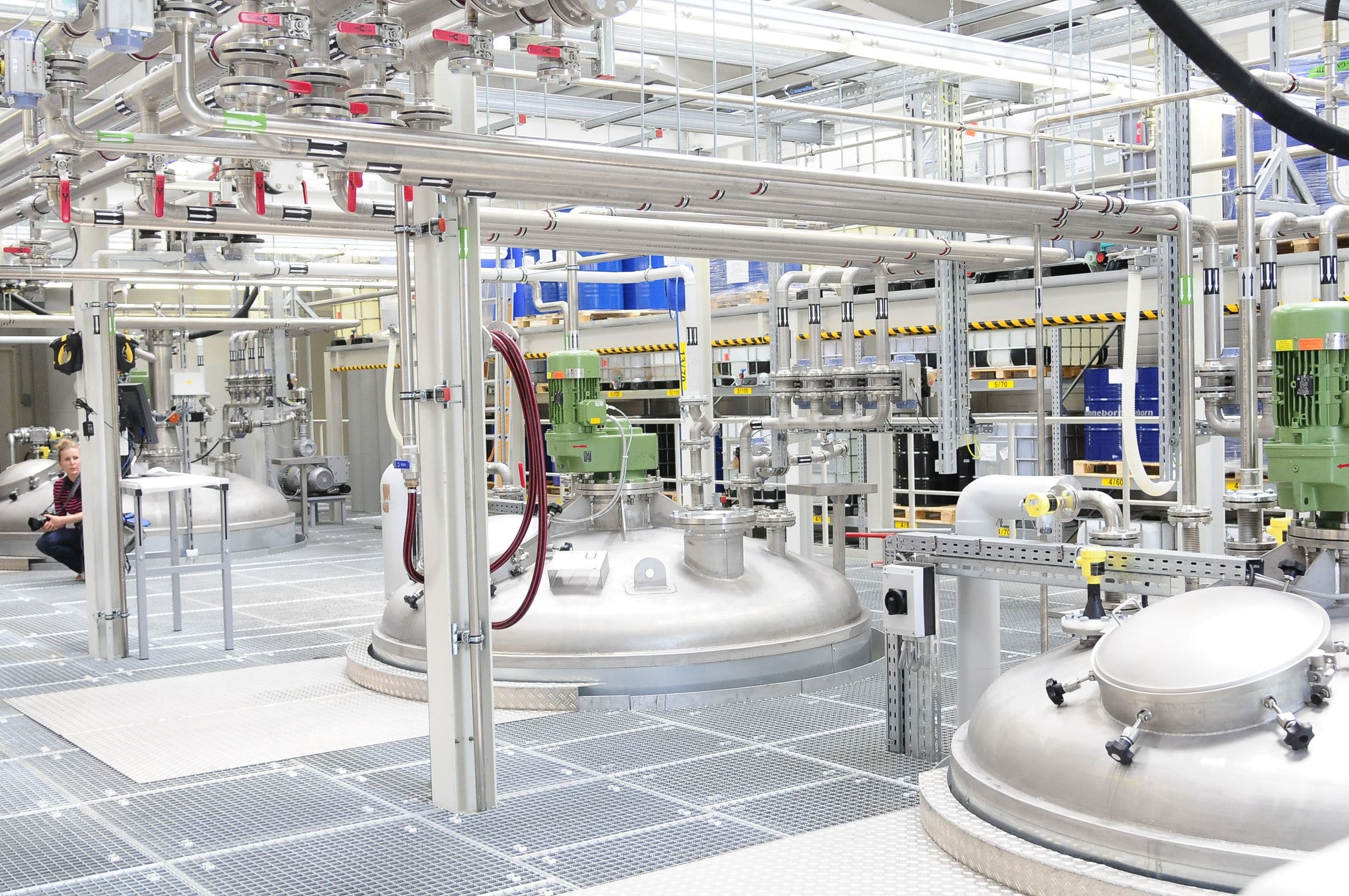






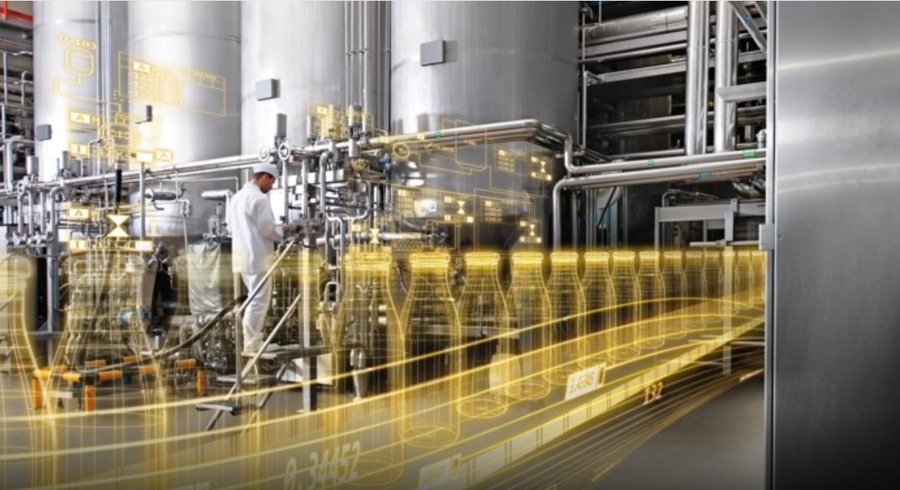
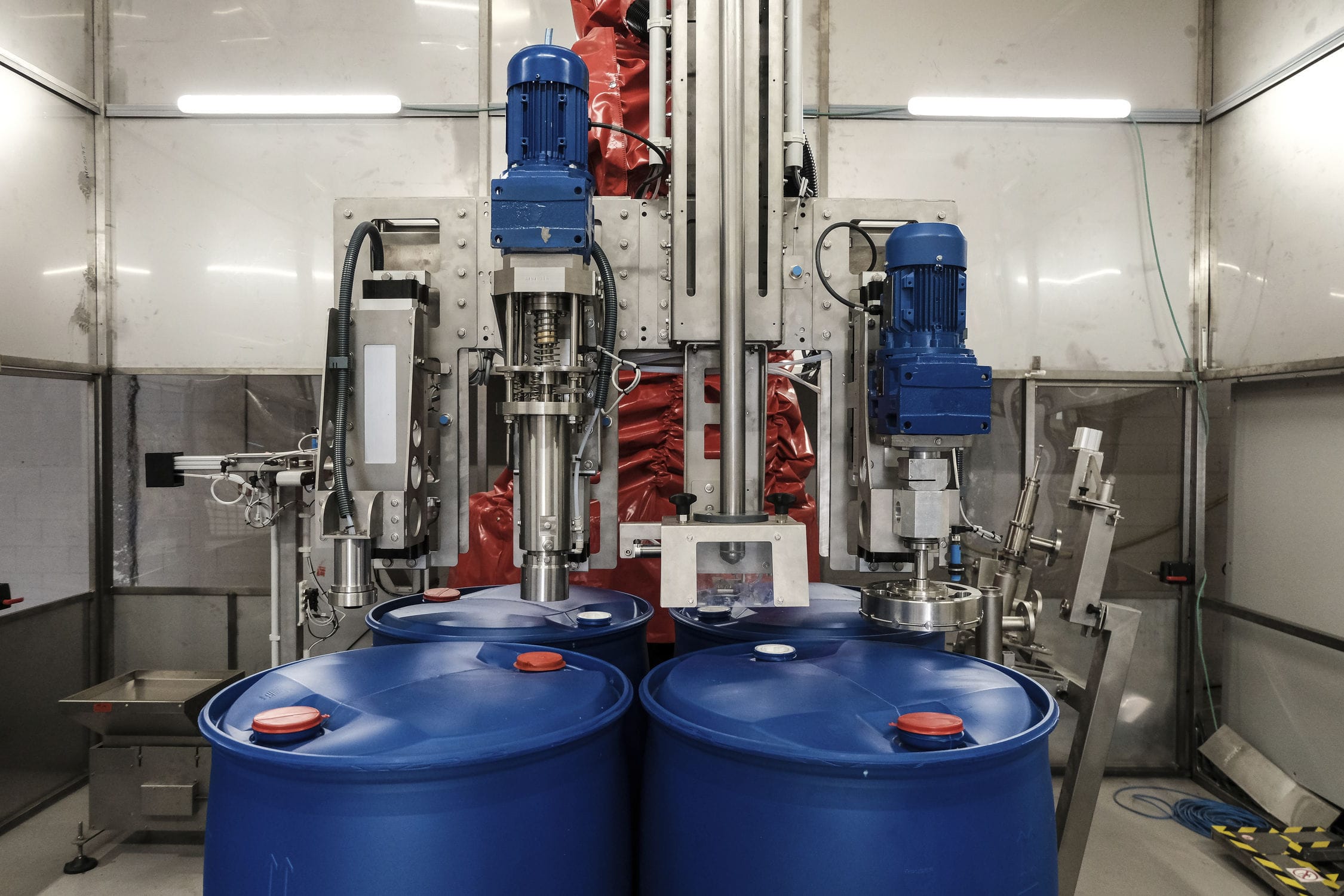
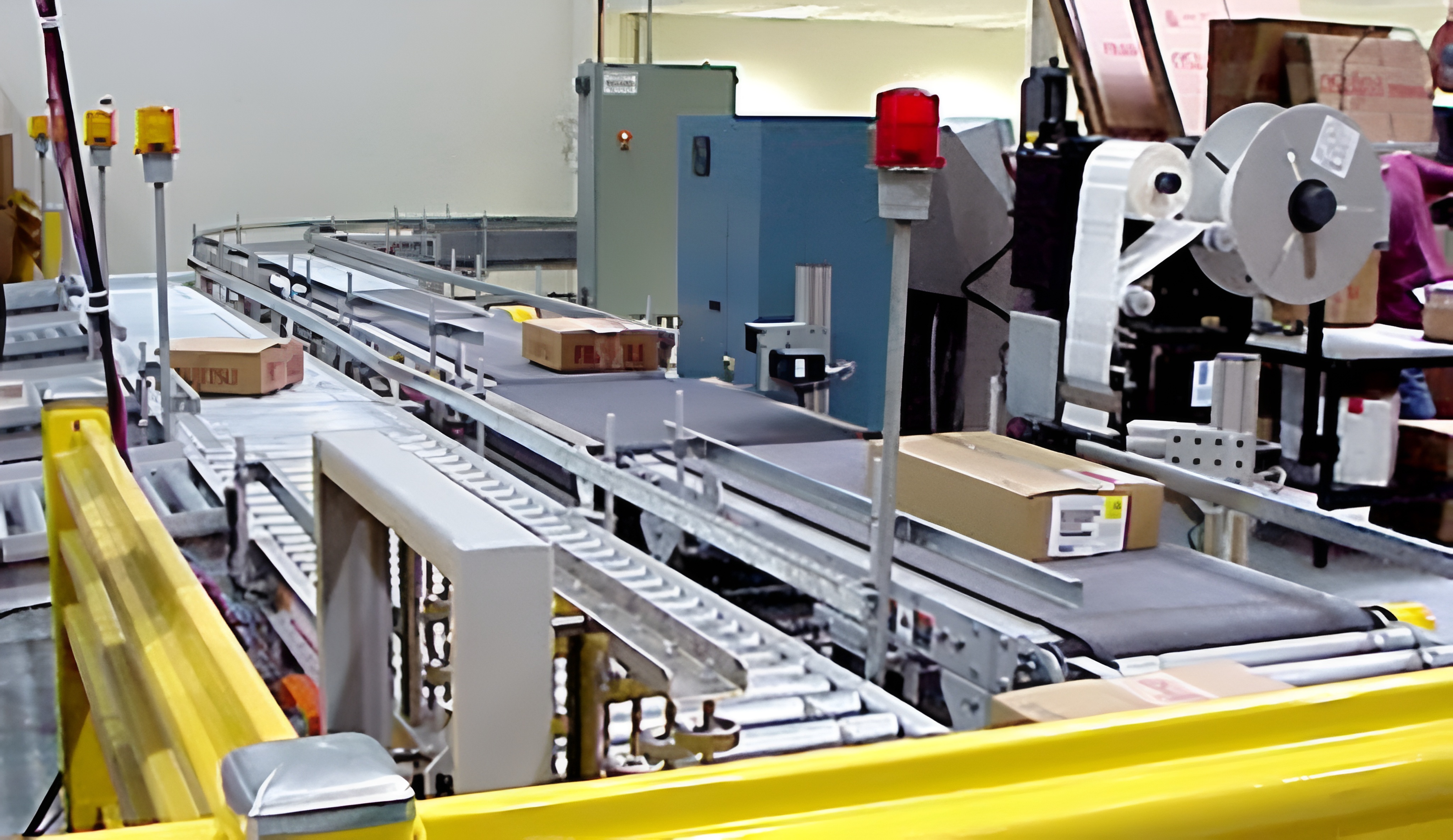
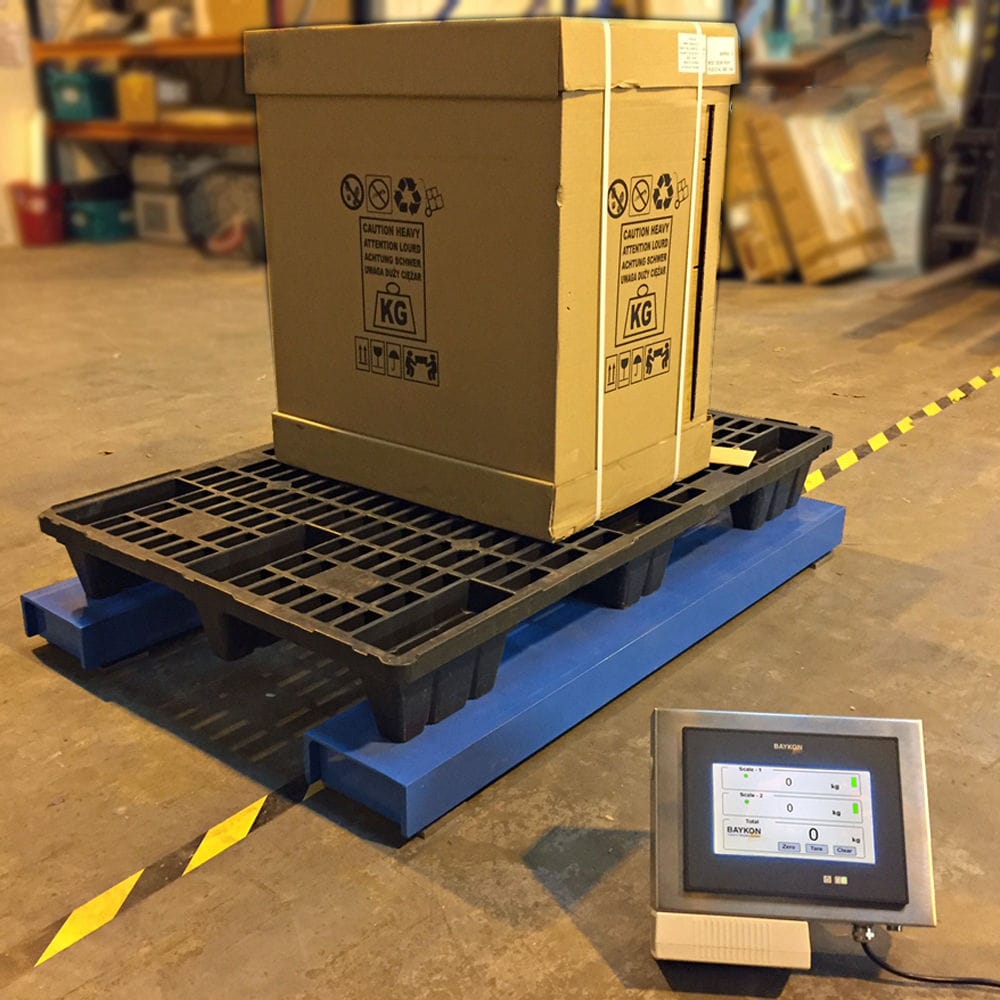


According to its specific production process and process equipment, the Stir reactor weighing can achieve stable product quality through automatic monitoring and control of production parameters such as temperature, pressure, flow rate and batching accuracy. After particle size, moisture, viscosity and other quality testing, in a specific temperature, sealed and other environment storage and transportation. The use of computer for online monitoring and management has higher requirements for weighing speed, weighing accuracy, system compatibility and scalability.


 020-34563445
The weighing and stirring reaction kettle system achieves stable product quality through automatic monitoring and control of production parameters such as temperature, pressure, flow rate, and batching accuracy according to its specific production process and process equipment. After quality testing such as particle size, moisture content, viscosity, etc., it is stored and transported in a specific temperature, sealed environment, etc. The use of computers for online monitoring and management has high requirements for measuring speed, weighing accuracy, system compatibility, and scalability. The upper computer of the Weighing system is designed in conjunction with the PLC program, and based on the upper computer, it has real-time process monitoring, overweight/timeout alarms, alarm processing, automatic data saving, querying historical data, printing formulas and historical data. The control channel using PID regulation method also allows it to be set to calculate the conveyor load using the "absorption value method". This channel can be equipped with weighing and metering, and its multifunctional characteristics are fully reflected here to meet the special needs of users.
The weighing and Batching system has been designed with the main structure and accessory configuration according to actual usage needs, strictly controlling important parameters such as temperature, pressure, stirring, and material concentration during the reaction, making the entire reaction process more reasonable and sufficient. It can be used to meet the requirements of weighing ingredients, heating and evaporation, cooling, and low-speed mixing weighing equipment in reaction processes. A reaction equipment used to complete processes such as sulfonation, nitration, hydrogenation, alkylation, polymerization, condensation, as well as many other processes involving organic dyes and intermediates. The ingredient control system has complete data recording and statistical reporting functions, meeting the needs of enterprise production management. Various reports include: shift operation report: including the start and end time of each shift, control target values set according to the formula, operation data of each scale, ingredient production and average hourly production of the reaction kettle, etc. Statistics can also be conducted by shift. Accumulated statistical report, specifying the start and end dates, single scales and cumulative production within a certain time period, and calculating and proportioning according to the classification of materials. Alarm record report, including alarm classification statistics, alarm frequency, and alarm waiting time, which is the cumulative time from the microcomputer issuing an alarm to the operator making a keyboard response.
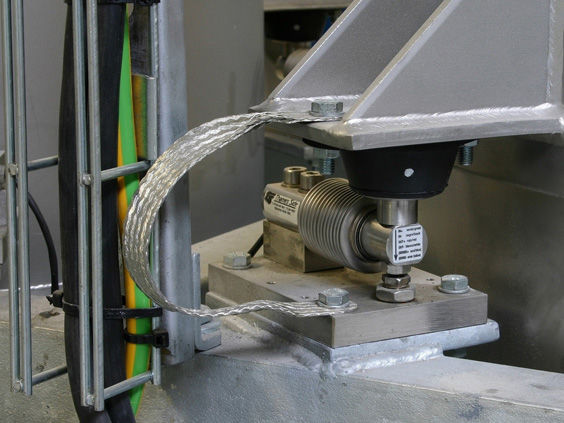
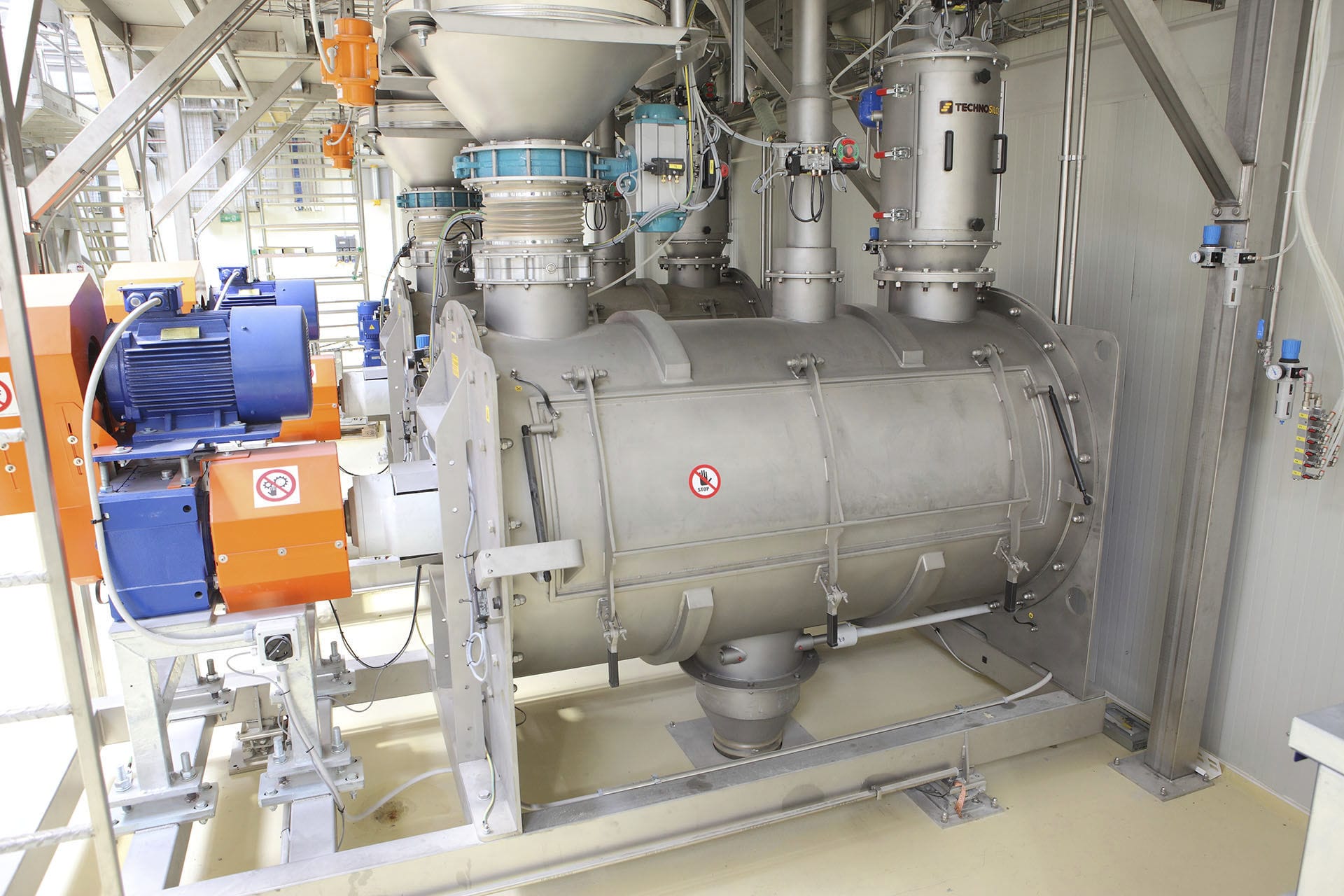
The weighing system of the reaction kettle includes a reaction kettle. The outer wall of the reaction kettle is welded with three support ears, and the lower part of the three support ears is placed on the storage platform through three Weighing modules. One end of the three weighing modules is connected to the weighing display through a wire. A feeding tube is set above the feeding port of the reaction kettle, and the surface of the feeding tube can be disassembled and installed with a feeding box. There are three feeding boxes inside the feeding box. The bottom surfaces of the three feeding boxes are fixedly installed with feeding tubes, and the surface of the feeding tubes is fixedly installed with proportional pneumatic ball valves. The top surface of the reaction kettle is fixedly installed with a driving motor, and the output end of the driving motor extends into the reaction kettle and is vertically fixed with a rotating rod. The outer wall is welded with a chain, and the other end of the chain is fixedly installed with a mixing block.
The upper end of the outer wall of the weighing reaction vessel is fixedly installed with a cleaning pump through a mounting seat, and an electromagnetic valve is installed on the pipeline fixedly installed at the outlet end of the cleaning pump. A cleaning pipe is suspended from the top surface of the reaction vessel, and a cleaning nozzle is fixedly installed on the bottom surface of the cleaning pipe. The other end of the pipeline extends into the interior of the reaction vessel and is connected to the cleaning pipe. The upper and lower ends of the outer wall of the rotating rod are welded with connecting rod one, and one side of connecting rod one is equipped with connecting rod two. One end of connecting rod two near the inner wall of the reaction vessel is welded with a cleaning plate. The interior of connecting rod two is provided with a cavity, and the inner wall of the cavity is fixed with a spring through an installation plate. One end of connecting rod one extends into the cavity through a sealing element and is fixedly connected to the other end of the spring. The inner wall of the cavity is provided with a limit groove, and the inner sliding connection of the limit groove is connected to a limit block, and one end of the limit block is welded to the outer wall of connecting rod one. The outer wall of the reaction vessel is fixedly installed with a control panel, which is electrically connected to the cleaning pump, proportional pneumatic ball valve, solenoid valve, and drive motor through wires. A discharge pipe is fixedly installed on one side of the reaction vessel, and a pneumatic valve is fixedly installed on the surface of the discharge pipe.