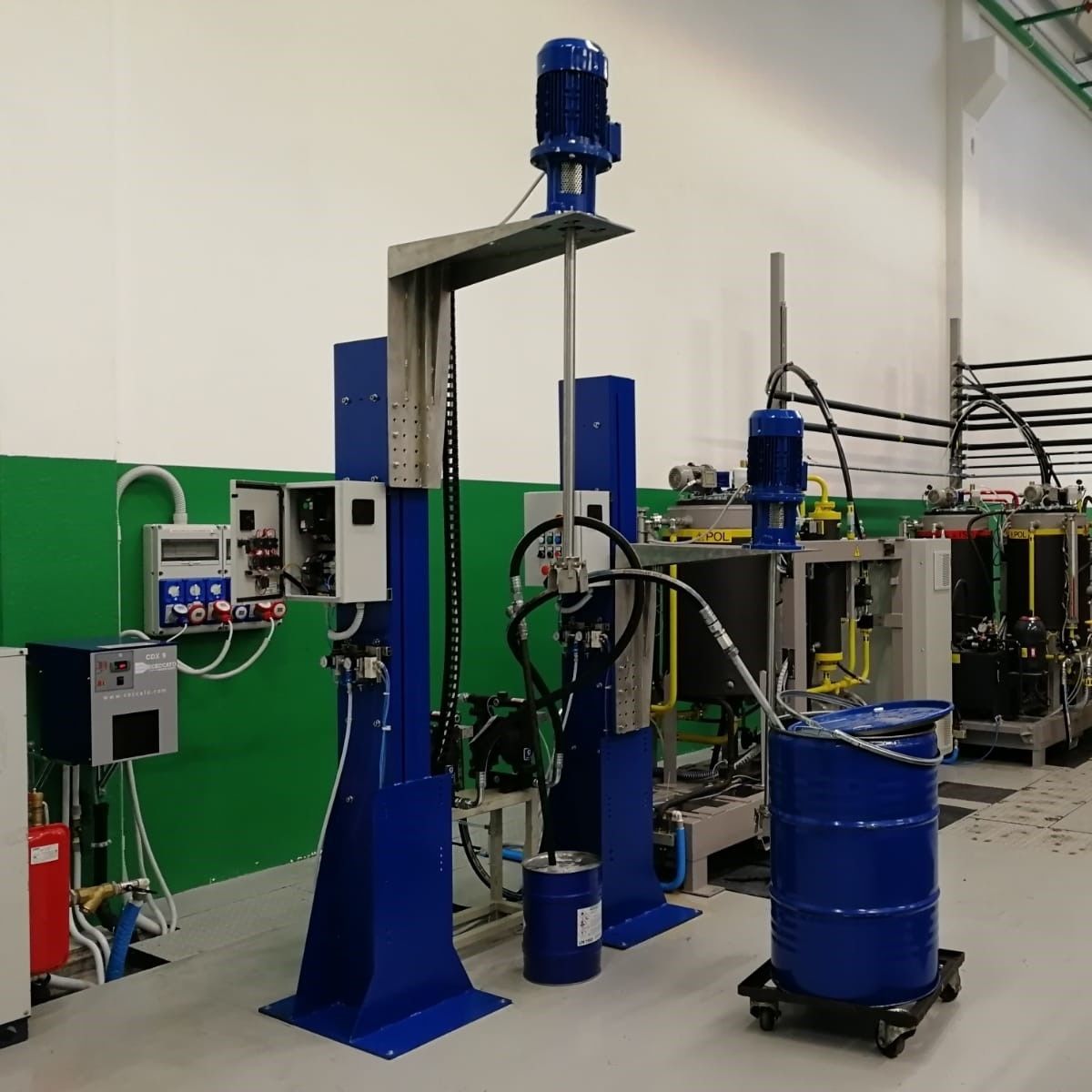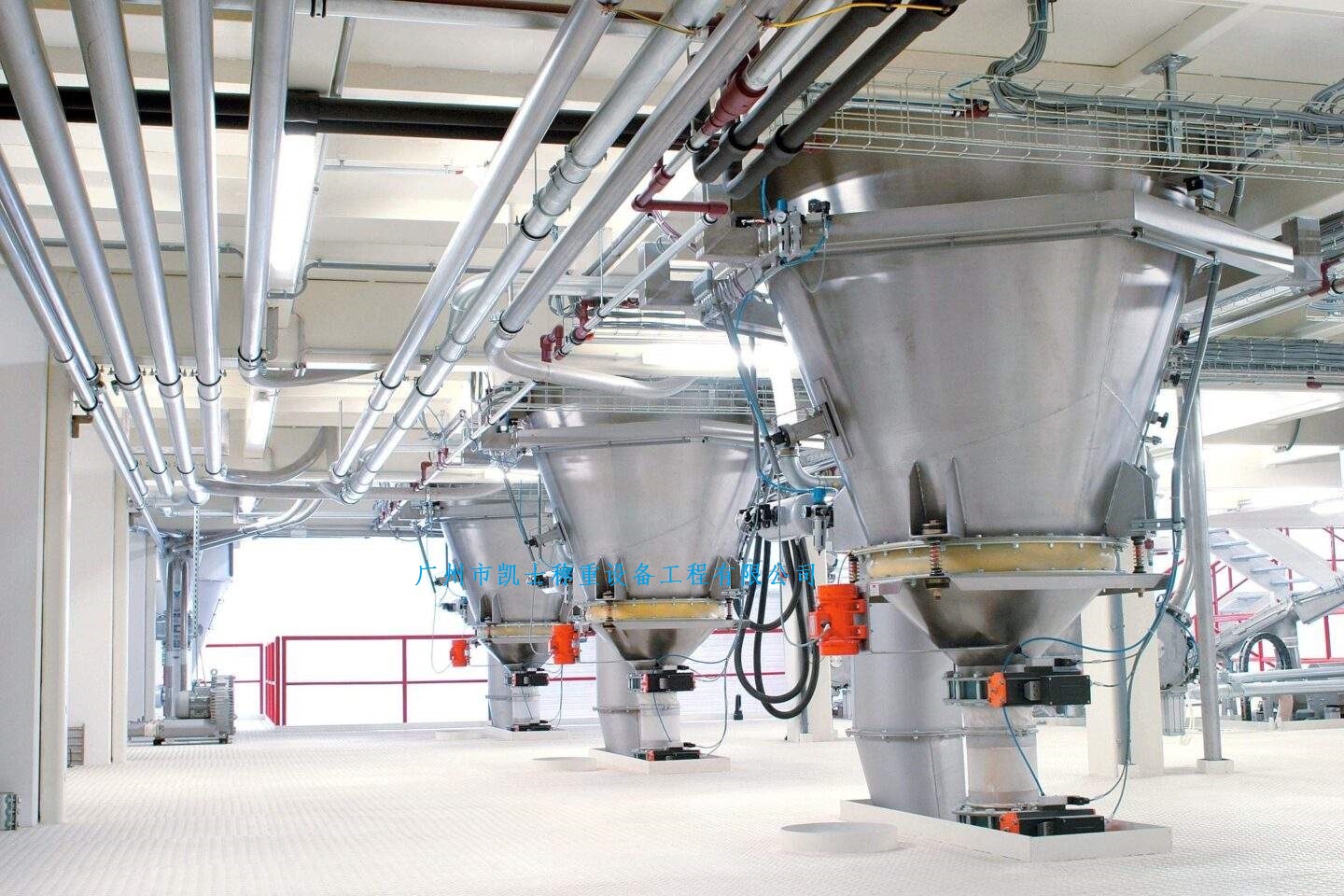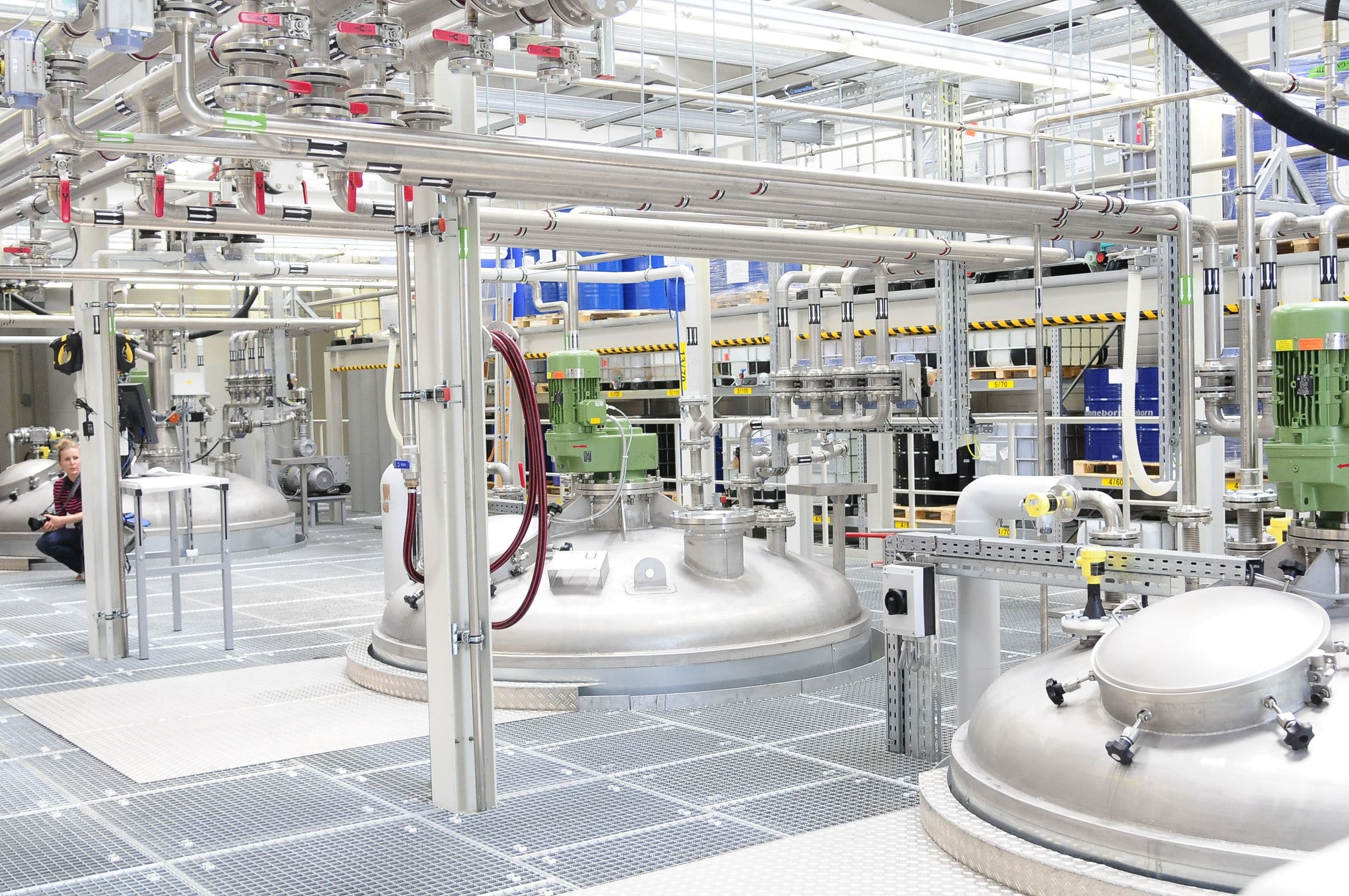


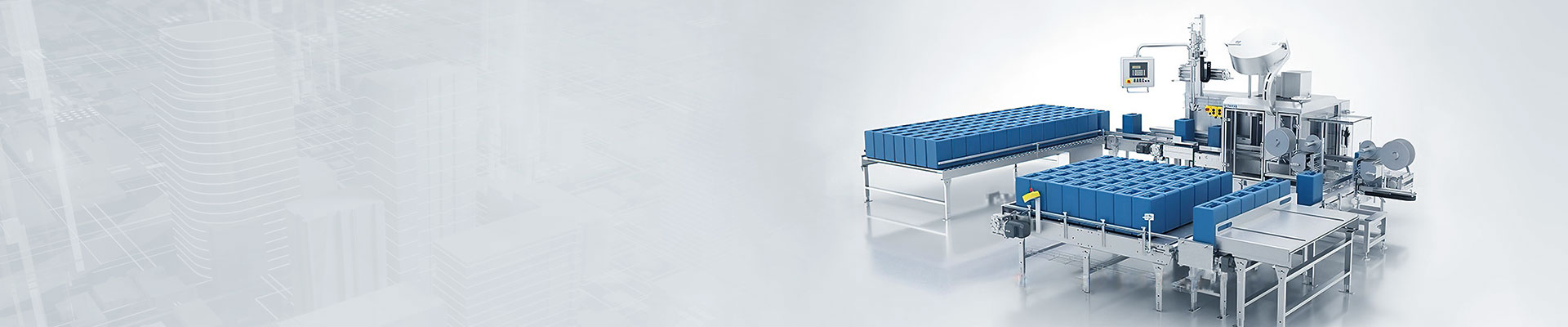



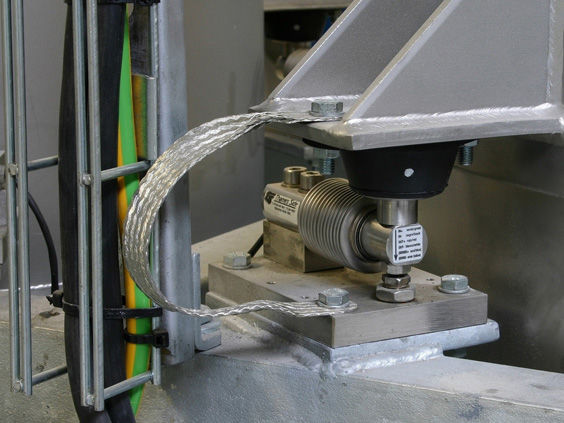
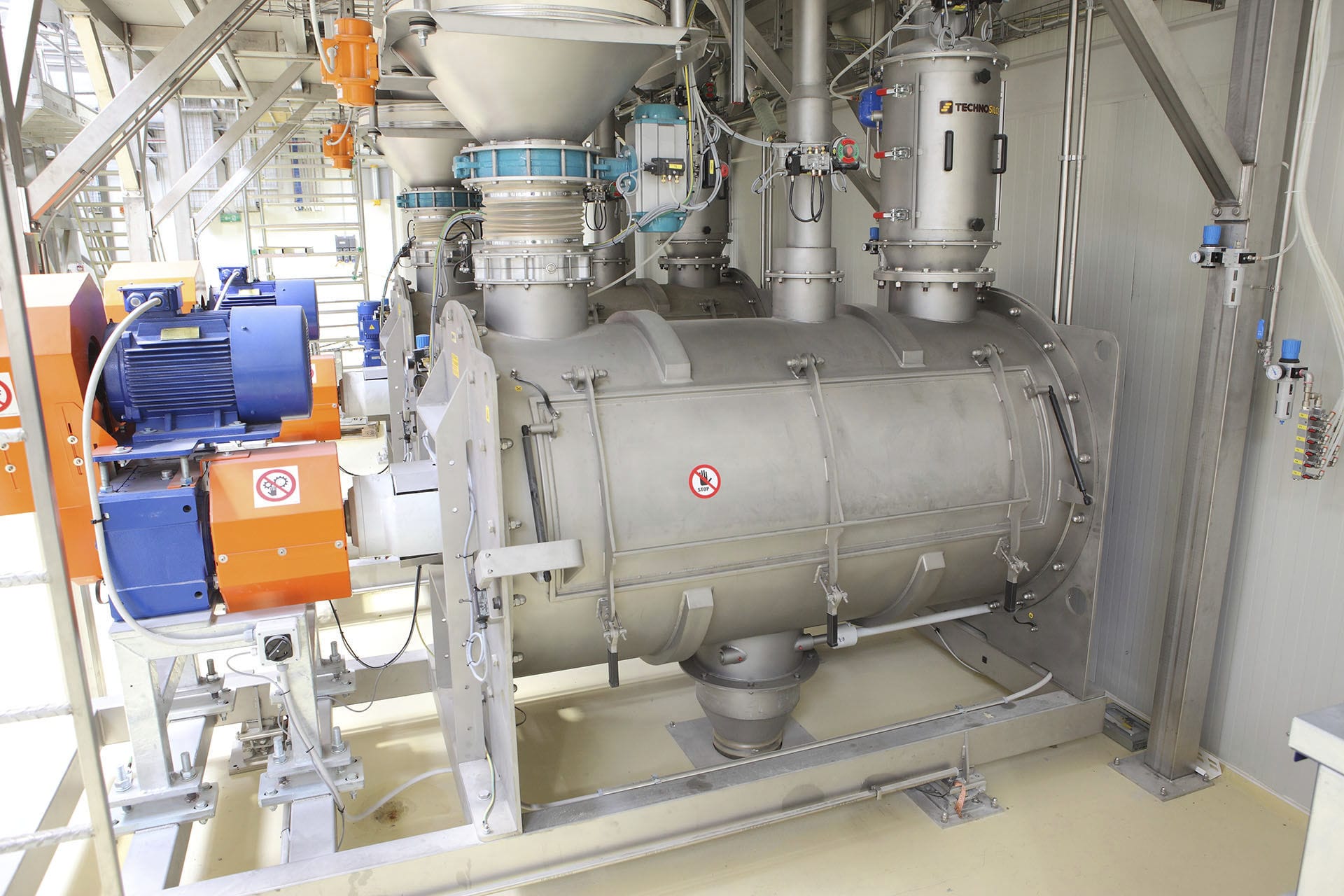
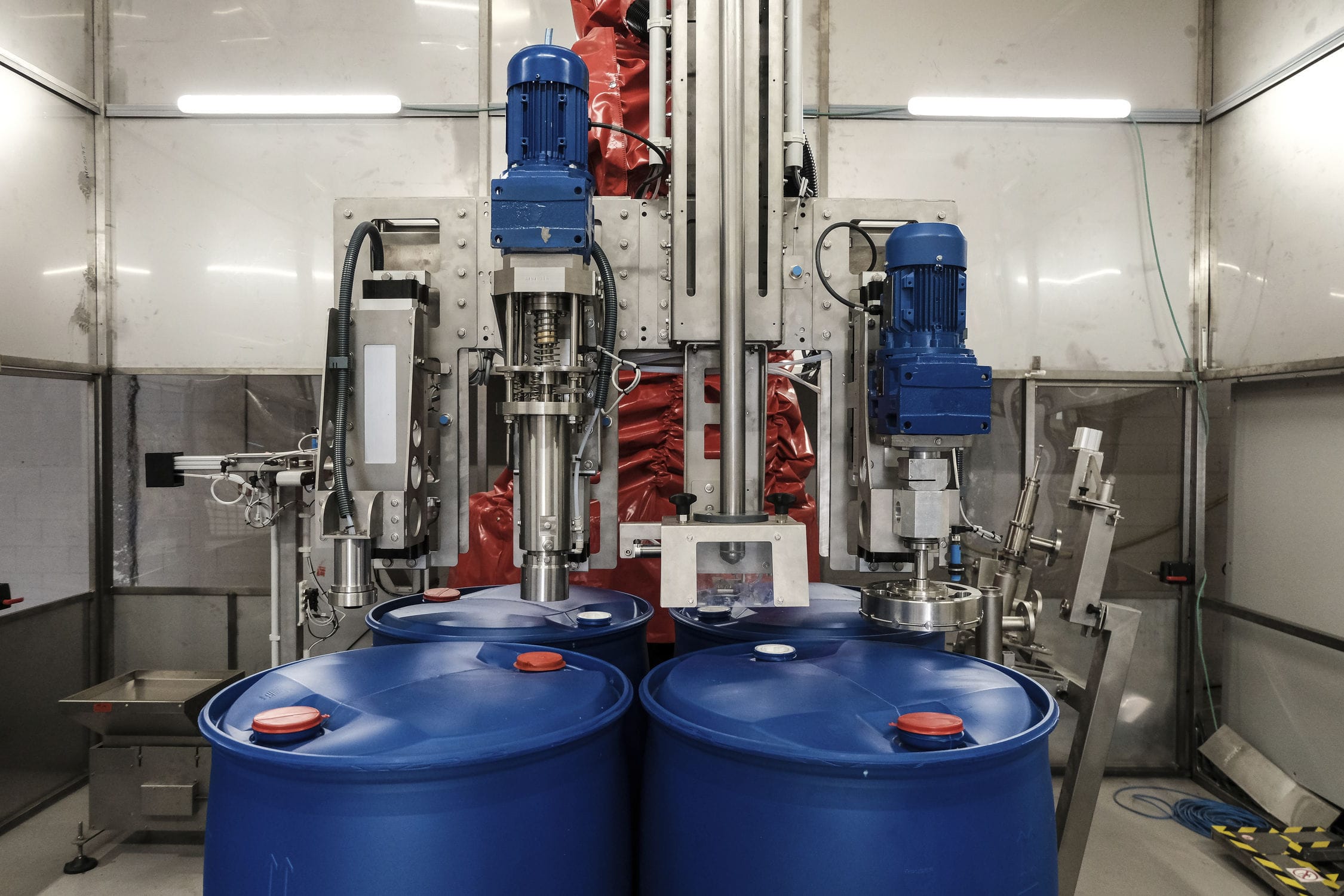
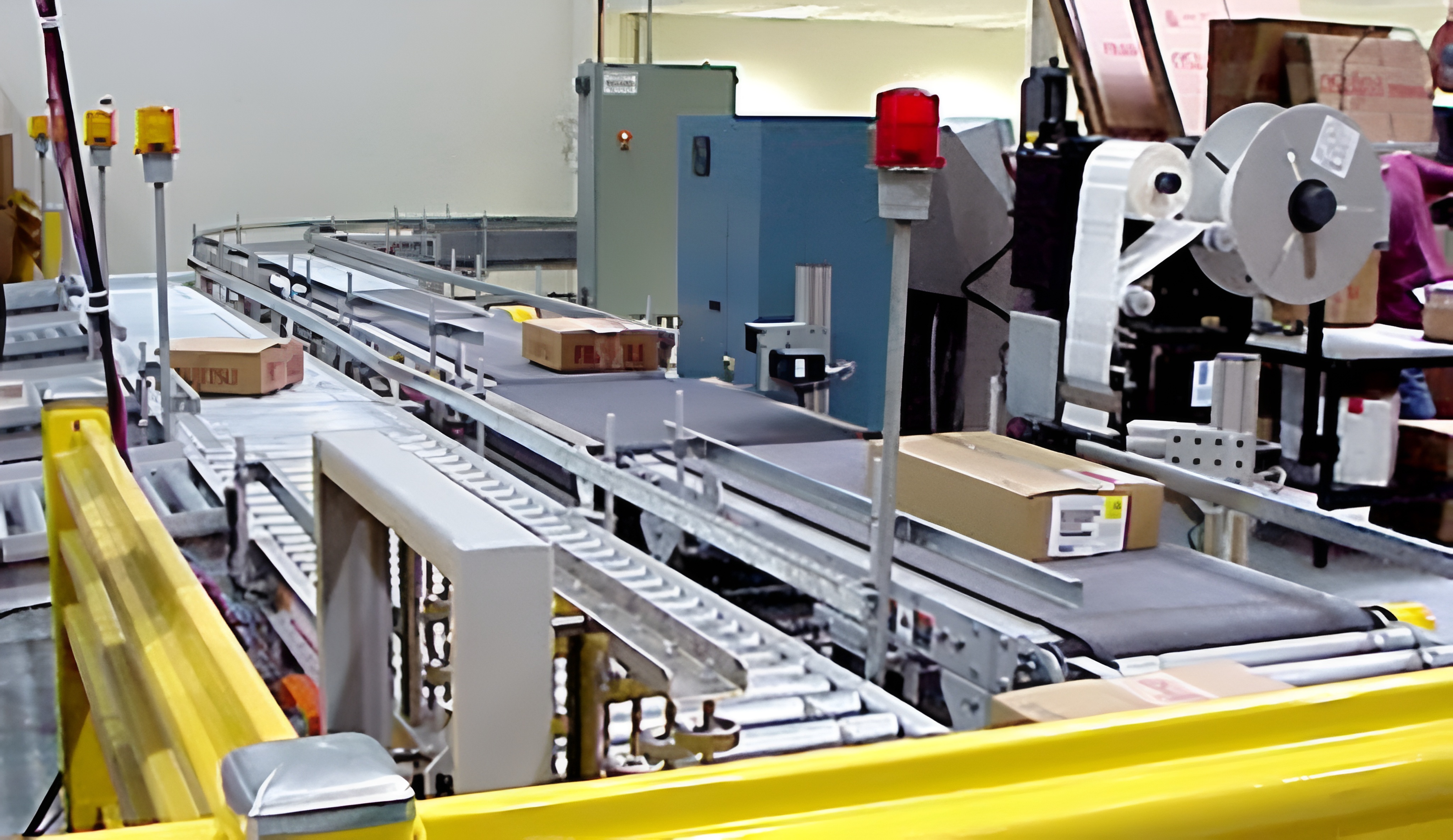
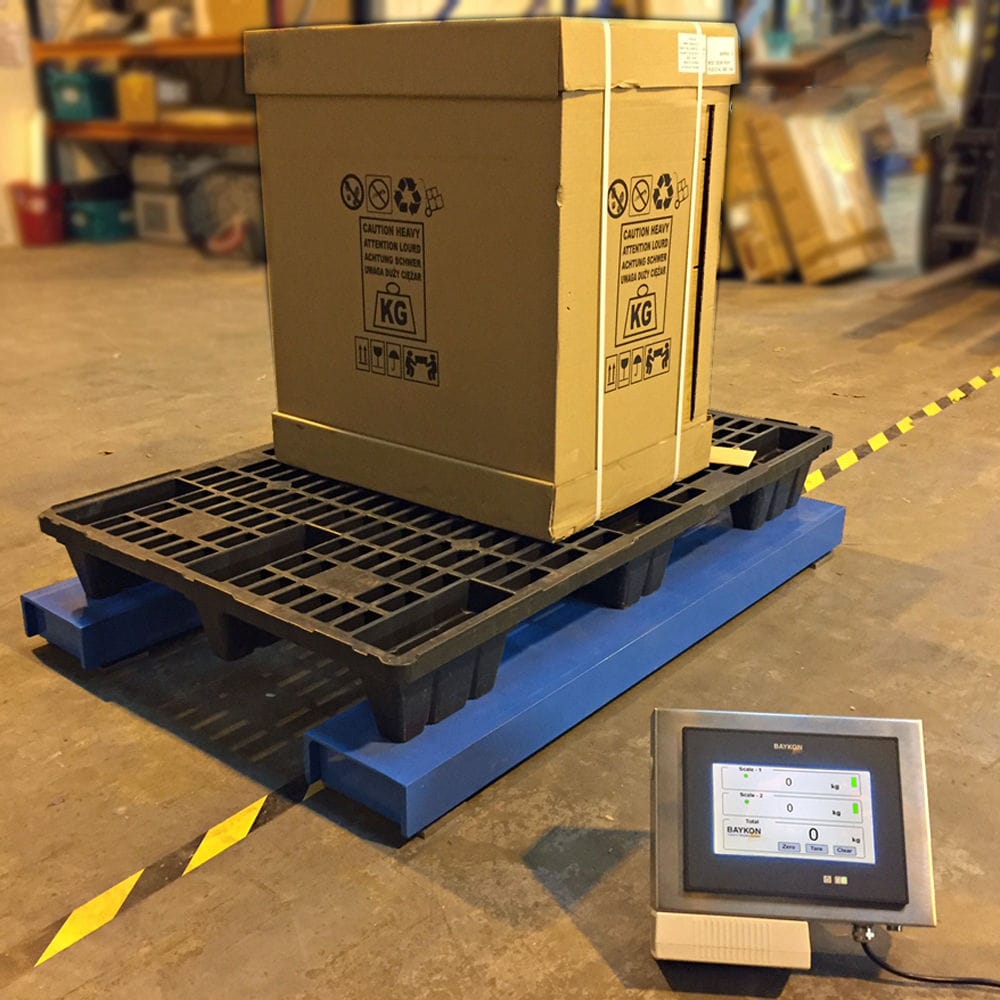


The Blow weighing and feeding system adopts the screw metering method, and adjusts the material flow by controlling the screw speed through frequency conversion. When the system enters into working condition, the material from the spiral is conveyed and passed through the load cell for weight detection, and the speed sensor installed at the end for speed detection, the detected weight signal and speed signal are sent to the weighing instrument together, and the weight of the material in the spiral is detected and inputted into the totalizer with the help of the weighing module, and the frequency converter detects the speed of the motor, and inputs the speed information into the totalizer. The totalizer will process the received spiral speed signal and weight signal to get the cumulative amount of material and the time flow.


 020-34563445
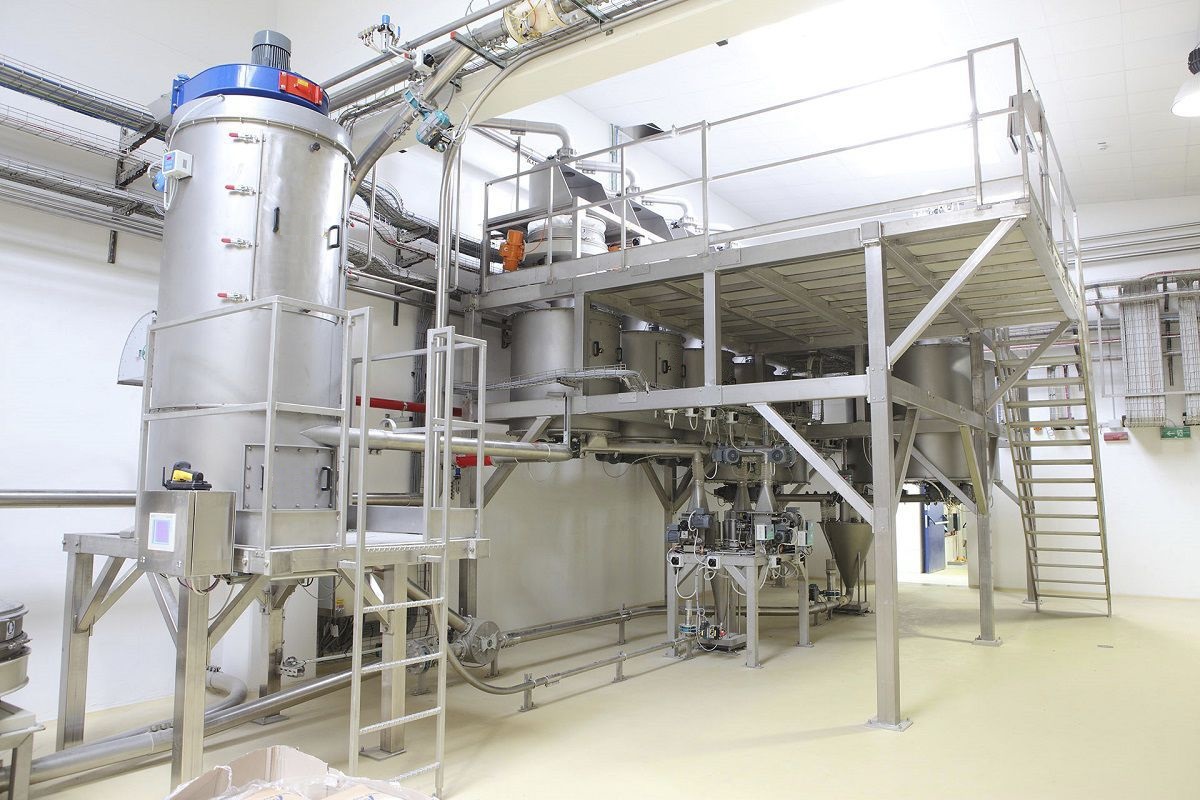
The blowdown weighing and feeding system is an equipment that can automatically complete raw material batching, which has multiple advantages such as improving production efficiency, reducing labor costs, and ensuring product quality. Among them, the Weighing system is an important component of the feeding system and one of the core components of the entire system. Its main function is to achieve accurate weighing of raw materials. It mainly consists of a mixing system, feeding section, discharging section, control cabinet, variable frequency motor, frequency converter, weighing system, and control operation panel. Using Siemens 1516F-2PNDPPLC to control material ratio, using the output of G120 frequency converter to control motor speed, operating the control panel to intuitively display motor speed and process, the entire system can display and control the mixing and blending process of various materials in the production process. During the production process, the materials added according to the formula are measured by the weighing control system, and the generated signals are input to Siemens 1516F-2PNDPLC. The PLC controls the weight and feeding order of different materials according to the formula. After the feeding is completed, the mixing system is driven by a variable frequency motor for mixing. Using PLC and frequency converter to control the speed of mixing and achieve control over product quality. The frequency converter adopts G120 frequency converter with PROFINET industrial Ethernet port.
The weighing and Feeding machine has a rotary valve with a blowing air path structure, which includes a rotary valve chamber and a rotary valve plate installed at the lower outlet of the rotary valve chamber; It also includes a rotary valve inflation pipeline, a rotary valve inflation pipeline (set in the rotary valve chamber and located above the rotary valve plate; the inflation port of the rotary valve inflation pipeline is connected to the external inert gas delivery pipeline, and there are multiple exhaust ports distributed on the rotary valve inflation pipeline, which are used to blow up the silicon powder and impurities accumulated in the rotary valve chamber into the auxiliary chamber. The main body of the rotary valve inflation pipeline is a circular pipeline, and multiple exhaust ports are evenly distributed on the lower surface and side of the circular pipeline. The planar shape of the circular pipeline is a regular octagon. There is a branch pipe connected to the circular pipeline, and the end of the branch pipe serves as the inflation port of the rotary valve inflation pipeline, passing through the side wall of the rotary valve chamber, and External inert gas delivery pipeline connection. The inert gas delivery pipeline is an argon gas filling pipe, and a first quick release clamp is installed at the connection between the filling port and the inert gas delivery pipeline.
The automatic Batching system adopts a bus type network topology structure. Using PROFINET fieldbus for communication and interconnection. The signals of on-site equipment such as Weighing modules, travel switches, contactors, etc. are connected to the IO module of 1516F-2PNDPLC with PROFINET communication interface using the principle of proximity. The variable frequency motor is connected to the G120 frequency converter, PLC、 The human-machine interface and frequency converter are both connected to the same PROFINET bus network. Adjust the material flow rate by controlling the screw speed through variable frequency speed regulation. When the system enters the working state, the material from the spiral is conveyed and weight is detected by the weighing sensor. At the same time, the speed sensor installed at the end performs speed detection. The detected weight signal and speed signal are sent to the weighing instrument together. The weight of the material inside the spiral is detected by the weighing module and input into the accumulator. The frequency converter detects the motor speed and inputs the speed information into the accumulator. The integrator processes the received spiral speed signal and weight signal to obtain the cumulative amount and flow rate of the material over time.