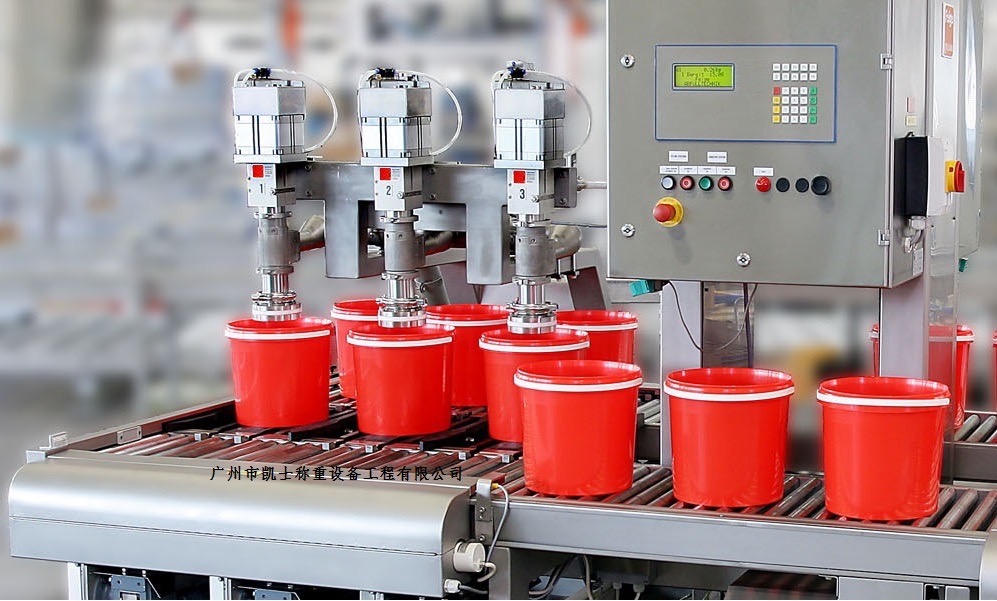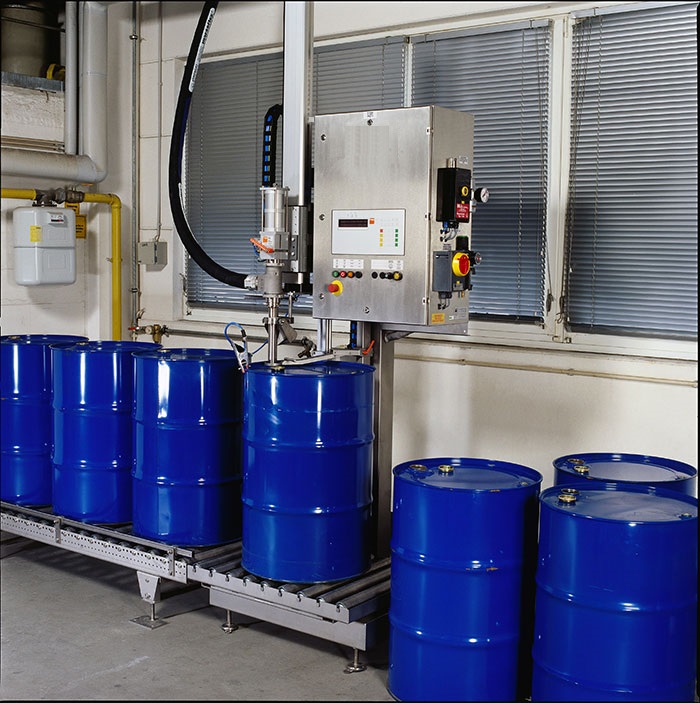





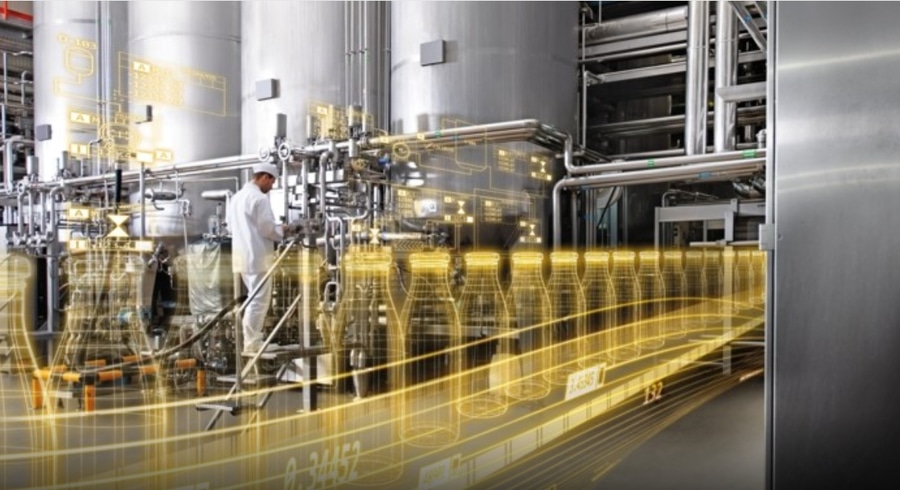
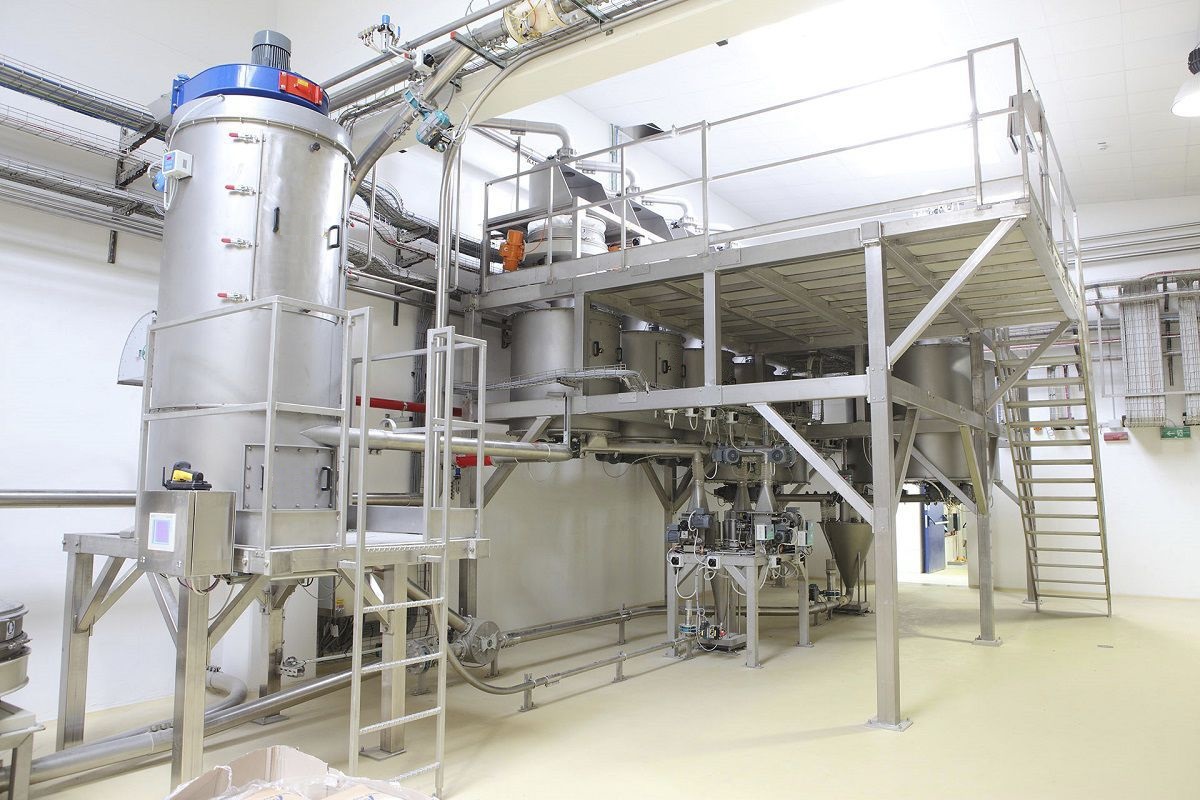
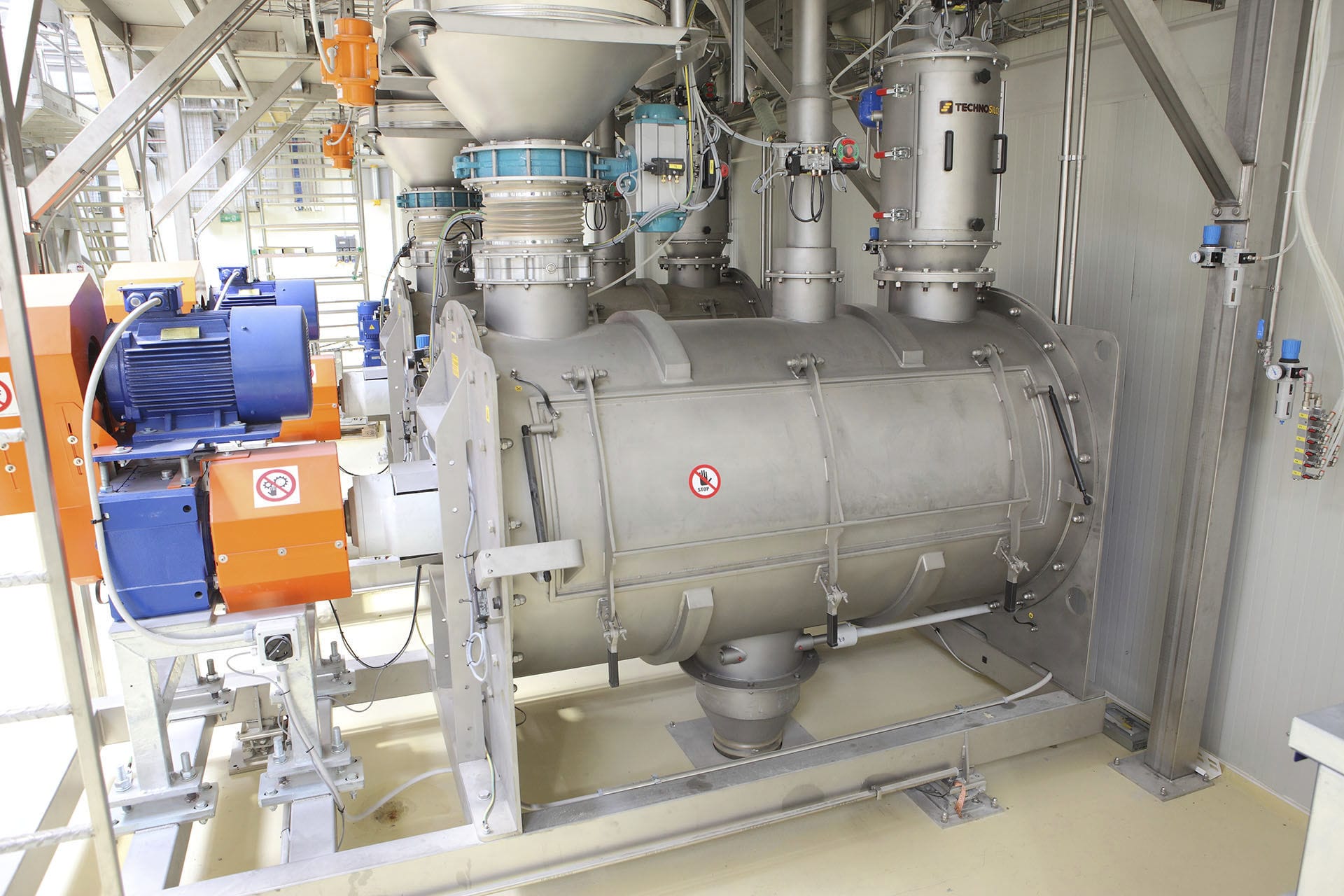
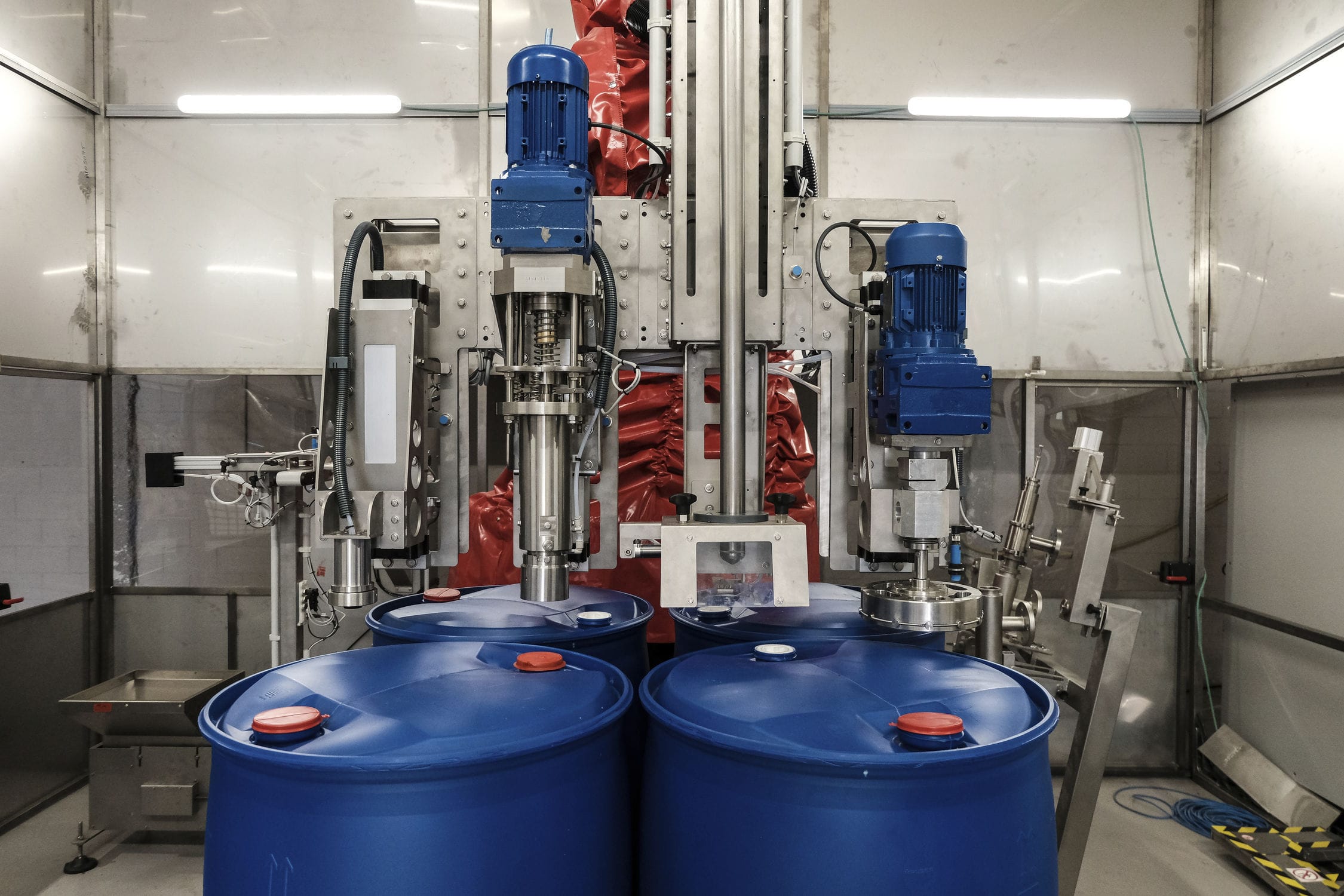
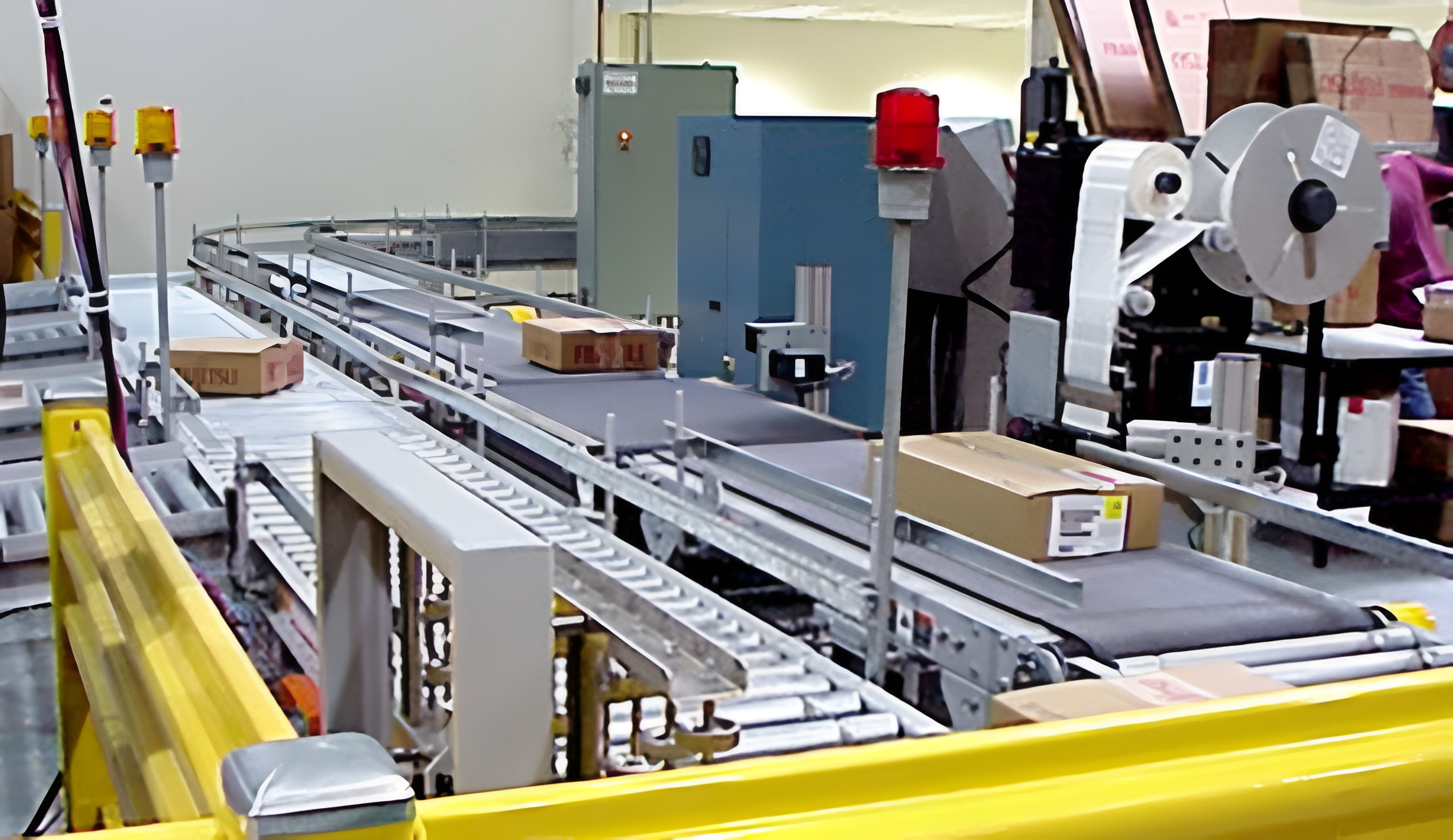
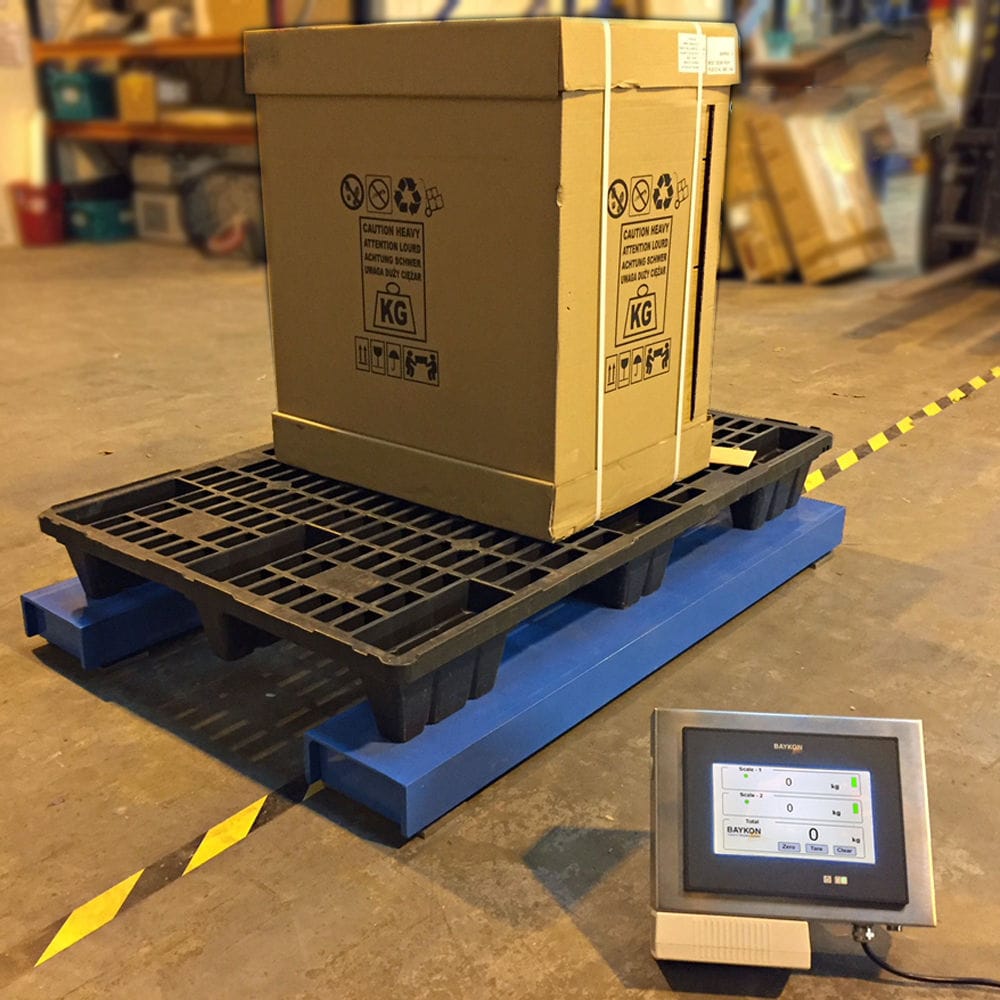


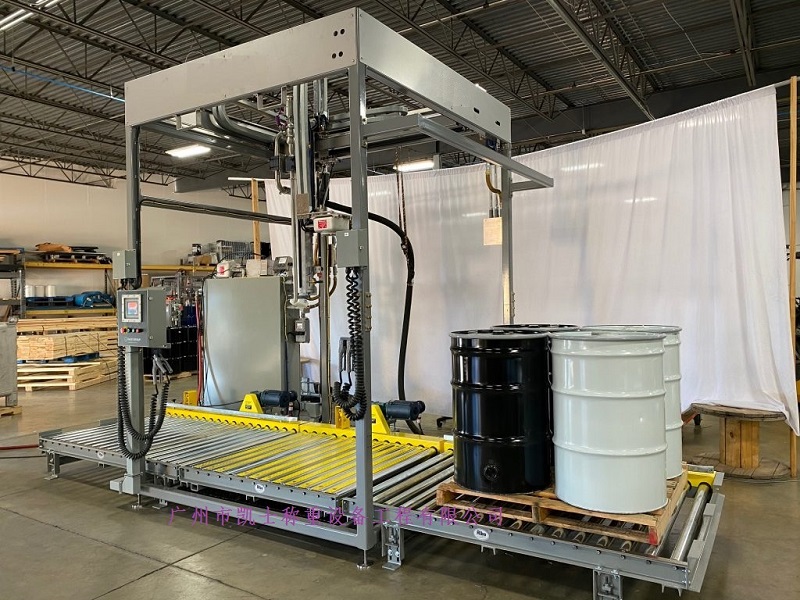
Paint filling machine using PLC programming control touch screen operation control, A/D chip and anti-vibration technology, filling a variety of operational processes interlocking control. Fast and slow two-stage or fast, or slow, slower three-stage filling method, the target amount of free setting. Selection of high-precision, reasonable range weighing module and filling actuator, start/stop control of feeding, through the weighing instrument TR700 transmission into the PLC for filling control.

 020-34563445
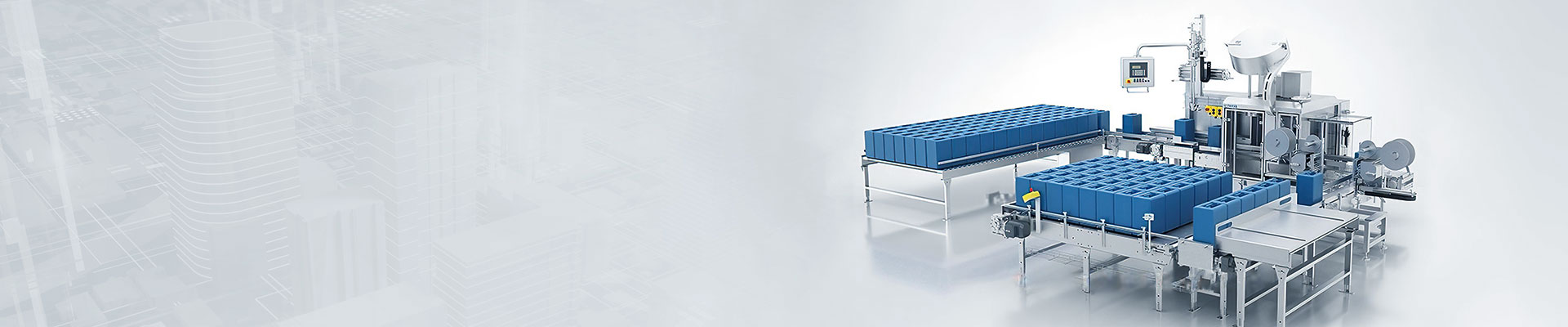
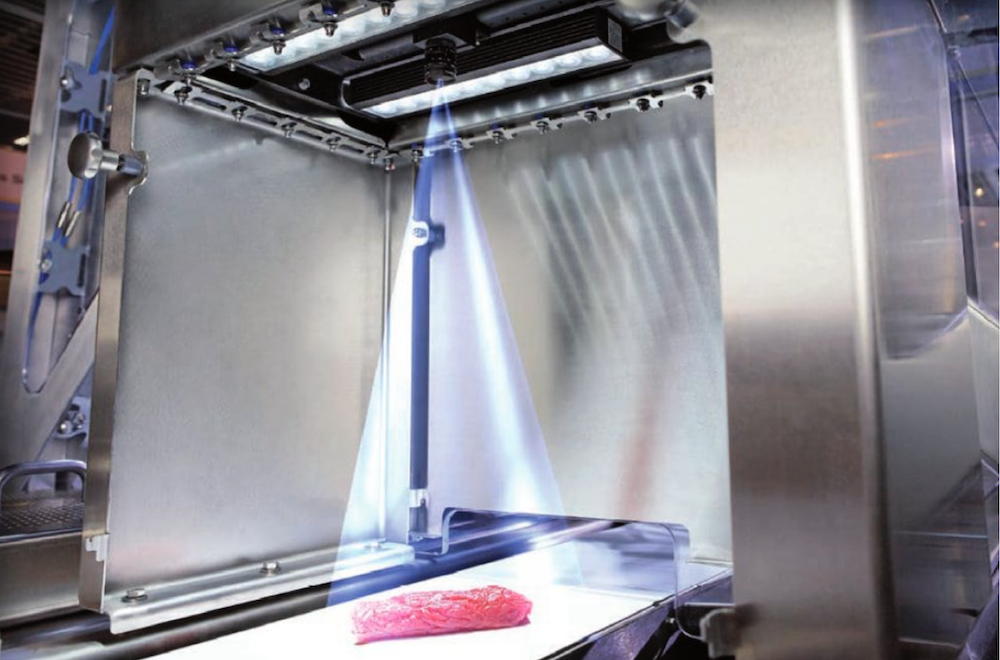
The basic structure of a quantitative Filling machine consists of five parts: cleaning, filling, capping, packaging, and inspection. The cleaning process involves cleaning the recycled containers. First, a special cleaning solution is injected into the empty containers for cleaning and disinfection. Then, the cleaning solution is poured out through a container pouring machine, and the cleaned empty containers are sent to the filling process via a conveyor belt. The filling process involves the PLC controlling the solenoid valve to direct the air pressure, thereby controlling the pressure valve to fill the containers. When the liquid level reaches the standard, the pressure valve stops filling, and the filling port releases the filled containers, which are then sent to the next processing step via a conveyor belt. In the capping process, a fixed frame places the container lid onto the container mouth so that the threads of the container lid coincide with those of the container mouth. The container is rotated by a friction chain on the side wall of the conveyor belt to tighten the container lid, achieving capping. The packaging process consists of two axes that secure the packaging paper. When the container is sent to the packaging position, one end of the packaging tape is adhered to the side wall of the container. Then, the container body is rotated, allowing the packaging paper to wrap around the container body once. After wrapping, the other end of the packaging paper is cut and adhered to the adhered end, ending the packaging process. Finally, the processed products undergo a photoelectric sensor inspection in the inspection process to detect defects, including external damage to the container body, poor sealing of the container lid, poor packaging, poor filling level, etc. Finally, a robotic arm moves the unqualified products to a designated area, and the qualified products are packed, ending the entire processing process. Control requirements. The weighing filling machine needs to be designed with both manual and automatic working modes. The manual mode is used for equipment maintenance, debugging, and resetting of counting statistics, while the automatic mode allows the production line to operate normally.
The Liquid filling machine adopts a direct weighing and secondary feeding scheme. The liquid is stored in a high-level tank and guided to the buffer (diverter) tank at the top of the device through a pipeline. The weighing and feeding, discharge and filling buckets, and control parts of the device are all set up in dual paths, which can work simultaneously or alternately, or operate in a single path, according to the factory packaging requirements to preset the weight. The feeding, weighing, discharging, counting, display of fault diagnosis and alarm of the two paths are controlled by a weighing instrument. When the measuring bucket is empty (or after starting the machine), the weighing filling machine automatically opens the inlet valve, where the first upper valve is a large valve and the second upper valve is a small valve. The liquid flows into the measuring bucket, and the Electronic scale and weighing instrument detect the weight of the liquid in the bucket in a timely manner. When it reaches 95% of the preset value, the first upper valve is automatically closed. After a moment, when the weight reaches the preset value, the second upper valve is closed. The weighing instrument displays the weight of the liquid in the bucket, and the "discharge" light flashes to indicate that the material can be discharged. If an empty bucket is ready, press the "discharge" button, the lower valve opens, and the measured liquid is poured into the empty bucket. At this point, the "discharge" light becomes constant, indicating that the material is being discharged. Once the discharge is complete, the "discharge" light goes out, the bucket counter automatically increments by one, the filled bucket is removed, and the filling process is complete. The weighing instrument automatically returns to the initial state and repeats the aforementioned work.
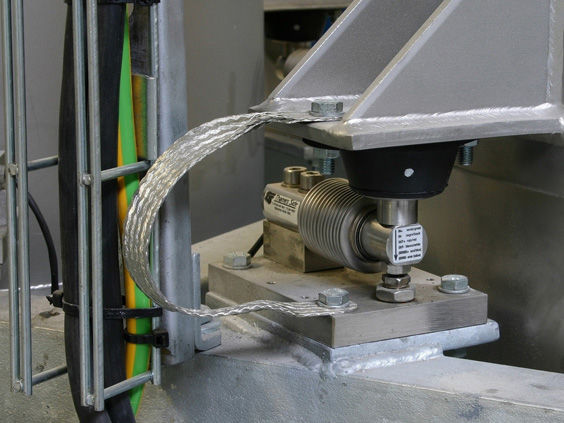
The weighing and filling machine comprises a base, on which a waterproof electronic loadometer is mounted. Additionally, the base is equipped with a bracket, on which a fixed frame is mounted. The fixed frame is provided with a through hole, into which a filling piston valve is inserted. The side of the fixed frame is equipped with a threaded hole, and a fixing screw is positioned within the threaded hole of the fixed frame, pressing against the filling piston valve. This design allows the fixing screw in the threaded hole on the side of the fixed frame to press against the filling piston valve, thereby securing its position and preventing it from slipping. The side of the filling piston valve is equipped with a spring fixed frame, into which a rotating rod is inserted. The position of the filling piston valve on the fixed frame corresponds to that of the loadometer. This design enables the filling piston valve to align with the explosion-proof electronic loadometer, allowing the valve to direct material onto the loadometer for easy measurement. The rotating rod is fitted with a fixing piece, and one side of the fixing piece is covered with a spring. The other end of the rotating rod is connected to a cylindrical rotating component. The length of the spring exceeds the depth of the spring fixed frame, allowing the spring to push against the fixing piece on the rotating rod, thereby securing the rod and preventing it from automatically rotating. The outer wall of the rotating component is fitted with a cylindrical hollow shell, and the rotating component is provided with a through hole. The internal shape of the through hole on the rotating component matches that of the filling piston valve, allowing the through hole to align with the valve. This design ensures that the material inside the valve flows completely into the through hole of the rotating component. The external shape of the rotating component matches that of the shell, allowing it to rotate within the shell. This enables control over the position of the through hole on the rotating component, ensuring it aligns with the interior of the filling piston valve. The shell is connected to the filling piston valve, allowing for communication between them.
When weighing the device of the automatic filling machine, first place the base of the device in a suitable location, place the container on the filling weighbridge, then loosen the fixing screws on the fixing frame, and then fix the filling piston valve on the fixing frame. After that, tighten the fixing screws to hold the filling piston valve in place. Next, pour the material into the filling piston valve and rotate the rotating rod on the spring fixing frame. The rotating rod drives the rotating part to rotate, aligning the straight through hole on the rotating part with the filling piston valve. In this way, the material inside the filling piston valve will flow through the straight through hole on the rotating part into the container on the material bucket weighbridge. When the container on the stainless steel weighbridge is almost full, rotate the rotating rod to drive the rotating part to rotate again, aligning the disconnected through hole on the rotating part with the filling piston valve. In this way, the material inside the filling piston valve will fall into the rotating part, and the straight through holes on both sides of the rotating part will be pushed against the two sides of the shell. This can prevent leakage of material inside the rotating part. If it is necessary to add material to the container, turn the through hole for material on the rotating part downward, so that the material in the through hole of the rotating part will fall into the container on the filling weighbridge. This allows an additional through hole amount to be added to the container. Repeat the above steps to add the appropriate amount, avoiding large errors caused by repeated manual addition of material, thus completing a series of work.
Basic Parameters:
Maximum weighing capacity: 1200kg
Minimum measurable weight: 0.2kg
Filling error: ±0.2-0.5kg
Filling speed: approximately 150-180 barrels per hour for 200L
Control mode: 2-speed control
Filling method: Insertion type, above the liquid level
Gun head pipeline: Teflon gun head, valve + Teflon hose
Structural material: The main unit is made of SUS304 stainless steel, and the conveyor and palletizing system are coated with anti-corrosion paint made of carbon steel.
Scale platform size: 1200×1200mm (304 stainless steel power roller track)
Empty barrel roller track: 1200mm×2500mm (304 stainless steel powered roller track) with an additional 1200mm slope unpowered roller
Heavy-duty roller track: 1200mm×2500mm (304 stainless steel powered roller track, 2 sets)
Bucket sorting device: suitable for 200-1000L buckets, constructed with carbon steel anti-corrosion paint and featuring a 304 stainless steel roller track.
Palletizing equipment: Translational type, suitable for pallets of 1200×1200×140mm, including pallet supply, palletizing, and unloading conveyor.
Pipeline pressure: 0.2-0.6 MPa (related to material properties).
Material interface: 4 DN40 flange connectors, can be customized according to user-provided interface standards
Air source interface: The user provides a 12mm air pipe connector for quick coupling connection
Power supply: AC220/50Hz (provided by the user to the side of the machine)
Air source: 0.4-0.8 MPa (provided by the user to the side of the machine)
Operating temperature: -10℃-50℃
Basic conditions: A horizontal solid concrete floor with a thickness of more than 10cm.
Optional models: standard type, explosion-proof filling scale