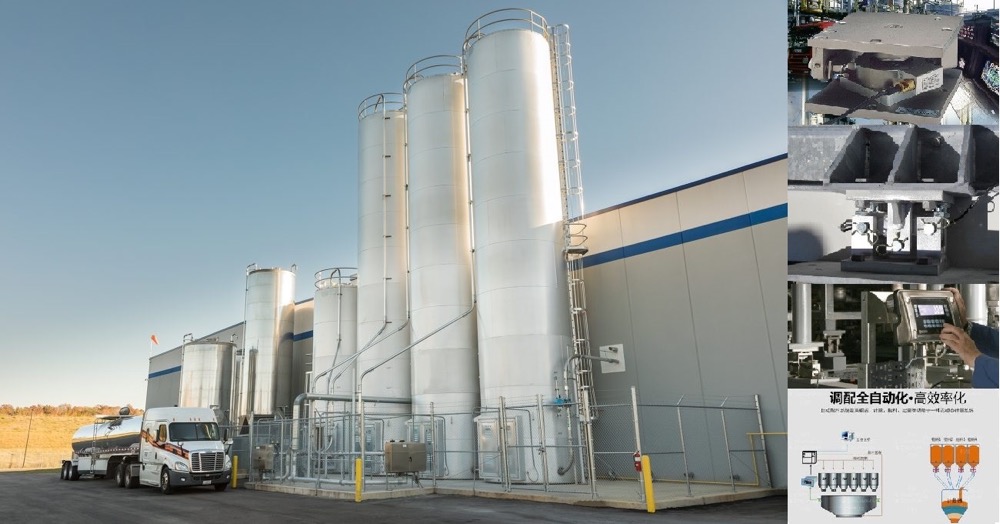





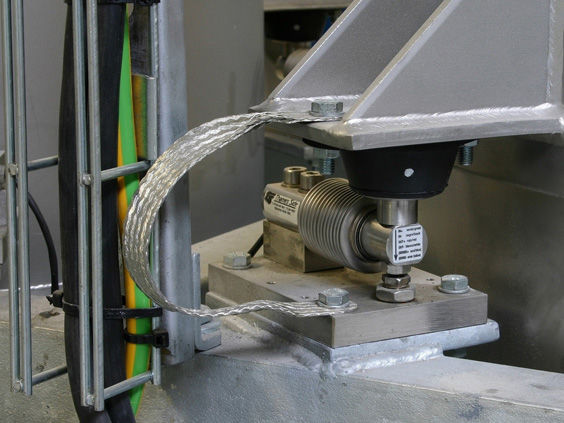
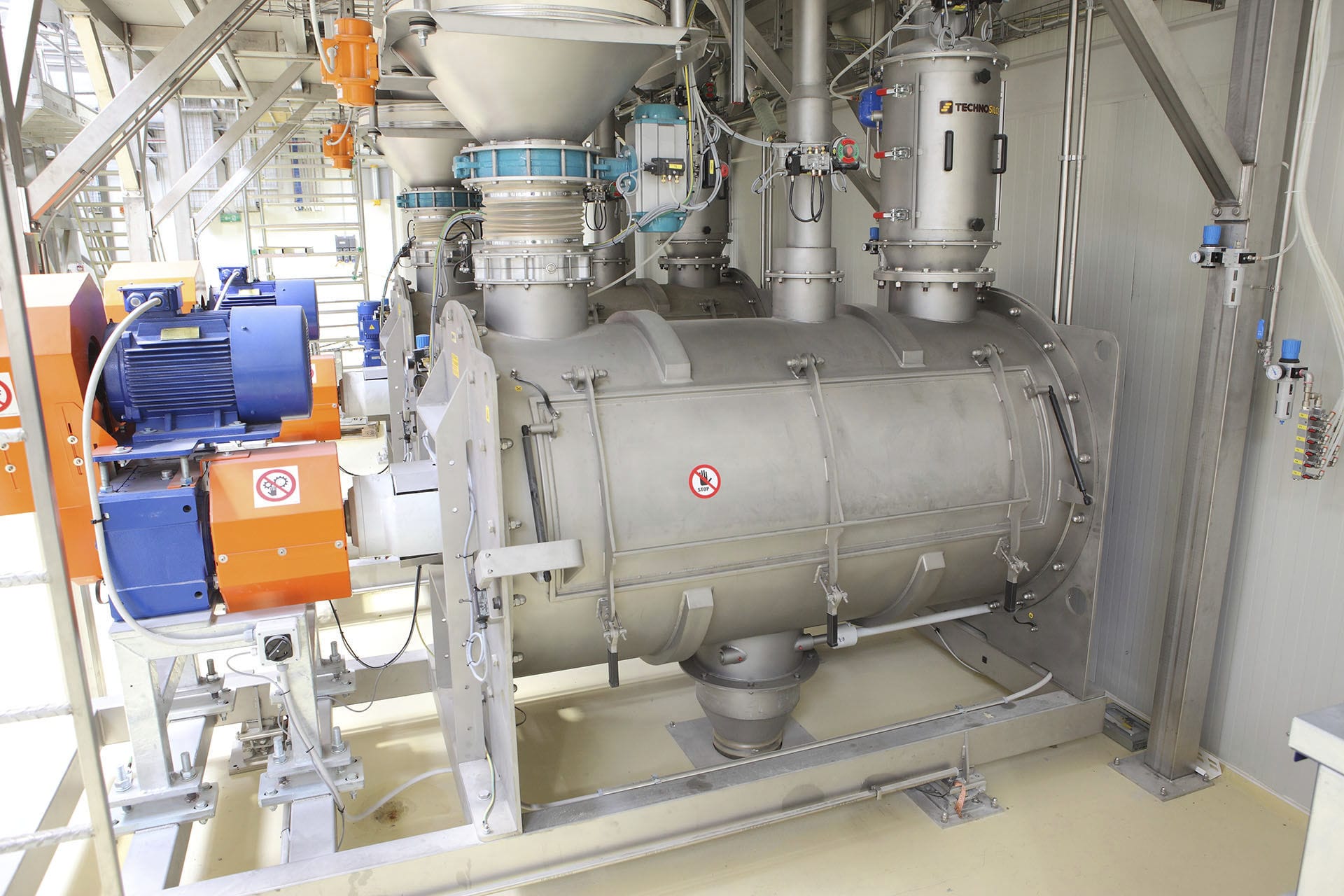
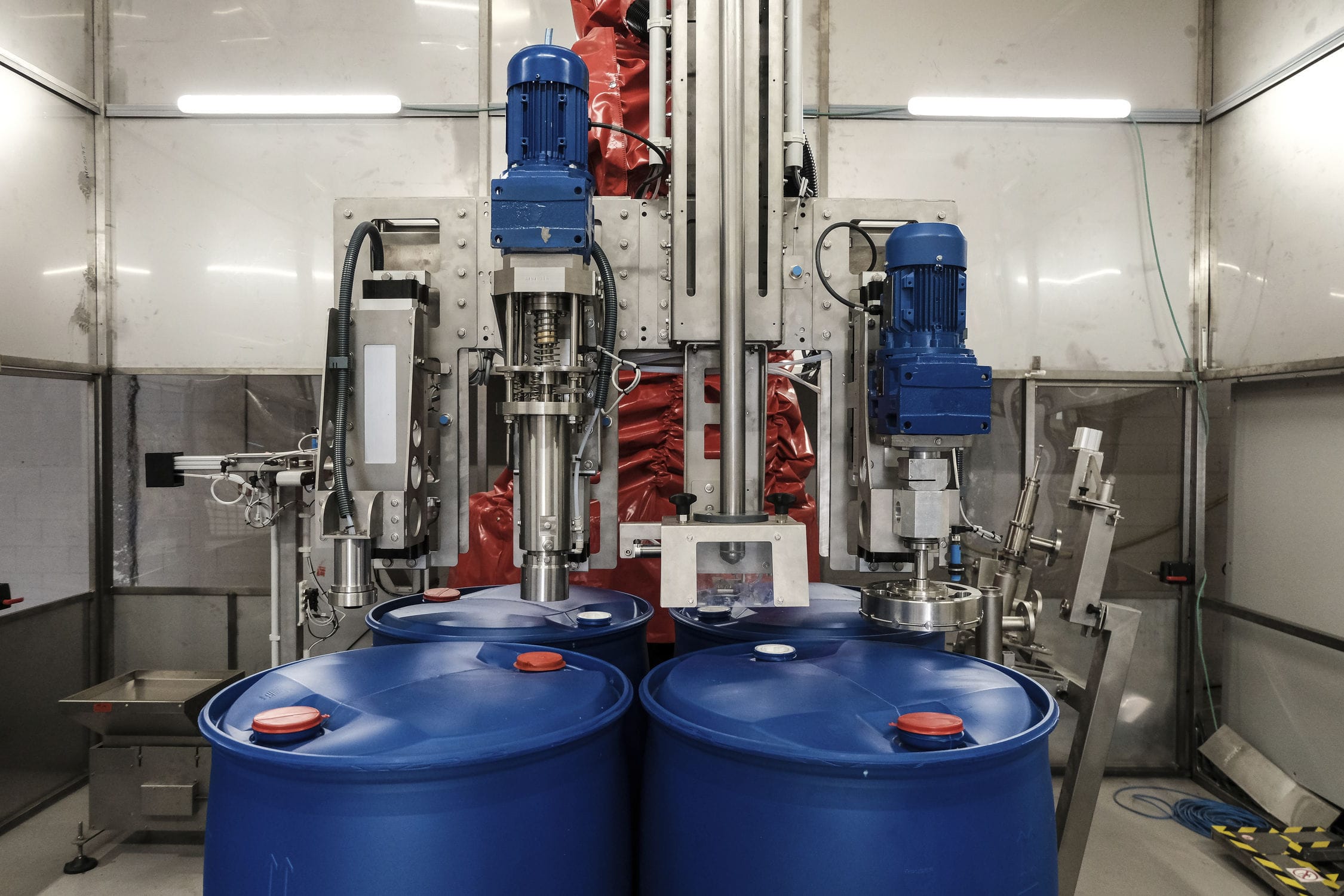
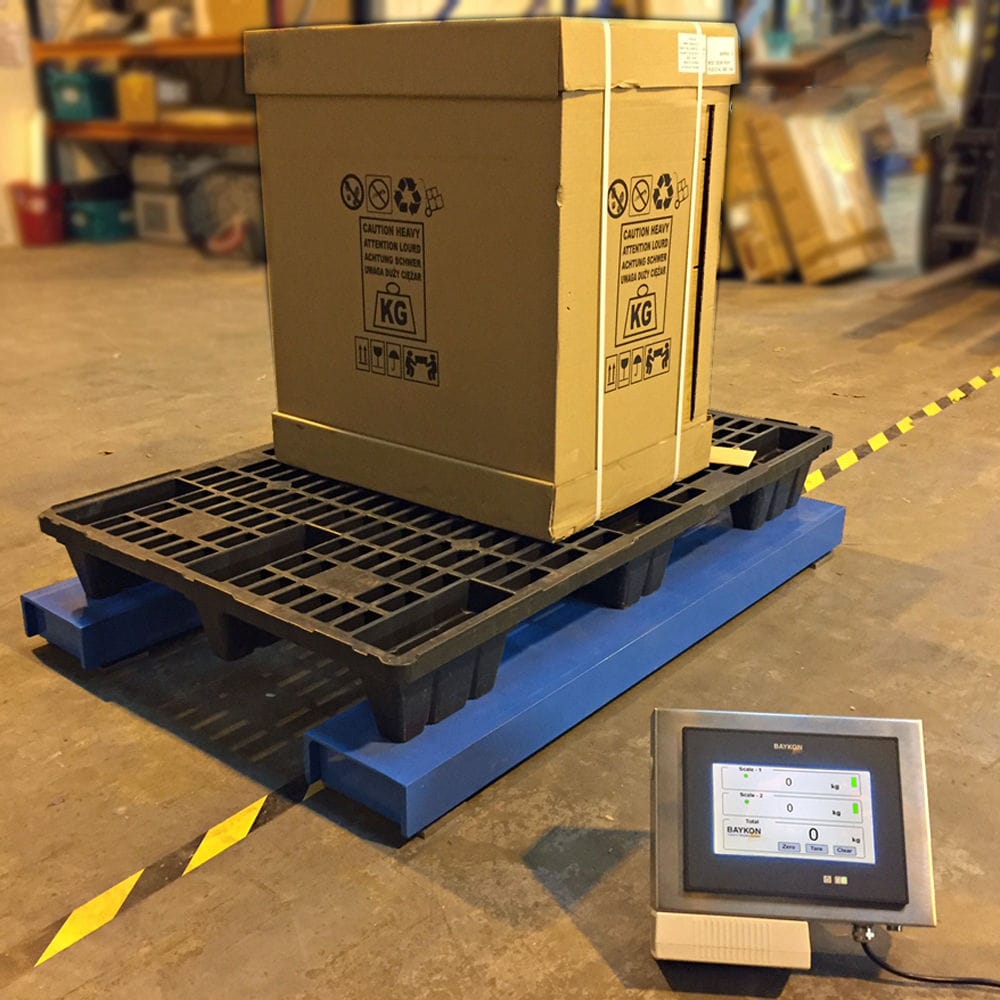


The Reaction weighing and loading device is sent to the weighing area through the screw, and the weighing sensor outputs a voltage signal according to the pressure of the material, which is amplified to output a metering level signal, which is proportional to the weight of the material. Then the signal is sent to the upper computer interface, and converted into a weight signal, the weight value is displayed on the current PC, and is sent to the PLC, which will compare and calculate the given value of the proportioning set by the PC. This control quantity is transmitted to the frequency converter and the output value of the frequency converter is changed to complete the control of the speed. Adjust the dosage to the same as the set value to complete the dosing process.

 020-34563445
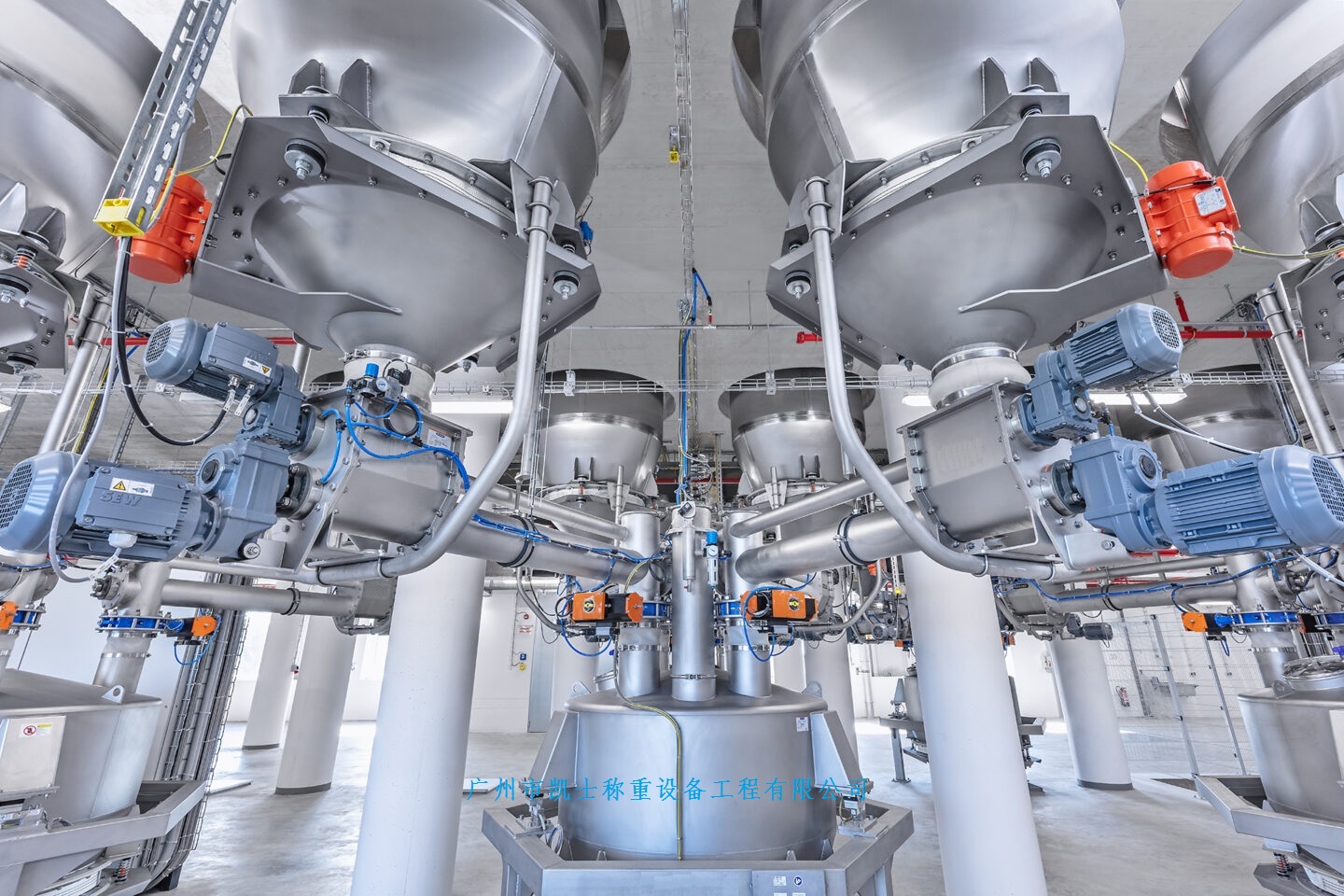
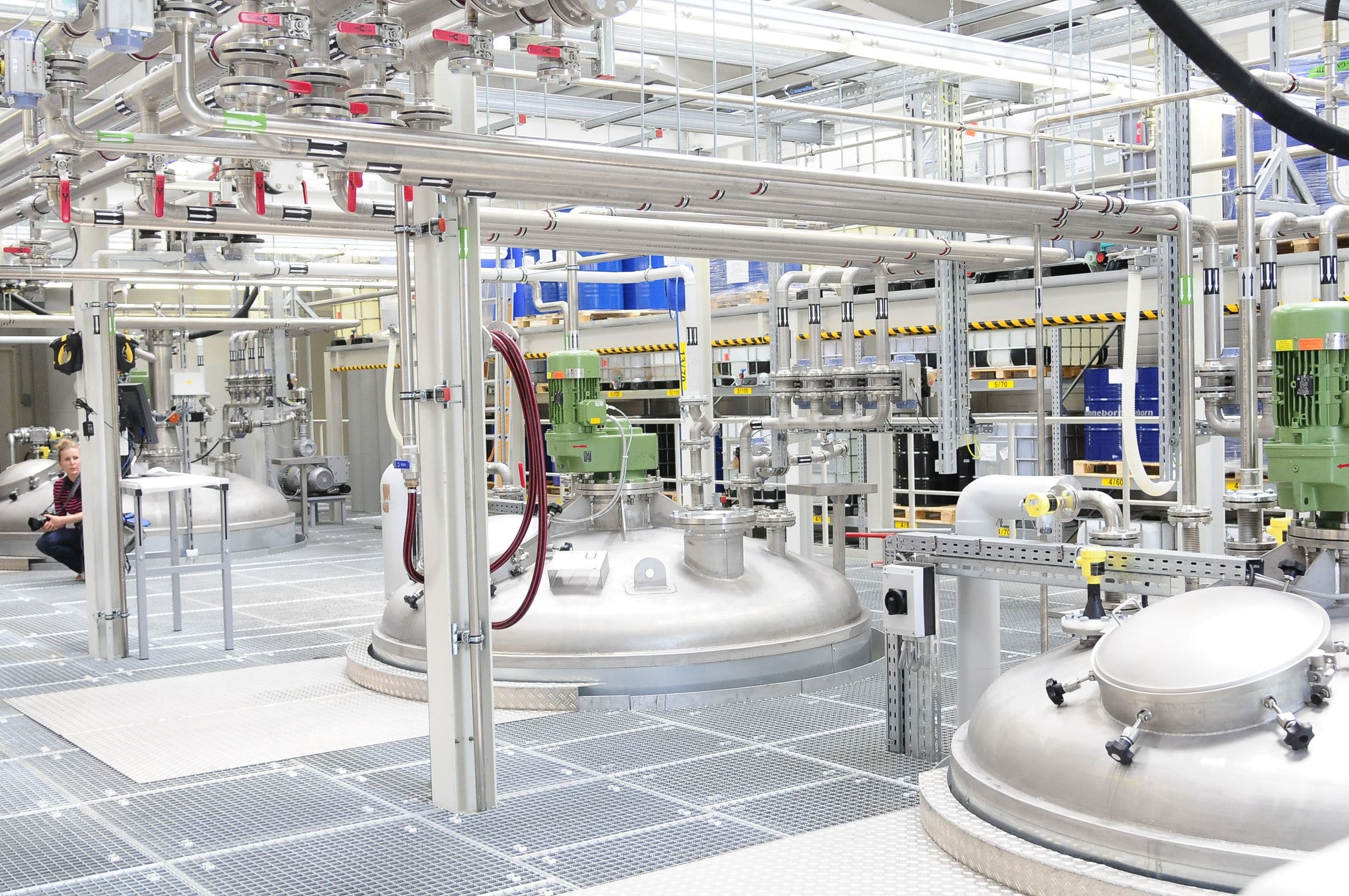
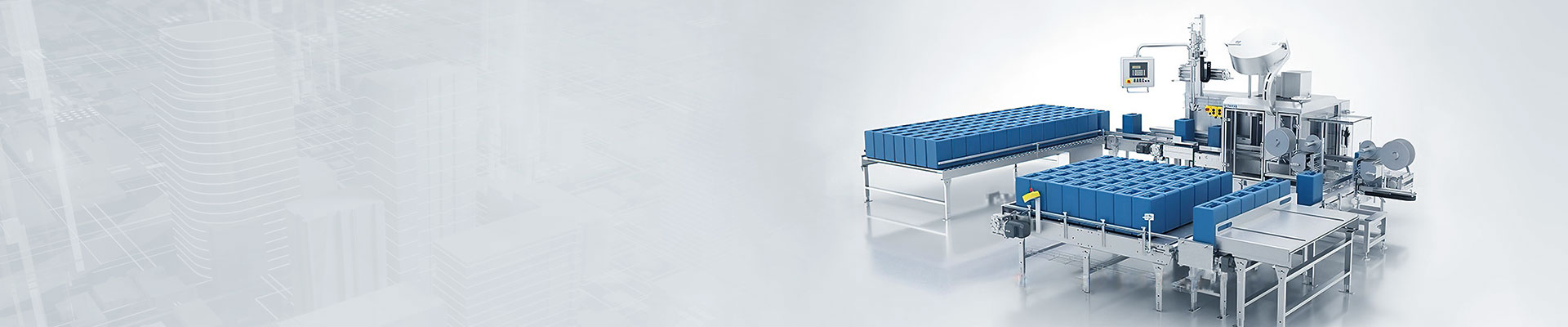
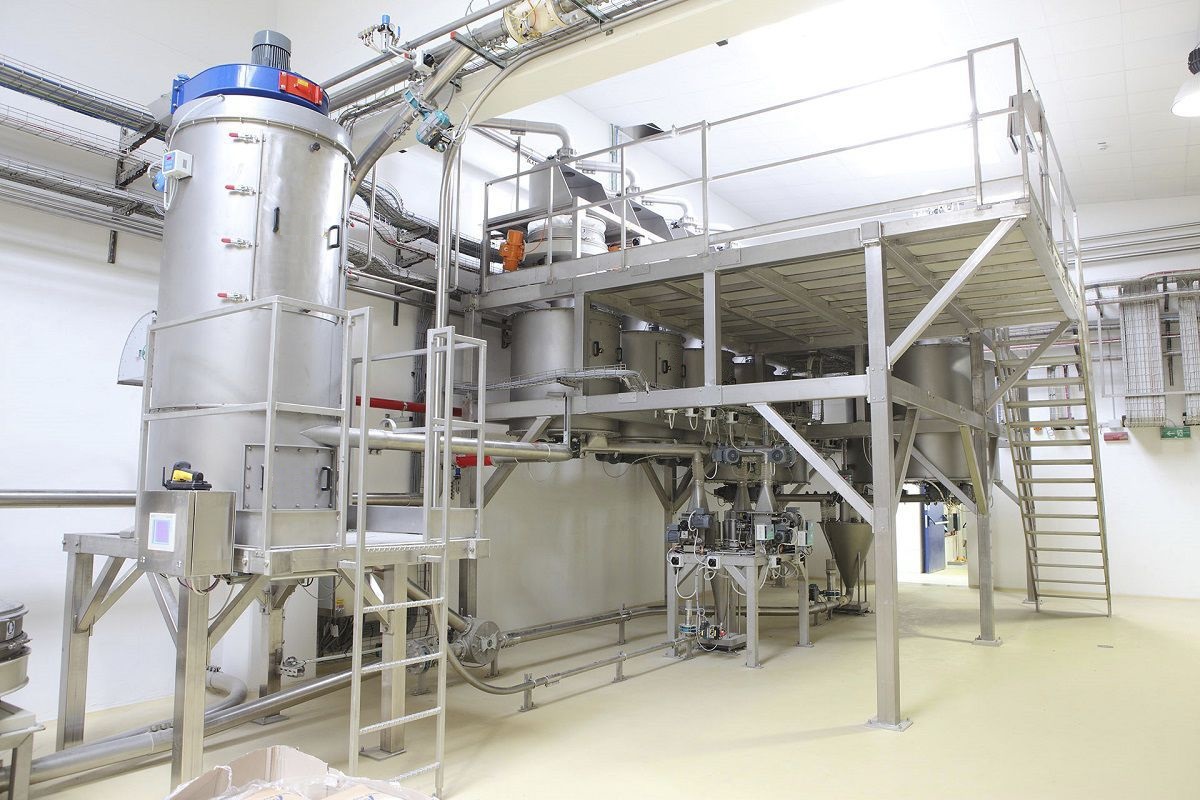
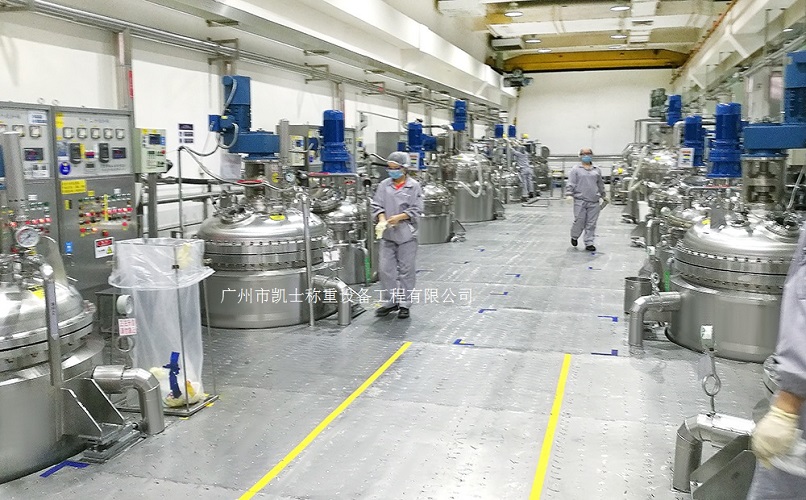
Weighing reaction Feeder is a production equipment used in industry for automatically and accurately proportioning different powders or liquid materials according to a certain proportion. It usually consists of a Weighing system, weighing instruments, PLC system, and upper computer. Weighing and batching equipment includes various devices such as storage bodies, conveying bodies, weighing and batching bodies, dust removal bodies, and material mixing bodies for raw materials; The batching method can be reasonably selected based on industry characteristics, production process requirements, and specific material characteristics, such as "incremental" or "subtractive" weighing methods, with multiple working modes including single bucket single material, single bucket multiple material, and multi bucket multiple material. In terms of automatic Feeding machines, advanced batching control weighing instruments can be used, which can easily achieve high-speed communication with PLC systems using communication methods such as ProFibus, MOD-BUS, Ethernet, etc. It has the characteristics of strong real-time system, good reliability, and flexible configuration. The weighing reaction kettle consists of a reaction tank, a cover, a support column, a weighing module, and a discharge port. The lower surface of the cover is fixedly connected to the reaction tank, the upper surface of the support column is fixedly connected to the reaction tank, and the upper surface of the weighing module is fixedly connected to the support column. The side of the discharge port near the reaction tank is fixedly connected to it, and a positioning device is provided on the side of the discharge port near the reaction tank. The positioning device includes a slide rail, and the side of the slide rail near the discharge port is fixedly connected to it. The side of the slide rail away from the discharge port is fixedly connected to a fixed ring, and the inner wall of the fixed ring is rotatably connected to a rotating rod. The sliding connection of the inner wall of the slide rail is equipped with a plug, and the inner wall of the slide rail is fixedly connected with a limited position spring. The sliding connection of the inner wall of the fixed ring has two symmetrically arranged fixing blocks, and the inner wall of the fixed ring is fixedly connected with a connecting spring. The side of the plug near the reaction tank is fixedly connected to the limit spring, the side of the plug away from the reaction tank is slidably connected to the rotating rod, the side of the fixed block near the fixed ring is fixedly connected to the connecting spring, and the side of the fixed block near the reaction tank is slidably connected to the plug. A protective device is installed on the side of the support column near the weighing module, which includes a limit frame. The side of the limit frame near the support column is fixedly connected to it, and the inner wall of the limit frame is rotatably connected to a connecting frame. The side of the connecting frame away from the limit frame is fixedly connected to a protective cover. The side of the connection frame away from the support column is fixedly connected with a handle, and the inner wall of the protective cover is slidably connected with four symmetrically arranged card blocks. The inner wall of the protective cover is fixedly connected with a reset spring. [0009] The inner wall of the protective cover is slidably connected to the weighing module, and the inner wall of the protective cover is slidably connected to the support column. The return spring is fixedly connected to the card block on the side away from the protective cover.
The weighing of the reaction kettle is achieved by setting a positioning device. When in use, the plug is pulled in the direction of the reaction tank, and the plug is subjected to force, which applies pressure to the limit spring. The limit spring deforms and loses its constraint on the plug. After the plug loses its constraint, it is displaced by force. The plug disengages from the rotating rod during the displacement process, and then rotates the rotating rod, which opens under force. The external pipeline is aligned with the discharge port, and the pipeline is aligned with the discharge port. The rotating rod rotates the rotating rod to its original position. During the rotation process, the rotating rod clamps the pipeline, and then the tension applied to the plug is released. When the plug loses its pressure, the limit spring loses its pressure and rebounds. During the rebound process of the limiting spring, the plug is driven to return to its original position. Insert the rotating rod and then press down on the fixed block. While the fixed block is under force, it also applies pressure to the connecting spring, The connecting spring deforms under force and loses its constraint on the fixed block. When the fixed block is pressed to a state where it cannot be pressed, the fixed block is rotated 90 °, and then the pressure applied to the fixed block is released. At the same time, the connecting spring rebounds after losing pressure. The connecting spring drives the fixed block to reset during the rebound process. The fixed block is inserted into the plug during the reset process, and then the fixed block fixes the position of the plug. This device is equipped with a plug, a rotating rod, and a fixed block. By setting a protective device, when in use, the handle on both sides is held, and then the handle is pushed. At the same time, the force on the handle drives the connecting frame and the protective cover to rotate. The protective cover protects the weighing module on its inner wall during the rotation process, and the protective cover drives the position of the plug during the rotation process. The card block undergoes displacement and comes into contact with the protective cover on the other side during the displacement process, Immediately, the card block slides downwards under force, applying pressure to the reset spring during the sliding process. The reset spring deforms under the force. When the card block is fully inserted into the protective cover, the card block loses pressure, and the reset spring rebounds due to the loss of pressure. During the rebound process, the reset spring drives the card block to reset. After the card block is reset, the protective covers on both sides are fixed together. By setting the protective cover, handle, and card block, most reaction kettle weighing devices on the market are directly in contact with the outside world. During use, the surface and gaps of the weighing device are prone to dust entering, causing internal parts of the weighing device to malfunction and resulting in weight errors.
Performance characteristics of feeding system:
The system is reliable, highly applicable, with high weighing accuracy, high automation accuracy, stable quality, and easy management.
Electronic weighing display design, high measurement accuracy, easy calibration and maintenance
Data processing, the batching machine can automatically perform arithmetic processing on the collected signals, thereby automatically controlling the normal operation of the equipment.
Communication function, bidirectional data communication between industrial control computer, PLC and instrument.
Monitoring function, which detects and monitors the instantaneous flow rate, daily cumulative, monthly cumulative, annual cumulative and other parameters of the ingredient process.
Screen display, through computer monitors or weighing instruments, can show the operating status of relevant control parameters during the batching process.
Professional material handling capabilities, combined with the characteristics of raw materials measured by users, using various types of feeders and inlet and outlet valves
A friendly human-machine interface that can connect various types of controllers to perform quantitative measurement or ingredient process control
Various control modes can be selected, including PLC, human-machine interface, microcontroller, industrial computer, etc