











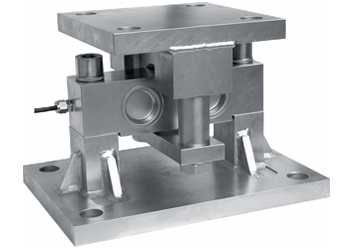
Stainless steel weighing module is also a detection device, which can sense the measured information and transform the sensed information into electrical signals or other required forms of information output according to certain rules, so as to meet the requirements of information transmission, processing, storage, display, recording and control, and is usually composed of sensitive elements and conversion elements. Among them, the sensitive element refers to the item that can be directly sensed in the sensor, and the conversion part refers to the part of the sensor that can convert the output of the sensitive element into an electrical signal suitable for transmission and measurement.

 020-34563445
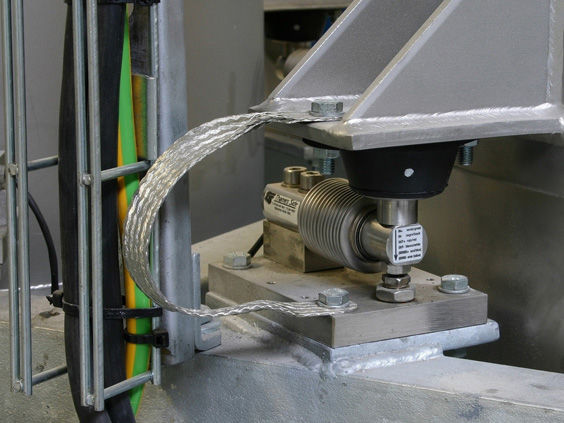
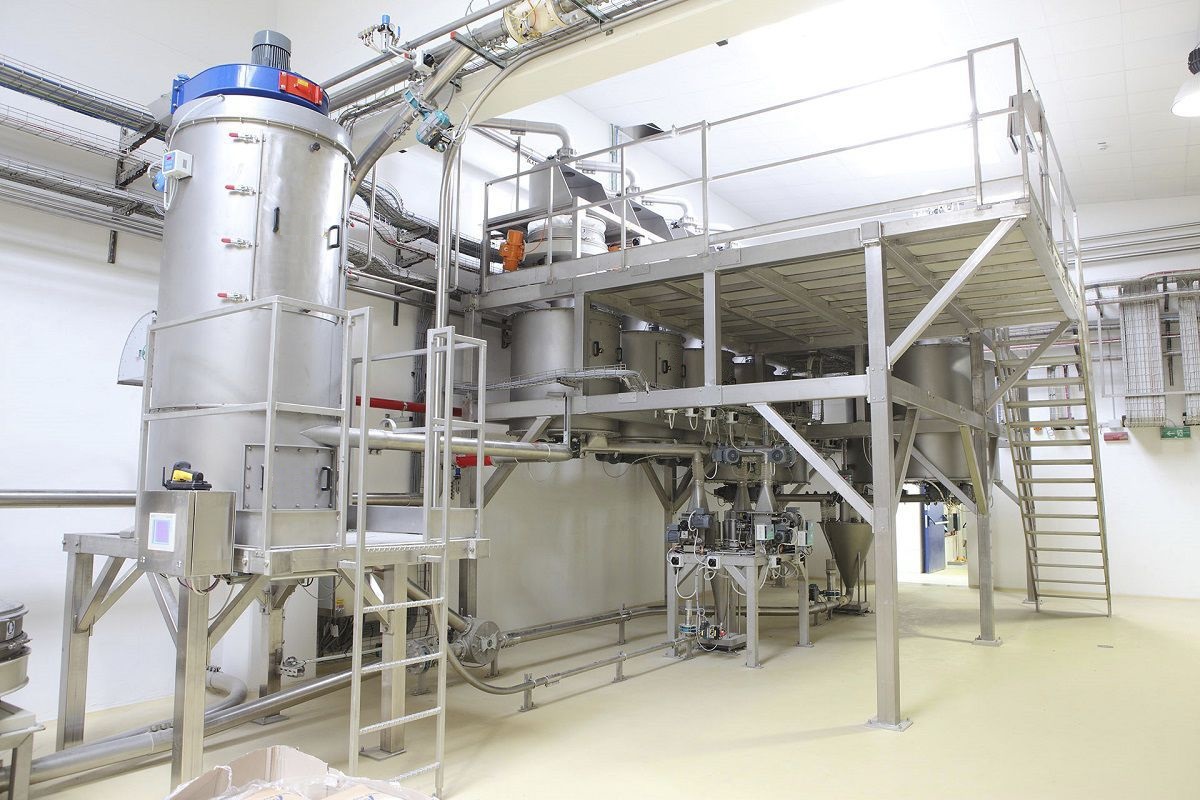
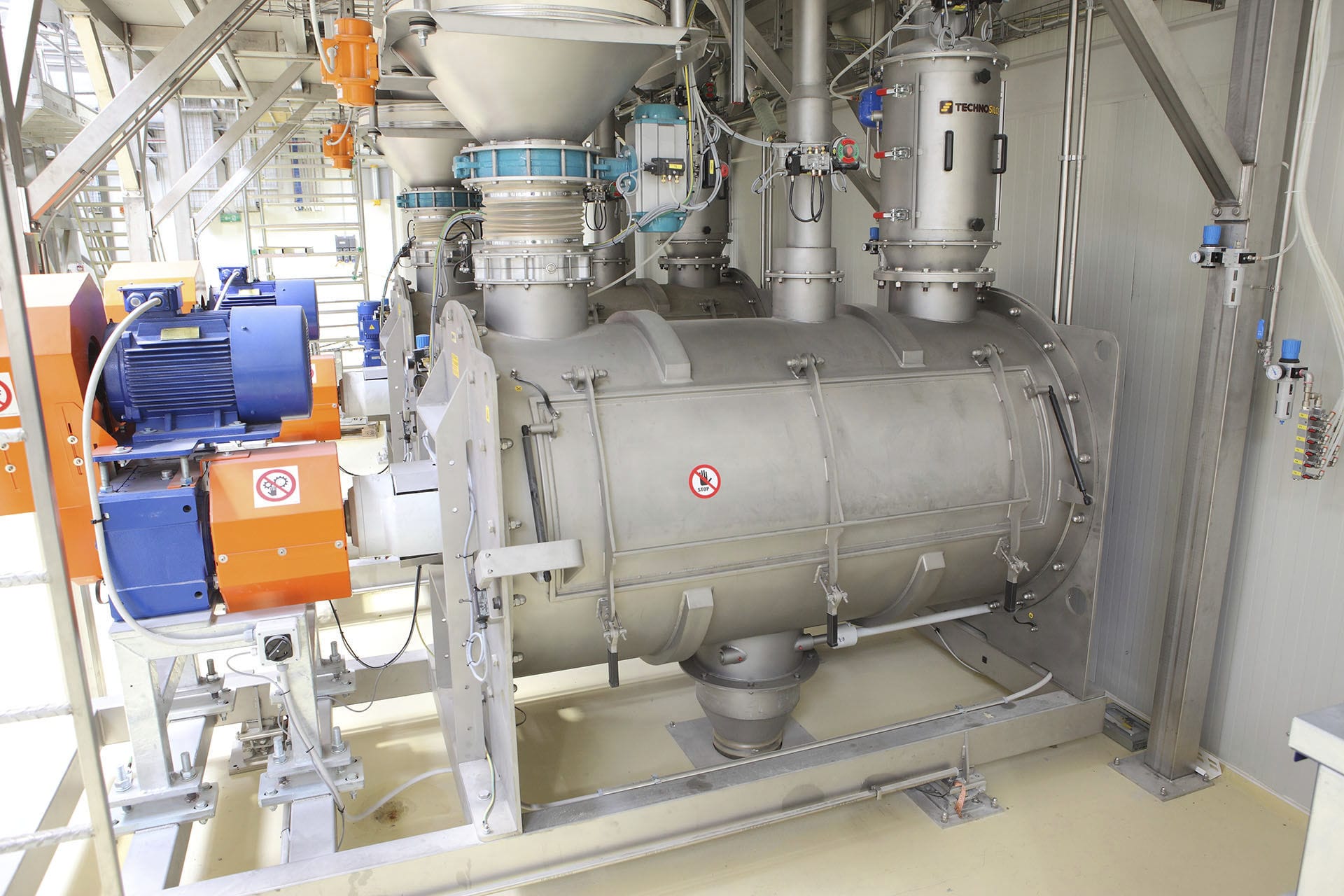
The stainless steel weighing module is a type of weighing sensor application structure. It integrates high-precision shear beam weighing sensors, load transfer devices, and installation connection plates, ensuring the high precision and long-term stability of the shear beam sensor, while the control system solves the problem of weighing errors caused by improper installation. The three structures include fixed, floating, and semi-floating, which can be used in various harsh conditions. The stainless steel metering module is also a detection device that can sense the measured information and convert the sensed information into electrical signals or other required forms of information for transmission, processing, storage, display, recording, and control, usually consisting of sensitive elements and conversion elements. The sensitive element refers to the component in the sensor that can directly sense the measured quantity, and the conversion part refers to the part in the sensor that can convert the output of the sensitive element into an appropriate electrical signal for transmission and measurement. In the installation method using four moving load Weighing modules, generally, two of the weighing modules have their three sides restricted, while the other two weighing modules are only limited at the ends. The Weighing system can achieve process automation weighing due to the weighing system composed of the weighing modules, and is convenient for networking with a computer, thus it will be increasingly widely applied in chemical enterprises.
The main components of the weighing module include weighing sensors, resistance strain gauges, elastic bodies, and detection circuits. Under the action of external force, the elastic body undergoes elastic deformation, causing the resistance strain gauge attached to its surface to also deform. After the resistance strain gauge deforms, the resistance value of the sensor will change, and then the corresponding measurement circuit converts this resistance change into voltage, thereby completing the process of converting external force into an electrical signal. Among them, the resistance strain gauge is a piece of strain gauge formed by mechanically distributing a resistor on an organic material base; the elastic body is a special-shaped structural component that the weighing module bears the external force received by the weighing sensor and generates an opposing force to achieve relative static balance; in addition, it needs to generate a high-quality strain field to enable the resistance strain gauge attached to this area to complete the task of strain-to-electrical signal conversion as ideally as possible; the detection circuit uses a full-bridge equal-arm bridge to convert the resistance change of the resistance strain gauge into an electrical signal output. After the voltage signal output by the DC bridge is amplified and filtered, it enters the weighing instrument system through the AD conversion circuit. The weighing instrument processes the data using multiple sampling and extreme value removal averaging filtering, avoiding the influence of instantaneous interference on sampling, to obtain more reliable data. The weighing instrument transmits the processed data through the RS232 serial interface to the PC (upper computer), and the upper computer uses VB software for further processing to make the weighing system meet the requirements of high precision.
Technical Specifications
*Rated Load (R.C.): 10, 15, 20, 25, 30, 50T
*Rated Output (R.O.): 2 ± 0.0050 mV/V
*Zero Point Balance: ± 0.015 mV/V
*Total Error: ± 0.03% R.O.
*Non-linearity: ± 0.03% R.O.
*Hysteresis: ± 0.03% R.O.
*Repeatability: ± 0.02% R.O.
*Creep (30 minutes): ± 0.03% R.O.
*Normal Operating Temperature Range: -10...+40℃
*Allowable Operating Temperature Range: -20...+70℃
*Temperature Effect on Sensitivity: ± 0.02% R.O. / 10℃
*Temperature Effect on Zero Point: ± 0.02% R.O. / 10℃
*Recommended Excitation Voltage: 10V (DC/AC)
*Maximum Excitation Voltage: 15V (DC/AC)