







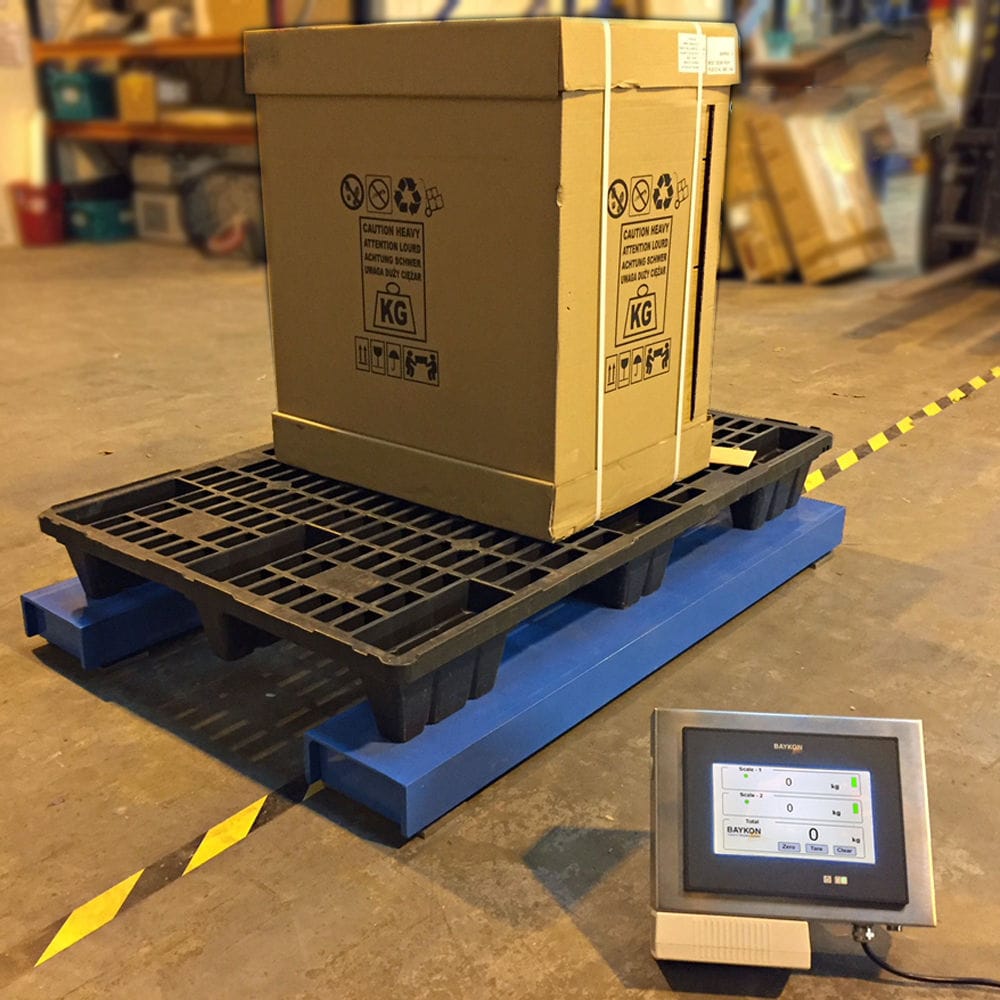


The kitchen waste weighing module is a weighing system product specially developed for online weighing of garbage bins of sanitation garbage trucks, which is suitable for side-mounted compression and rear-mounted compression sanitation garbage trucks. The biggest feature of this product is that it can realize weighing in the process of garbage hanging and lifting, and can automatically accumulate the weight of garbage collected and the number of garbage bins.

 020-34563445
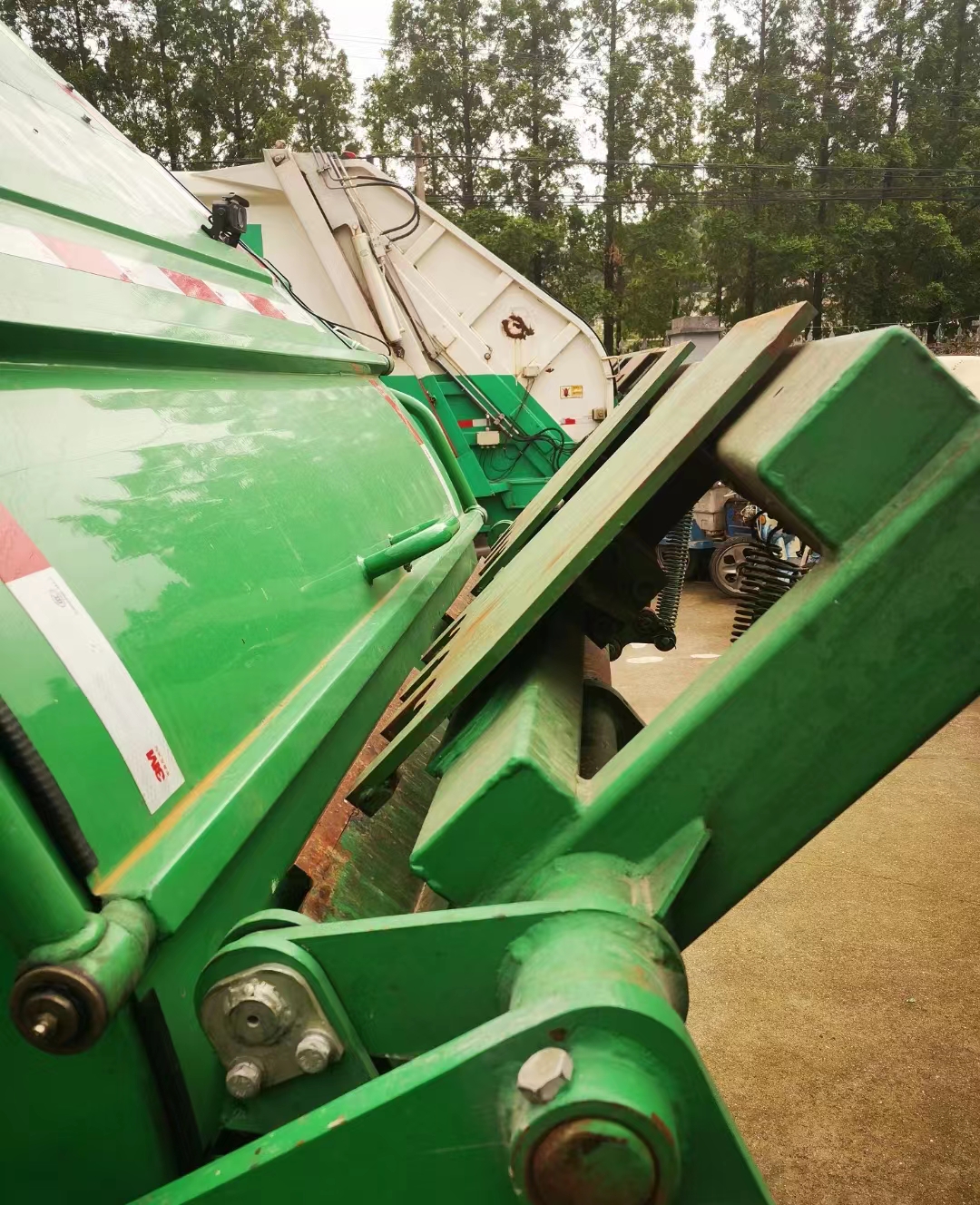
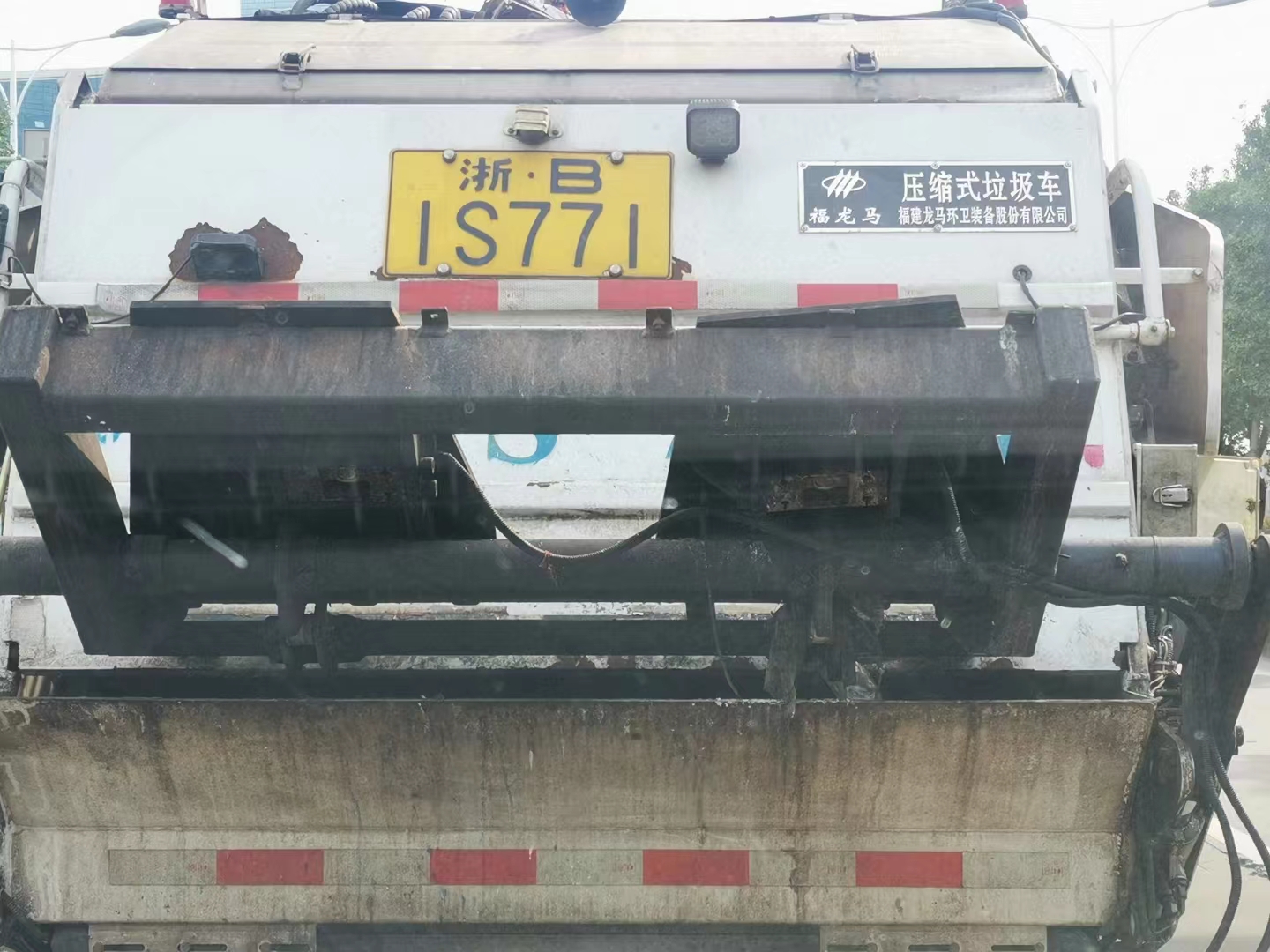
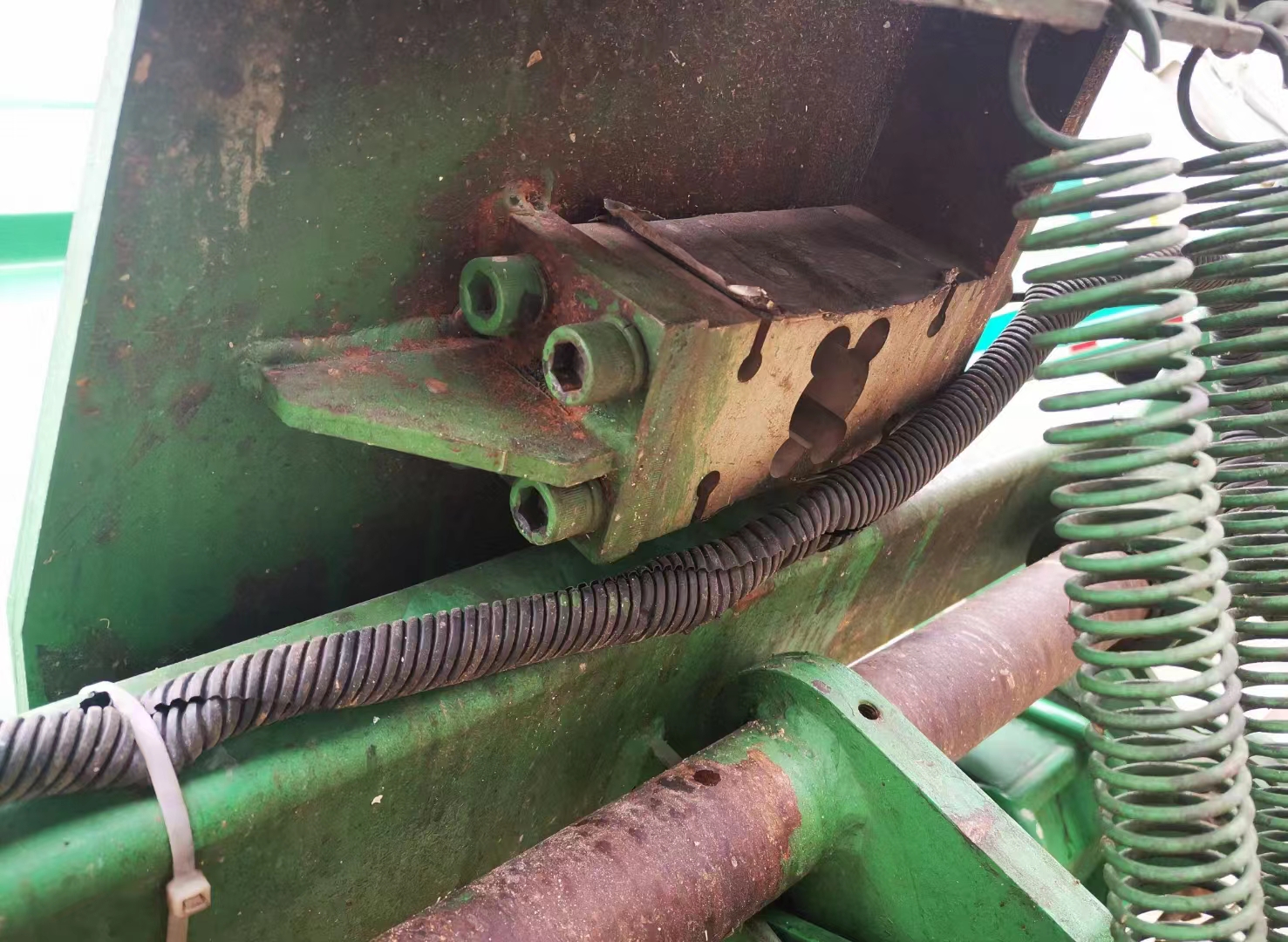
The weighing vehicle-mounted system is to install a weighing module device on the vehicle. During the loading and unloading of goods, the weighing sensor collects the vehicle's weight through the data acquisition board and calculates it, sending the data to the control system for processing, displaying and storing the vehicle's weight and various related information. To achieve the goal of no manual operation, the lifting track, flipping mechanism, lifting frame, weighing module, pressure bucket force compensation mechanism and data control device have been redesigned. After adjusting the structure, the flipping mechanism can be longitudinally flipped and move vertically along the lifting track. The lifting frame is fixedly installed on the flipping mechanism, and the weighing module is installed on the lifting frame to move vertically. The weighing module is hung with the trash can and moves synchronously with the flipping mechanism along with it. The upper end of the flipping mechanism is equipped with a pressure bucket force compensation mechanism. The pressure bucket force compensation mechanism includes a pressure compensation weighing sensor, a force transmission connector and a pressure bucket plate. The pressure bucket plate is connected to the pressure compensation weighing sensor below through the force transmission connector. When the weighing module drives the trash can to rise to a predetermined position, the top edge of the trash can contacts the lower end of the pressure bucket plate. The signals of the weighing module and the pressure compensation mechanism are output to the data control device for garbage weight calculation.
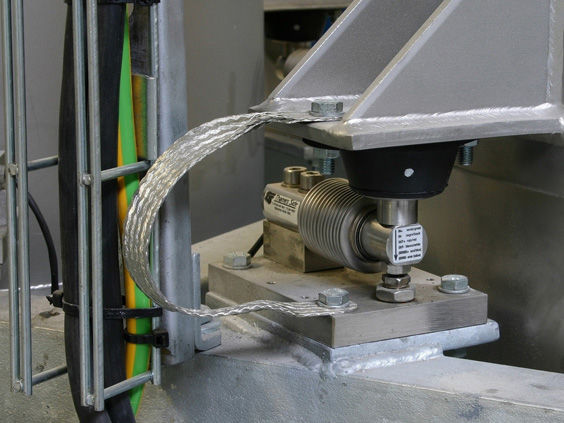
The weighing module includes an inner frame bracket, a force transmission plate, a base, a main weighing sensor, a force transmission frame, guide wheels, hooks and buffer spring. The inner frame bracket is fixed on the lifting frame and moves up and down along the flipping frame through guide wheels. The inner frame bracket has a force transmission plate on its side, which is fixed on the force transmission frame. The bottom of the inner frame bracket has a base. The main weighing sensor is installed together with the base and the force transmission frame. The upper part of the force transmission plate is fixedly connected to the inner frame bracket, and the buffer spring is fixedly connected to the inner frame bracket at one end and to the lifting frame at the other end.
Upper and lower limit position detection switches are set on the lifting track to monitor and weigh during the lifting and lowering of the trash can. During the lifting process of the trash can, it passes through the lower limit position detection switch first and then the upper limit position detection switch. The data control device automatically records the gross weight. After the empty bucket is returned and descends, it passes through the upper limit position detection switch first and then the lower limit position detection switch. The data control device automatically records the skin weight after the dumping and then automatically calculates the net weight, eliminating the possibility of human cheating.
Since a pressure bucket force compensation mechanism is set at the upper end of the flipping mechanism, when the trash can rises and contacts the lower end of the pressure bucket plate, the signal is transmitted to the data control device through the pressure compensation weighing sensor for precise calculation, ensuring more accurate weighing accuracy. Through the automatic weighing control operation of the data control device, the gross weight during the lifting process of the trash can, the skin weight during the descent of the empty bucket after dumping, and the net weight are automatically calculated, achieving the entire process without manual manual operation.
The Weighing system includes a central processor, a GPS module and a GPRS module. The weighing signals of the weighing module and the pressure bucket force compensation mechanism are transmitted to the central processor for calculation. The GPS module and the GPRS module are used for positioning the garbage vehicle body and data transmission. The data control device also includes a dynamic automatic weighing control display instrument, which is convenient for real-time data monitoring. An automatic card reader or RFID reader can be connected to the input end of the central processor for automatic identification and to achieve high-speed and efficient operation.


