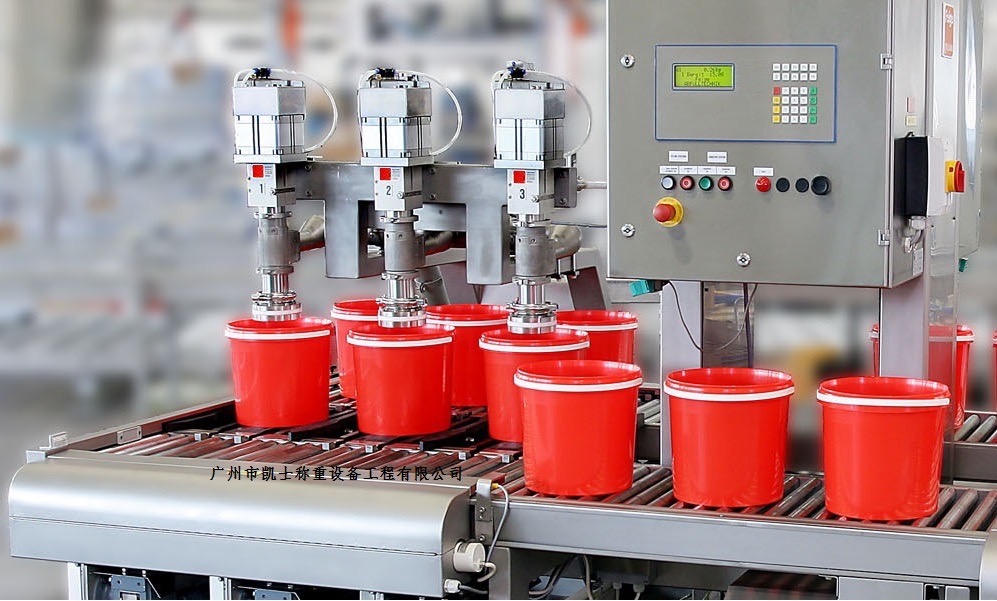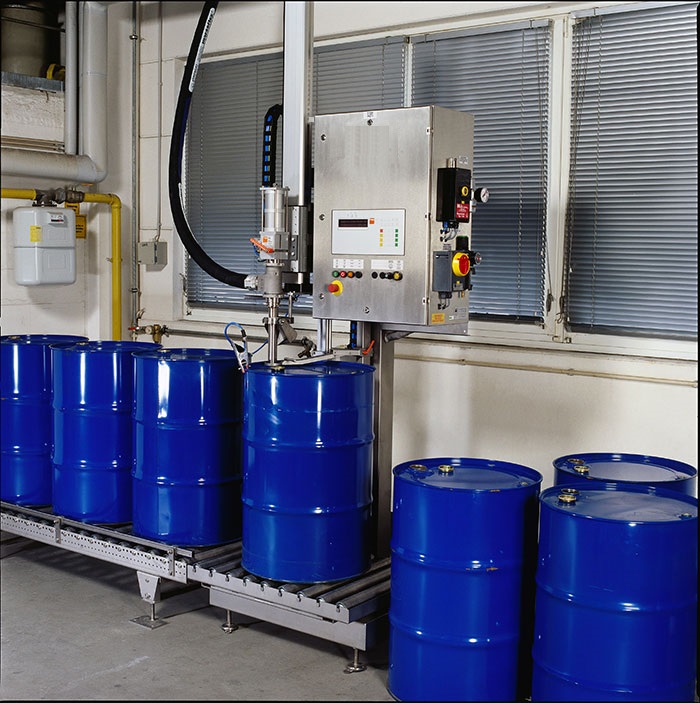


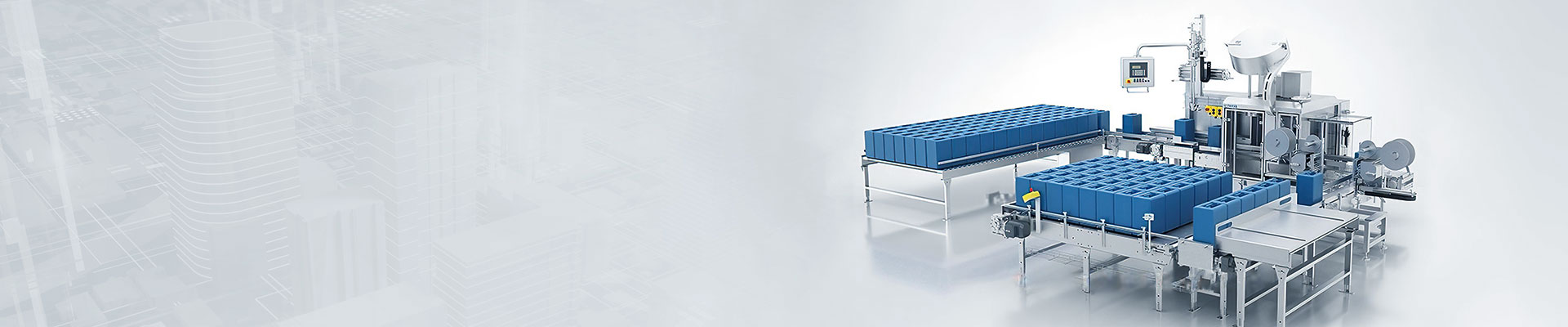



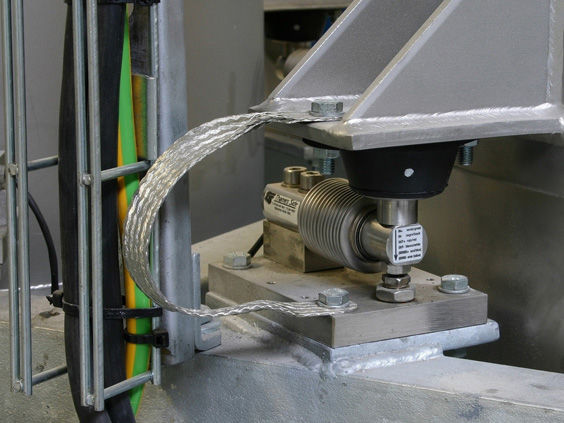
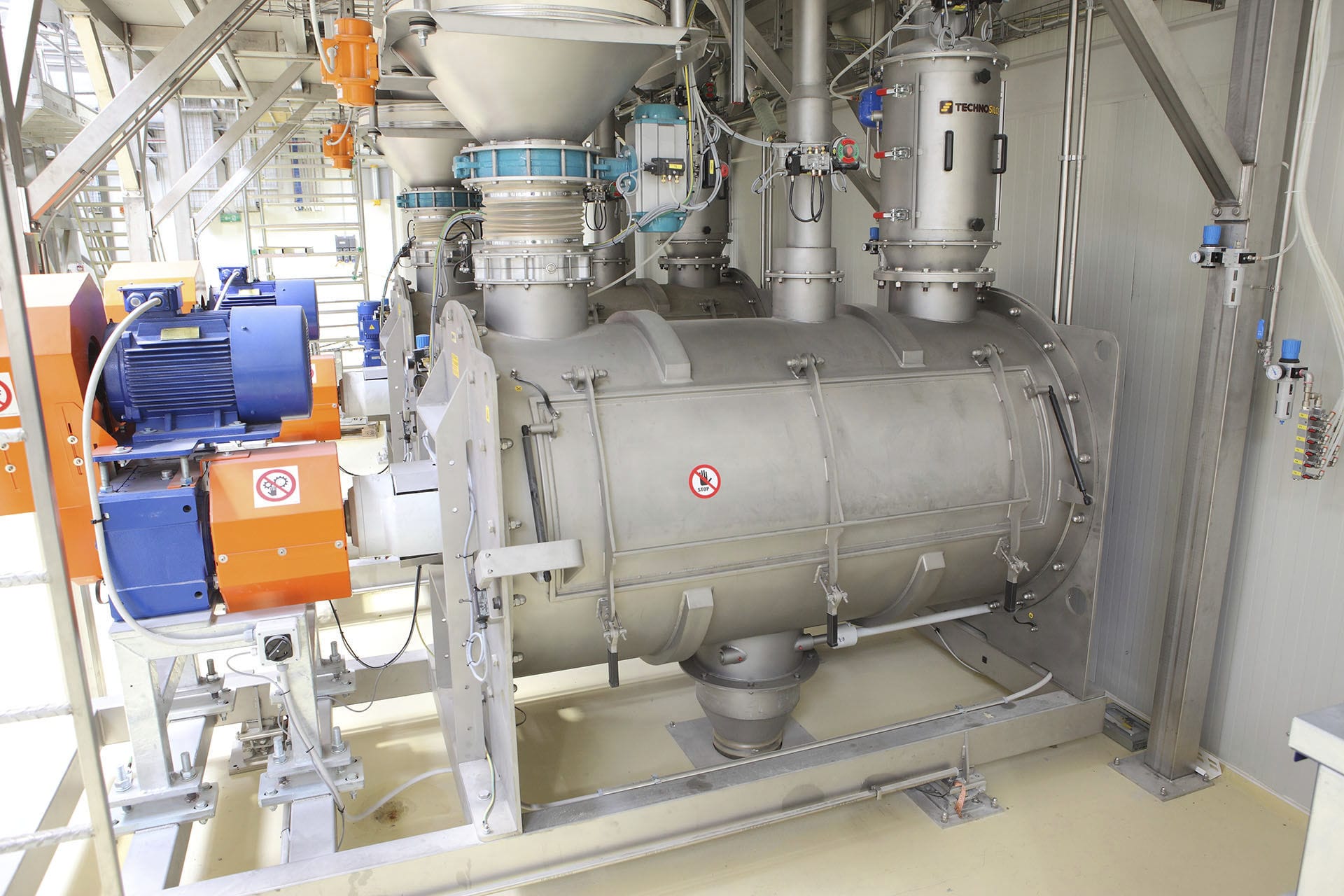
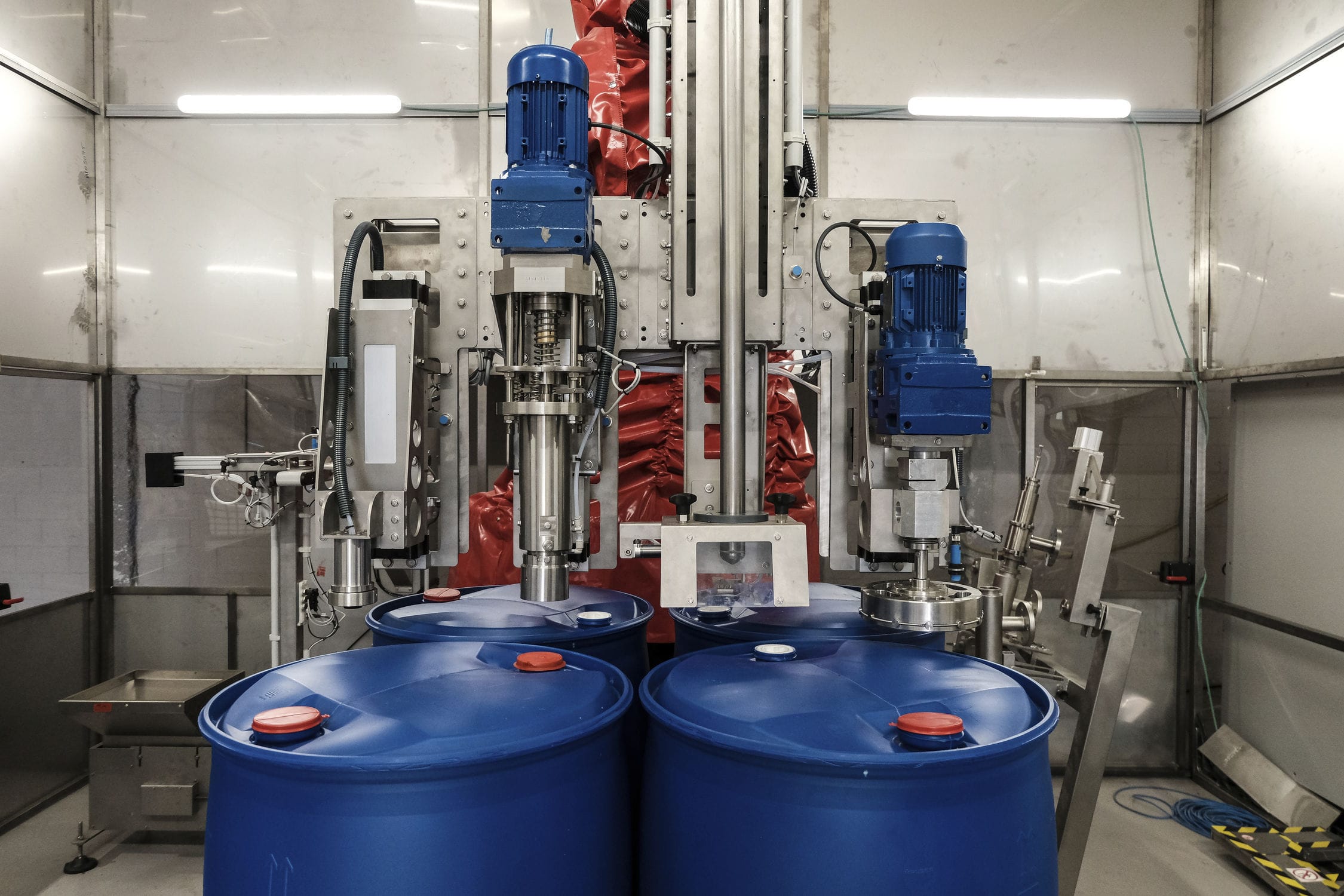
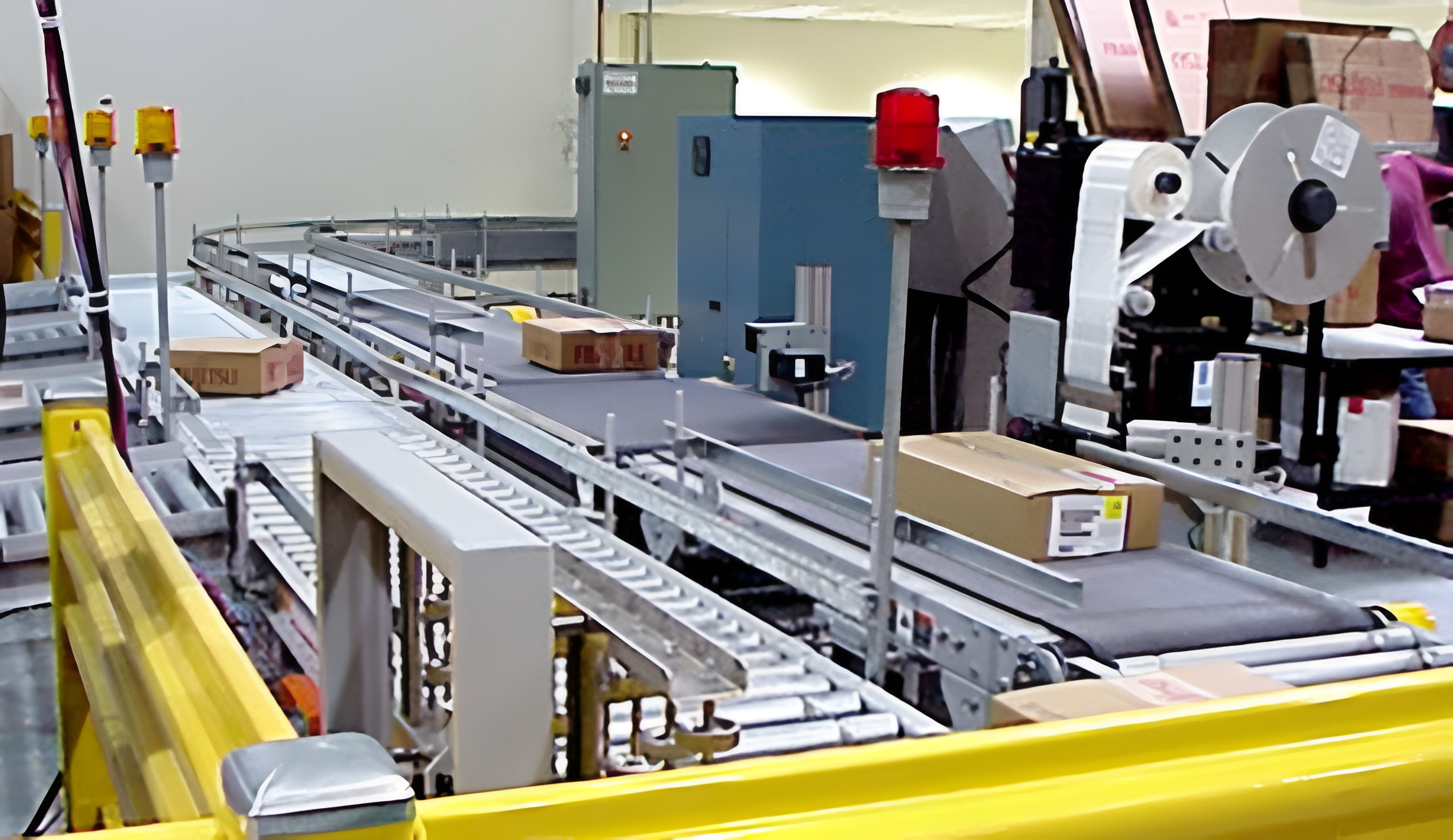
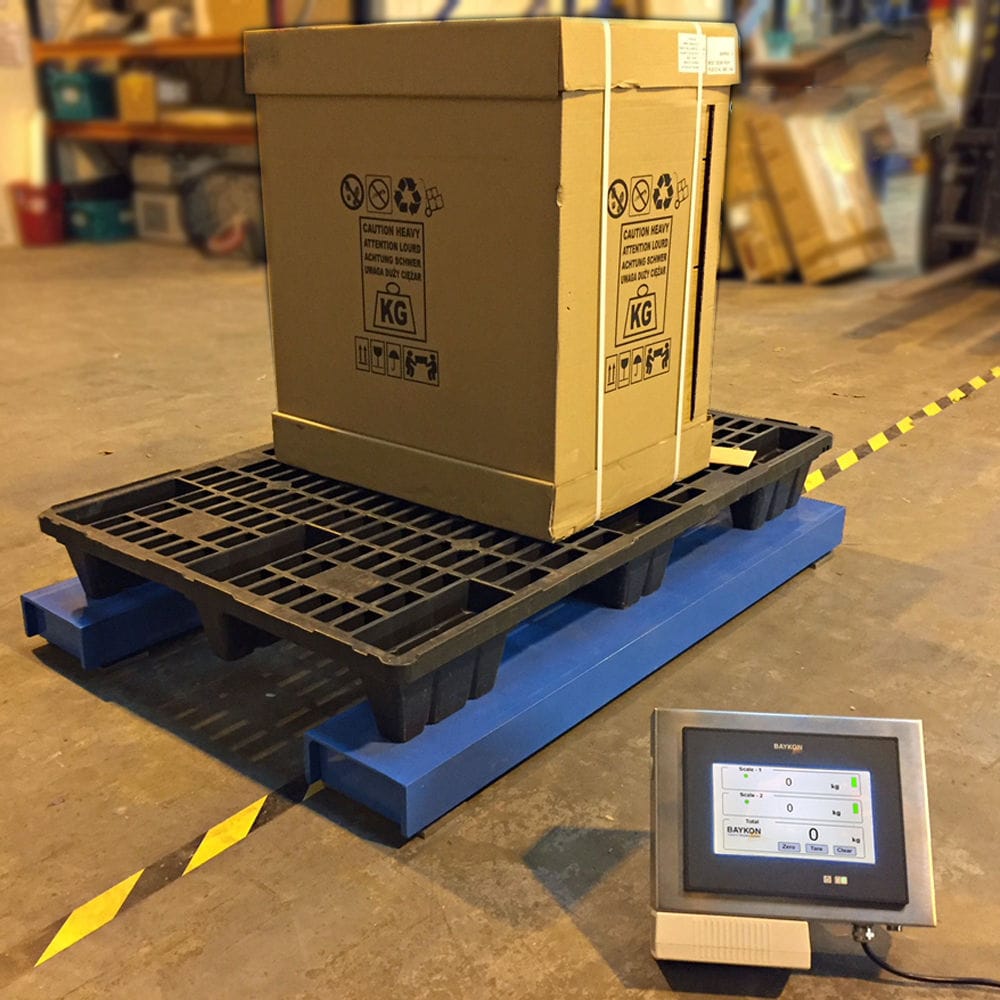


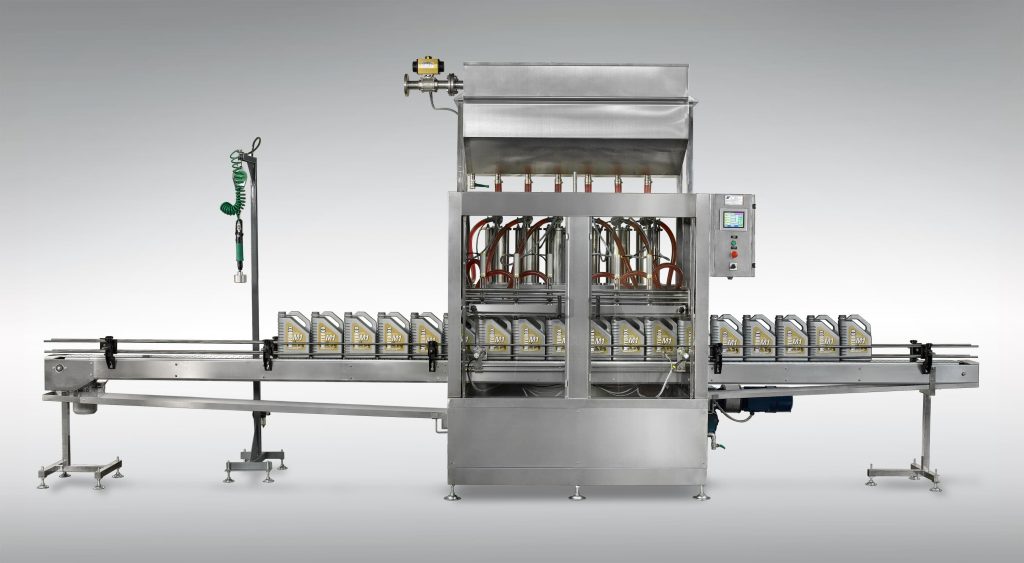
The liquid resin filling and packaging machine adopts a double-stroke filling gun. It is composed of a large filling gun conveyor, a small filling gun conveyor, a filling mechanism, an electronic scale, a filling machine frame, and a storage bin, etc. Through the feeding device of the filling gun, the parameters such as the size of the feeding port, the piston pitch, the rotational speed, and the size of the discharge port are changed to achieve weight control, ultimately achieving the control of accuracy and efficiency to determine whether the piston meets its working requirements. The data is transmitted to the data acquisition and processing system through the communication port by the electronic scale and displayed on the intelligent weighing instrument.

 020-34563445
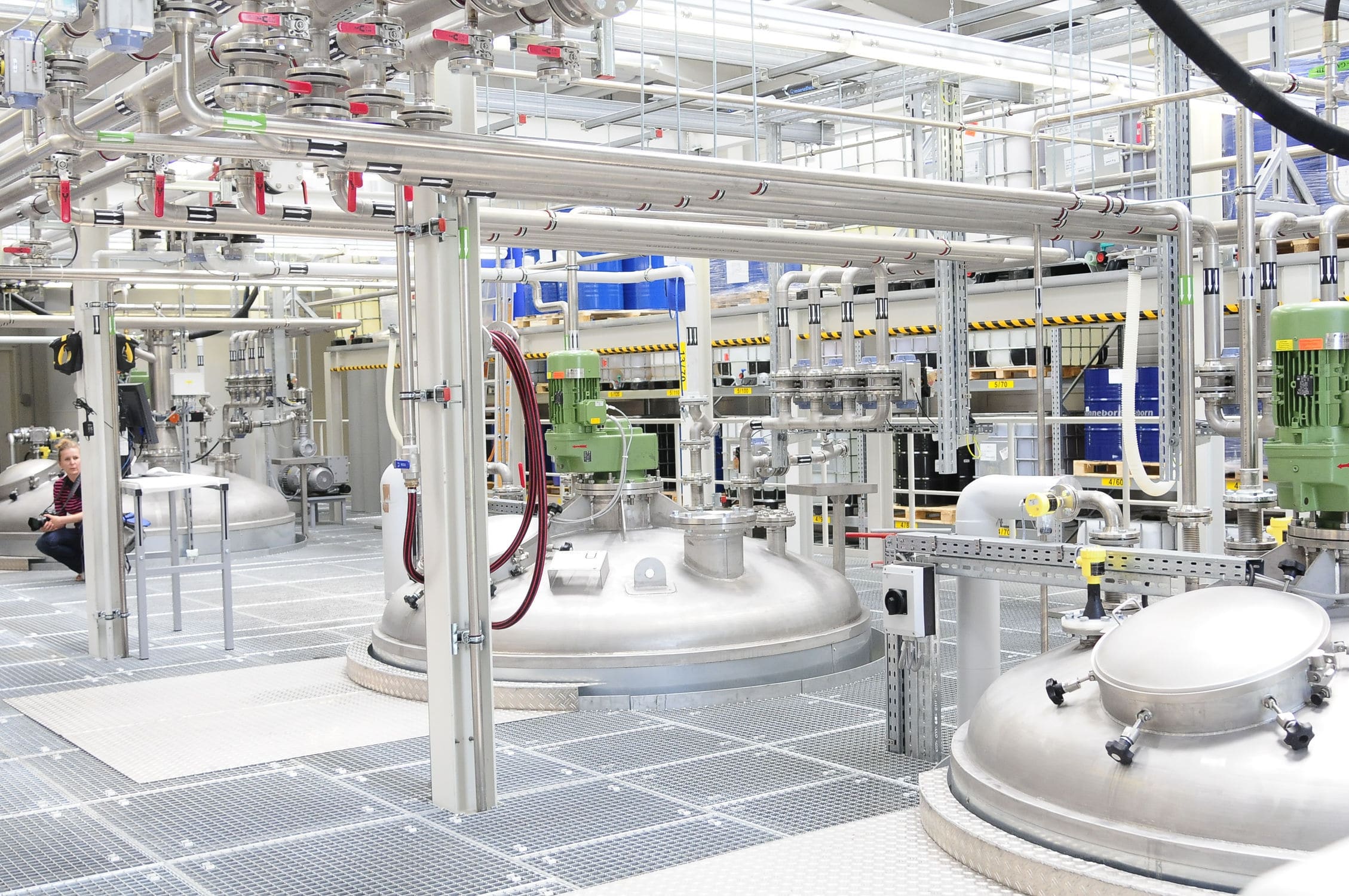
The liquid resin filling and packaging machine provides the best quality and precision filling technology for liquid packaging. It features rapid and effective product conversion and a fast automatic on-site cleaning procedure, which is executed according to batch work orders. During operation, it performs functions such as execution, pause, cancellation, termination, stoppage, and status changes, records material input and weighing, and performs recording to achieve material feeding management. By establishing work orders or receiving information-based work orders, the work order information is converted into execution parameters for the automated equipment, driving the equipment to follow the work order instructions and achieve batch control of the filling process. Integrated with information-identifying equipment such as printers, scanning guns, and RFID, it gives the materials the identifiable information entering the weighing and blending process. Using a CS structure, the control and management server serves as the central server for the automatic Filling machine to manage the entire filling machine, and through an industrial Ethernet network, connects the operation stations of each process. One operation station is placed for each process, connecting the equipment of each process. The operation station realizes the functions of each workstation.
The quantitative filling machine adopts the control method of light oil filling into barrels, collecting the data from the Electronic scale weighing instrument, processing and judging the data, and then performing relevant control operations, such as motor control, valve opening and closing, etc. At the same time, it controls the filling of oil in four channels. According to the valve control algorithm, it determines and issues signals to open or close the valves, controlling the opening and closing of the electrically operated valve switch. This is to achieve the purpose of precise filling. Through the HMI touch screen on site and the remote PLC, real-time monitoring and filling of the site are carried out. The cylinder quantitative pump moves the piston downward to fill the quantitative liquid. When it moves to the position and touches the travel switch signal, the liquid is injected into the container on the electronic scale for filling by the piston. When the target weight of the filled liquid causes the filling platform to drop and touch the travel switch, the cylinder will push back to its original position, generating a signal to make the cylinder return to its original position. Then, the conveying mechanism will transport the new empty container to the emptied feeding electronic scale. Thus, a complete working cycle is completed.
The double-travel filling gun of the Liquid filling machine is composed of a large filling gun conveyor, a small filling gun conveyor, a filling mechanism, an electronic scale, a filling frame, and a storage bin, etc. The filling gun feeding device controls the weighing by changing parameters such as the size of the feeding port, the piston pitch, the rotational speed, and the size of the discharge port. The PLC calculates the target value and the standard setting value of the material's quick filling. When the material's quick filling target value is less than the standard setting value, the PLC issues a high-speed instruction, making the piston filling gun work in a high-frequency state. The material quickly falls into the container on the electronic scale. When the material reaches the set quick filling target value, the filling gun conveyor is composed of a stepper motor, a reducer, and a filling gun cylinder. The filling gun shaft rises out, causing the material to undergo a contraction movement within the filling gun. The material is subjected to the frictional force of the material cylinder or the conveying pipe wall, thereby advancing the material axially and achieving material transportation. The material feeding begins. Both the large and small filling gun conveyors work simultaneously. When the weight of the material on the tray reaches a preset weight value (the preset weight value is generally set to about 95% of the final weight of the material), the electronic scale sends a signal to the control system, which then controls the stepper motor of the large filling gun conveyor to stop working, switches the frequency converter to a smaller piston frequency, and slowly feeds the material. When the weighing value is less than the standard setting value (if the difference is outside the tolerance range), the PLC will automatically start the drop correction, allowing the material to continue filling to ensure the filling accuracy. If the difference is within the tolerance range, the PLC will output a stop signal, causing the piston filling gun to stop operating, ending the piston feeding, and completing one batch of filling cycles.