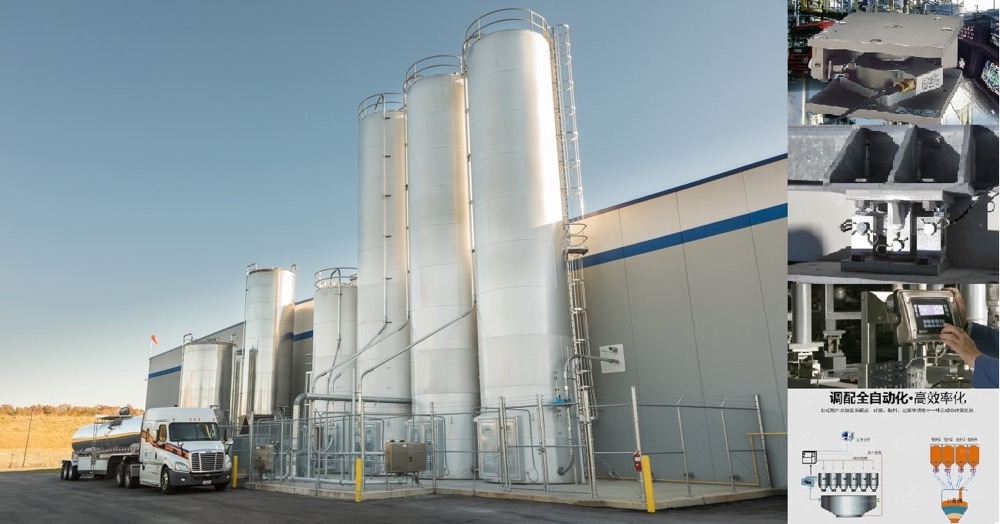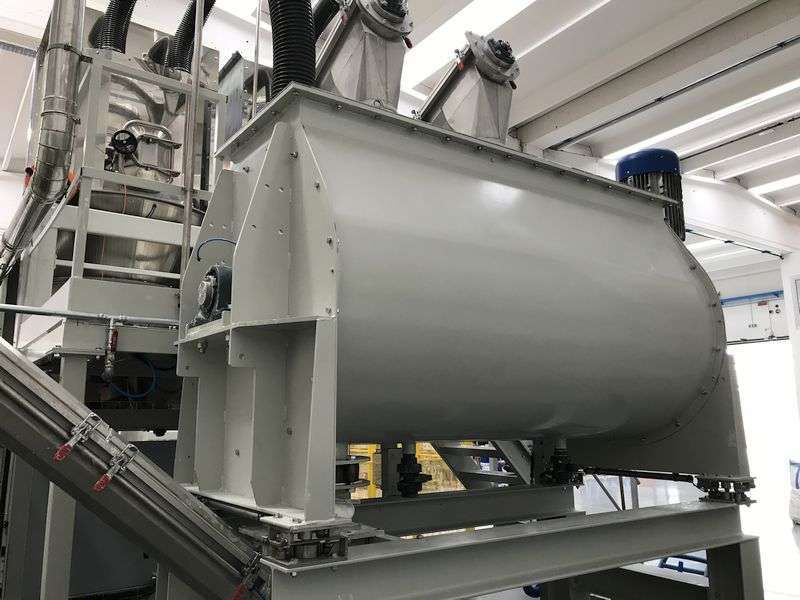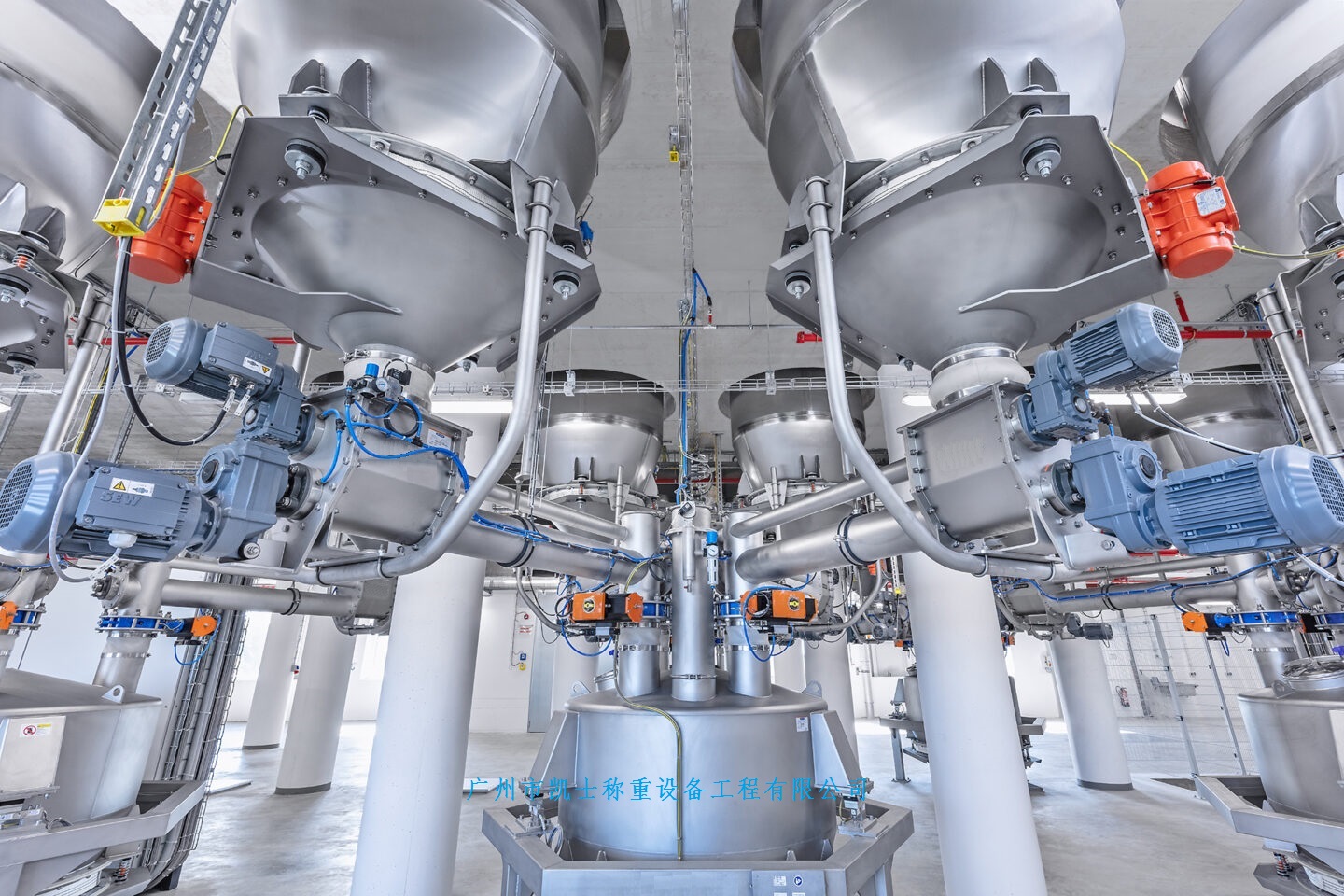





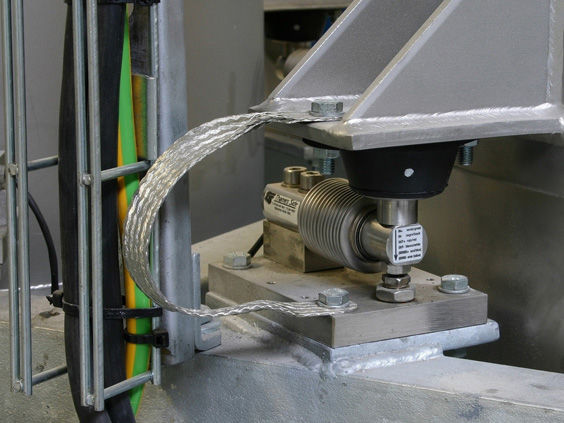
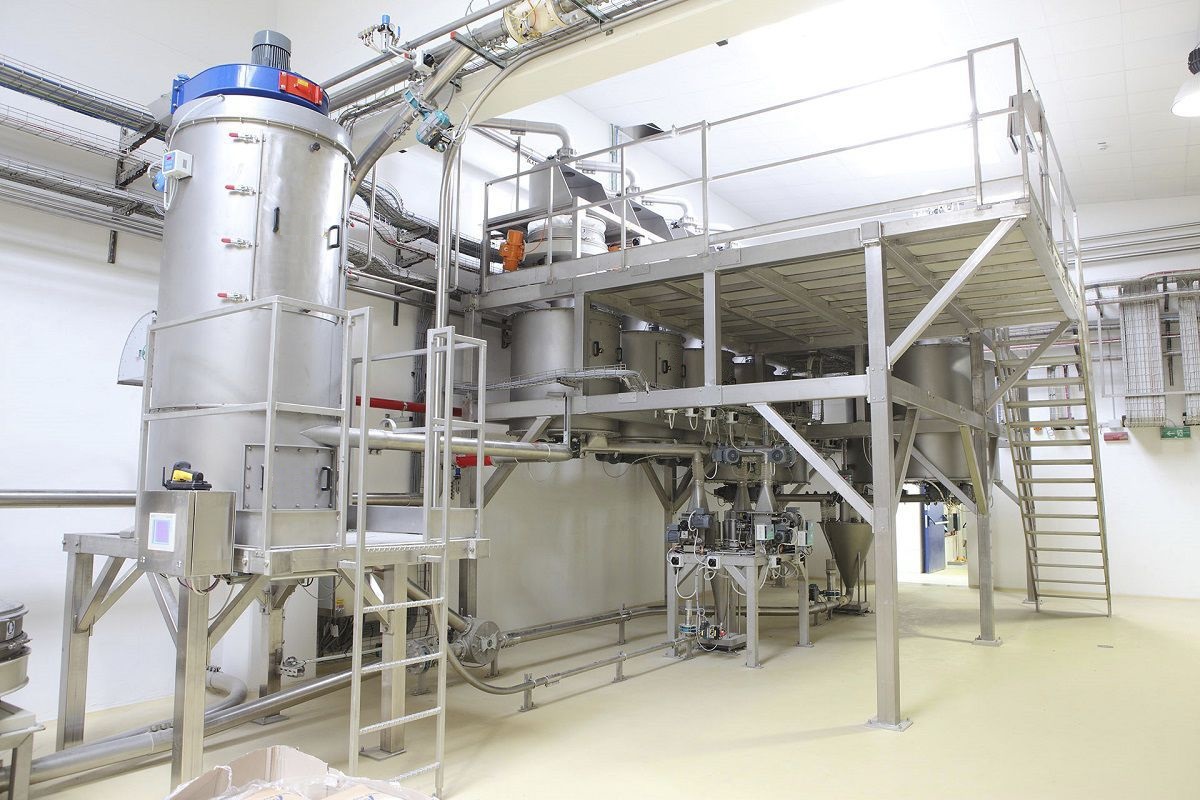
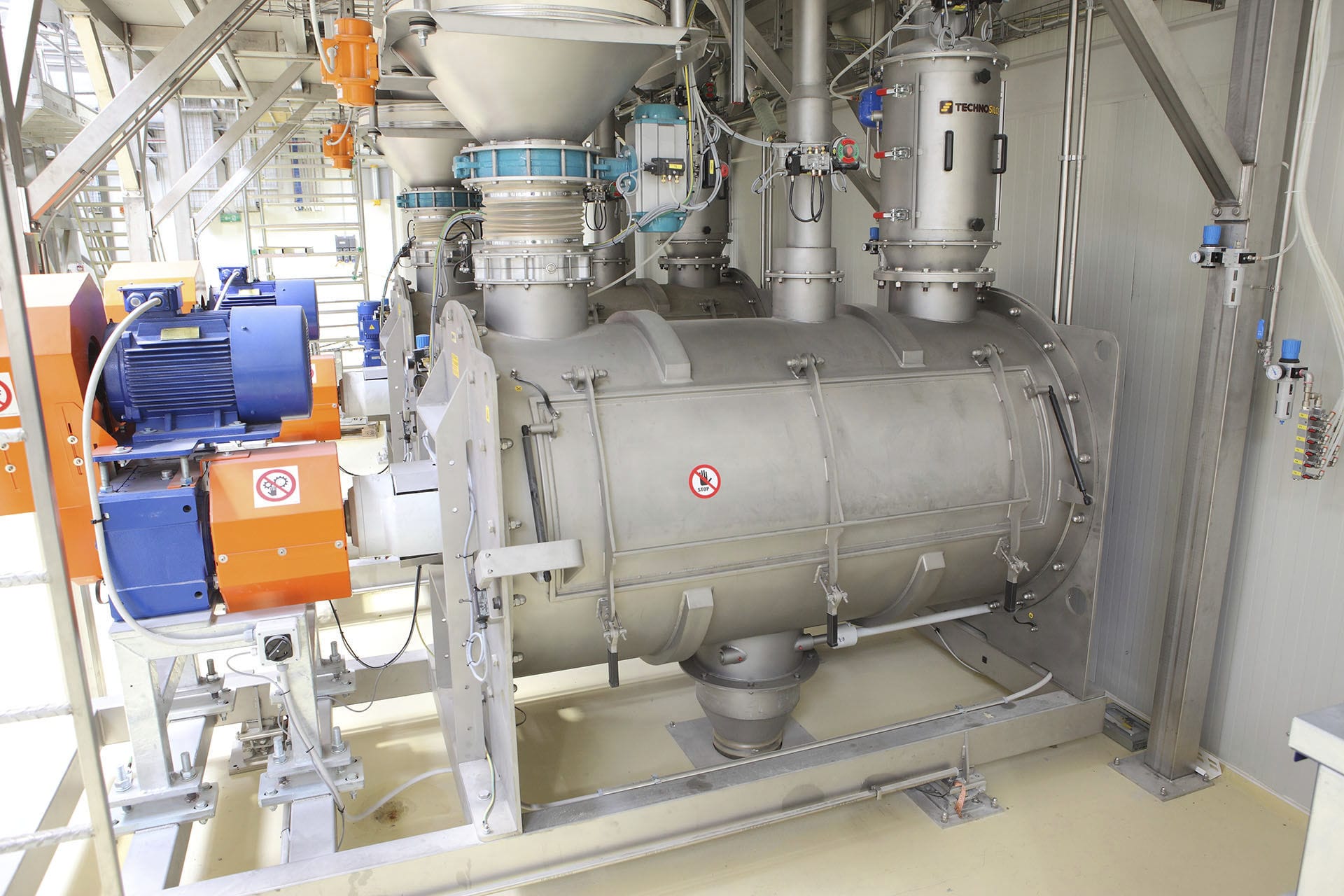
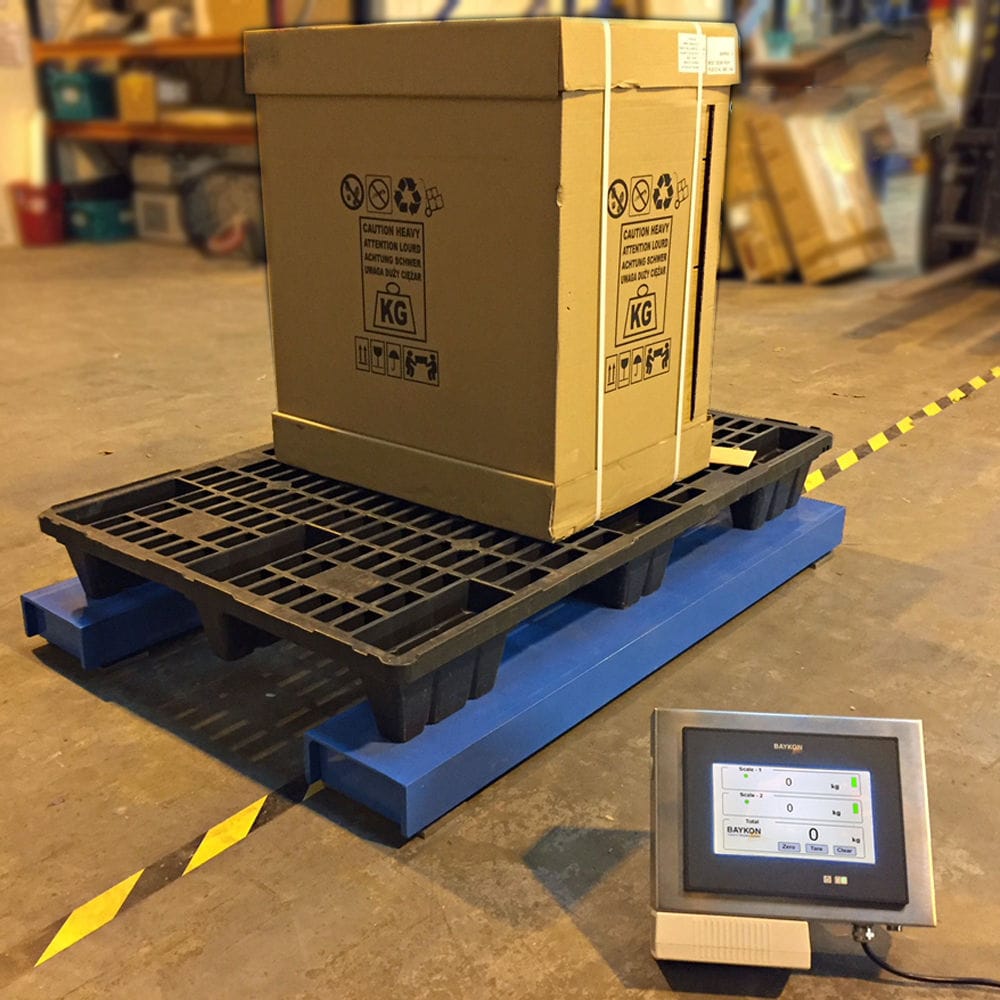


When the fully automatic mixer discharges the materials from the outlet through the driving and material conveying devices, the weight of the materials in the hopper of the feeder will decrease. At this time, the high-precision weighing module measures the weight of the materials in the hopper in real time and transmits the weight value to the control module in real time. The control module performs calculations and compares the amount of weight reduction within a unit time with the set feeding amount. It conducts PID regulation to control the output of the driving and weighing instrument, thereby controlling the rotational speed of the motor and keeping the set value consistent with the actual value, in order to achieve the purpose of precise feeding.

 020-34563445
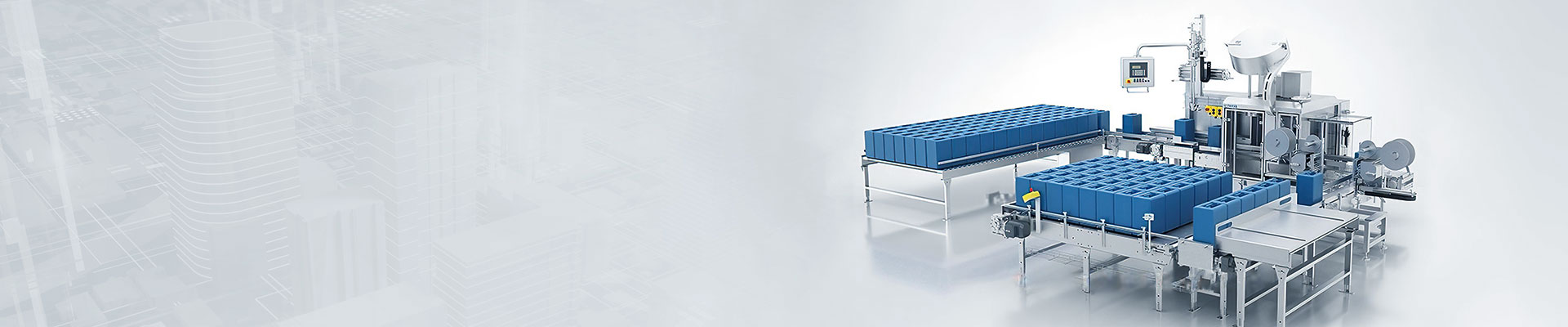
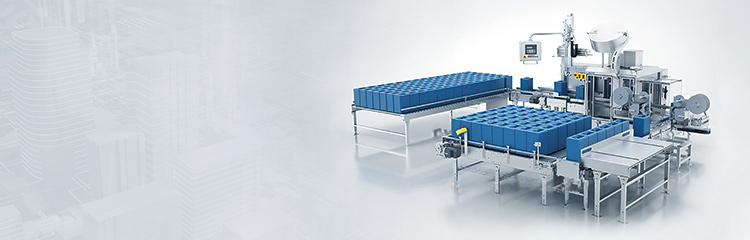
The automatic weighing and mixing machine adopts various feeding methods such as electromagnetic vibration, double (single) screw feeding, and continuous stepless speed control intelligent control device. Multiple screws are set separately, and they are controlled by a set of PLC and touch screen. The low material level signal of the on-site material tank, the position signal of the feeding valve / discharging valve, the start signal or the on-site manual feeding and discharging signal, etc., are connected to the PLC input. The weighing module signal is input to the PLC through the A/D conversion module. The PLC, through program compilation, automatically controls the entire batching and weighing process, data processing, and alarm output. The screw Feeding machine is mainly used for the transportation of granular solid materials. It is installed with screw blades on a central shaft, and the shaft and the screw rotate within a fixed casing. The rotation of the screw surface makes the material move axially within the casing. By changing the structure of the screw blades (such as diameter, pitch, etc.) and the rotational speed of the feeding machine, the raw material transportation volume can be adjusted. When the material is discharged from the outlet through the drive and material conveying device, the weight of the material in the feeding hopper will decrease. At this time, the high-precision weighing module will measure the weight of the material in the hopper in real time and transmit the weight value to the control module. The control module will perform calculations, compare the weight reduction within a unit time with the set feeding amount, and perform PID regulation to control the output of the drive weighing instrument, thereby controlling the motor speed and keeping the set value consistent with the actual value to achieve the purpose of precise feeding.
The Weighing system starts to operate, and the asynchronous motor is activated, driving the coarse spiral Feeder to rotate, causing the material to fall from the discharge pipe. When the weight of the material reaches 90% to 95% of the set weight, the feeding of the coarse spiral feeder is stopped, and then the fine spiral feeder is started for a微量 addition, until the weight of the material meets the requirements of the given weight. The fine spiral feeder is driven by a stepper motor. The material weighing system is divided into two stages. The first stage is driven by the asynchronous motor, with the coarse spiral feeder feeding, and this stage can be regarded as the coarse adjustment process, where the feeding weight must be less than the rated weight. The second stage is driven by the stepper motor to feed the fine spiral feeder, which can be regarded as the fine adjustment process, making the actual weight equal to the required rated weight. Achieving the weighing of a target quantity in a unit of time, meeting the requirements of weighing accuracy and speed.
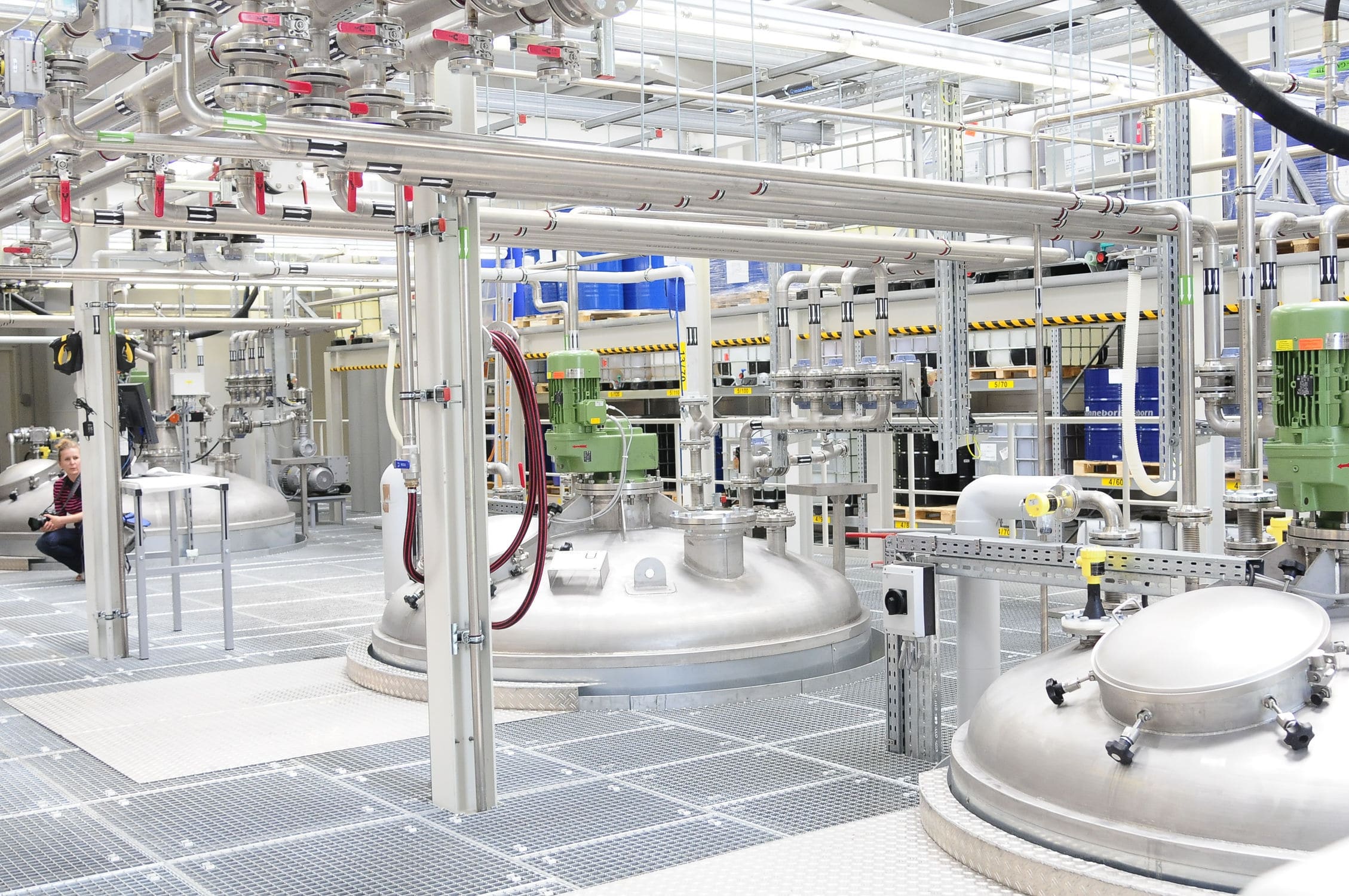
The spiral feeder is generally placed at the lower part of equipment such as silos and storage bins, to control the flow of materials. The feed inlet of the feeder is filled with materials. The flow of materials can be controlled by changing the diameter and pitch of the blades or the rotational speed of the screw. The feeding system is a weighing control system that detects the material level in the bin and is completed using an air-powered power system based on cylinders. Based on the detection information of various cylinders' positions on the mechanism, the motion state of the step gate is judged, and through logical operations, the action instructions for each cylinder in the next step are output to complete the gate opening and closing actions, and to control the material level in the bin to start or stop the raw material system's transportation. The feeder feeds the materials to the weighing bin. When the weighing bin reaches the set value, the raw material system stops the transportation, and the power gate is opened to send the materials into the bin machine. The bin machine is started to send the raw materials into the silo. The process is that the main command weighing instrument sends the weight signal of the bin machine to the weighing control system. The weighing control system controls the start and stop of the bin machine and the delay of material discharge based on the weight signal of the bin machine. After the bin machine discharges the materials, it prepares for the next material transmission. After the addition of materials is completed, the system stops running.