






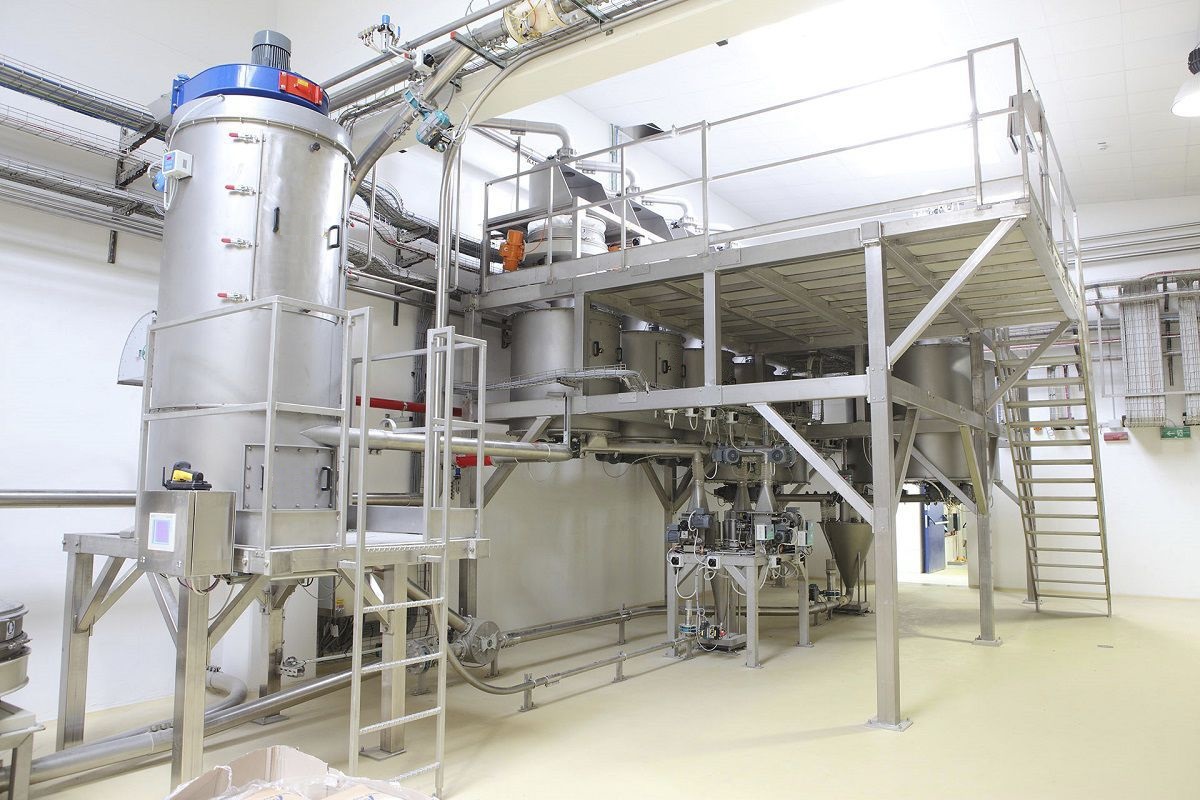
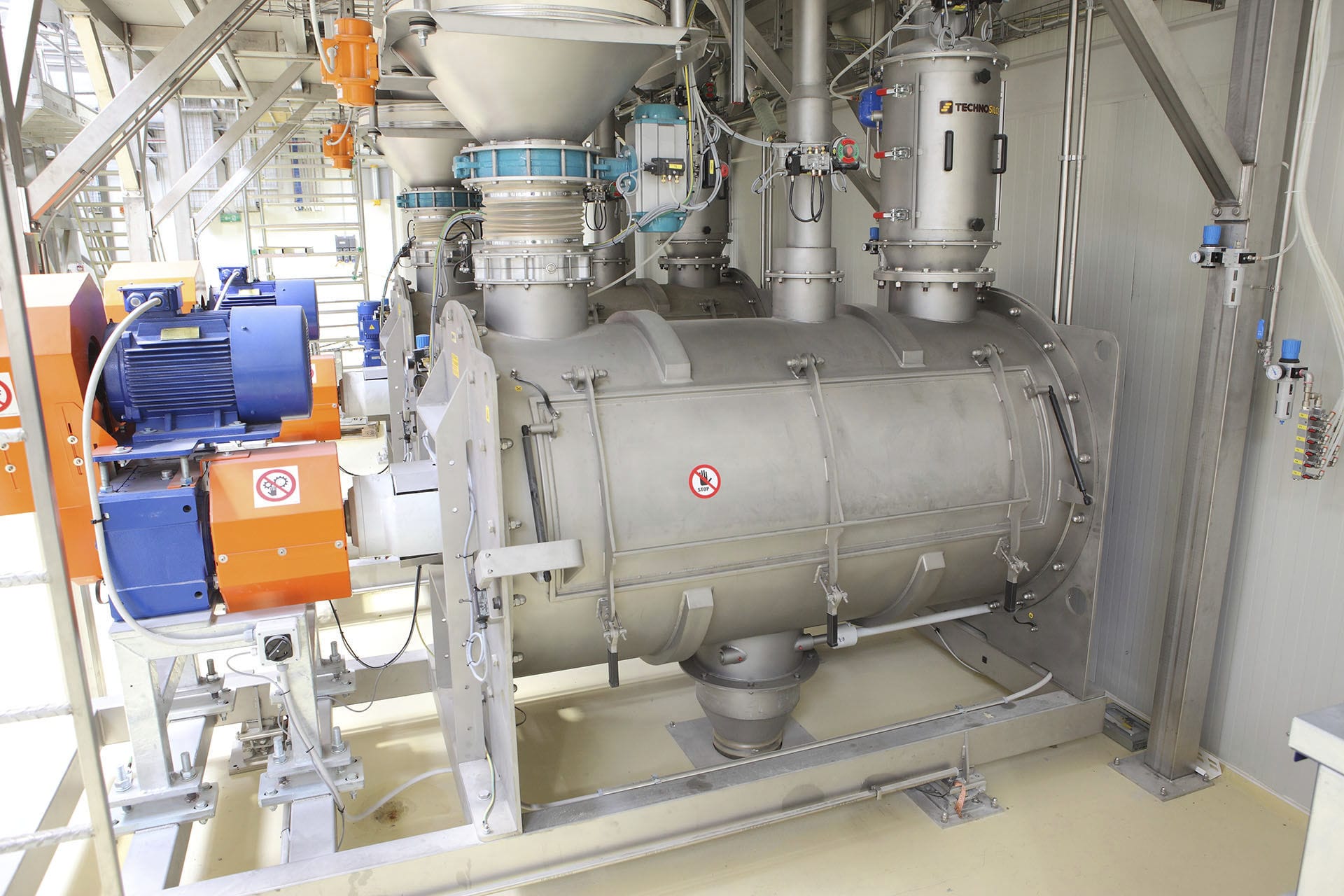


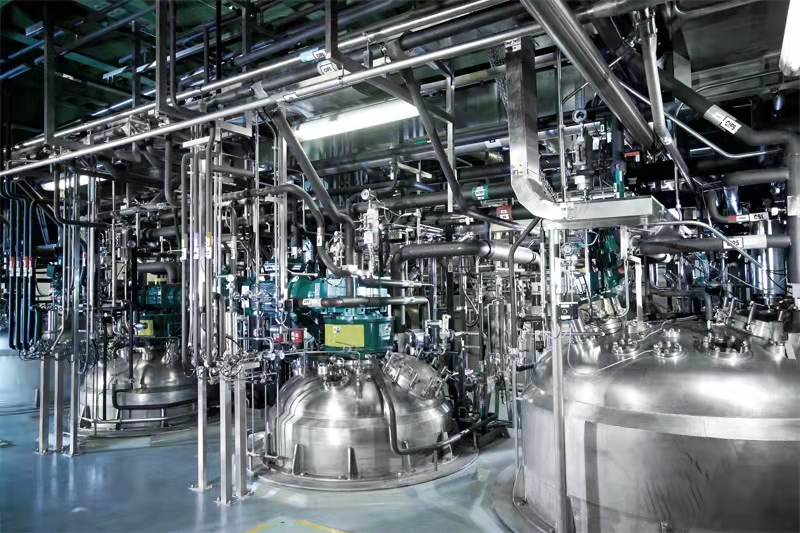
The mixing and feeding equipment adopts the regulating valve or changes the pressure of the issuing tank for dosage, and PID adjusts the weight value to the pressure of the dosage tank or the opening of the regulating valve. The standard proportional function and the proportional calculation of the weighing system are used to ensure the stability of the weighing performance. The given value is multiplied by a multiplier to calculate the target value of the dosage weight, which is given remotely as a control quantity, and the reciprocal is taken to calculate the weight of the discharged material by a multiplier, thus realizing interactive dosage.

 020-34563445
The weighing, mixing, and Feeding machine is a complex construction equipment with extremely harsh production environments. Currently, most reaction kettle control Batching systems use upper level monitoring+PLC, or adopt upper level monitoring+PLC+weighing instrument mode. In order to ensure the reliability of the entire control batching system, Advantech industrial control computer is selected as the upper computer, equipped with analog data acquisition board to collect various production weighing sensor signals, and digital acquisition board as input signal detection and control output. Through the reaction kettle weighing module, the entire process control from batching, unloading, mixing, discharging, and recording is achieved. The analog signal acquisition adopts Advantech PCI bus isolated high-speed analog input card, and the input and output of status signals adopt Advantech PCI bus isolated digital I/O card. The ingredient monitoring and management software automatically controls the on-site signals through high-speed acquisition by computer, and automatically and accurately configures various materials according to the pre-set scheme. It has dynamic monitoring, real-time alarm and error correction functions to ensure the stability of product quality. At the same time, the ingredient system also provides backend data management functions, including user management, formula management, report management, weighing calibration, and other functions. The mixing and feeding system uses regulating valves or changes the pressure of the feeding tank for batching, and PID adjusts the weight value to regulate the pressure of the batching tank or the opening of the regulating valve. Using standard proportion function and proportion calculation of Weighing system to ensure stable weighing performance. The given value is used to calculate the target weight of the ingredients through a multiplier, which is used as a remote control variable. After taking the reciprocal, the output weight is calculated through a multiplier to achieve interactive ingredients.
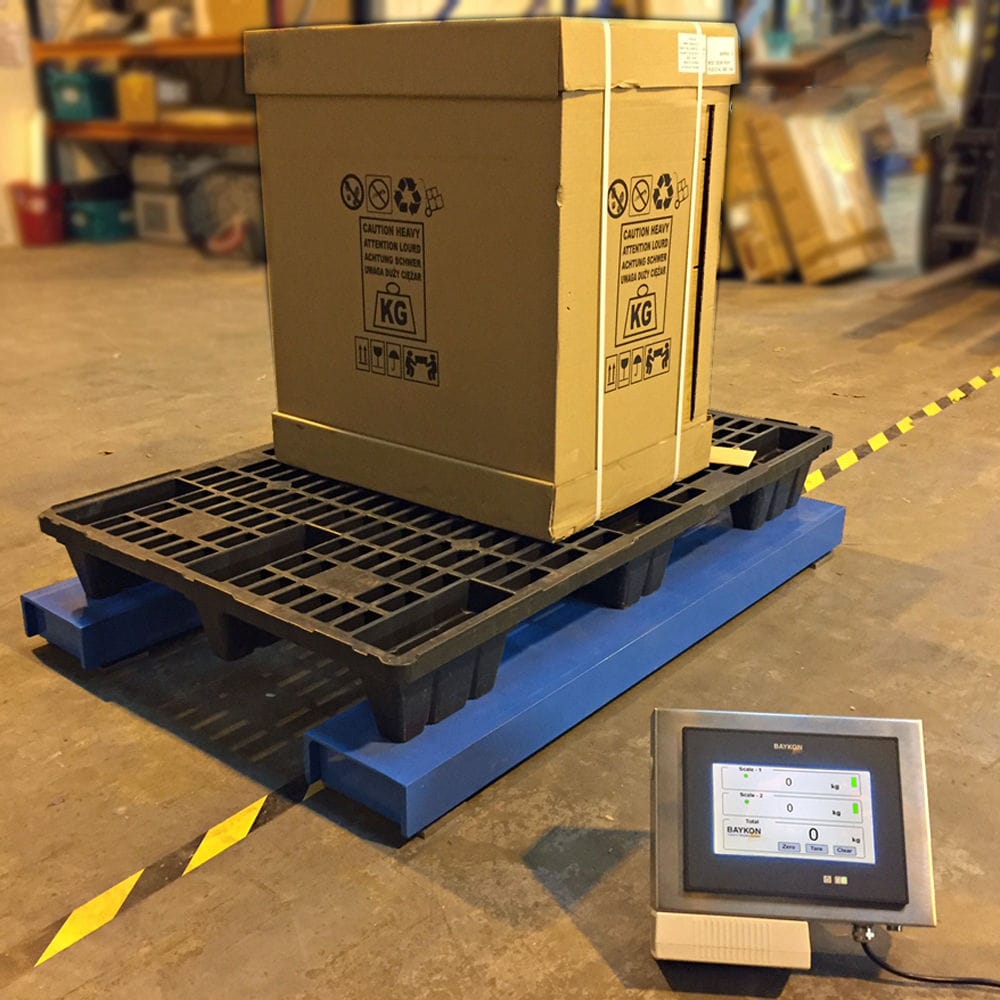
The weighing and feeding machine adopts a base, and the upper end of the base is fixedly connected to a column. The upper end of the column is hinged with a crossbeam, and a motor is installed on the crossbeam. One end of the motor shaft is fixedly connected to a rotating column, and the upper end of the rotating column is fixedly connected to a stirring plate. The upper end of the base is fixedly installed with a floor scale. The platform scale of the floor scale is equipped with a batching bin, and the stirring plate is located inside the batching bin. The rotating column is fixedly connected with a connecting rod, and one end of the connecting rod is fixedly connected with a scraper. The lower end of the batching bin is provided with a discharge port. The weighing and feeding machine is equipped with a motor, a rotating column, a mixing plate, a connecting rod, and a scraper, which can not only break the lumps in the additive, but also effectively prevent the additive from adhering to the inner wall of the batching bin, avoiding the situation where the additive cannot be fully mixed with the ingredients after being added. By opening grooves on the platform scale of the weighing scale and fixing rubber pads at the bottom of the grooves, it can prevent the mixing plate from driving the batching bin to move when mixing the additive, which may cause the batching bin to tilt. The ingredient warehouse is designed with a smooth inner wall, and the scraper is attached to the inner surface of the ingredient warehouse. The platform scale of the weighing scale is provided with grooves, and rubber pads are fixedly installed at the bottom of the grooves. The rubber pads are set as elastic rubber pads with rough surfaces, and the batching bin is located inside the grooves. A support block is fixedly connected to the column, and an elastic pad is fixedly installed at the upper end of the support block. The upper end of the column is fixedly connected with a fixed block, and the fixed block is fixedly connected with a steel column. One end of the crossbeam is fixedly connected with a circular ring, which is sleeved on the steel column. The motor is set as a forward and reverse deceleration motor. The feeding system also has the following functions:
Control measures for accuracy and efficiency
In software design, comprehensive consideration is given to reliability, weighing calibration, weighing accuracy, data processing, and other aspects to improve production efficiency and control accuracy.
digital filtering
Due to the influence of mechanical vibration, electrical interference, and other factors, signal distortion is severe in the input of weighing analog signals. The software first filters the sampled data signal to eliminate and suppress interference signals, and adopts a drop tracking adjustment method. It can automatically correct during the production process, ensuring that the powder error is within ± 2%, while other powder errors are within ± 1%. By preprocessing the data, the weighing terminal can weigh materials in advance in continuous production to improve efficiency. When weighing, high-speed feeding is first carried out, and after reaching about 90% of the set value, shaking feeding begins to achieve precise weighing.
Weighing calibration
The coarse adjustment of weighing calibration is completed by hardware, and the fine adjustment of weighing calibration is completed by software to avoid the problem of zero point migration and mutual restraint of gain amplitude in the hardware circuit during weighing calibration fine adjustment. Explosion proof Electronic scales improve calibration efficiency and accuracy.
Automatic zeroing
Due to the possibility of the weighing substance sticking to the weighing hopper and affecting the weighing accuracy, the method of automatically adjusting the zero point by software is adopted to eliminate the influence of weighing viscous substances on the accuracy of repeated weighing.
Gap correction
The ingredient process is a dynamic weighing process, in which the weighed substance falls freely onto the weighing hopper. When the weighing value is reached, the randomness of bias caused by the discreteness of mechanical action delay affects the accuracy of dynamic weighing.