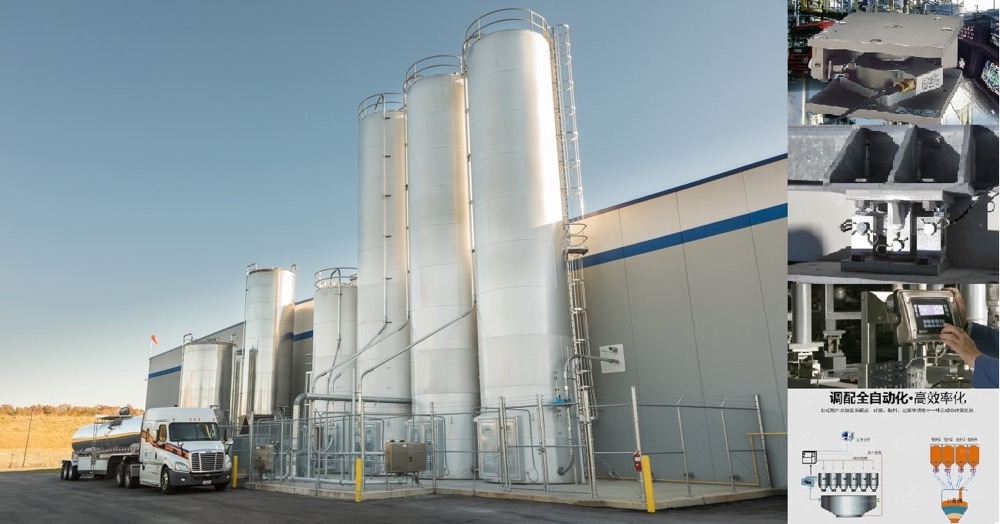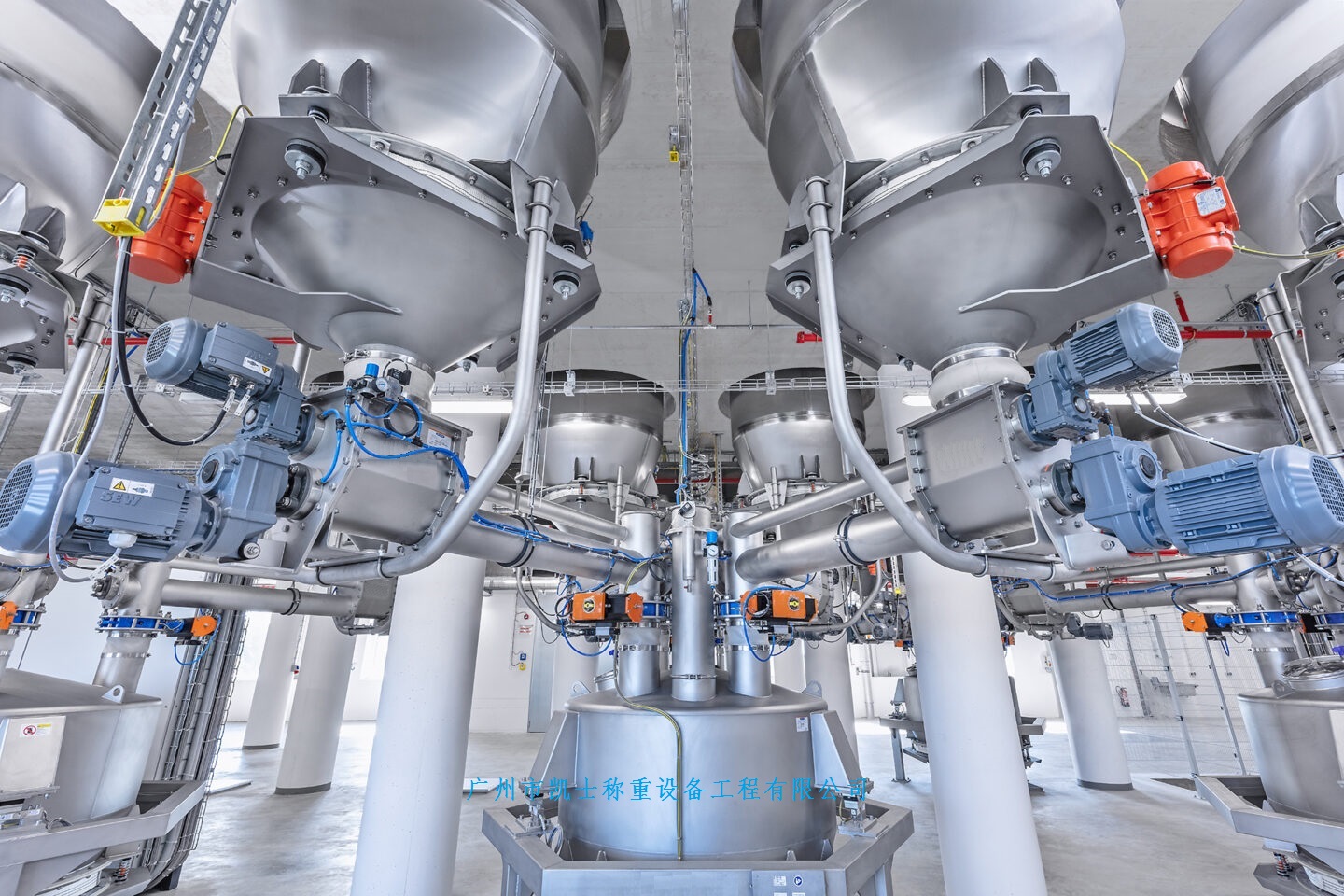






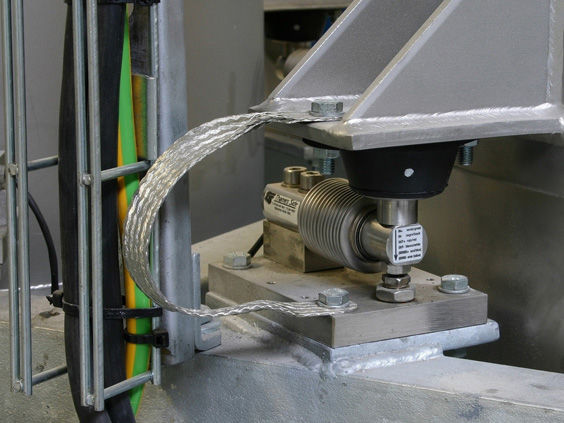


The mixing system uses ring Ethernet to realize the sharing between PLC and PLC and the monitoring management level. TCP/IP protocol is used to transmit between the monitoring station and the server. After CPU calculation, the reactor motor on site is directly controlled. Part of the weighing signal of the field weighing bucket enters TSXMomentum from the fieldbus through the ISPMomentum weighing template, and then transmits the signal to the CPU through MB+ communication to complete the precise control of the frequency of the chain and reactor motor of the weighing.


 020-34563445
The wide application of the weighing feedback Batching system and the rapid development of fieldbus technology have brought about interoperability, interchangeability, replaceability, scalability and support for multiple industrial computers. In terms of batching functions, more algorithms need to be implemented, higher control targets need to be achieved, and batching functions tend to be more integrated. In terms of the self-diagnosis function of the weighing control system, it is required that the self-diagnosis function be perfect and accurate. Under such circumstances, the level of automation of control is constantly increasing, from classic PID regulation, feedback, and feedforward loop control to batch control, distributed control, object-oriented optimization control, artificial intelligence control, and gradually developing to multi-parameter and multi-objective control, for correction and compensation, the algorithms need to be increasingly detailed and precise, and become particularly important. Batching, and mixed object optimization control, adaptive control or artificial intelligence are realized through the computer distributed control system itself, without the need for additional computer hardware. Using a control system composed of IPC and network communication, the requirements for supporting batching equipment are no longer just about how powerful its functions are or how rich its content is, but rather the demand for its ability to redevelop for different users with different objects is becoming increasingly important. Batchers support multiple popular advanced languages, and users can implement their own control strategies according to the different requirements of various special control objects, providing an important means for the industry's targeting.
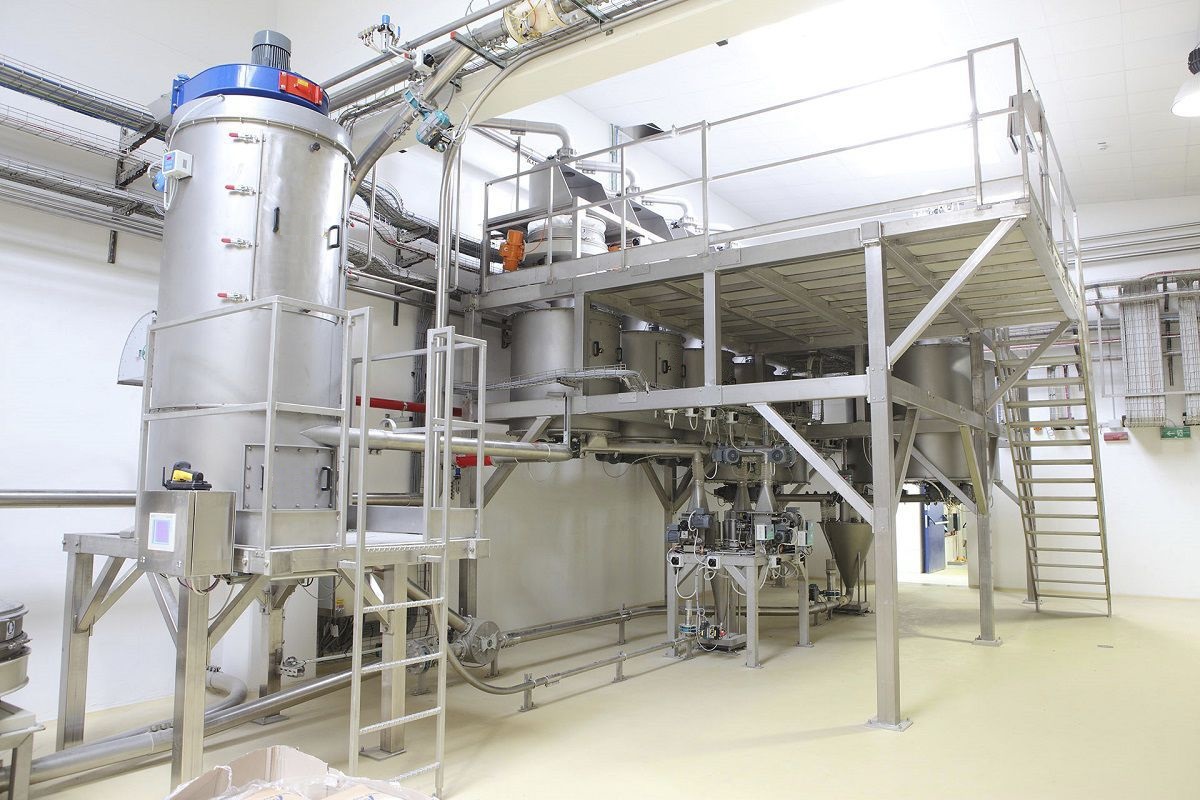
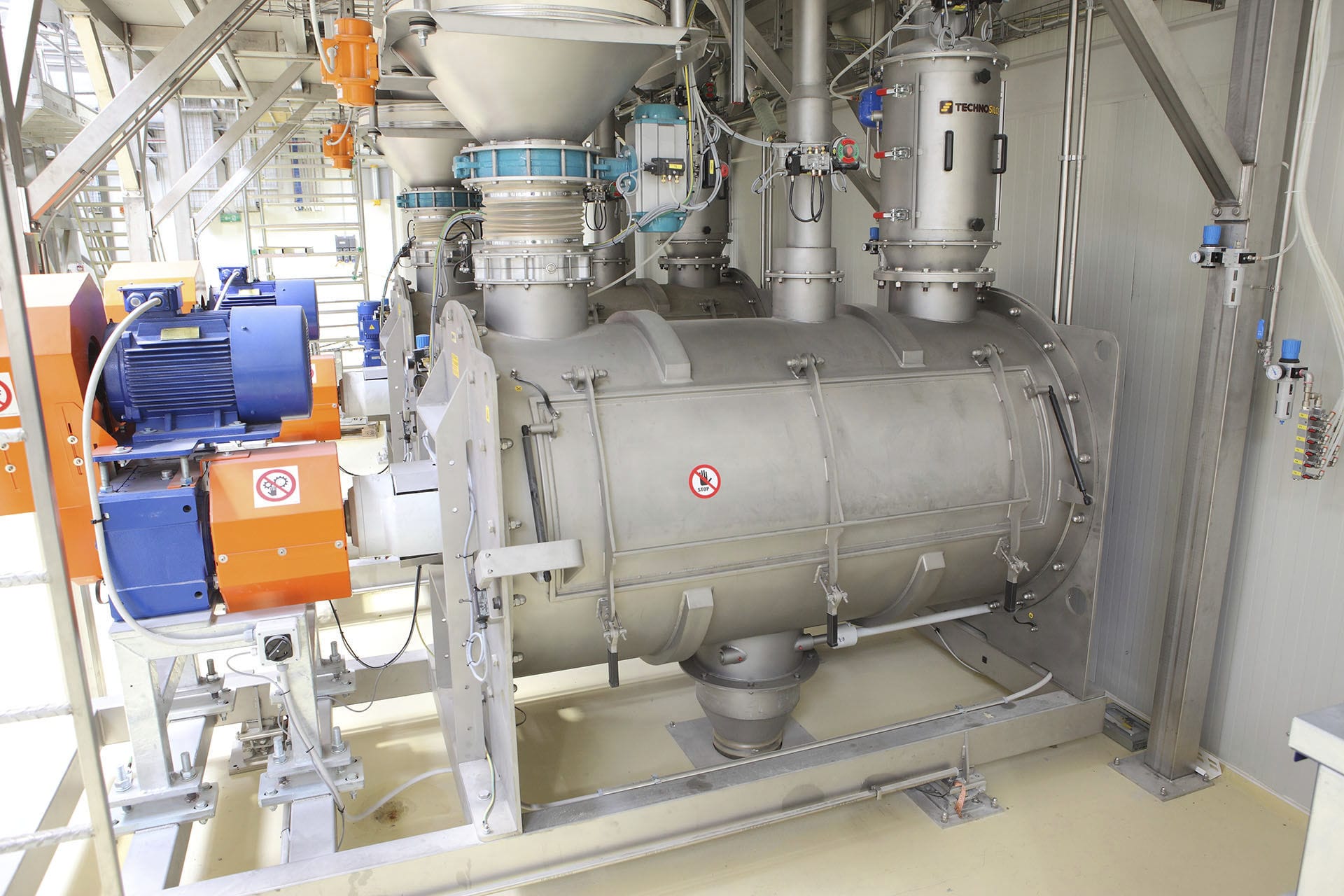
The ingredient system adopts a centralized/distributed structure, consisting of a weighing controller and a microcomputer monitoring station, forming a distributed control system. It uses the MB+ network to connect a series of TSXMomentum devices to the CPU processor to achieve data acquisition and control of the on-site equipment. A ring-based Ethernet is used to share between PLCs and between PLCs and the monitoring management level. The monitoring station and the server transmit data using the TCP/IP protocol. The signals from the weighing sensors of the on-site equipment are sent to the QuantumPLC through the MB+ network, and then after CPU processing, directly control the reactor motor on site. For the on-site weighing hopper part, the weighing signal passes through the ISPMomentum weighing template to enter TSXMomentum through the on-site bus, and then the signal is remotely transmitted to the CPU through the MB+ communication to complete the sequential weighing and precise control of the reactor motor frequency.
(1) Intelligent on-site weighing instruments are widely used. Various communication technologies and PLCs are intercommunicated and interchangeable for control. On-site touch screens can perform different weighing operations such as automatic zeroing. In case of a touchscreen failure, the intelligent weighing instrument can replace quantitative control, thus meeting the need for mutual substitution functions.
(2) Digital direct current speed control, frequency conversion controllers, soft starters, and switching components are all integrated with the stirring, quantitative weighing control in the production process of the reaction vessel. The touch screen can finely adjust the frequency conversion power of the stirring motor. The stirring motor rotates at a low speed, ensuring better mixing of the liquid materials without damaging the properties of the materials under high-speed stirring. This is suitable for low-speed frequency conversion mixed stirring and batching.
(3) Human intervention is becoming less frequent, the operation points are becoming more concentrated, and the operation methods are becoming more software-based. In the production and ingredient dispensing site of reaction vessels, one can add ingredients while reading the real-time displayed weight. At the same time, the stirring power display is also at the same monitoring location, facilitating the reading of different data at any time and saving the time for human intervention. The dispensing system can correct itself for incorrect human operations and solve the errors during the process of incorrect ingredient addition.
(4) The functions of the ingredient control system are increasingly becoming more comprehensive, and the role of CRT is becoming stronger. The control system and the on-site ingredient dispensing area can monitor the on-site dispensing conditions in different offices, thereby enhancing the efficiency of employees.
(5) Digital signals are increasingly penetrating the site, and control will become more decentralized. This process is mainly reflected in the application of digital weighing instruments and digital weighing sensors. The on-site weighing control accuracy will not be affected by external mechanical structures. Digital integration technology is also being comprehensively applied in touchscreen production, avoiding the use space on site and simplifying the complex configuration of the equipment.