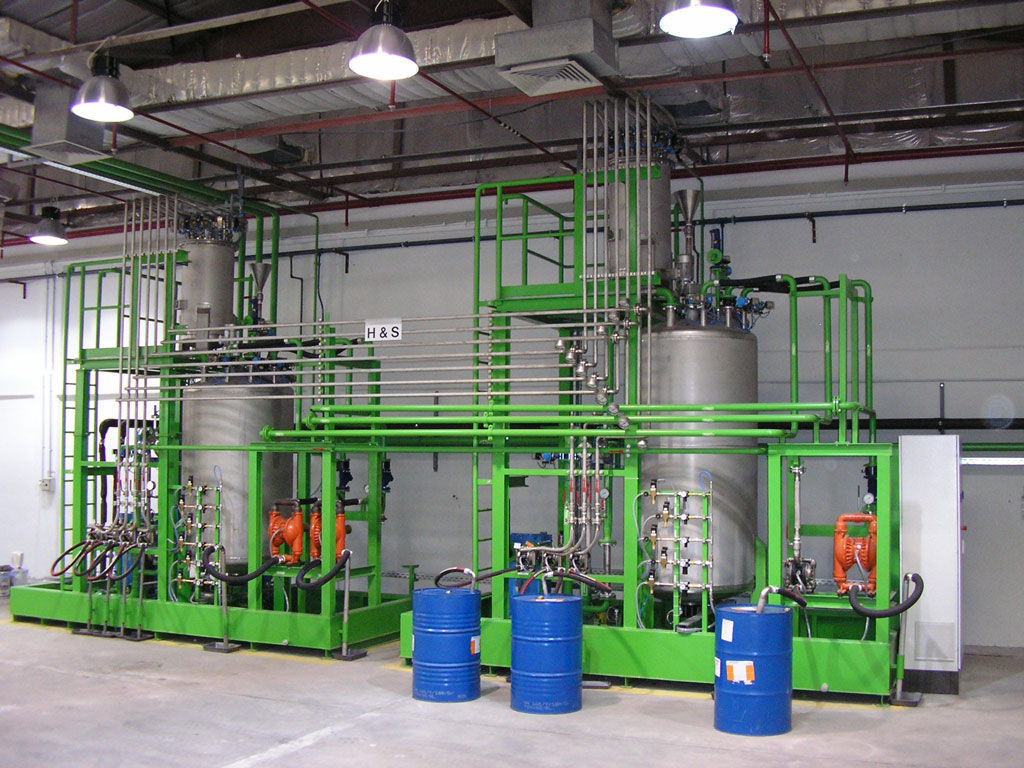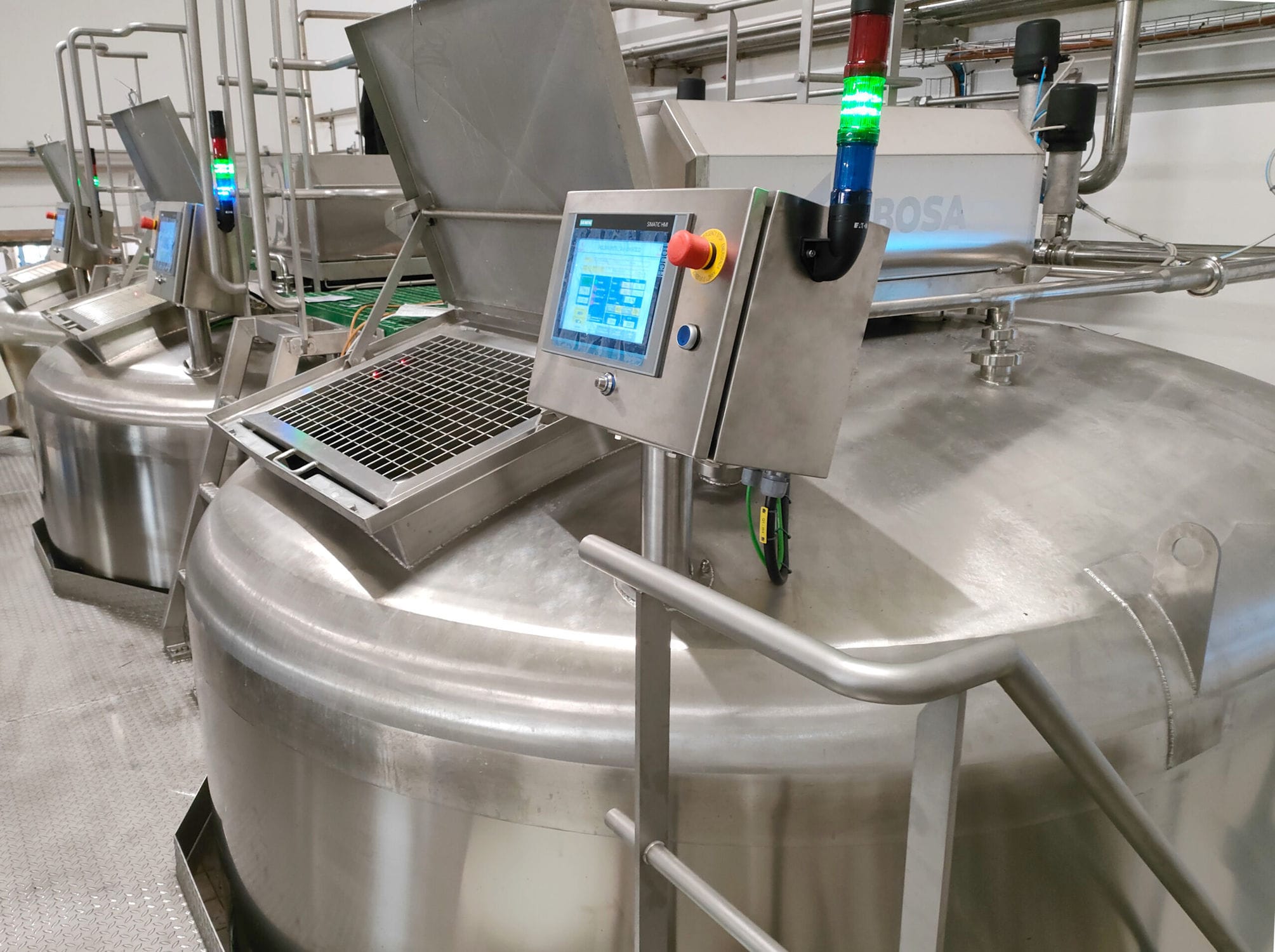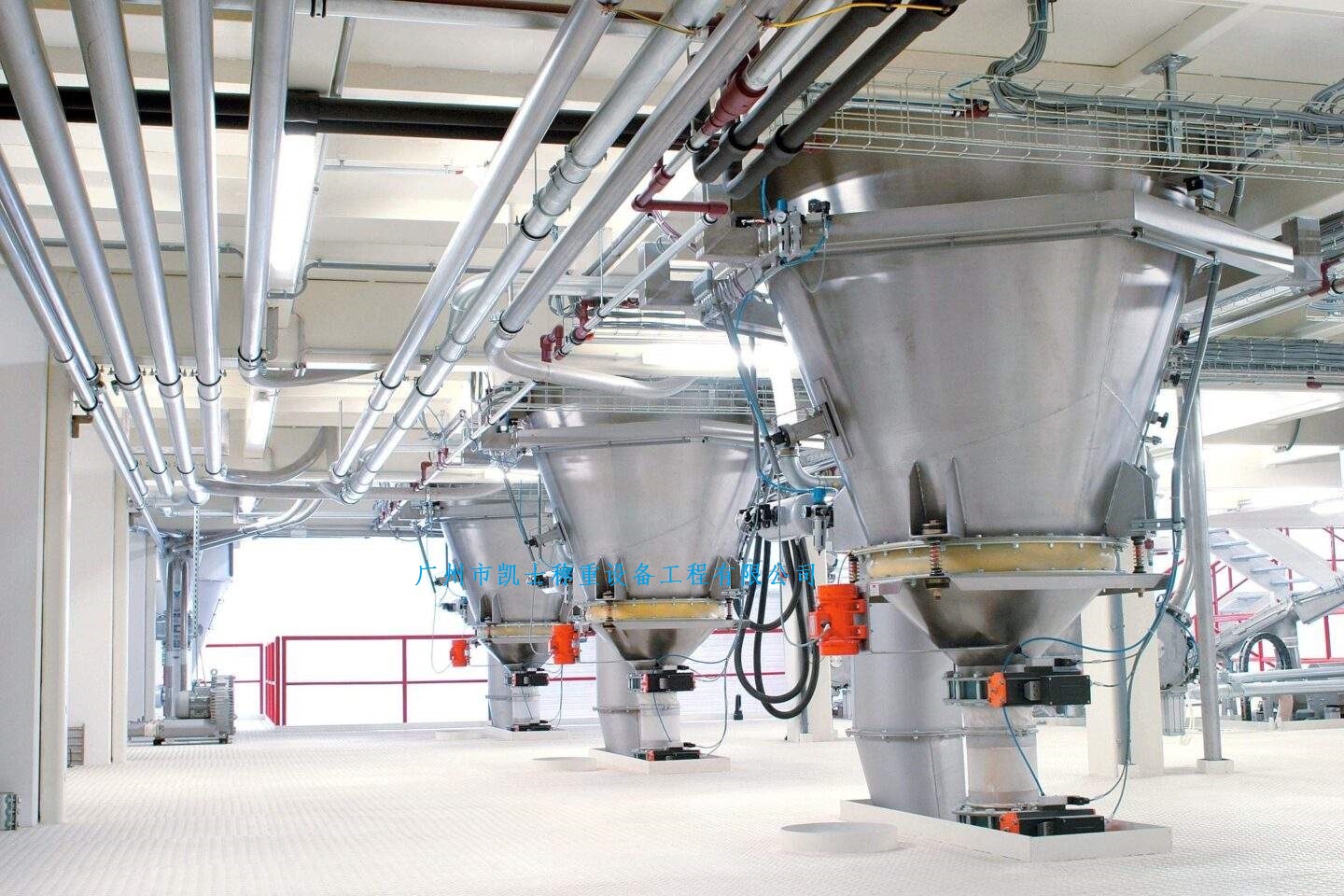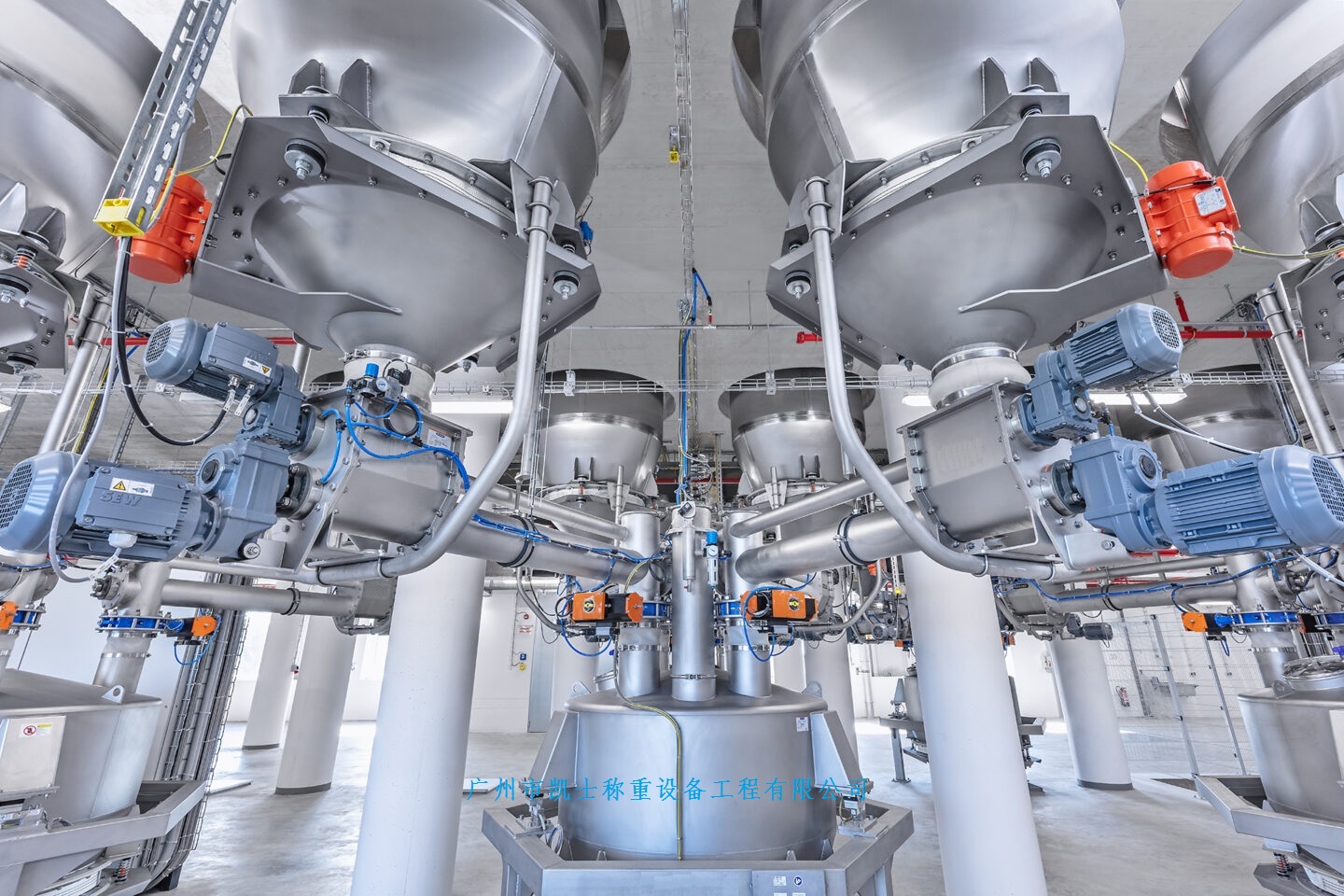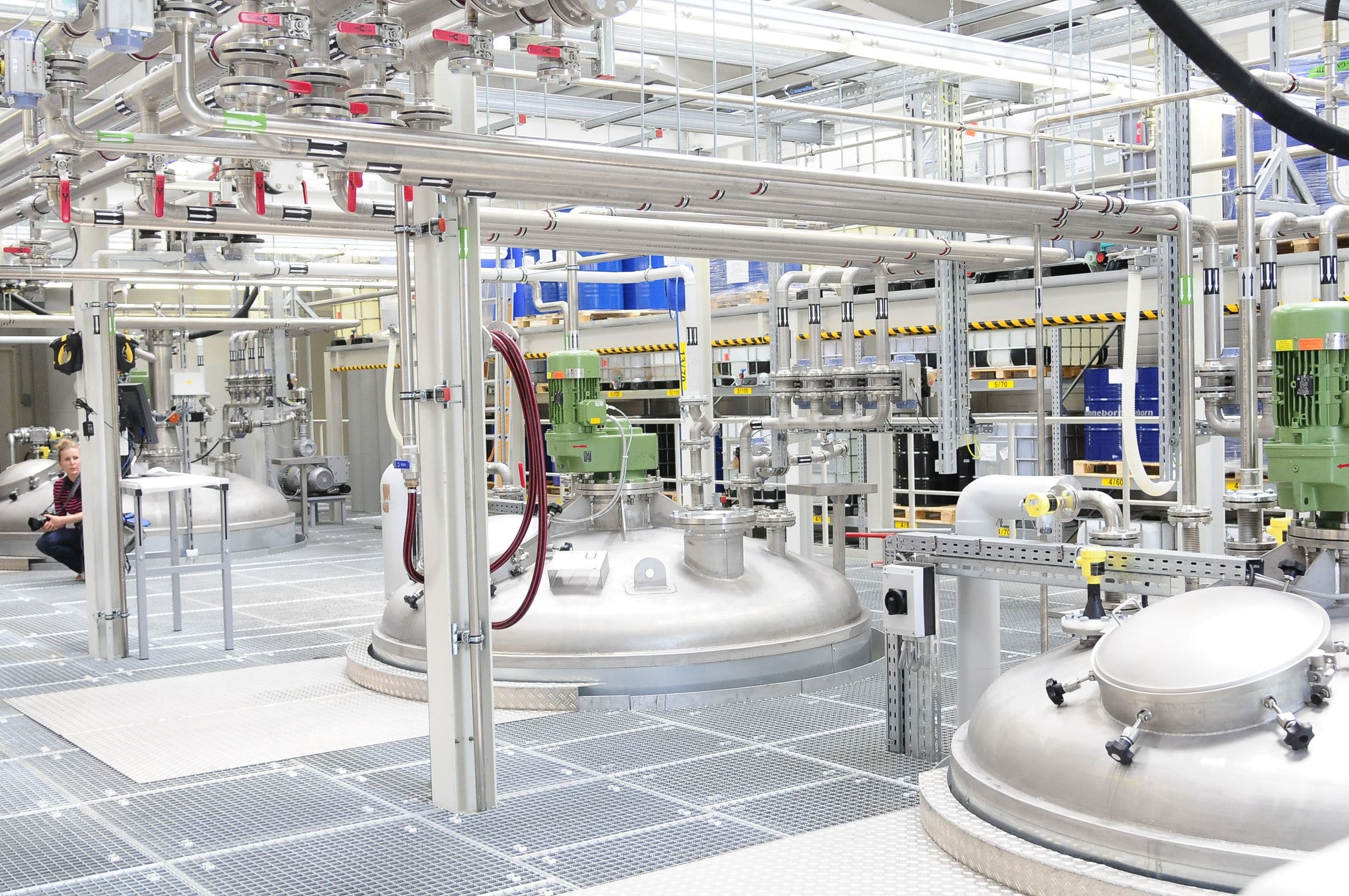


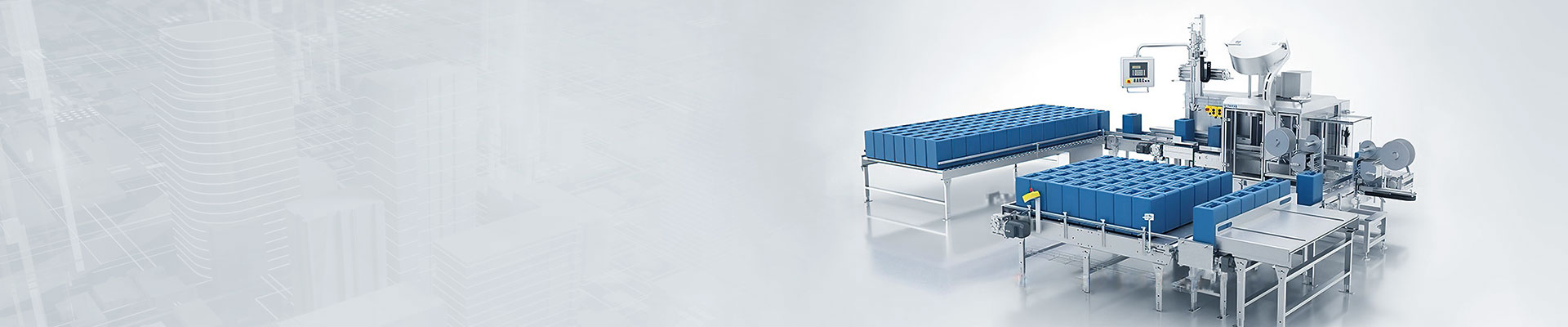


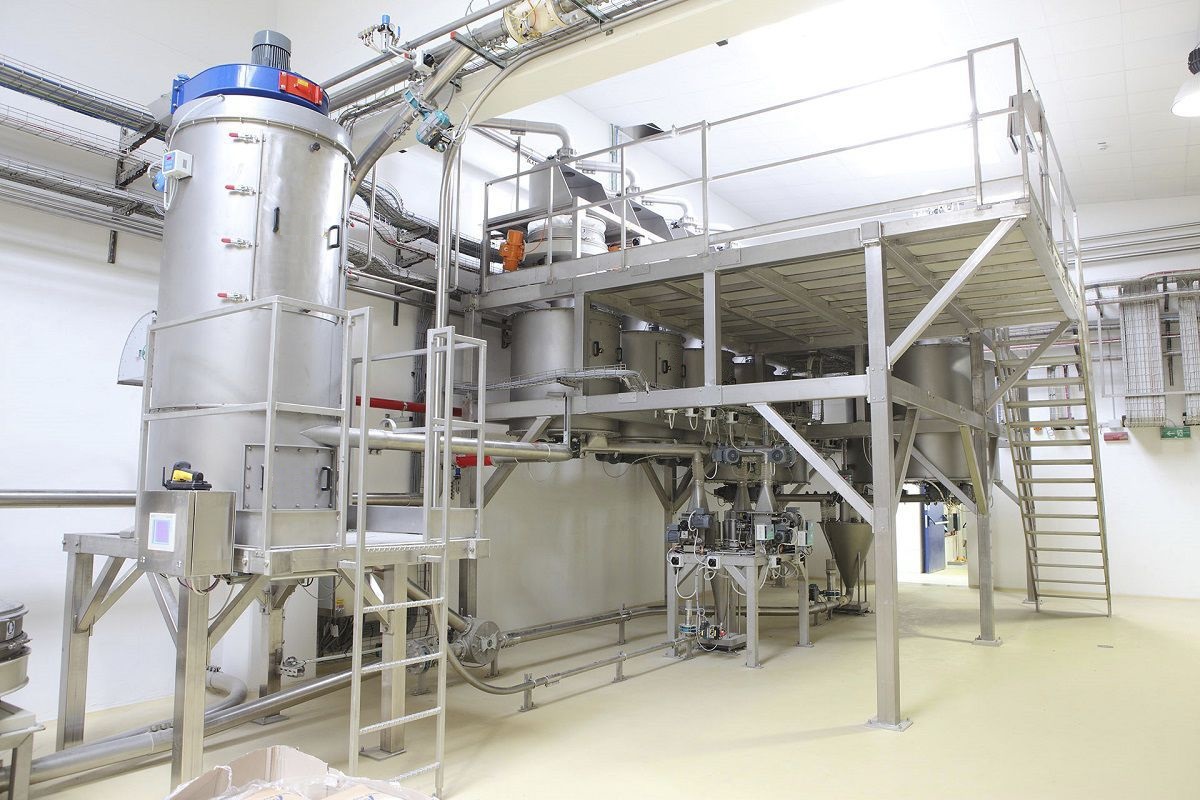
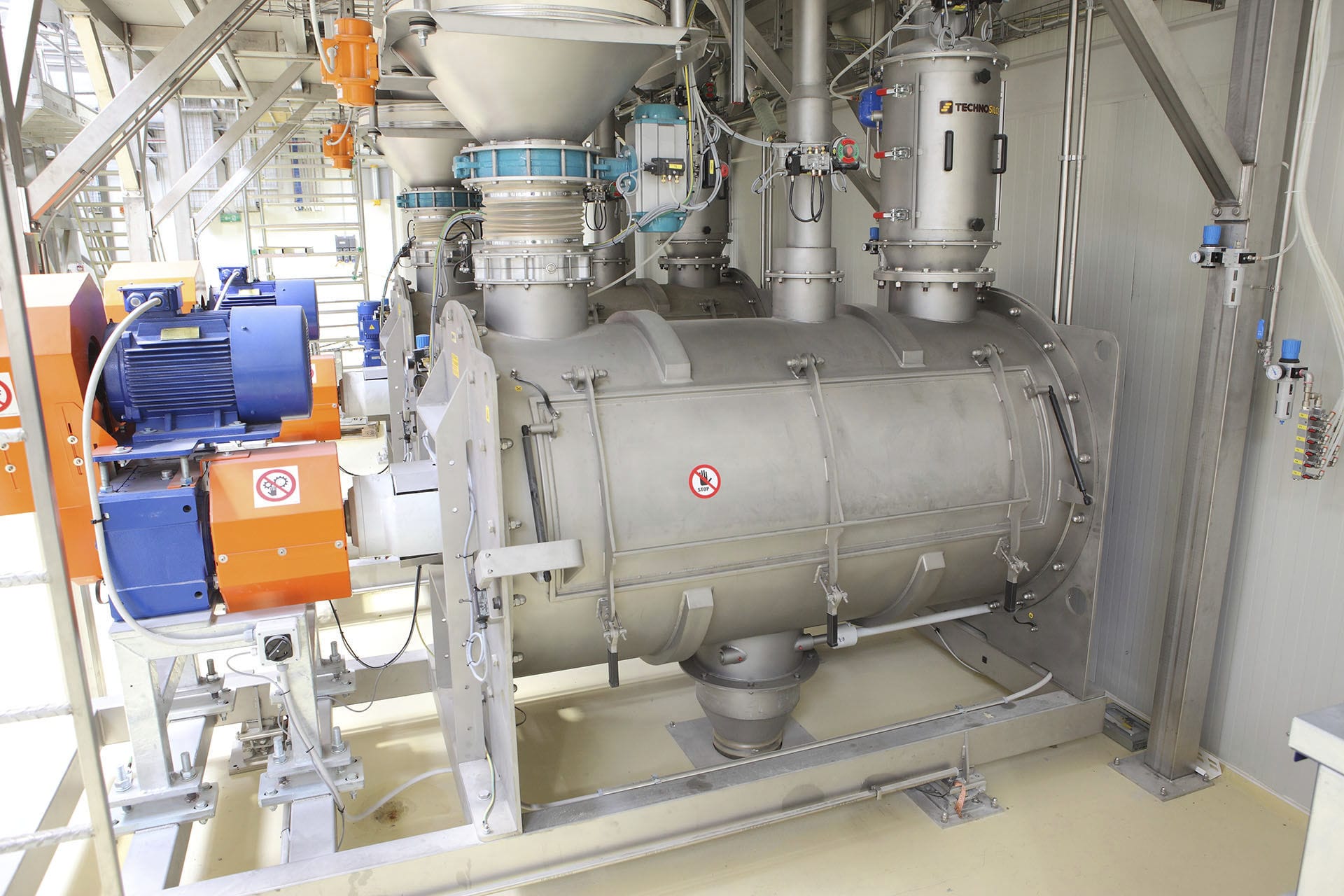
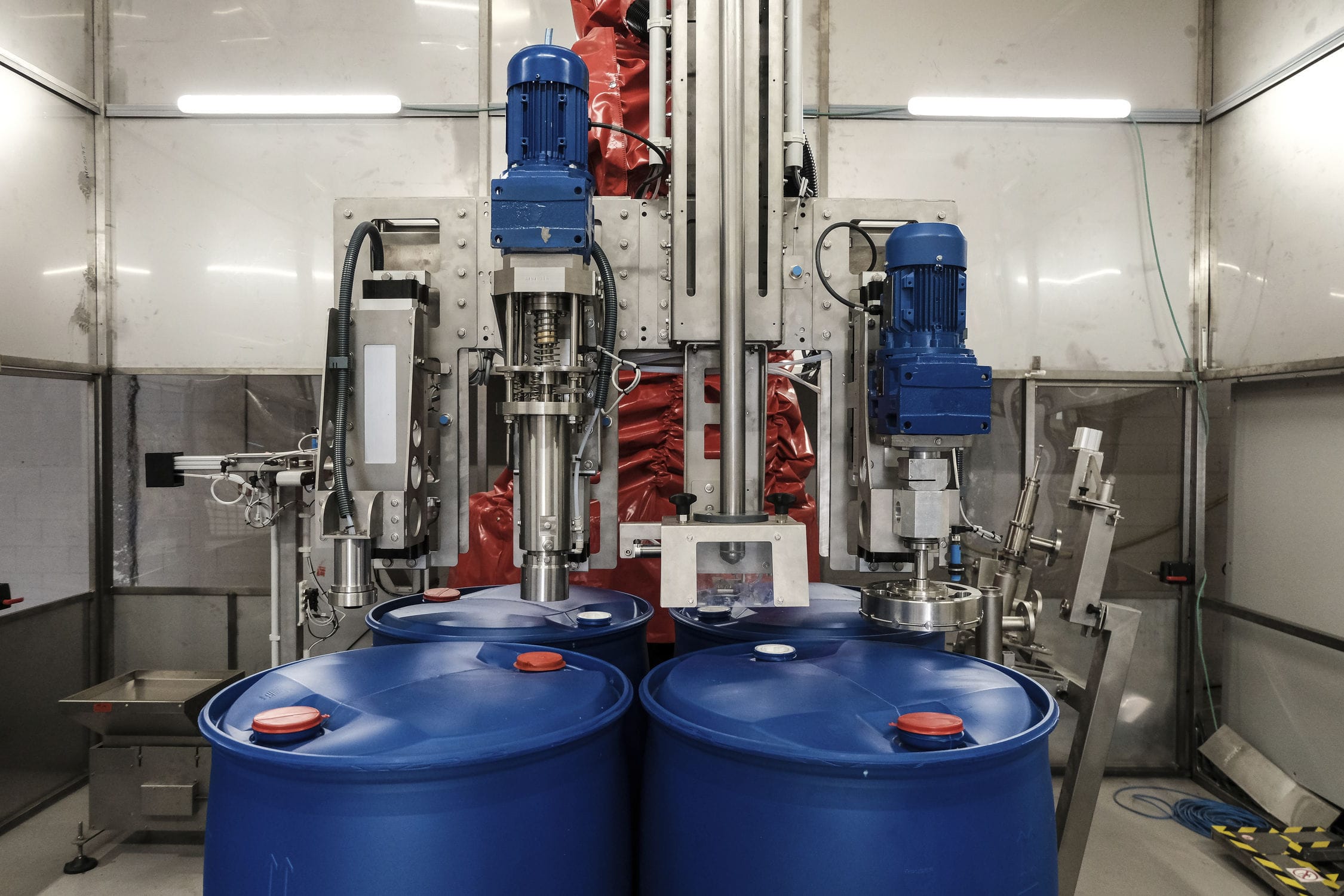
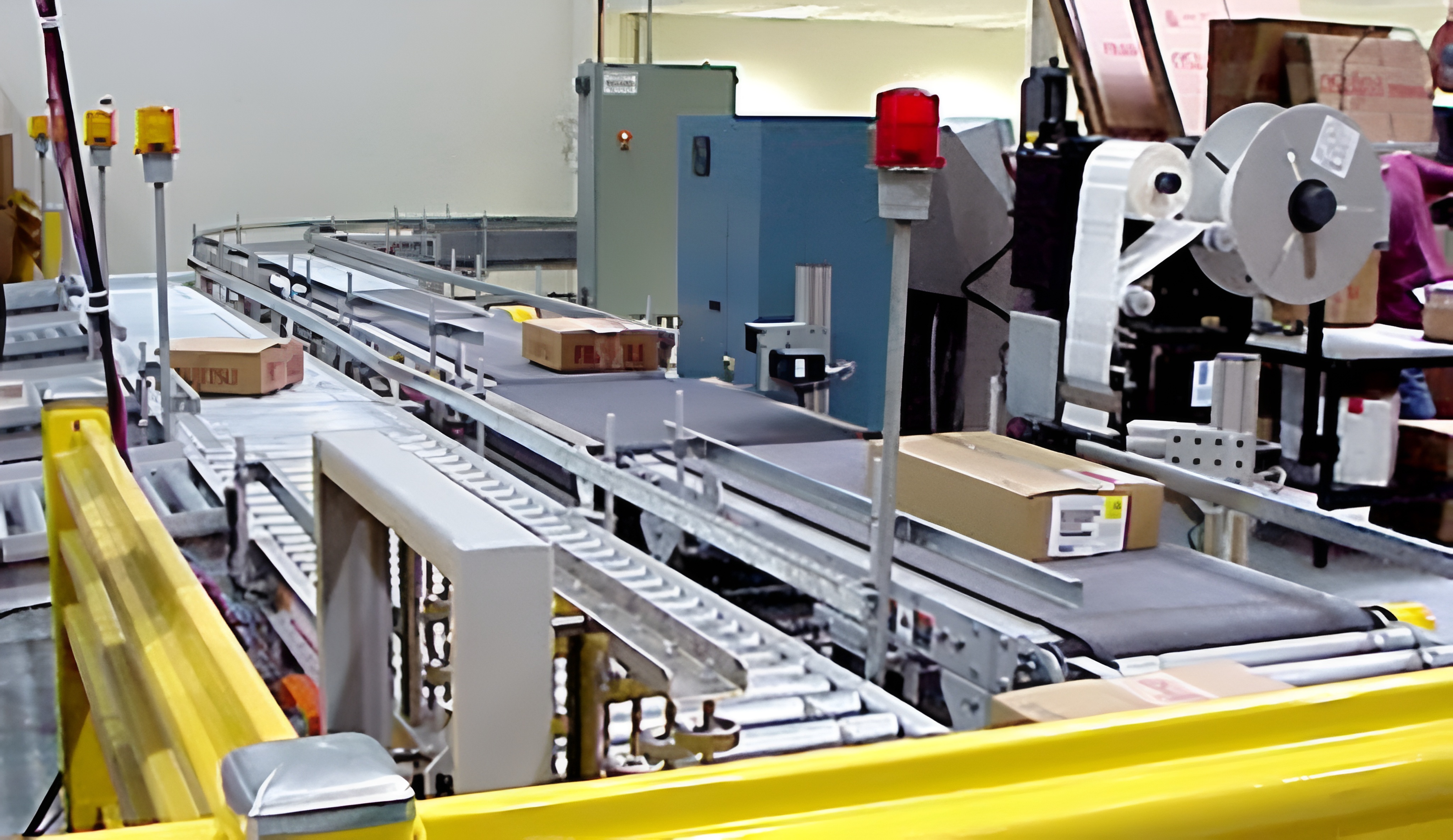
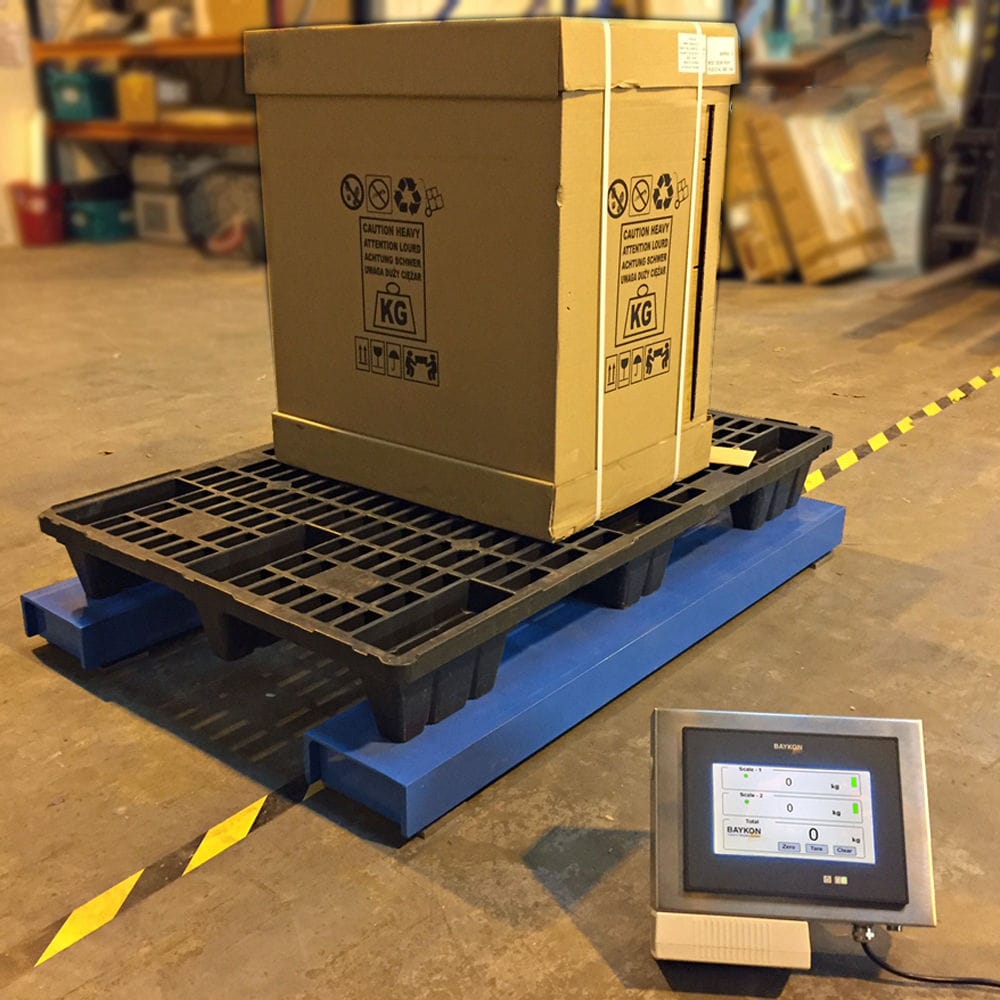


Spiral feeding scale adopts the new technology of negative pressure conveying + batching tank, automatic measurement, automatic batching, automatic conveying, automatic mixing and other functions into one, centralized control effectively solves a variety of materials how to ratio, conveying the problem of completely eliminate the material in the process of easy to produce dust on the environment as well as the environment on the double pollution of the material. Conveying occurs in the last process before mixing, which not only reduces the dosing error, but also effectively protects the product quality.

 020-34563445
Spiral feeding scale is a measuring device that uses spiral rotation motion for precise weighing. Composed of feeding tube, screw, weighing sensor, control system, etc. During operation, materials enter the Feeder through the feeding tube and are continuously propelled forward by the screw, while being weighed by a weighing sensor. When the weight of the material reaches the predetermined value, the control system will automatically stop the rotation of the screw to prevent the material from continuing to feed. The weighing process is achieved through spiral rotation. When the material enters the feeder, the screw begins to rotate and the material moves forward accordingly. Meanwhile, under the action of the weighing sensor, the weight of the material is continuously monitored. When the weight of the material is the same as the preset value, the control system will automatically stop the rotation of the screw. Due to the adjustable rotational speed of the spiral, different precision levels of weighing can be achieved by changing its rotational speed, thus meeting different production needs. It consists of a basic automation system and a secondary process computer system. The basic automation system includes automatic weighing and batching equipment and HMI monitoring system, which completes basic control functions such as on-site data acquisition, process loop control, parameter setting, equipment sequence control, equipment operation monitoring, and alarm; The secondary computer weighing and batching equipment completes process control functions such as design planning, design model calculation, batching model calculation, and logistics tracking of liquid ingredients. The two-level automatic weighing and batching equipment jointly controls the automatic feeding of the reaction kettle to achieve accurate batching. The weighing and batching equipment mainly realizes automated production and full process control. It provides a complete set of automated production lines for the storage, automatic weighing, batching, transportation, mixing, coarse crushing, fine crushing, constant temperature storage, compression molding, polishing, testing, finished product storage, and environmental protection requirements of raw materials. The system adopts a three-dimensional or planar structural design. The intelligent automatic weighing and batching equipment has played an important role in improving management level, enhancing product quality, and maintaining product stability. After years of continuous technological innovation and improvement, this weighing and batching equipment has received high praise from customers.
The automatic feeding scale consists of large and small storage buckets, sorting doors, and large and small feeding doors. The upper side of the warehouse is connected to the feeding port and the powder flow pipeline, and a hanging weighing weight is installed slightly on the side. The bottom of the precision body is connected to the small mouth. The internal wall is divided into a large storage bucket and a small storage bucket, and a sorting door is installed on the upper part of the partition. A large feeding door is installed in the large storage bucket, and a small feeding door is installed in the small storage bucket. The large feeding door is opened and closed by proximity switches, solenoid valves, and electrical appliances. The small feeding door adjusts the quantitative value of the feed by the difference. The automatic feeding scale adopts a mixing mechanism and a spiral conveying mechanism based on the storage bin setting. The storage bin adopts a bucket shaped bin body and a bin cover set at the upper opening of the bucket shaped bin body. The lower opening of the bucket shaped bin body is the discharge port, and a coaxial mixing shaft set in the bucket shaped bin body is used. The upper end of the mixing shaft is connected to the shaft of the variable frequency speed regulating motor set on the bin cover through a universal joint. The shaft body of the mixing shaft (2) is equipped with an eccentric mixing blade; The spiral conveying mechanism adopts a spiral feeding rod located inside the conveying pipe, which is coaxially arranged at the discharge port of the storage bin. The upper end of the spiral feeding rod is connected to the mixing shaft. The upper end of the mixing shaft is connected to the output shaft of the reducer set on the compartment cover through a universal joint, and the input shaft of the reducer is connected to the shaft of the variable frequency speed control motor.
Process control flow:
1. A dedicated touch screen was used as the human-machine interface on site, and the system operation is direct, reliable, simple and clear. Operators can modify the ingredient parameters and dynamically monitor the entire work process online at any time according to the requirements of the product process, with real-time data display and alarm display.
2. The Weighing system can prepare and store multiple production formulas according to requirements, which can be called and modified by operators at any time.
3. The Measurement system adopts PLC as the main control component, which directly collects on-site weighing sensor data through a 16 bit high-precision A/D conversion module of PLC. According to the programming, the output is directly controlled, reducing other intermediate control links. The system has good stability, reliability, low failure rate, and adapts to various harsh working environments. Adopting PLC direct control, the system has strong scalability, the program is easy to understand, and factory technicians can add functions as needed at any time.
4. The on-site PLC and computer directly form a network through RS485 communication, realizing remote monitoring of the system and providing more advanced conditions for enterprises to achieve automated management.
5. The malfunction of the weighing control system can be directly displayed on the touch screen, and maintenance personnel can quickly troubleshoot according to the fault display, making maintenance convenient.
6. High reliability and direct control enable fast batching speed and high batching accuracy, greatly improving production output and product quality.
7. High degree of automation, capable of completing multiple configurations simultaneously, reducing labor input and improving the labor intensity of operators. At the same time, the entire feeding and batching control has been fully automated.