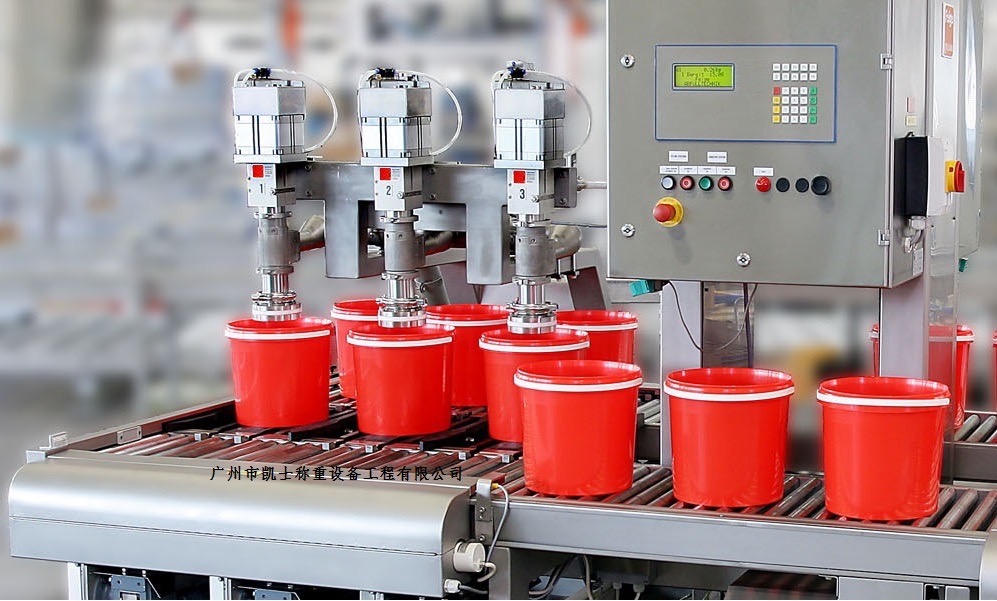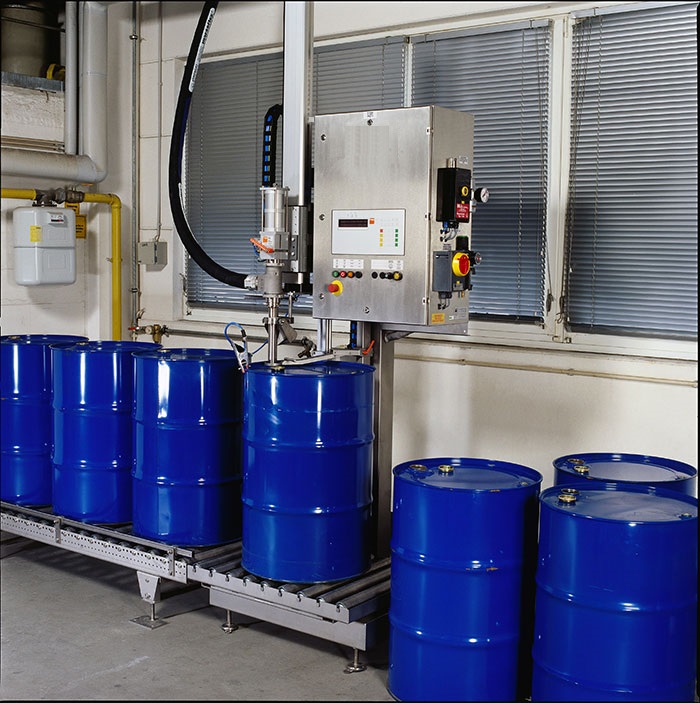





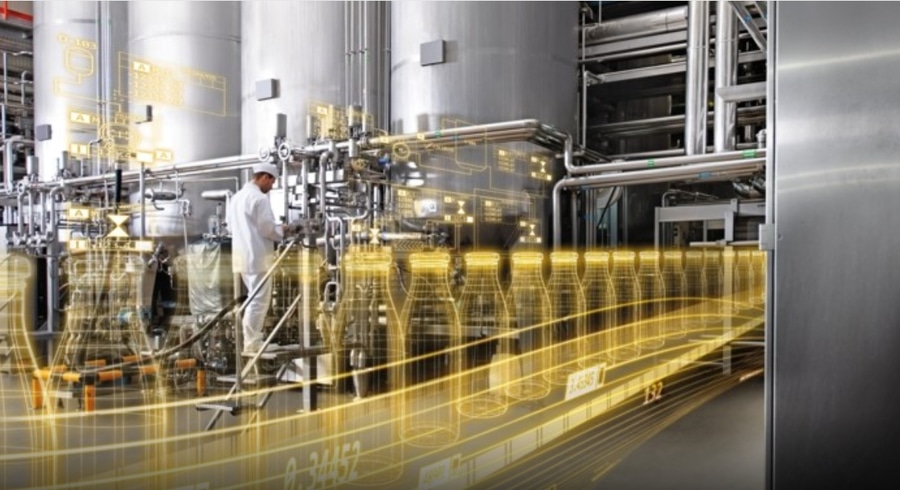
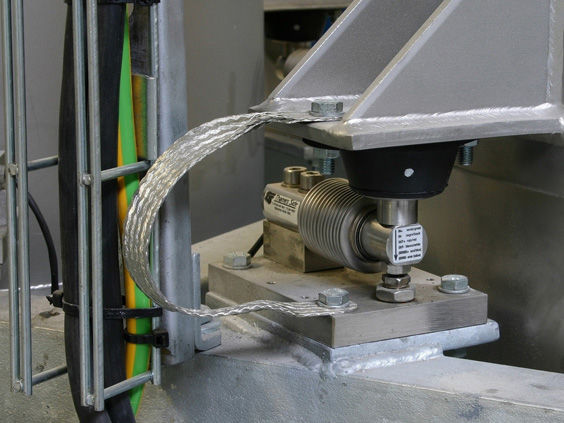
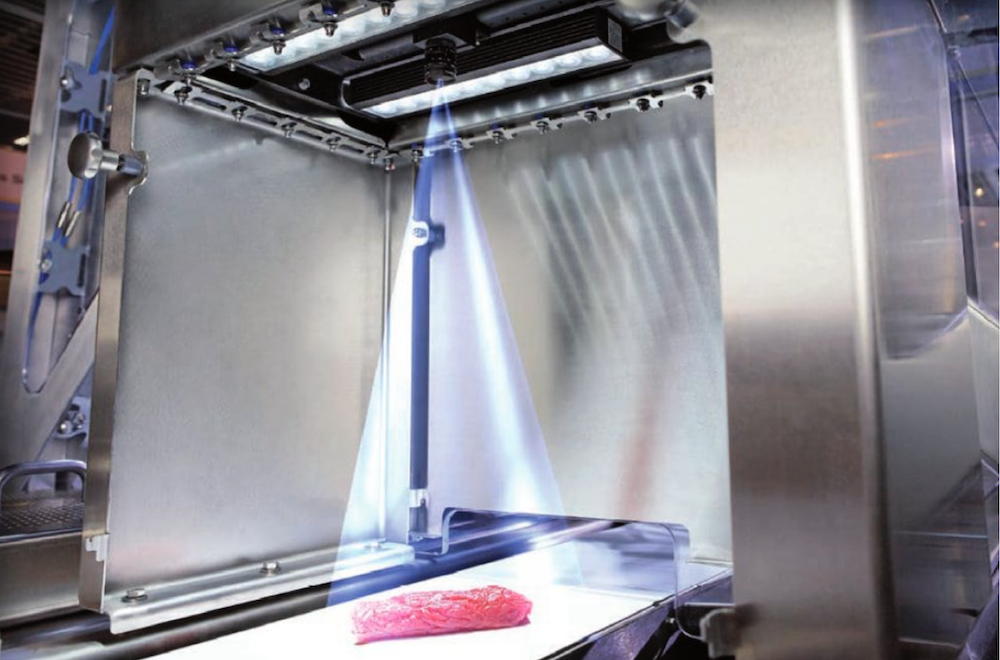
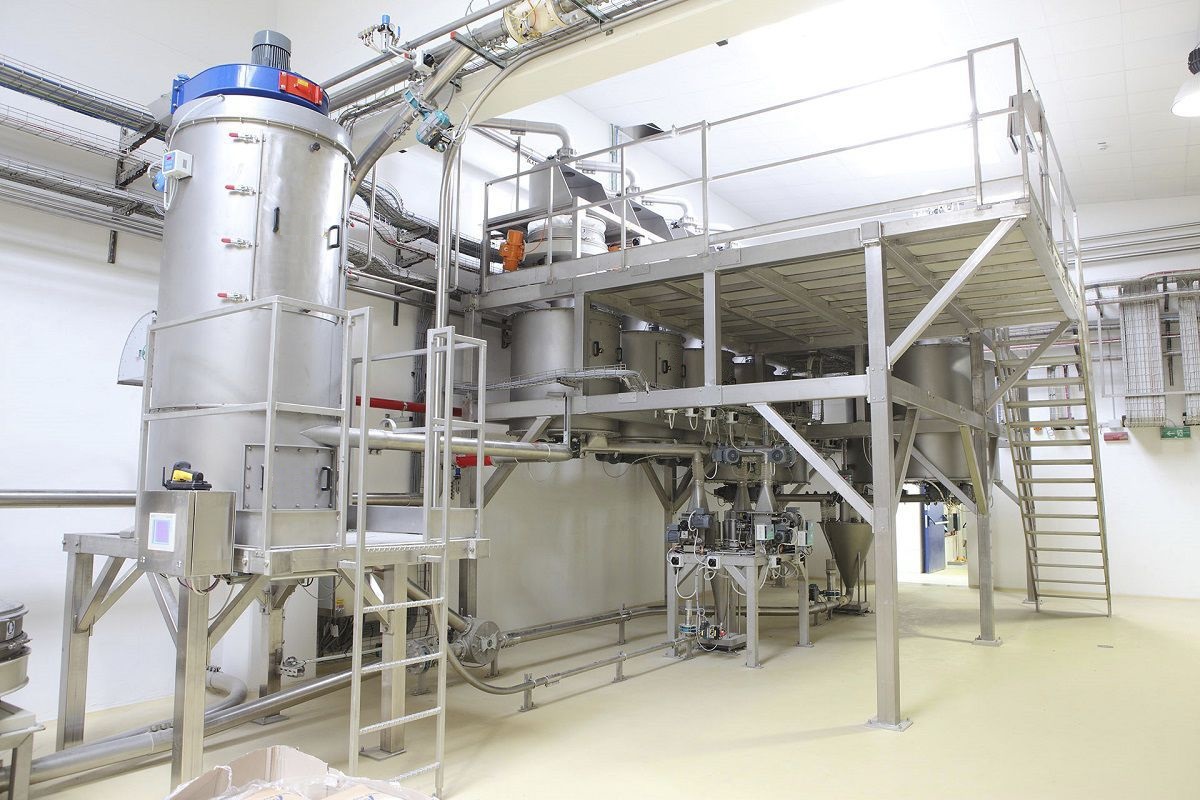
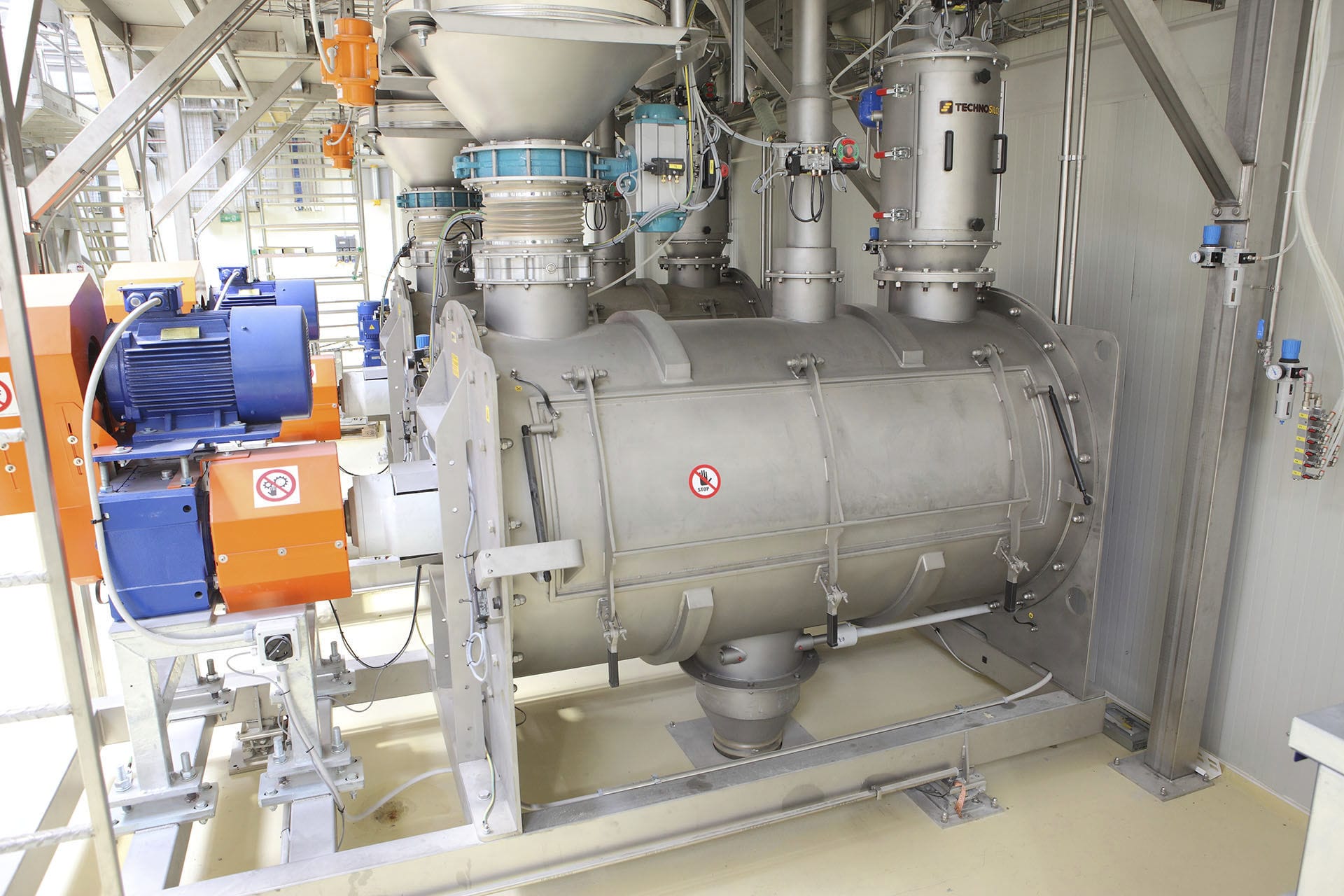
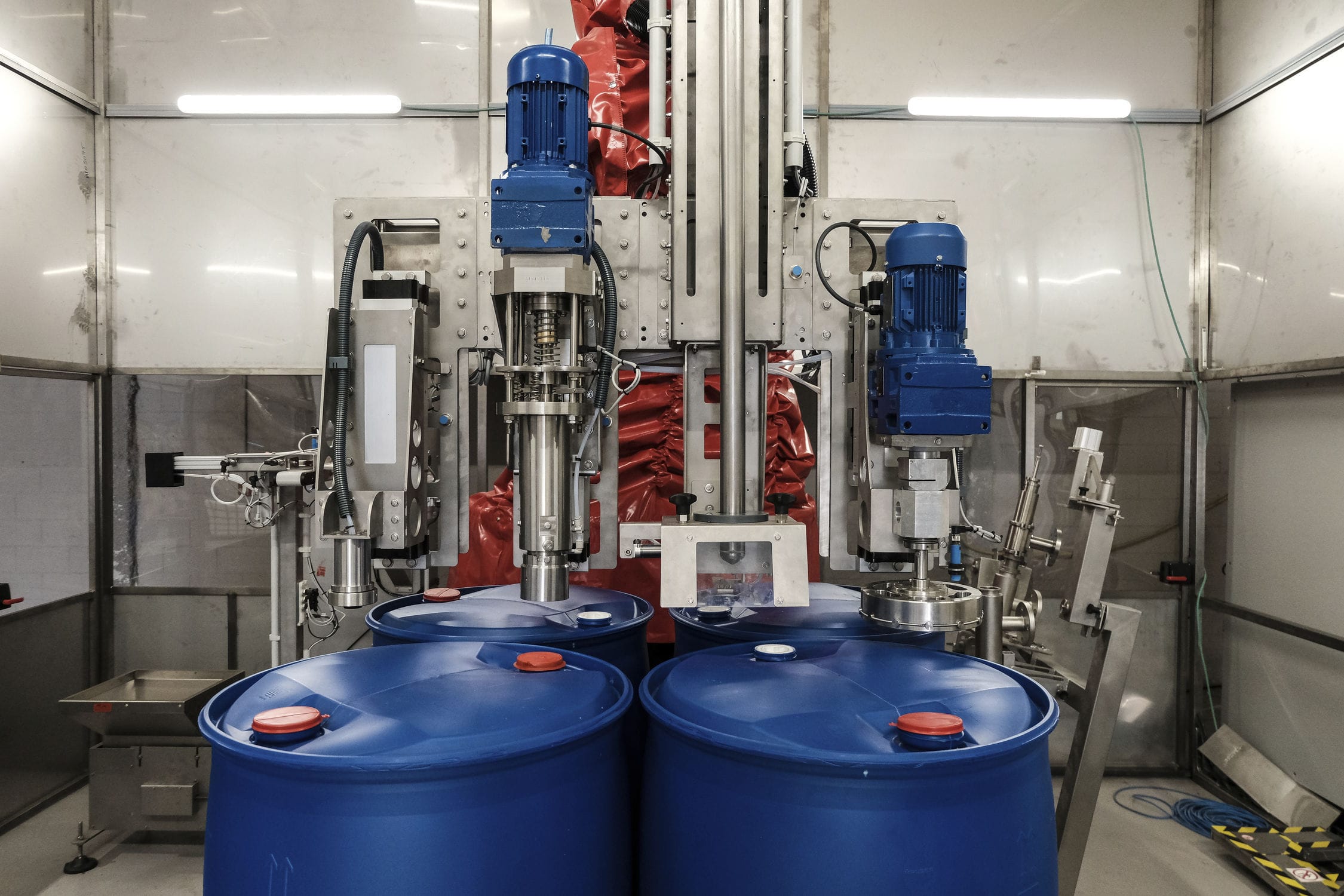
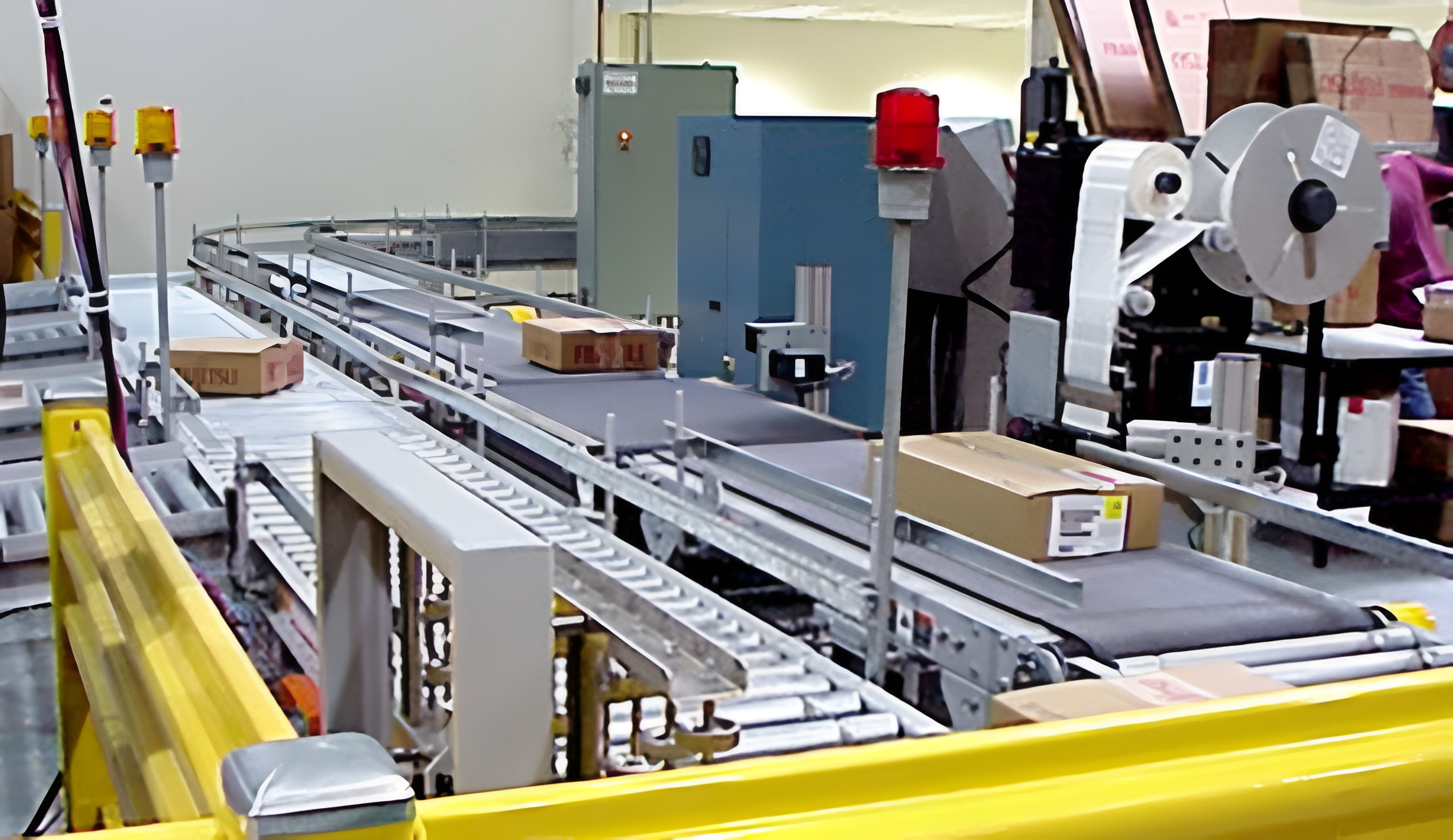
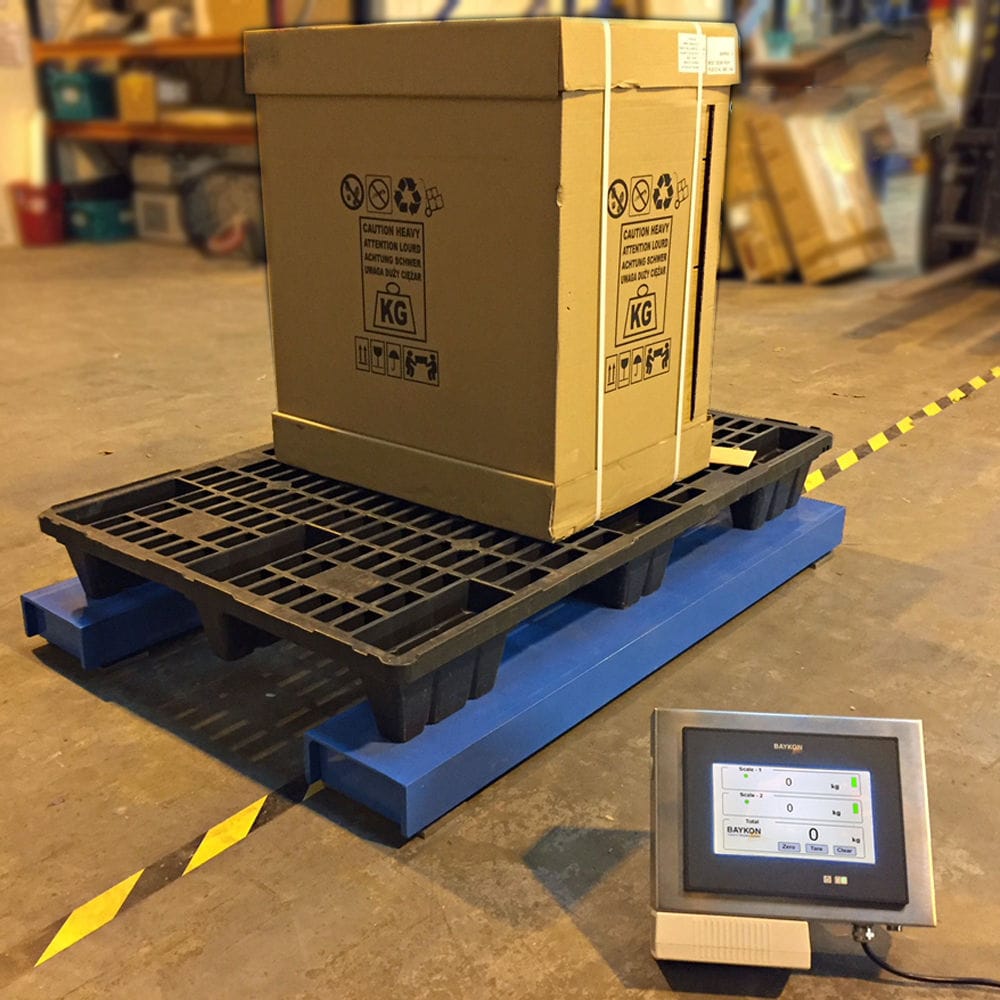


The liquid pus liquid filling and bottling machine is mainly used to collect the set filling volume, process the pulse signals from the electronic scale, drive the relay to drive the frequency converter to control the motor and centrifugal pump to convey the materials, calculate the pulse signals of the pipeline flow through the weighing module, obtain the actual weight of the liquid discharged by the weighing system, and control the motor operation according to the difference between the actual filling volume and the set value, thereby achieving precise control of the filling volume according to actual needs.

 020-34563445
The liquid pus filling and bottling machine is composed of a programmable controller and an Electronic scale, forming a two-level computer control network. The PLC gives the set flow through the electronic scale, and controls the filling gun to enter the container. The piston measures the instantaneous flow. Both of them have real-time deviations that are set and adjusted in the electronic scale. The most widely used PID regulation in industrial control is adopted for the actual flow control. According to the flow deviation, the control quantity is calculated using proportion, integration, and differentiation. The speed is adjusted by the electronic scale to control the frequency converter, and the given quantity is adjusted to make it equal to the set value, completing the automatic filling process.
The liquid Filling machine collects the instantaneous weighing values of the containers. The filling guns always have leftover materials. The instantaneous weighing values are compared with the preset full-point values, the pre-full preset values, which are the sizes of the leftover materials, and are set according to accumulated experience. When reaching the above values, the filling guns automatically stop. By reaching the preset full-point value of the leftover materials, precise filling according to the filling ratio is achieved. The instantaneous position values of the containers on the electronic scale are collected and compared with the set values to determine the material condition of the containers, whether there is a shortage or overfilling. At the same time, necessary electrical interlocks for all electrical equipment have been implemented to ensure normal operation of the equipment and production safety. The electrical interlocks of the equipment ensure safety and prevent equipment damage and safety accidents caused by improper operations.
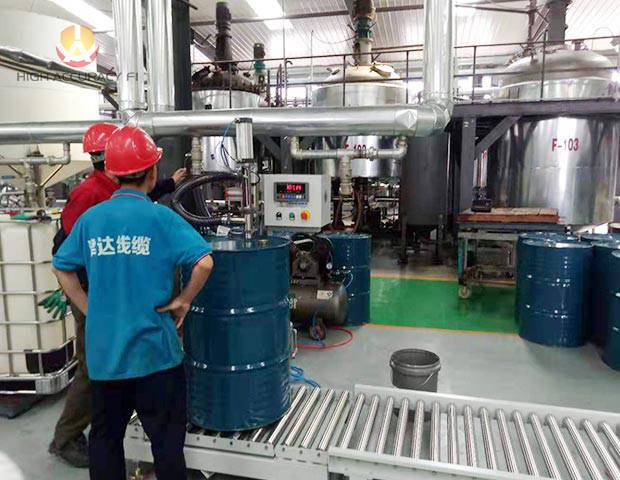
The variable frequency speed control circuit of the metering filling machine consists of an electronic scale, weighing instrument, frequency converter, feeding pneumatic valve, filling gun, conveyor, etc. The frequency converter is mainly used to control the feeding of the filling gun. The electronic scale detects the materials flowing through the pneumatic valve and the filling gun, and transmits the signal to the weighing instrument. The weighing instrument sends a signal to the frequency converter, and the frequency converter transmits the signal to the PLC system, multiplying it by a coefficient to serve as the target value of the second closed-loop circuit. The frequency converter adjusts the filling volume of the filling gun by regulating the V/F value of the electronic scale to ensure the filling quality and improve the reliability of the system.
The automatic filling machine completes the filling process of the entire system. Before starting the filling, the electronic scale is turned on for data collection. The PLC writes the speed control data through the 485 serial port into the frequency converter. The motor is started at high speed to perform rapid filling. When the real-time weight of the raw material reaches the set value 1 (derived from the pre-experiment data of the system), the frequency control is adjusted for low-speed filling. When the real-time weight reaches the predetermined value 2 (derived from the pre-control of the system), the motor is turned off and the delay is used for error collection. If the error range is greater than the filling requirement error, the low-speed step length of the motor is dynamically adjusted according to the error size until it is within the required error range. After the system enters the filling stage through reasonable parameter settings, it then collects and controls the filling gun piston valve within the capacity of the electronic scale, and performs two-stage cylinder stroke control. Basically, the error requirement can be met, and the rapidity can be guaranteed. After the filling is completed, the weighing valve is opened to close the material, and the current motor is not turned off and the circulation switch is switched. The material is circulated in the circulation pipeline and the next batch of material filling begins, until all filling work is completed.