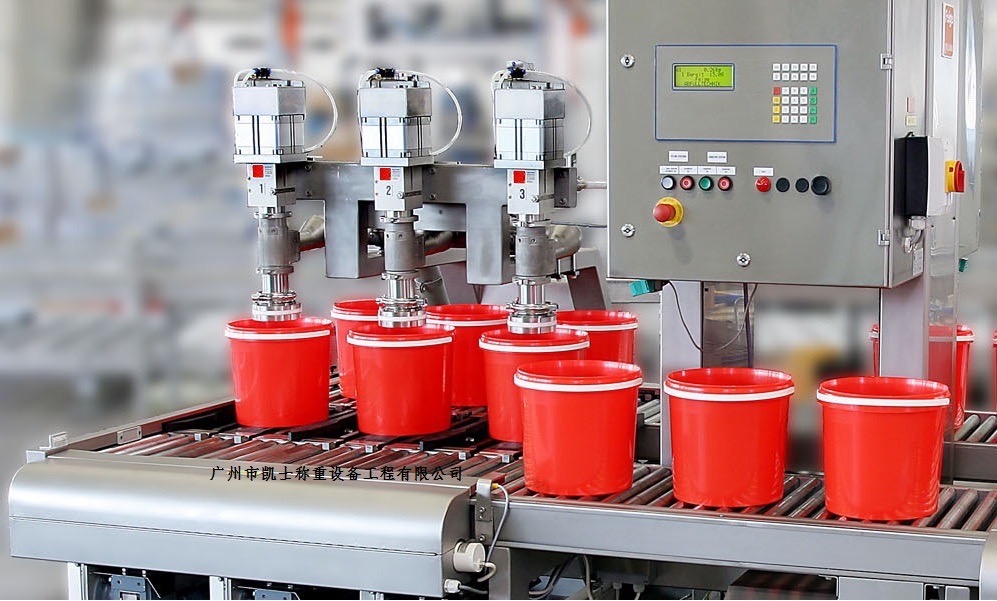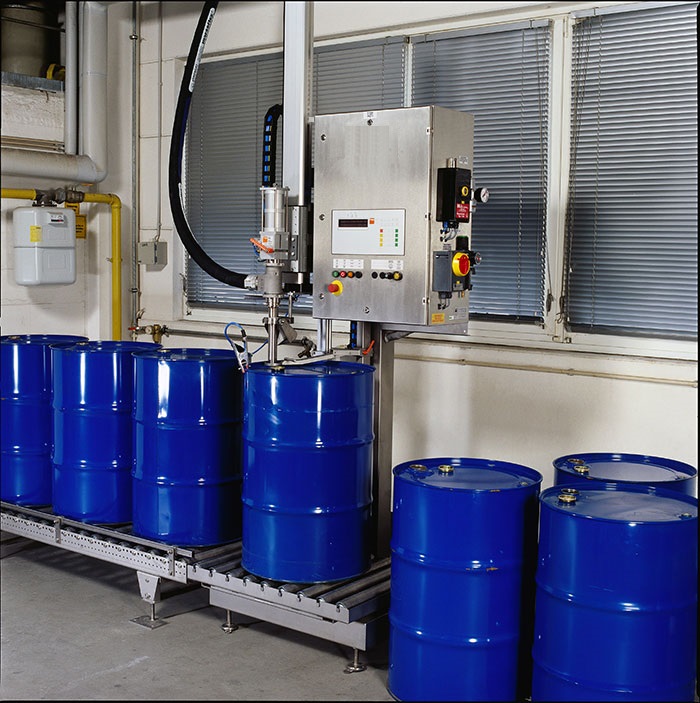


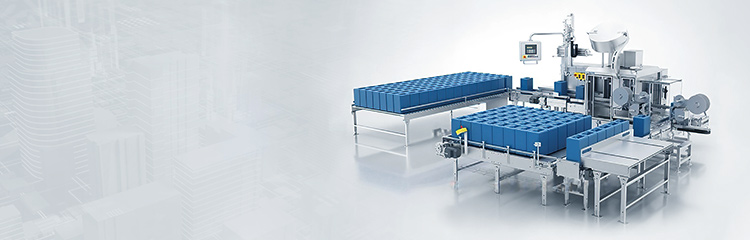


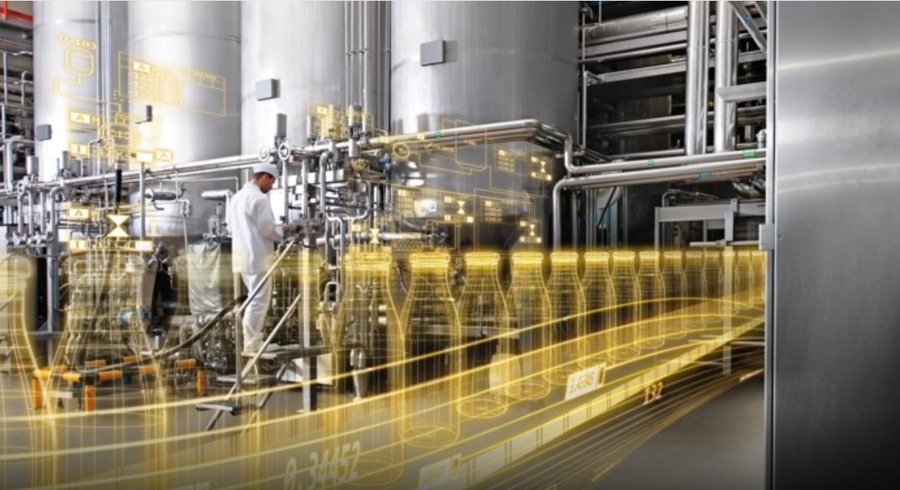
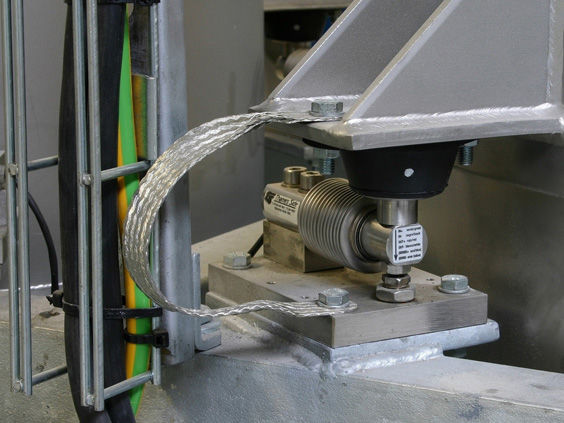
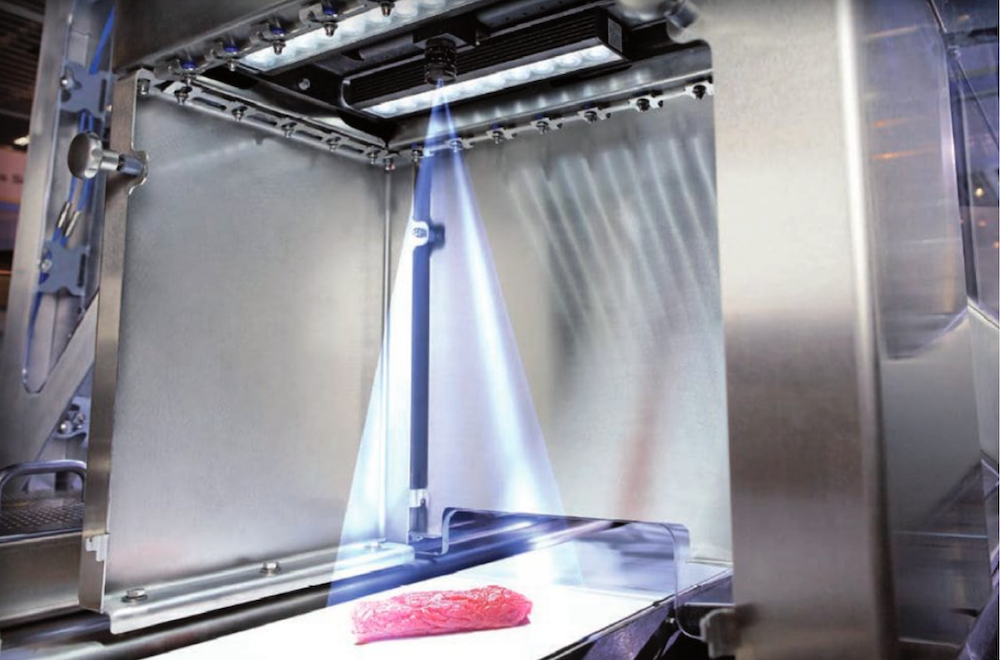
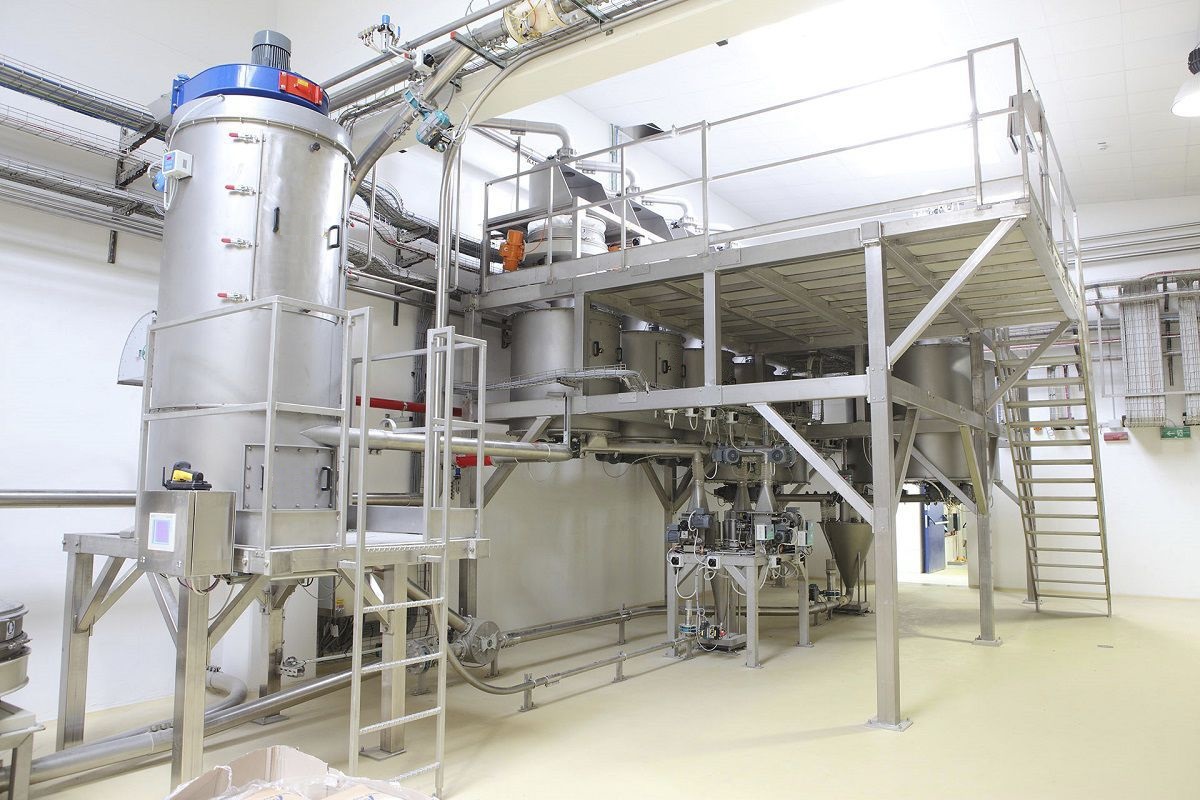
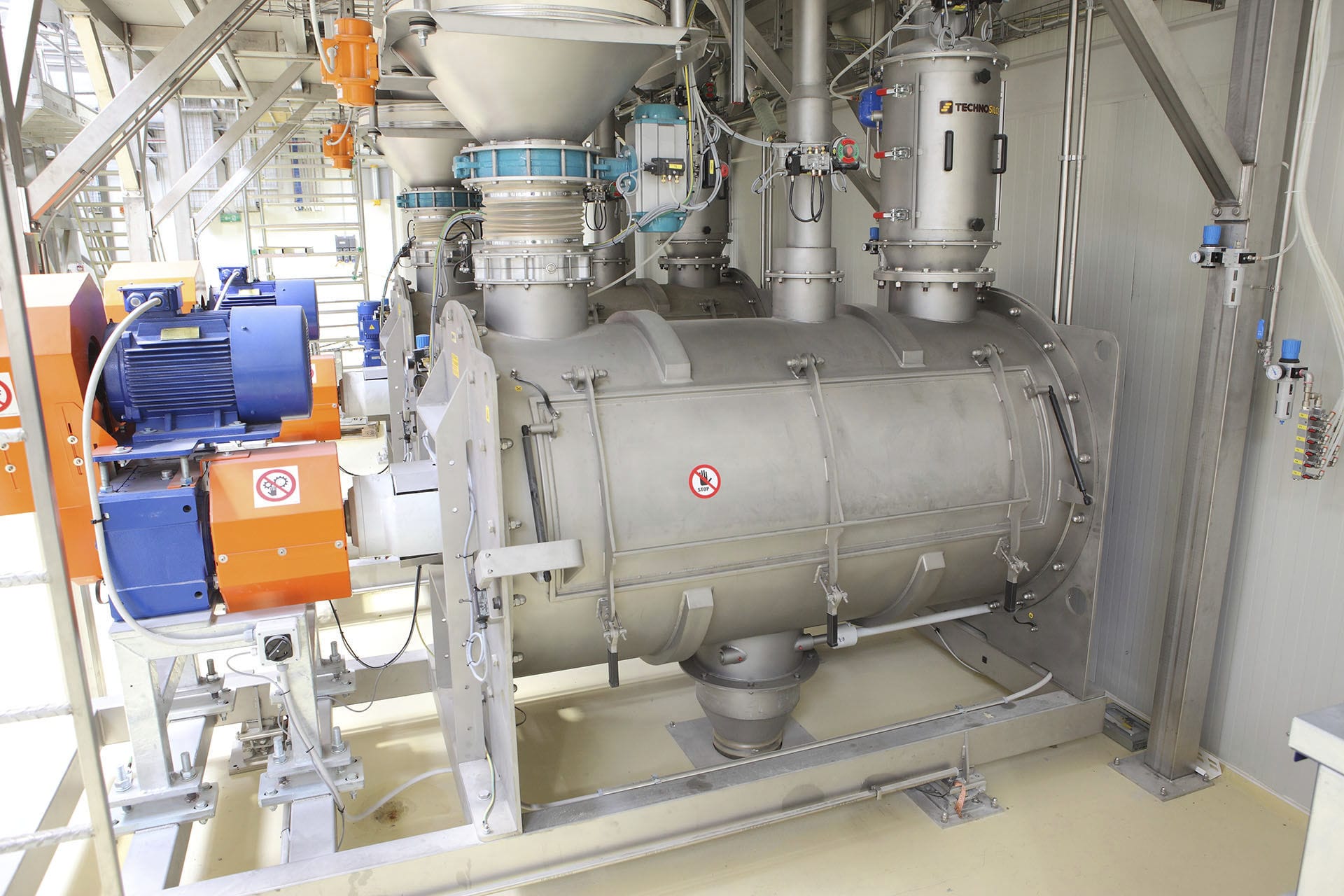
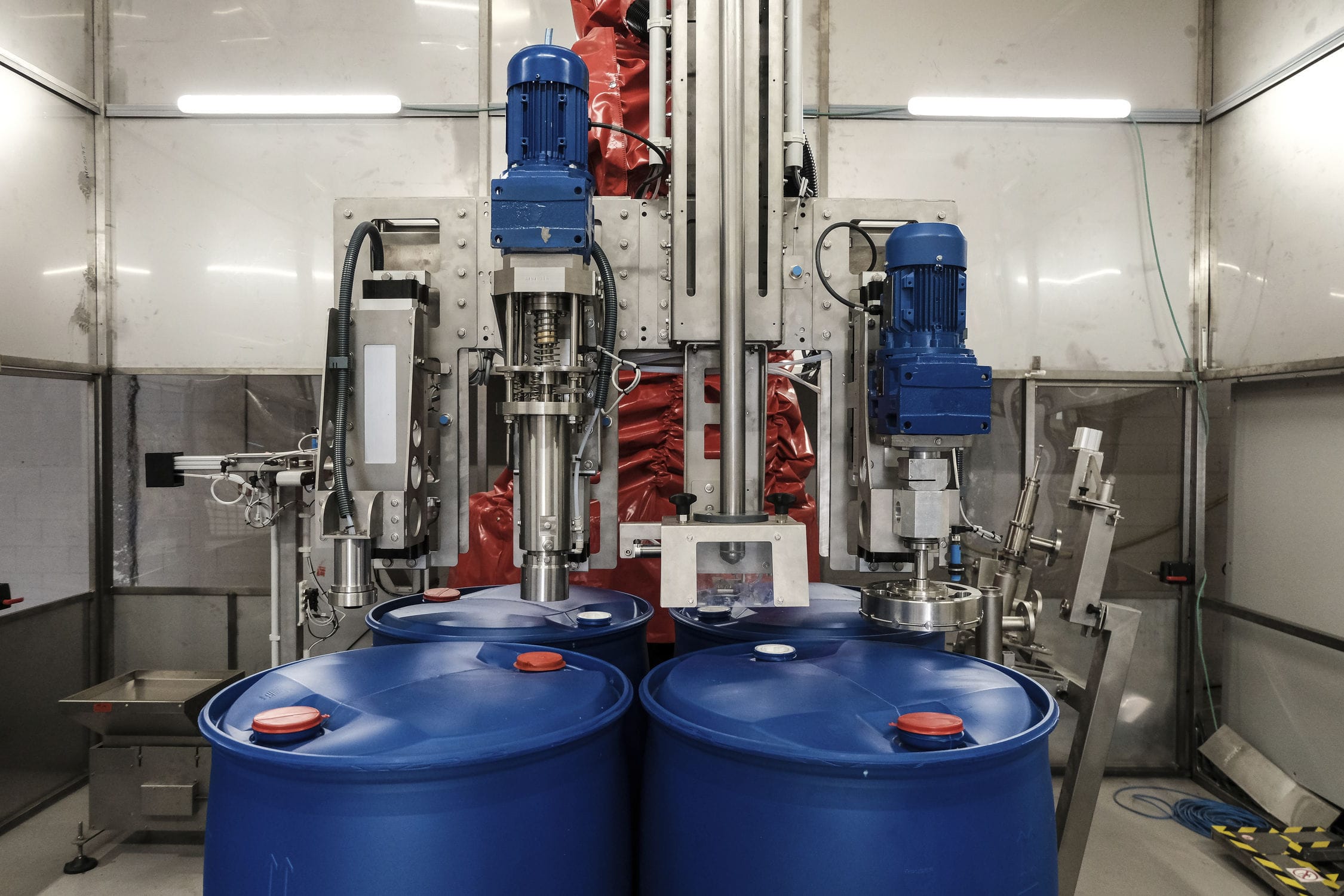
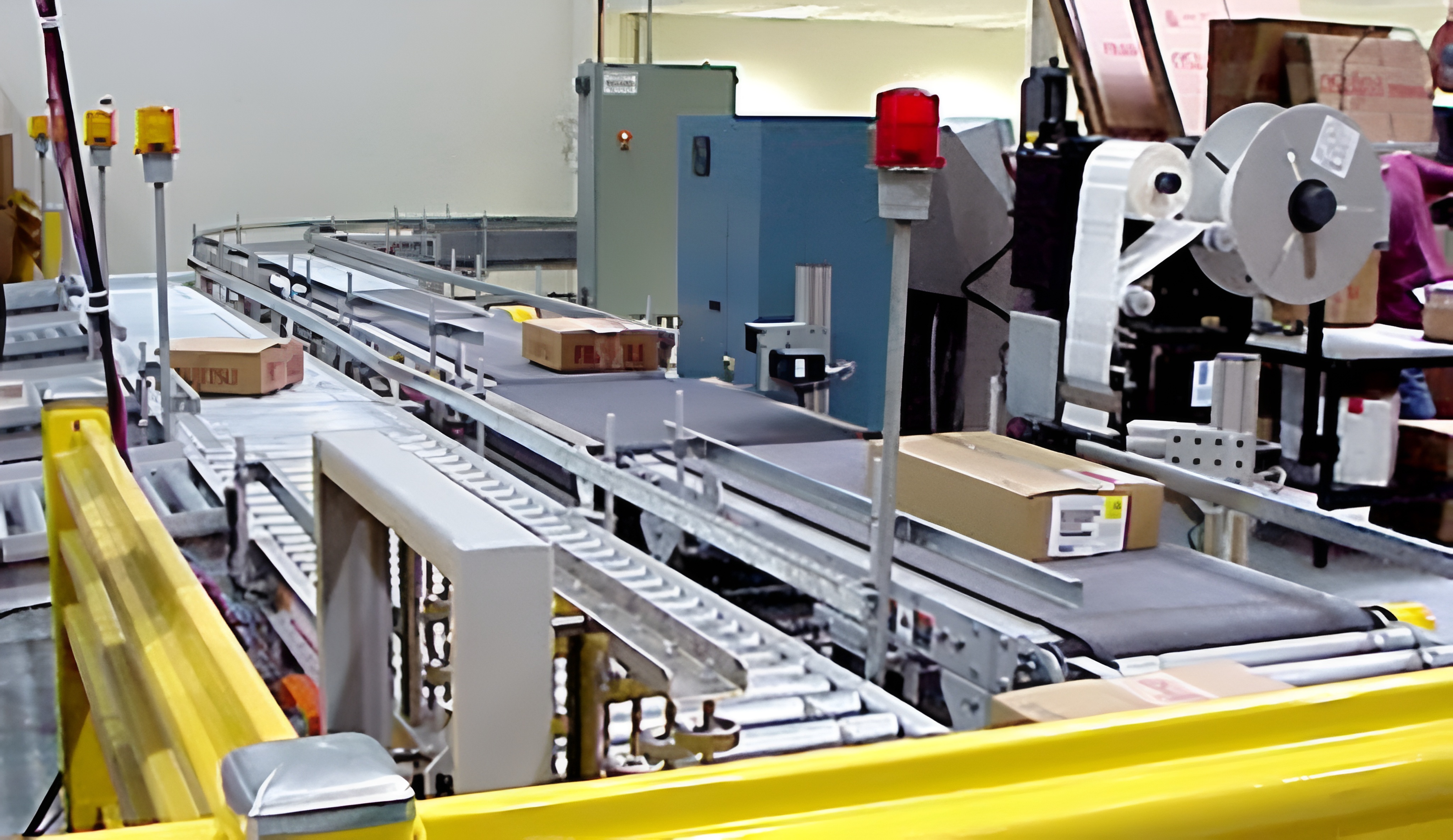
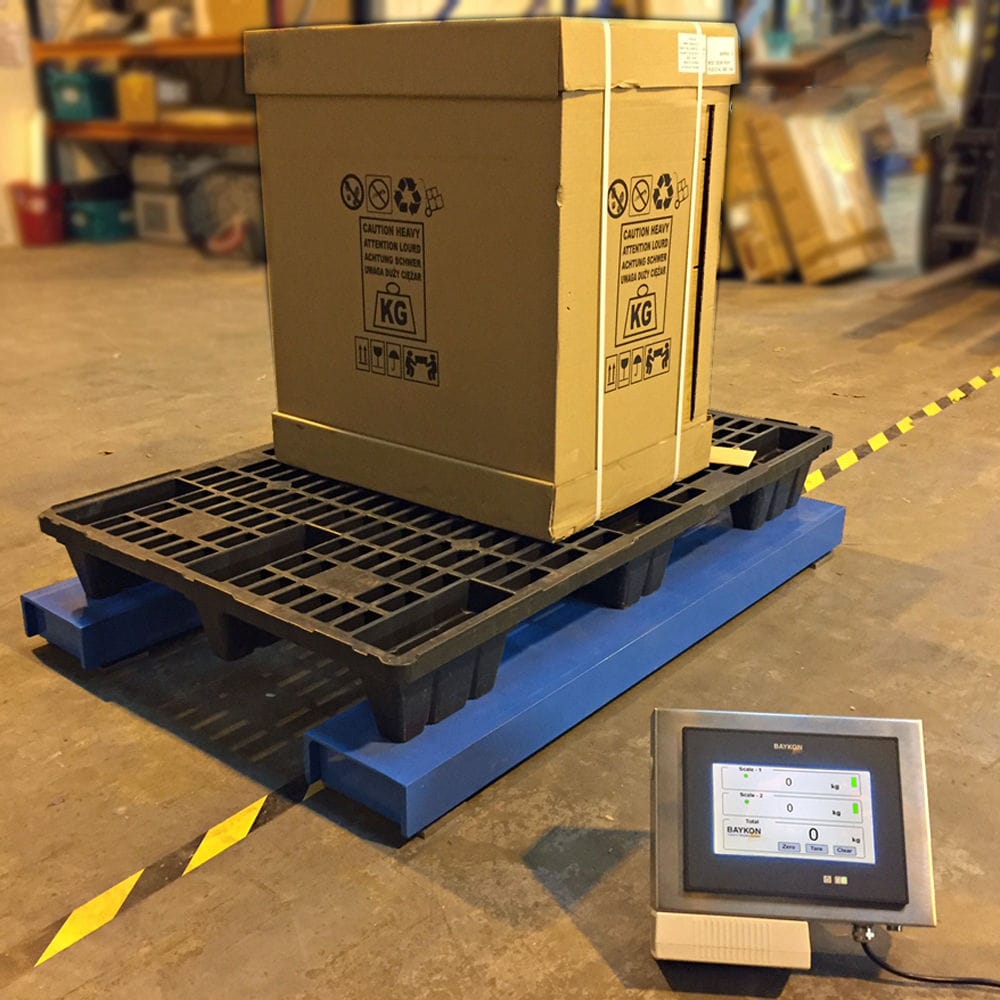


Acetic Acid Filling Machine is processed by data collection on the site, with animation display, alarm processing, process control. Real-time curve, historical curve and report output in various ways. Real-time display of the current filling quality, number of filled barrels and other field work status, the corresponding operation can be carried out on the upper computer, you can carry out the selection of filling mode and start, stop and other button operations. It can change the filling quality, number of barrels and manually remove the tare weight when using different filling barrels.


 020-34563445
The automatic Filling machine collects and processes on-site data through various methods such as animated display, alarm processing, process control, real-time curves, historical curves, and report output. It displays the current filling quality, number of filled barrels, and other on-site working statuses in real time. Corresponding operations can be performed on the upper computer, including selection and start/stop of filling modes. It allows for changes in filling quality and barrel count, and enables manual tare removal when using different filling barrels. The automatic filling machine consists of filling, capping, sealing, palletizing, weighing equipment, and corresponding conveyor belts, supplemented by automatic control and automatic adjustment systems. When a four-liter barrel reaches the feeding conveyor belt, a spiral barrel Feeder separates and sends it to a fixed scale platform under the rotating oil tank nozzle. Quantitative filling involves placing the piston cylinders symmetrically around the rotating oil tank, with each piston connected to a shaft via a connecting rod and sliding along an inclined circular trajectory. The Liquid filling machine uses F4 tubing, spray guns, and valves that are resistant to high-concentration strong acid corrosion, such as hydrofluoric acid and sulfuric acid. The filling gun adopts an insertion-type filling method to avoid material splashing on the barrel and affecting the outer packaging. In case of emergency, pressing the emergency stop button can cancel the current filling process. The system adopts a two-stage adjustable filling method for large and small materials, improving accuracy and production capacity; it is equipped with an automatic barrel protection function that automatically raises the filling gun when it is not inserted into the barrel and does not perform filling; a unique anti-drip device prevents material dripping onto the barrel and Electronic scale platform, affecting packaging and rollers; it offers two filling modes: net weight and gross weight, meeting different filling requirements of users; the electronic scale allows for free setting of target weight, adapting to quantitative filling of various weight ranges; it uses a dual-window display dedicated filling control instrument that can display information such as target weight, filling volume, number of barrels, and cumulative amount.
The liquid filling machine incorporates a quantitative control system for liquid filling, enabling the hopper and reaction kettle to be filled. Operators first set up the filling parameters on the Filling system computer (host computer) in the control room, determining the target quantity, drop height, compensation, and other data. After inputting the settings, the quantitative filling machine's on-site weighing instrument opens the control valve and simultaneously sends a signal to allow the pump to start. The on-site (tank area) pump operator then starts the pump. During the filling process, the weighing instrument reads weight data and valve status, and the host computer communicates with the weighing instrument via an RS-485 interface to monitor, collect, and control the weighing instrument status in real time. At the end of the filling process, the control instrument sends a signal to stop the pump and simultaneously closes the control valve. The host computer records the data, prints the filling machine receipt according to customer requirements, and uploads the filling machine data to the system data server, completing one filling process. The automatic filling machine's liquid filling valve at the bottom conical surface of the valve core adopts a valve seat with a feed hole on the side. The valve stem is set at the bottom of the valve seat, with a central hole in the middle of the valve stem and a valve core with a conical bottom at the lower end of the valve stem. The connection between the valve stem and the valve core is equipped with a discharge port, and a bottle mouth positioning seat is sleeved on the valve stem outside the discharge port. The upper part of the valve stem is equipped with a spring fixing seat, and the spring is set between the bottle mouth positioning seat and the spring fixing seat. The bottom of the valve core is equipped with a central blind hole, and at least one vent hole communicating with the central blind hole is opened on the side of the central blind hole. A gas extraction hole is opened in the bottle mouth positioning seat corresponding to at least one vent hole on the side of the valve core. The weighing filling machine adopts a three-stage speed feeding method, using a frequency converter to control the rotor pump motor. The PLC controls the frequency converter through different combinations of output switch values to achieve variable frequency speed regulation, enabling rapid feeding, slow feeding, and precise feeding. Rapid feeding starts at the beginning of weighing, and when it reaches the predicted set value for rapid feeding, slow feeding begins; when it reaches the predicted set value for slow feeding, precise feeding begins; when the total weight of the material fed reaches "target weight - pipeline material weight - allowable error", feeding stops. The pipeline material weight refers to the weight of material remaining in the pipeline after the motor stops rotating and continues to flow into the weighing tank. Set the percentage of the target weight, taking the optimal value from actual testing. The target weight and allowable error are set through the touch screen.
Basic Parameters
Maximum weighing capacity: 300kg
Minimum measurable weight: 50g
Filling range: 10-300kg
Filling error: ±0.1-0.3kg (depending on flow rate and pulse force)
Power supply: AC220/50Hz
Air source used: 0.8Mpa
Explosion-proof grade: EX-dIIBT4
Operating temperature: -10℃-50℃