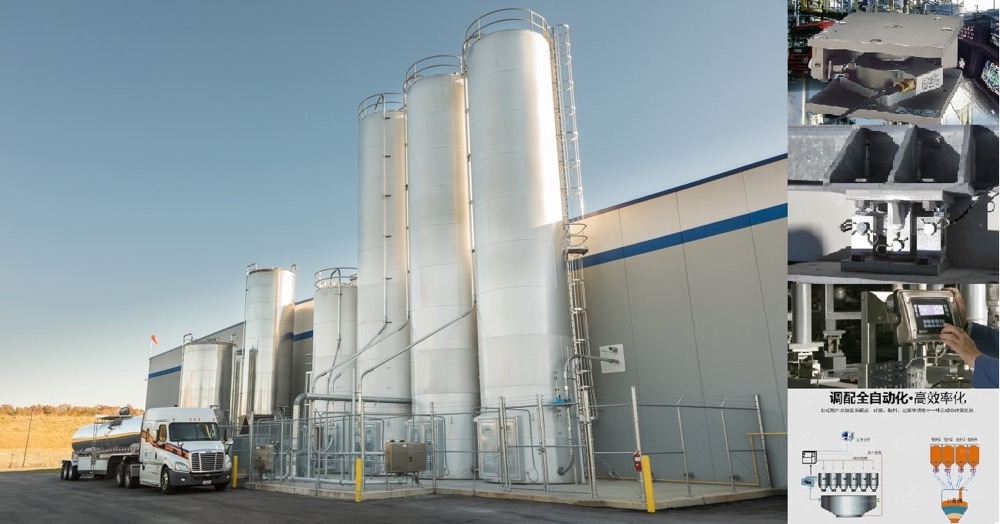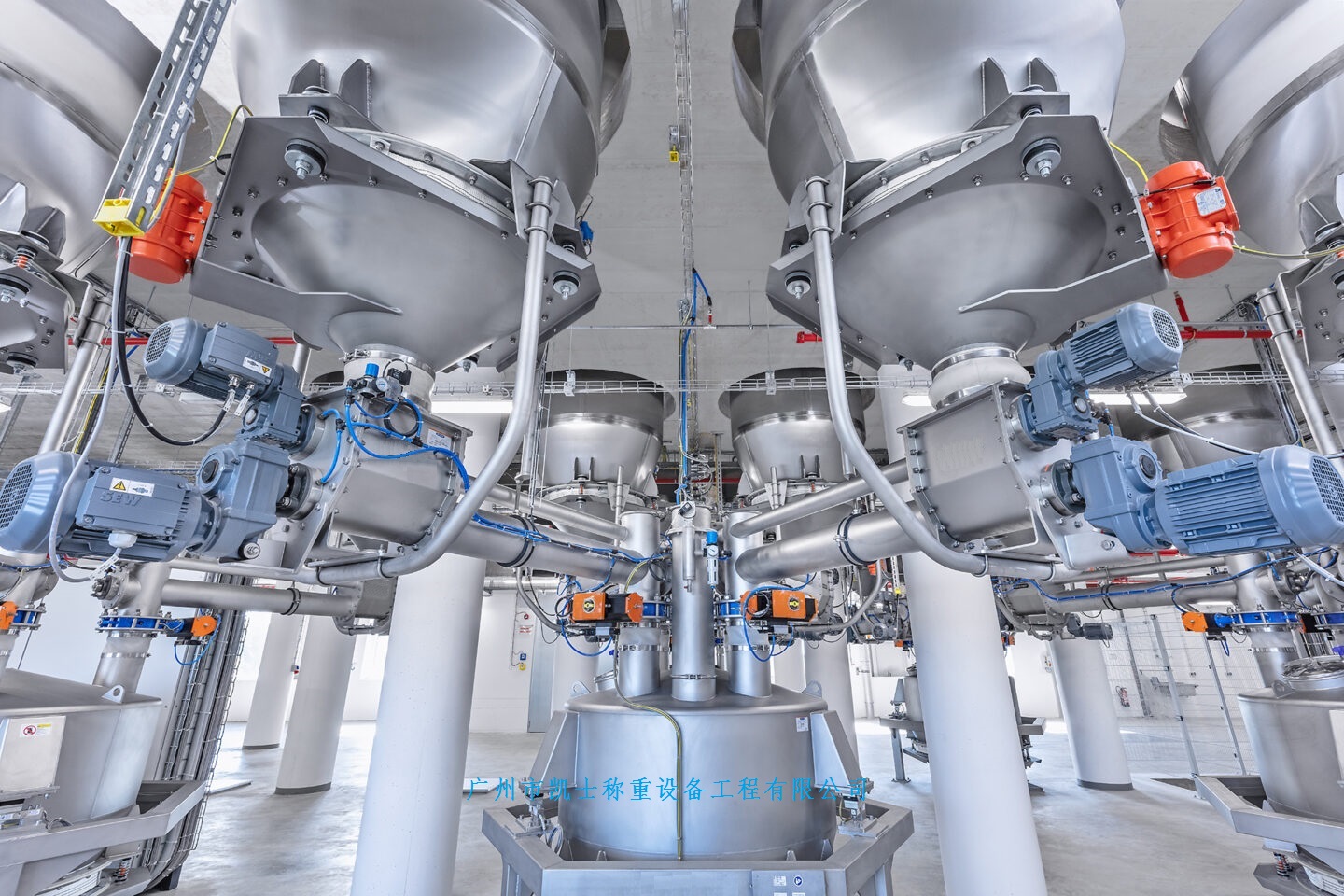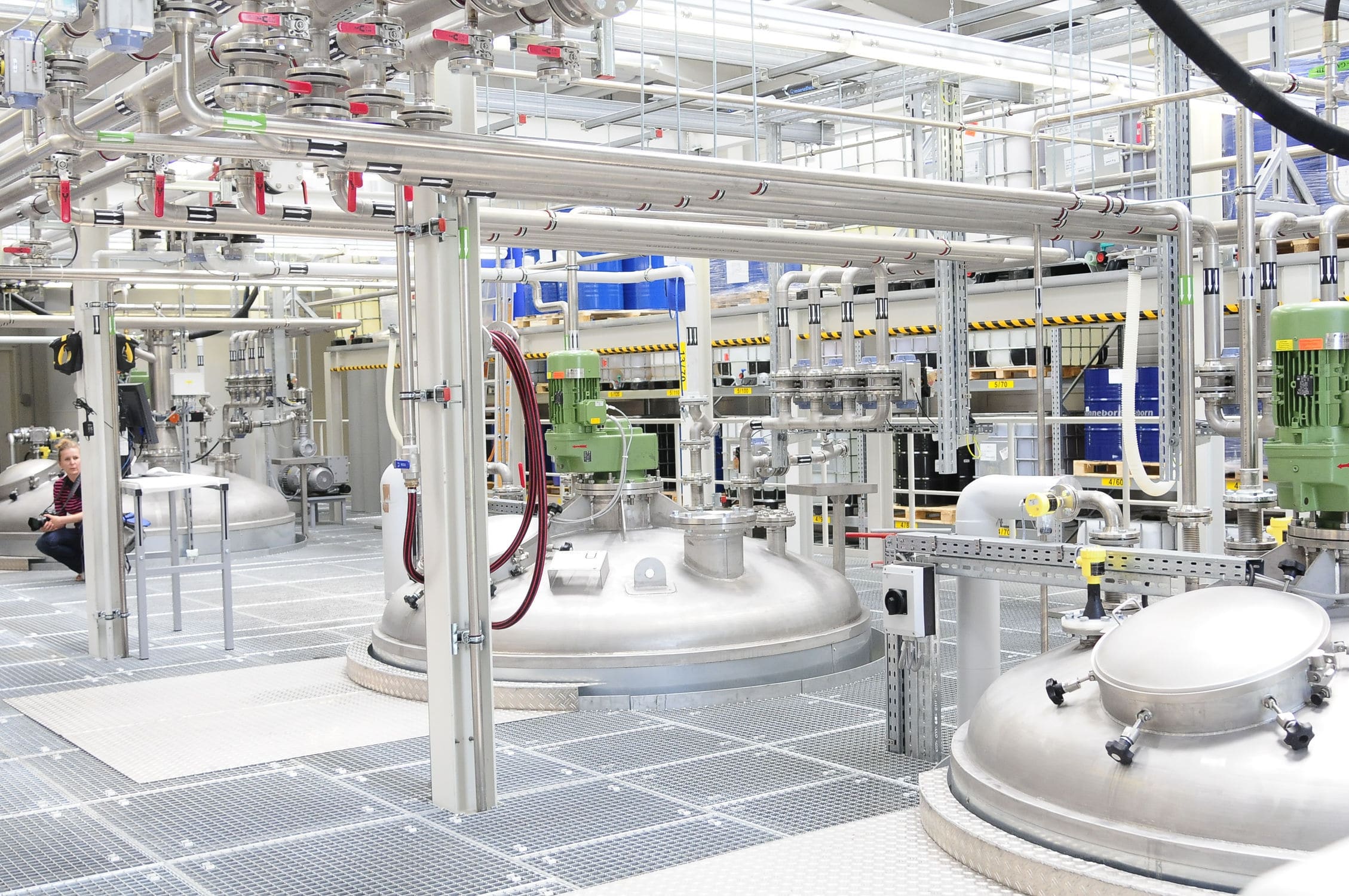


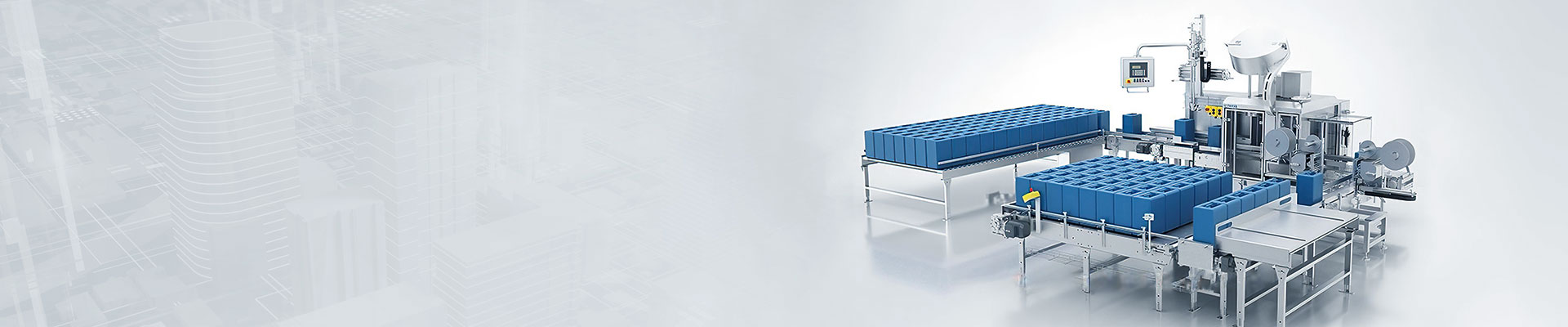
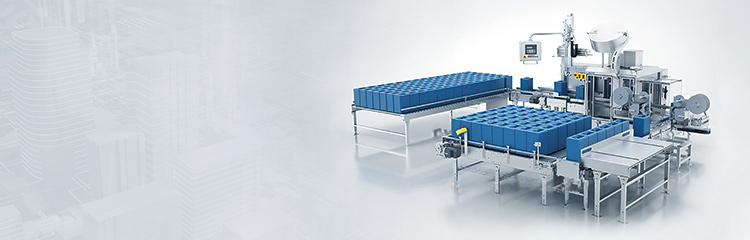


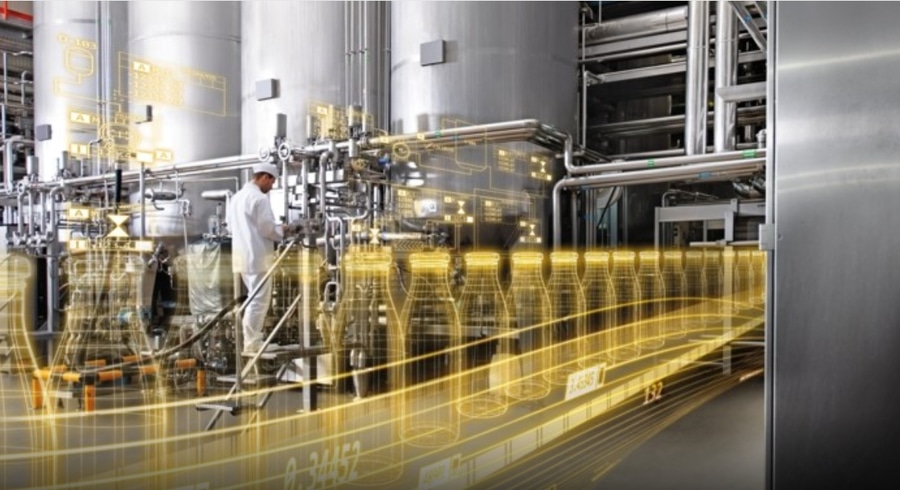
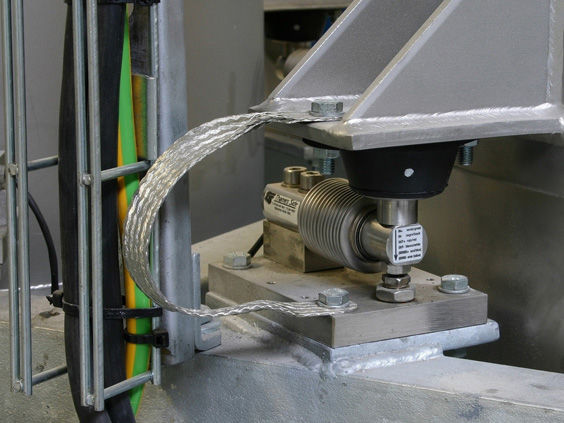
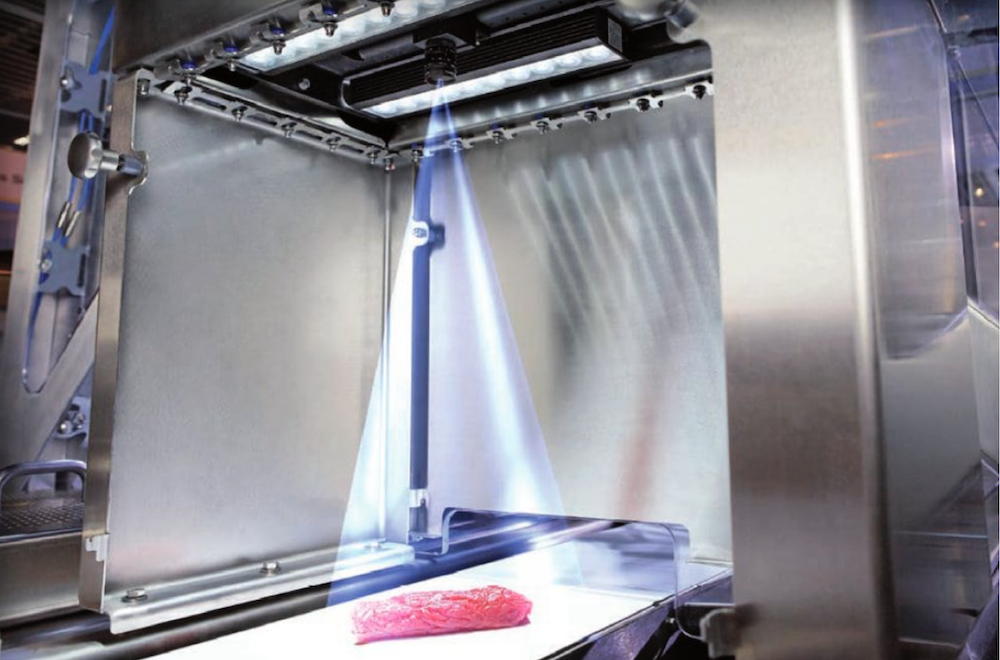
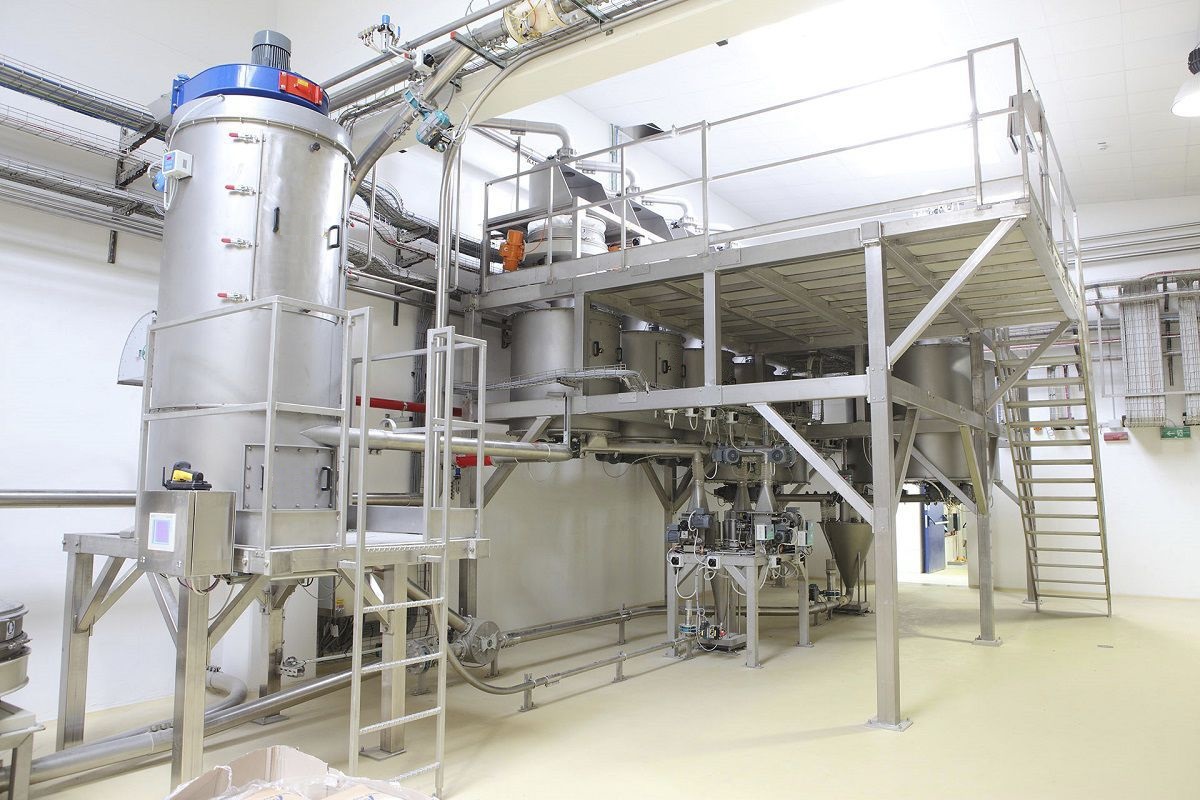
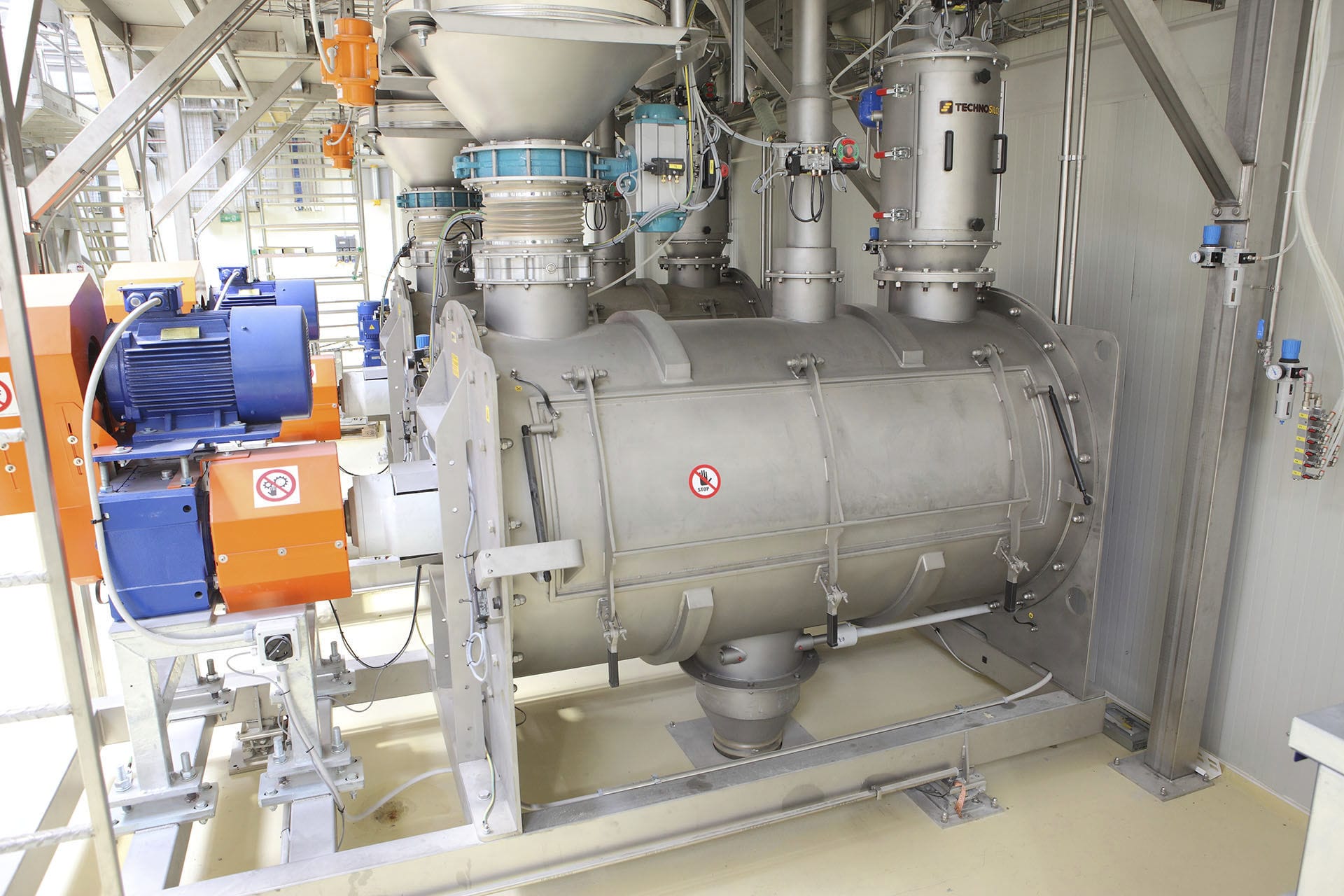
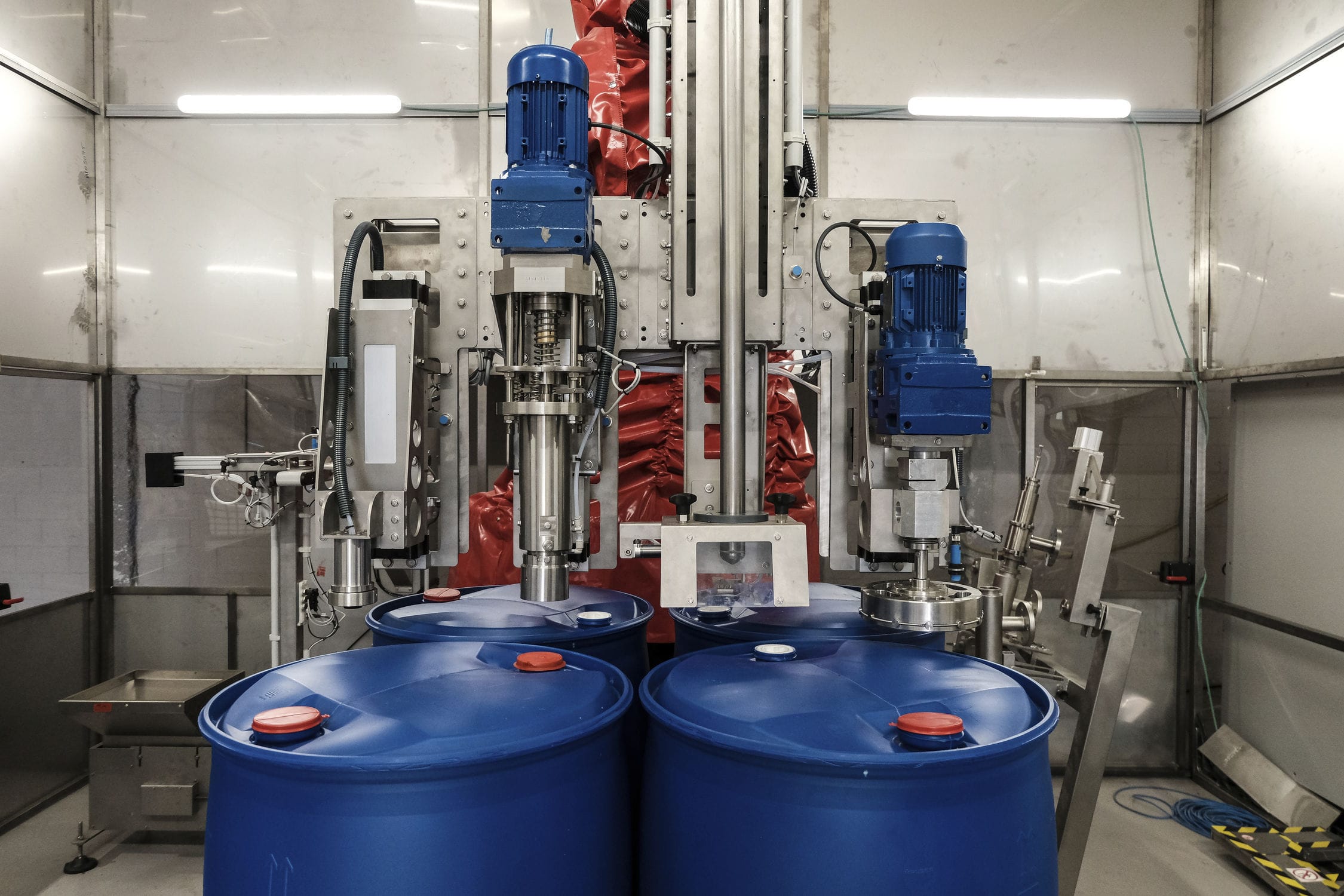
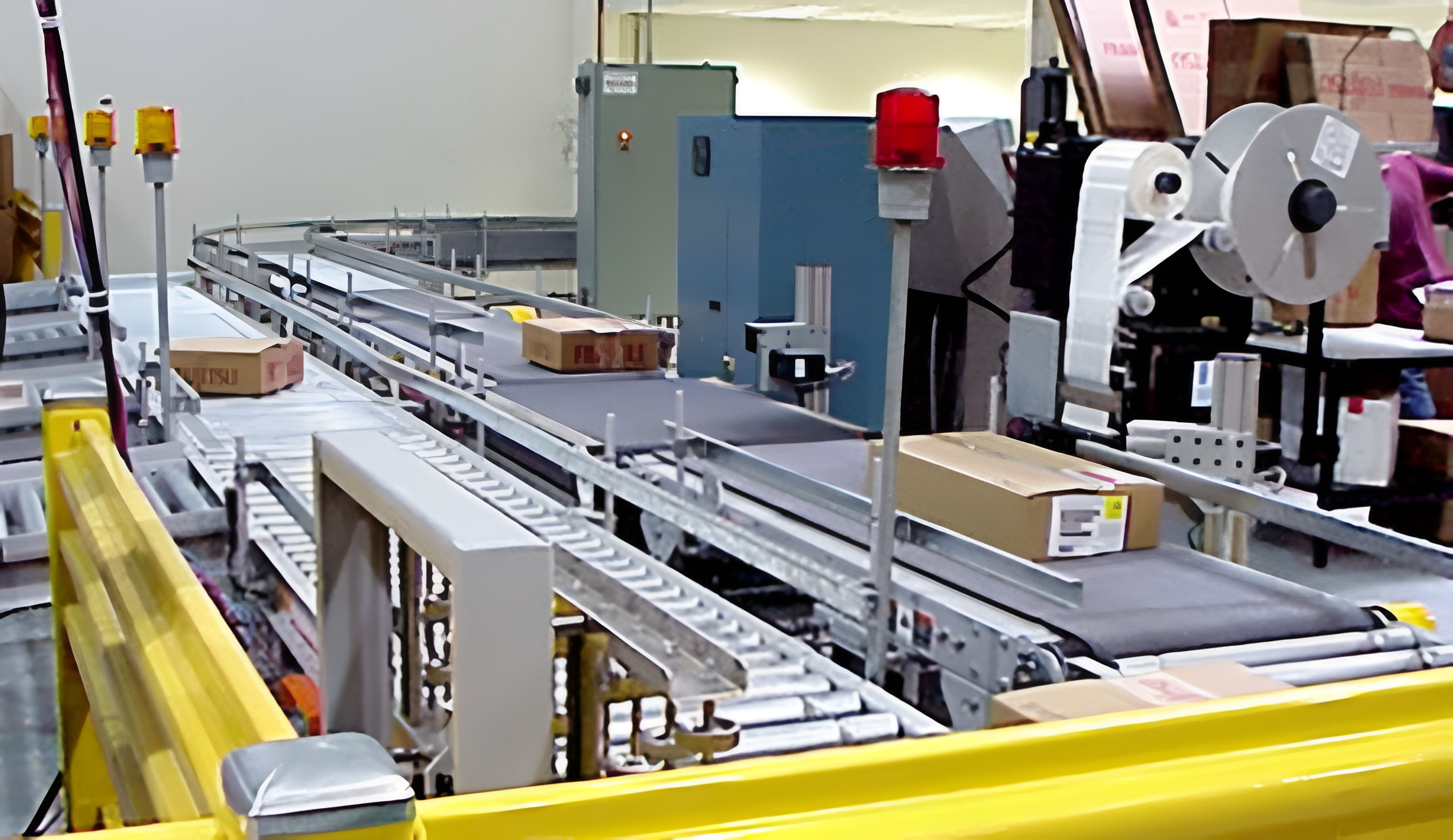
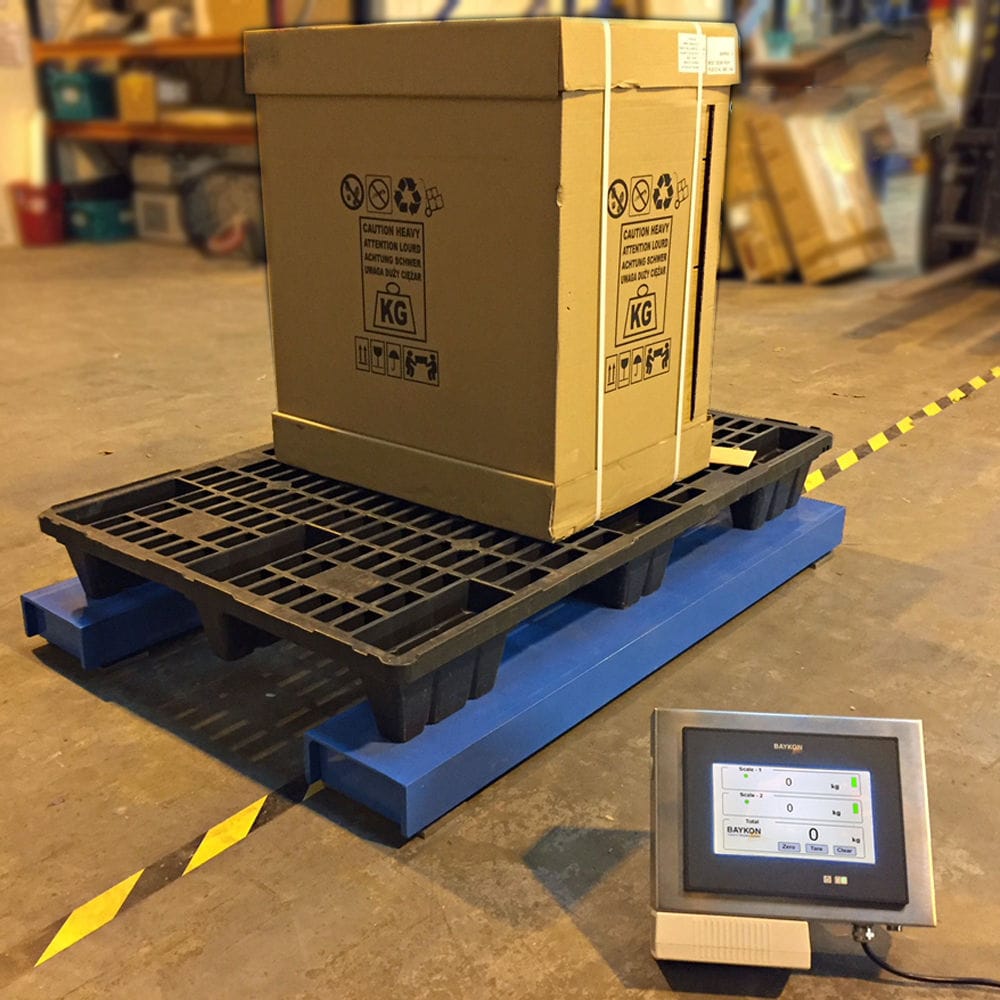


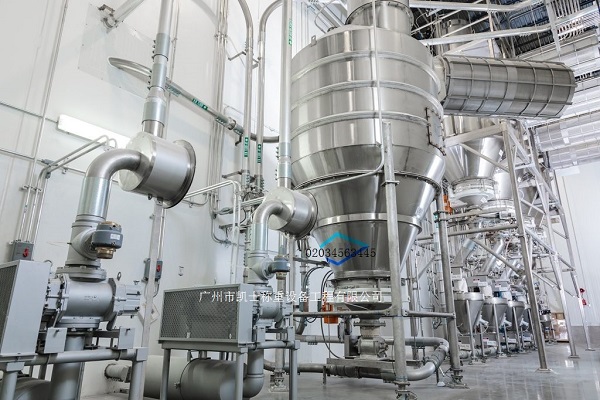
Automatic discharge system for a variety of different types of materials for conveying, proportioning, heating, mixing and finished products of the entire production process of automatic production lines. Control the action instructions of each part of the ingredients to fully complete the conveying of materials, accurate ratio, mixing, transportation and other processes. Through the material conveying device, all kinds of materials are automatically transported to the silo, and then automatically weighed in proportion and accurately, and then the mixed materials with a good ratio are automatically transported to the silo for mixing, and then automatically discharged after mixing.

 020-34563445
The automatic feeding system can choose Siemens PCS7 control system or 1500 series high-performance controller depending on the process. The main production control system: formula management with automatic feeding system, automatic temperature control system, intelligent drip control system; auxiliary systems: workshop power monitoring system, MES production system, tank monitoring system, etc.. Choose industrial Ethernet TCP/IP communication protocol to build the internal LAN, and configure the industrial control panel to provide personnel operation.
Negative pressure suction pneumatic conveying systems are powered by high pressure centrifugal fans or Roots vacuum pumps. Vacuum pumps are used to draw bulk powder and granular materials into the designated powder silo in a negative pressure flow. Negative pressure suction pneumatic conveying systems are suitable for short, high temperature materials. The system can be operated with multiple points of unloading. Since the conveying process is done in a closed negative pressure pipeline, there is no leakage or contamination to the transmission line, especially for the transportation of hazardous materials with strict requirements for leakage and contamination. The conveying system can be used for single or multi-point power supply, and the process arrangement is flexible and convenient.
Negative pressure suction pneumatic conveying system principle.
Negative pressure suction and delivery pneumatic conveying systems generally use Roots vacuum pumps or high pressure centrifugal fans as the power source to pump pipelines and tank warehouses to specific vacuum conditions. This promotes the formation of material powders, particles and gases under the influence of atmospheric pressure at the air inlet. The two-phase flow passes through the conveying pipes into the cyclone separator. Due to the centrifugal force and gravity inside the cyclone separator, the two-phase flow separates most of the material from the gas. A small amount of material and gas enters the dust collector, where the powder and gas are separated by the action of filter bags. The gas is released into the atmosphere.
Features.
Negative pressure suction pneumatic conveying system consists of separator, suction nozzle (fixed suction nozzle, movable suction nozzle), unloader, vacuum pump, valves, pipe fittings and control system. The main features include.
1、Environmentally friendly and reliable, the dust in the pipeline will not leak into the environment.
2、Equipment manufacturing and maintenance requirements are low, and the operation is highly maneuverable.
3、Negative pressure suction pneumatic conveying system operating pressure (vacuum) is low, high safety.
4, the gas (usually gas) is taken out of the atmosphere, the temperature of the gas is the local temperature at the time, especially suitable for heat-sensitive materials.
5、Transportation is continuous, can be interrupted, there is no accumulation in the pipeline.
6, negative pressure suction pneumatic conveying system to achieve the goal of multi-point feeding, multi-point unloading transportation project is very easy.
7、Gas power supply is generally centrifugal fan, Roots fan (pump), long service life.
8, negative pressure suction pneumatic conveying system is generally applicable to 100 meters and below the short distance transportation, especially suitable for process transportation.
9、Strong adaptability to the transportation of materials, smooth powder conveying.