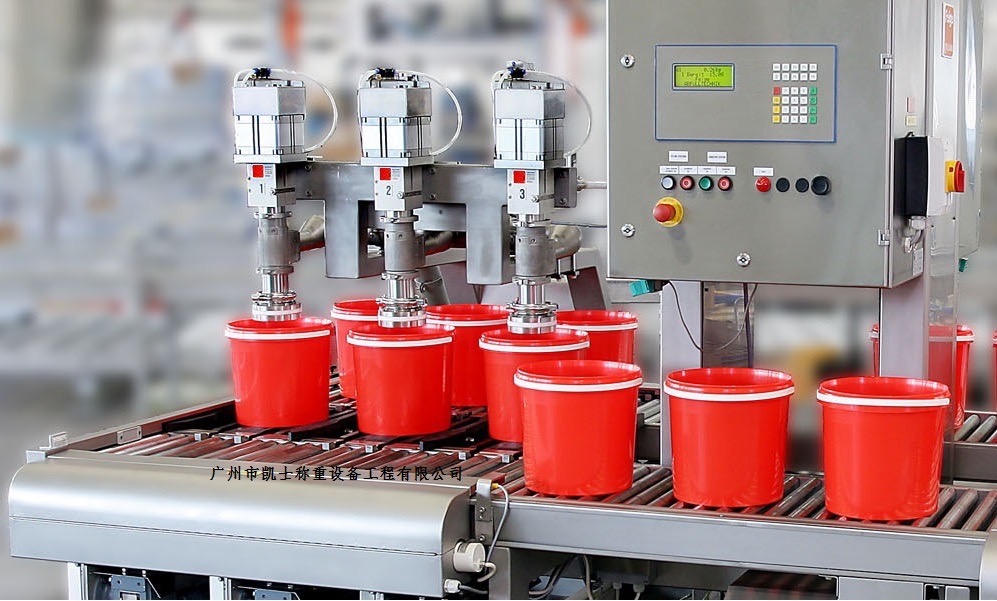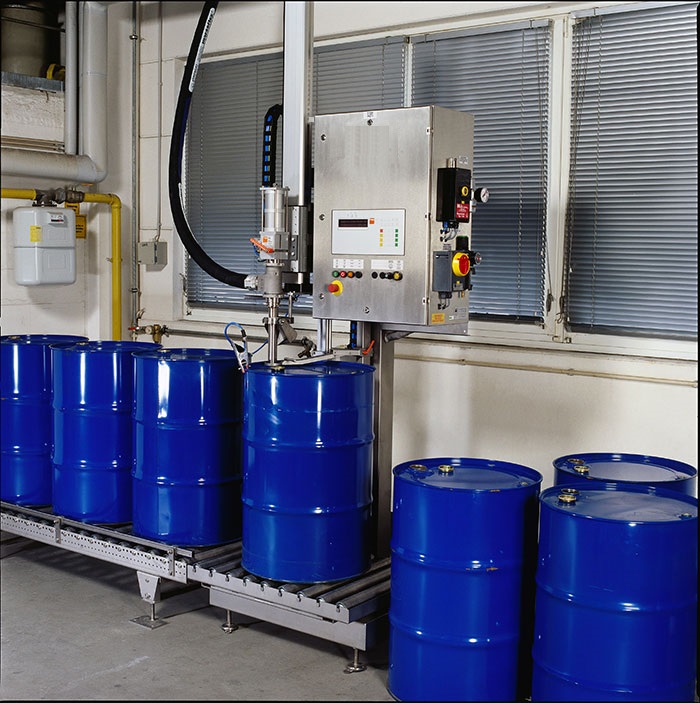


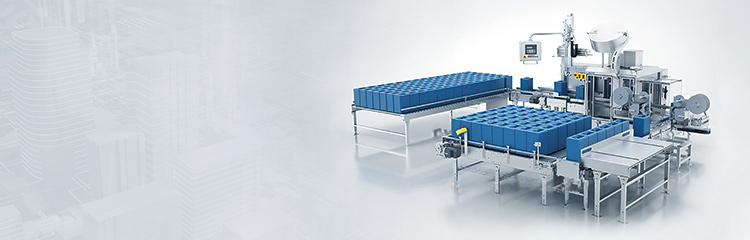


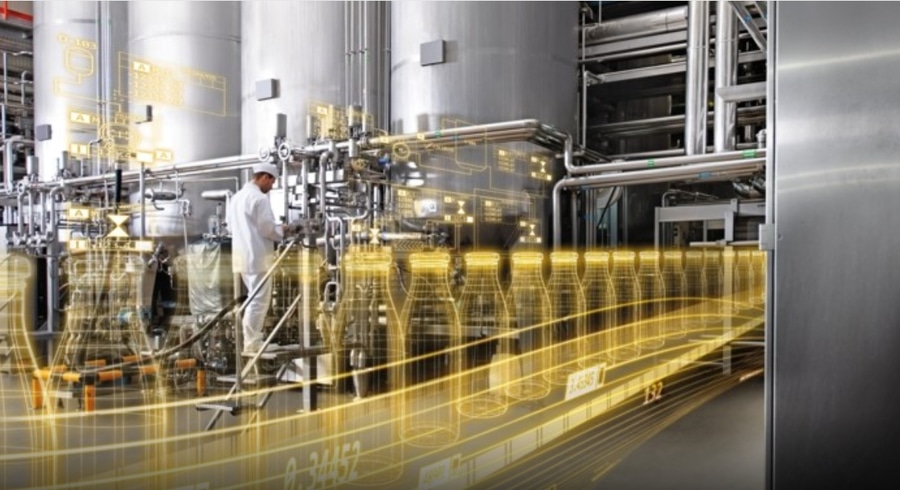
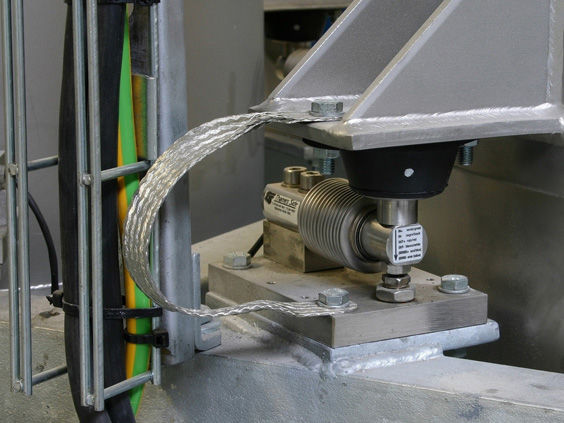
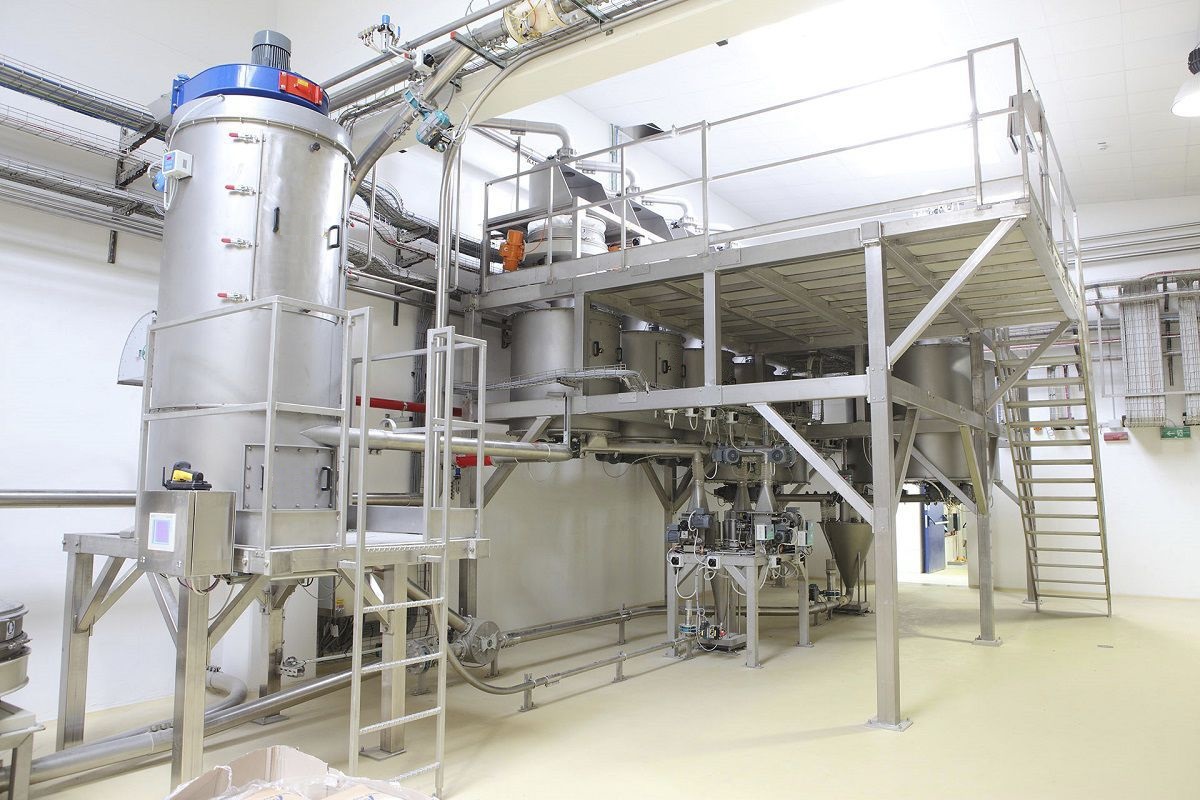
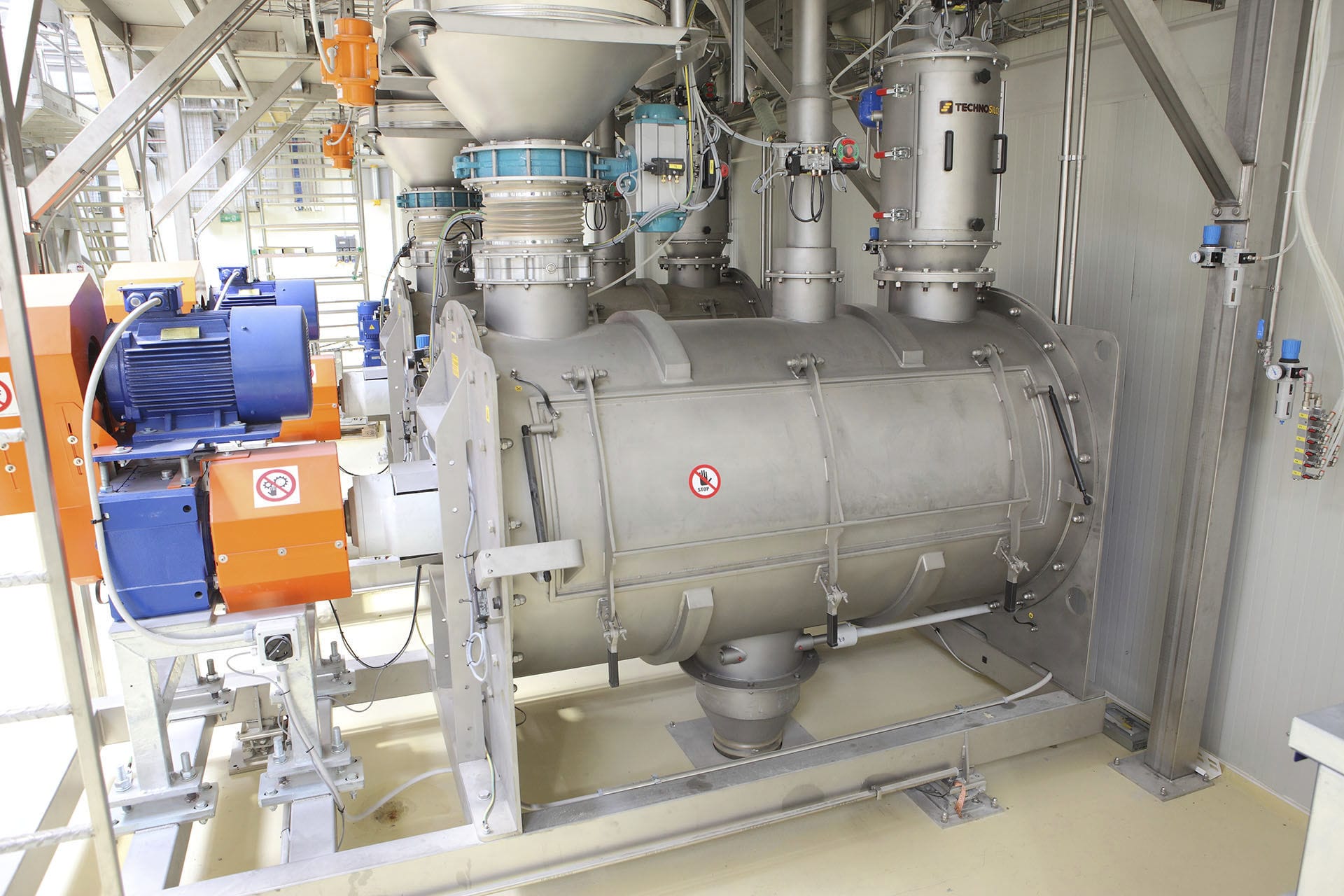
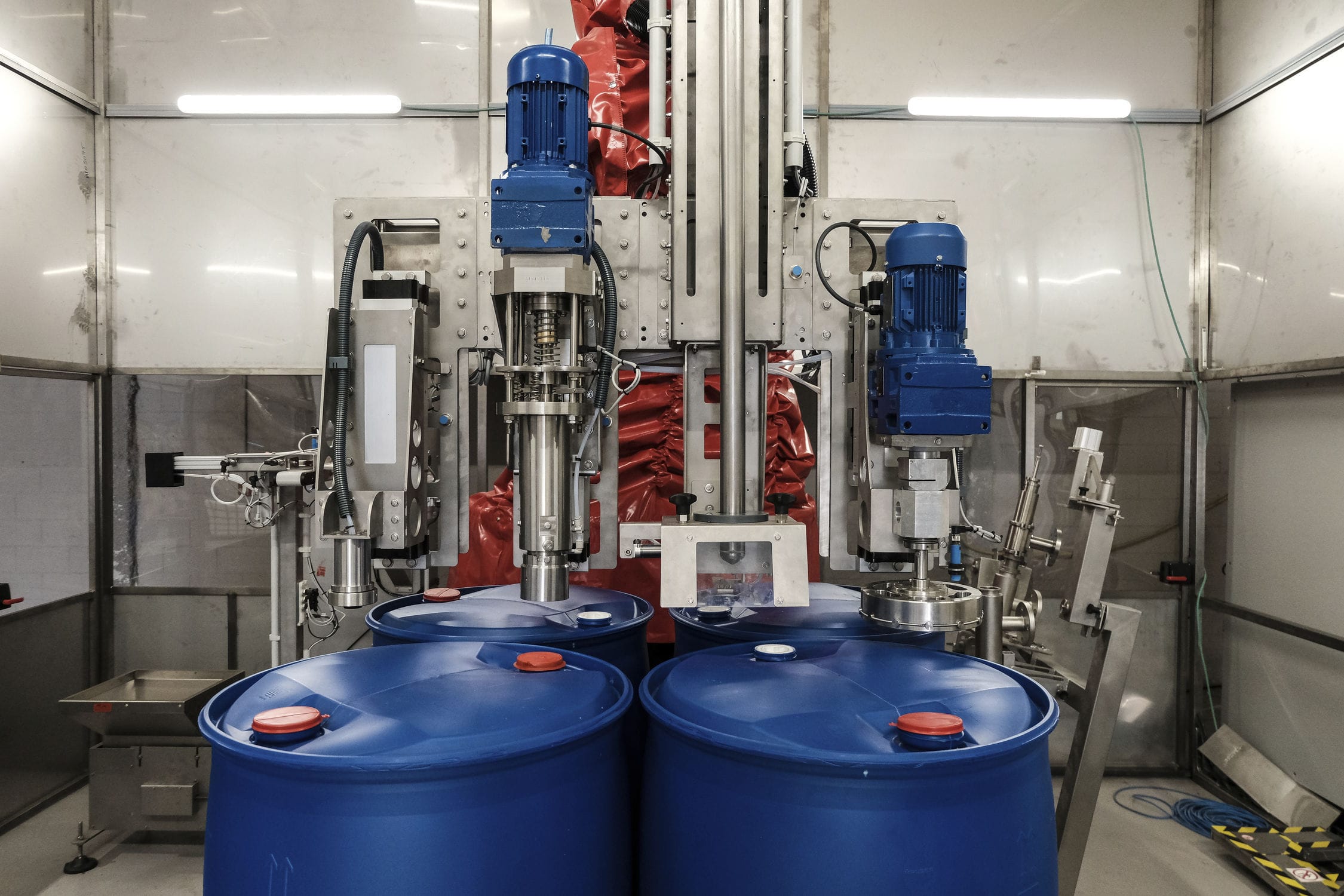
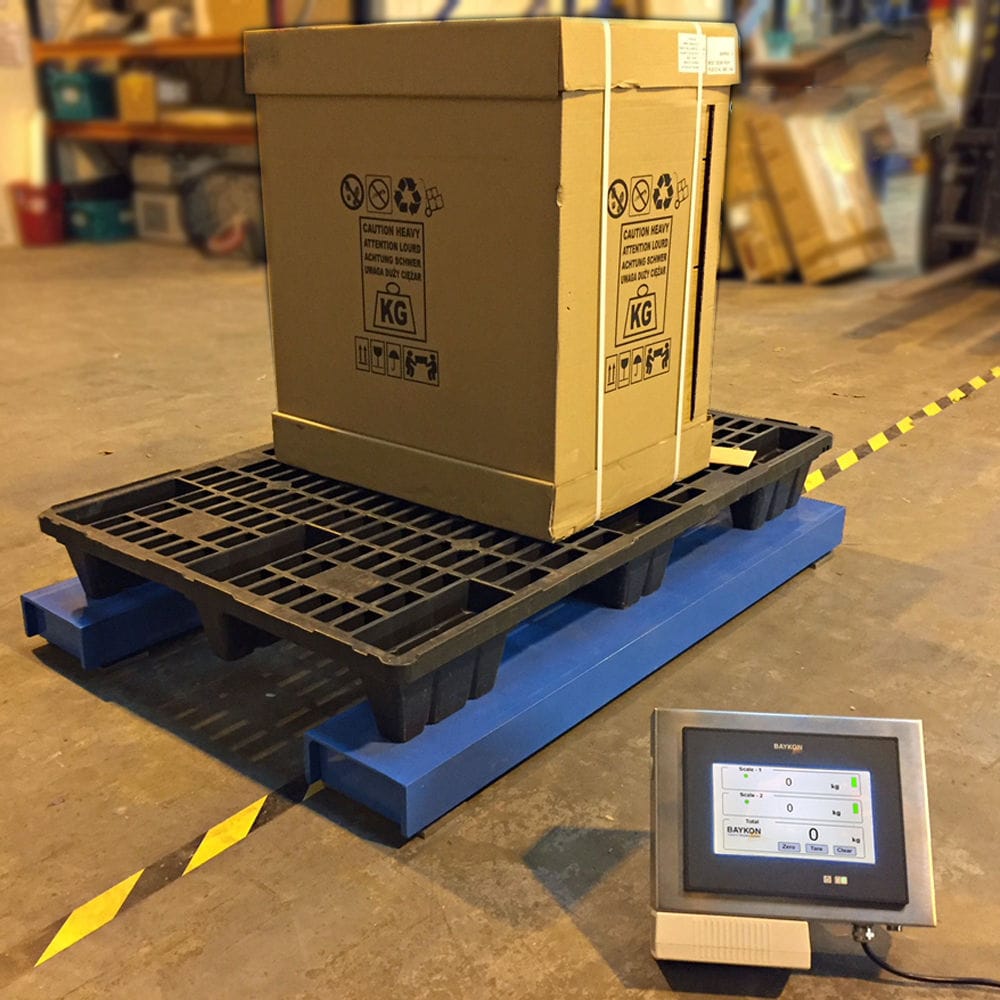


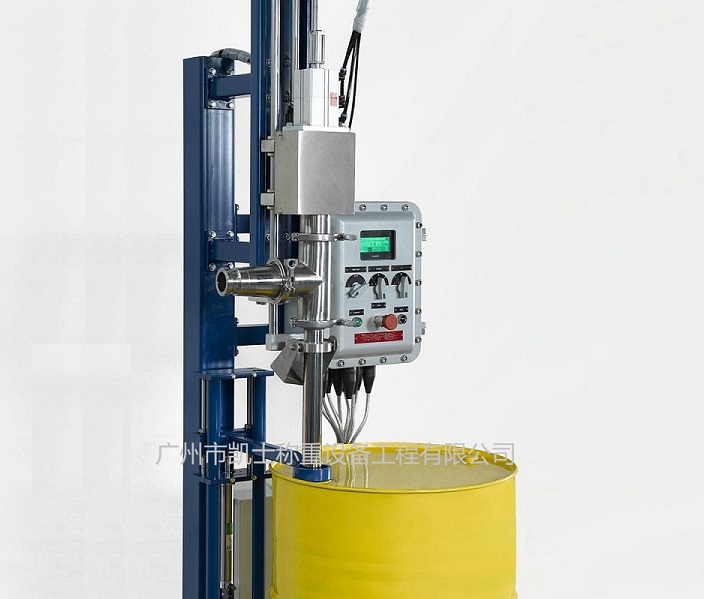
Urea filling scale adopts PLC to coordinate the whole control of bucket positioning, roller table operation, weighing filling, tank material and so on. The man-machine interface is used for manual, automatic and other modes of control, and the high-precision weighing module and high-stability weighing instrument are selected to control the filling process, which fully meets the precision and speed requirements of the system.

 020-34563445
The electronic bucket scale is composed of a PLC and an Electronic scale to form a control system network. It is connected to the on-site weighing instruments, PLC, frequency converter and other intelligent devices with high processing capabilities and fast processing speeds through the field bus. The PLC mainly undertakes the detection, display and alarm of the automatic Filling machine's faults, and simultaneously outputs signals to the frequency converter. The frequency converter completes the function of filling speed. By comparing the collected liquid level height information with the set value, it determines the height of the liquid level in the reaction tank. The high or low liquid level signals will determine the opening and closing state of the material pump. When the collected input values exceed the maximum allowable value of the set liquid level, it will automatically limit it within a reasonable range to avoid abnormal situations. The Liquid filling machine uses the most widely used weight regulation method in industrial control for actual control. According to the weight deviation, the electronic scale speed is adjusted through the frequency converter to adjust the given quantity, so as to make it equal to the set value, completing the automatic filling process.
The liquid material first falls into the filling valve body under the action of gravity. At this time, the feeding channel of the sliding valve core is connected to the filling valve body, while the discharge channel is offset from the filling valve body. The filling cylinder drives the plunger valve core to move outward to both sides through the connecting plate, sucking the liquid material into the filling valve body. Then, the cylinder pushes the sliding valve core backward, making the discharge channel of the sliding valve core connect to the filling valve body, while the feeding channel is offset from the filling valve body. Then, the filling cylinder drives the plunger valve core to move from both sides to the middle through the connecting plate, pushing the liquid material to the filling nozzle and then filling it into the container, thus completing one filling action. When the cylinder pushes the sliding valve core forward, making the feeding channel of the sliding valve core reconnect with the filling valve body, a new filling cycle begins. This process repeats continuously.
The automatic filling machine is used for small-capacity liquid quantitative filling with high filling accuracy requirements for viscous liquids, pastes, etc. Due to the poor流动性 of viscous liquids and pastes, they cannot be filled by the weight of the liquid material itself. Therefore, the vacuum suction and transfer of the liquid material are achieved by the sliding valve core moving outward in the plunger filling valve body, so that the liquid material can be quickly filled into the filling valve body. Then, the plunger valve core moves to the middle to push the liquid material to the filling nozzle, and then fill it into the container. This process must ensure that the filling valve body is in a vacuum state. A sealing ring is added between the filling valve body and the plunger valve core. The plunger filling valve adopts a sealing form, which can reduce the processing accuracy requirements of the valve cavity surface and the plunger surface. It changes the traditional processing requirement of the valve body and valve core needing grinding cooperation to a sealing form. The sliding valve core and plunger valve core of this machine are all driven by cylinders. The cylinder has the characteristics of high movement speed and large pushing force, thus enabling this filling machine to have a high filling speed. The quantitative filling of liquid material is controlled by the stroke of the filling cylinder. The size of the filling cylinder stroke determines the volume space in the filling valve body, thereby determining the filling volume. If the filling volume needs to be changed, it can be achieved by adjusting the adjusting screw at the rear end of the filling cylinder to change the stroke of the filling cylinder.