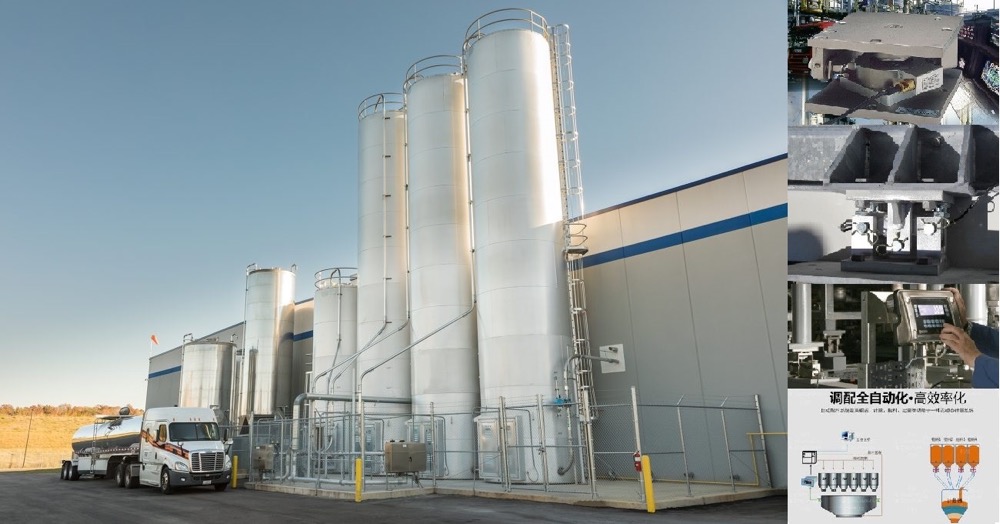





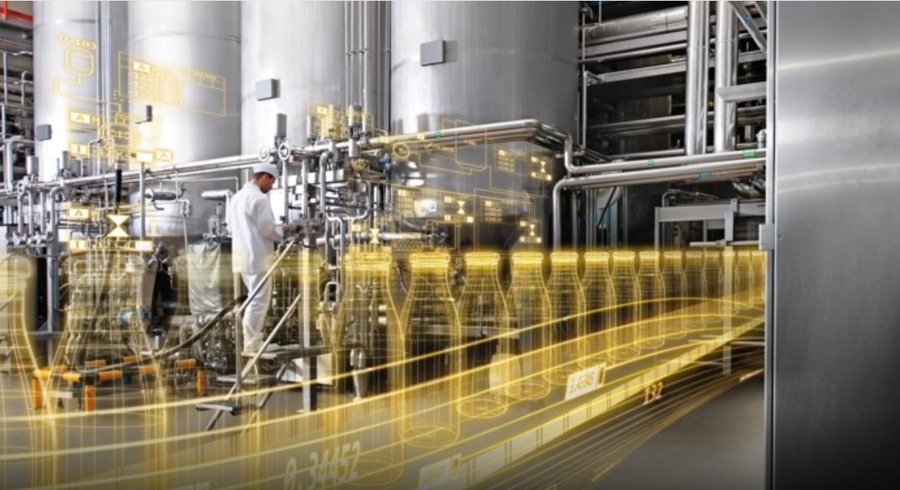
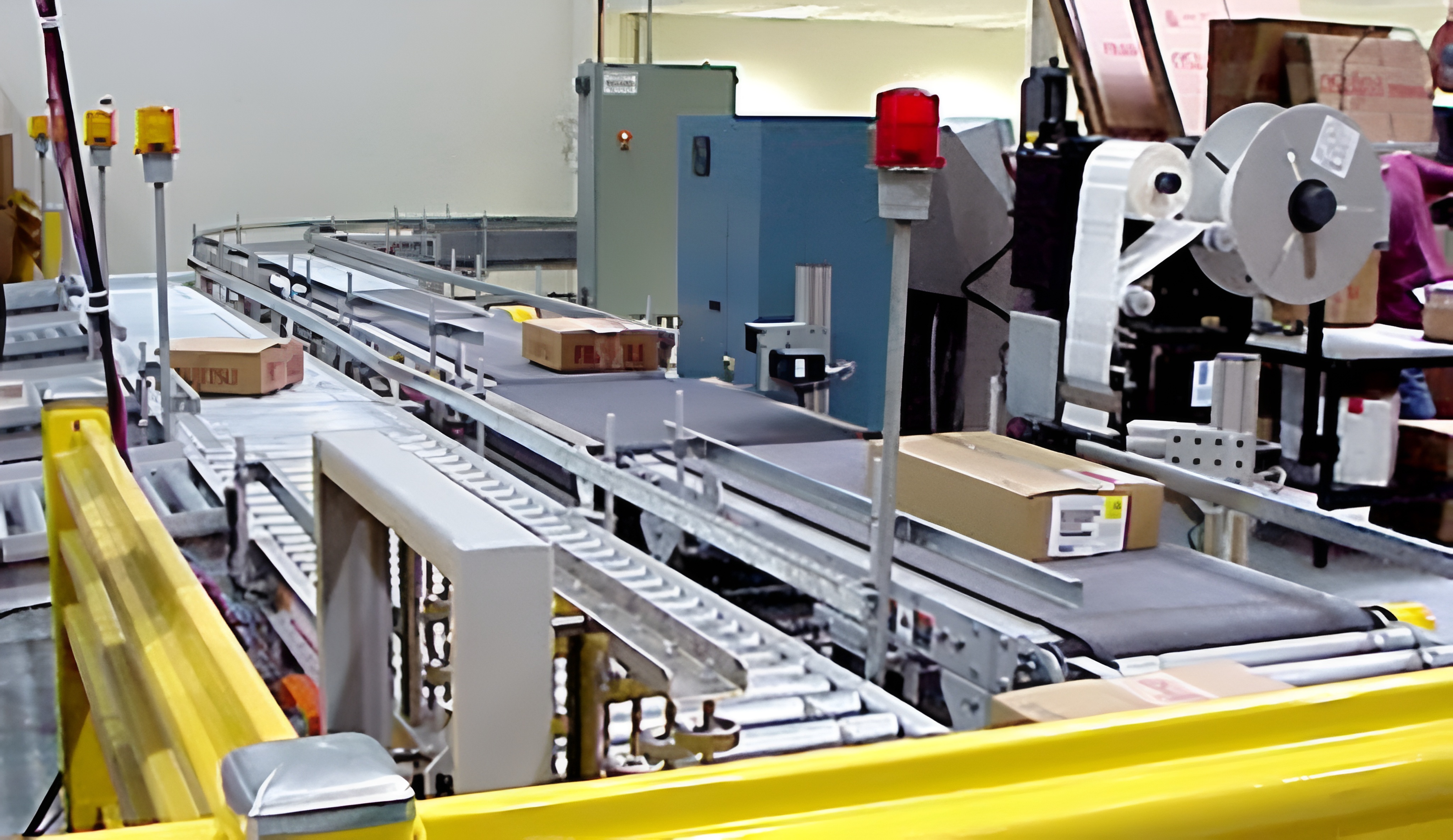
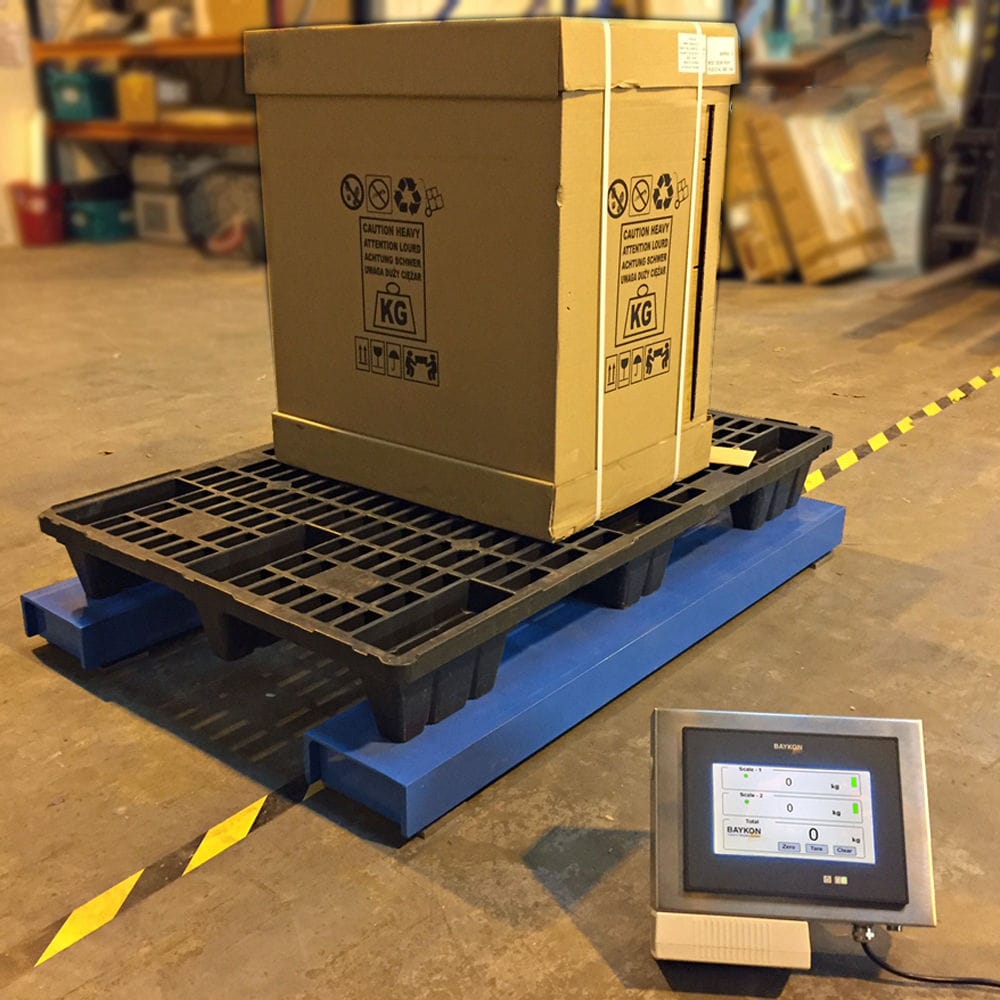


The constant pressure Feedback mixer controls the metering equipment to weigh in turn until the specified n times of weighing are finished, and the CRT returns to the display state when it is 0 times. When weighing a certain time, if any equipment or control point of the feeder or feeding system stops weighing, PLC can keep the memory of the time and continue weighing according to the memory of the time. DCS+PLC+ local manual control mode is adopted. The feeding process is completed by PLC, and its temperature and pressure are monitored by DCS system.


 020-34563445
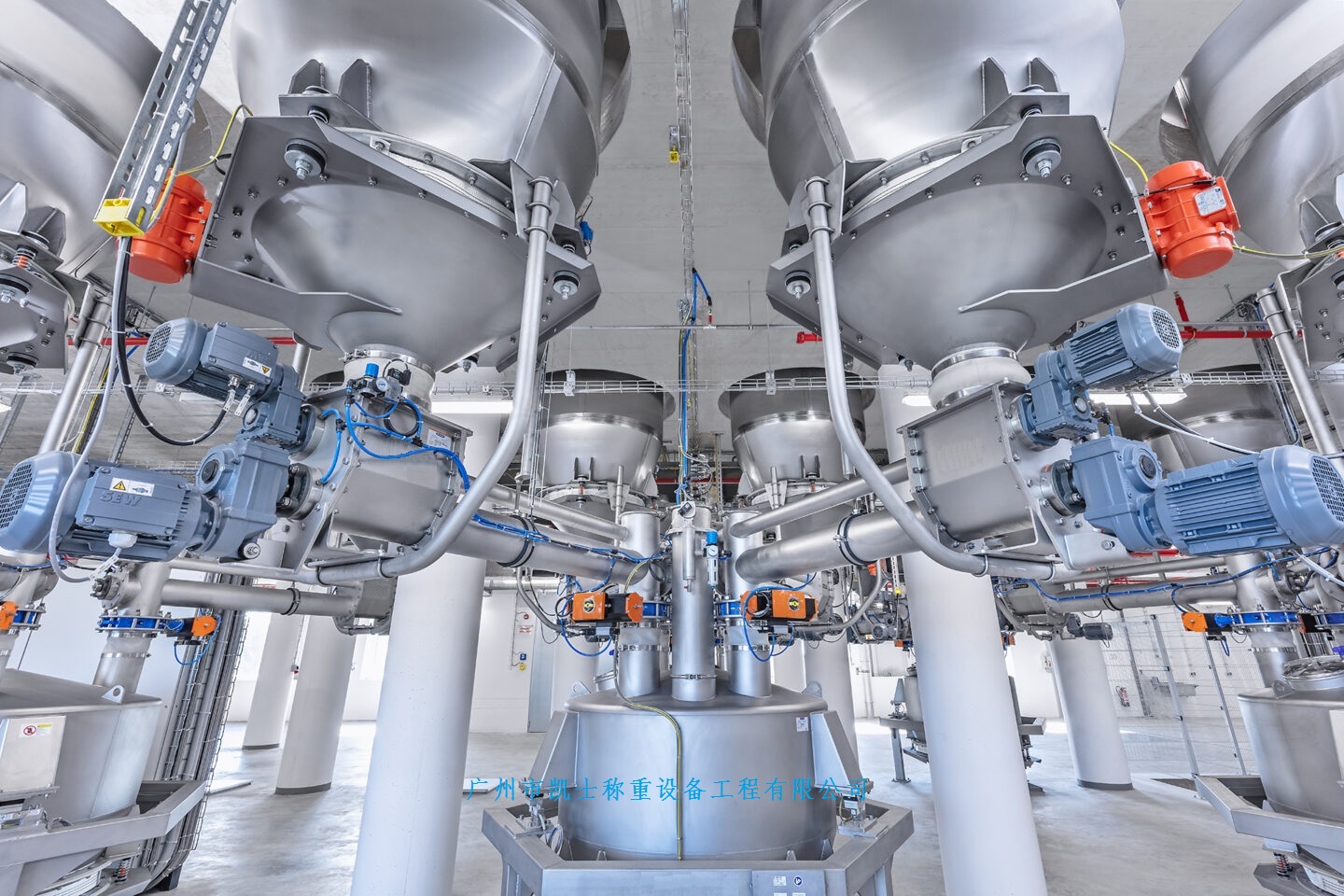
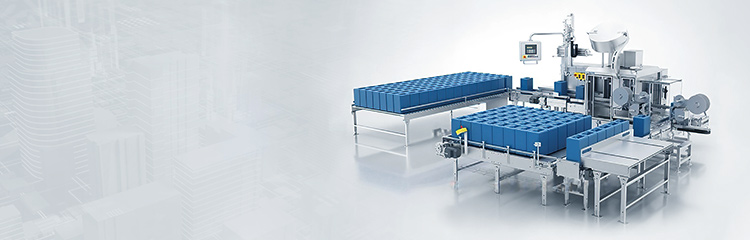
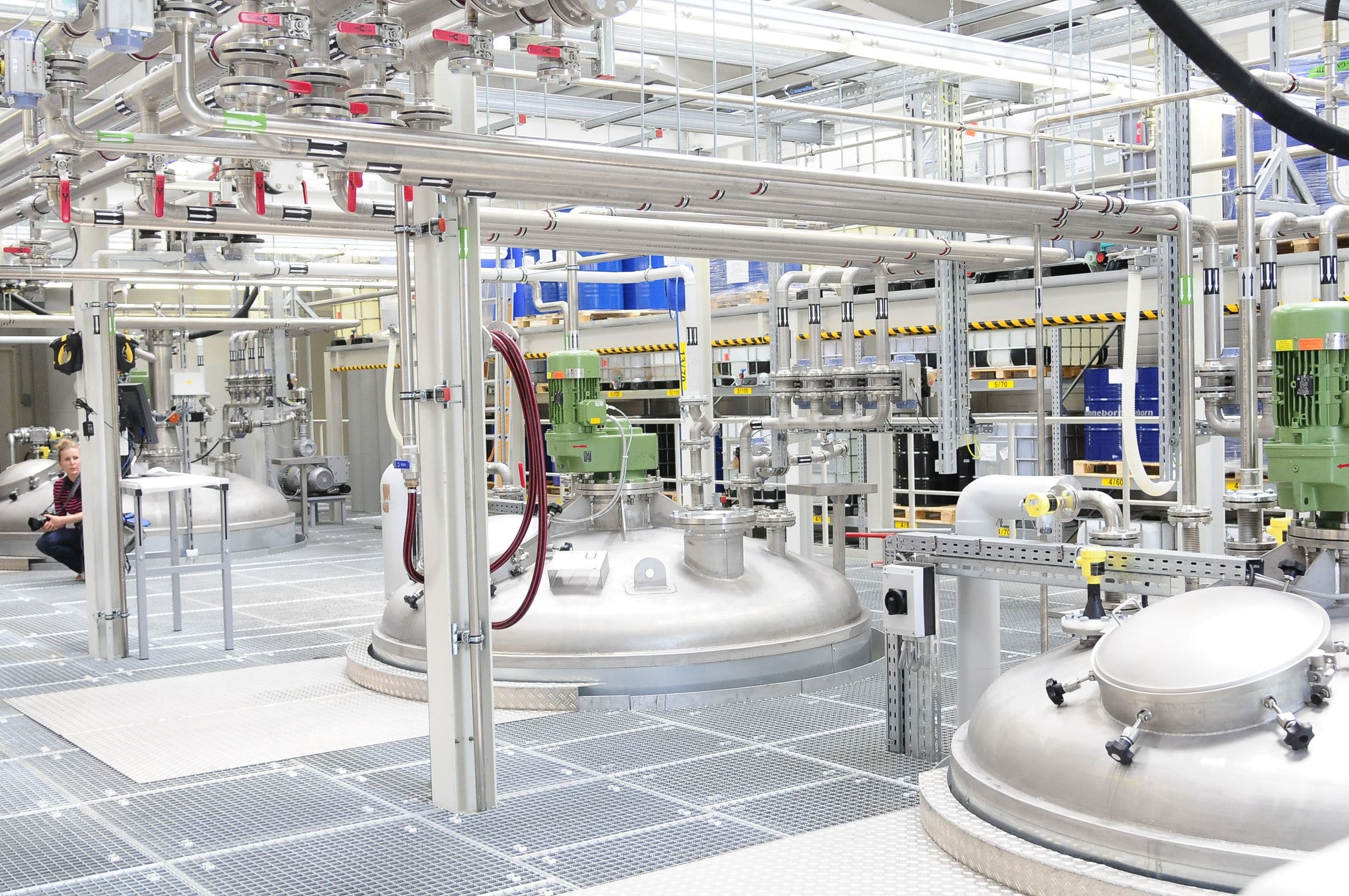
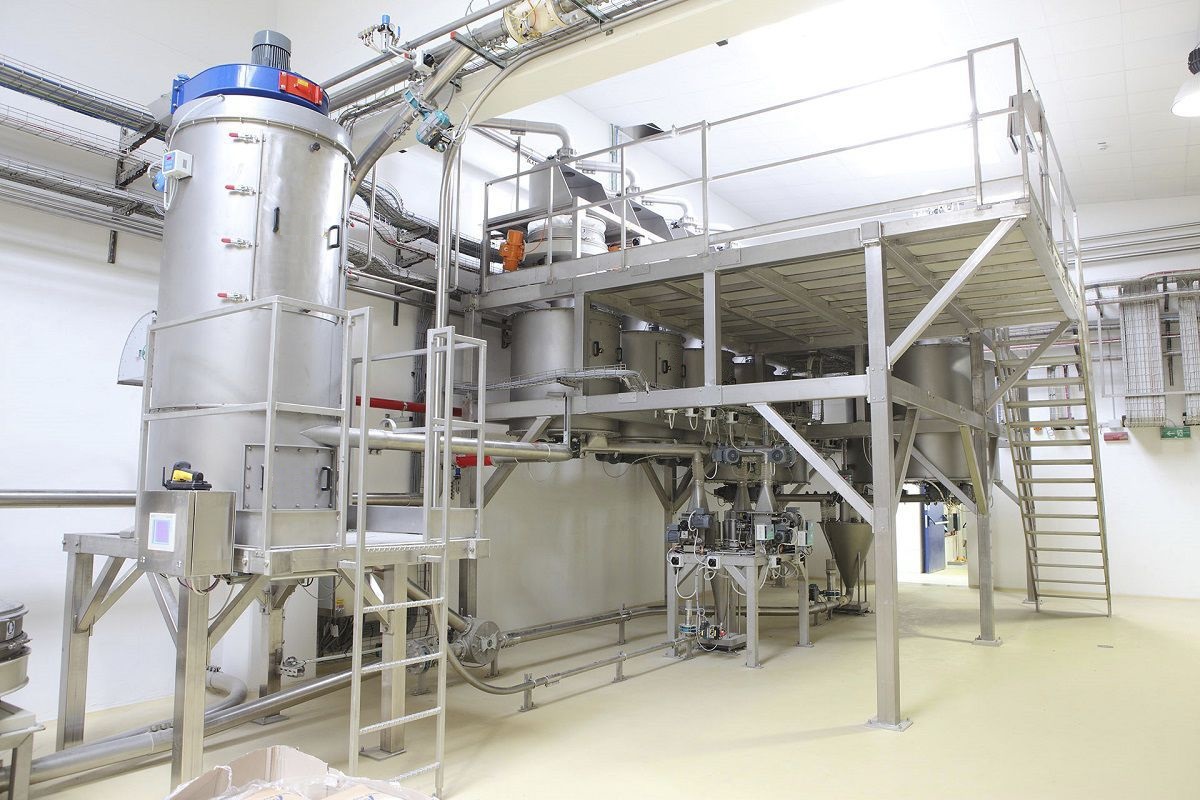
The feedback weighing mixer consists of a feedback isobaric mixer, a weighing control system, and a new type of conveying pump. The ingredient Feeder is installed below the powder bin, and its function is to provide a stable flow of powder to the powder measuring scale. The powder enters through the ingredient feeder, and the speed of the ingredient feeder is adjusted based on the comparison between the instantaneous flow measurement value and the set value, so that the instantaneous value always tracks the set value, thereby achieving measurement and control of the feeding amount. The metered powder enters the powder conveying pipeline through a new type of conveying pump. According to the effect of the ingredient speed rate on the movement of the powder in a uniform rotating reference frame, a measuring disc is installed inside, and several measuring blades are radially arranged on the measuring disc. The measuring disc rotates at high speed under the drive of the motor spindle. The material to be measured falls into the center of the measuring disc, changes its flow direction through the sorting cone, is captured by the blades, and moves radially towards the outer edge under the action of centrifugal force. When the vacuum pneumatic conveying system is started, the material stored in the volume is quantitatively supplied through the rotary lock gas feeding valve, and is accelerated by mixing with the negative pressure gas flow generated by the vacuum pump in the pipeline. The solid gas two-phase flow is used as a relatively stable flow state in the conveying pipe and is lifted to a distant one-piece filter separator. The mixture of gas flow and material is forced to change its running trajectory after entering the cyclone separator wall. Due to the much higher density of solid material than gas, a high centripetal force is generated, which causes the material to lose its linear motion speed after entering the cylinder wall. Under the action of gravity, it falls into the cone part of the cyclone separator, and then uniformly feeds downstream through the rotary lock gas discharge valve in the cone part. The production equipment and vacuum system are powered by vacuum pumps, The gas can be filtered atmosphere or gas that has been dried and purified. The above materials are transported in a fully enclosed manner.
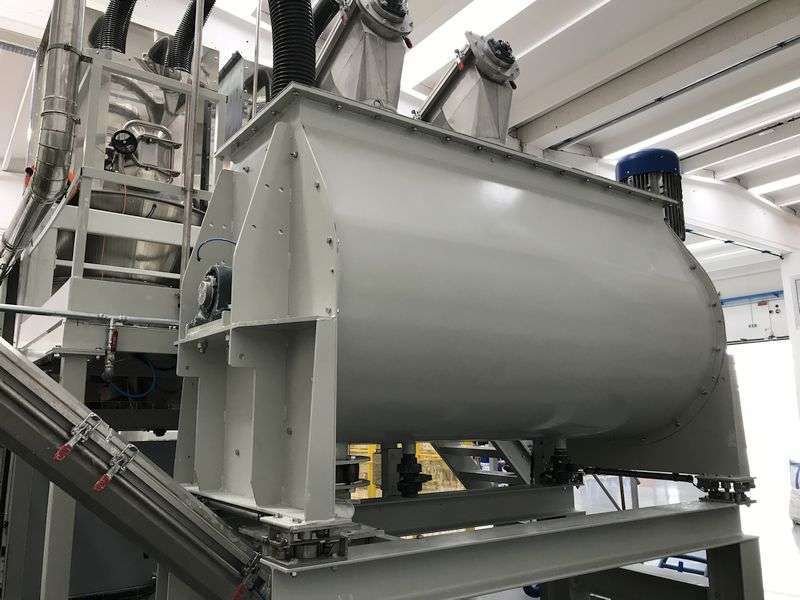
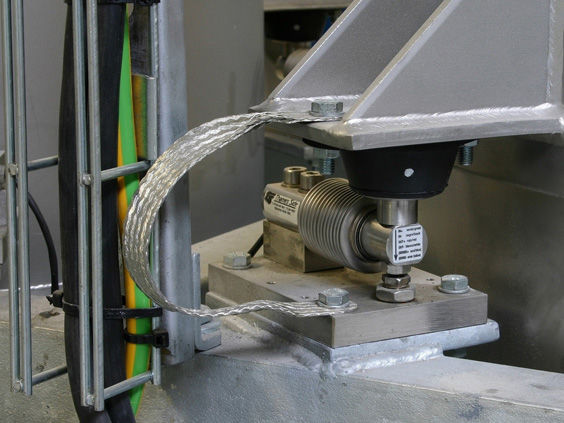
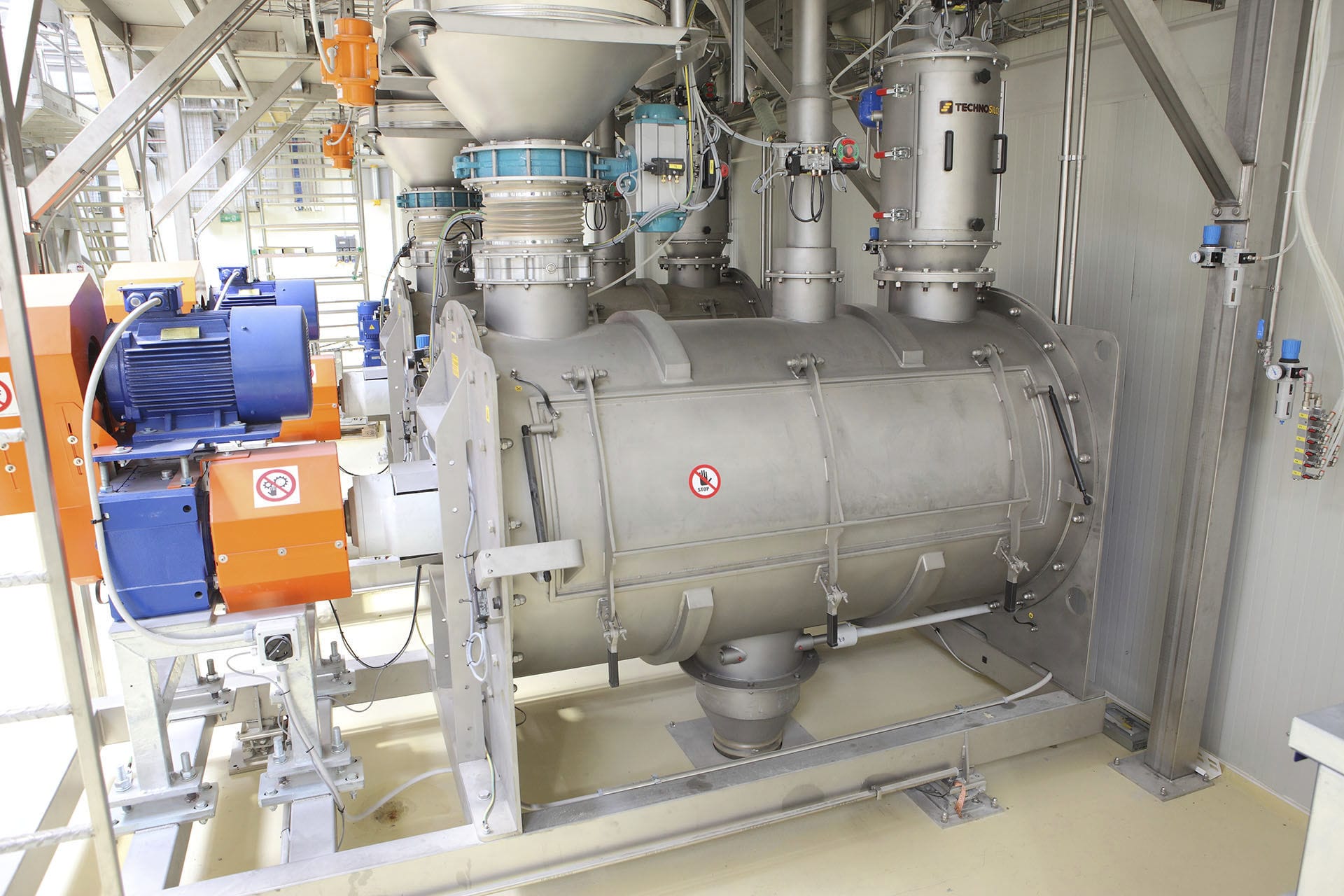
The weighing mixer uses a bolt mixing motor located in the middle of the upper part of the top cover to drive the mixing blades to rotate at high speed for material mixing. A plug-in valve is installed on the feeding port of the mixing shell to control the feeding speed by adjusting the size of the plug-in valve. The larger the plug-in valve, the faster the feeding speed, and the smaller the plug-in valve, the smaller the feeding speed. The raw material hopper is connected by a suction pipe, and at least three pairs of raw material hoppers and feeders are paired to meet the mixing ratio of various powder and granular materials. A weighing scale is installed on the lower side of the raw material hopper, and a weighing module is installed inside the electronic weighing scale to detect the weight of powder and granular materials in the hopper for accurate proportioning. The lower side of the mixing shell is welded. There is a bracket, and a PLC control cabinet is installed on one side of the bracket. The mixing motor, Feeding machine, and plug valve are all connected to the PLC The electrical connection of the control cabinet facilitates overall control. A discharge port is installed on the lower side of the mixing shell, and a butterfly valve is installed in the middle of the lower side of the discharge port to control the discharge of the mixed materials; The lower side of the raw material hopper is equipped with support feet, and the lower side of the support feet is equipped with pulleys; The plug valve consists of a valve seat, a connecting seat, a plug plate, a telescopic rod, and a cylinder. The connecting seat is installed on one side of the valve seat, and there is a groove inside the valve seat and the connecting seat. The plug plate slides and is inserted into the groove. The cylinder is installed on one side of the connecting seat. One end of the telescopic rod is connected to the cylinder for transmission, and the other end of the telescopic rod is fixedly connected to the plug plate. The horizontal movement of the plug plate is driven by the cylinder to control the size of the discharge opening of the plug valve, which is convenient and fast to control; There is a groove inside the valve seat, and a sealing layer is installed on the inner wall of the groove to increase the sealing performance of the plug inserted into the groove; There is an electric control valve installed on the discharge port on the lower side of the raw material hopper, which facilitates the control of the opening and closing of the raw material hopper. The upper side of the weighing and feeding machine is connected to a vacuum pump through a gas pipeline, which uses vacuum suction to transport particles and powdery materials. The output end of the PLC control cabinet is electrically connected to the air cylinder of the plug valve, the vacuum pump of the weighing and feeding machine, the weighing module and electric control valve inside the Electronic scale through wires. Different materials are manually added to different raw material hoppers (the amount of material in the hopper needs to be more than the amount of material added in a single quantitative feeding), and vacuum feeding is carried out through the weighing and feeding machine. The feeding speed is controlled by adjusting the size of the plug valve, and automatically adapts to various feeding percentages through the adjustment of the feeding speed. The ratio of powder and granular materials.