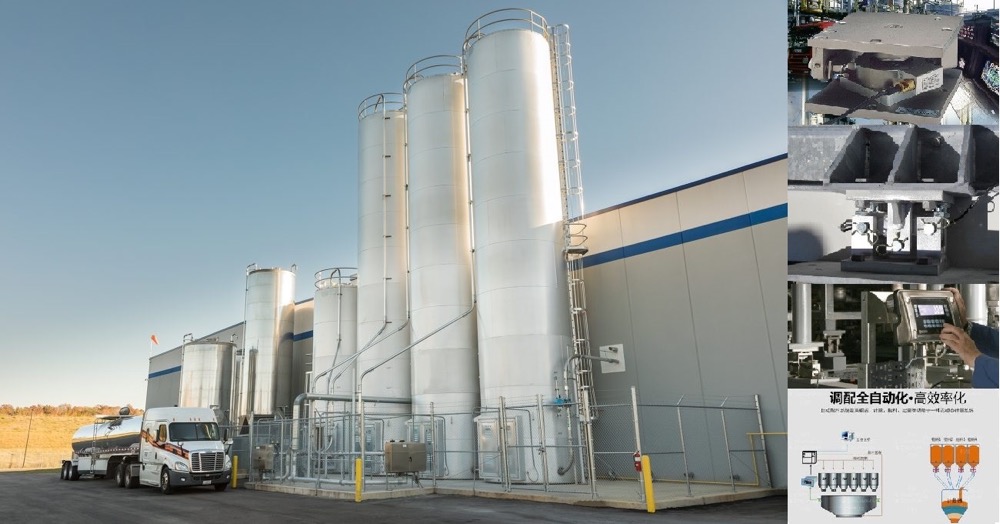





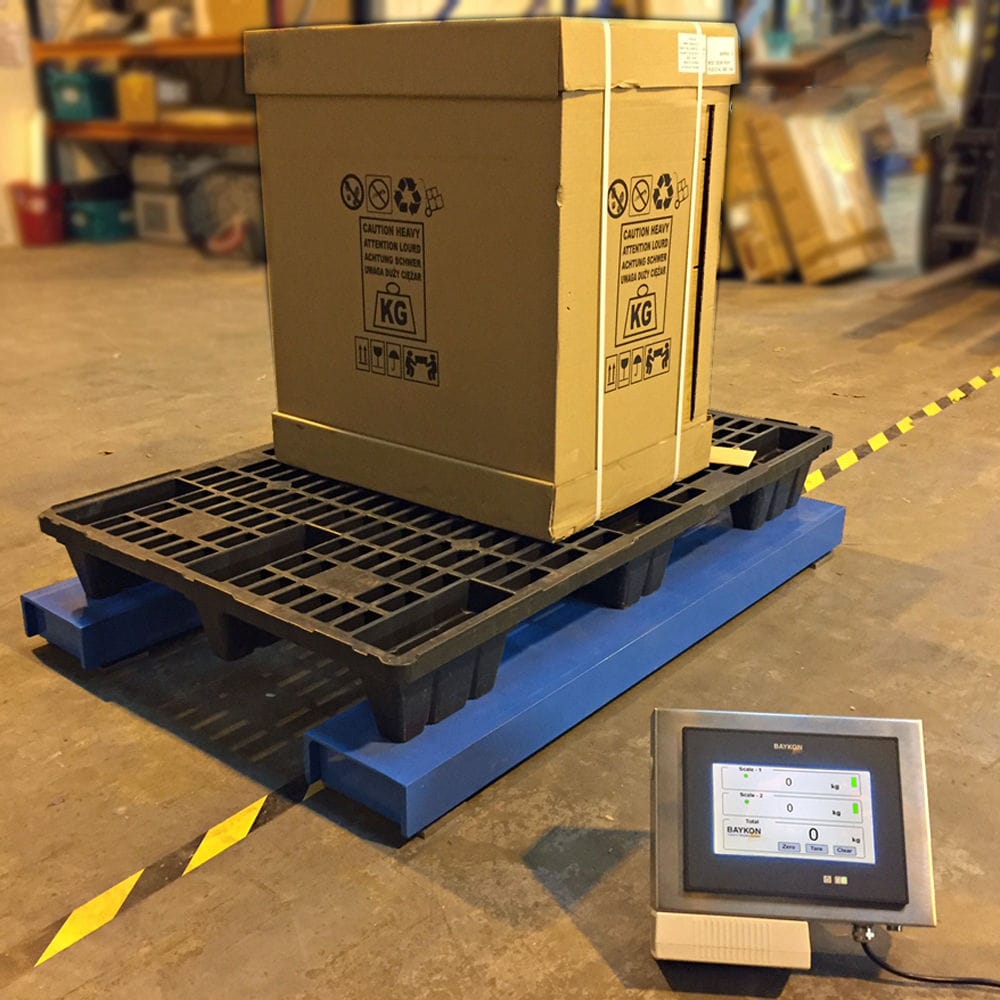


The weighing of oil heating reactor is realized by the computer distributed control system itself, that is, no additional computer hardware is attached. With the control system composed of network communication, the requirement for the control software of the reactor is not only how powerful its function and how rich its content, but the demand for the user's redevelopment ability of different objects is becoming increasingly important.

 020-34563445
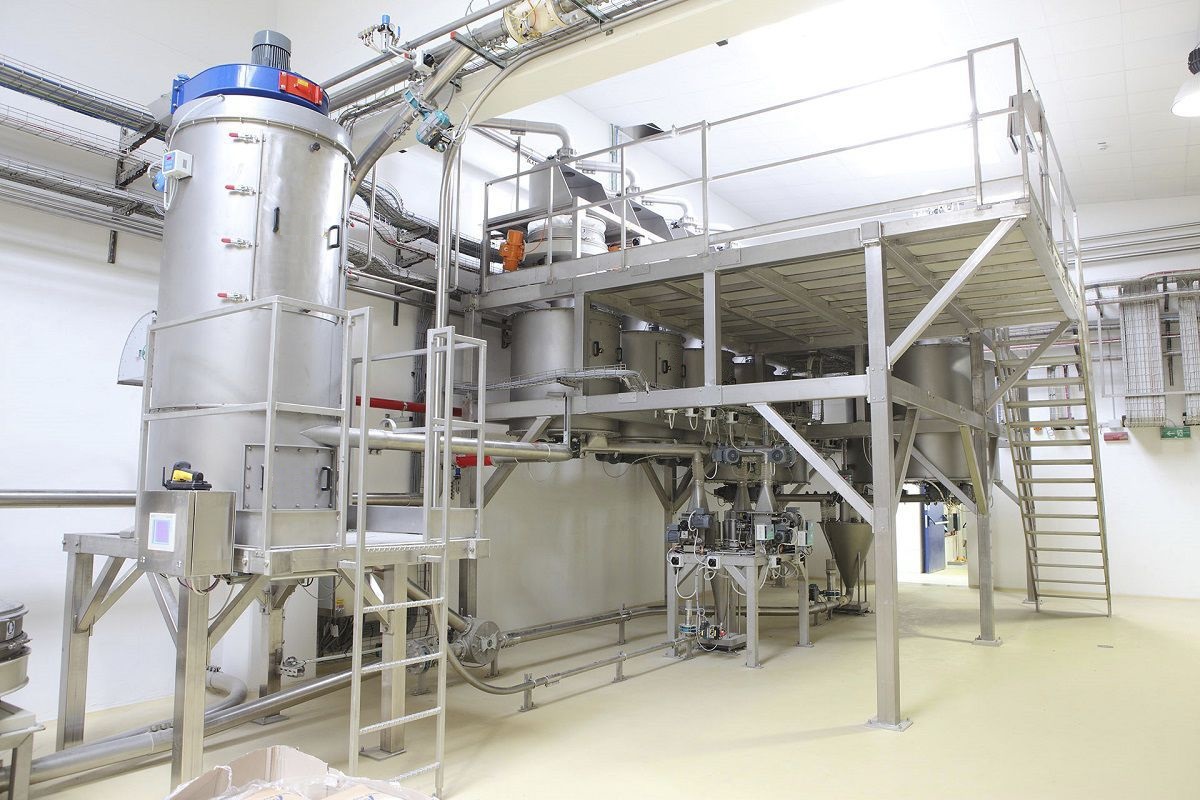
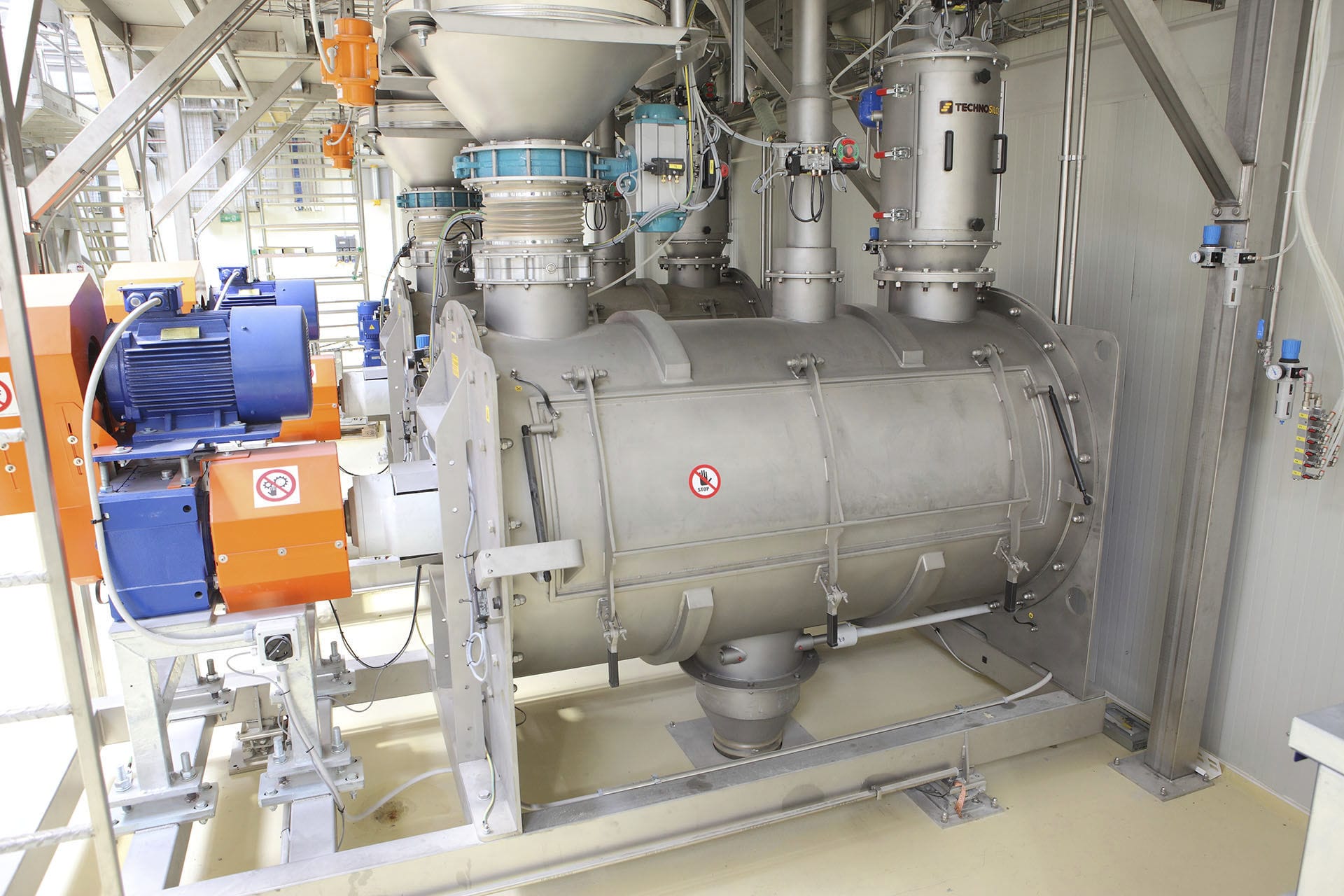
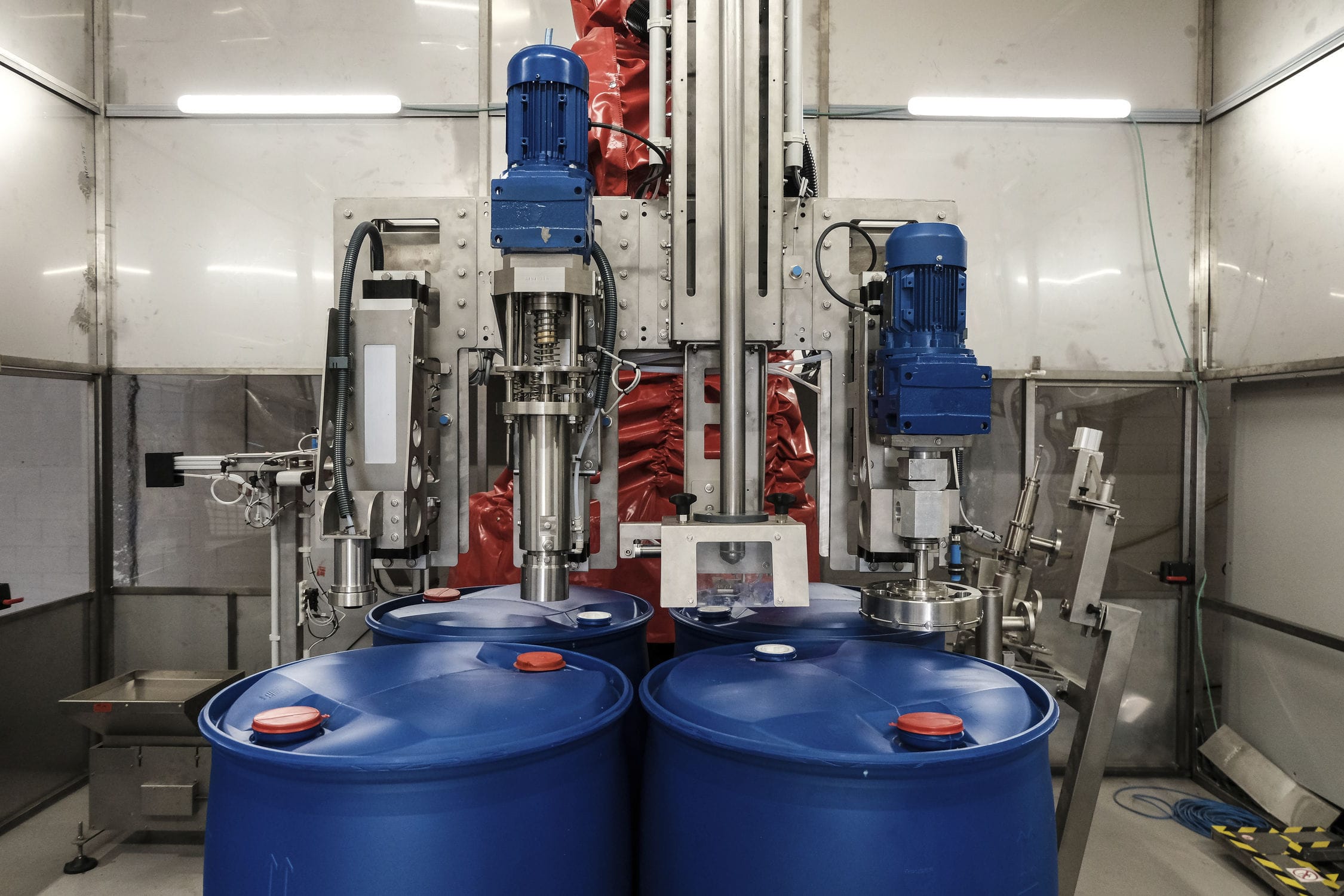
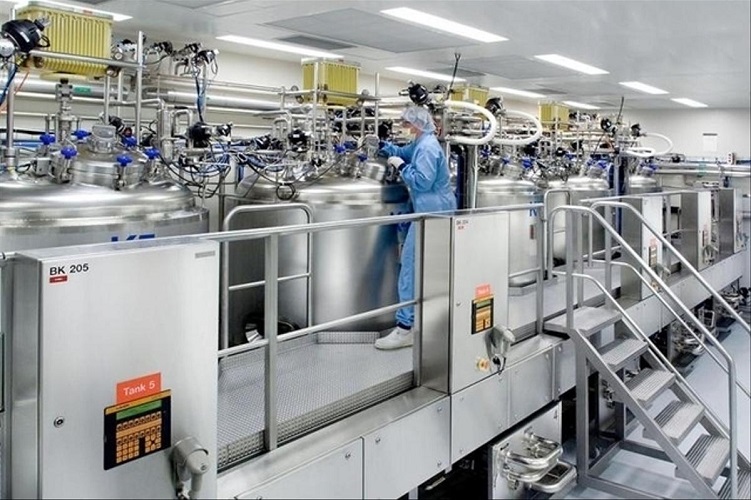
The weighing oil heating reaction kettle system is a device used for additives and premixing, with PLC as the main control unit. The weighing module collects the weight of materials in the mixer and should have a location (prompt for material loss). The limit switch should emit a signal at the appropriate position when the lifting action reaches that position. Simulate output signal, 4-20mA to 4 valve switches, control opening, cooperate with S-shaped tension to collect material position, and close the valve when the weight reaches the required ingredient weight. The weighing of the oil heating reaction kettle is achieved through the computer distributed control system itself, without the need for additional computer hardware. The control system composed of network communication no longer only requires the control software of the reaction kettle to be powerful and rich in content, but also increasingly important for its users to have the ability to redevelop different objects. If ingredient software can support multiple popular high-level languages and users can implement their own control strategies according to the different requirements of various special control objects, it will provide important means for targeted software development in the industry, enriching ingredient content, and improving software. The switch board used for the lifting action of each mixer should provide a start and stop signal to the brake motor. Equipped with a communication circuit module, its function is to communicate with the console. The communication data is bidirectional, requiring the reception of material specific gravity information and weight distribution of each material mixer from the control console. The working conditions, quantity of materials used, and usage time will also be packaged and uploaded to the console. Specific GPRS communication module (i.e. wireless network, completed by the SIM card of the mobile phone) is required. This protocol can directly stop the operation of the mixer through console commands and requires remote control functionality. Implement one click start and stop function. This can be achieved through the GPRS module.
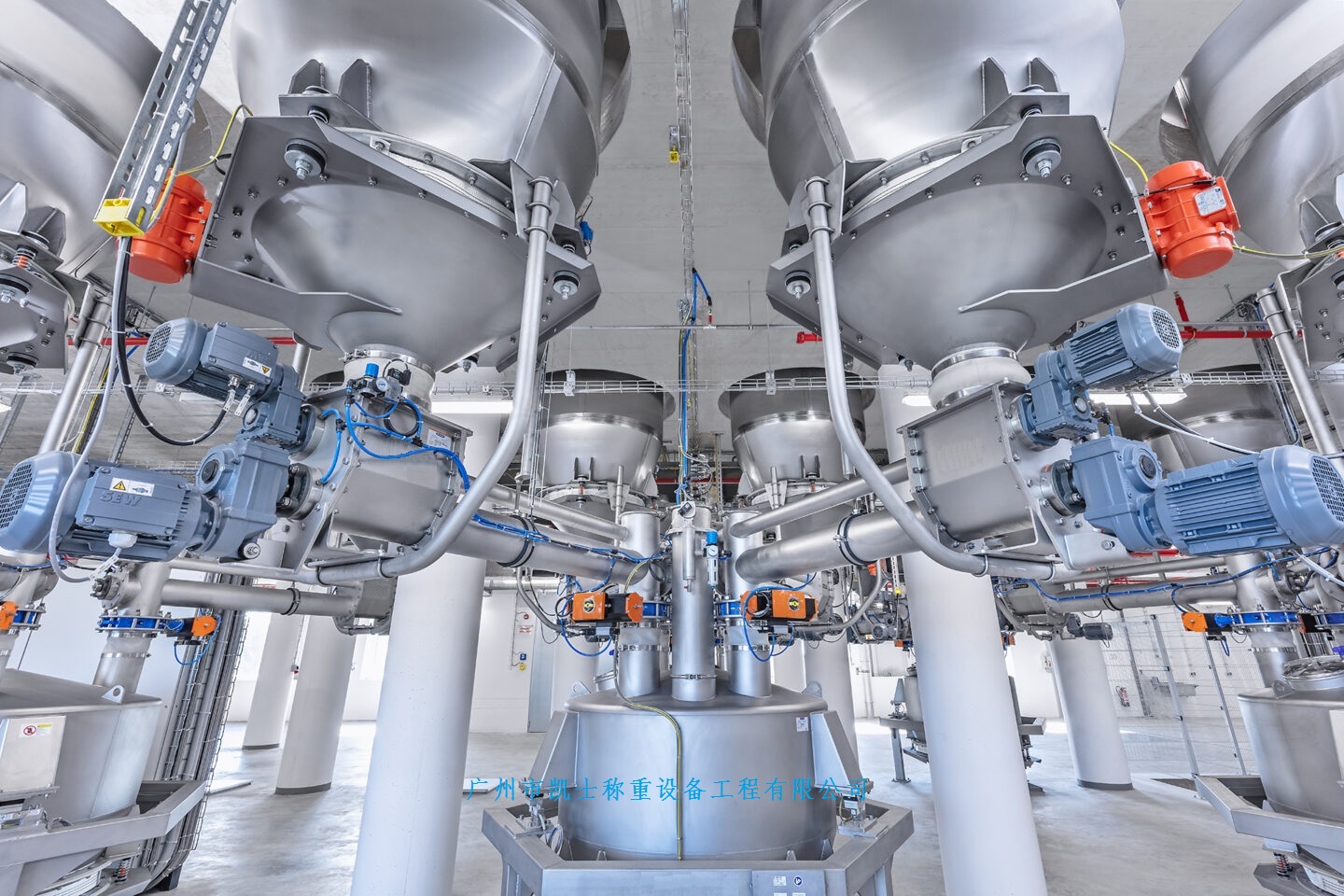
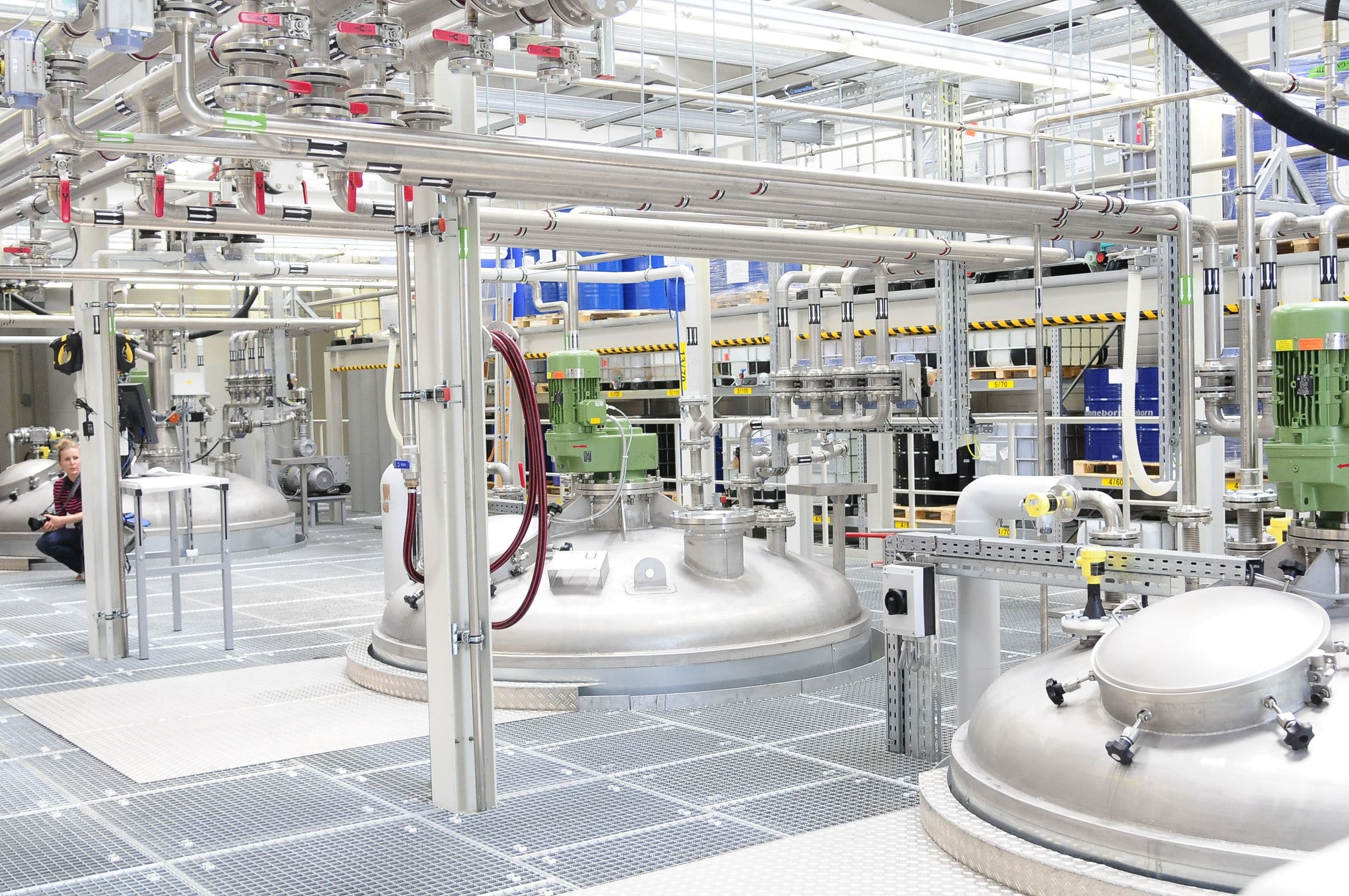
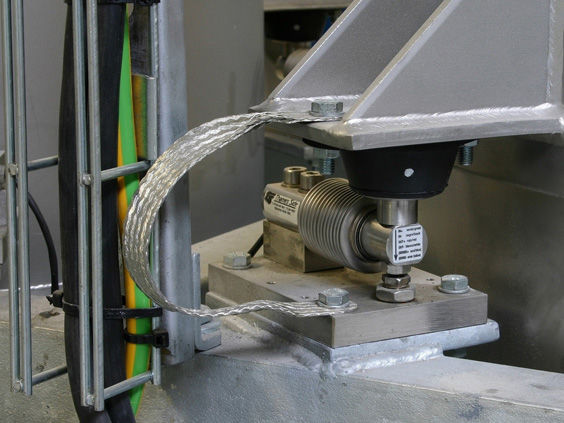
The weighing reaction vessel adopts a reaction vessel body, a base installed at the bottom of the reaction vessel body, and a weighing module set between the reaction vessel body and the base. There is a stirring mechanism between the inner and outer sides of the reaction vessel body, a stirring shaft powered by a stirring motor, and the stirring shaft is set inside the tank body. There are multiple stirring crossbars distributed on the stirring shaft, and multiple pulleys are installed on the stirring crossbars. There are multiple radially distributed levers on the circumferential surface of each pulley. The lower end of the stirring shaft is equipped with a tank bottom scraper, and the end of the stirring crossbeam is equipped with a wall scraper. There is a weighing module at the inlet of the tank body. The weighing module includes a controller, a weighing sensor, a hopper, a tubular container, an upper insert plate, an upper cylinder, a lower insert plate, and a lower cylinder. The hopper and the tubular container The upper port connection of the container, The upper and lower insertion plates are respectively inserted at the upper and lower ports of the tubular container. The controller starts the lower cylinder, which drives the lower insertion plate to move horizontally to close the lower port of the tubular container. The upper cylinder drives the upper insertion plate to move horizontally to open the upper port of the tubular container. The material falls into the lower insertion plate inside the tubular container through the hopper, and the weighing sensor transmits the detected pressure of the lower insertion plate to the controller. When the pressure of the lower insertion plate reaches the set value, the controller starts the upper cylinder, which horizontally pushes the upper insertion plate into the tubular container to close the upper port of the tubular container. The lower cylinder drives the lower insertion plate to move horizontally to open the lower port of the tubular container, and the material falls into the tank through the feeding port. The weighing and batching tank includes two steel band clamps, a control valve, and a discharge pipe. The lower part of the side wall of the tank is equipped with a circular discharge port, and a circular protrusion extends radially outward from the circular discharge port. One end of the discharge pipe and the two ends of the control valve each have a circular protrusion extending radially outward. One steel band clamp connects the circular protrusion at the circular discharge port to the circular protrusion at one end of the control valve, and another steel band clamp connects the circular protrusion at the other end of the control valve to the circular protrusion at one end of the discharge pipe. The control valve is composed of a circular tubular valve body, valve core, and handle. The handle drives the valve core to rotate inside the circular tubular valve body. The circular tubular valve body is composed of a left half valve body and a right half valve body with the same structure, which are connected by flanges.