

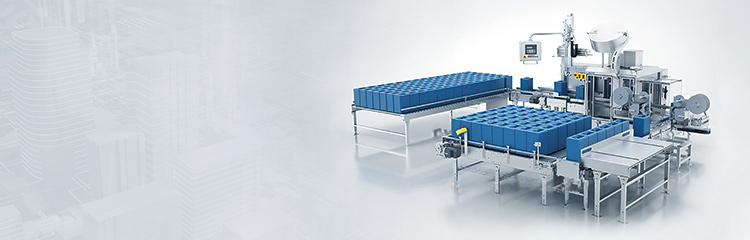



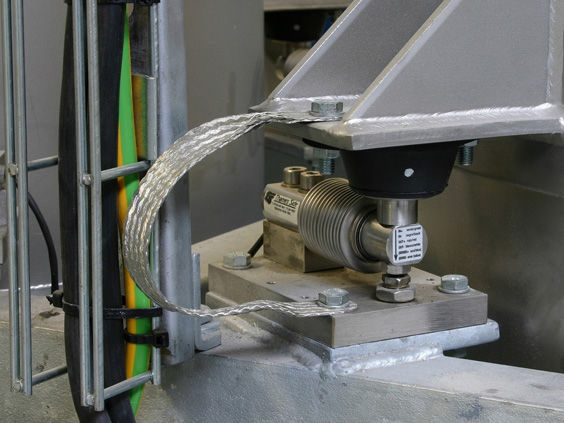
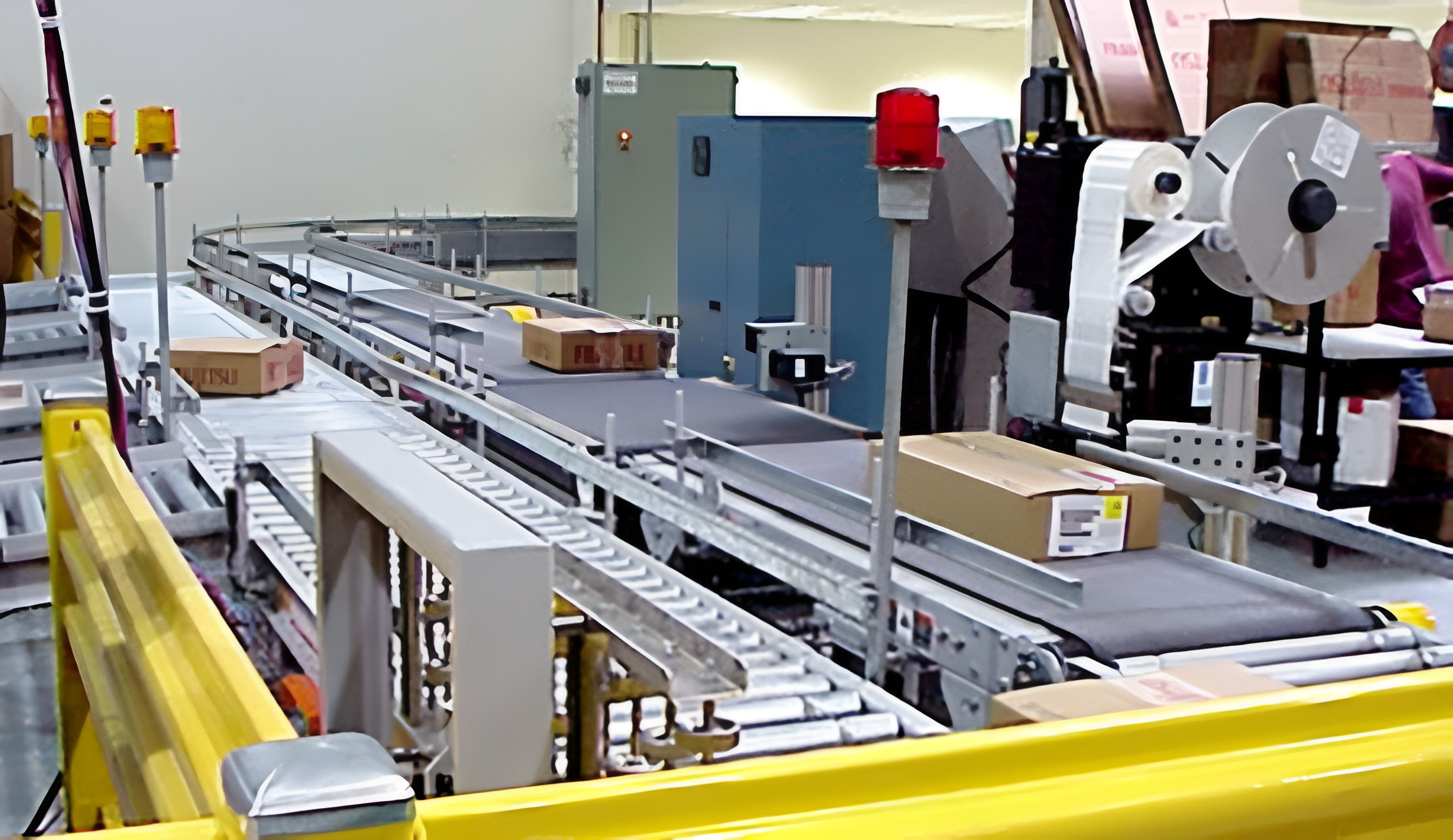
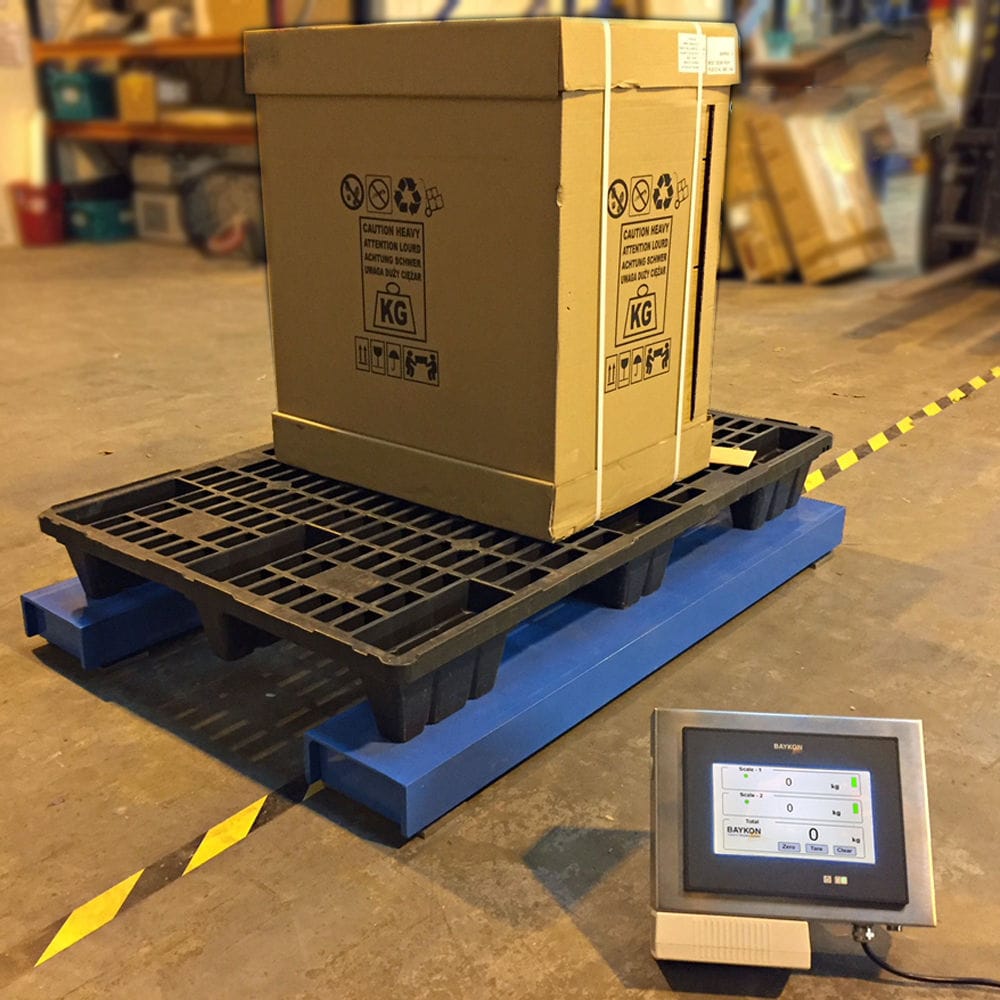


The weighing loading machine is mainly controlled by PLC for the electrical control of the system, the display of the weighing instrument and the control of the weighing module. It can realize the control of the frequency converter of the separator, remote start and stop of the main motor, control of the size and speed of the tensioning station screw, display of the thrust and temperature of the main motor, and remote start and stop of the batching machine, etc. The 4~20mA analog signals collected on site are converted into weighing signals through the analog input module of the PLC. The PLC program compares the instantaneous value of the detected screw with the set value in real time internally, and controls the start and stop of the screw conveyor by the digital output template.

 020-34563445
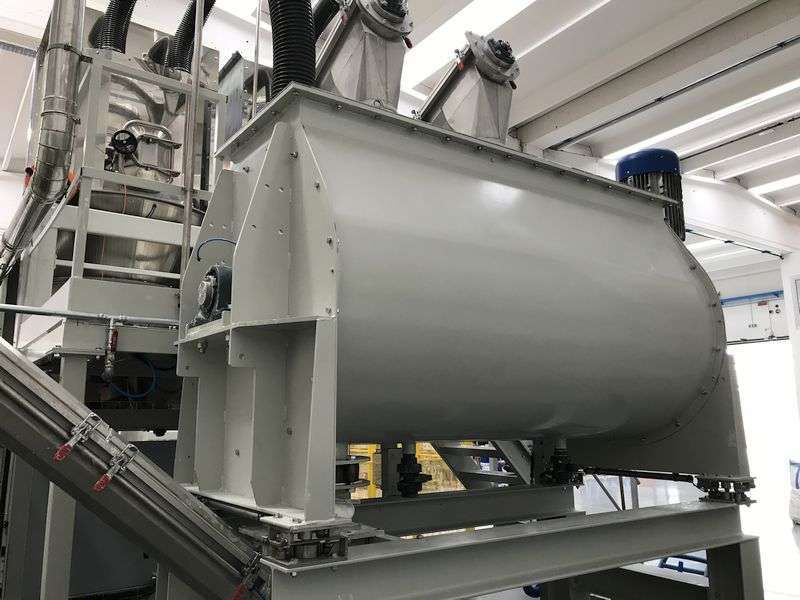
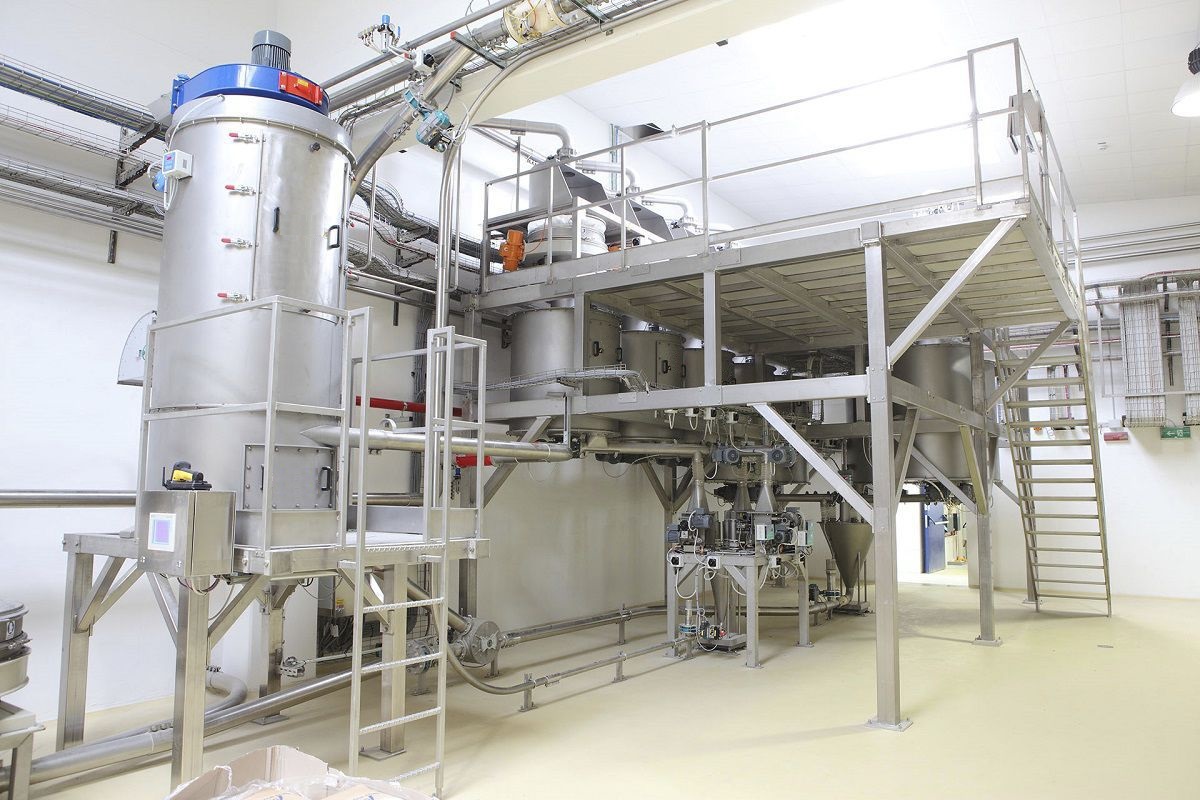
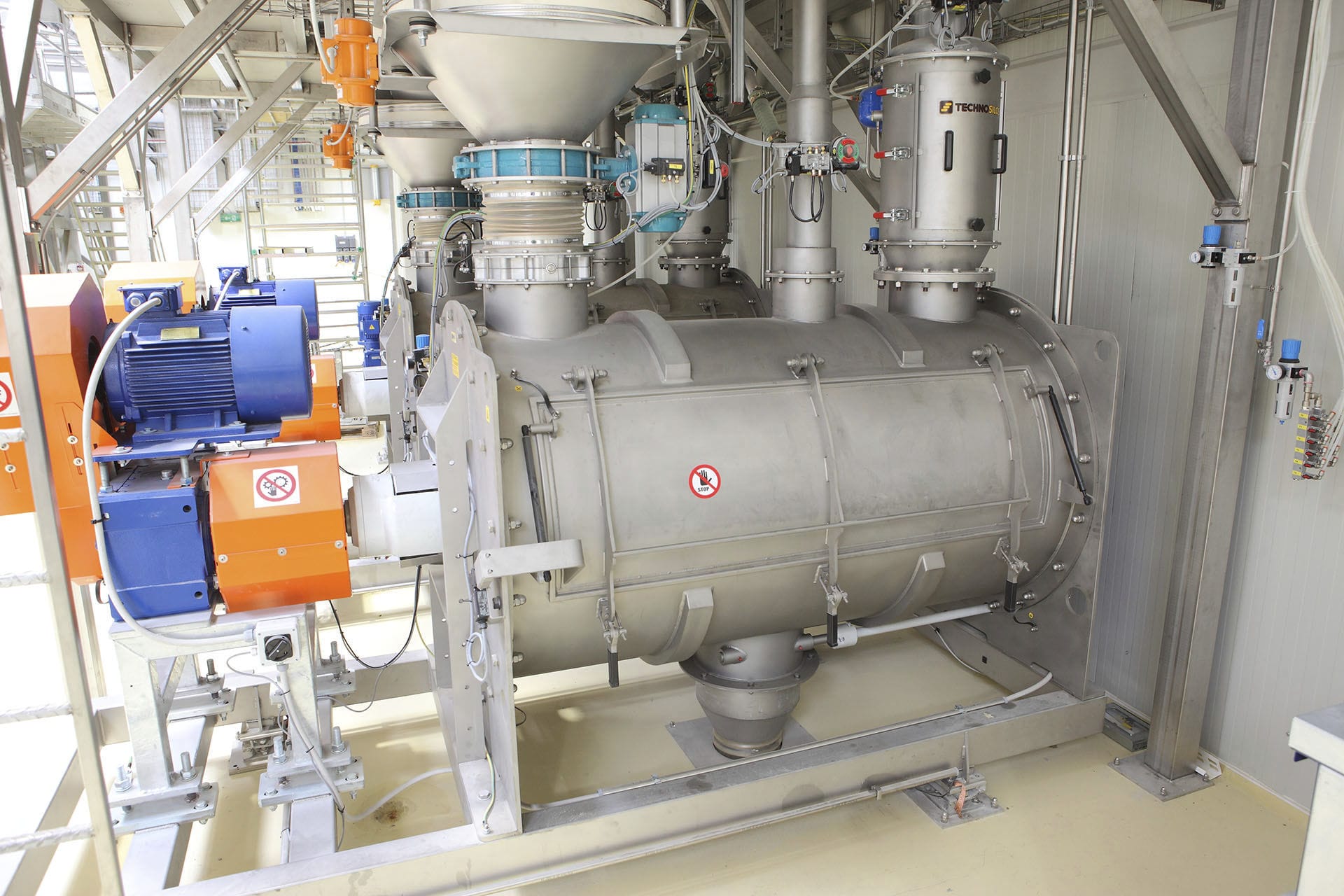
The weighing and Loading machine mainly consists of the silo part, screw conveyor, main bearing, transmission part, large and small gear device, mixing silo, separator and separator connection pipe, return material pipe, ball feeding device, sound insulation cover, etc. The loading unit consists of four major parts: grinding rollers, reducers, motors, and rotary separators. It is equipped with a frequency converter as the starting device for the separator. The loading machine is a medium-speed roller disc loading machine. The raw materials are measured by the screw hopper and the weighing Feeder and then sent to the loading machine. After being ground by the three grinding rollers of the loading machine, they are dried by hot inert gas and blown to the upper part of the loading machine. They are screened by the rotary separator. The fine powder is blown to the plastic separator, while the coarse particle powder falls back under the grinding rollers from the separator for re-grinding. The material blocks or balls that are too hard to be ground are recovered to the lower grinding machine's material bin.
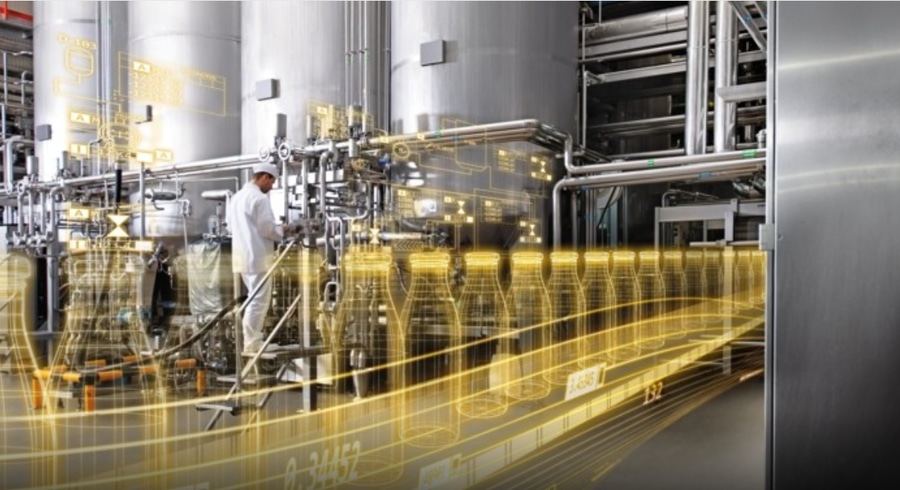
The loading system is mainly controlled by PLC for electrical control of the system, display of weighing instruments and control of Weighing modules. It can achieve control of the frequency converter of the separator, remote start and stop of the main motor, control of the size and speed of the tensioning station screw, display of the thrust and temperature of the main motor, remote start and stop of the batching machine, etc. When the screw conveyor is automatically fed, The 4~20mA analog signals collected on site are converted into weighing signals through the analog input module of the PLC. The PLC program compares the instantaneous value of the detected screw with the set value in real time internally, and controls the start and stop of the screw conveyor by the digital output template. The data input by the Weighing system is all for the service of the loading system. After clicking on the data change and displaying the latest data, the calculation can be carried out. The system will then obtain the optimal S load, discharge volume, control volume and other production data required for batching based on the pre-written process and algorithm. Stable size and uniform particles can be obtained. The innovative heating system ensures even distribution, and the temperature and bottom silo shape provide higher performance. Multiple parameters can be programmed through PLC and controlled via the integrated touch screen. To obtain the best ingredient calculation results, operators can adjust the usage of raw materials and auxiliary materials at any time to ensure the actual output, thereby achieving the best effect.
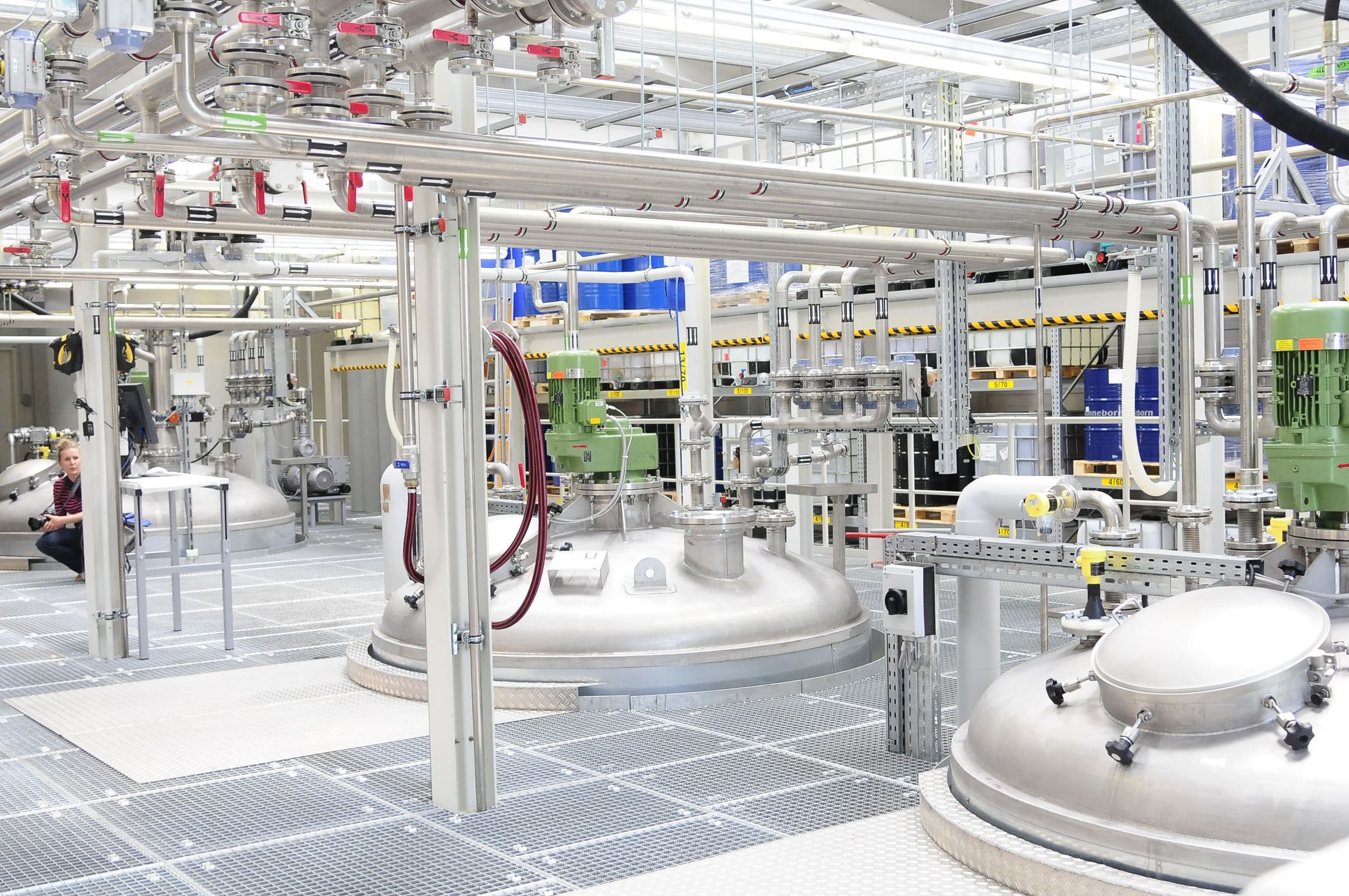
The grinding circuit of the weighing system of the weighing loading machine. The raw plastic from the automatic weighing feeding system enters the mixing bin of the loading machine through the feeding pipe. After being pre-dried by the bypass air, it falls into the upper entrance of the screw conveyor through the plastic drop pipe. The plastic is sent into the rotating silo by the rotational movement of the screw conveyor device. The loading machine is driven by the main motor to rotate the cylinder through a reducer and open gear transmission. There is a certain amount of grinding medium - material blocks - in the silo. The material blocks are lifted to a certain height through the rotational movement of the silo. During the free falling and throwing process, the material blocks impact and rub against the plastic until the plastic is ground into plastic particles.
The hot primary air is split into two paths before entering the mill. One of them is the side air. The side air has two functions: on the one hand, it mixes with the original plastic in the plastic mixing bin to pre-dry the plastic; On the other hand, it is necessary to maintain sufficient wind speed in the plastic particle pipeline for transporting plastic particles. Another path is the human grinding air (or load air), which enters the human-machine material silo to convey and dry the plastic particles inside the silo. The air-particle mixture is carried out of the mill through the annular channel between the central pipe and the hollow pipe of the screw conveyor. Plastic particles, human grinding air and roadside air are mixed together in the screw conveyor and then enter the separator. The frequency of the inverter drive motor of the separator is controlled and adjusted by the PLC to achieve the purpose of controlling the particle size of the powder. It can be controlled by the maximum motor speed (1470r/min), the maximum frequency of the inverter (56Hz) and the transmission ratio (12.09). The rotational speed of the separated blades is obtained. When starting, the motor gradually transitions from low speed to high speed. The separator is equipped with blades that can adjust the fineness of plastic particles, allowing for the adjustment of the fineness of plastic particles as required. The coarse-grained substandard plastic particles are returned to the original plastic pipe through the return plastic pipe by gravity and mixed with the original plastic for re-grinding. After being separated by the separator, the qualified plastic particles are conveyed to the batching machine through the plastic particle outlet and the particle feeding pipeline, and then sent into the reaction vessel for batching.