




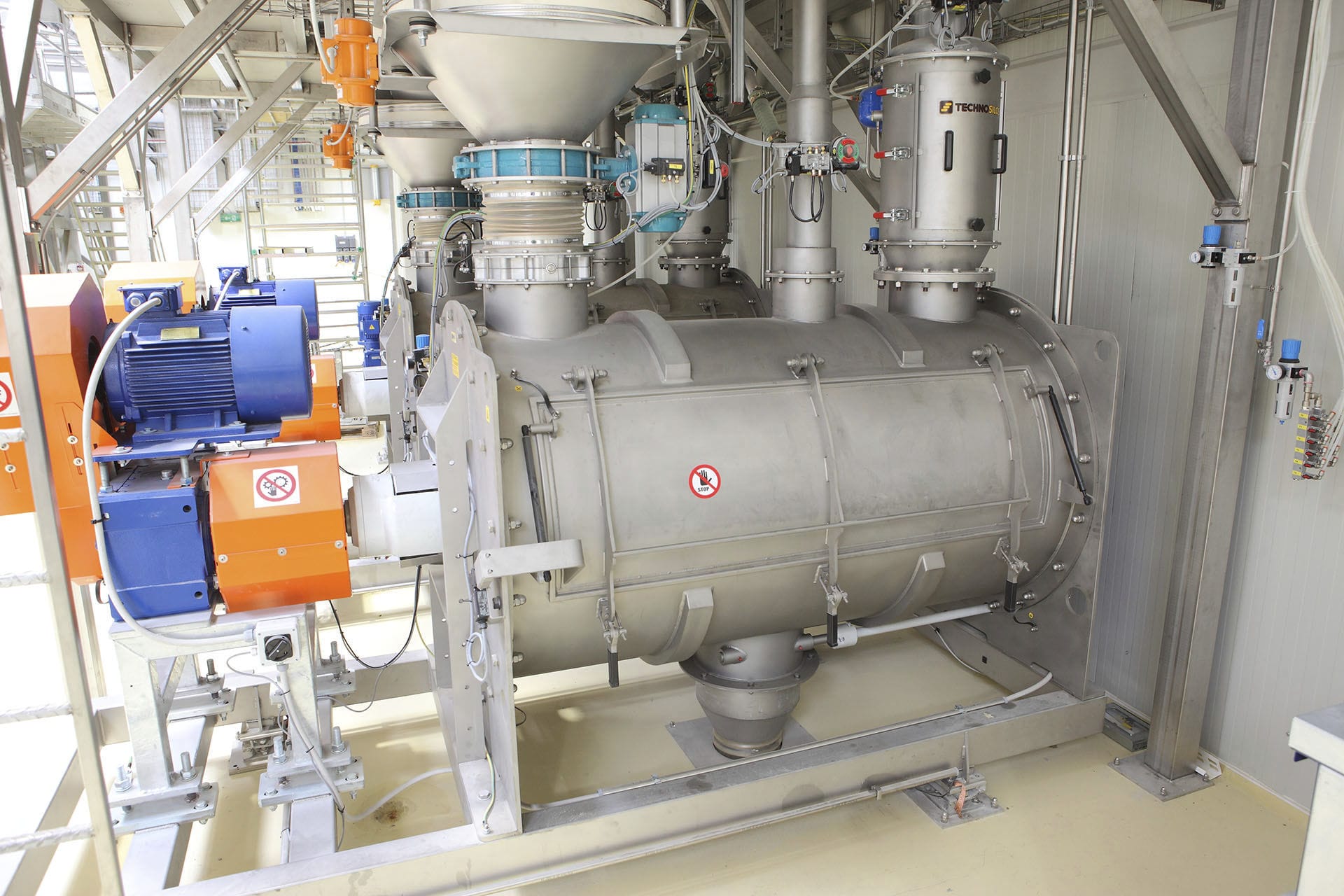


The Error-proofing mixer adopts a master-slave communication structure, with one-to-many communication between the master and slave machines. The master is in the leading position to realize the communication management and control of each slave machine. The RS-232 asynchronous communication port of the industrial computer is connected with PLC after level conversion, forming a physical channel for communication between the upper and lower computers. The upper system is a master-slave bus type industrial local area network, with the upper computer as the master station of the industrial local area network communication, and all other PLCs connected to the network are slave stations. The upper computer adopts polling method, allocates the right to use the bus, and communicates with the slave stations one by one in a certain order.


 020-34563445
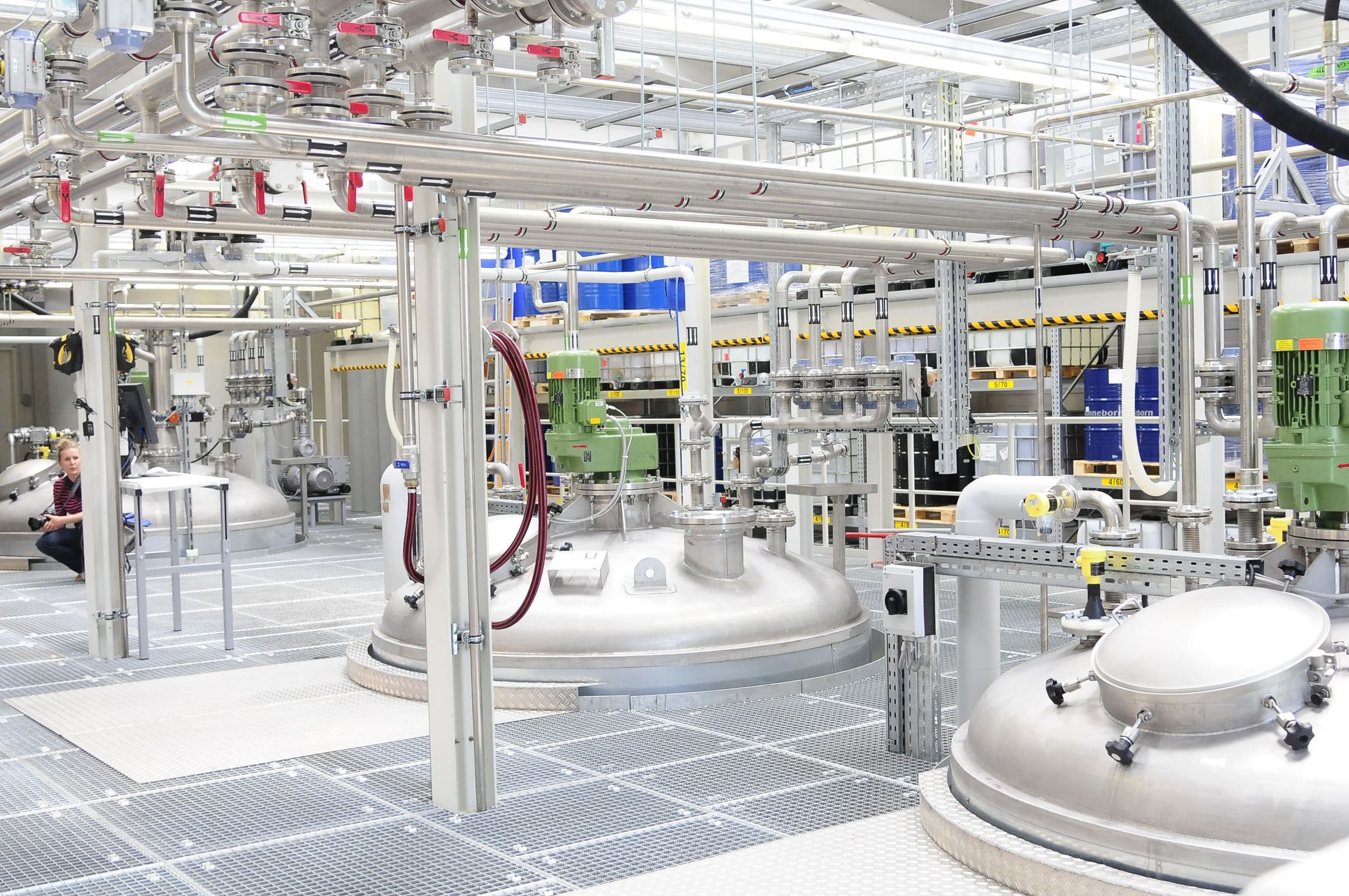
The error-proof mixer is composed of a basic automation system and a secondary process computer system, completing basic control functions such as on-site data collection, process loop control, parameter setting, equipment sequence control, equipment operation monitoring and alarm. The secondary computer weighing and Batching system accomplishes process control functions such as design planning, design model calculation, batching model calculation, and logistics tracking of batching liquid components, and completes the control of automatic feeding to achieve accurate batching.
The automatic batching machine calculates the formula based on the detection data, and inputs it into the computer system through the human-machine interface or computer network. The batching control system automatically calculates the supply ratio of each raw material according to the detection data and the process formula. Then, the PLC control system integrates the supply speed of each raw material supply system and precisely and continuously completes the raw material ratio in the process sequence.
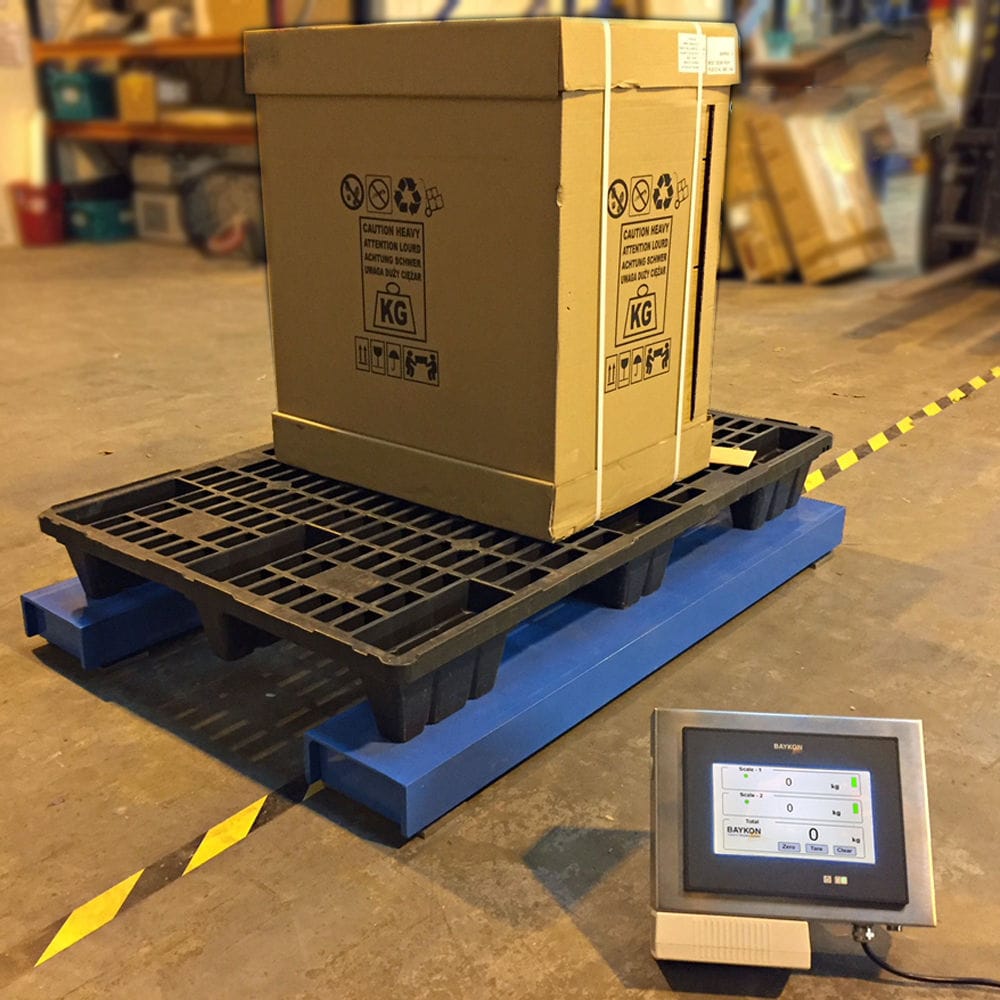
The weighing control system measures the speed of the screw's operation, converts it into a corresponding pulse signal, and then sends it to the computer after photoelectric isolation. The computer communicates with the PLC to detect the flow rate and the operating status of the feeding motor. After the computer calculates the instantaneous flow rate and compares it with the required flow rate, it outputs the corresponding speed regulation signal. After photoelectric isolation, the DA is converted into a 4-20mA speed regulation signal to adjust the operating frequency of the frequency converter, thereby controlling the operating speed of the feeding motor and achieving the purpose of controlling the feeding amount for batching.
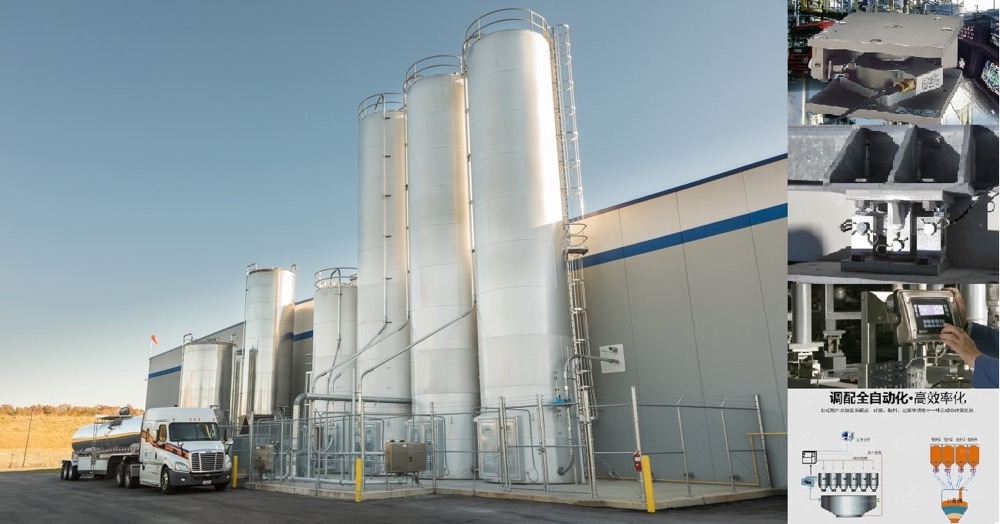
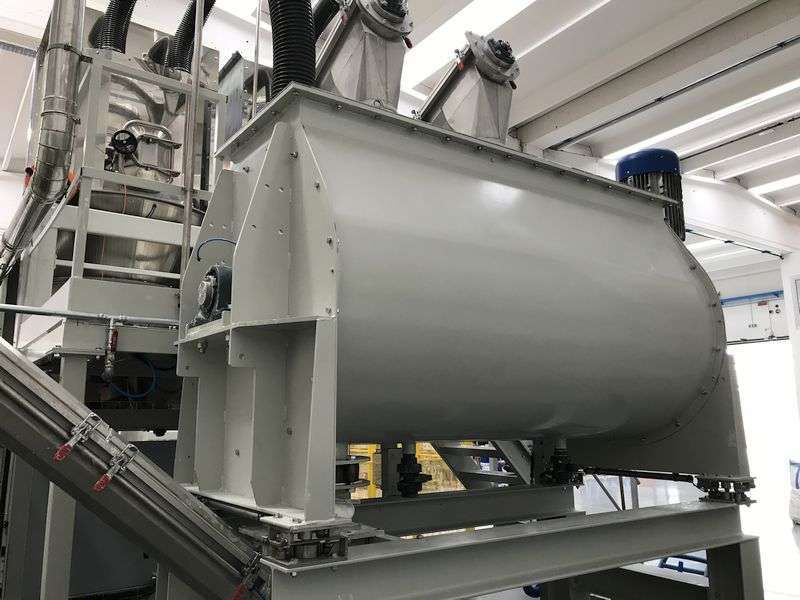
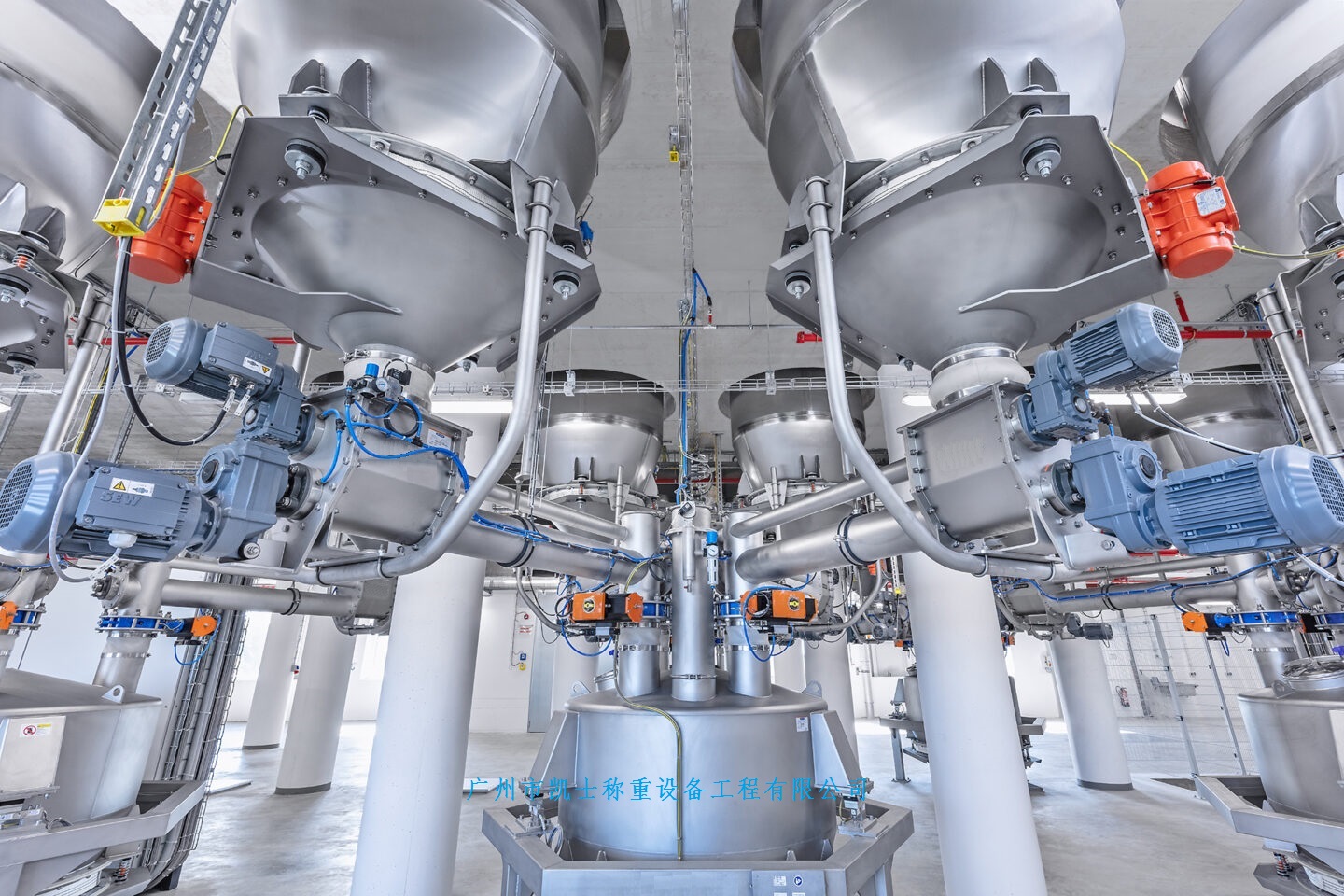
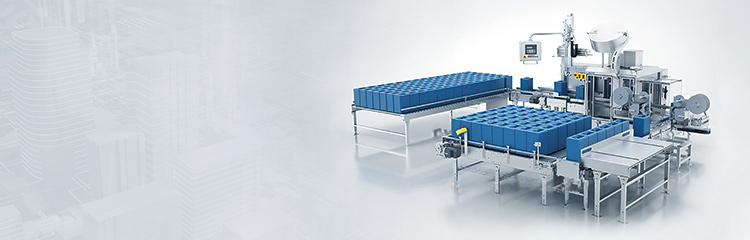
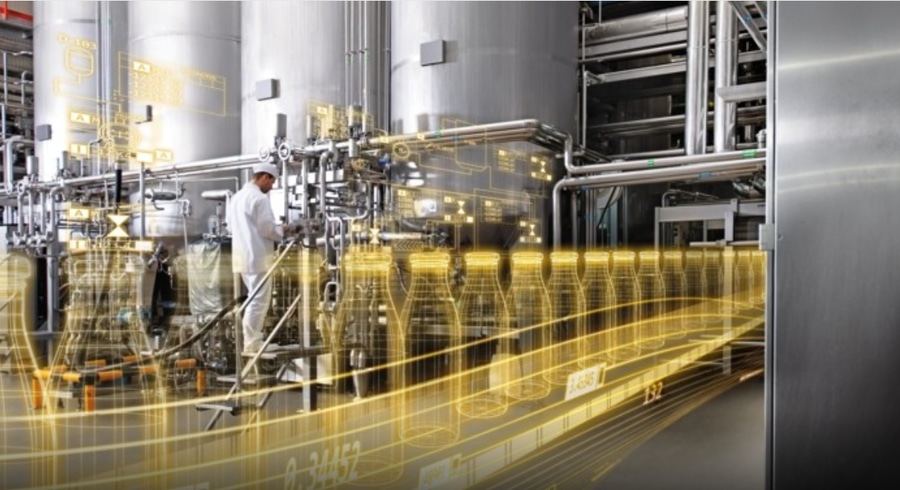
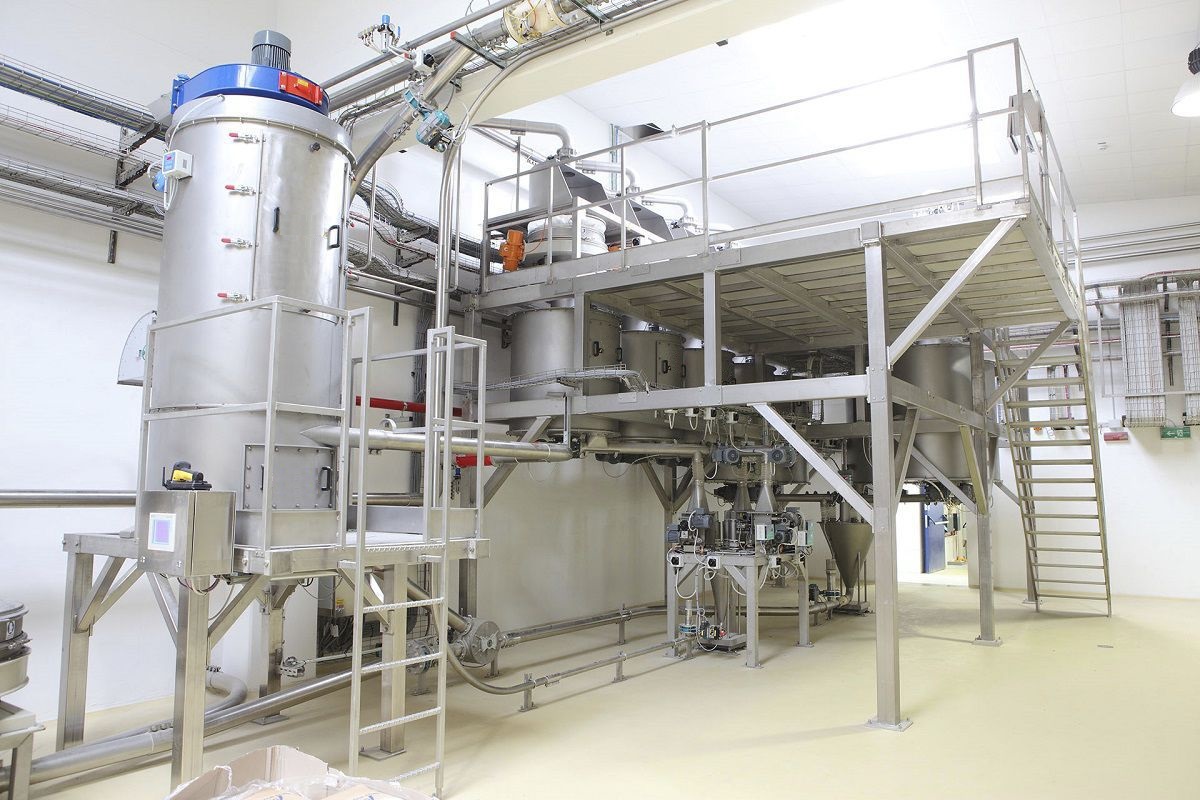
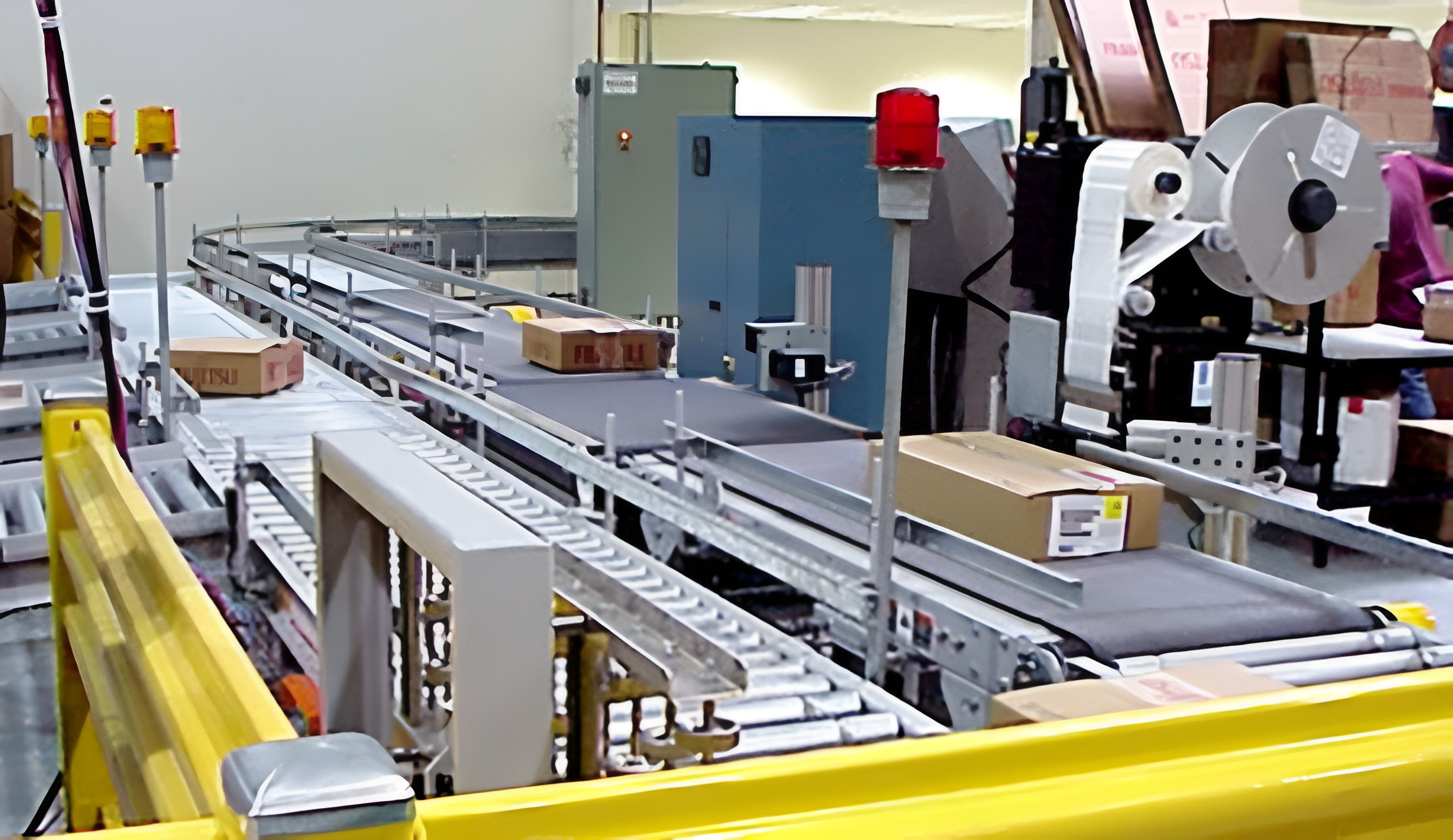
The feeding system mainly realizes automated production and full-process control. It provides a complete set of automated production lines to meet the requirements of raw material storage, automatic weighing, batching, transportation, mixing, coarse crushing, fine crushing, constant-temperature preservation, pressing and molding, grinding, inspection, finished product storage and environmental protection. This system adopts a three-dimensional or planar structural design. Among them, the intelligent automatic batching system has played a significant role in enhancing management level, improving product quality and maintaining product stability. After years of continuous technological innovation and improvement, this batching system has been highly praised by customers.
Process control flow of the feeding system
1. A dedicated touch screen is adopted on site as the human-machine operation interface. The system operation is direct, reliable, simple and clear. Operators can modify the ingredient parameters online at any time according to the requirements of the product process and dynamically monitor the entire working process. Real-time data display and alarm display are also available.
2. The weighing control system can compile and store multiple production formulas as required, which can be called up and modified by operators at any time.
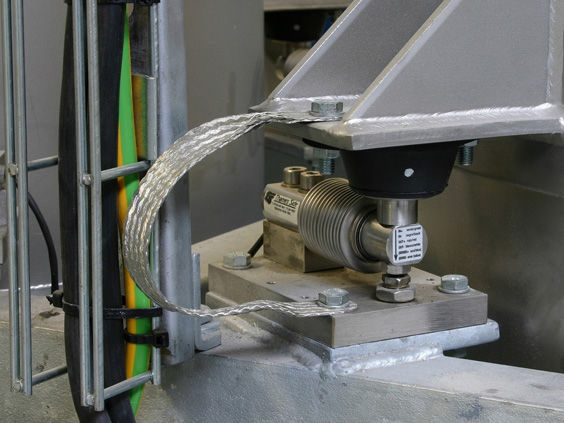
3. The metering system adopts PLC as the main control component. It directly collects data from on-site weighing sensors through A 16-bit high-precision A/D conversion module of PLC and directly controls the output according to the program compilation, reducing other intermediate control links. The system has good stability and reliability, a low failure rate, and is suitable for various harsh working environments. The system is directly controlled by PLC, with strong scalability and easy program understanding. Factory technicians can add functions at any time as needed.
4. The on-site PLC and the computer directly form a network through RS485 communication, achieving remote monitoring of the system and providing more advanced conditions for enterprises to realize automated management.
5. Faults of the Weighing system can be directly displayed on the touch screen. Maintenance personnel can quickly eliminate faults based on the fault display, making maintenance convenient.
The high reliability and direct control of the batching system enable fast batching speed and high batching accuracy, significantly increasing production output and product quality.
7. The automatic batching has a high degree of automation and can simultaneously complete multiple configurations, reducing labor input and improving the labor intensity of operators. At the same time, the entire feeding and batching control has been fully automated.