








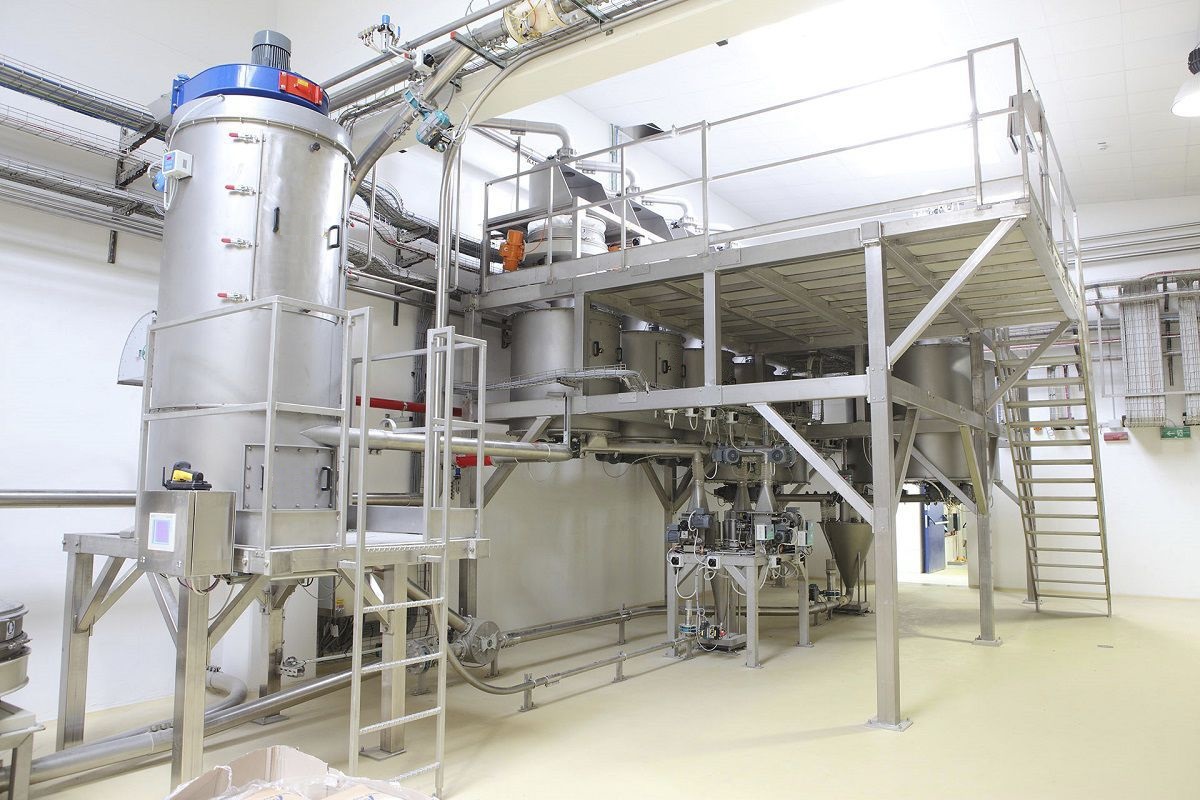
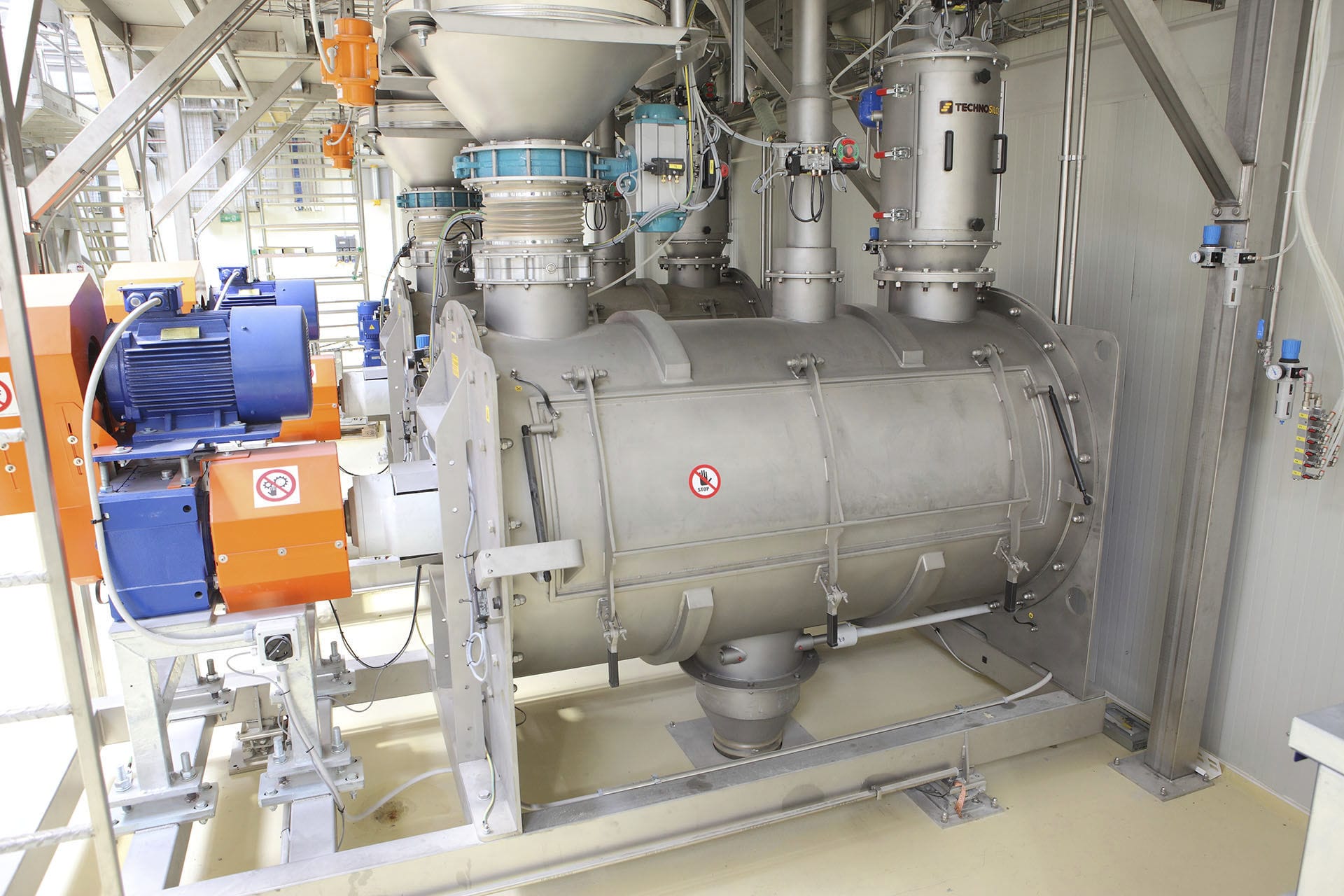

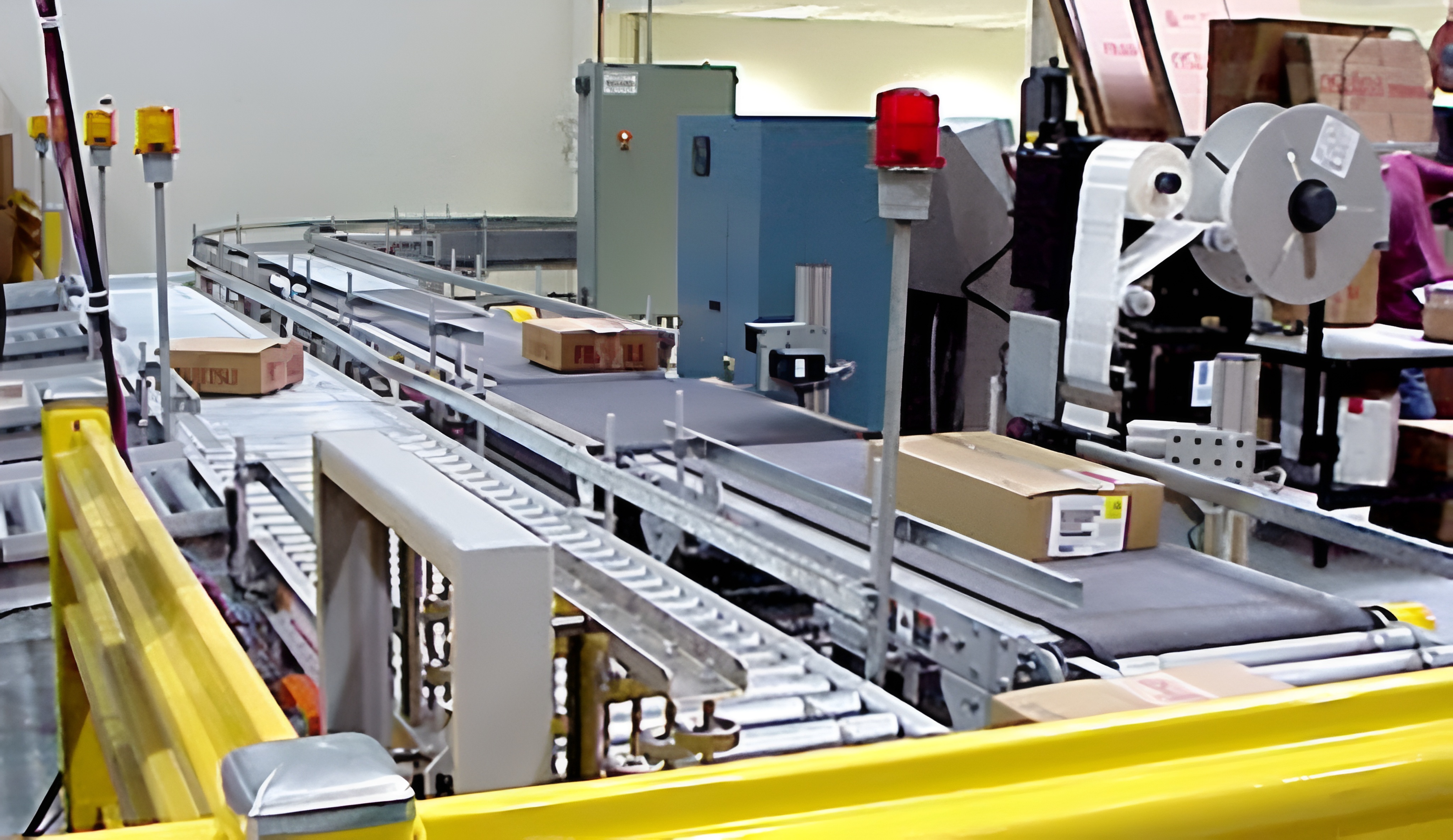
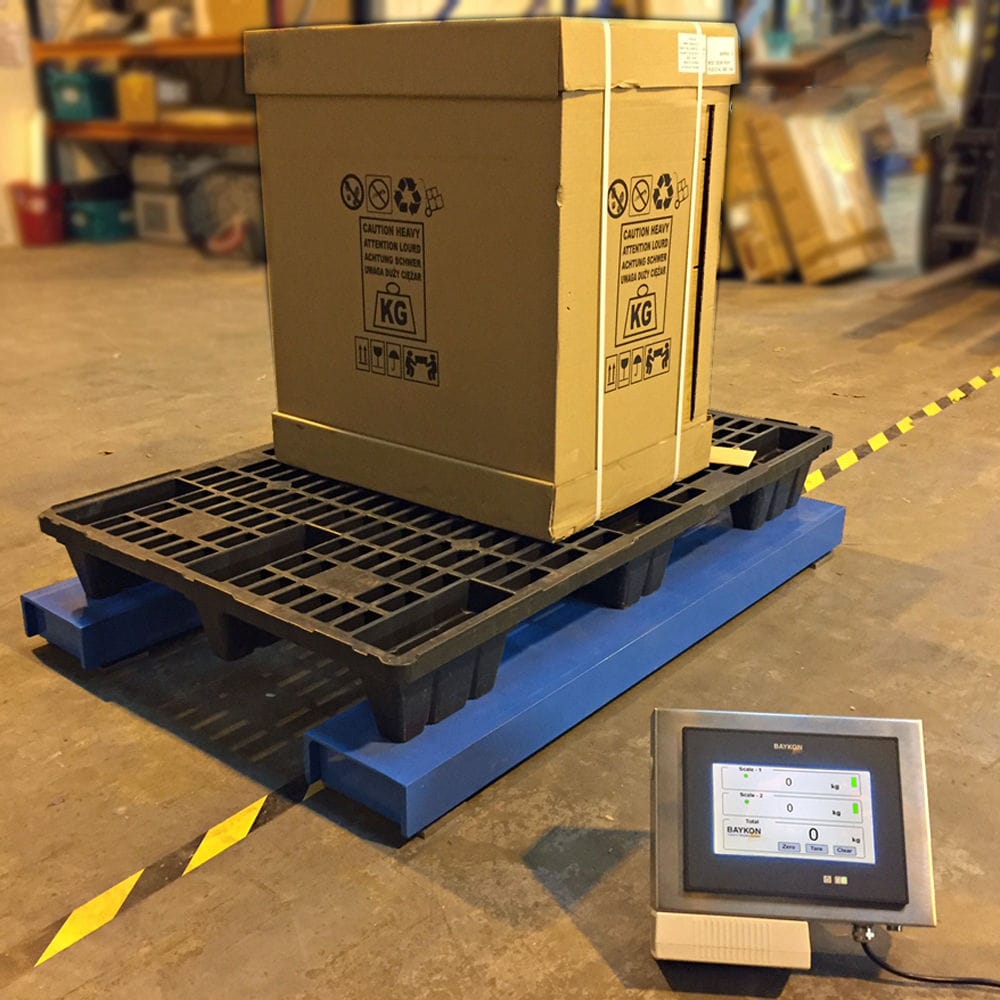


Explosion-proof weighing module is to weigh powder or liquid materials with a single scale and mix them according to the selected formula. Used in chemical industry, food industry and other industries to determine the material level of silos and hoppers, to monitor the load, to measure the load of conveyor belts, or to protect industrial hoists and rolling mills from overload. Weighing equipment uses weighing module to collect the automatic proportion of weight signal, and adopts data operation and automatic adjustment to ensure the accurate measurement of weight signal. It has the functions of man-machine interaction, communication, display and storage, printing, etc., and has various functional screens related to operations such as data and graphic display, state monitoring, data input and information storage. It can realize real-time process data monitoring, simulation display of process flow, real-time data record consulting, operator authority setting, process parameter setting, setting operation process event alarm and manual and automatic control switching.


 020-34563445
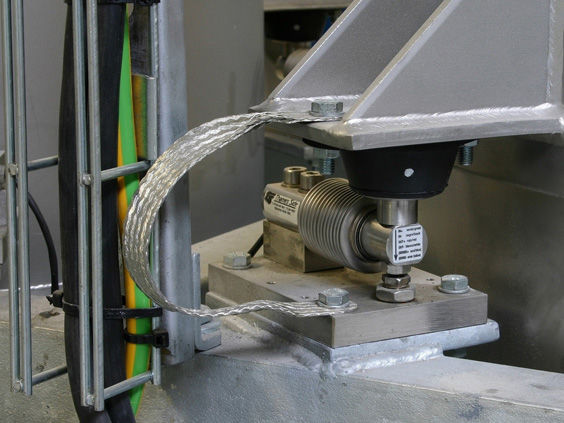
The existing weighing module is used to measure the weight of objects, generally including a base, a top, a sensor, and a force transmission component. The base can be bolted to the base or support structure, the top can be bolted to the weighing carrier, the sensor is fastened to the base, and the force transmission component is set between the top and the load cell, and is used to introduce the weighing force from the top into the load cell. The weighing module generally also includes a protective sensor ground limiting device. The existing ground limiting device is fixedly connected to the top, so that the limiting device is integrated with the top. At this time, there is a small gap between the lower end of the limiting device and the base, and the gap between it and the bottom is too small. When this weighing module is used in situations where materials are scattered, the materials are prone to accumulate and get stuck between the limiting device and the bottom plate, affecting the accuracy of weighing. The weighing module includes a top plate, a bottom plate set at the lower end of the top plate, sensors set between the top plate and the bottom plate, and a force transmission device set between the top plate and the sensors. One end of the sensor is fixedly installed on the bottom plate, and the other end is connected to the force transmission device; The weighing module also includes a limit piece for protecting the sensor, which is set between the top plate and the bottom plate, covered outside the sensor, and shielded by the top plate. The upper end of the limit piece is set between the top plate and the sensor, leaving a space gap for the top plate to move, and the lower end is supported on the bottom plate. The upper end of the limit piece of the weighing module is connected to the top plate through a limit sleeve, and the force transmission device includes a pressure head. One end of the pressure head is connected to the top plate, and the other end is connected to the sensor; The force transmission device also includes a pressure head base, which is connected between the top plate and the pressure head. There is a third mounting hole on the sensor for installing the pressure head, and the pressure head is fitted into the third mounting hole. The lower end of the third mounting hole of the weighing module is also equipped with a plug, which is pressed against the top pressure head. There is a pad set between the sensor and the base plate for deformation of the sensor, and the pad is set at the end fixedly connected to the base plate. At least one side of the limit piece is provided with an observation window for observing the installation of the force transmission device, and both sides of the limit piece are provided with observation windows. When the weighing module is not working or transported, a plug plate is clamped in the space gap between the top plate and the upper end of the limit piece.
The explosion-proof weighing module is used to convert the force into electrical signals, which is indirect and occurs in two stages. The force, deformation, and strain gauge sensed through a mechanical device. As a strain gauge measuring the deformation (strain) of electrical signals, this strain changes the effective electrical resistance wire. The weighing module is usually configured with four strain gauges on a Wheatstone bridge. One strain gauge (quarter bridge) or two strain gauges (half bridge) of the weighing module are also available. The output electrical signal is usually in the order of a few millivolts and needs to be amplified by a weighing instrument amplifier before it can be used. It can also be extended to calculate the force applied to the output of the transducer. The weighing module is used to weigh powder or liquid materials on a single scale and mix them according to the selected formula. Used for measuring the material level of silos and storage hoppers in industries such as chemical and food industries, monitoring loads, measuring conveyor belt loads, or providing safety protection against overloading of industrial elevators and rolling mills. The weighing equipment utilizes the weighing module to collect weight signals for automated proportioning, using data calculation and automatic adjustment to ensure accurate measurement of weight signals. It has functions such as human-computer interaction, communication, display and storage, printing, and various related operation screens such as data and graphic display, status monitoring, data input, and information storage. Real time process data monitoring, simulation display of process flow, real-time data recording and viewing, operator permission setting, process parameter setting, setting of operation process event alarms, and switching between manual and automatic control can be achieved. In order to achieve static weighing and measurement of large containers, hoppers, etc. in industrial environments, the weighing module integrates weighing sensors, load transmission devices, limit devices, and overload prevention, and can be easily connected to various mechanical equipment. On the basis of traditional resistance strain sensors, modern microelectronics technology and microcomputer technology are combined to add control functions, including weight display, quantitative feeding, unloading, on-site equipment control, alarm signal display, formula setting, and process monitoring.
Technical parameters
*Rated load (R.C.): 10,15,20,25,30,50T
*Rated output (R.O.): 2 ± 0.0050mV/V
*Zero point balance: ± 0.015mV/V
*Comprehensive error: ± 0.03% R.O
*Nonlinear: ± 0.03% R.O
*Lag: ± 0.03% R.O
*Repetition: Sex ± 0.02% R.O
*Creep (30 minutes): ± 0.03% R.O
*Normal operating temperature range: -10...+40 ℃
*Allowable working temperature range: -20...+70 ℃
*Temperature effect on sensitivity: ± 0.02% R.O./10 ℃
*Temperature effect on zero point: ± 0.02% R.O./10 ℃
*Recommended excitation voltage: 10V (DC/AC)
*Maximum excitation voltage: 15V (DC/AC)
*Input impedance: 770 ± 10 Ω
*Output impedance: 700 ± 5 Ω
*Insulation impedance:>5000M Ω
*Safe overload: 150% R.C
*Extreme overload: 300% R.C
*Elastic element material: alloy steel
*Protection level: IP68