









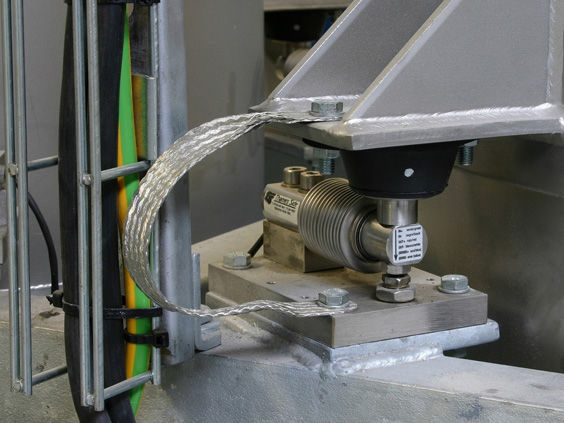
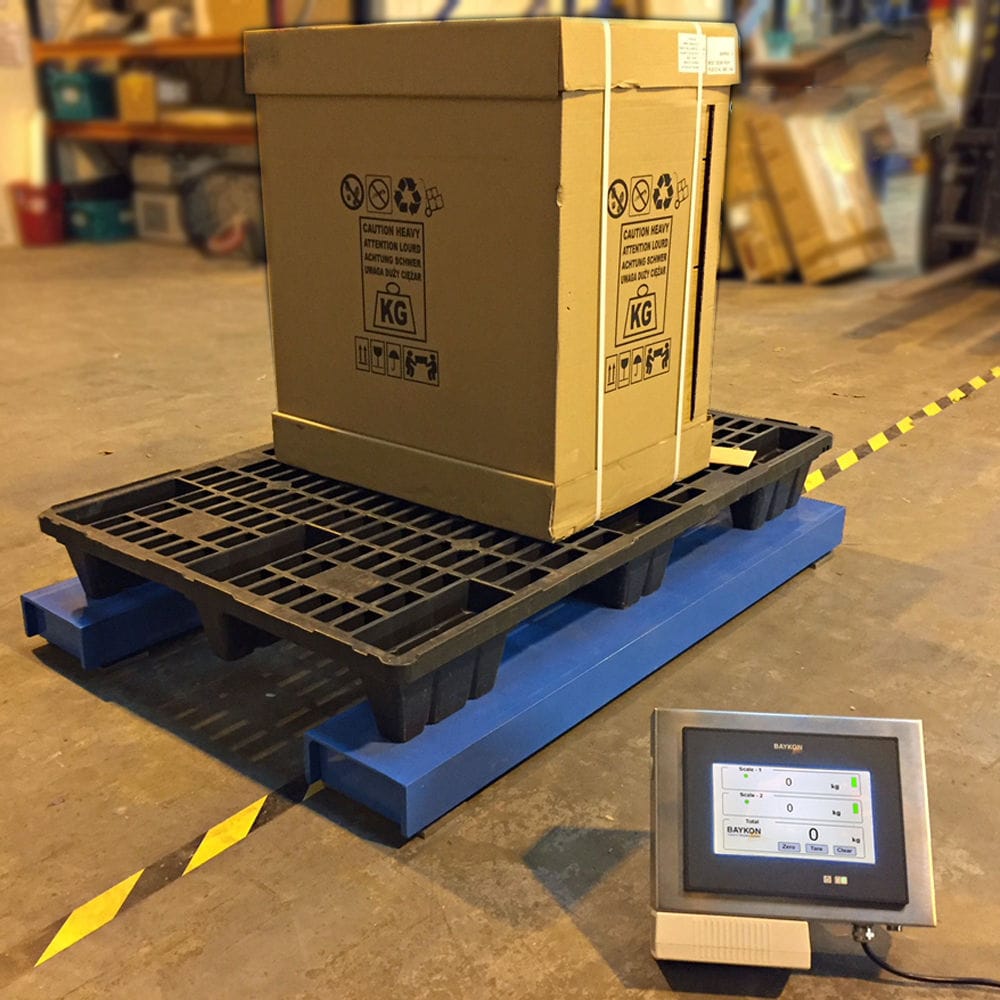


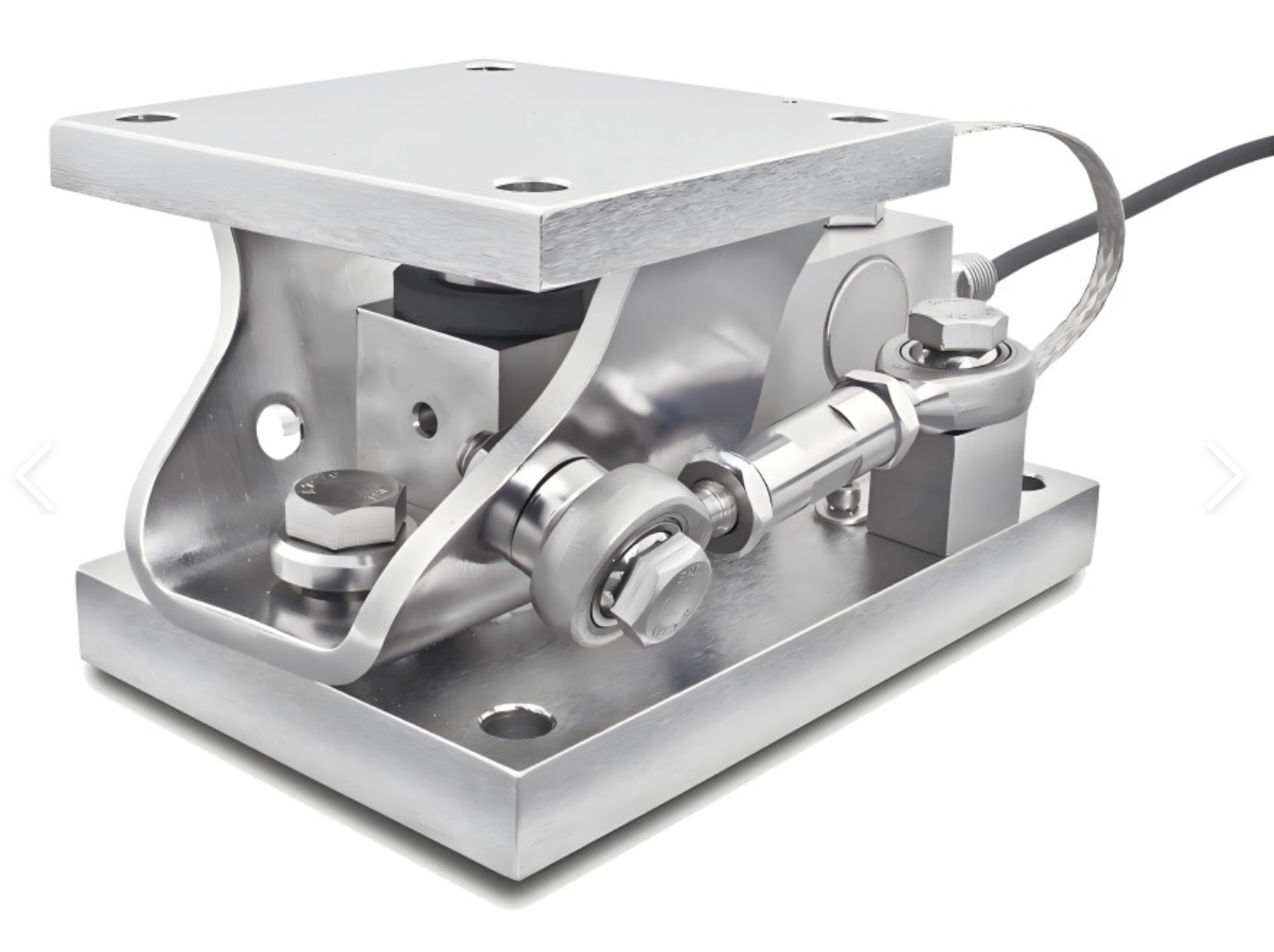
The hull weighing module is designed to ensure the structural safety of the module during the weighing process. Therefore, the number of test points, the total number of test points, the total weight of the segmented module, and the hydraulic jack used to lift the segmented module through the weighing module must all be tested. Compared with other testing systems, the strain gauge weighing sensor can be used to form a force and weighing measurement system together with the corresponding measurement circuit and instrument.

 020-34563445
The hull weighing module adopts a method where high-precision large-scale weighing sensors directly measure the weight of large hull section modules. To ensure the safe implementation of the project and to ensure that the weight of the section modules is less than the limit load of the floating crane, in order to maximize the crane's capacity and achieve safe lifting, it is necessary to weigh the section modules after they are prefabricated, to determine the accurate weight and center of gravity of the section modules, thereby achieving safe lifting.
The research on the weighing test method for large ship body section modules mainly involves synchronously moving and lifting the large section modules using hydraulic components. Once all the section modules have left the ground and stabilized, the weight can be measured by the weighing module by measuring the pipeline oil pressure. The section modules are lifted off the supporting fixture using hydraulic jacks, and the total weight of the section modules is supported by the weighing module. The total weight of the section modules is supported by the weighing module. Accurately measuring the force of each weighing module enables the platform weight to be obtained. The coordinates of the center of gravity of the section modules can be obtained based on the coordinates of each weighing module.
Due to the large flexibility of the large ship body modules, the uneven weight distribution, and the large span of the support points, in order to ensure the structural safety of the modules during the weighing process, the number of test points, the total number of test points, the total weight of the section modules, and the hydraulic jacks must be tested. The section modules are lifted up by the weighing module through the weighing module, and compared with other testing systems, using strain gauge weighing sensors can form a force and weighing Measurement system with the corresponding measurement circuits and instruments. Through finite element modeling calculations, the positions and quantities of each weighing point can be determined, and the local structural mechanics analysis of the module at the measurement points is carried out to determine the strength of the support points and the reinforcement measures.
Select appropriate weighing points for the section modules, and place the weighing module and the jacks at each weighing point as required. Remove the related auxiliary structures of the section module construction and dismantle it to ensure that the section module is in a free state in the vertical direction. Zero the weighing module. Each jack can be independently lifted using a manual or electric pump. Lift each jack so that it is in full contact with the fixture of the weighing point of the section module, and the jack is under pressure. Check the condition of the section module, then simultaneously lift all the section modules, and confirm the state where the section module has completely separated from the support after 3 minutes of static rest. Then, read and record the values of each weighing module simultaneously. Remove the jacks and the weighing module, and the weighing test is completed.


