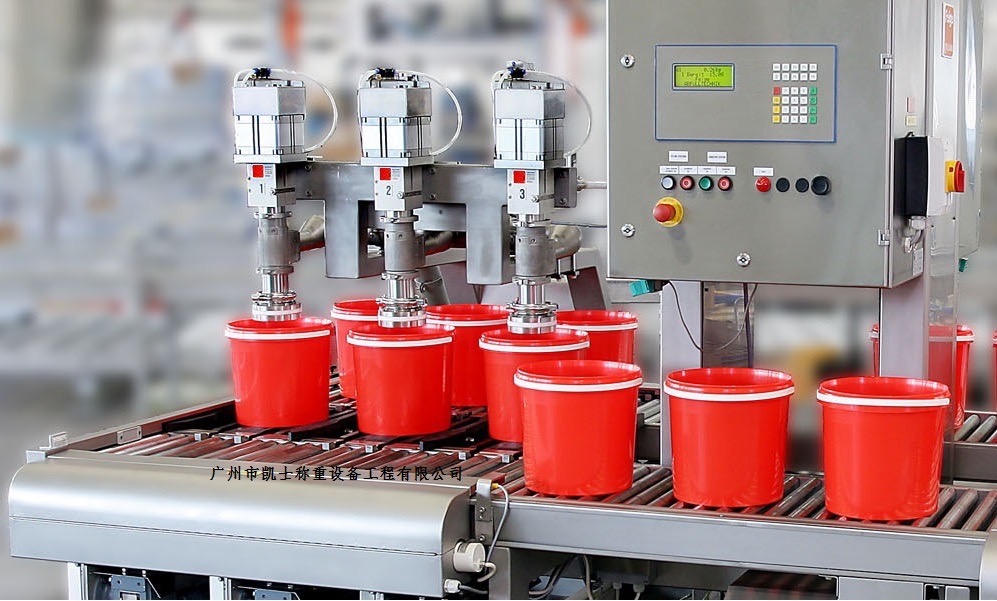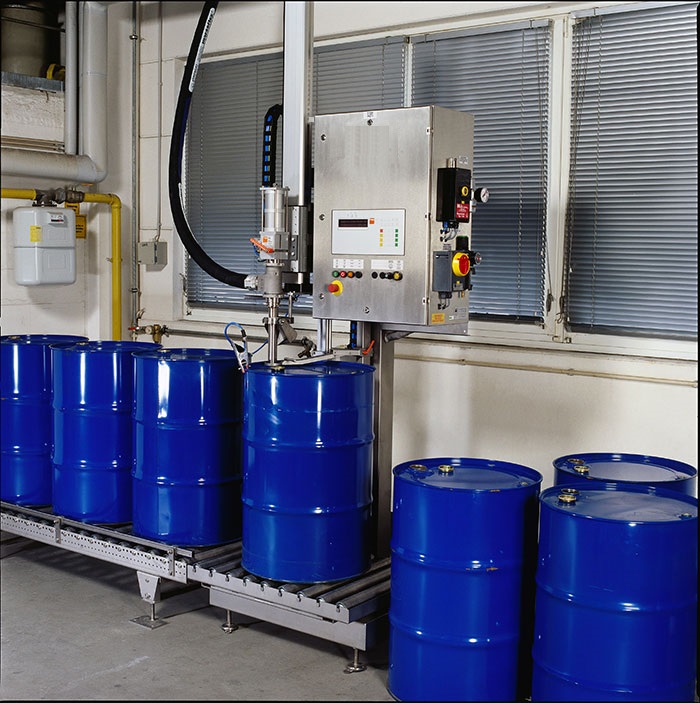


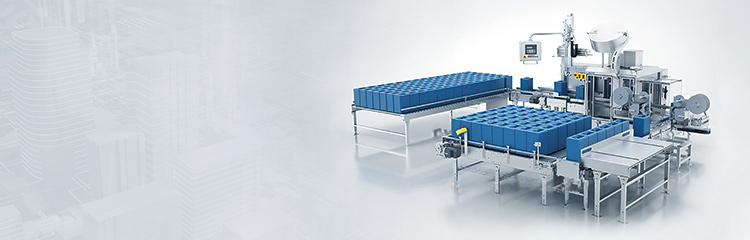


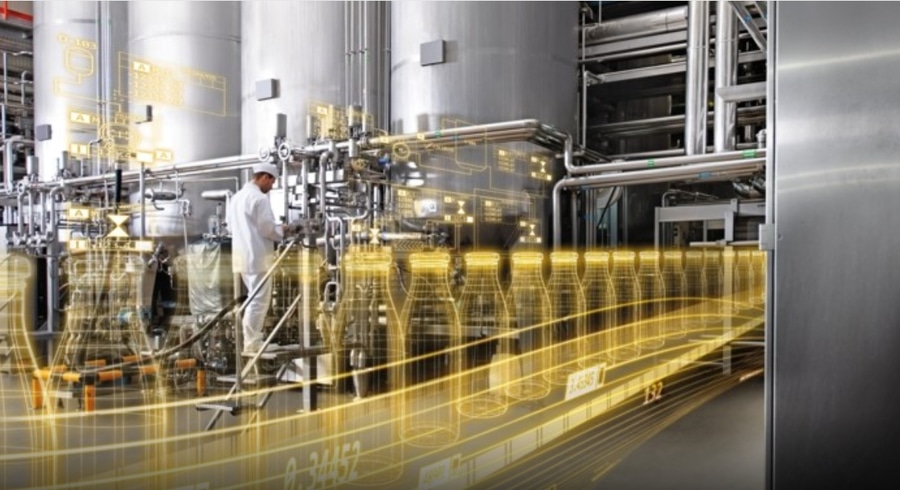
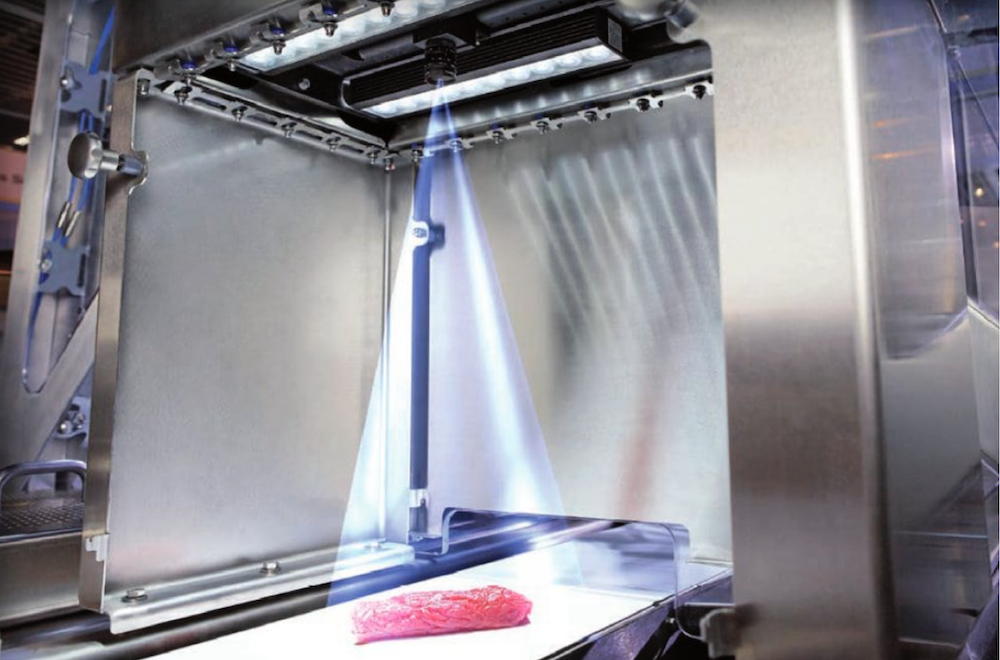
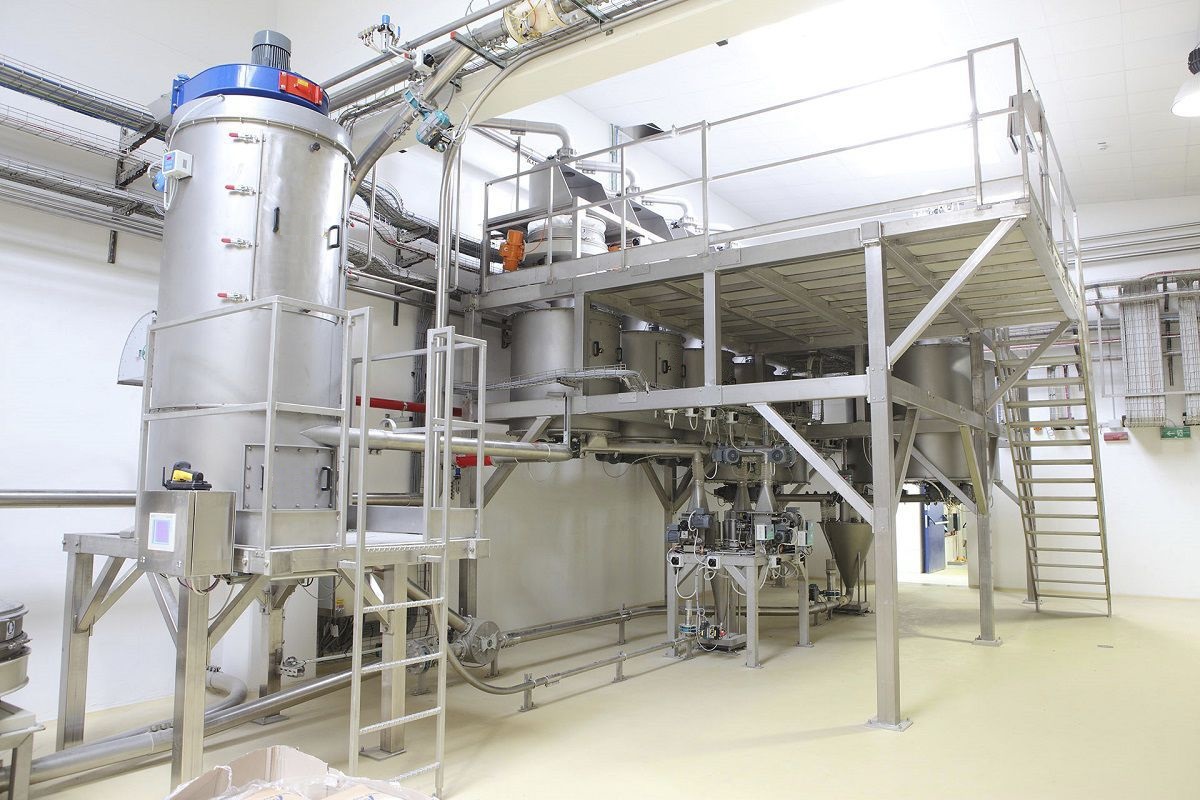
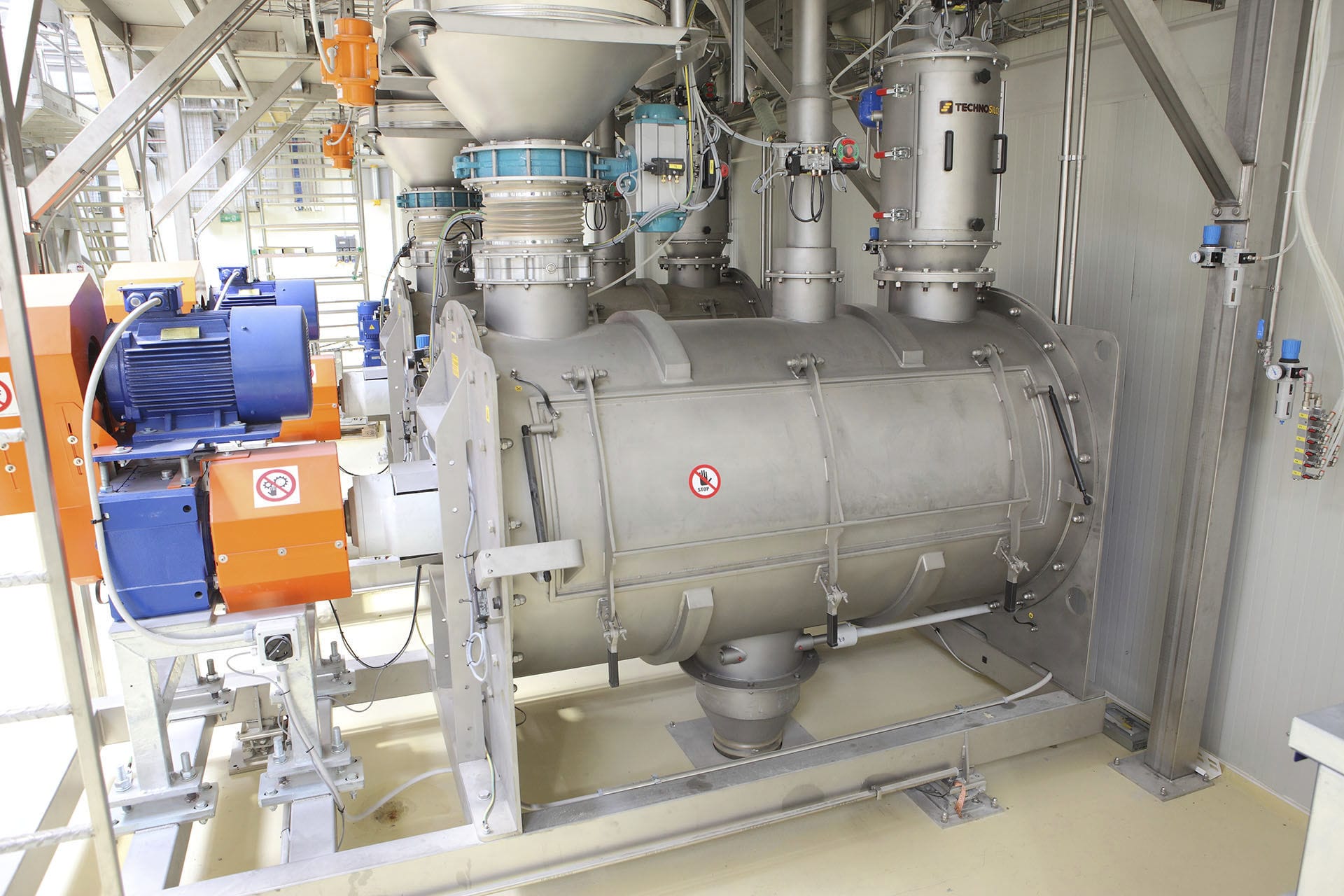
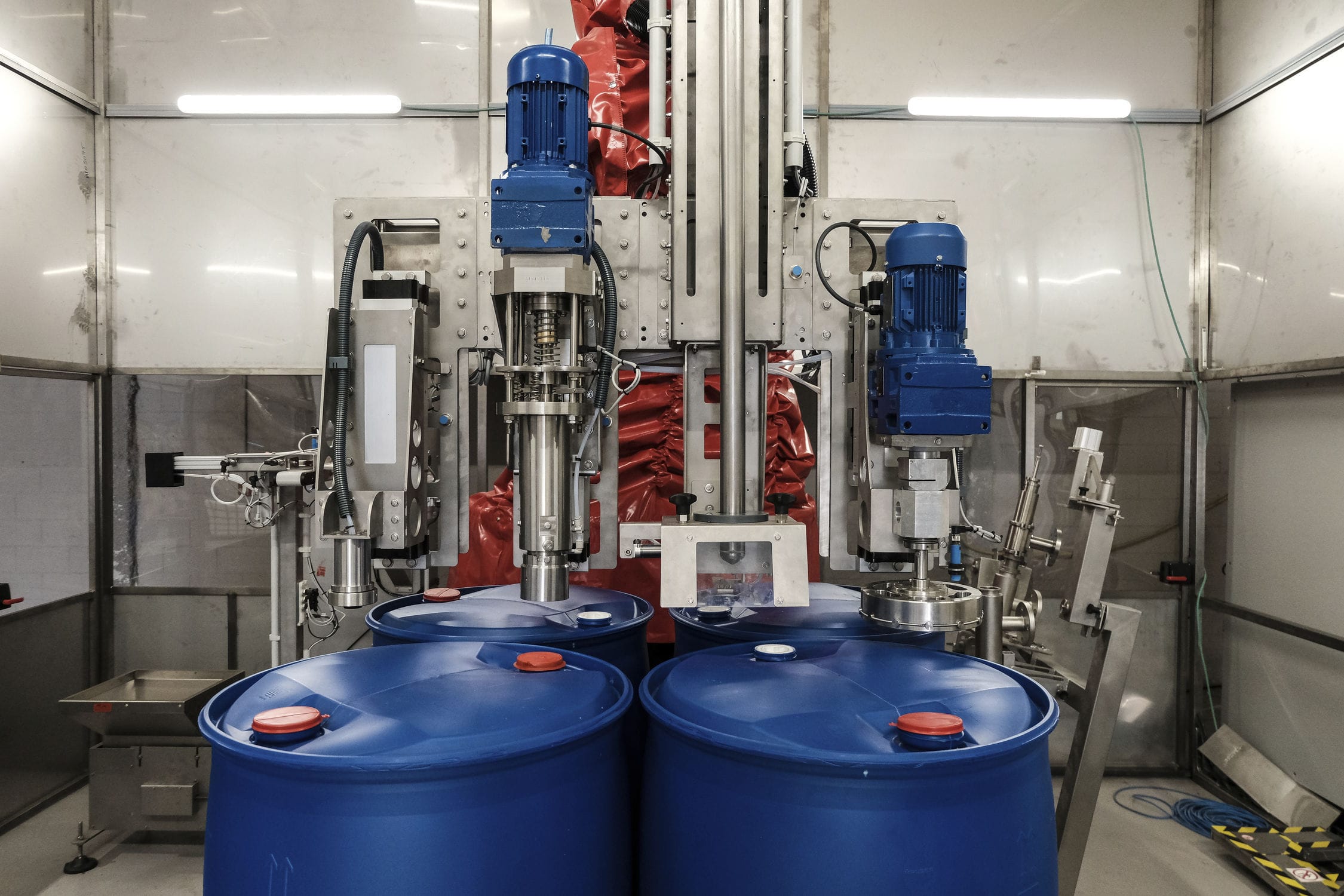


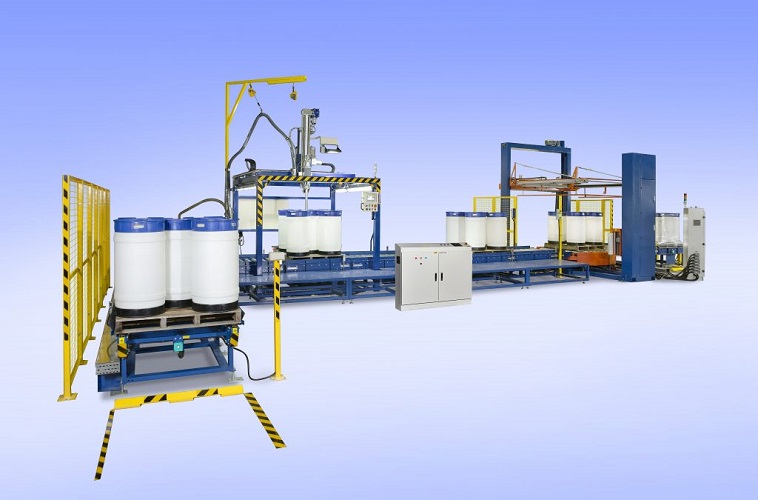
The quantitative paint filling machine collects input signals for weight through the industrial control computer and PLC, and after processing by the program, issues control commands for quantitative filling to the filling mechanism. It realizes on-site information collection and system communication through open fieldbus and industrial Ethernet. The metering filling system using mechatronics technology consists of PLC and weighing instruments for measuring and controlling the filling process of weighing, metering and filling in the production workshop.

 020-34563445
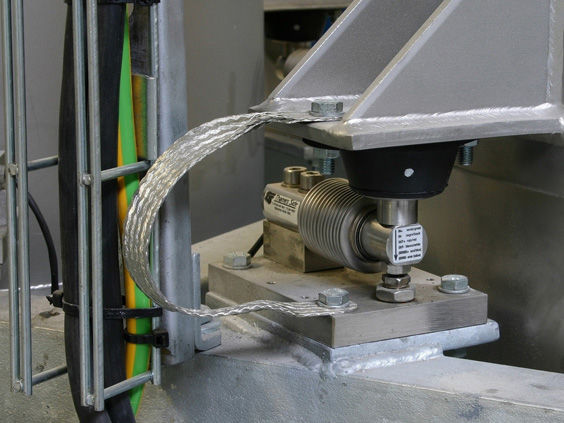
The weighing Filling machine is composed of an Electronic scale, weighing instrument, PLC, conveying feeding frequency converter, material transportation conveyor frequency converter, discharge filling gun, limit switch, proximity switch, and industrial control computer, etc. In the quantitative filling process of the raw material filling machine, the filling process can be generally divided into four main production stages: quantitative setting of the four types of materials, weighing, discharging, and conveying. The equipment involved includes material storage bin, container, conveying rotor pump, conveyor, electronic scale, and discharge filling gun, etc. The filling process transports the material from the raw material yard through pipelines to the filling gun, and the conveying Feeding machine discharges the material in a certain target quantity into the container. The filling and conveying process uses rotor pump frequency conversion for discharging, opens the filling gun on the container's upper end, and the material falls into the container on the electronic scale. The material is sent into the container through the frequency converter after being conveyed, opens the discharge piston of the filling gun, and finally delivers the material into the container.
The Liquid filling machine collects weight input signals through the industrial control computer and PLC, processes them according to the program, and then issues control commands for quantitative filling to the filling mechanism. It realizes on-site information collection and system communication through open fieldbus and industrial Ethernet. The metering Filling system using mechatronics technology consists of PLC and weighing instruments for measurement and control to complete the filling process of weighing, metering, and filling. It is equipped with electronic scales, pneumatic actuators, electric actuators, automatic control components, and filling devices to achieve online filling weighing and filling operations. Three signals are sent from the PLC: deresetting weight, weight reset position, and data retention; before each weighing, the deresetting weight is performed, at which point the net weight is immediately set to zero. After reaching the final weighing value, the data is retained. After the discharge, the weight reset position is performed, which cancels the deresetting operation. At this point, the gross weight and net weight are the same value, ensuring the net weight of each filling operation. There are five signals sent to the PLC: approaching zero, preset value, drop value, shortage, excess, and upper limit.
When the automatic filling machine is operating automatically, according to the production requirements, the target quantity of the material is input through the keyboard on the PLC. The PLC then calculates the target value and the standard setting value for the rapid filling of the material. When the target value for rapid filling of the material is less than the standard setting value, the PLC issues a high-speed instruction, causing the feeding mechanism to operate at a high frequency, allowing the material to fall into the container quickly, thereby improving the feeding efficiency. At the same time, the net weight of the material is displayed in real time on the PLC. When the material reaches the set target value for rapid filling, the frequency converter switches to a lower conveying frequency and slowly conveys the material for feeding; when the weighing value is less than the standard setting value of the material (if the difference is outside the tolerance range), the PLC will automatically start point correction; the material continues to be filled, ensuring the filling accuracy; if the difference is within the tolerance range, the PLC will output a stop signal, stopping the feeding conveyance, and the feeding conveyance ends. One batch of filling cycles is completed.