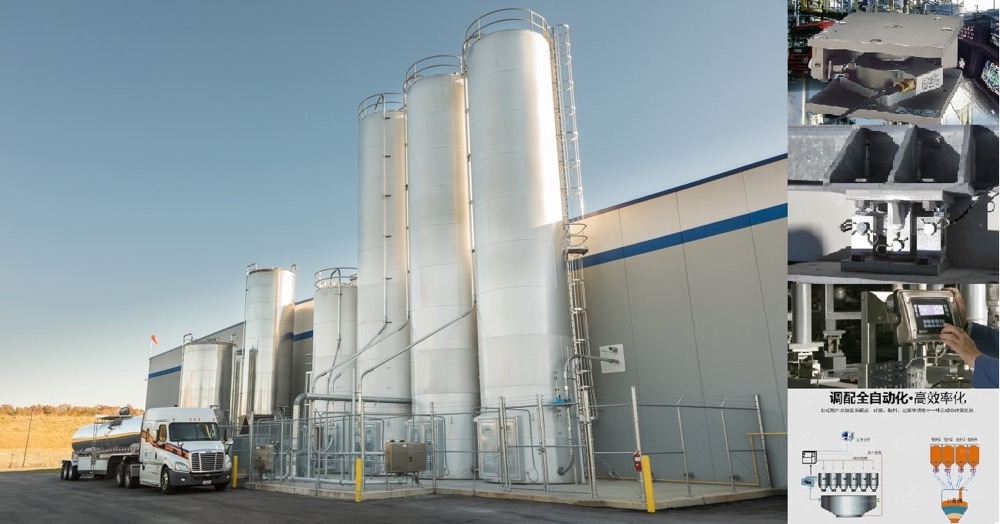


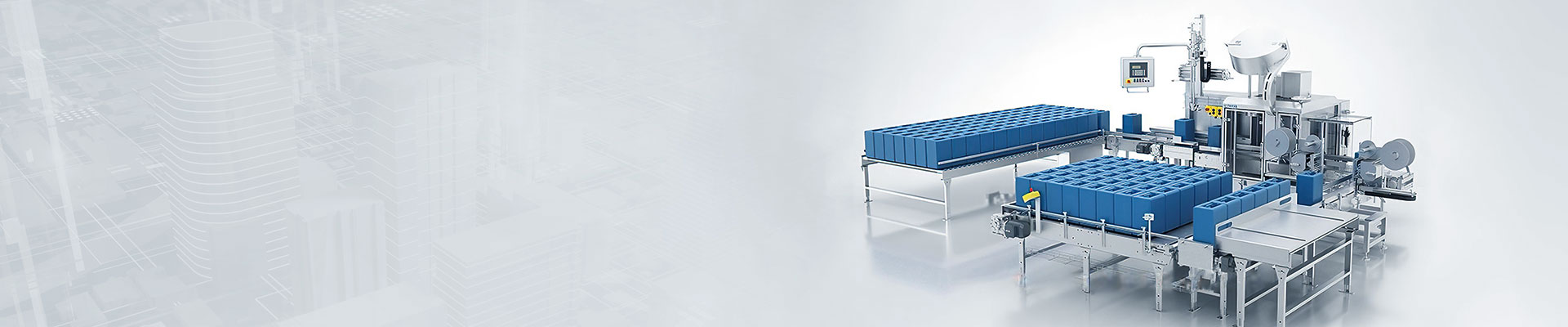




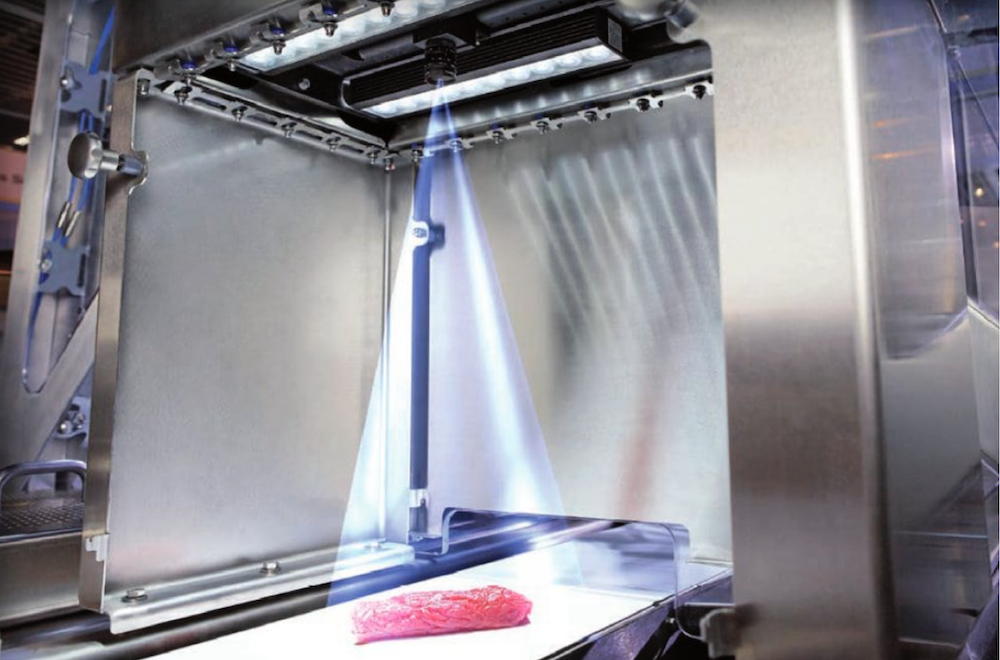
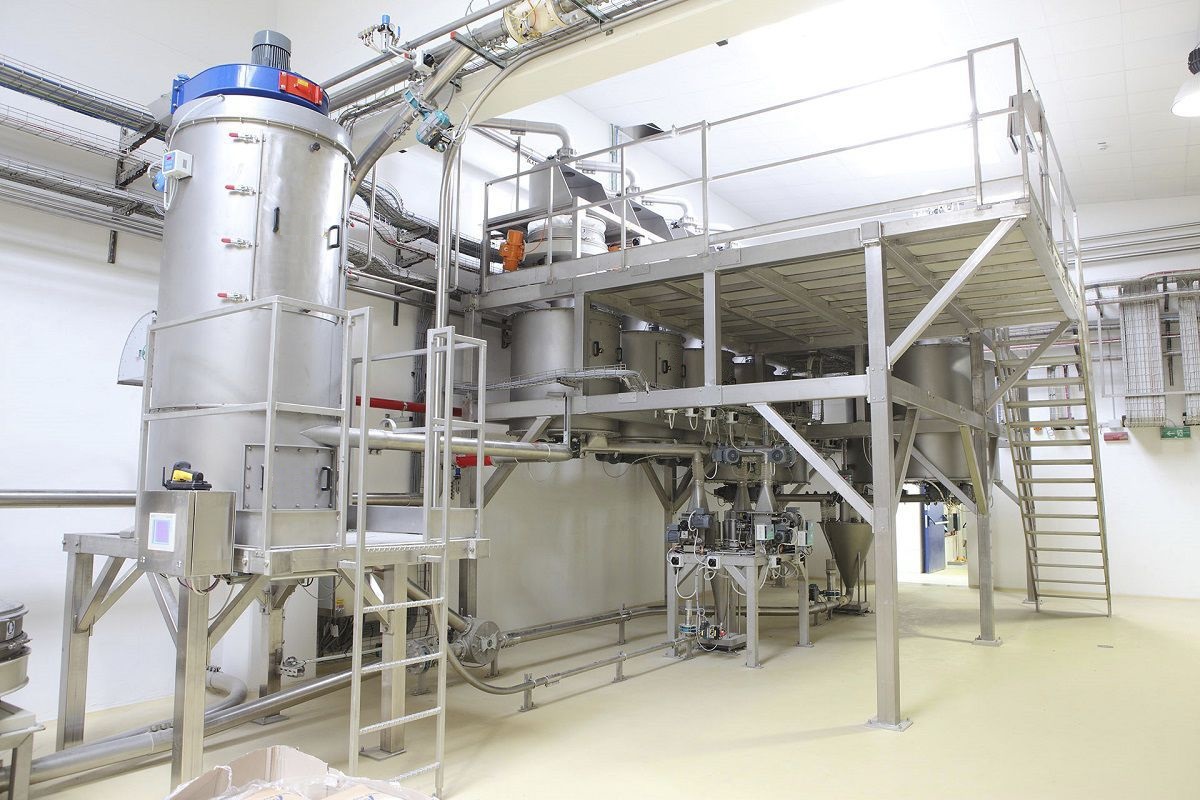
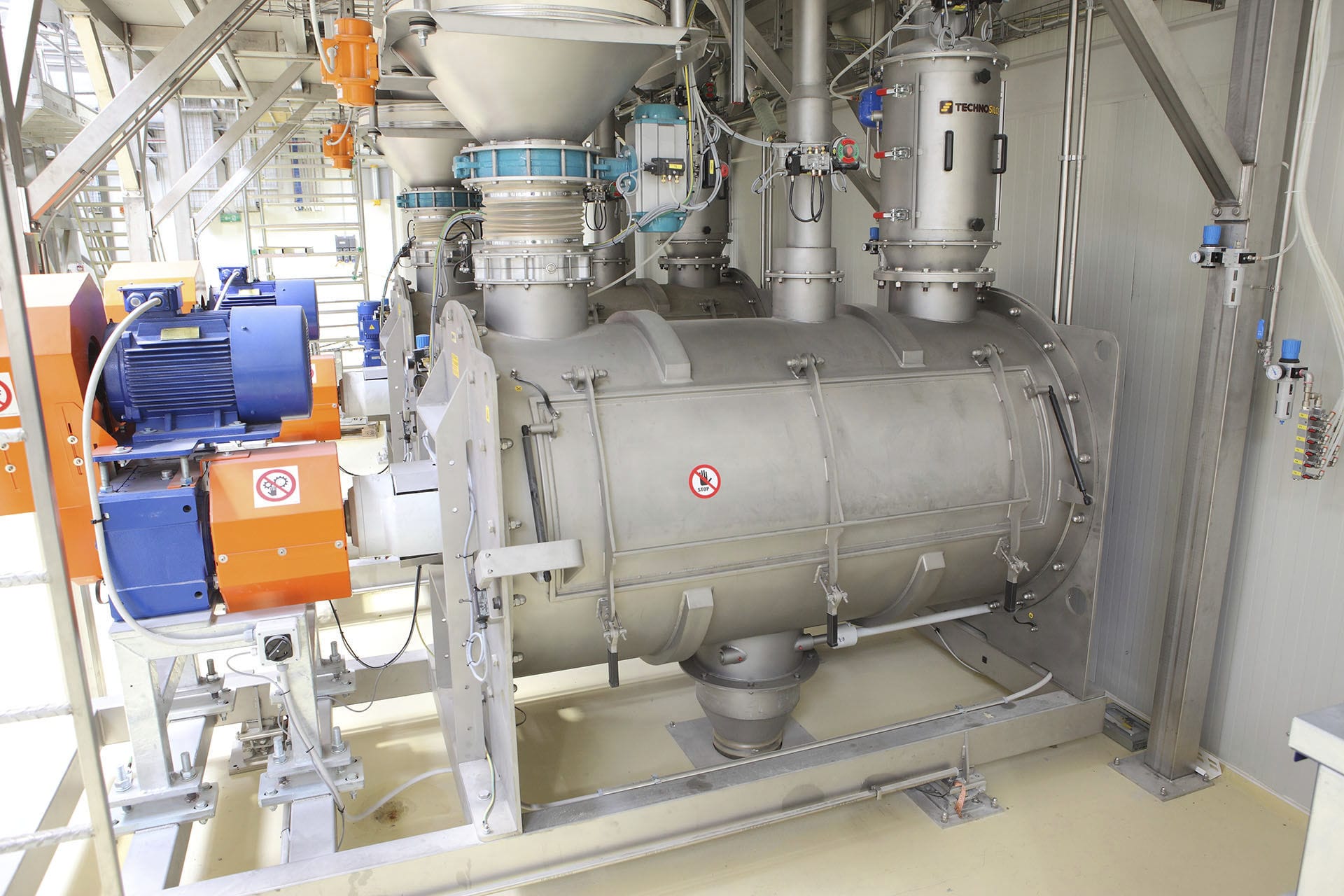
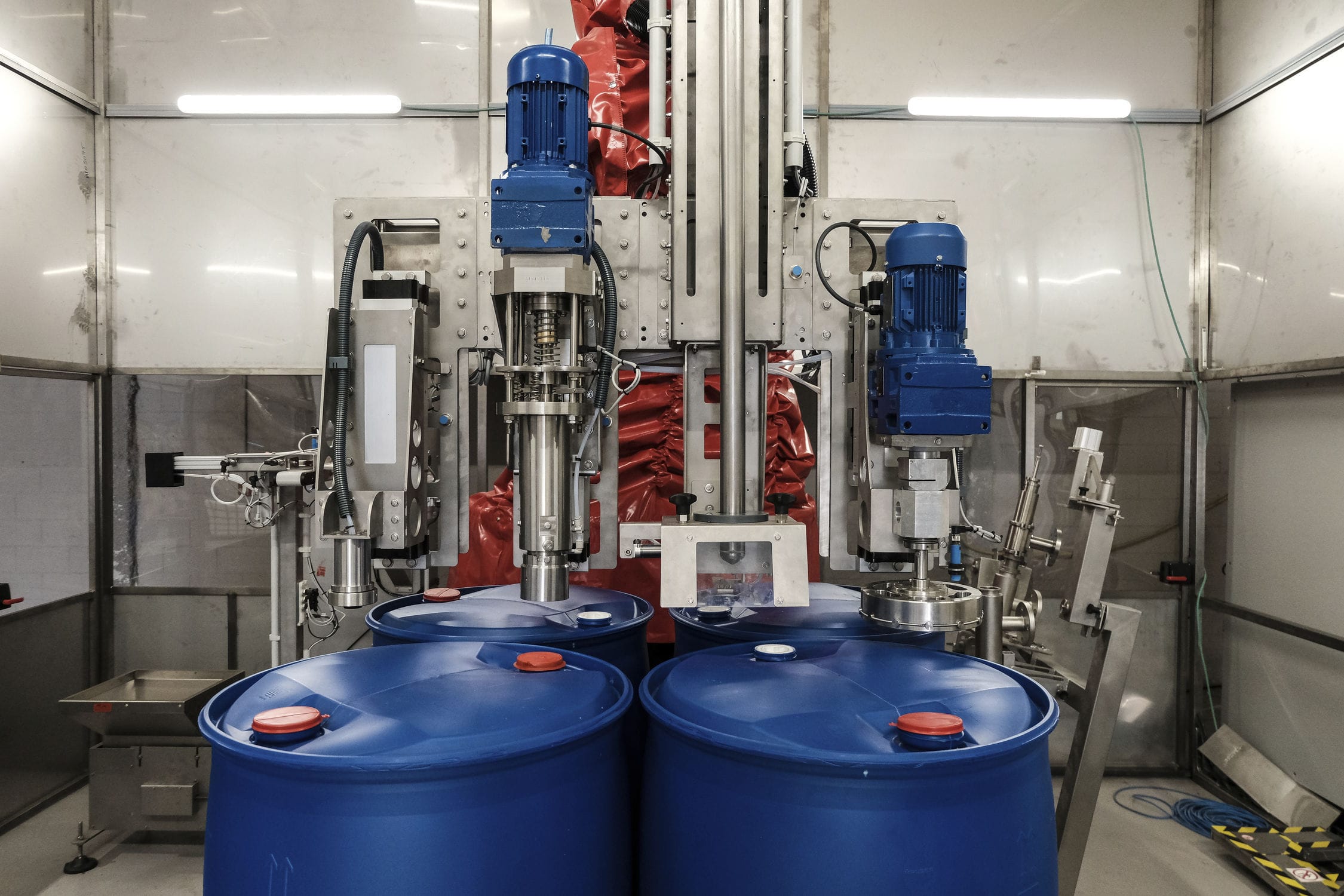
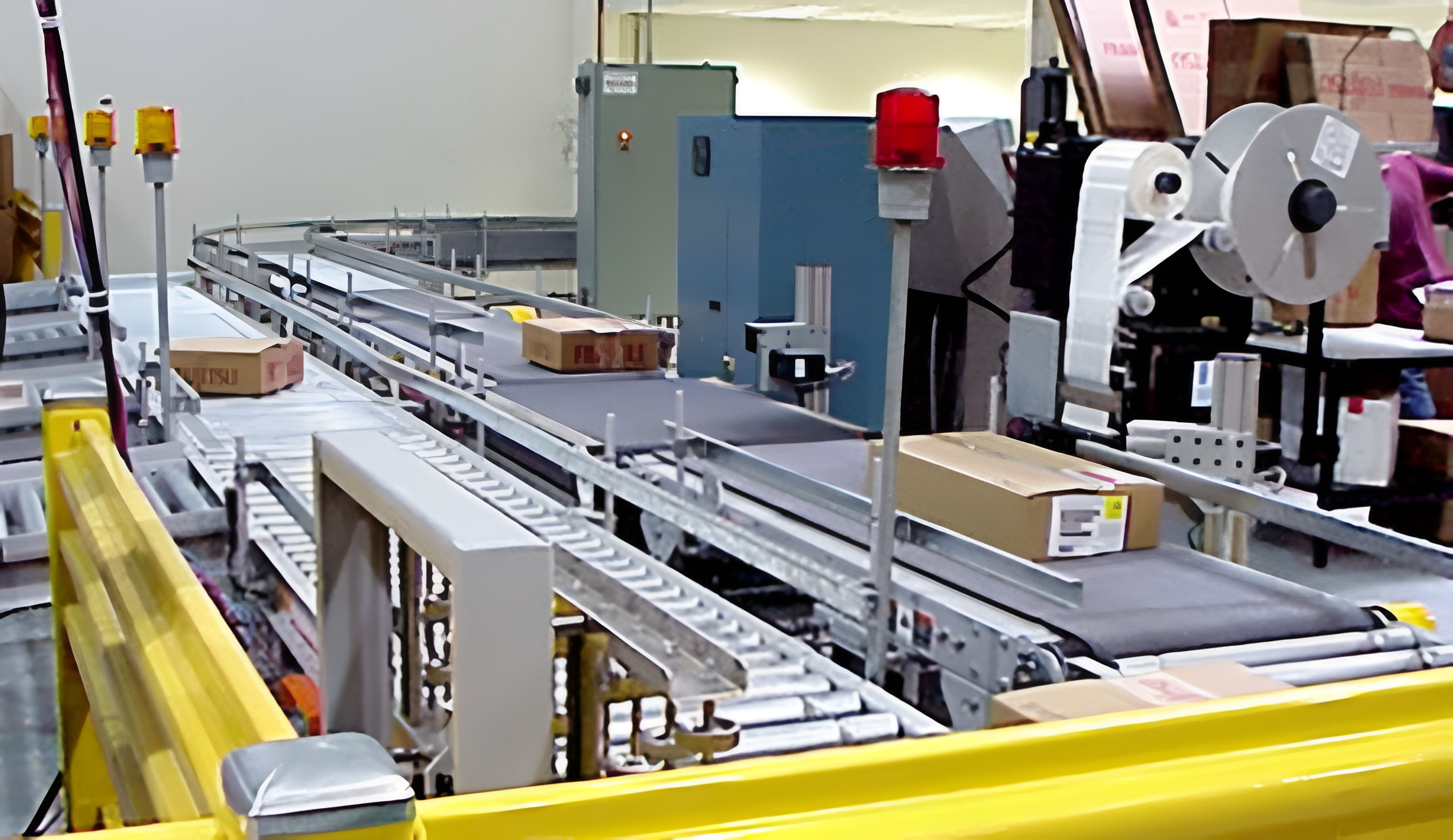
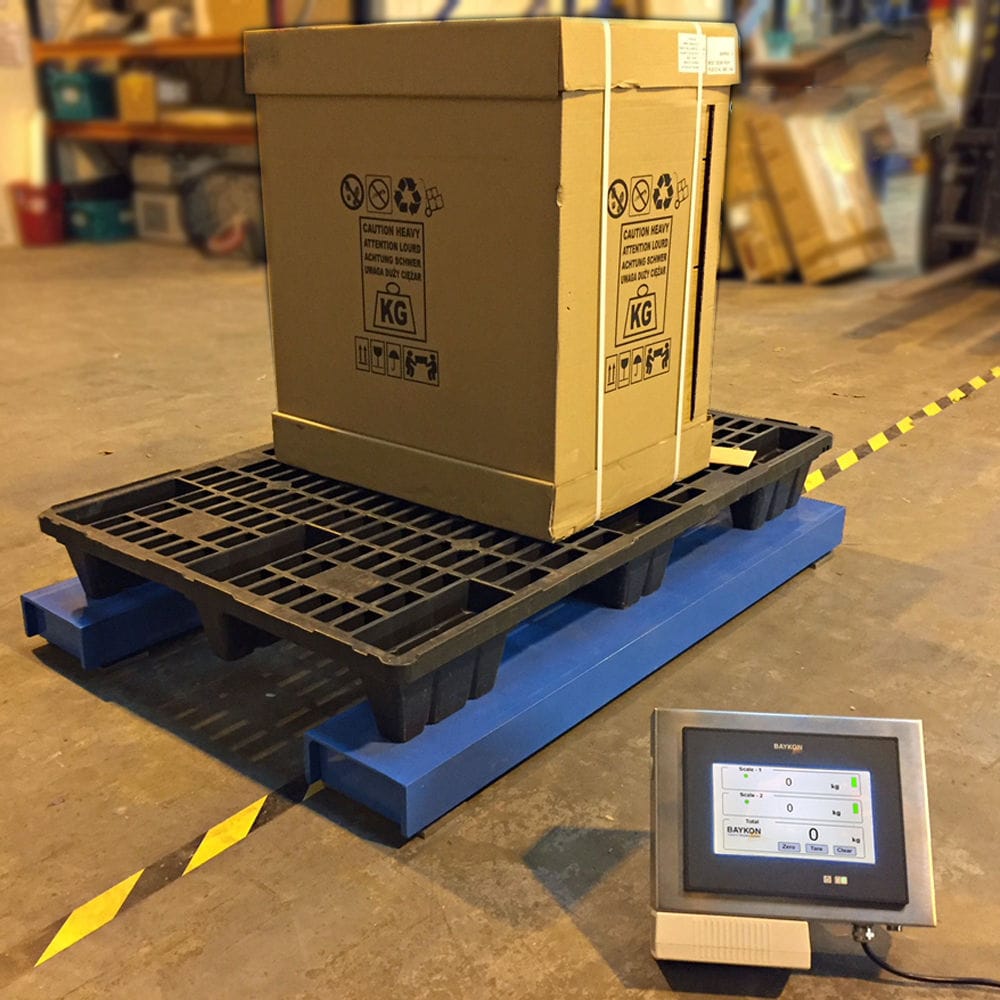


The automatic feeding system adds materials in proportion to the set ingredient quantity and performs feedback adjustment based on weight. The ingredient quantity and lag time can be set. When the drop value changes, the magnitude of the change and the magnitude of the ingredient adjustment can be set. Relevant quantities to be monitored and set (such as drop value, post-filter weight, etc.) can be selected.

 020-34563445
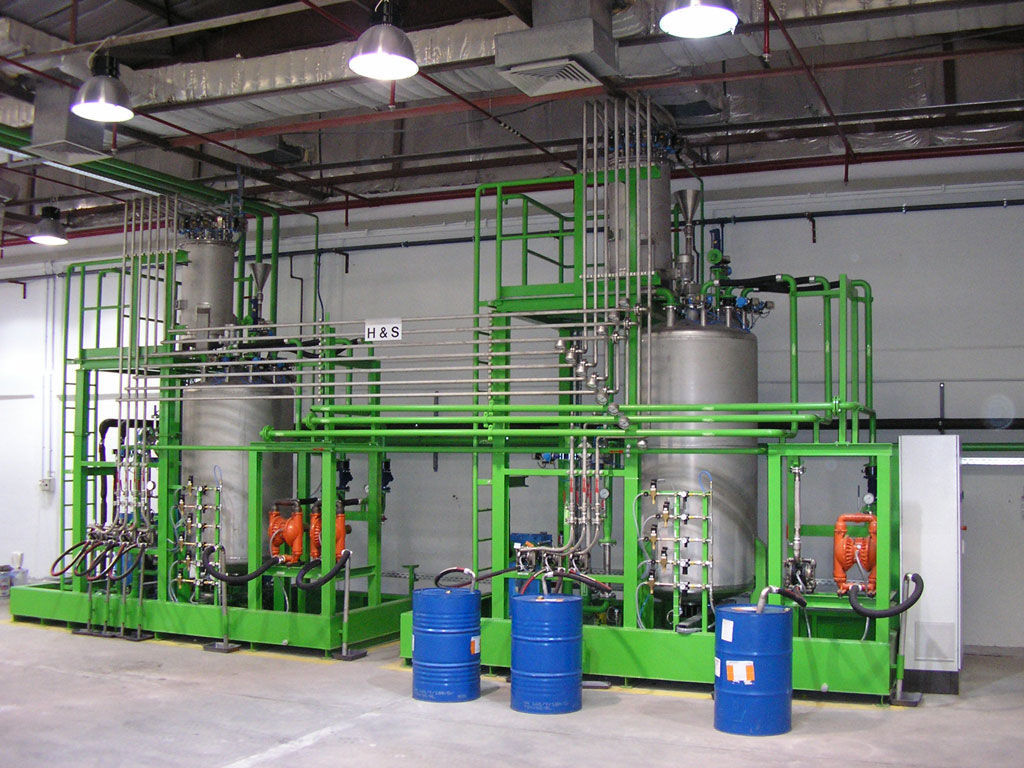
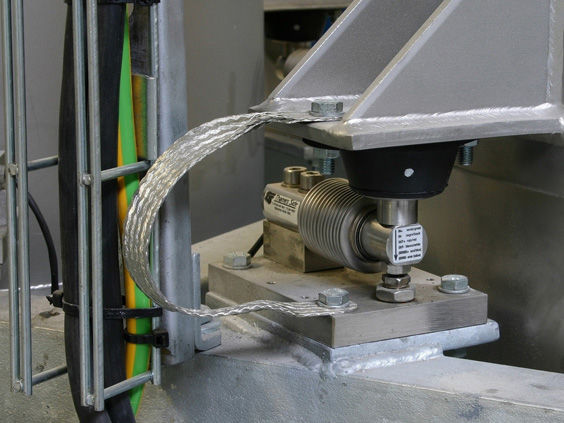
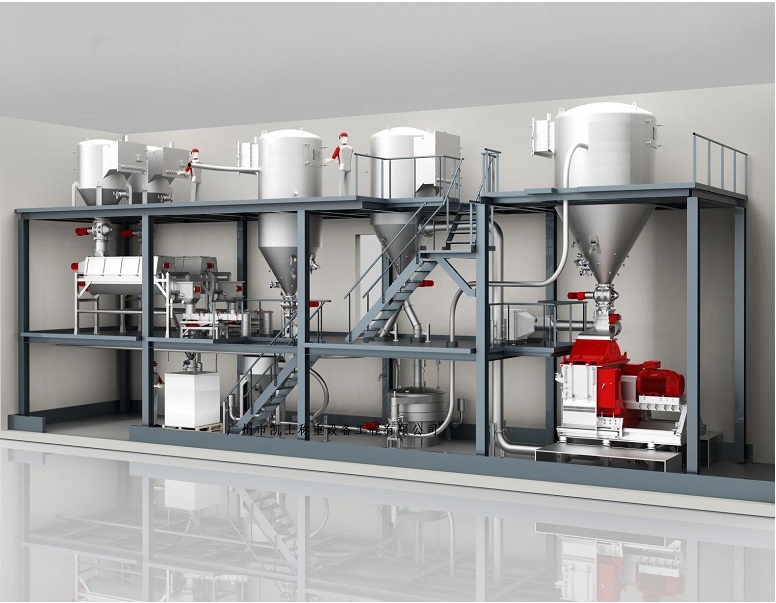
The automatic ratio feeding system mainly consists of a weighing conveyor, a storage bin, a level sensor, a control valve, a feeding pump, a Feeding machine, a weighing module, and a Weighing system. Feedback regulation is carried out based on the quantitative value of the weighing instrument. The ratio coefficient for feeding and the set value are adjustable. The feeding is carried out in accordance with the set ratio of the ingredients, and feedback regulation is performed based on the weight. The amount of ingredients and the lag time can be set. When the drop value changes, the amplitude of the change and the amplitude of the ingredient adjustment can be set. When the weight changes, the ingredients should be adjusted immediately. In the control system, a dialog window is set up, and the operator can select the relevant quantities to be monitored and set (such as drop value, post-filter weight, etc.).
The feeding device of the hopper scale requires that when feeding, the powder material enters the storage tank from the hopper and is controlled by an electromagnetic valve to open the feeding door. The material in the storage hopper then enters the weighing hopper through the discharge port. When the amount of material in the weighing hopper reaches the required amount, the weighing control system controls the closing of the feeding door by the cylinder to complete the feeding process. After the material is loaded into the hopper scale, measurement begins. After the feeding valve of the hopper scale is closed, the weight of the material in the hopper scale is detected by the weighing module as the original weight value. When the screw is activated, the material is transported along the screw rotation direction. The amount of material transported by the screw is reduced by the hopper scale, thereby measuring the amount of material conveyed. The weight of the material in the hopper scale is the actual amount of material. Then, the weight of the material in the hopper scale is measured as the target amount. The amount of material fed during this period is the set amount. Based on this calculation, the material fed in each unit time is accumulated, and the total weight of the material fed within a certain period is achieved.
When the weighing module detects that the weight of the lower hopper scale of the material in the hopper is lower than a certain process set value, the gate valve will open, and the feeding hopper replenishes materials. When the material is added to a certain weight, the gate valve will close. At the discharge port of the hopper, there is a regulating baffle to ensure that the thickness of the material falling onto the vibrating feeding tank is constant. The vibrating feeding tank is installed with two sets of main vibration plate springs, with appropriate gaps between the plates to avoid friction and noise. The inclined angle of the spring plate to the base is generally no more than 30°, and the excitation force of the electromagnetic force should be perpendicular to the plate spring and pass through the combined center of gravity of the entire tank to ensure that there is no torsional vibration or flow deviation during operation. Based on the change in the amplitude of the main vibration body, the lower part of the rectangular cast iron base is adjusted appropriately. There are 4 pieces of vibration isolation rubber on the lower part of the base, which mainly serve to buffer and isolate vibration. The upper power supply is used to drive the tank to perform periodic linear reciprocating vibration in the direction perpendicular to the vibration plate. When the vertical component of the vibration acceleration of the tank exceeds the gravitational acceleration of the material, the material is separated from the tank and thrown forward along a parabolic trajectory. After a certain period of time, it falls and contacts the tank. This process repeats. Due to the high frequency, the material continuously moves forward and is finally transported to the designated position. The remaining parts of the vibration body device are connected by soft links to ensure their independence and not being affected.
When the weighing vibrating feeding machine operates normally during continuous operation, the feeding mode is set to automatic and then started. Through communication with the weighing control system, the real-time load of the Electronic scale can be obtained. The system then searches for the control ratio data for the conversion between the material and the electronic scale load from the database, and calculates the set load of the material scale through internal programs. The weighing instrument controller samples the weighing data from the on-site weighing module at regular intervals, calculates the current real-time feeding speed, and then adjusts the vibration frequency of the actuator to make the actual feeding value consistent with the set value.