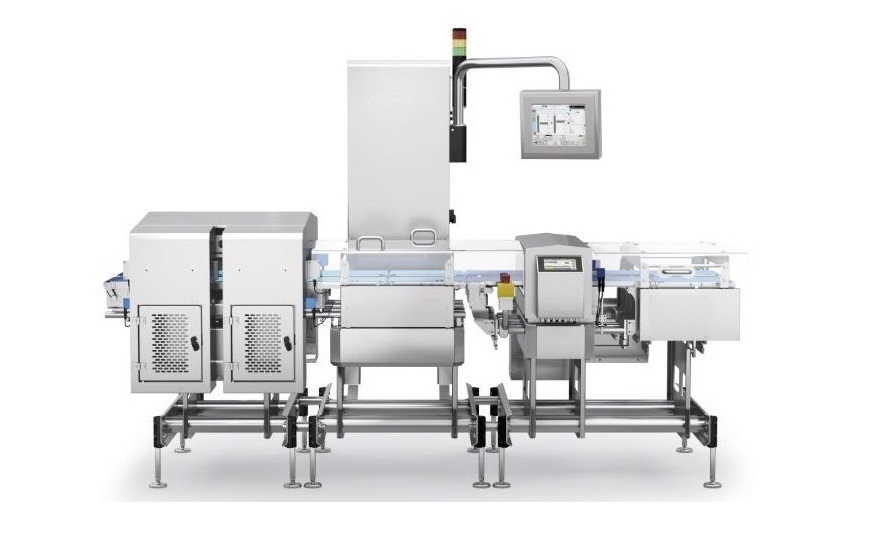







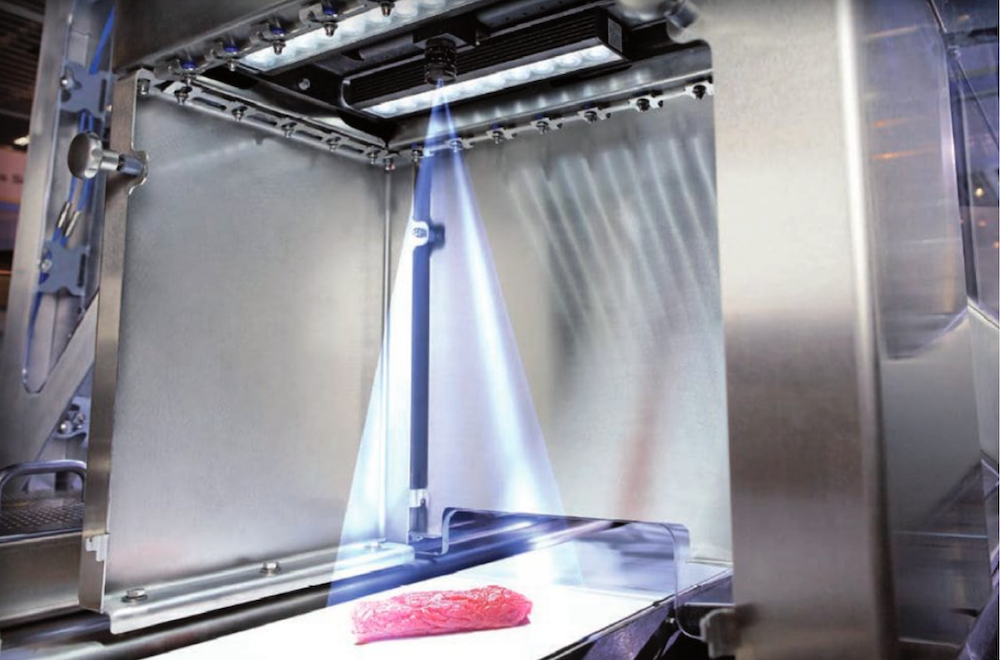
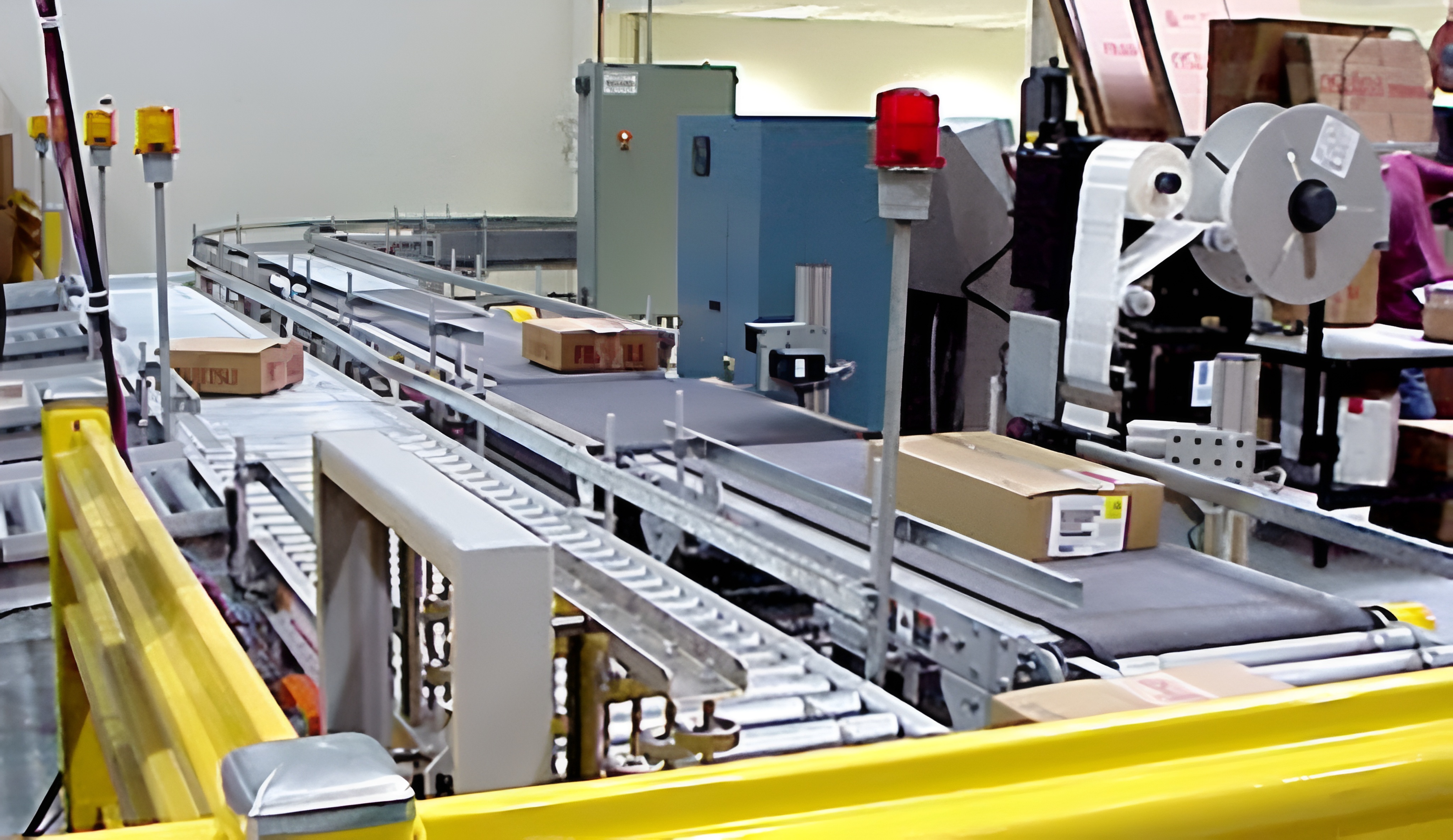
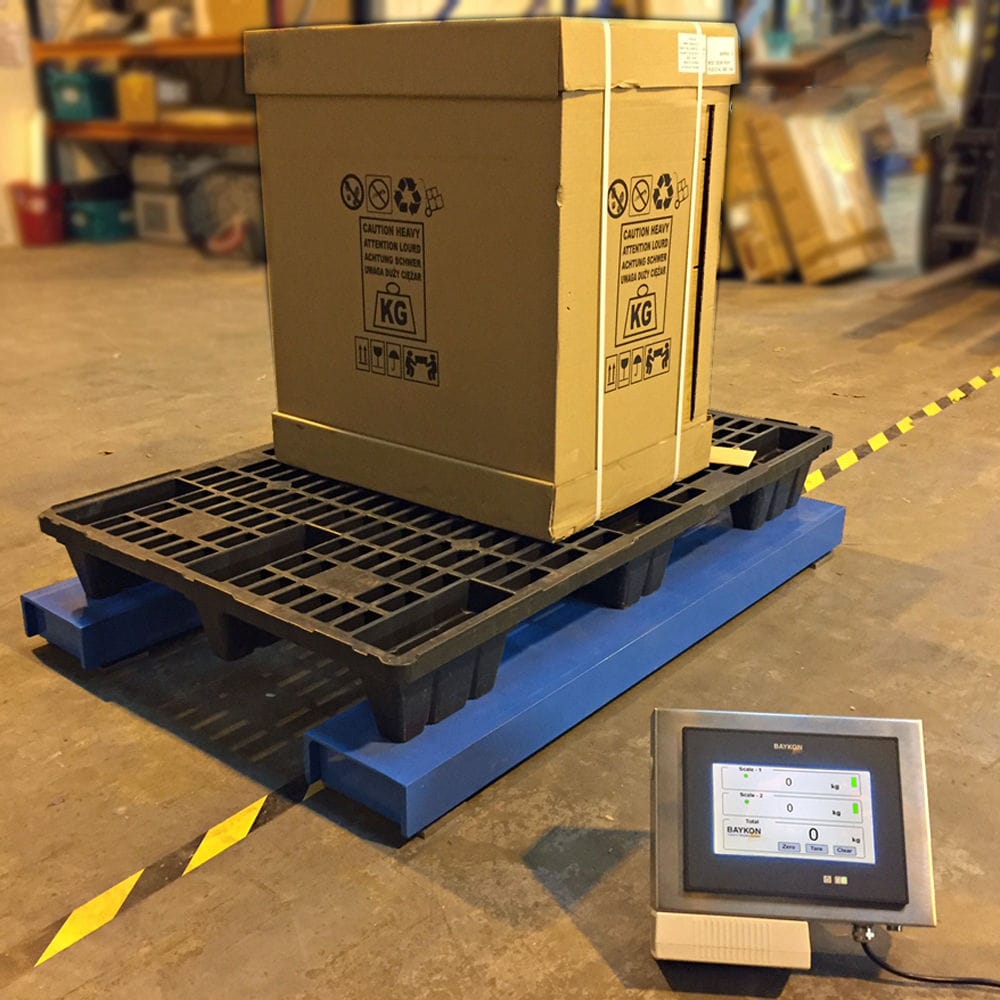


Checkweigher is used for automatic weight detection, upper and lower limit discrimination or weight grading selection on various automated assembly lines and logistics conveying systems. It adopts weighing controller technology, combined with servo motor machine iterative system and elaborate mechanical design, and is specialized in on-line dynamic weighing and classification of products passing through the automated production line. It can realize continuous dynamic checkweighing of products, detect unqualified products, alarm for overweight or light ones, and realize product classification and unqualified product rejection function through the structure of classification and rejection at the back-end.

 020-34563445
A weighing scale is a medium to low speed, high-precision online weighing equipment that can be integrated with various packaging production lines and conveyor systems. It is mainly used for online detection of whether the product weight is qualified, whether there are missing components or product weight archives in the packaging. The measurement of product weight is completed during the transportation process, and the measured weight is compared with the pre-set range. The controller issues instructions to reject products with unqualified weight or distribute products with different weight ranges to designated areas. The automatic weighing machine is composed of a weighing conveyor, a controller, and an inlet and outlet conveyor. The weighing conveyor completes the collection of weight signals and sends them to the controller for processing. The feeding conveyor mainly ensures sufficient spacing between products by increasing the speed. The discharge conveyor is used to transport the tested products away from the weighing area. The product enters the feeding conveyor, and the speed setting of the feeding conveyor is generally determined by the spacing of the products and the required speed. The purpose is to ensure that only one product is on the weighing platform during the weighing process.
After the product enters the weighing conveyor, the system identifies the product to be tested as entering the weighing area based on external signals, such as photoelectric switch signals or internal level signals. Based on the operating speed and length of the weighing conveyor, or based on the level signal, the system can determine the time when the product leaves the weighing conveyor. From the moment the product enters the weighing platform to the moment it leaves, the weighing sensor will detect the signal, and the controller will select the signal from the stable agricultural area for processing, in order to obtain the weight of the product. After the controller receives the weight signal of the product, the system will compare it with the pre-set weight range and sort the products. The sorting type will vary depending on the application, mainly including the following types: unqualified products are removed, overweight and underweight are removed separately, or transported to different places and classified into different weight categories according to different weight ranges. The weight inspection machine has a weight signal feedback function and usually feeds back the average weight of the set quantity of products to the controller of the packaging/filling/canning machine. The controller will dynamically adjust the feeding amount to make the average weight of the product closer to the target value. In addition to the feedback function, the weighing scale can also provide rich reporting functions, such as packaging quantity per zone, total quantity per zone, qualified quantity, qualified total quantity, average value, standard deviation, total quantity, and total accumulation.
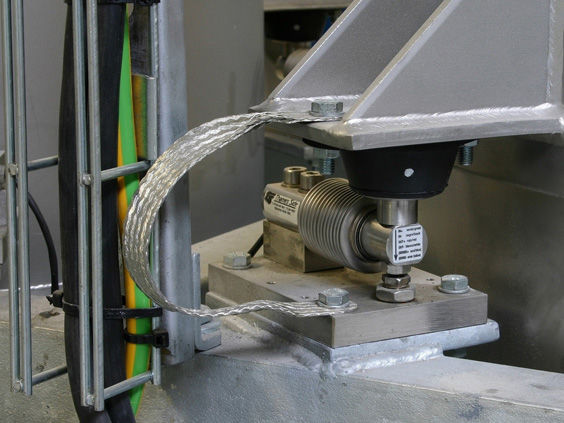
The Weighing system includes a weighing module and an encoder. When the sensor senses the initial interface of the goods, the encoder is activated to record. When the sensor senses the final interface of the goods, the encoder ends recording and calculates the length of the goods accordingly. The weighing system of the conveyor has sensors located on the side of the conveying section, only encoders located on the side of the conveying section, and sensors and encoders located on the same or different sides. The weight detection machine includes a weight detection equipment body and a discharge assembly line equipment body. Conveyor devices are installed on both sides of the inner cavity of the weight detection equipment body. The inner cavity of the discharge assembly line equipment body is equipped with a discharge device. The middle of the inner cavity of the weight detection equipment body is fixedly installed with the weight detection machine body. The top of the weight detection machine body is fixedly installed with receiving blocks on all four sides. A straight cylinder column is rotatably connected between the two receiving blocks on the right side. A motor is fixedly installed on the rear side of the weight detection equipment body. The output shaft of the motor is fixedly connected to a rotating column. The surfaces of the straight cylinder column and the rotating column are fixedly connected with belt reels. The two belt reels are connected by a conveyor belt transmission. An L-shaped fixing block is fixedly connected to the top of the rear side of the weight detection equipment body. An electric push rod is fixedly installed on the front side.