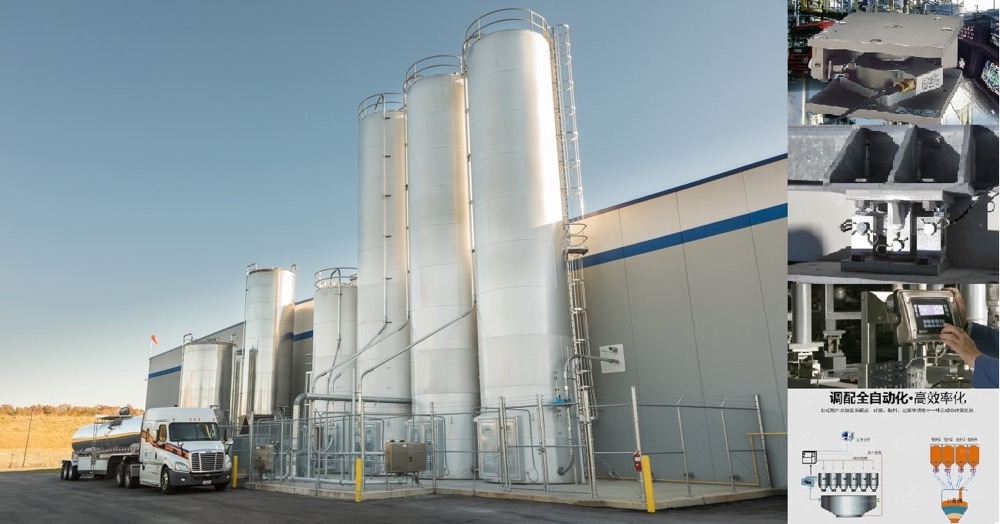





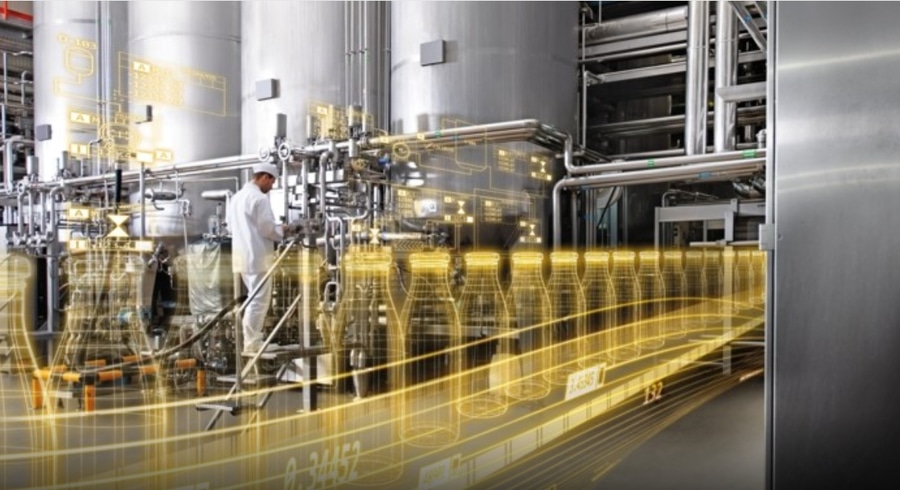
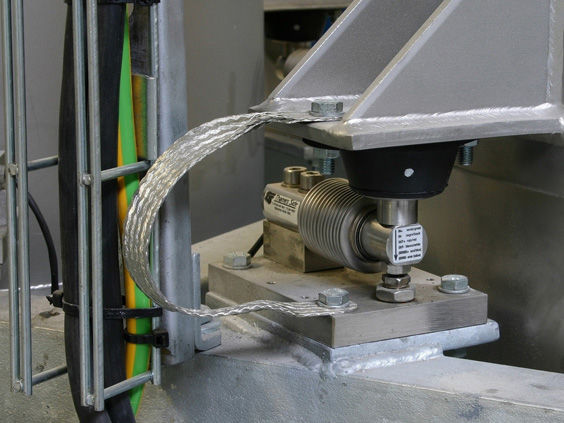
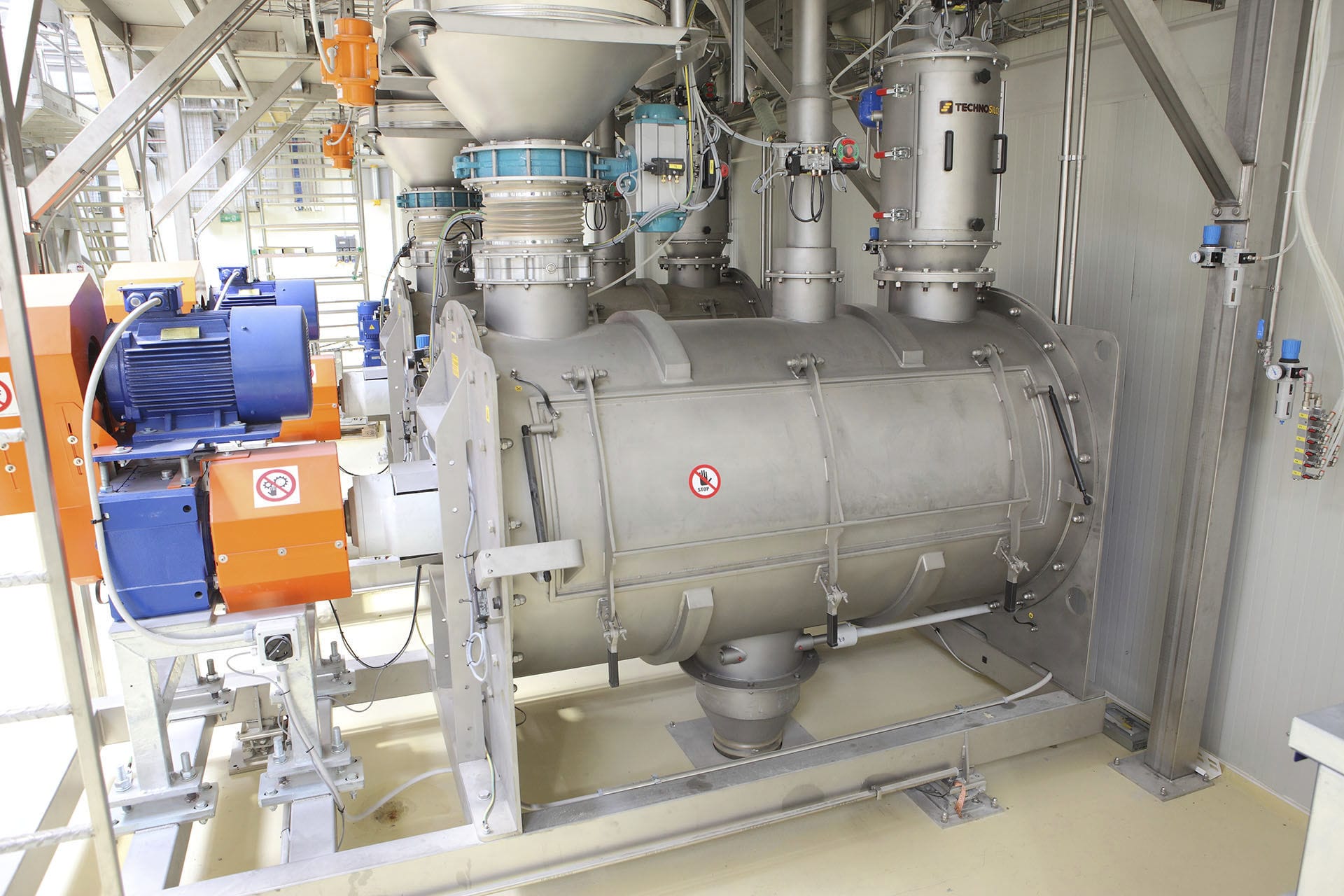
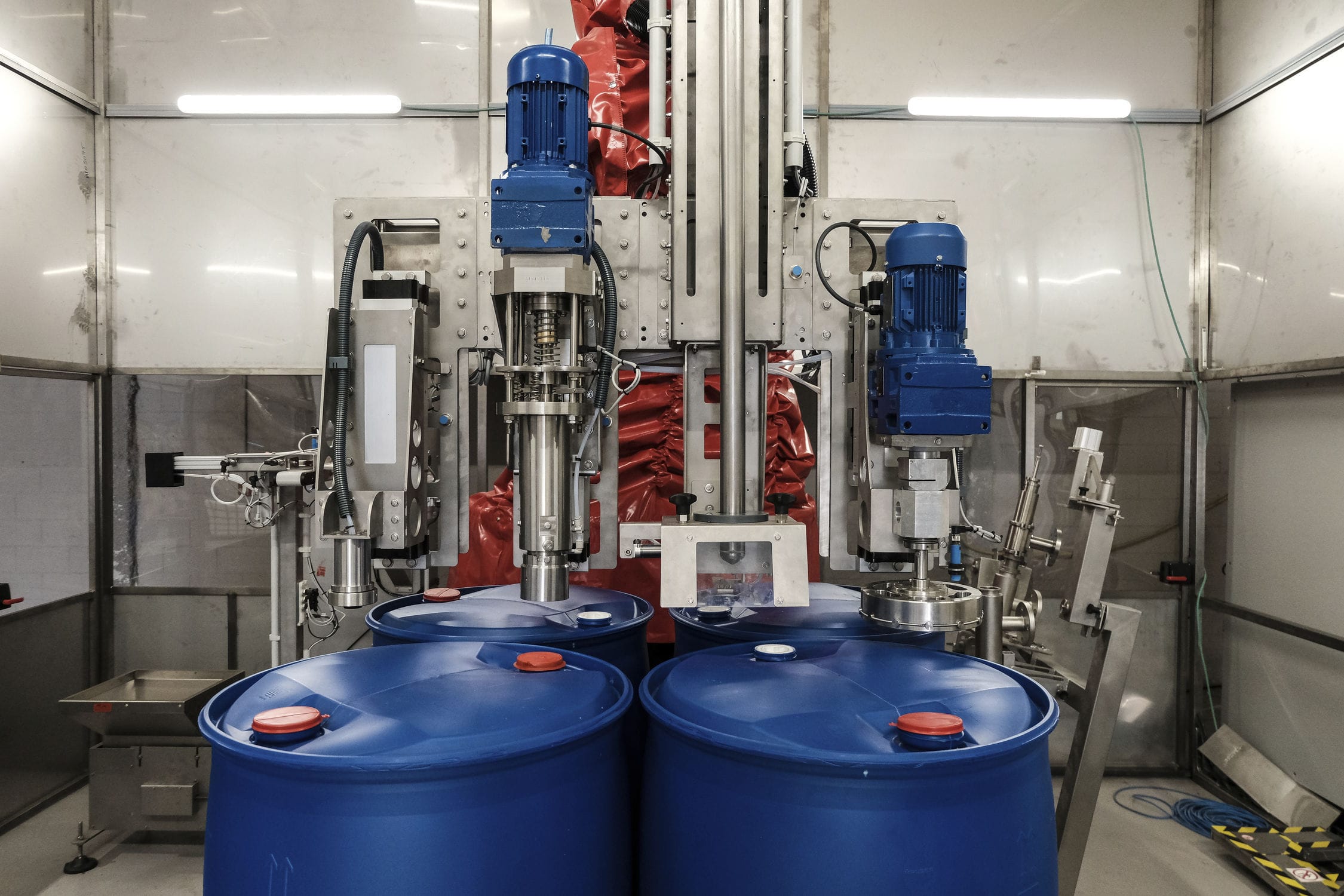
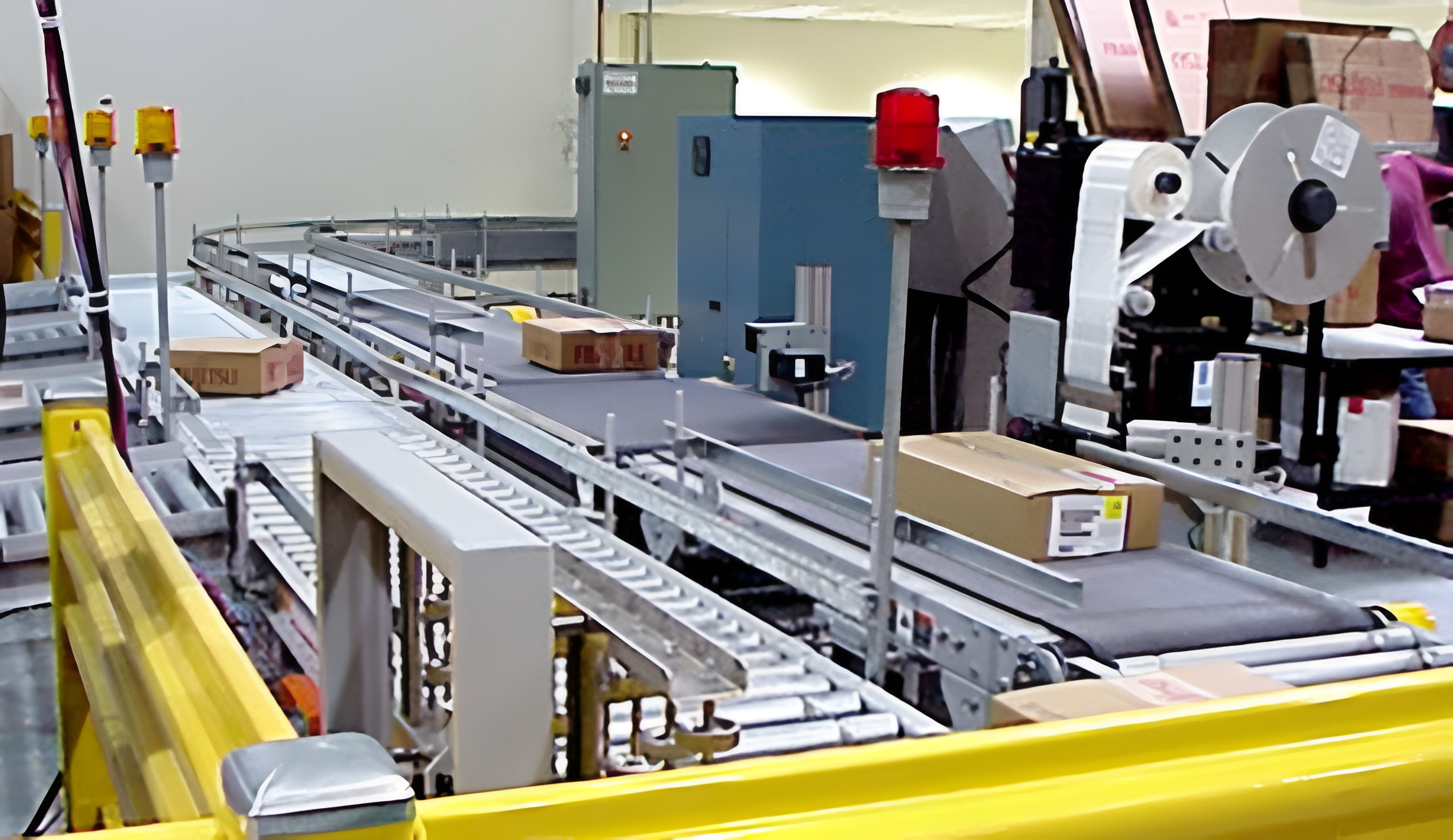
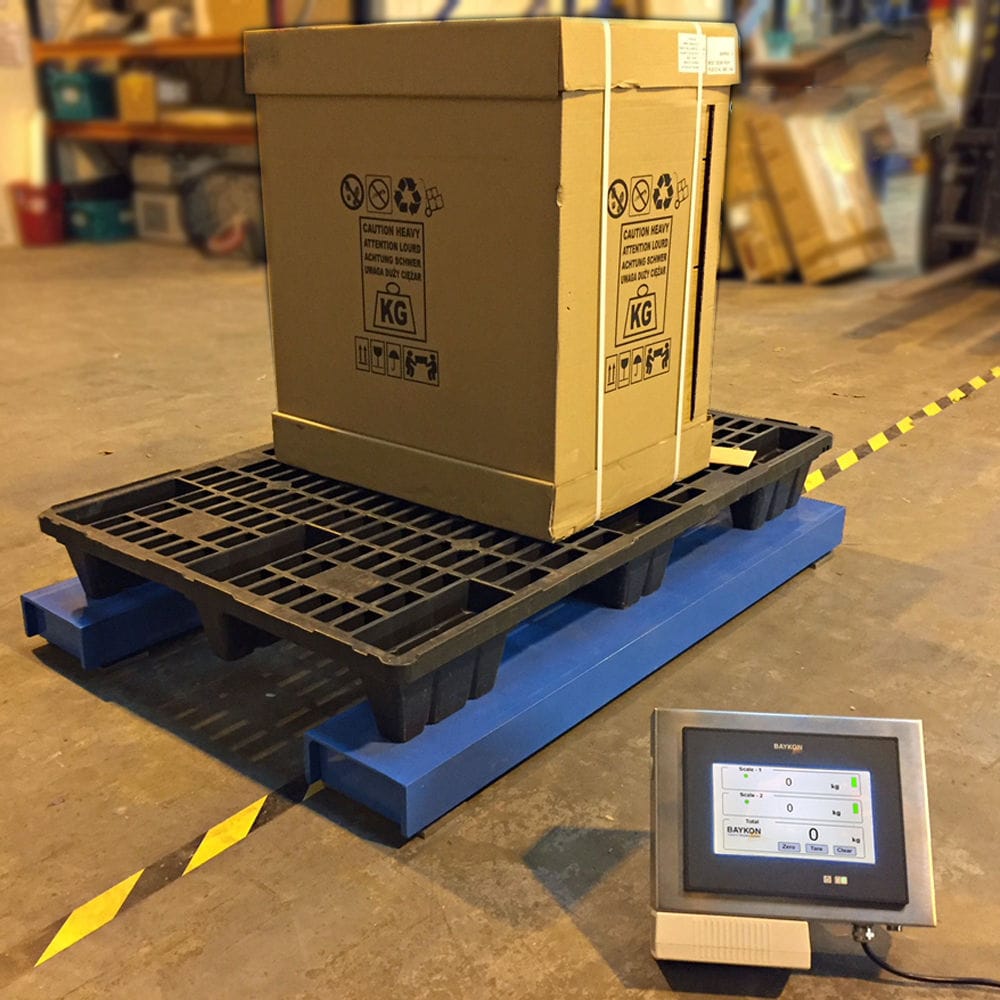


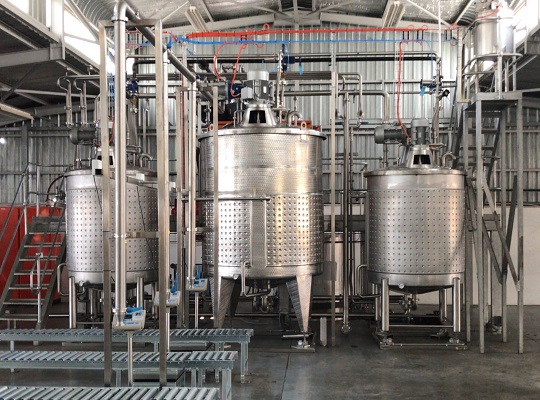
The distillation tank weighing system adopts a computer with stable performance to complete the data acquisition and communication processing, which is convenient to provide processing accuracy and cost reduction, and the data output and management are carried out through the COM communication interface of the computer itself; Mitsubishi F900 touch screen is chosen to replace the conventional weight indicator to do the human-machine interface, which makes the programming of the interface between PLC and weight indicator become simpler, and enables the display function to be enhanced. The weighing system is to add two or more kinds of materials to the mixing tank automatically according to a certain weight ratio, and then automatically discharges the materials after mixing to meet the predetermined requirements.

 020-34563445
Weighing system is widely used in production enterprises which trace the quality of products, realize intelligent and networked management of dosage, make finished products and raw materials traceable in both directions, seamlessly connect production decision-making and production control, improve production execution, improve real-time accurate production data as the basis of managers' decision-making, and prevent quality accidents.
The weighing control system adopts a computer with stable performance to complete the data acquisition and communication processing, which is convenient to provide processing accuracy and reduce costs, and the data output and management are carried out through the COM communication interface of the computer itself; Mitsubishi F900 touch screen is chosen to do the human-machine interface, which makes the programming of the interface between PLC and weight indicator easier and enhances the display function.
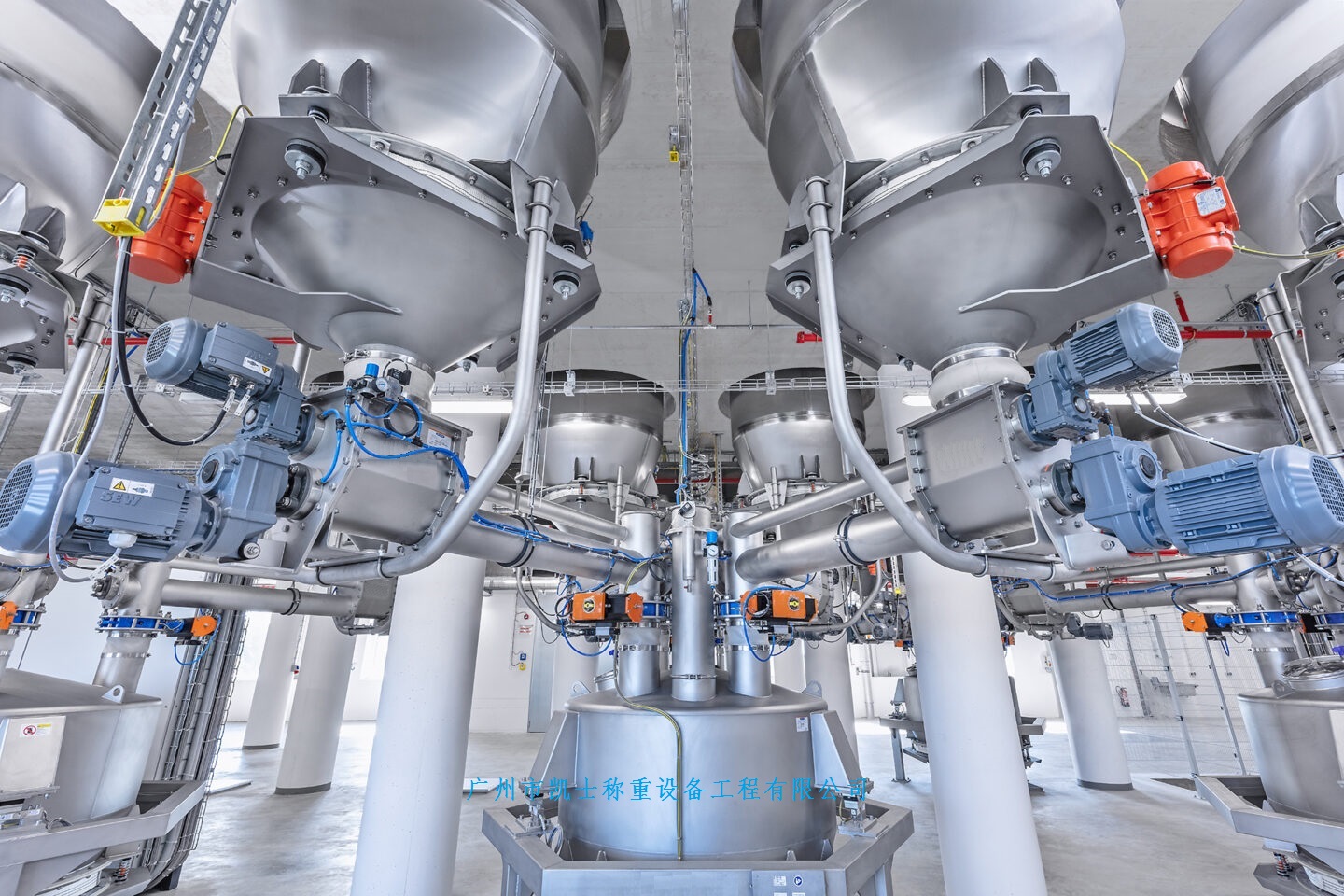
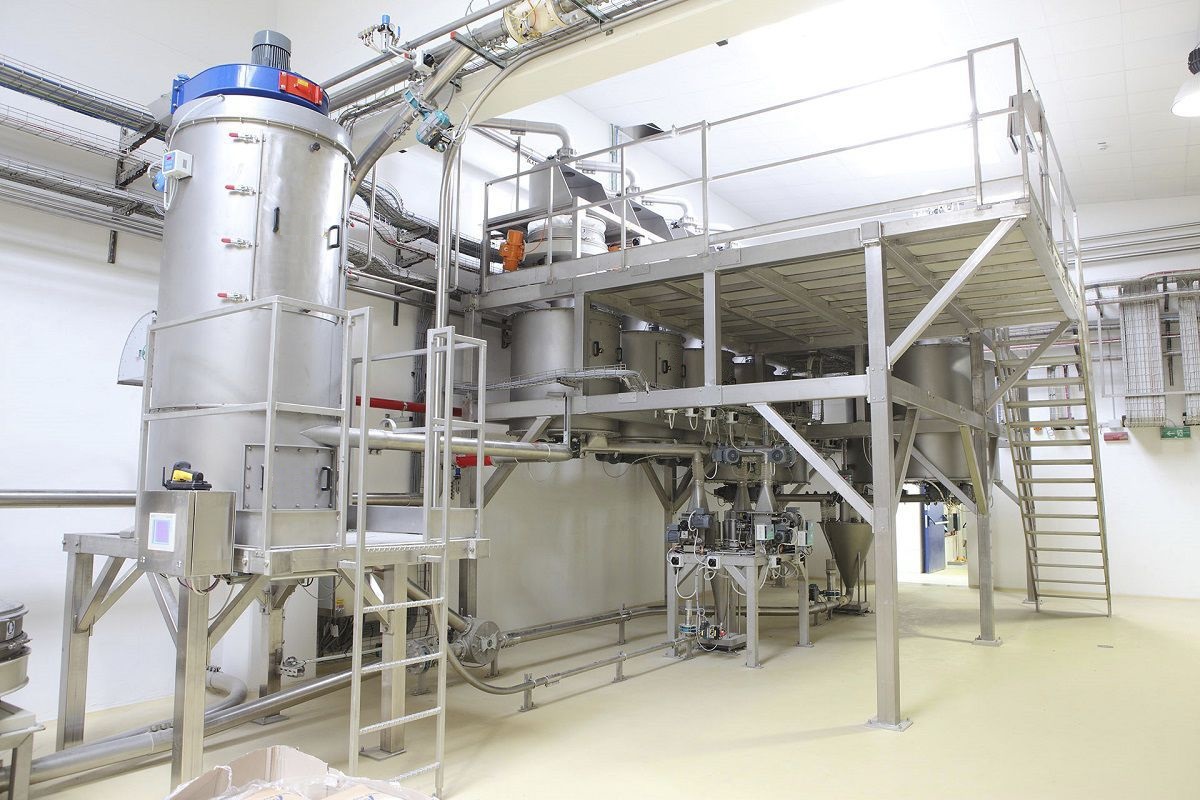
The feeding system adopts B/S structure to realize the intelligent management of dosage production and receiving report, completion report form, production progress report, etc. for flexible query to realize the finished product to the finished product traceability two-way traceability function of dosage feeding dynamic display. Raw material batching silo mainly will be a variety of powder, according to the technical center of the ratio given by a batching into the batching silo, to participate in the mixing and batching. In order to prevent the cylinder wall bonding, reduce resistance, with vibration motor in the mixing at the same time with vibration, humidification effect is relatively good.
(1)Add a humidifying and mixing mixer under the outlet of the silo, so that the raw materials in the bin, through the humidifying and mixing mixer humidification, mixing, increasing the particle size of the gas ash, small mixing materials and other raw materials, so that it will become a spherical material particles, inhibit the dust, and improve the miscellaneous ore silo of the material environment.
(2) In order to ensure the humidifying effect of humidifying and mixing, the medium pressure water of 0.6-0.9 MPa is used as the water source of humidifying and mixing, and the atomization effect when the water pressure passes through the nozzles of humidifying and mixing machine is better, which is conducive to full wetting; at the same time, one pipeline filter is installed in the inlet pipe of humidifying and mixing to prevent the nozzles of humidifying and mixing from being clogged; and one ball valve is installed in front of each nozzle, the The water inlet pipe in the pipeline filter before and after the installation of a shut-off valve, the ball valve in front of the nozzle is used to regulate the nozzle water, so that the humidification mixer humidification effect is optimal. Once the ball valve in front of the nozzle is adjusted, it will no longer be closed under normal circumstances, but the shut-off valve on the main pipe will be used to cut off the water supply, and a shut-off valve will be installed before and after the water inlet main pipe in the pipeline filter to facilitate the regular cleaning of sundries in the pipeline filter.
(3) mixer through the rotation of the mixing shaft, driven by the blades of the material in the mixing cylinder turn to do the arc movement, up and down, squeezing each other, at the same time in the mixing blades meet or overlap parts of the material to exchange each other's position, to promote the mixture along the direction of the movement of the mixing through the cycle of movement to make the material composition of the same composition of all the various regions to achieve the macroscopic significance of the mixing.