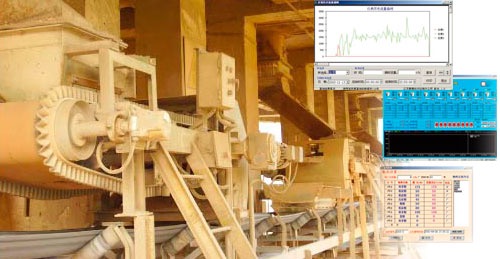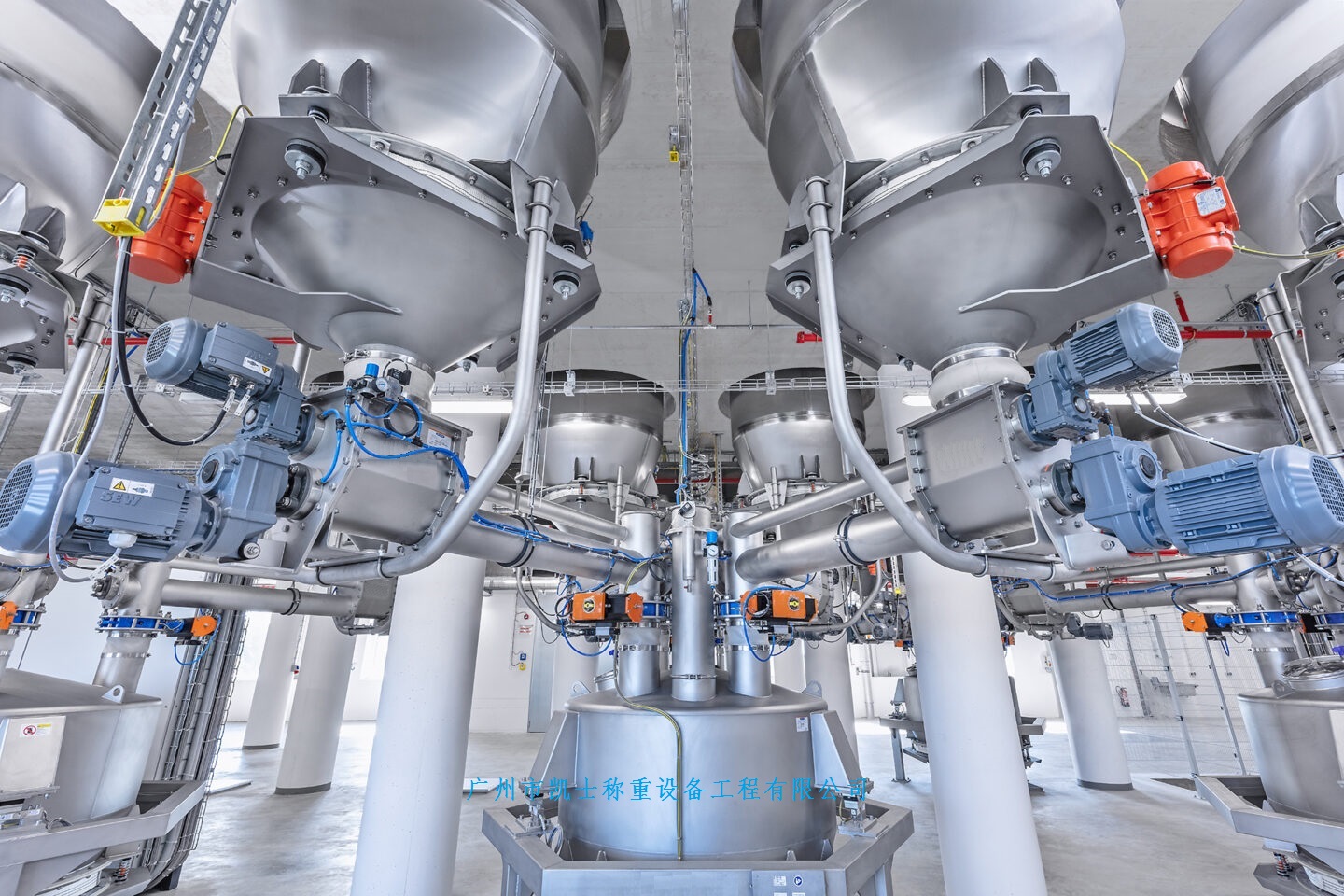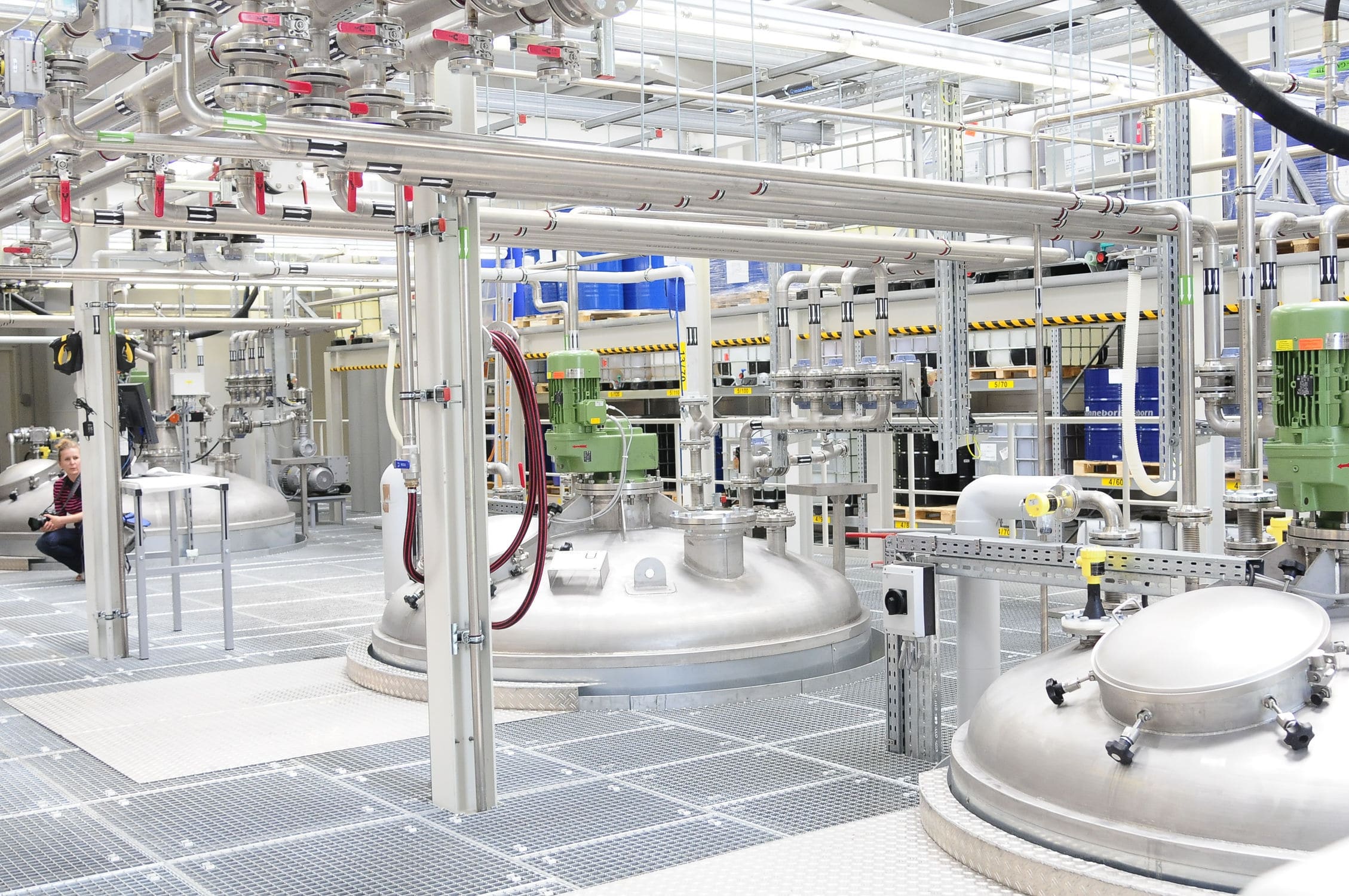


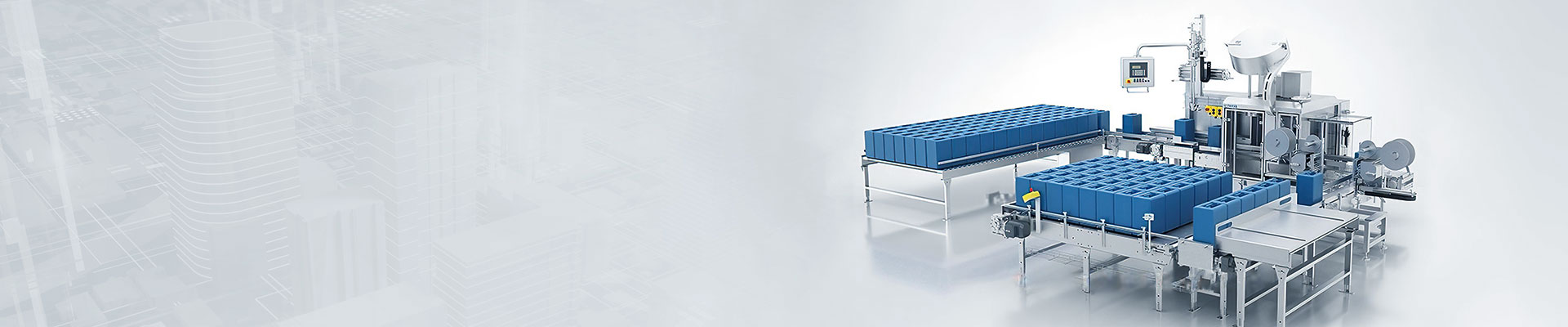



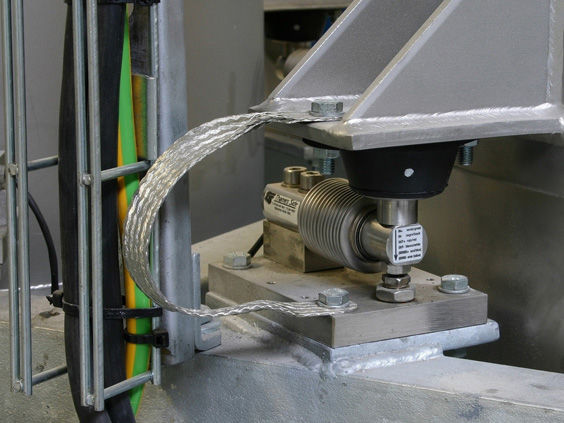
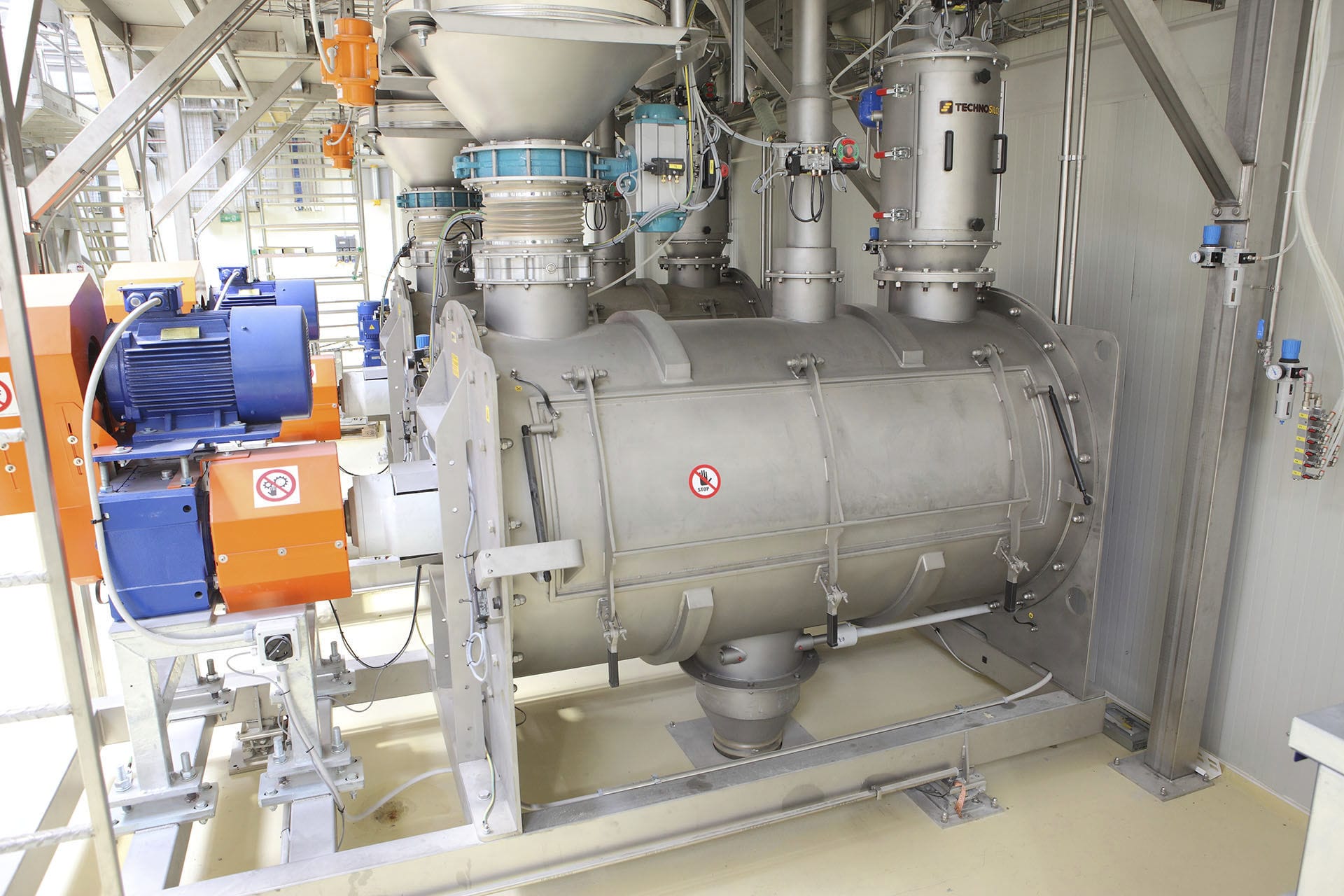
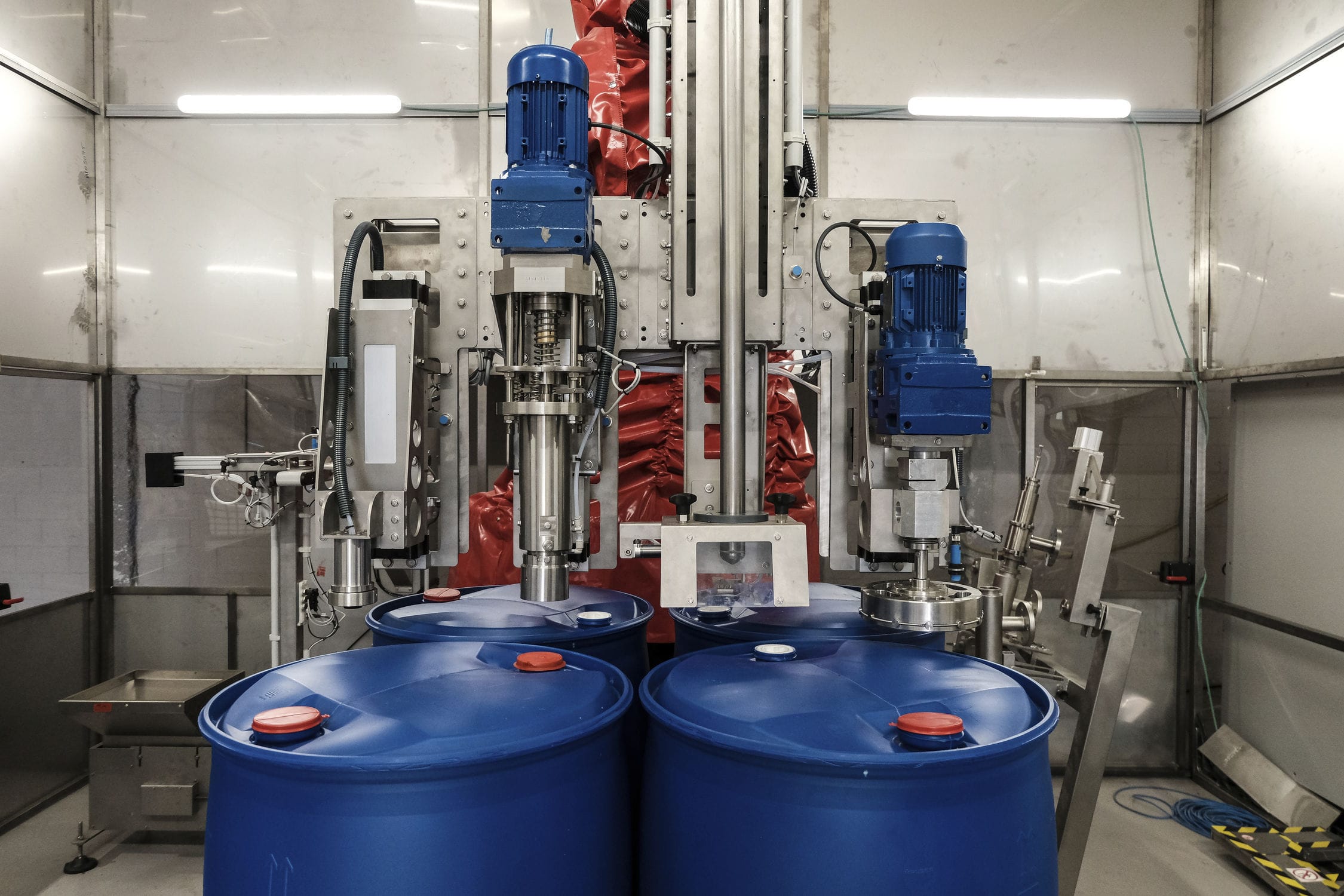
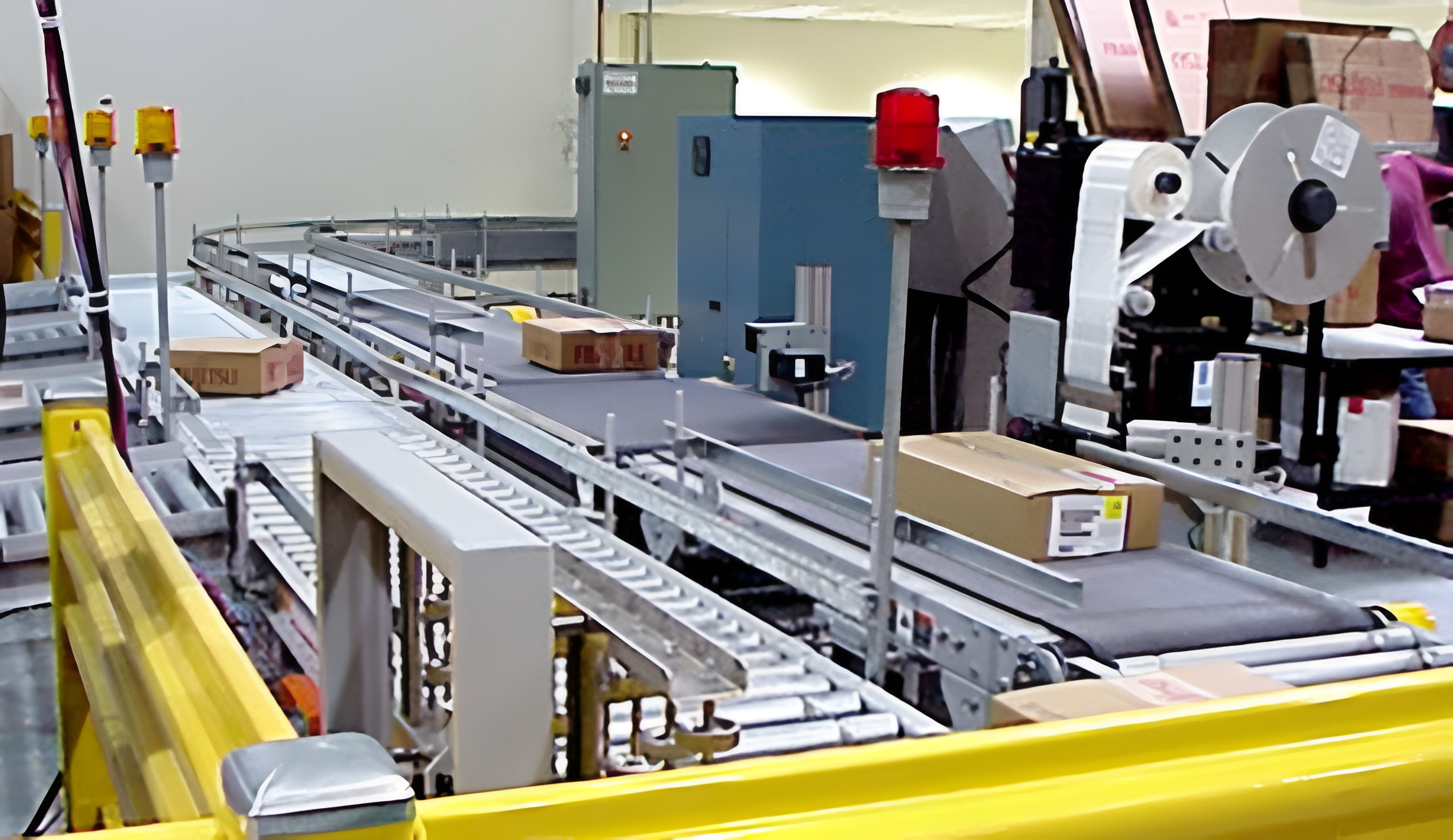
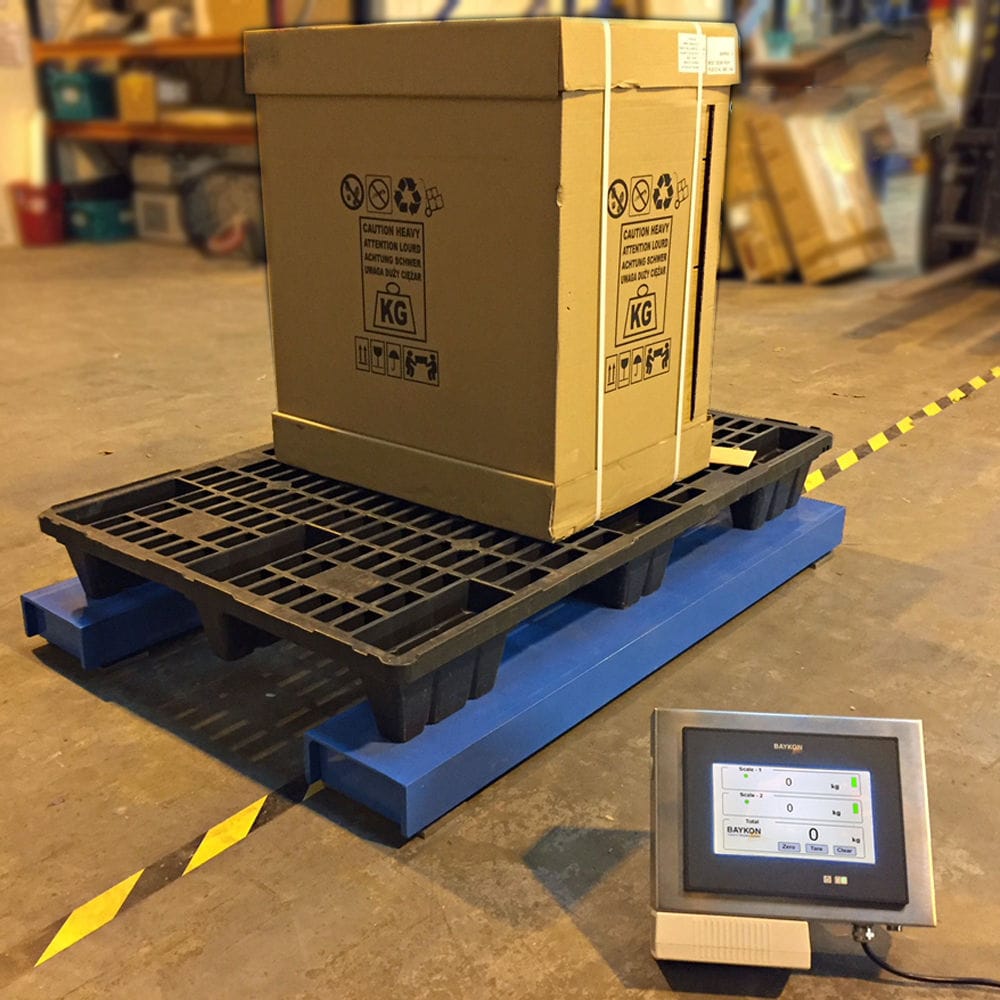


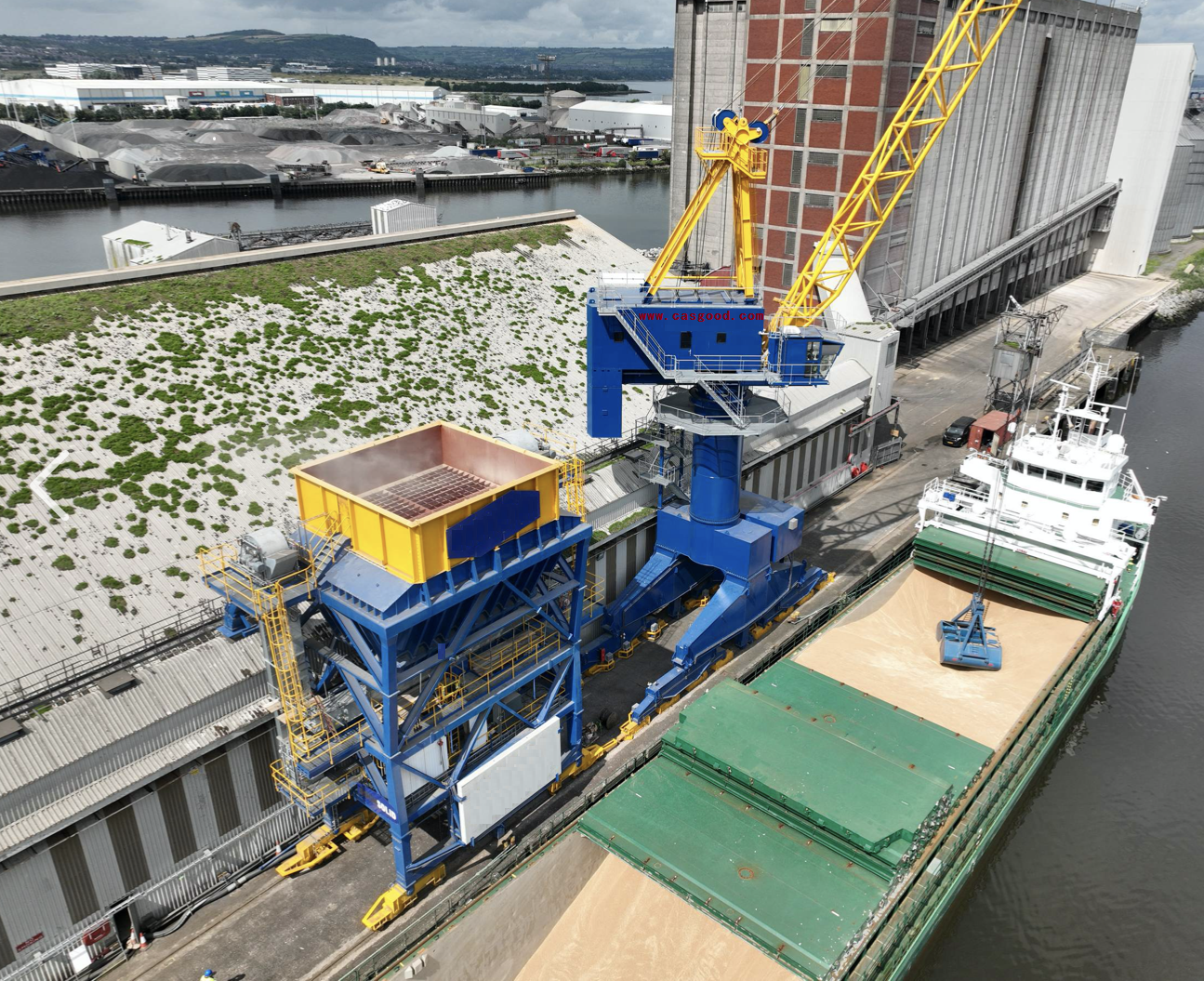
The Hopper belt electronic scale adopts the production of cantilever type weighing modules. It can be designed to output a 5-20mA signal for communication with the PLC controller. Four weighing modules are fixed at both ends of the two rails. A flatbed cart is installed on the rails and is controlled by a hydraulic motor to transport back and forth. When the hopper is pulled to the position below the collecting belt machine head, the displacement sensor detects it and the PLC controller directly clears the weight of the empty and the flatbed cart. When the net weight of the product reaches the set target quantity, the PLC controls the hydraulic motor to pull the heavy basket away and the hopper to be pulled in. Through the displacement sensor detection, the system sends a signal to remind the driver of the flatbed cart to lift the heavy basket away and replace it with the hopper at this position.

 020-34563445
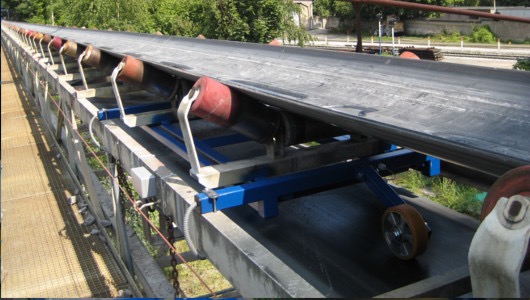
The Hopper belt Electronic scale is a continuous conveying equipment for loose materials that automatically measures the weight. When the belt conveys the materials, the weight of the materials on the weighing section acts on the weighing module through the belt weighing idler platform. The weighing module converts the weight into an electrical signal (mv level) and sends it to the weighing instrument. After amplification, filtering, and A/D conversion, it is transformed into a digital signal. The speed sensor installed on the return belt converts the speed signal of the belt into a pulse signal and sends it to the weighing instrument. The weighing instrument performs integral operation on the two signals to obtain the cumulative weight of the materials and display it. The belt electronic scale uses a standard control cabinet, which contains a PLC frequency converter controller and its corresponding relays and other related control instruments. The height of the belt head and the position of the flat car are measured and detected by the weighing module and displacement sensors respectively and then connected to the control cabinet. Then, the PLC controller directly performs frequency control on the hydraulic motor and cylinder electromagnetic valves. There are also multiple control points in the cabinet, which are used for the interlocking protection of the lifting cylinder of the belt head and the hydraulic motor of the flat car. By modifying and setting the controller parameters, the final effect of effectively controlling the height of the belt head lifting and the loading weight can be achieved, thereby achieving the effect of automatic weighing and product protection from crushing.
The Hopper belt electronic scale adopts a suspended type weighing module that can be designed to output 5-20mA signals for communication with the PLC controller. Four Weighing modules are fixed at both ends of the two rails, and the flat car is installed on the rails to be controlled to travel back and forth by the hydraulic motor. When the hopper is pulled to the position below the belt head by the flat car, the position is detected by the displacement sensor, and the PLC controller directly clears the weight of the empty and flat car. When the net weight of the product reaches the set target quantity, the PLC controls the hydraulic motor to pull the basket away and the hopper to be pulled into this position. Through the displacement sensor detection, the system sends a signal to remind the driver of the flat car to lift the basket away and replace it with the hopper at this position.
Material crushing prevention is achieved by reducing the movement speed of the object and prolonging the collision time. Two auxiliary rollers are installed at a vertical position between the auxiliary roller and the belt head roller, and the hydraulic motor controls the flat car to transport the material back and forth on the rails. When the hopper is pulled to the position 2m below the drum of the belt head, the displacement sensor detects it, and the PLC controller directly clears the weight of the empty and flat car. When the net weight of the material reaches the set target quantity, the PLC controls the hydraulic motor to pull the basket away and the hopper to be pulled into this position. Through the displacement sensor detection, the system sends a signal to remind the driver of the flat car to lift the basket away and replace it with the hopper at this position.
When the weighing belt machine starts to measure, the materials fall into the hopper scale from the belt scale. Most of the materials pass through the wide conveying slot and fall into the dual-use hopper, and the remaining small part falls directly into the electronic scale hopper through the narrow conveying slot. At this time, the dual-use hopper droops, and the materials slide along a certain slope into the electronic scale hopper. When the mass of the materials in the electronic scale hopper approaches the set value, the dual-use hopper up and stops supplying materials, and the materials can only fall into the electronic scale hopper through the narrow conveying slot. Since the narrow conveyor belt can only allow a small amount of materials to slide into the electronic scale hopper, at the same time, the up dual-use hopper stores a certain amount of materials (the storage capacity is determined by the height of the overflow baffle and the time and angle of the dual-use hopper up). When the mass of the materials in the electronic scale hopper reaches the set value, the supply is stopped, the electronic scale hopper opens, and the materials are unloaded to the receiving device. After the unloading is completed, the electronic scale hopper closes, and the dual-use hopper droops, and the stored materials fall into the electronic scale hopper again, starting the next cycle. Since the dual-use hopper has stored materials at the beginning of the new cycle, there is no need to start the measurement from zero, which greatly improves the measurement efficiency.