









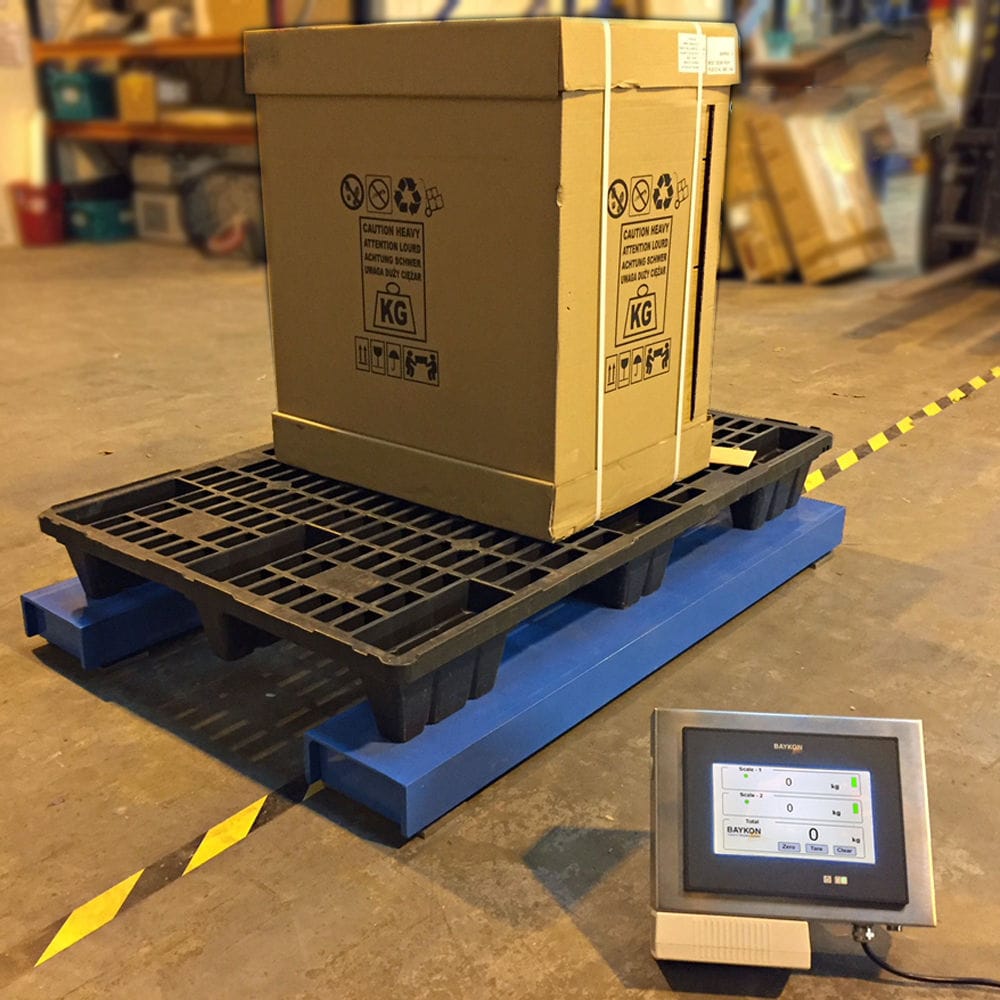


The aircraft wheel spacing weighing system integrates high-integration and high-intelligence processing units within the weighing platform. It converts analog signals, performs filtering and other pre-processing, and conducts digital compensation before outputting digital signals. The weighing instrument or the computer used collects the output data from each weighing platform in real time and processes it for display. By adopting a digital aircraft weighing system, each weighing platform within the system can be individually addressed, enabling monitoring and fault identification for each platform.

 020-34563445
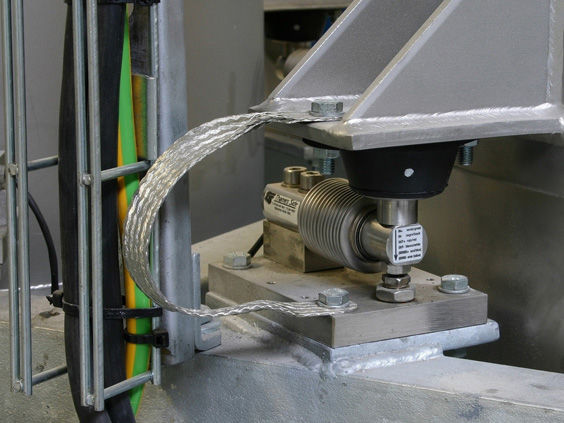
The aircraft wheel spacing Weighing system collects the force value data signals sensed by the ground scale through the system, and calculates these signals using computer software to obtain the coordinates of the aircraft's center of gravity. The platform weighing system measures the force on the aircraft's landing gear or the support jack of the aircraft to weigh the aircraft and determine its center of gravity; the platform scale system measures the force on each wheel or jack independently, which is called wheel weight measurement. Each scale platform uses four Weighing modules to support the scale platform surface, and this is the most common structural form of the platform weighing system.
The aircraft wheel spacing weighing system uses highly integrated and intelligent processing units inside the weighing platform to convert analog signals, filter them, and perform digital compensation before outputting digital signals. The weighing instrument or the computer used in real-time collects the data output by each weighing platform and processes it before displaying it; using a digital aircraft weighing system allows each weighing platform within the system to be addressed individually, enabling monitoring, fault identification, and separate processing of each weighing platform's weighing information, significantly enhancing the control ability, flexibility, and intelligence of the weighing system. This feature creates conditions for using the principle of platform scale balance and the actual aircraft weighing system to measure the wheel spacing of aircraft; after the scale platform is calibrated, the zero point value and full load (net output) value of each weighing platform are stored in the instrument or computer software. When recalibrating the scale platform, it can be compared with the previous calibration values. This feature makes the stability monitoring of the weighing platform on the scale platform simple; the digital weighing system can directly process the raw weighing data provided by each weighing platform. Each weighing platform can provide a resolution higher than 20 bits, equivalent to 1,000,000 counts. The system can provide 4x1,000,000 counts for analysis, which is very beneficial for the measurement of multiple aircraft models using a single weighing system.
The structure of the platform scale generally consists of the scale platform supported by 4 or multiple weighing platforms through floating supports. The floating supports use steel balls and ball sockets or "unstable figure" structures, both of which are rolling friction, while before the aircraft is placed on the scale platform, the friction coefficient between the aircraft wheels and the ground is greater than the rolling friction coefficient of these two structures. The constraints of the aircraft's landing gear are released on the scale platform, causing the scale platform to deform outward, which affects the measurement accuracy of the aircraft wheel spacing. Therefore, displacement weighing platforms need to be installed between the X and Y directions of the scale platform surface to compensate for this, ensuring the measurement accuracy of the aircraft wheel spacing.
The weighing platform uses jack to lift the aircraft on the platform scale surface for aircraft weight and center of gravity measurement. Due to the deformation of the support force of the aircraft wings and fuselage and the adjustment of the aircraft support posture, the scale platform is subjected to lateral forces, directly affecting the measurement accuracy of the system; in addition to installing displacement weighing platforms between the upper and lower surfaces of the scale platform for compensation, anti-lateral force sliders can also be added under each jack foot to compensate for the displacement deviation caused by aircraft lifting or aircraft posture adjustment. The anti-lateral force slider is composed of an upper slider, a lower slider, and an elastic return body, and the contact surfaces of the upper and lower sliders use materials with a very small friction coefficient. During use, when the upper slider is subjected to lateral force, the upper slider can compress the elastic return body, achieving a 360° ± 30mm sliding range. After measurement, it automatically returns. The aircraft wheel spacing measurement and weighing instrument and the measurement software adopt the instrument used for aircraft weight and center of gravity measurement. The software is integrated and unified with the software used for aircraft weight and center of gravity measurement. The software is designed according to certain specifications, with a modular and open structure design. It has strong universality and portability, and is easy to maintain and use.


