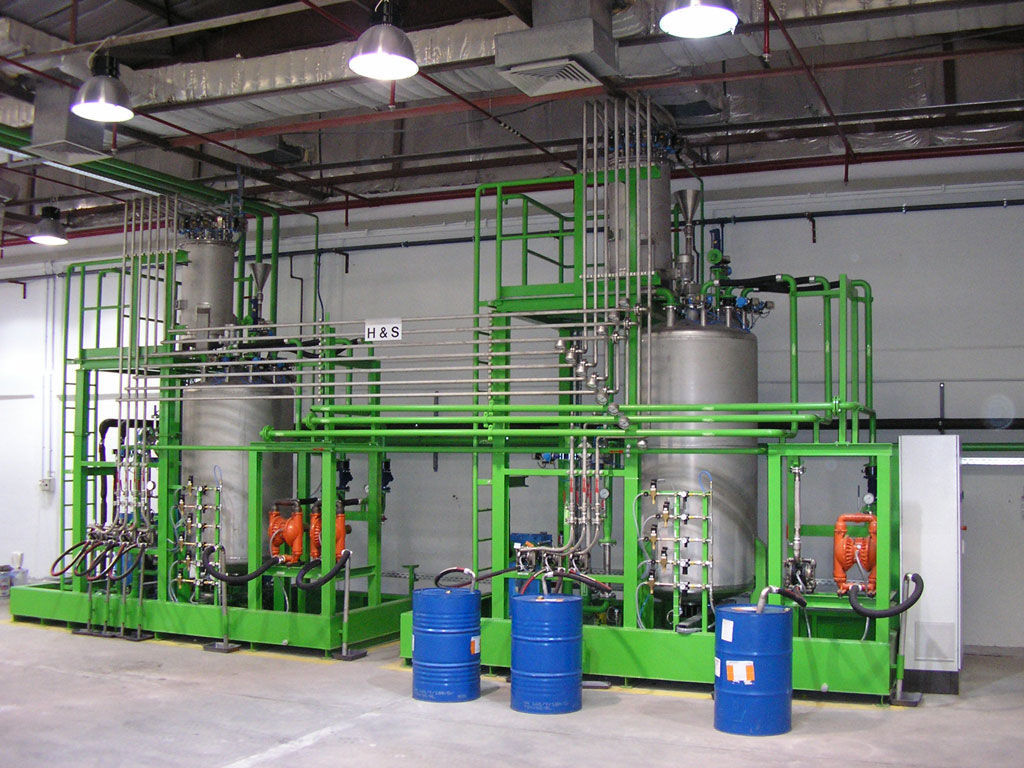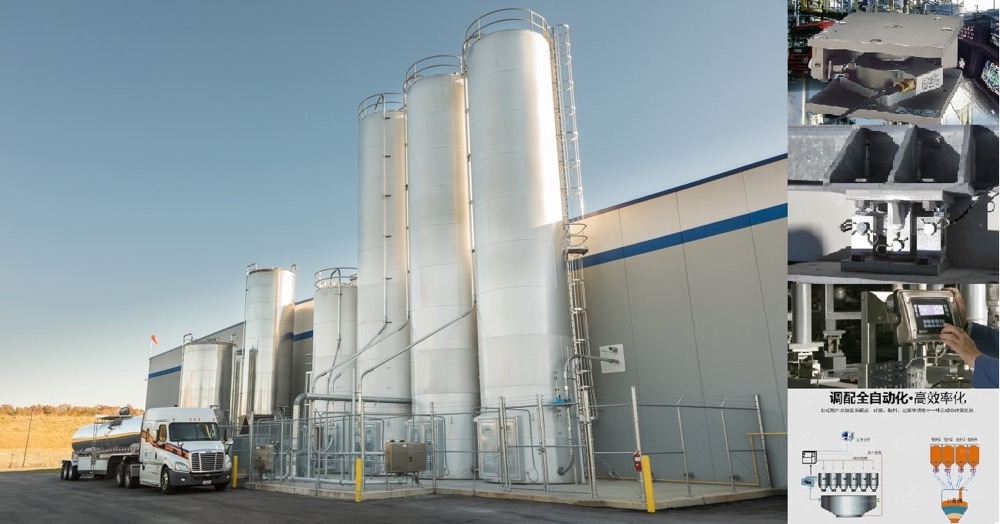




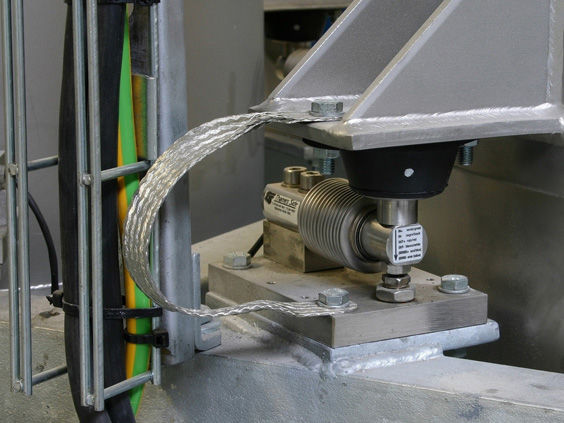
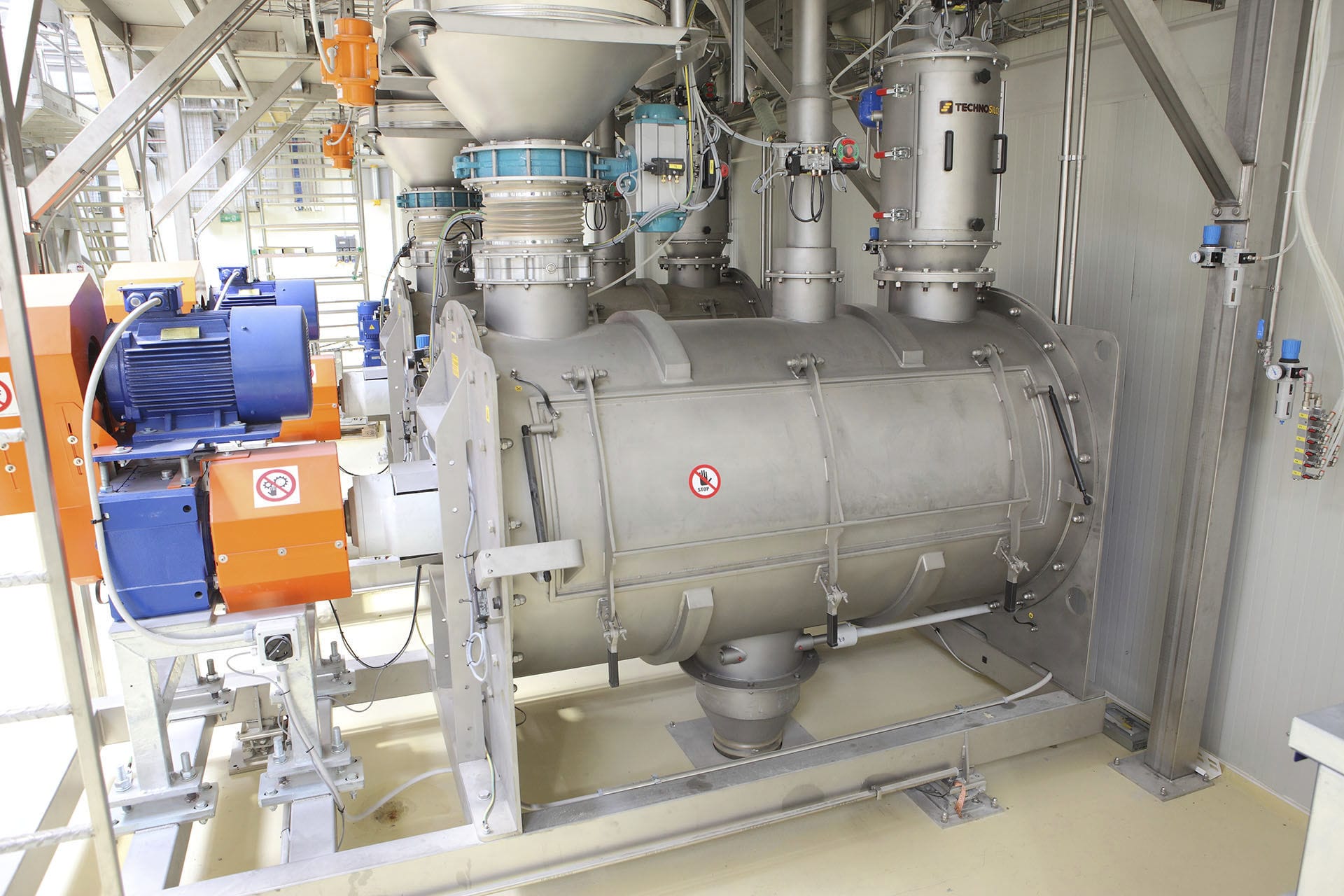
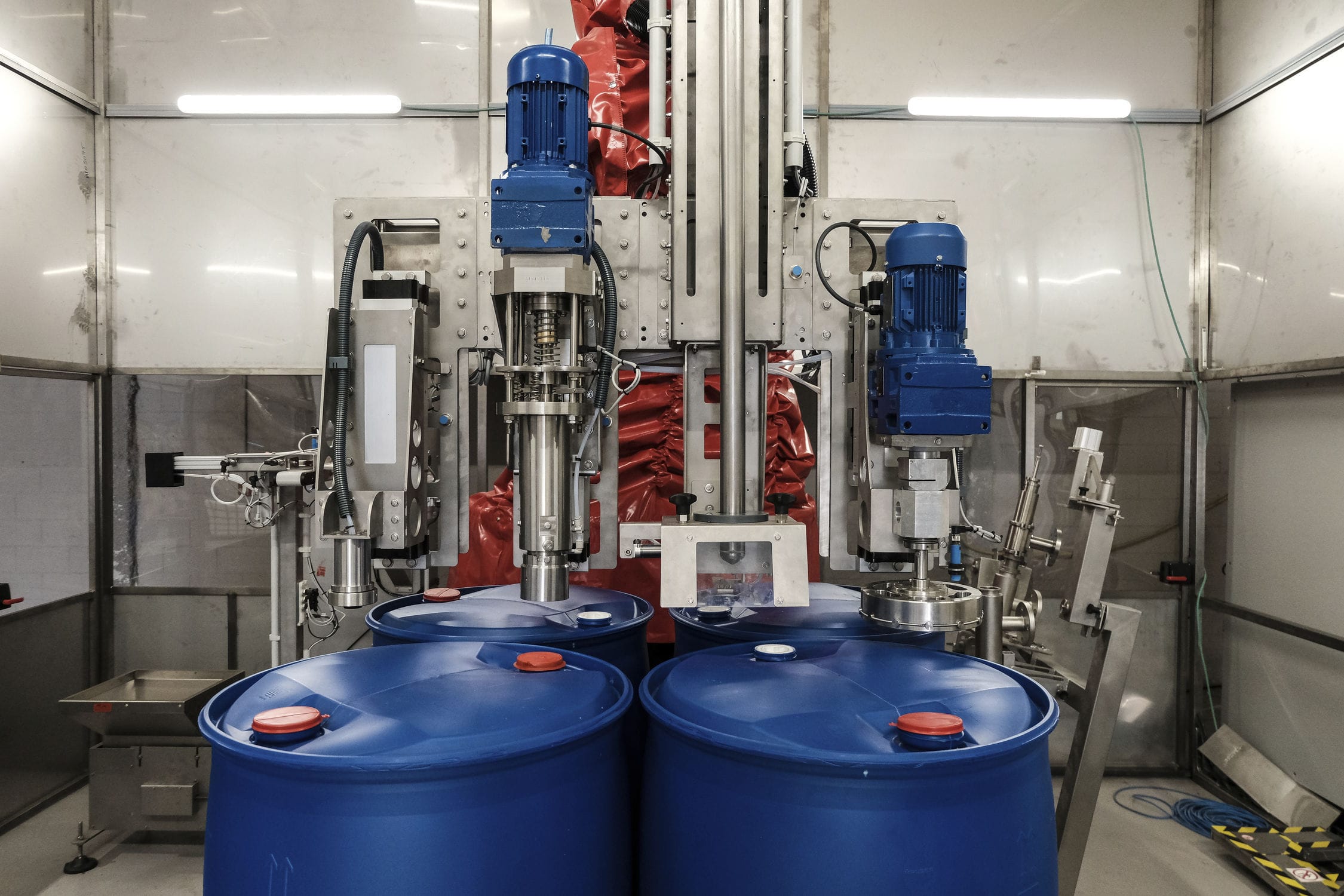
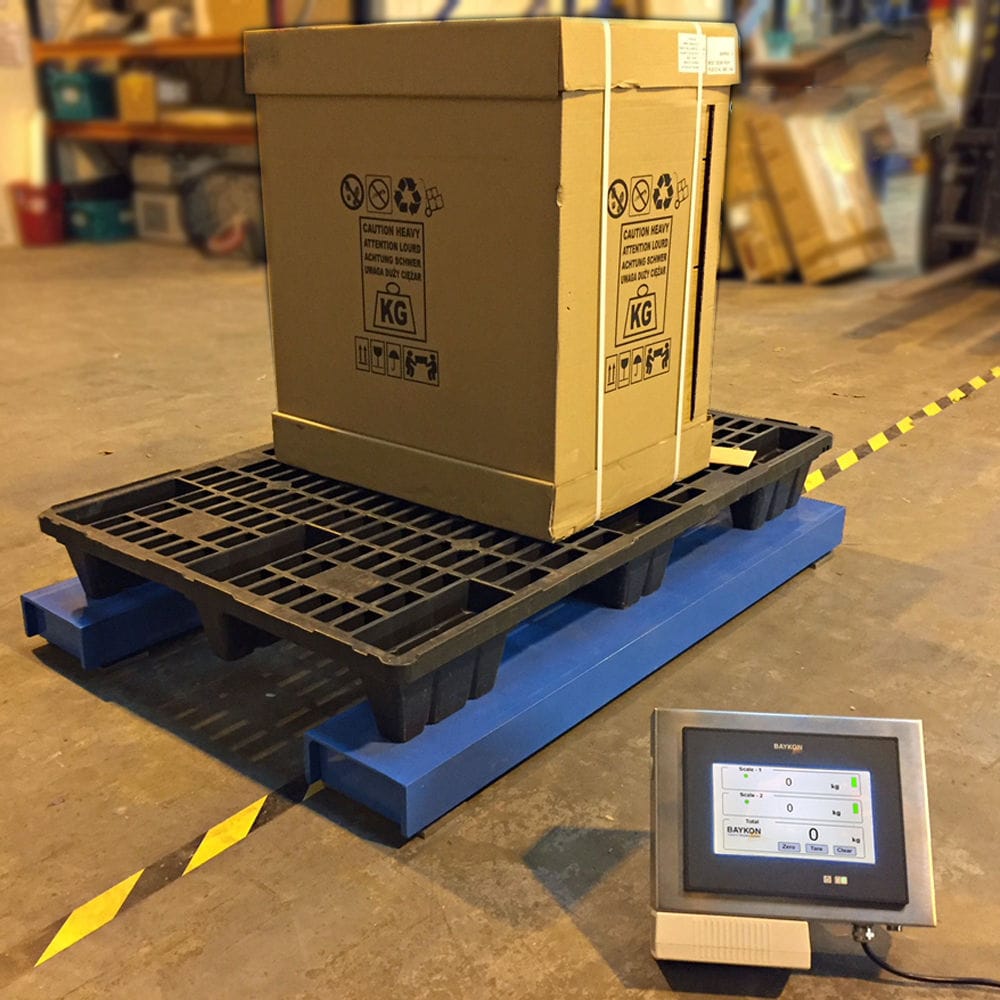


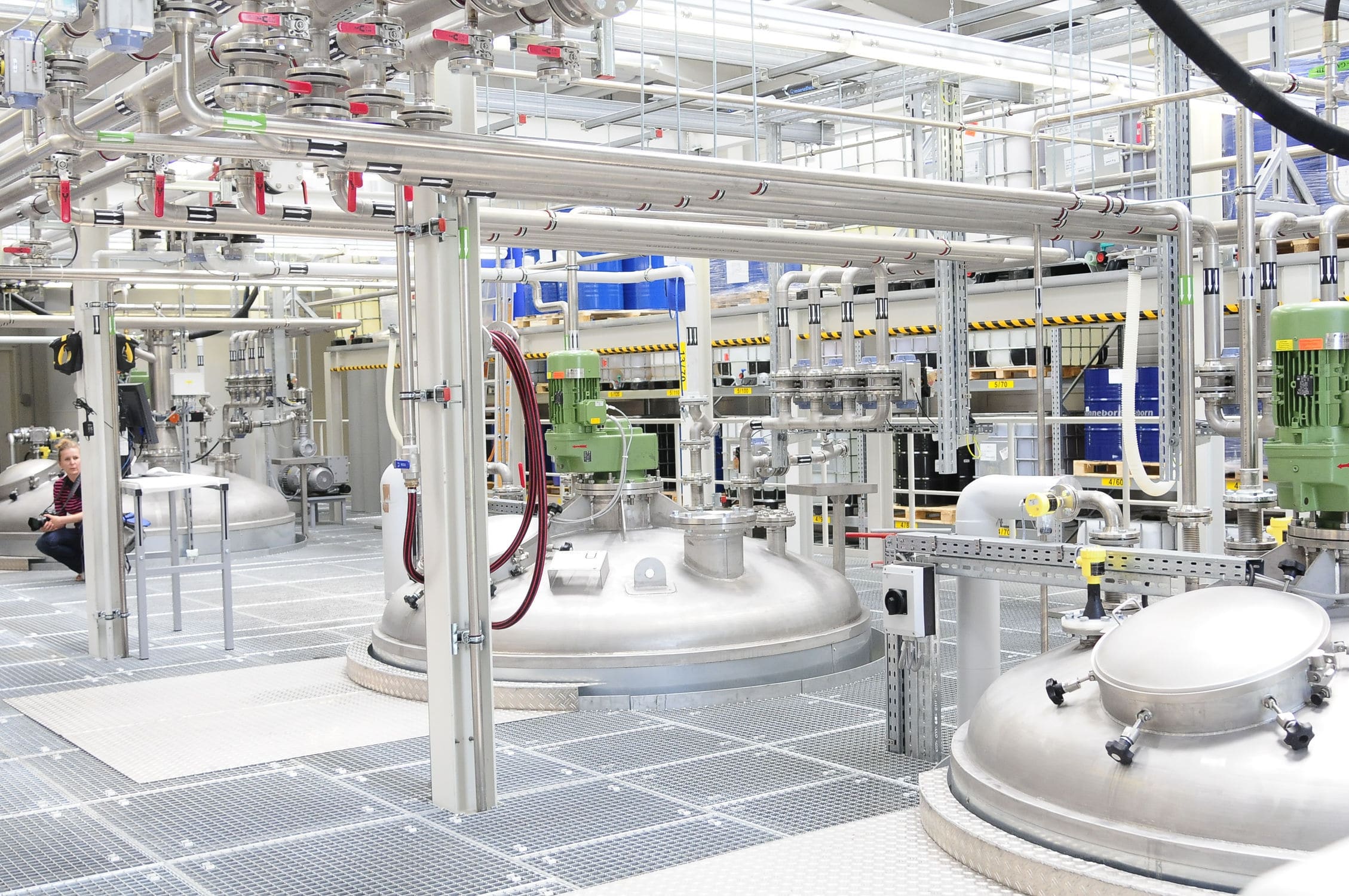
The Pressure weighing system of the reaction vessel converts the on-site temperature and weight into A 4-20mA current signal through the temperature transmitter and weighing instrument, and transmits it to the analog input port of the PLC. The A/D converter then converts the current signal into a digital quantity. After the CPU's operation processing and range conversion, the actual temperature and real-time weight inside the reaction vessel are obtained. Then, the obtained temperature and weight values are fed back to the PLC controller, and the measured values and the set values are subjected to PID operation to obtain the corresponding control quantity. After being converted into A 4-20mA current signal by the D/A converter, it is output to the actuator (intake regulating valve) to change the opening degree of the intake regulating valve, thereby achieving automatic regulation of the temperature and actual capacity inside the reaction vessel.

 020-34563445
The Pressure reactor Weighing system is A single-loop weighing system composed of A PID controller, D/A converter, actuator (intake regulating valve), reactor, weighing module, temperature transmitter and A/D converter. The temperature transmitter and weighing instrument convert the on-site temperature and weight into A 4-20mA current signal and send it to the analog input port of the PLC. The A/D converter then converts the current signal into a digital quantity. After the CPU's operation processing and range conversion, the actual temperature and real-time weight inside the reaction vessel are obtained. Then, the obtained temperature and weight values are fed back to the PLC controller, and the measured values and the set values are subjected to PID operation to obtain the corresponding control quantity. After being converted into A 4-20mA current signal by the D/A converter, it is output to the actuator (intake regulating valve) to change the opening degree of the intake regulating valve, thereby achieving automatic regulation of the temperature and actual capacity inside the reaction vessel.
The weighing of the reaction vessel can be carried out through the operation interface, where the set values such as the temperature inside the vessel, flow rate, liquid level in the storage tank, liquid level, pressure and temperature in the material tank can be set. The PLC and the upper computer control according to the set values. Throughout the entire production process, to ensure the safety and smoothness of the production line, there are requirements such as sequential control, continuous parameter adjustment, limit alarm, toxic nitrogen concentration monitoring alarm, interlock protection, etc. The design includes management modes such as parameter setting, query, modification, historical record, and monitoring operation. All data is stored in the PLC and the upper computer hard disk.
After the reactor gives the displacement command, first open the nitrogen control valve. When the pressure in the reactor reaches the set value, close the nitrogen control valve and open the vacuum control valve of the reactor. When the pressure drops to the set value, close the vacuum control valve and then open the nitrogen control valve. When the pressure rises to the set value, close the nitrogen control valve and check whether the oxygen concentration in the reaction vessel is lower than the set value. If the concentration is not lower than the set value, repeat the above process until the detected oxygen concentration is lower than the set value, at which point the nitrogen displacement is completed. To ensure the reliability of the nitrogen displacement process, it is generally required that the number of nitrogen displacements be no less than a certain value (such as 3 times). That is, when the number of displacements is less than 3 times, even if the detected oxygen concentration is lower than the set value, the displacement still needs to reach 3 times before it can be completed.
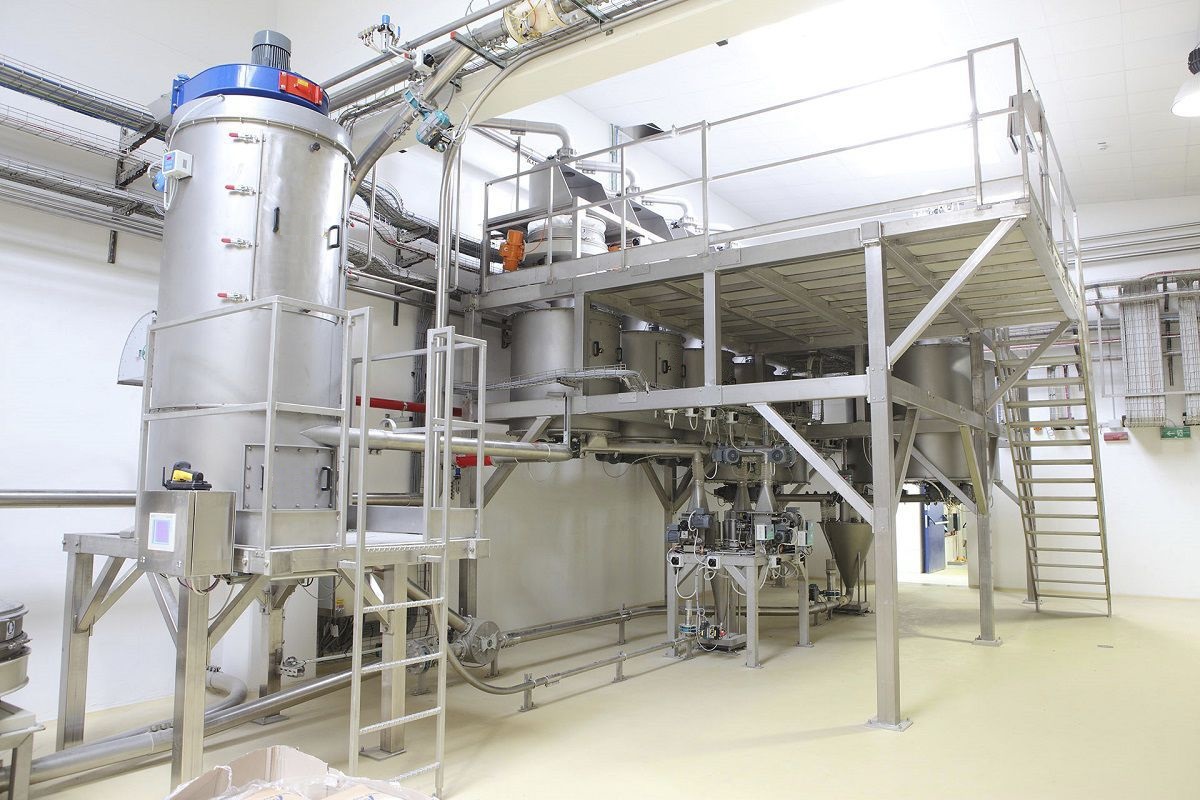
During the pre-purging stage, the opening degree of the control valve is set in advance to determine the flow rate of nitrogen for transportation, ensuring a certain amount of gas volume to purge the transportation pipeline once. The purpose is to inspect and prevent pipeline blockage. After the rotary valve is activated, the flow rate of nitrogen for transportation increases, the transportation pressure rises, and the nitrogen flow rate changes dynamically with the variation of the transportation pressure. Since the initial fluidization of materials is involved in this stage, the setting of the conveying air volume is very important. After the rotary valve stops, the secondary conveying begins. The regulating valve controls the conveying air volume at the pre-set conveying air volume value, with the aim of ensuring that no material remains in the pipeline. The final pipe cleaning and purging is a high-volume purging operation carried out when the material conveying stops. The purpose is to clean the material inside the pipeline thoroughly to prevent pipeline blockage during the next material conveying.