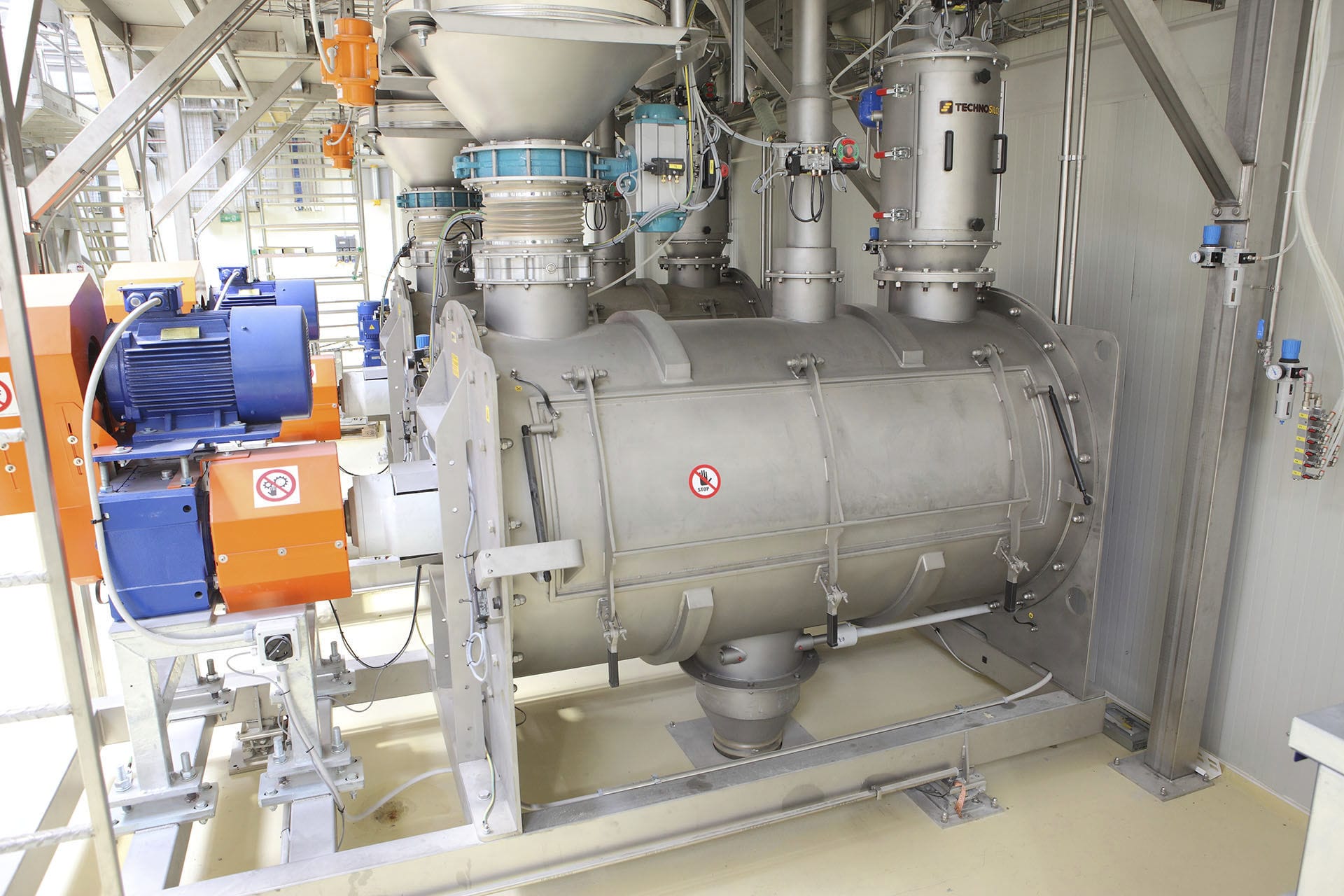










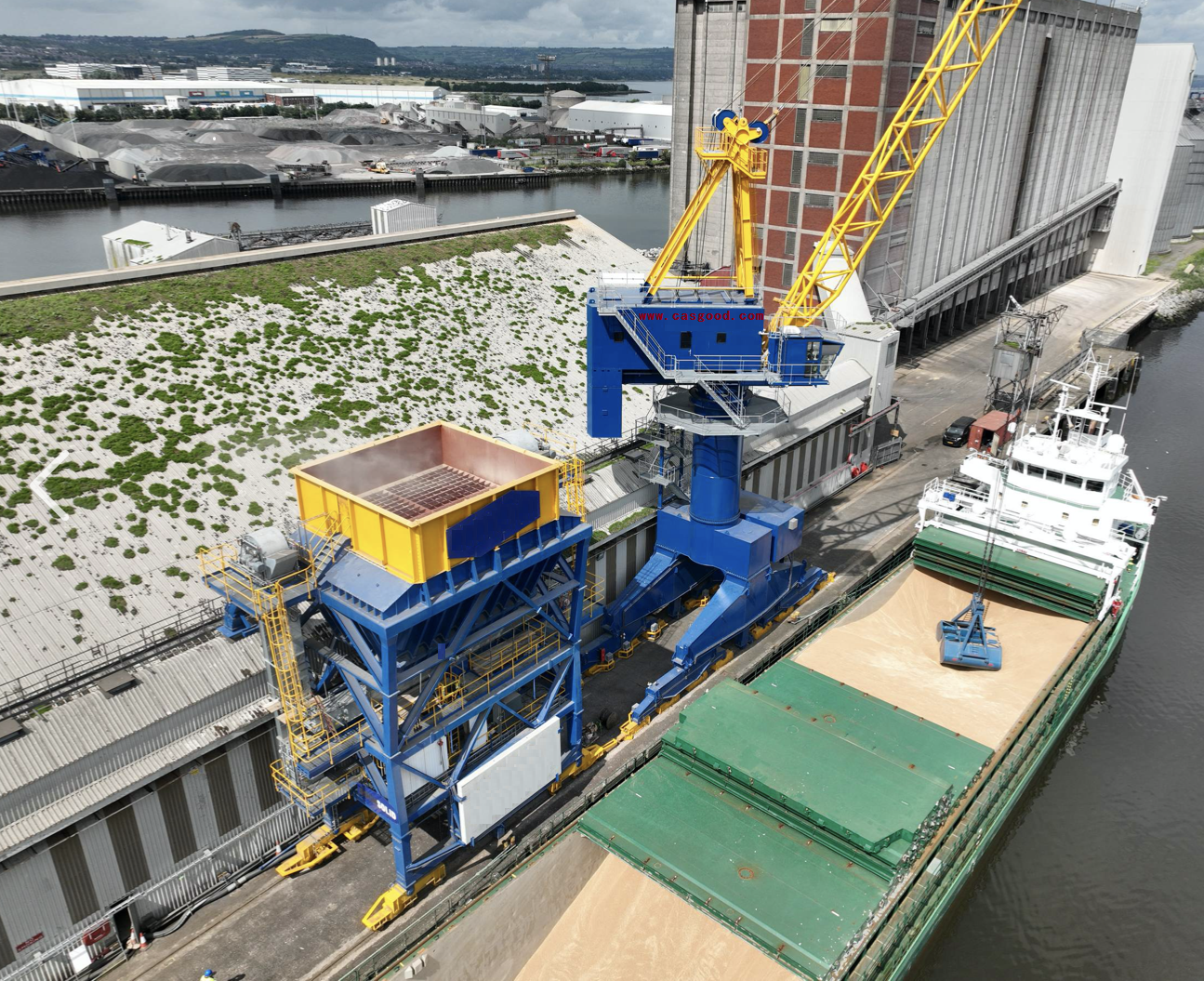
The structural layout of the Quantitative hopper scale is as follows: grab → hopper scale → feeding hopper → feeding belt conveyor → electric three-way → wharf belt conveyor. It is composed of a hopper scale, an electro-hydraulic arc-shaped gate, a weighing module, a threshold type support steel structure, etc. The hopper scale is not firmly fixed on the steel structure of the ship unloader, but a set of sill support steel structure is designed for this hopper scale. The frame-supported steel structure is composed of the support beam of the hopper scale, the door legs on the river side and the door legs on the land side of the pulley, as well as the connecting reinforcement beam.

 020-34563445
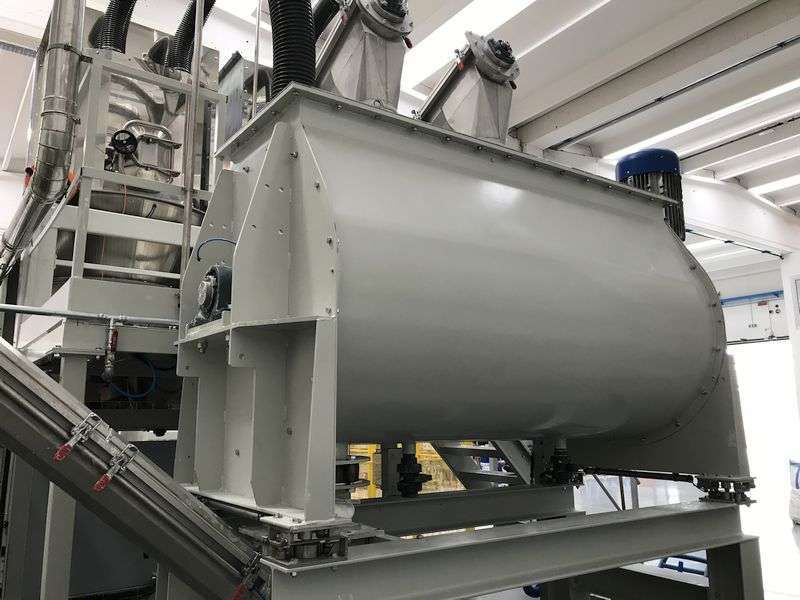
The automatic hopper scale Weighing system mainly consists of the storage hopper, the arc-shaped feeding door and the rotating shaft, the cylinder and the spline. The cylinder is connected to the rotating shaft of the arc-shaped feeding door through the spline, thereby driving the opening and closing action of the arc-shaped feeding door. This weighing system adopts a single arc-shaped feeding door structure and performs two steps of feeding. The system controls each feeding step according to the set single package weight value and feeding quantity, and finally compensates for the weight difference of the dropped material during the fall to complete a feeding measurement process. The hopper scale is composed of the support, the weighing module fixed on the support, the hopper fixed on the weighing module, the feeding air-driven device and the feeding vibration device set above the feeding inlet of the hopper, and the feeding device set below the discharge outlet of the hopper; and the weighing module, the feeding air-driven device, the feeding vibration device and the feeding device of the hopper scale are respectively controlled and connected by electrical control components; the electrical control components include the feeding relay, the discharging relay, the feeding relay and the feeding frequency converter, and the feeding frequency converter is driven by the feeding motor.
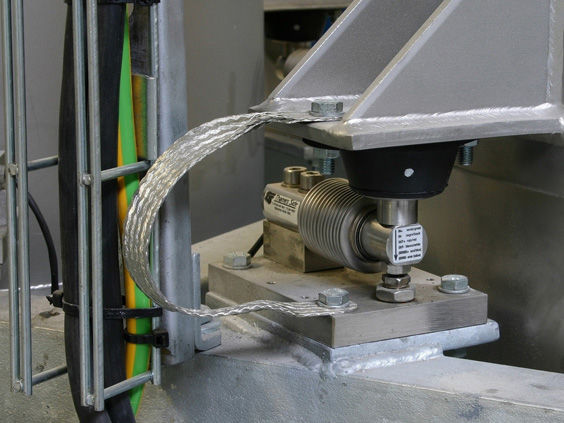
The hopper scale consists of a weighing hopper, weighing module, calibration weights, arc gate, receiving hopper, feeding equipment. Under the condition of keeping the equipment static, the weighing module of the weighing hopper is calibrated with weights. Then the equipment starts to feed materials, and the weighing process is completed in the weighing hopper. Then the arc gate is opened to put the materials into the receiving hopper and transfer them through the discharge belt machine. After all the tested materials pass through the belt scale, the data of the belt scale is obtained. Therefore, the data of the hopper scale can be used to calibrate the belt scale. This weighing system consists of the hopper scale, electro-hydraulic arc-shaped gate, weighing module, threshold-type supporting steel structure, etc. The hopper scale is not fixedly connected to the steel structure of the ship unloader, but a threshold-type supporting steel structure specifically designed for this hopper scale is provided. This frame supporting steel structure consists of the hopper scale support beam, the side legs of the take-off wheel on the river side and the side legs on the land side, as well as the connecting and reinforcing beam. The side legs of the take-off wheel on the river and land sides pass through the river and land side crossbeams of the ship unloader and are directly supported on the dock track; the support beam is erected on the side legs and the hopper scale is set up on the support beam through 4 sets of pin-type Weighing modules. The entire threshold-type supporting steel structure is suspended independently from the ship unloader body and does not interfere with each other. It is only connected to the ship unloader by an electric plug. When the ship unloader's main trolley moves, the hopper scale system is connected to the ship unloader by the electric plug, and realizes synchronous movement with the ship unloader through the legs' walking wheels; when the ship unloader stops moving and the hopper is loading materials, the electric plug automatically disengages and is independent of the ship unloader. At this time, the weighing system operates independently based on the dock track and directly transmits to the river and land side dock tracks, and is not affected by the shaking and impact of the entire machine during the ship unloader's operation, and does not interfere with each other. At this time, the weighing and measurement are carried out, and static measurement is achieved. The interconnection of the door legs and the load-bearing beams of the entire supporting steel structure adopts the form of flange connection, which is convenient for the rapid installation and disassembly of the structure.
When the ship unLoading machine is in operation, static weighing and measurement of the materials are carried out. The material is weighed using the hopper weighing method. The ship unloading machine is equipped with two layers of hoppers. The upper layer is a smaller hopper scale (with an independent steel structure support system, independent of the ship unloading machine body and not interfering with each other; the support parts of the hopper body are equipped with multiple high-precision weighing modules), and the lower layer is a larger feeding hopper. The structure layout of this static weighing system is as follows: hopper → hopper scale → feeding hopper → feeding belt conveyor → electric three-way valve → dock belt conveyor. After the material is fed in this way, when the upper hopper runs above the hopper scale, the material will be placed in the weighing pond to wait for the impact to be stable, and then the weighing module will measure the mass of the material taken by the hopper scale. Then, the hopper scale gate opens, closes the gate, and the mass of the residual material in the hopper scale is measured. This is the material placed in the feeding hopper. The total time for one material weighing (waiting time + weighing time + opening and closing gate time) should be less than the time of one working cycle of the upper hopper. Wait for the next working cycle of the upper hopper to enter material for the second weighing, and obtain the mass of the material placed in the feeding hopper in the second time. The ship unloading machine operates continuously, and the above process repeats, so the total mass of the material taken by the upper hopper can be measured. When 2 to 3 hoppers of materials fall into the feeding hopper, the electro-hydraulic gate below the feeding hopper starts to open, and the feeding belt conveyor continuously and uniformly feeds the dock elevated belt conveyor through the feeding belt conveyor.