



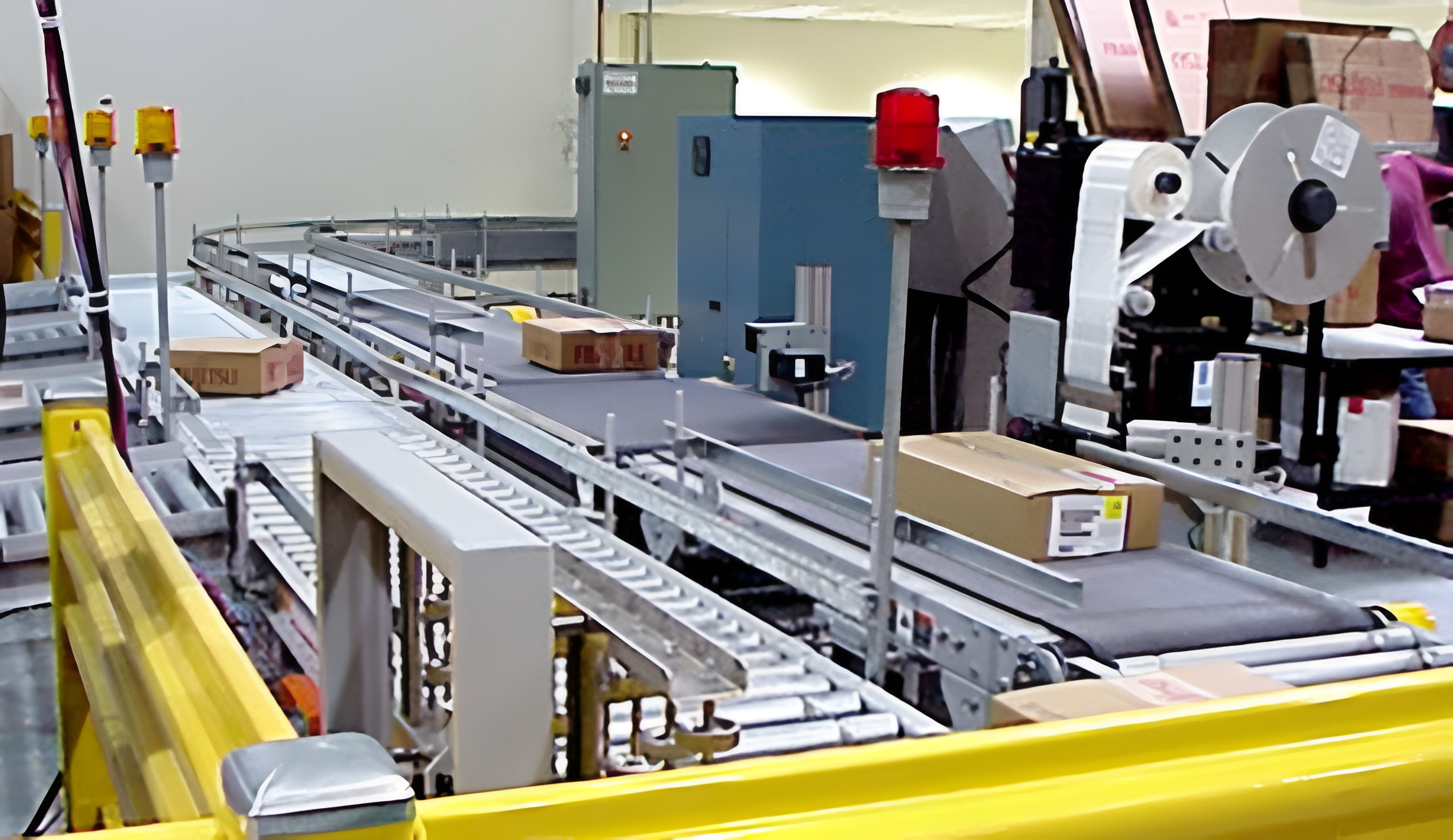


The batching system adopts the master-slave structure, with the industrial computer as the upper host and Siemens PLC, frequency converter and weighing instrument as the lower slave. The host is in the dominant position to realize the communication management and control of each slave computer. The RS-232 asynchronous communication interface of the industrial computer is connected to the PLC after the level conversion, forming a physical channel for the communication between the upper and lower computers. Another RS-232 port of the host is connected to the communication port of the weighing instrument to form a second physical channel.


 020-34563445
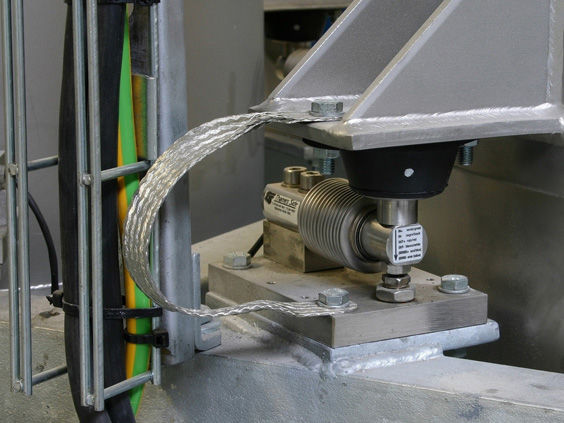
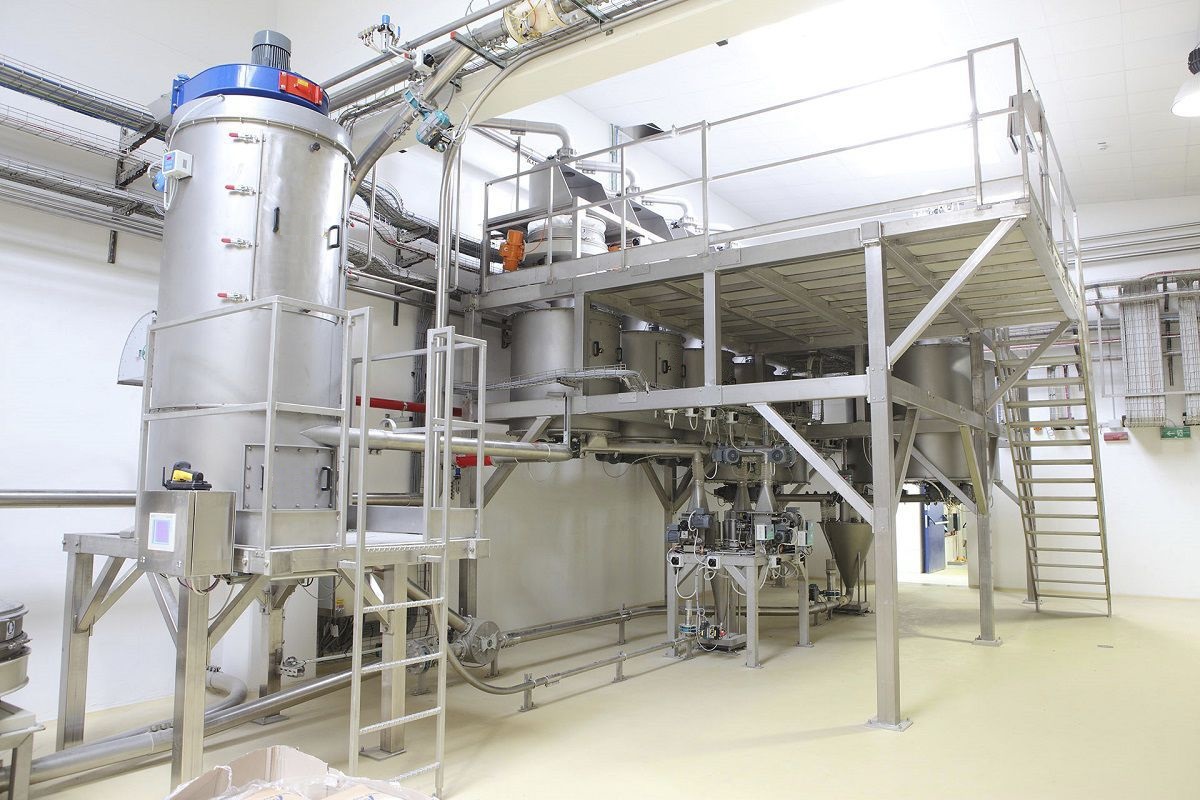
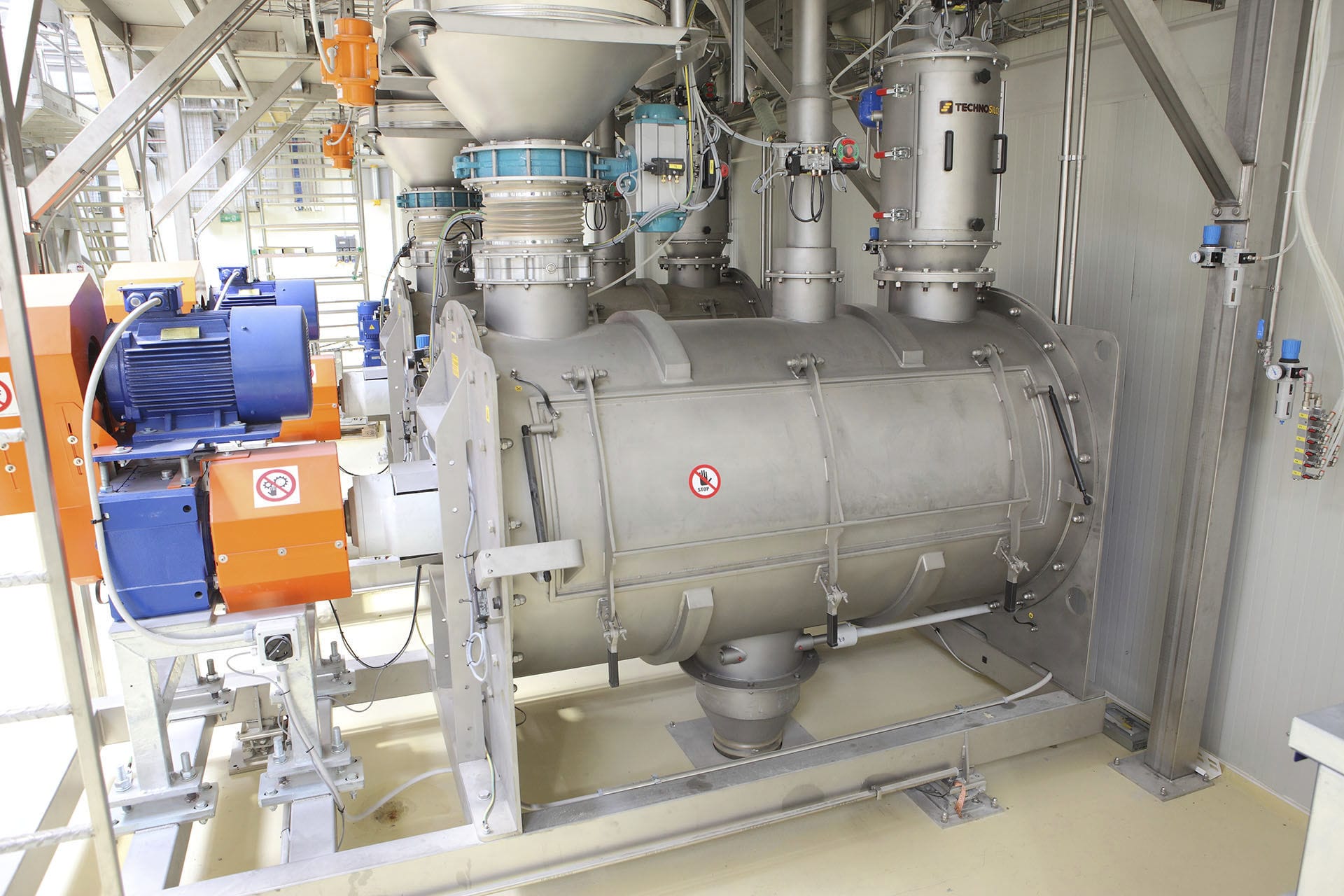
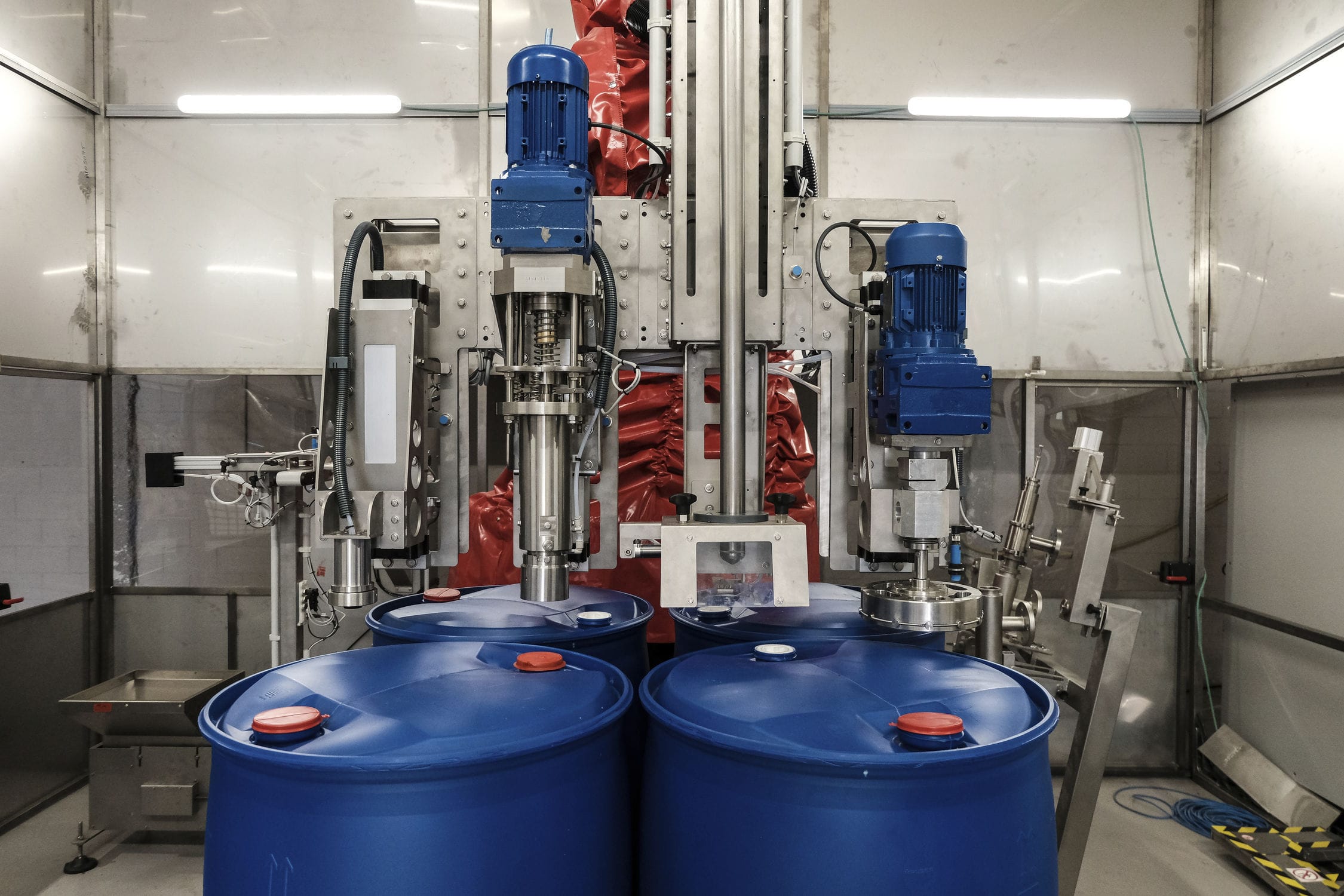
The continuous Weighing system is mainly composed of a hopper machine, an Electronic scale, and an automatic control system. The entire system is installed in a square hopper. The weighing system includes 2 hopper scales on the left and right, 6 Weighing modules, 2 sets of weighing instruments, a material flow switching device, a discharge gate for the hopper scales, a cylinder for switching the discharge gate, an electromagnetic valve, an air source component, a control panel, and the automatic control system, etc. When starting the measurement, the material flow switching device is used to make the left hopper scale enter the feeding state, the right hopper scale enter the waiting state for feeding, and after the left hopper scale finishes feeding, it enters the weighing state of the electronic scale, while the right hopper scale enters the feeding state. This ensures the continuity of the feeding process. After the left hopper scale completes weighing, the discharge gate is controlled by the cylinder to discharge the material quickly, and immediately returns to the waiting state for feeding. After the right hopper scale finishes feeding, it switches to the weighing state of the electronic scale, and the left hopper scale again switches to the feeding state. This cycle repeats, and through multiple cycles, the entire electronic scale weighing task is completed. During the weighing process, there must always be one hopper scale in the feeding state to ensure the consistency of the precise electronic scale and the continuous material transportation.
The continuous weighing system uses two sets of backup weighing devices to switch reasonably during the processes of electronic scales and feeding, discharging, etc. This ensures that one set of the weighing devices is in the feeding state while the other is in the auxiliary state of the electronic scale, thereby maintaining the continuity of the material flow and the accuracy of the electronic scale. The sequence of material flow switching and the state transitions of the two sets of weighing devices must ensure that the sum of the electronic scale time and the discharging time of one set is less than the longest feeding time of the other set. Otherwise, the feeding hopper in the electronic scale feeding state is already full, the material hopper scale has not completed the discharging, or the discharging has not been completed yet, then it is impossible to switch to the feeding state, and the continuity of the material flow cannot be guaranteed. The longest feeding time is determined by the maximum measurable flow rate and the effective volume of the material hopper scale, the weighing time is determined by the stable delay time during the weighing process, and the discharging time of the material hopper scale is determined by the cross-sectional area of the discharging port and the falling speed of the material.
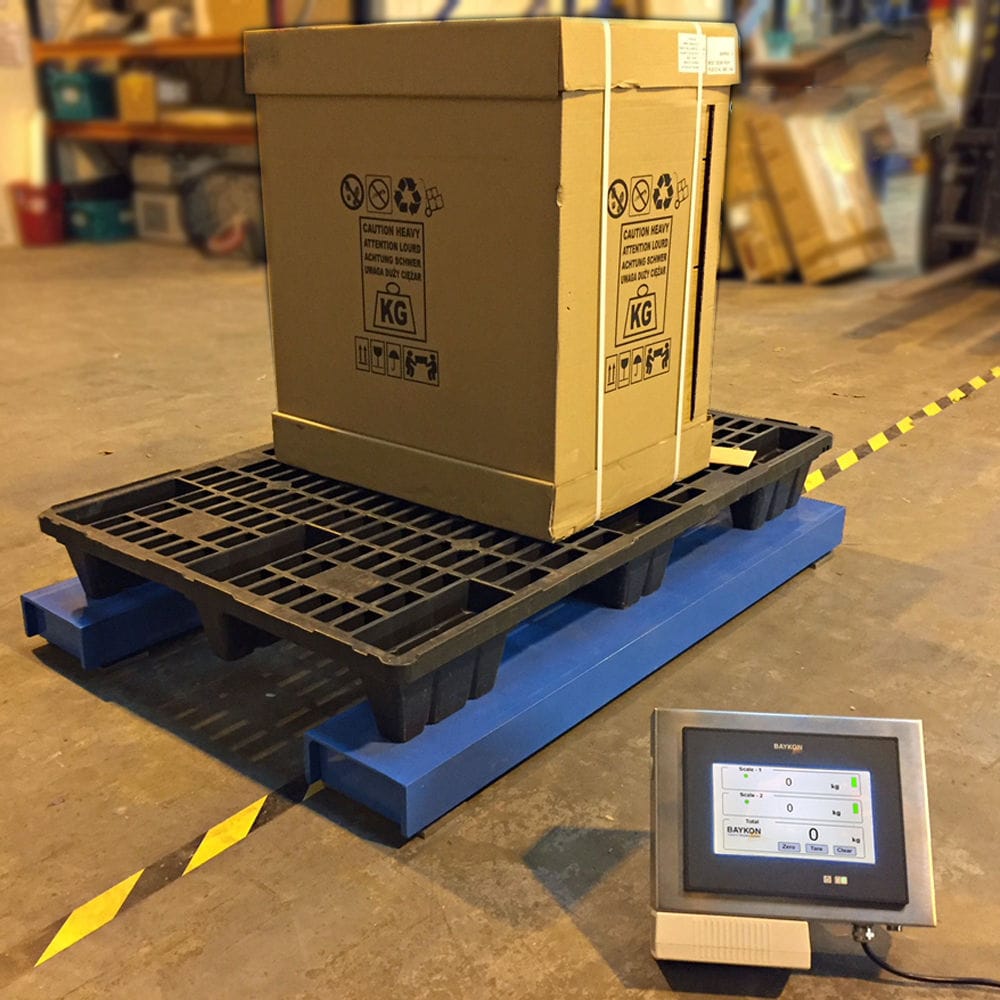
The output of the weighing instrument can be either analog output or serial port digital output. To transfer the weight data of the hopper scale to the PLC, either analog signal transmission method or serial communication method can be selected. Since the weighing instrument used in the weighing system is a digital instrument, the weight data has already been converted into digital quantities within the instrument. If the analog signal is transmitted to the PLC, the instrument needs to perform D/A conversion, and the PLC needs to add an analog input module, and then convert the analog quantity into a digital quantity through A/D conversion. This not only increases the cost but also reduces the accuracy of the electronic scale after multiple conversions. The serial communication method directly transmits digital quantities. The serial communication of the weighing instrument generally adopts the RS-485 method, and the communication protocol is MODBUS. However, many PLCs do not have software modules that directly support the MODBUS protocol. Therefore, it is necessary to implement communication with the instrument's MODBUS protocol through PLC programming. To ensure the reliability of the communication, effective anti-interference measures must be adopted, including shielding of communication lines, terminal resistors, and using data retransmission and software fault-tolerant algorithms, etc.