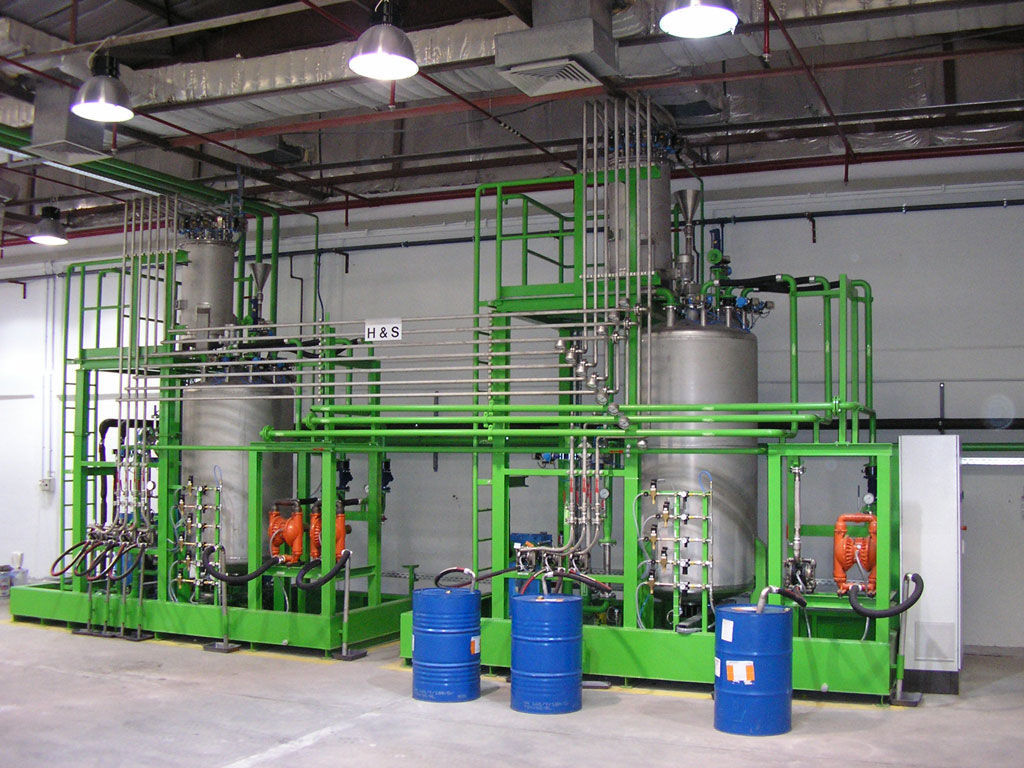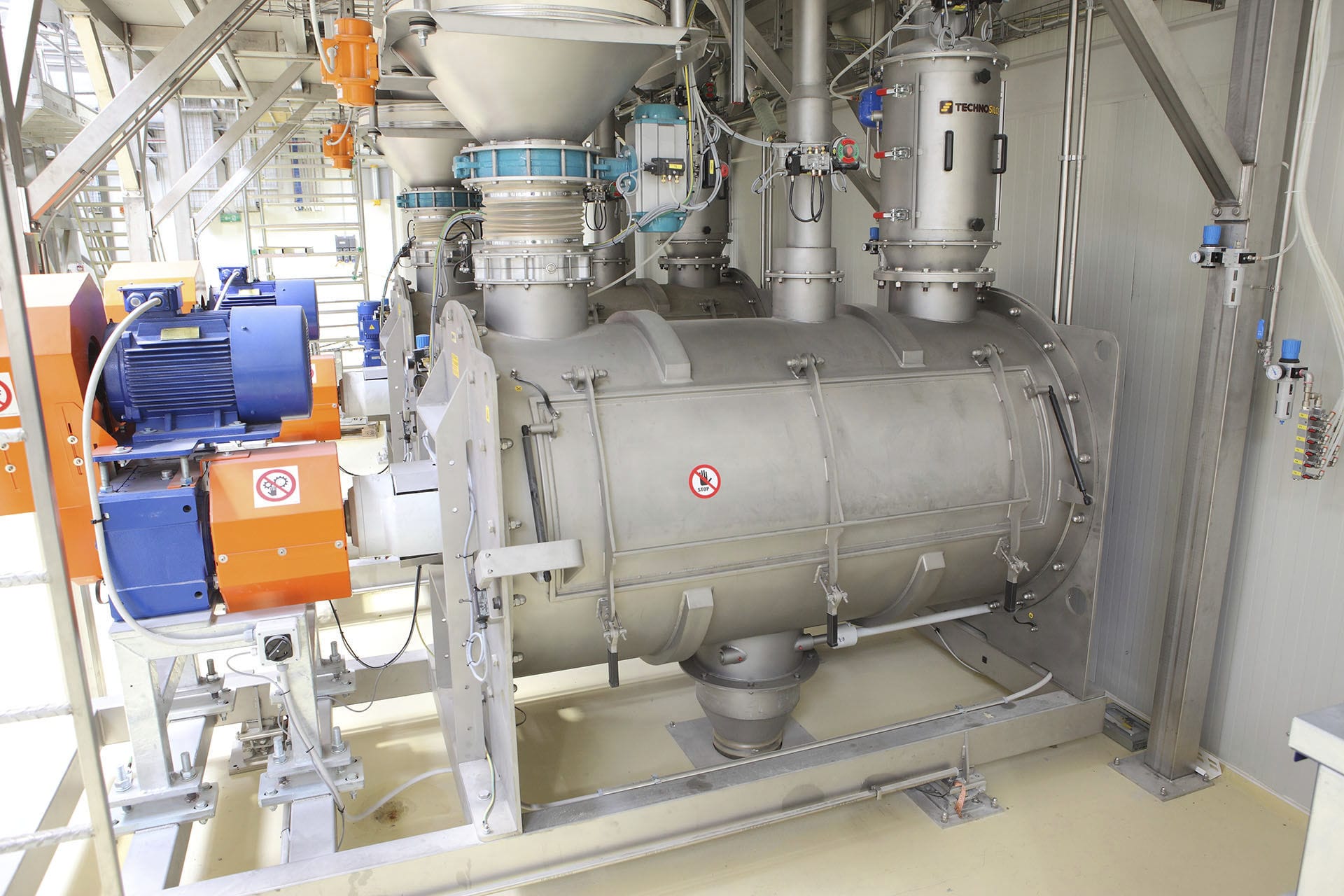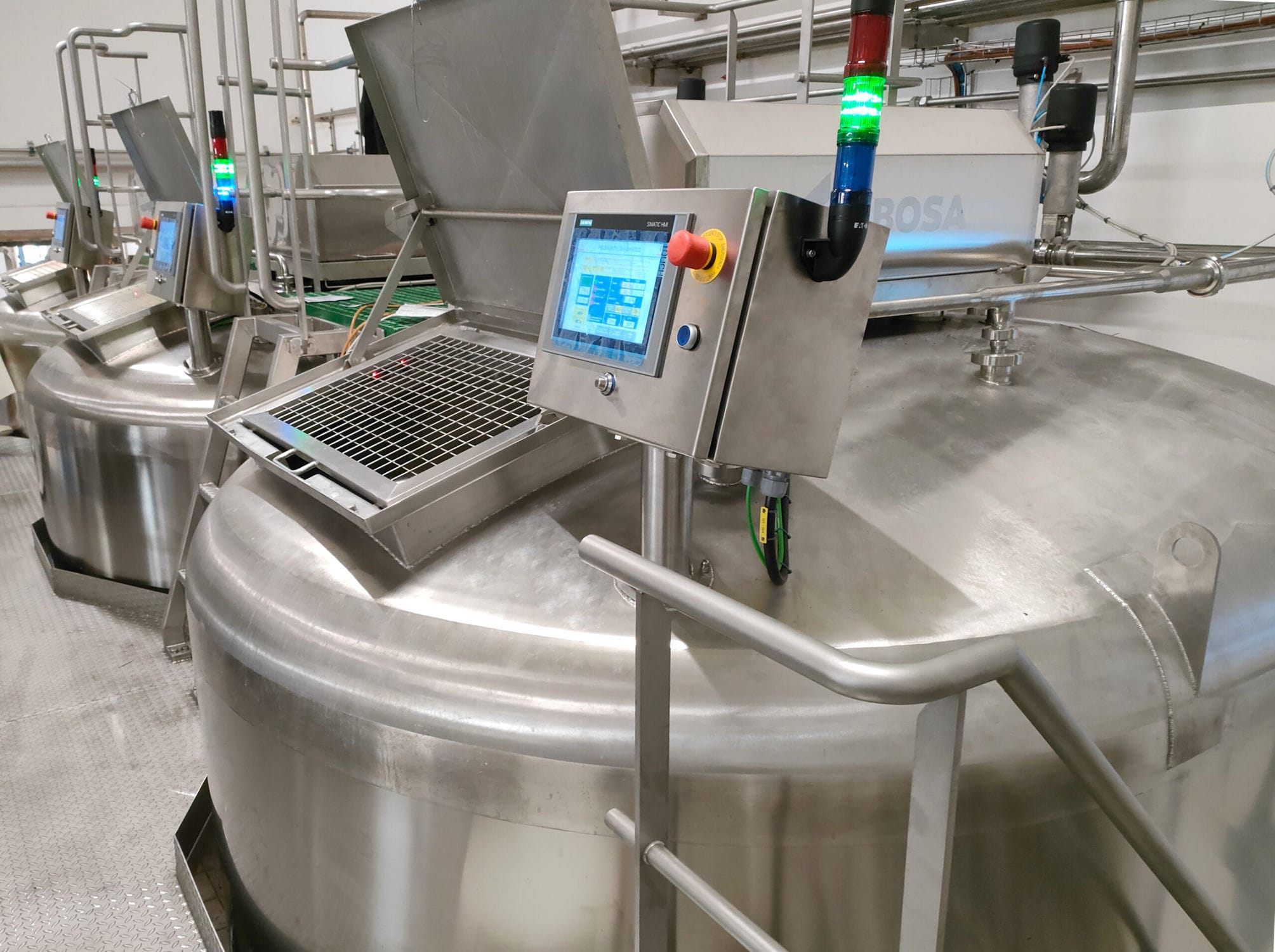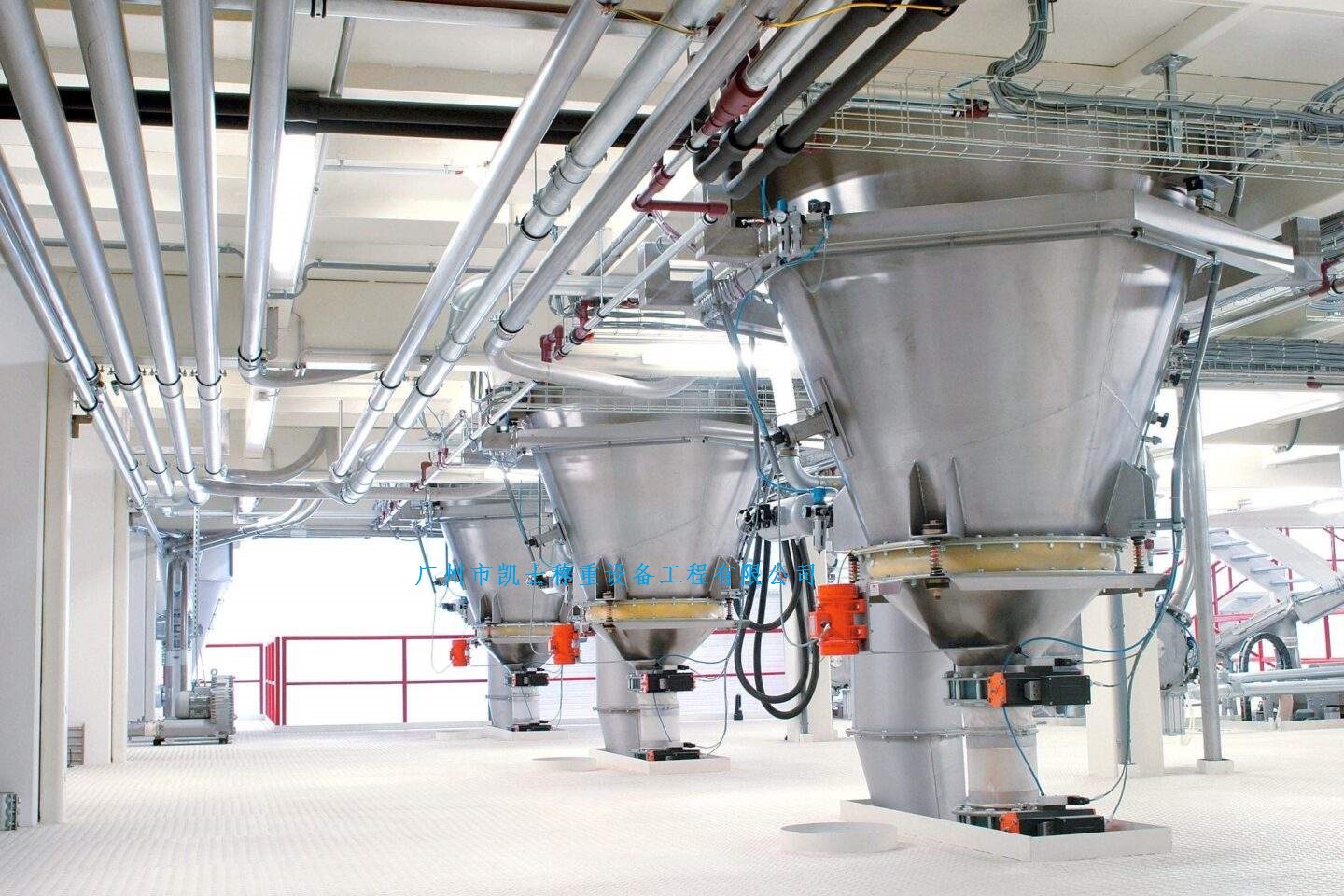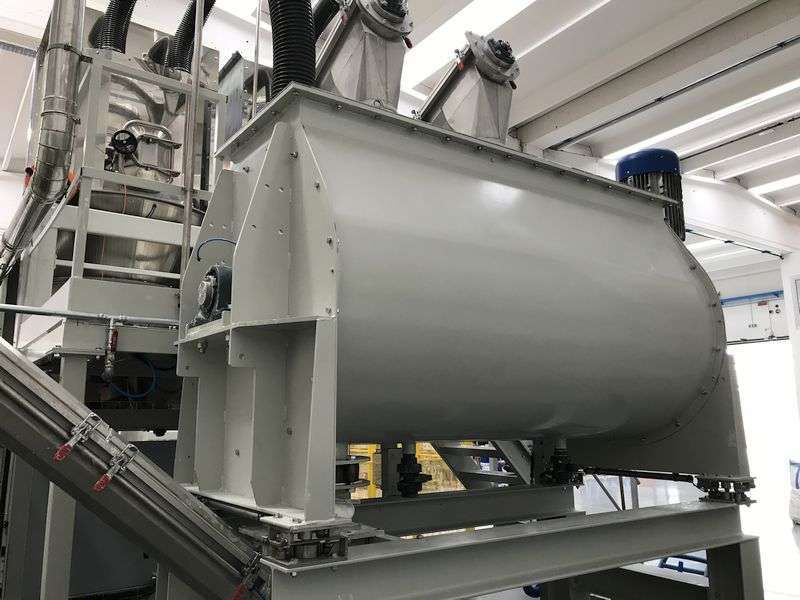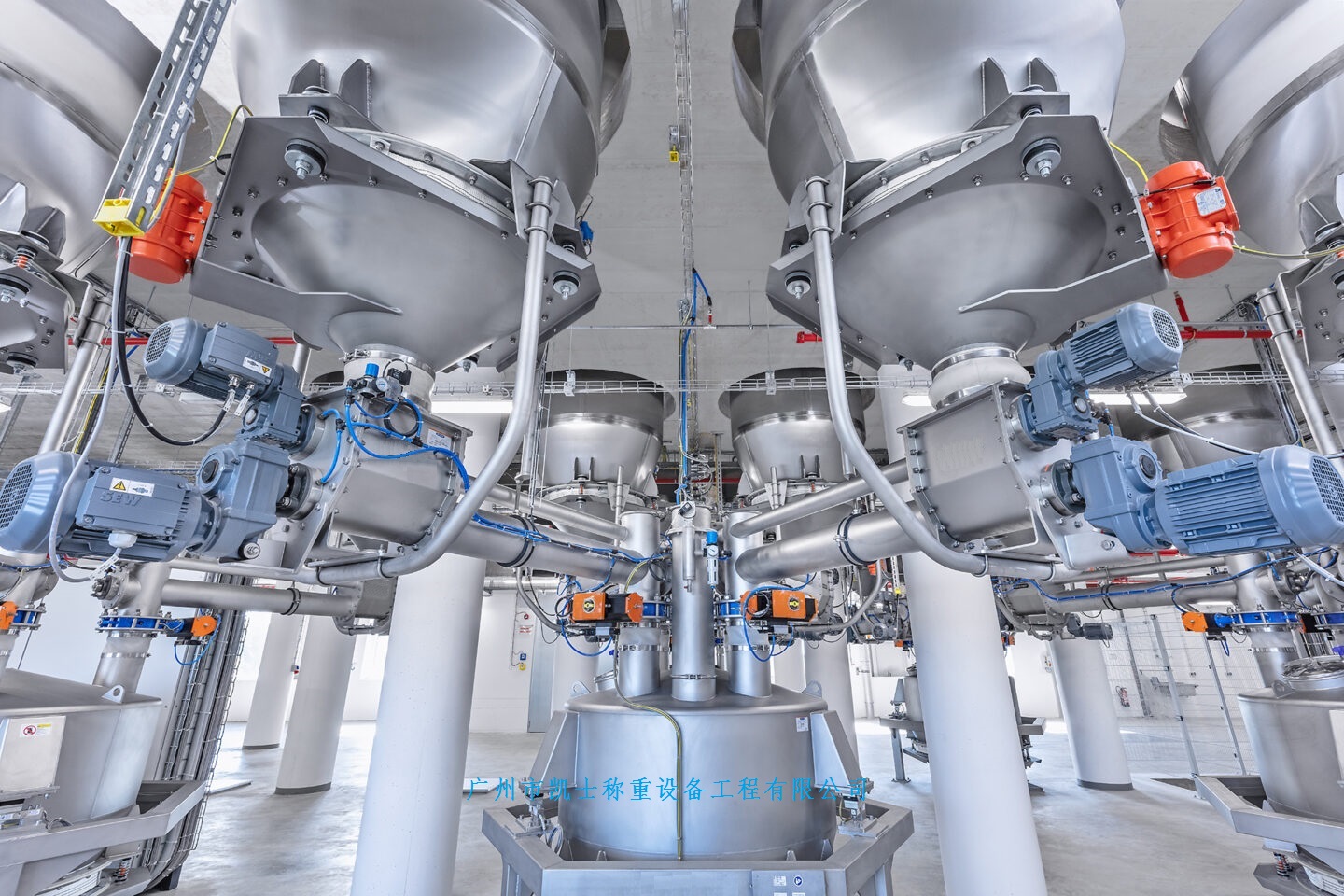


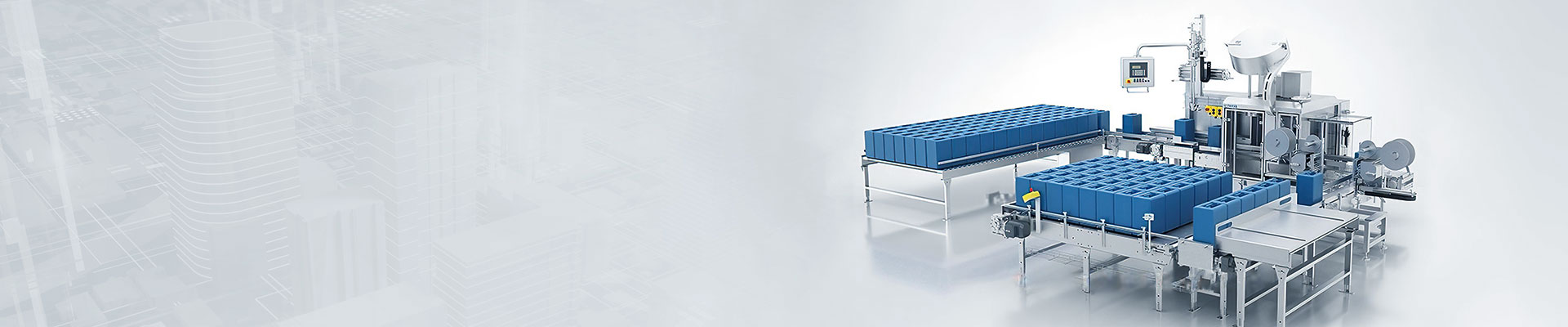

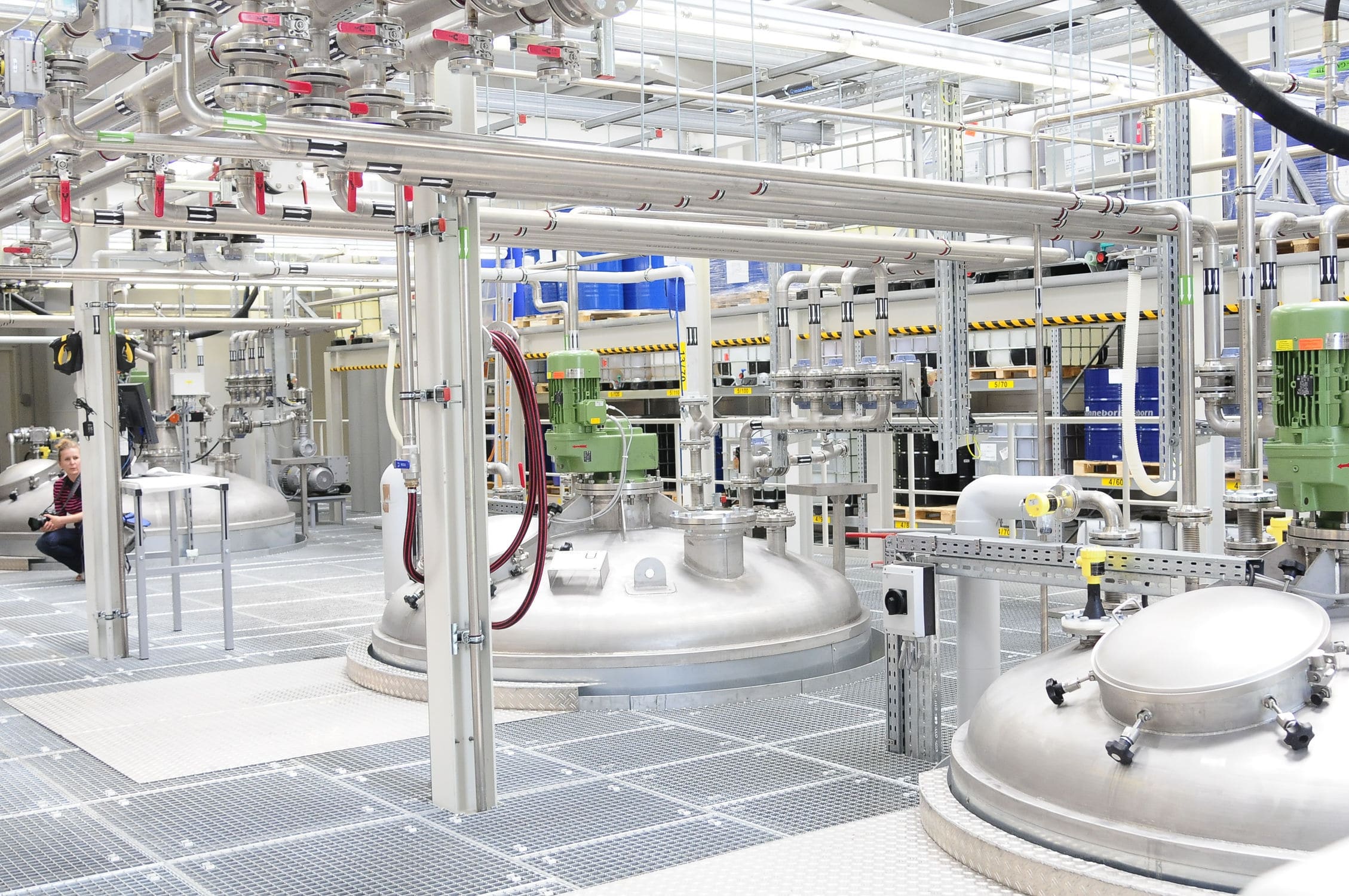


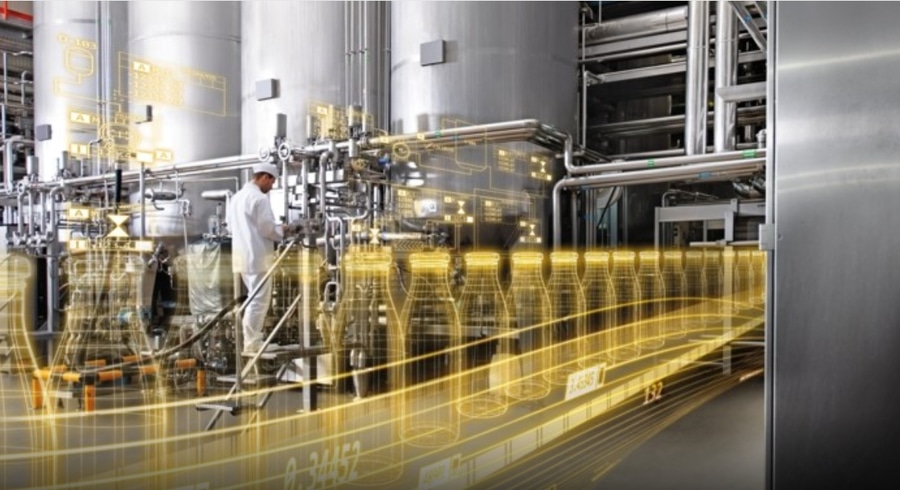
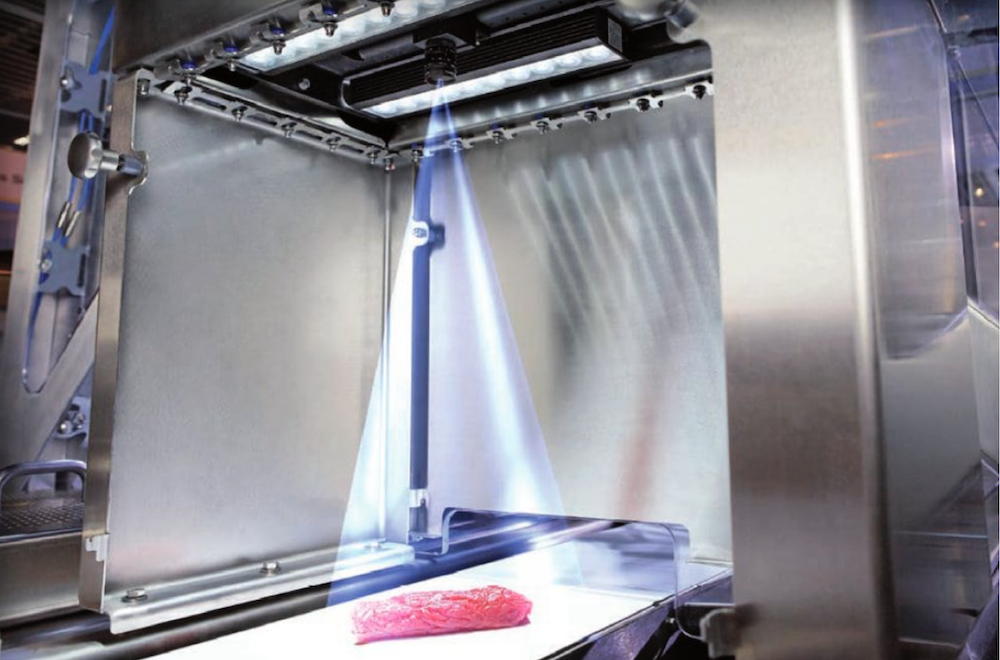
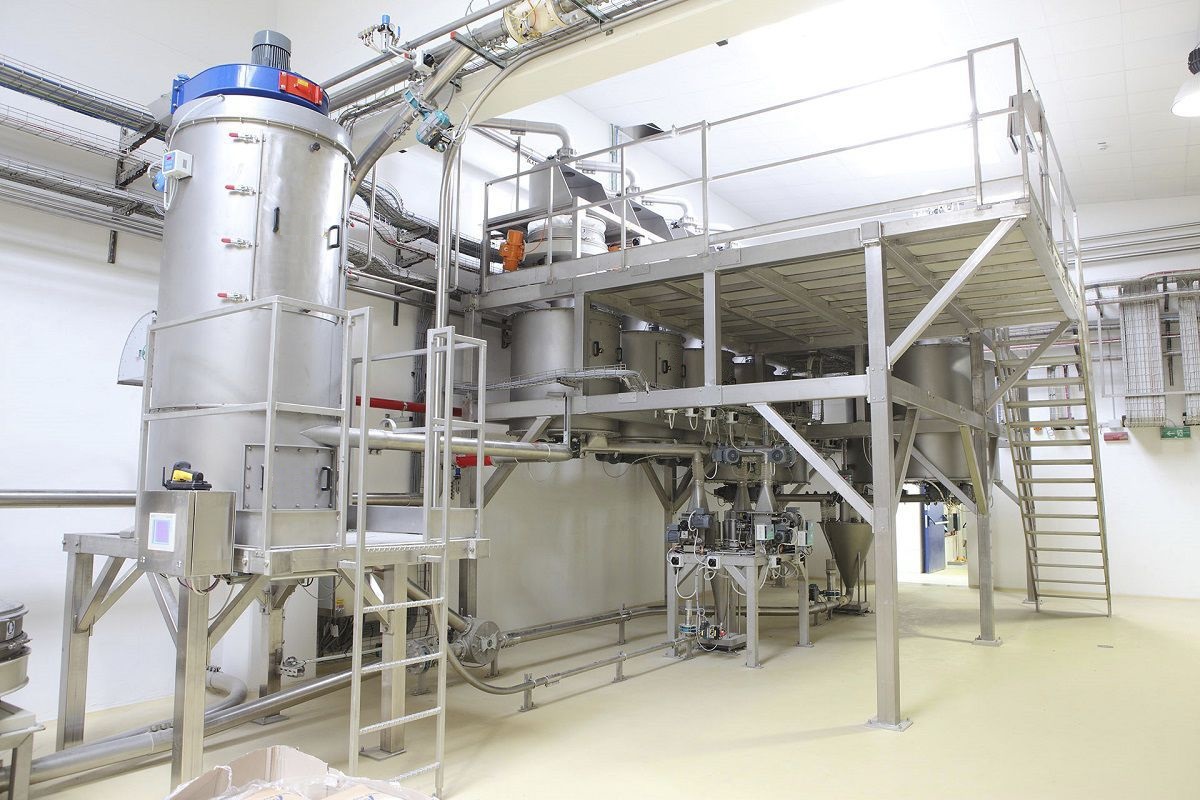
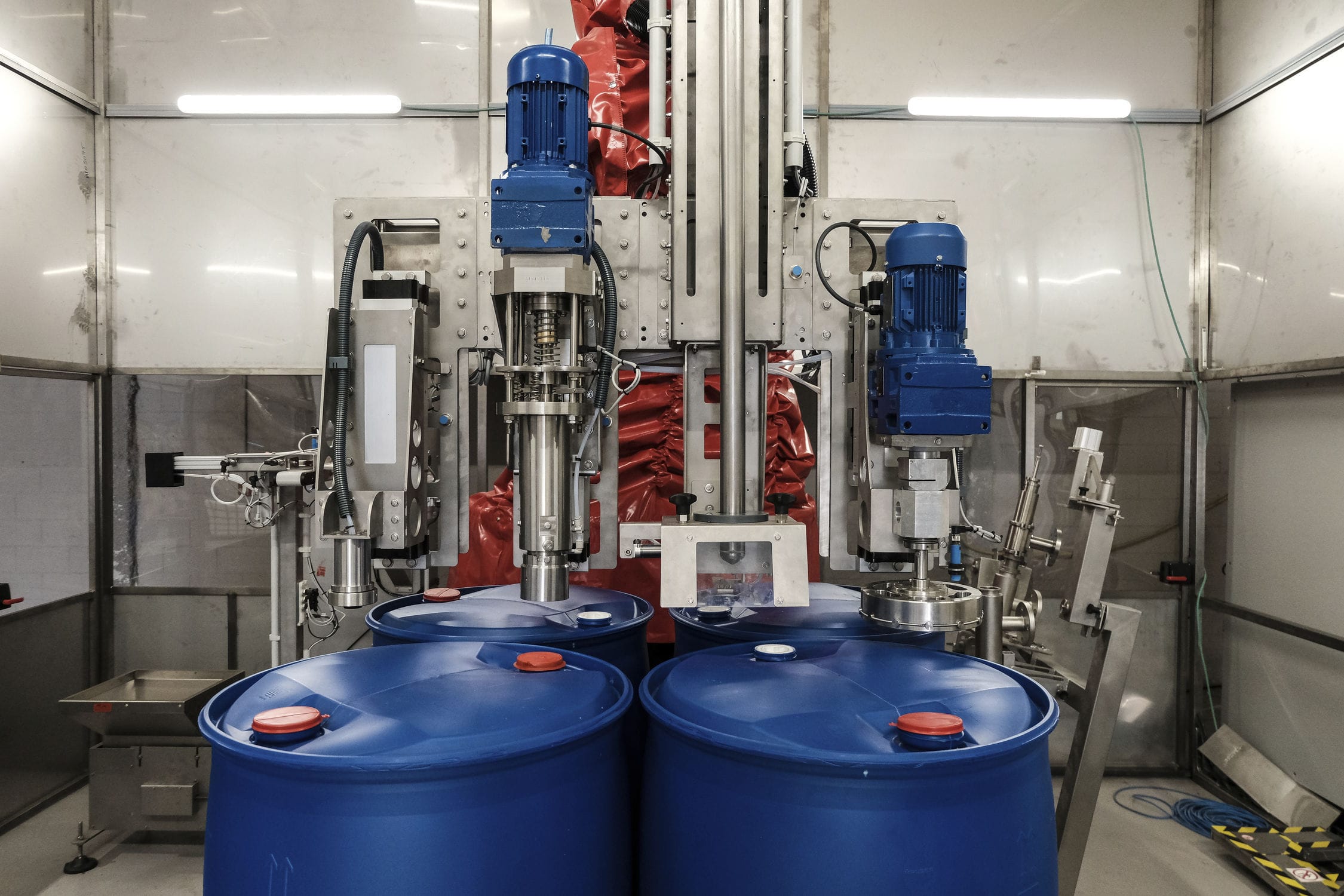
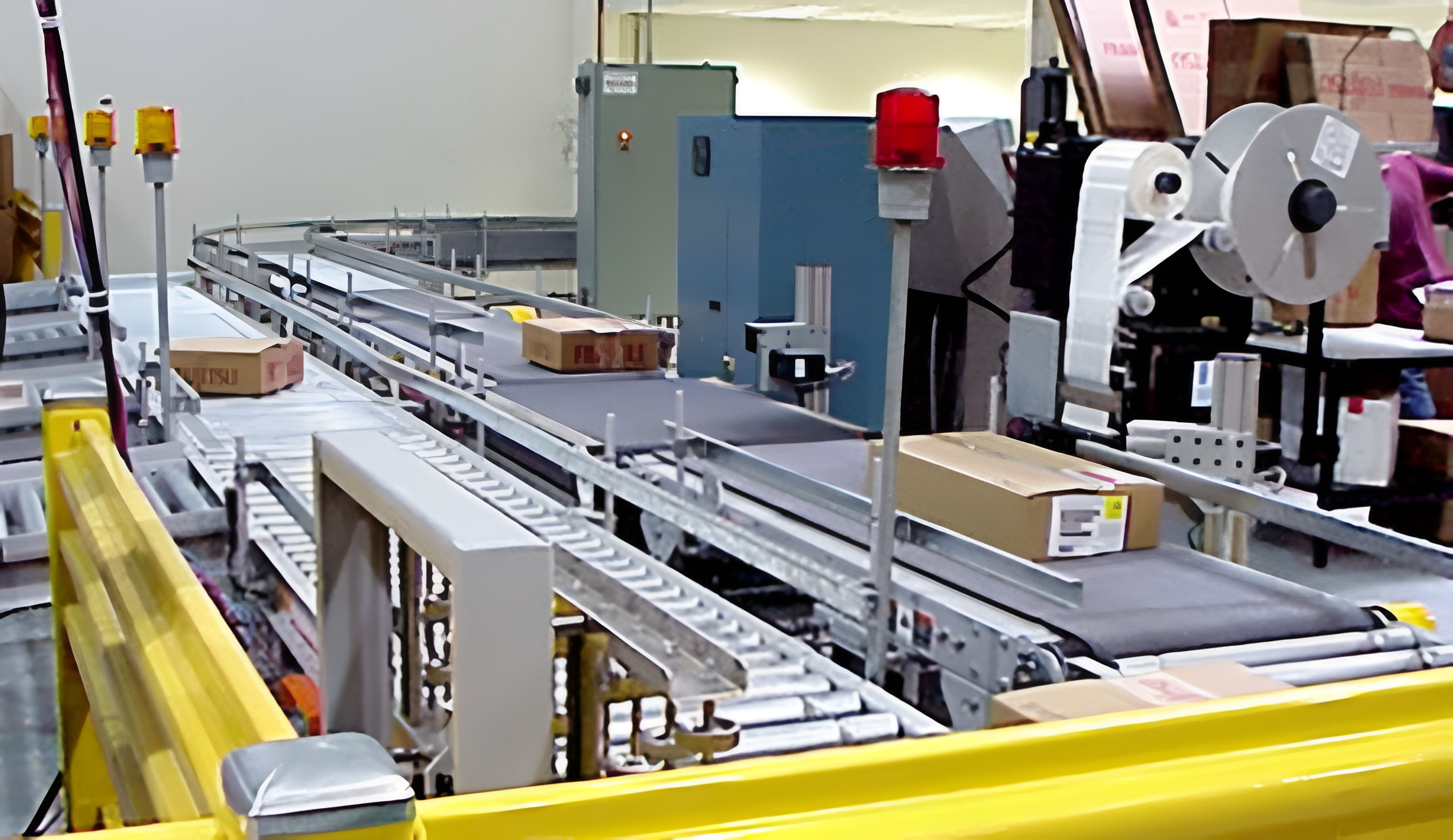
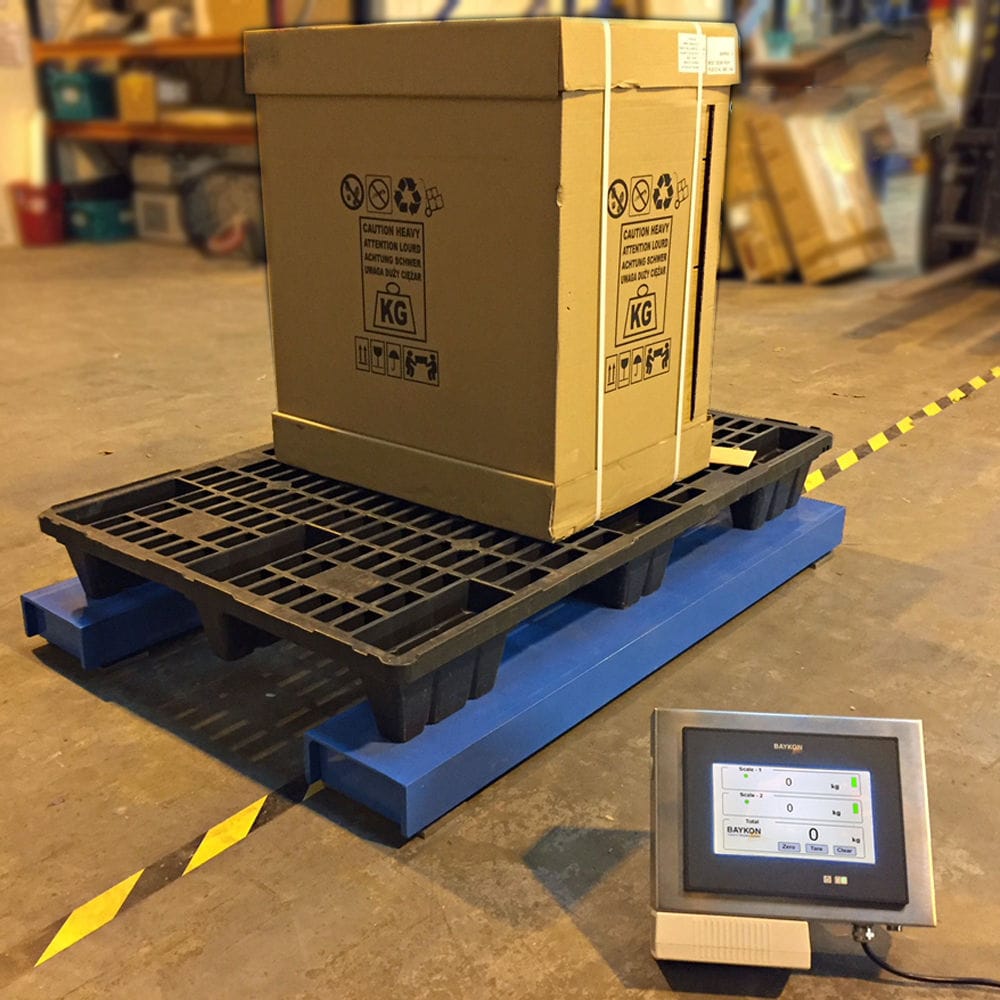


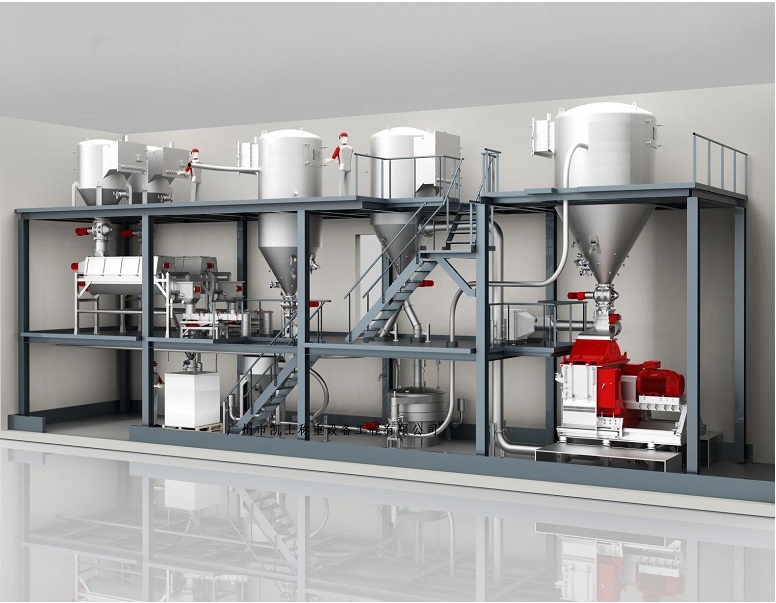
The mixed electronic scale includes an electronic scale, an air valve, a screw feeder, a buffer hopper, a mixing machine and a buffer bin. At the lower outlet of the electronic scale, there is an air valve, and through the corresponding screw feeder, a conveying path is formed to connect with the corresponding buffer hopper. The outlets of the two buffer hoppers correspond to the feed inlet of the mixing machine, and the lower end of the mixing machine is a buffer bin. According to the formula, several different materials are automatically weighed and mixed as required, and the given values of each material are corrected by the initial "advance quantity".

 020-34563445
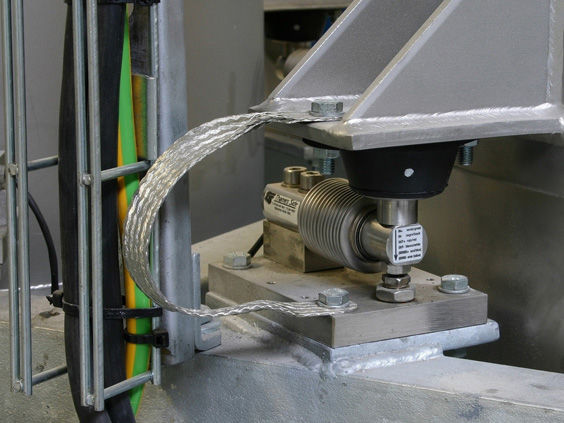
The mixed Electronic scale is mainly responsible for the selection and modification of material formulas, the sending of batching commands, and the processing of production statistics, etc. The Weighing system consists of PLC, pneumatic ball valves, batching machines, screw conveyors, weighing instrument interfaces and their serial port address port decoding logic. It is responsible for transmitting data and commands from the upper computer to the electronic scale, as well as sending back status information from the electronic scale to the upper computer. The PLC reads weighing data through the weighing instrument, assigns an address port to each electronic scale, and uses the weighing instrument as a data and command output device. Each electronic scale is responsible for one type of batching, based on the types of raw materials required by the material formula, determining the number of controlled electronic scales to form a microcomputer group control electronic scale automatic Batching system. The batching system is supplied by a screw Feeder above, and to implement automatic batching and improve batching accuracy, the screw of the batching scale is an adjustable-speed screw. The frequency converter simultaneously controls the speed of the batching scale screw and the screw feeder. The batching scale selects a weighing module, a speed sensor, and the weighing instrument outputs a 4-20mA current signal at a one-time instantaneous output, which is isolated by the distributor and enters the weighing system in two paths. The weighing system controls the frequency converter to adjust the screw speed and set the flow range of the quantitative target value.
The batching system includes an electronic scale, pneumatic doors, screw feeders, buffer bins, mixers, and buffer bins. At the lower end outlet of the electronic scale, there is an air door, and through the corresponding screw feeder, a conveying path is formed to connect with the corresponding buffer bin. The outlets of the two buffer bins correspond to the feed inlet of the mixer. The lower end of the mixer is a buffer bin. According to the formula, several different materials are automatically batched and weighed as required. The initial "advance quantity" is used to correct the given value of each material, and the dynamic error of the material weighing is measured by the cumulative value in the given benchmark quantity. Based on the size of the value and the adjacent error, the feedback coefficient is automatically changed, and the convergence speed of the error is automatically adjusted to achieve the best state of the dynamic error convergence process. At the same time, according to the types of different materials, the running speed of the control motor is selected to improve the dynamic control accuracy of the system.
The batching system is automatically controlled by PLC to control the feeding quantity, the interlocking control of the batching feeder and the screw, the sequential control of the electronic scale and the batching machine, the control of the delay start of the vibrating motor when the batching bin is blocked, and the control by the frequency converter. It has dual control functions of on-site machine-side manual and upper computer centralized control to control the feeding quantity of the batching machine. The potentiometer controls the frequency of the frequency converter to control the speed of the batching machine. The flow rate of the batching machine is controlled by the control of the frequency converter, so as to control the speed of the batching machine and achieve the purpose of controlling the material flow.