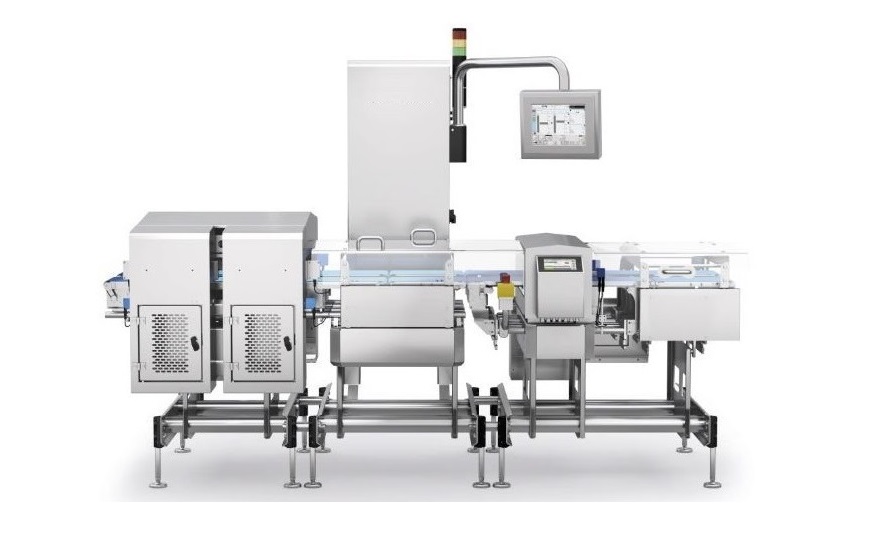


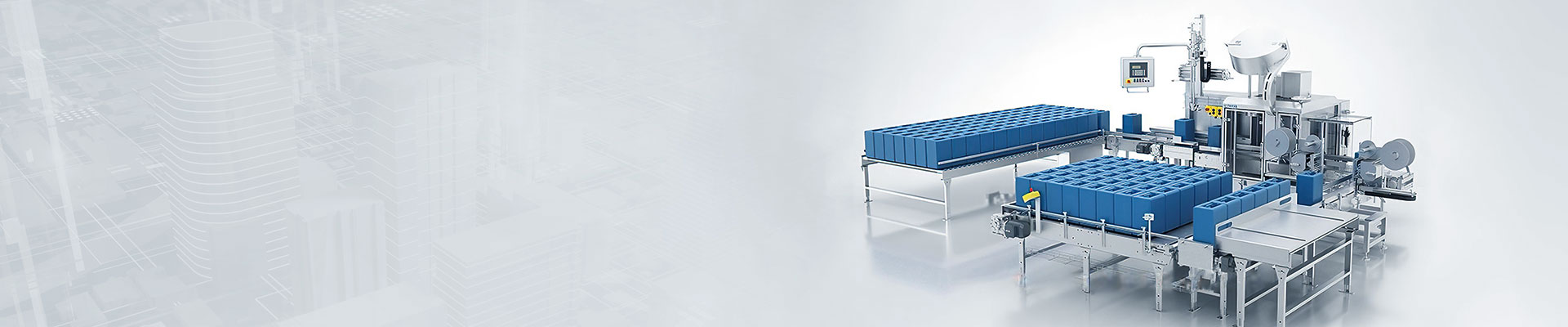
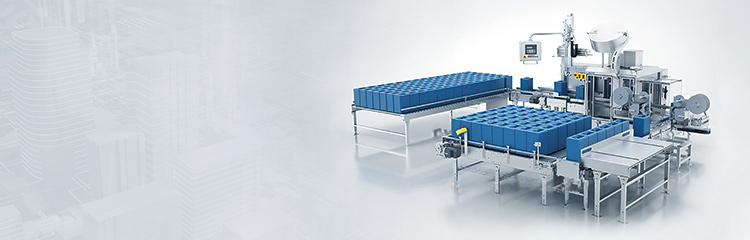



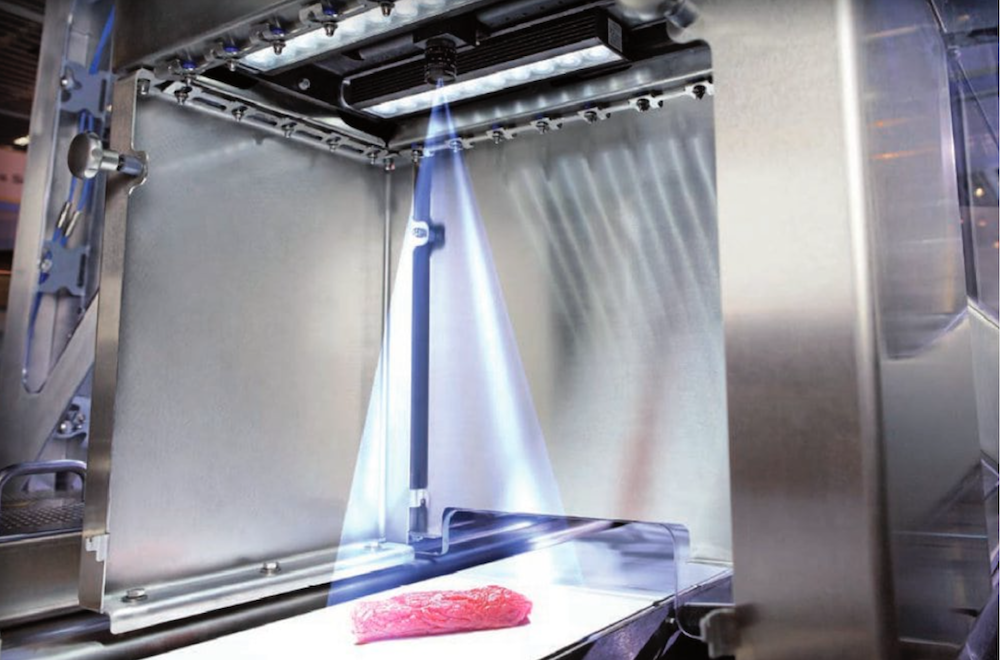
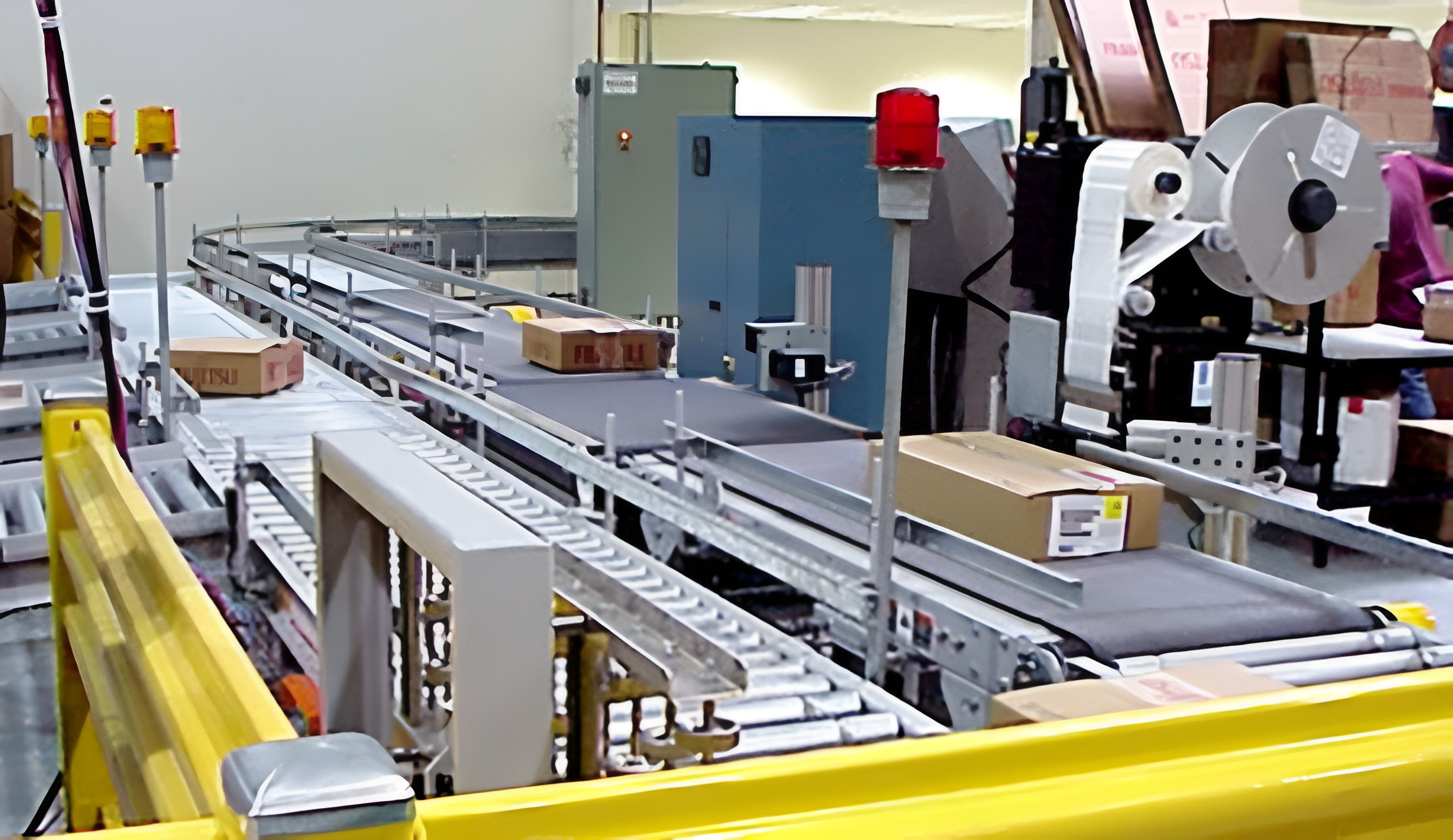
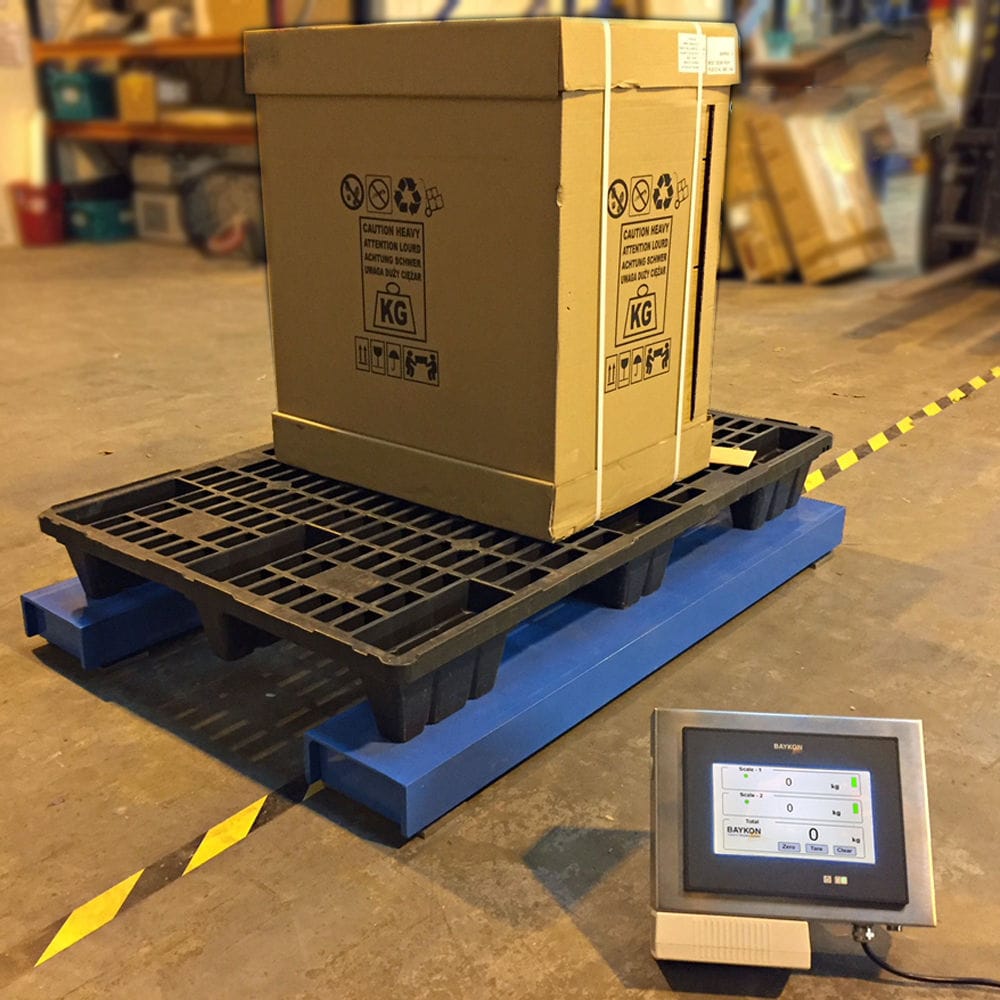


Scanning sorter can be integrated with various packaging production lines and conveyor systems, mainly used for on-line detection of whether the weight of the product is qualified or not, and whether there are missing parts in the package. Or according to the different weight of the items to be conveyed to the corresponding weight range area. Generally consists of control device, sorting device, conveying device and sorting roadway. The role of the control device is to identify, receive and process the sorting signal, according to the requirements of the sorting signal to instruct the sorting device, according to the variety of goods, according to the location of the goods delivered or according to the category of the owner of the goods for automatic classification.

 020-34563445
The scanning sorter can be integrated with various packaging production lines and conveying systems, mainly used for online detection of whether the product weight is qualified, whether there are missing components in the packaging, or for transporting items to corresponding weight range areas based on their different weights. It is generally composed of a control device, a classification device, a conveying device, and a sorting passage. The role of the control device is to recognize, receive, and process sorting signals, and according to the requirements of the sorting signals, indicate the classification device to automatically classify the goods by commodity type, delivery location, or owner category. These sorting requirements can be input into the sorting control system through different methods, such as through barcode scanning, color code scanning, keyboard input, weight detection, voice recognition, height detection, and shape recognition. Based on the judgment of these sorting signals, it is determined which sorting passage a certain commodity should enter.
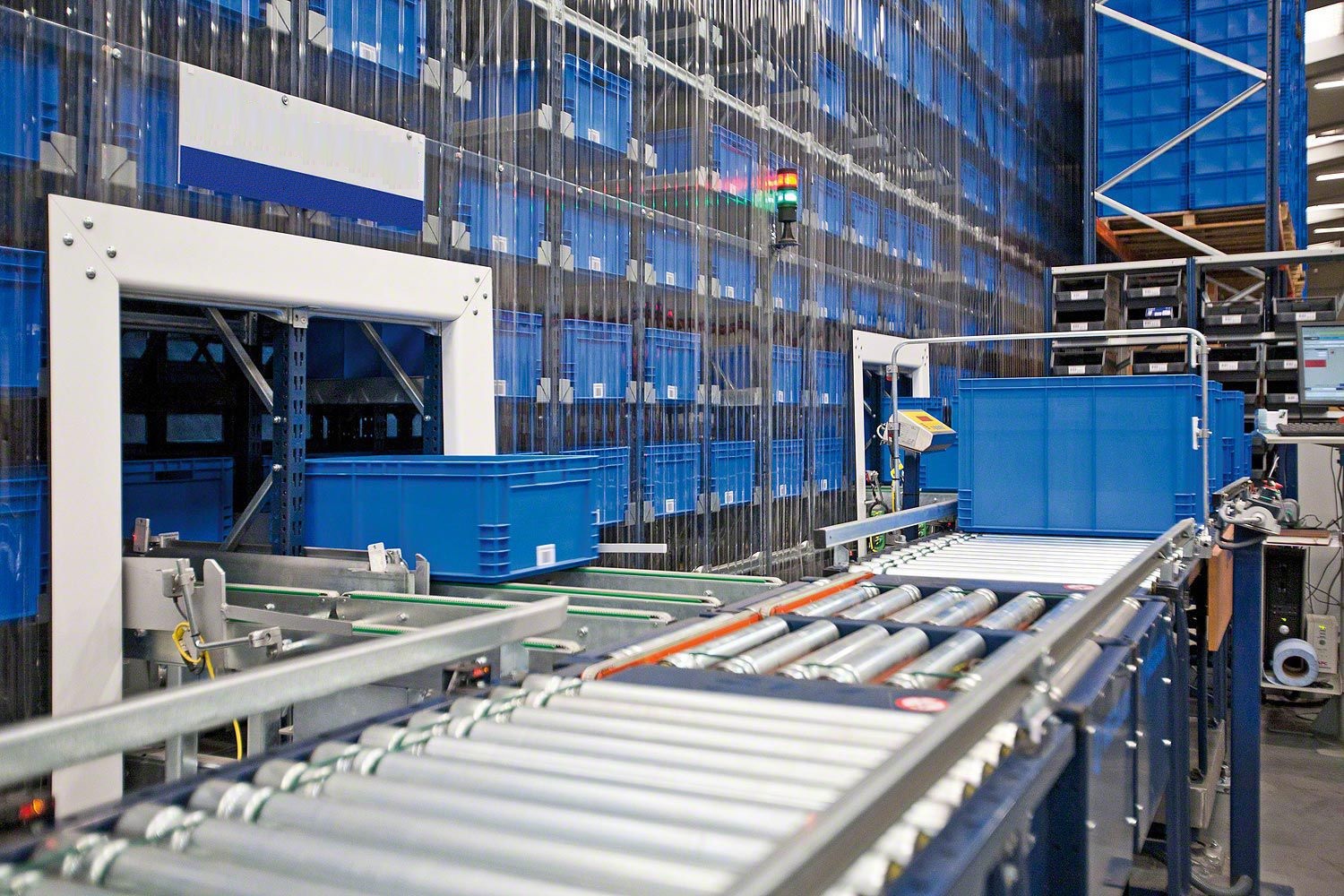
The sorter operates according to the sorting instructions sent by the control device. When goods with the same sorting signal pass through the device, the device acts to change the running direction on the conveying device and send it to other conveyors or the sorting passage. The main components of the conveying device are conveyor belts or conveyors, whose main function is to allow the goods to pass through the control device, the classification device, and the sides of the conveying device. Generally, several sorting passages should be connected to allow sorted goods to slide down the main conveyor (or main conveyor belt) for subsequent operations. During transmission, security inspection, and sorting, automatic scanning matrices are used for detection. The sorter finally transports the products to a dedicated Pallet rack, which is driven by an electric motor, so the final control is for the start and stop of the motor. The operation and stop of each motor should be time-sequential control of switch quantities. The products transported by the conveyor belt are first passed through the detection machine for network monitoring to ensure the safety of the products. If the products pass the network monitoring as safe, they will be sent to the downstream through the splitter. If the network monitoring detects that the products have safety hazards, the splitter will close and return the products to the conveyor for re-detection. Among them, the transportation and splitting of the products are completed by the conveyor and the splitter.
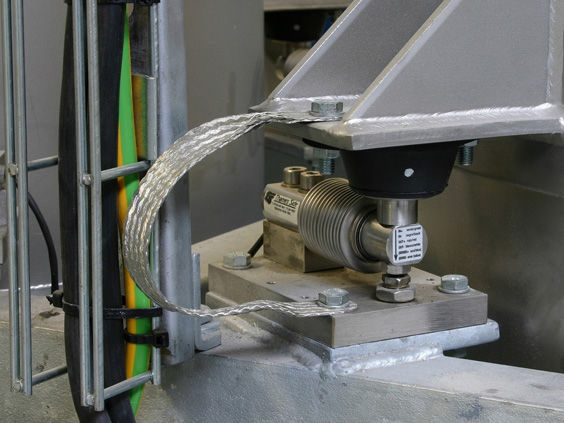
The sorter balances its performance and various factors according to the daily data storage requirements of the system and adopts database storage for product information. PLC is used as a controller to transmit and process weighing data. The upper computer is used as a controllable and observable tool to display and store weighing data. The cylinder places the products on the Electronic scale platform, and the photoelectric switch triggers the scanner to scan. The scanner scans and reads the barcode information on the product, and transmits the barcode information to the PLC through serial communication. The weighing instrument transmits the actual weight value of the product based on the communication protocol to the PLC. The upper computer sets the nominal weight value and error value of the product. Based on the nominal weight value and error value, the product's qualified weight range is calculated. The PLC compares the actual weight value of the product with the nominal weight value. If the product weight is within the qualified weight range, the product is qualified, and the cylinder places the product in the Pallet rack. If the product weight exceeds the qualified weight range, the product is unqualified, and the cylinder places the product in the unqualified area of the Pallet rack. After comparing the actual weight value of the product with the set nominal weight value, the PLC sends the information through Ethernet communication to the upper computer. It is displayed in real time on the monitoring interface of the upper computer and stored in the database for future query and traceability. The automatic Weighing system for products solves the problem of low efficiency in the past product weight detection process and has good economic benefits.