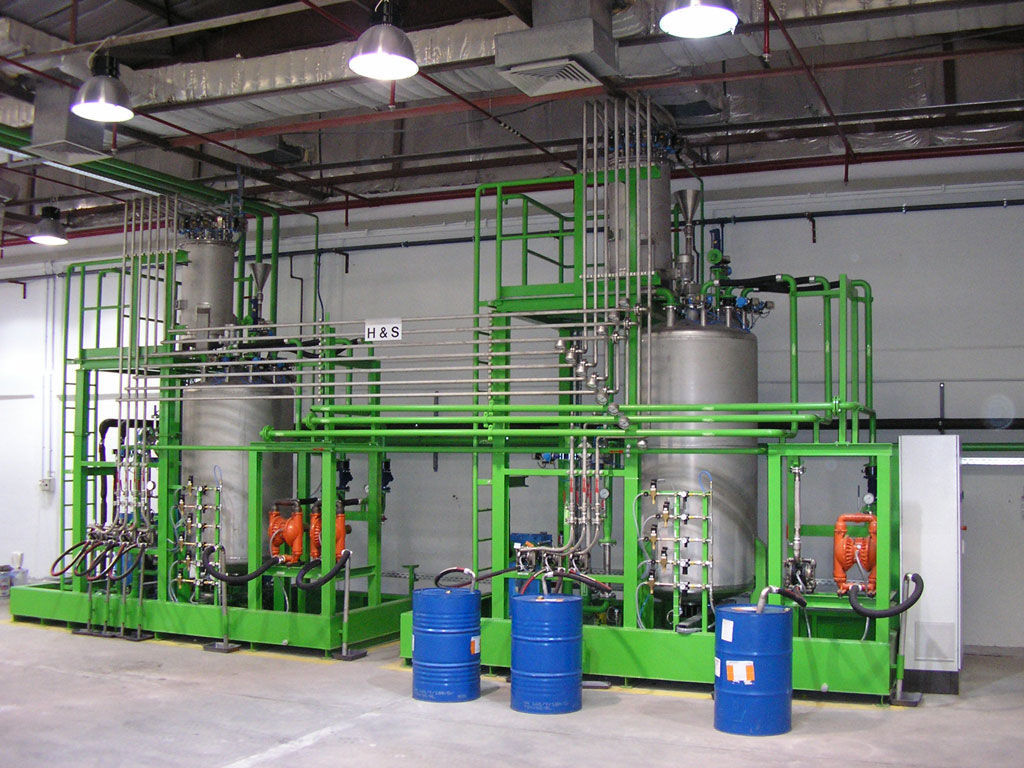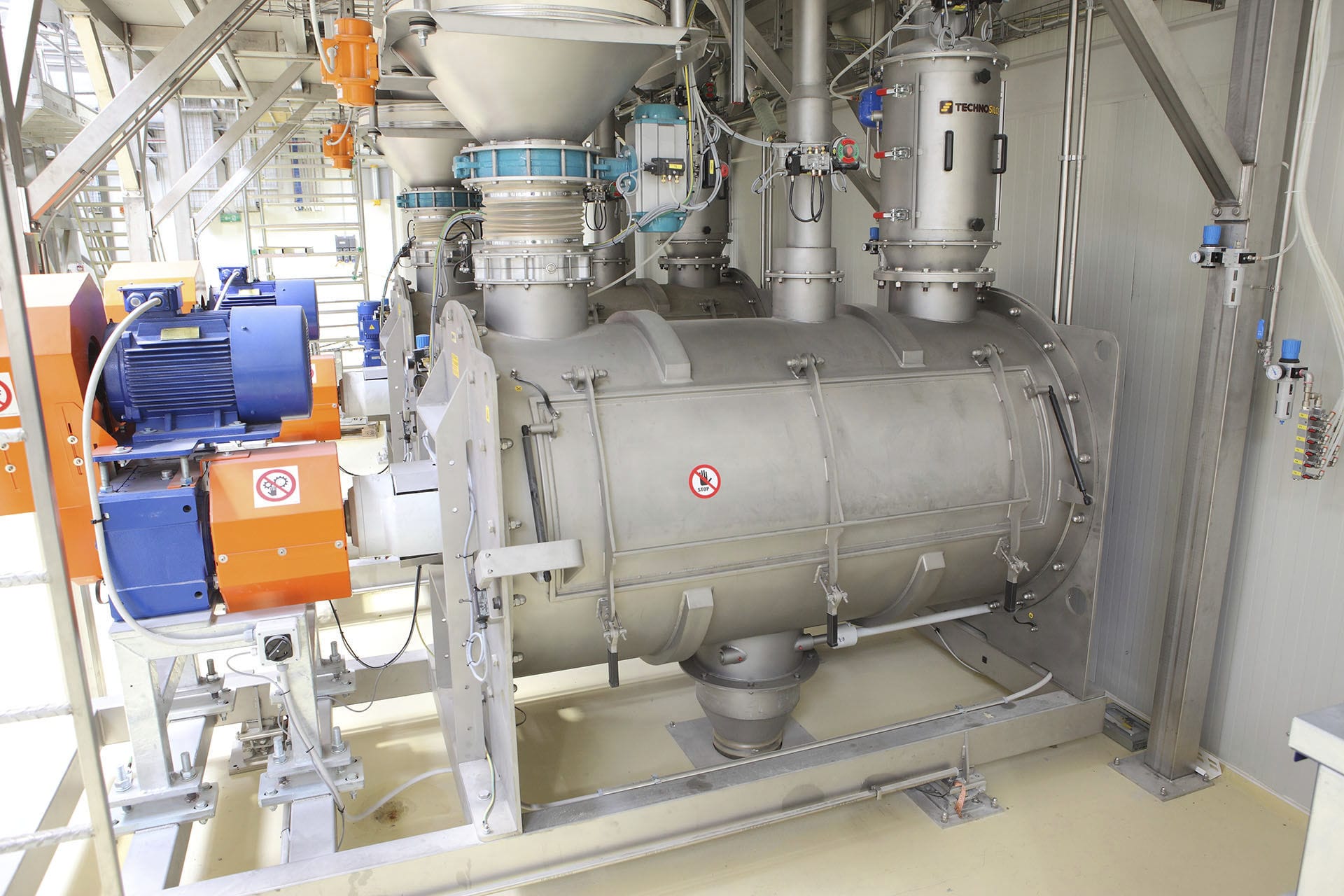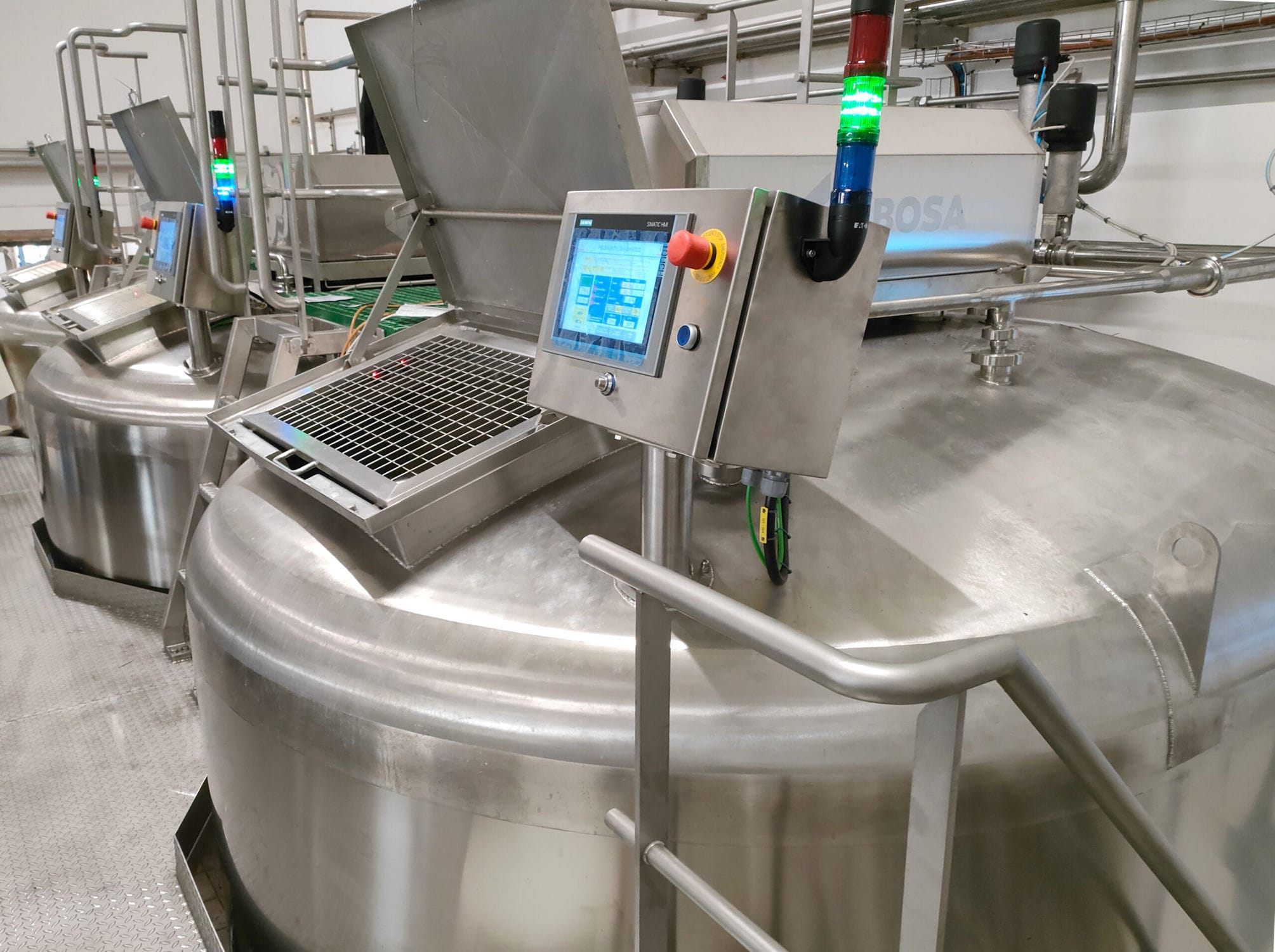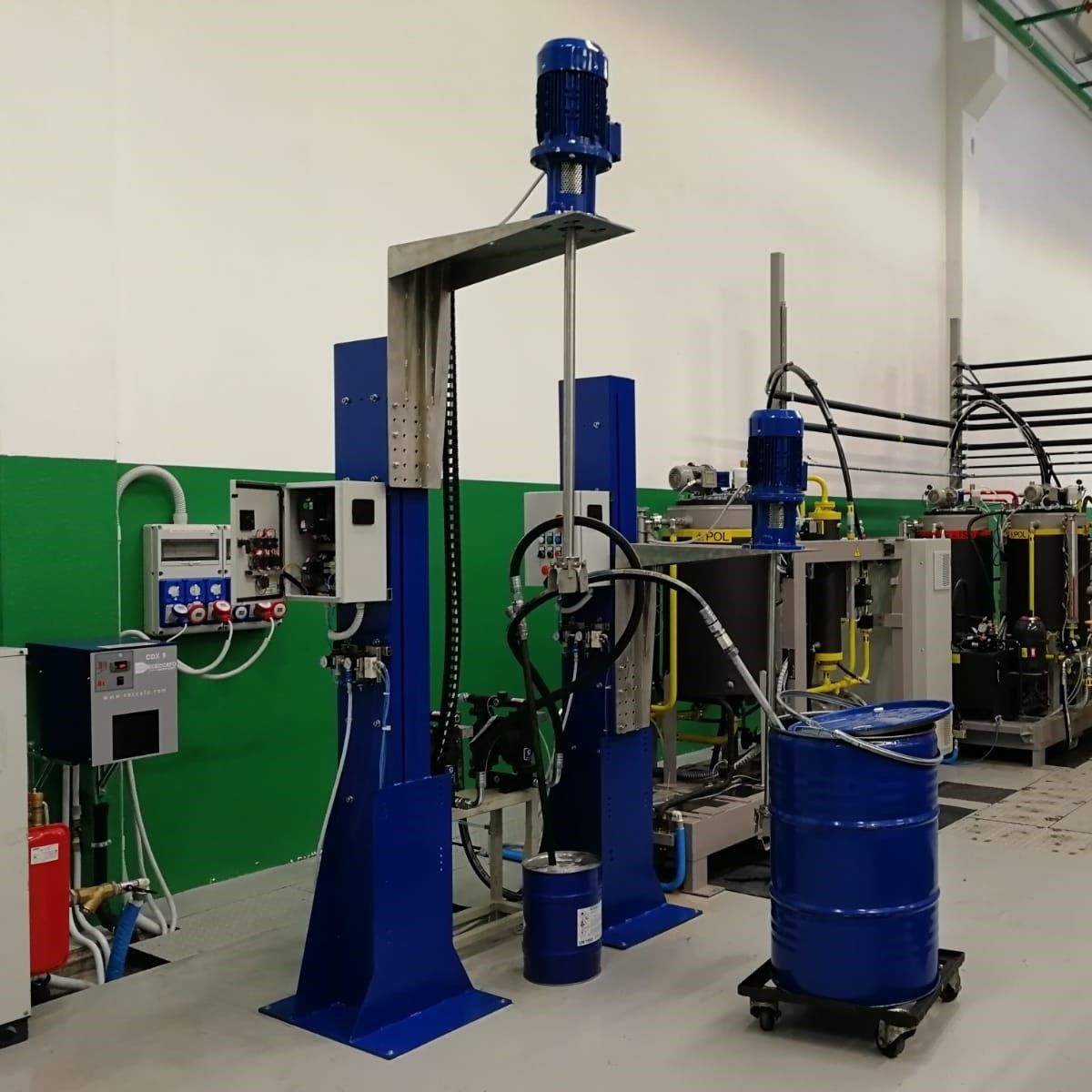


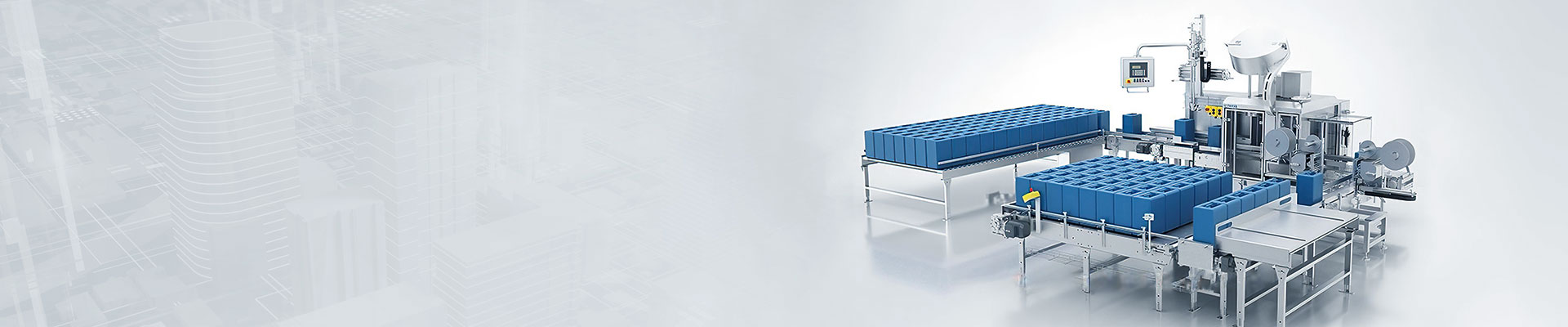
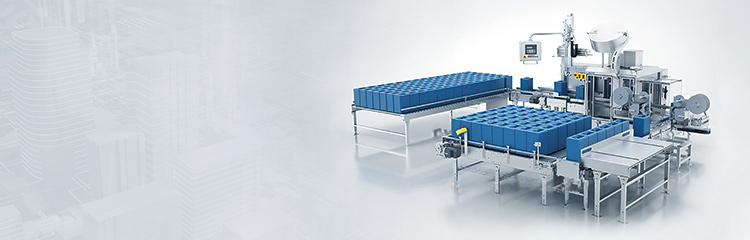



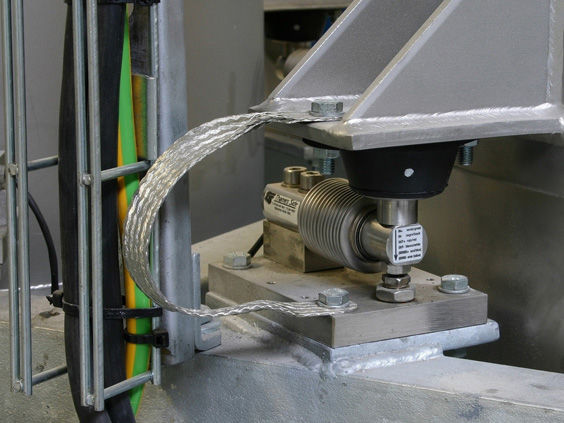


The pneumatic batching system adopts positive and negative two-way tracking, which further improves the tracking accuracy. After the batching operation, the weighing module constantly detects and tracks the position of the micro-switch to detect the machine, and after the signal is sent to the PLC through the program calculation, the positive and negative tracking of the motor is controlled by the PLC output, and the error of the packaging materials in the production process is found in time and accurately compensated and corrected, avoiding the waste of packaging materials. If the detection can not meet the technical requirements after tracking the predetermined number of times, it can automatically stop for inspection to avoid the generation of waste products.

 020-34563445
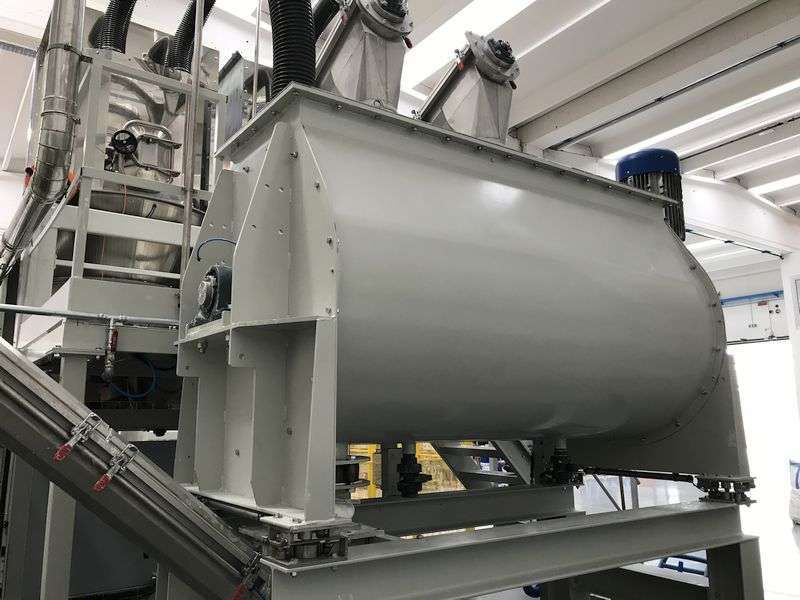
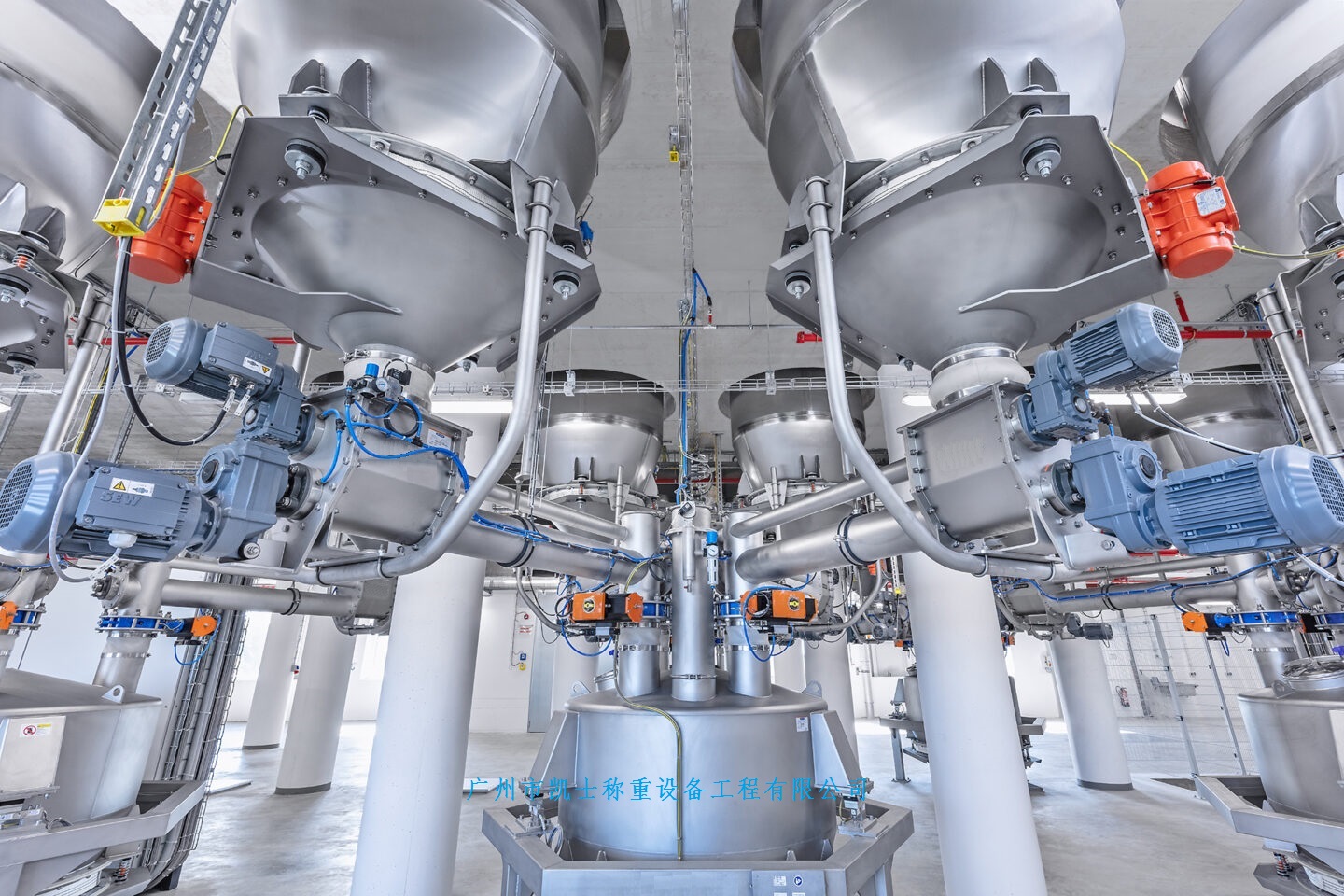
The feeding system is based on the computer batching controller, which controls other equipment to complete the batching. The raw materials fall into the hopper scale from the bin driven by the winch, respectively conveying different materials. The running speed of the winch is adjusted by the frequency conversion governor according to the output voltage of the batching controller. In actual batching, the formula and batch of batching are set through the batching controller keyboard, the weighing instrument automatically selects the required bin, sends instructions to drive the winch motor, and makes the material fall into the weighing bucket. The weighing signal is output through the weighing module on the weighing bucket, and the frequency conversion governor is controlled by the weighing display to adjust the winch speed and control the feed amount, so that the final value reaches sufficient accuracy. At the end of the dosing, the door is automatically opened, and the material enters the mixer for mixing. The dosing controller automatically calculates the mixing time, and releases the finished material when the mixing is finished.
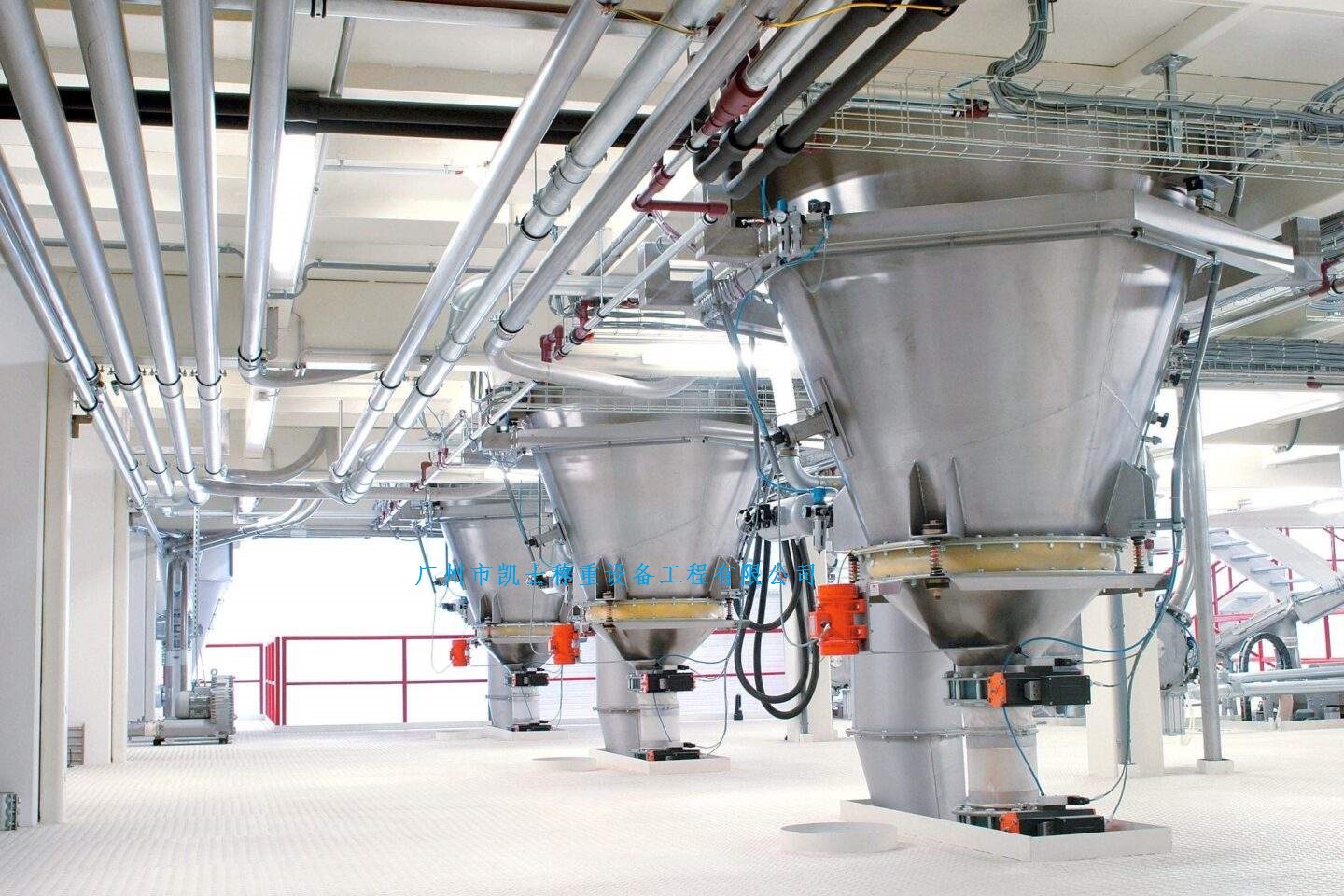
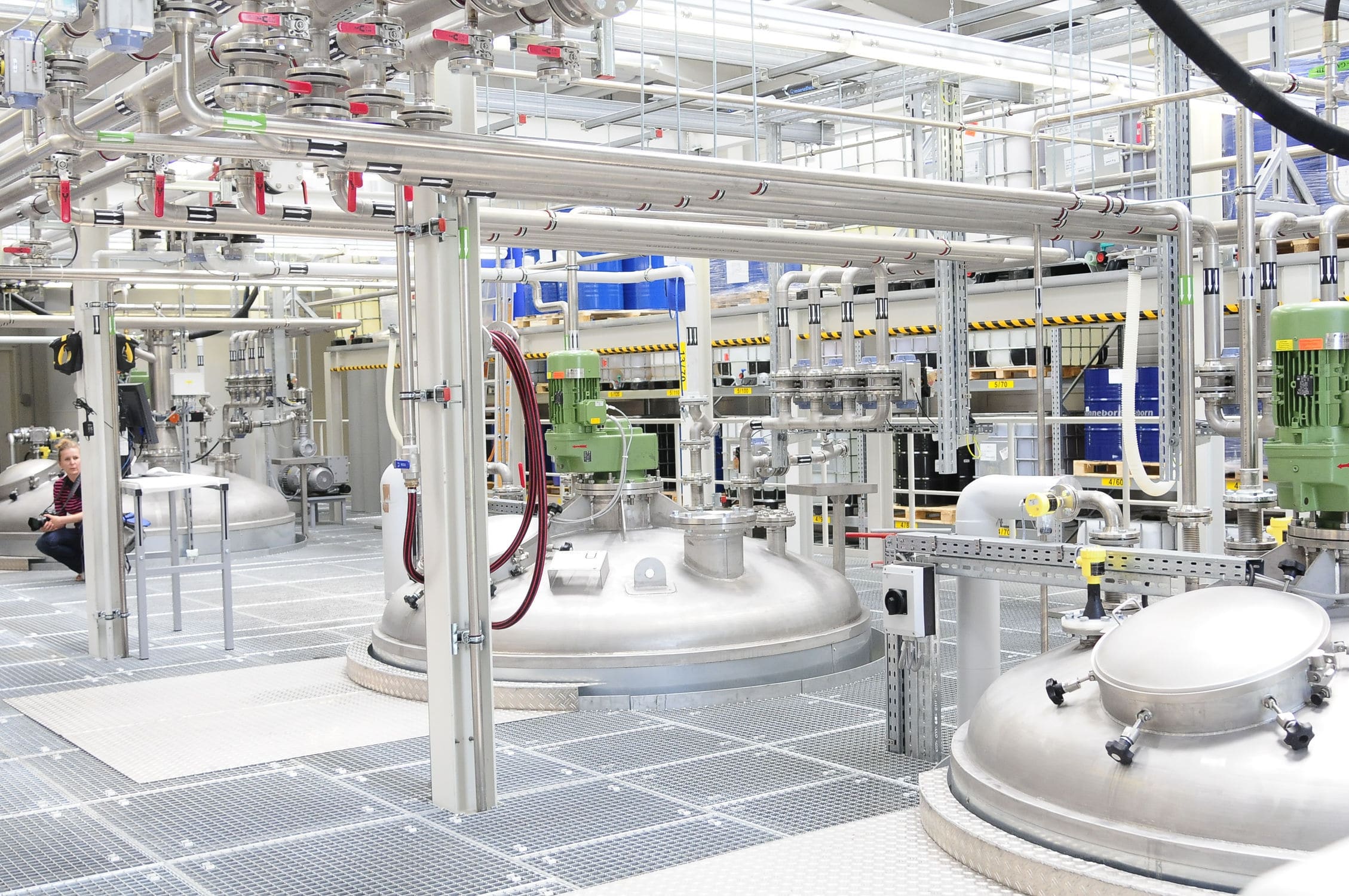
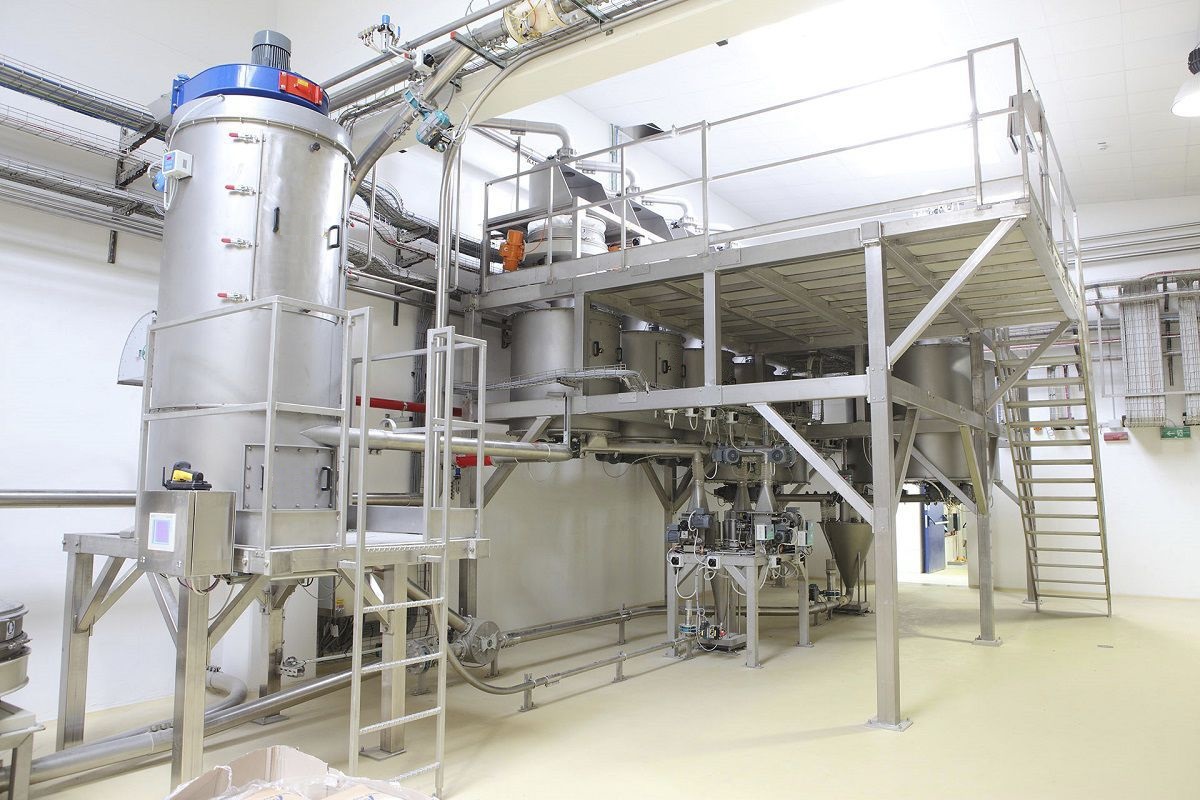
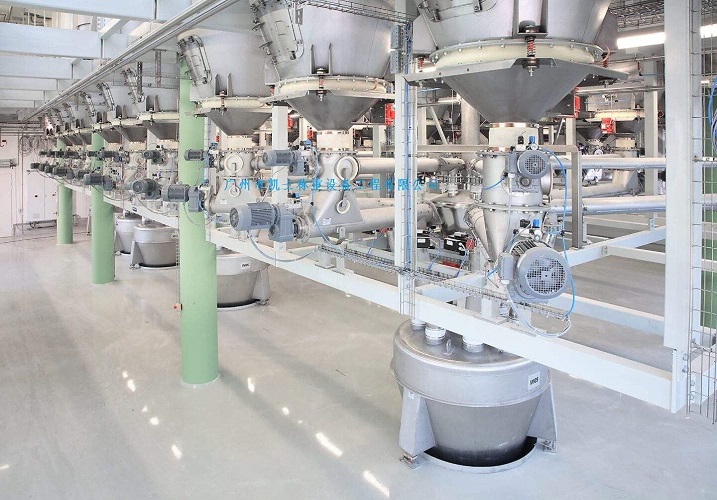
In the material conveying system, a certain storage time and the specific requirements of continuous feeding are required. A set of multi-point feeding pneumatic conveyor is designed to store and feed flour through multiple storage tanks. During the feeding process, materials from multiple locations should be fed to a single fixed location, which is exactly in line with the advantages of suction (negative pressure) pneumatic conveying system. Therefore, the high-pressure suction pneumatic conveying system is adopted, which is mainly composed of storage tank, Feeder, feed pipe, bag filter, fan, ration tank, mixing tank and other components. The fan is located at the end of the system. When the fan is running, negative pressure is generated in the feed pipe, and the material is sent to the bag filter, filtered by the bag filter to the ration tank, and finally into the mixing tank for mixing. Each storage tank realizes the alternating feeding of the system through the switch of the feeder, and the whole operation process of the system is monitored by configuration software to achieve automatic control. Since the pneumatic conveying itself has the problem of high energy consumption, this paper mainly studies the energy consumption of the system operation, and analyzes the main and secondary order of the influence of main conveying process parameters on energy consumption through orthogonal experimental design method. It provides a basis for further research on regression analysis and parameter optimization of system energy consumption, so as to better solve the problem of high energy consumption of the system, reduce energy consumption of enterprises and improve economic benefits.