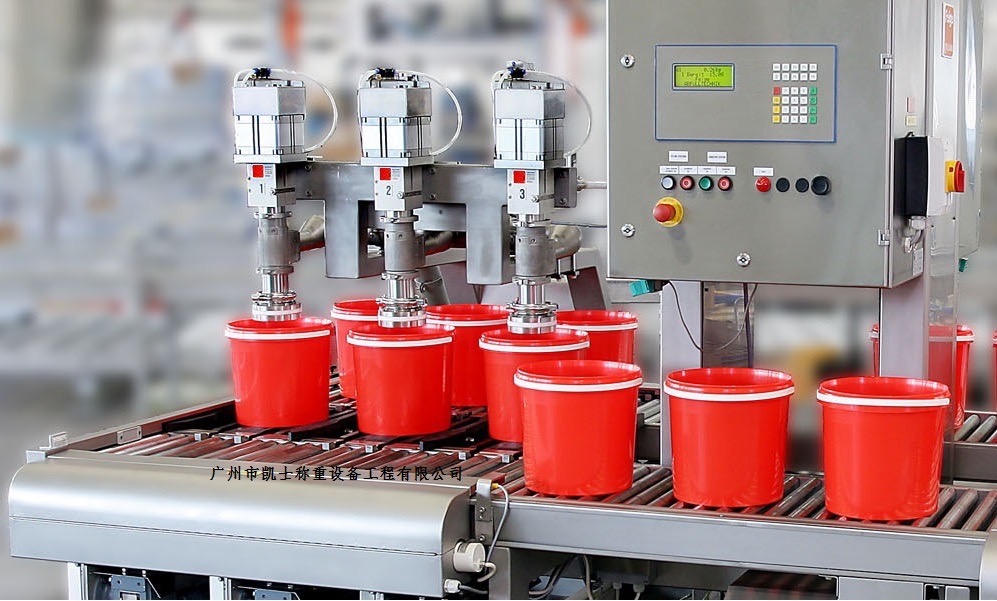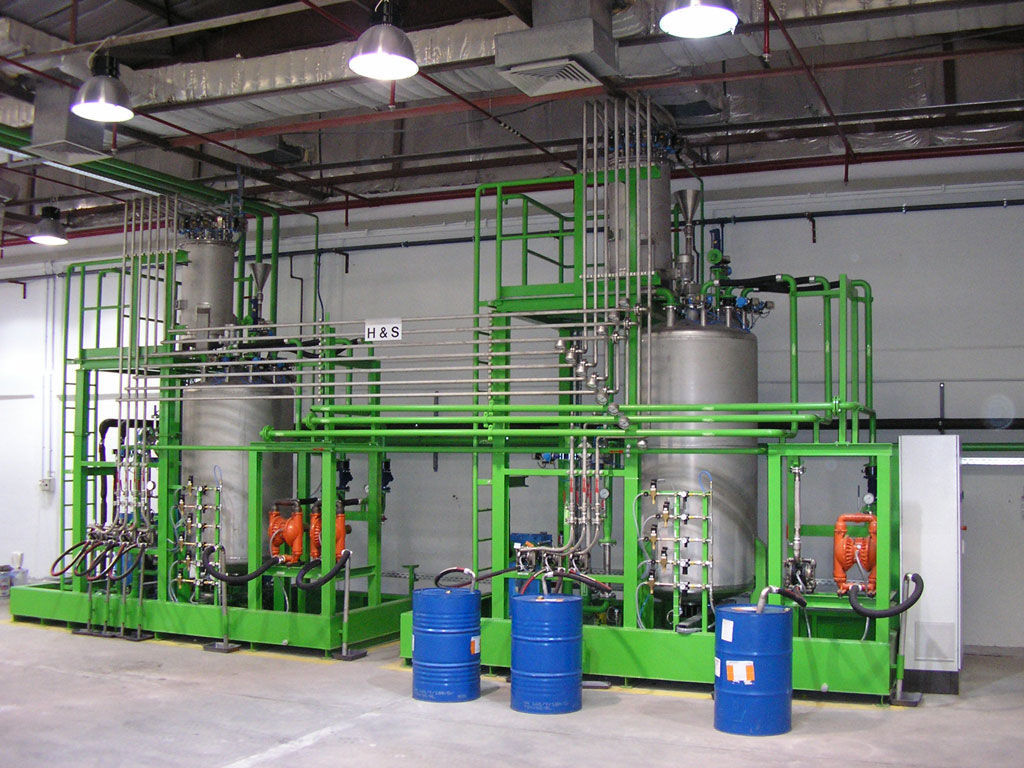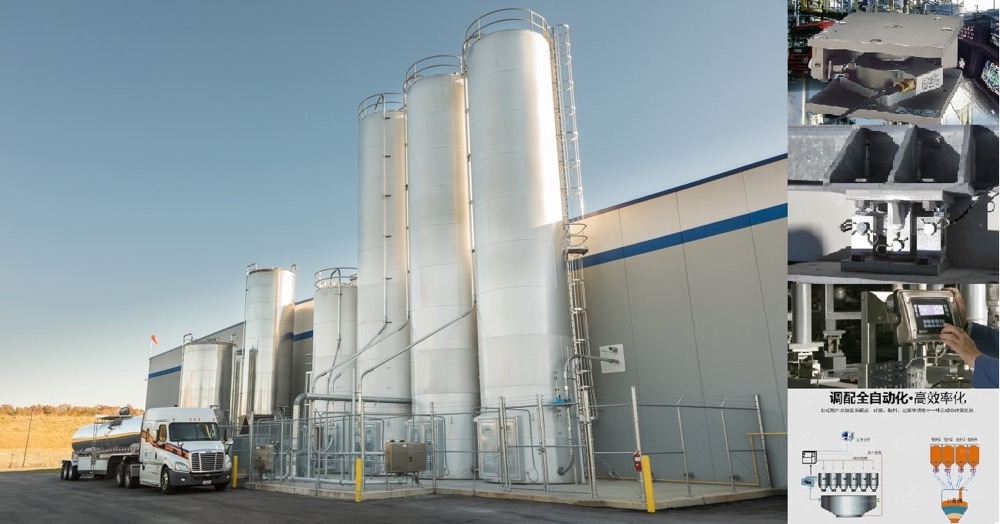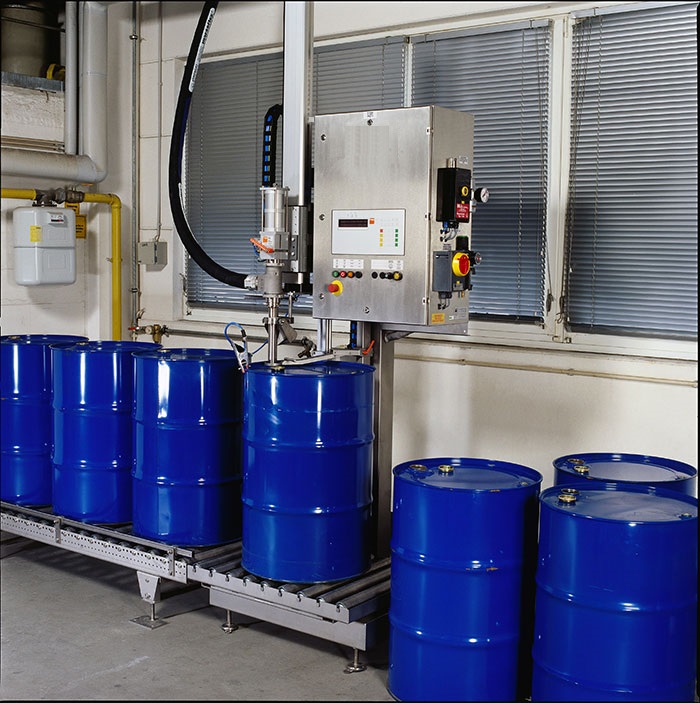


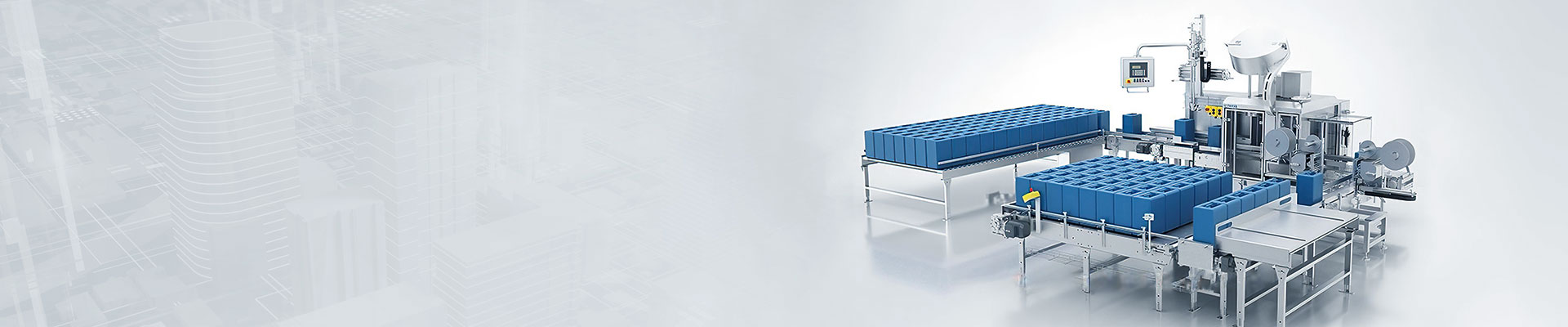



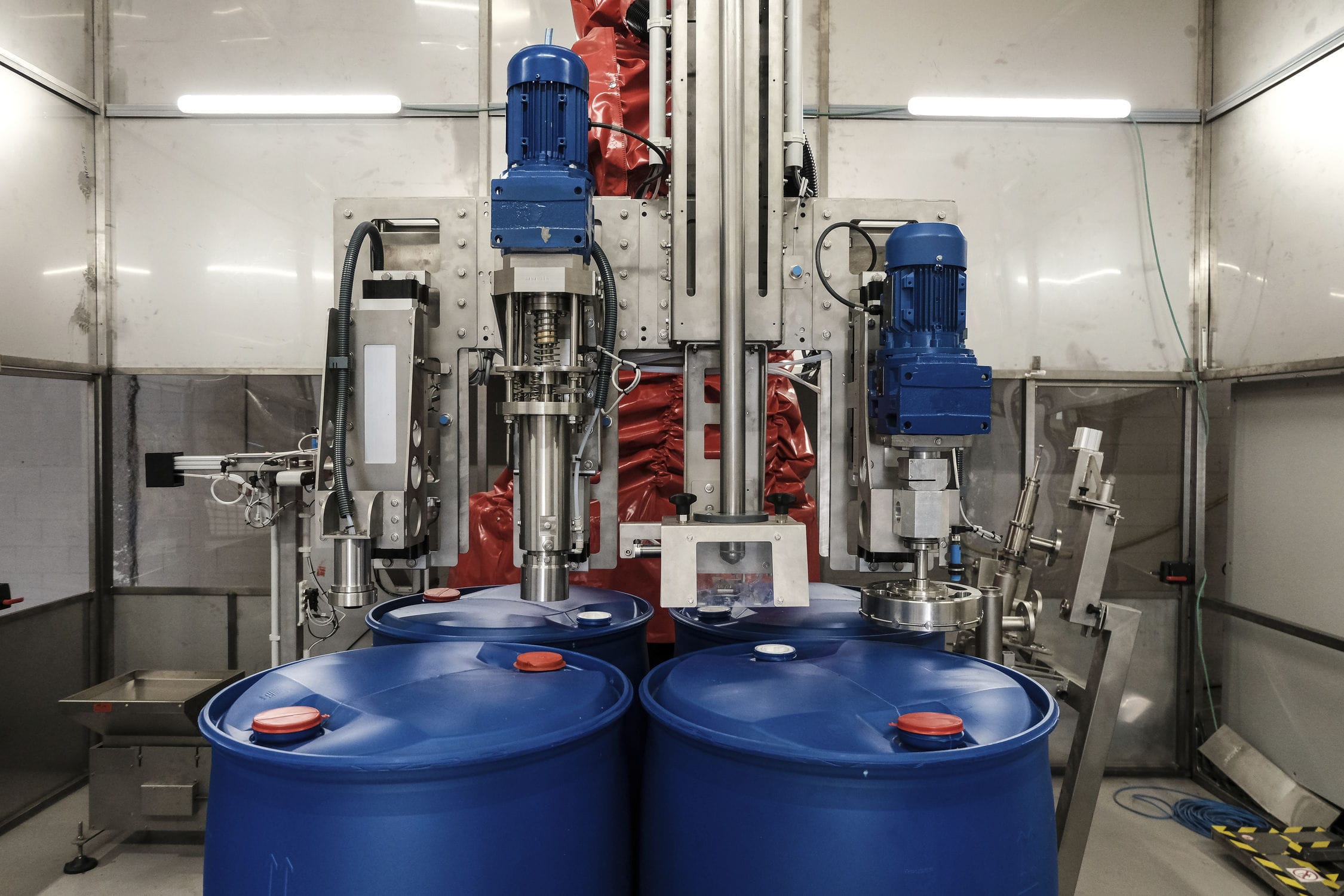
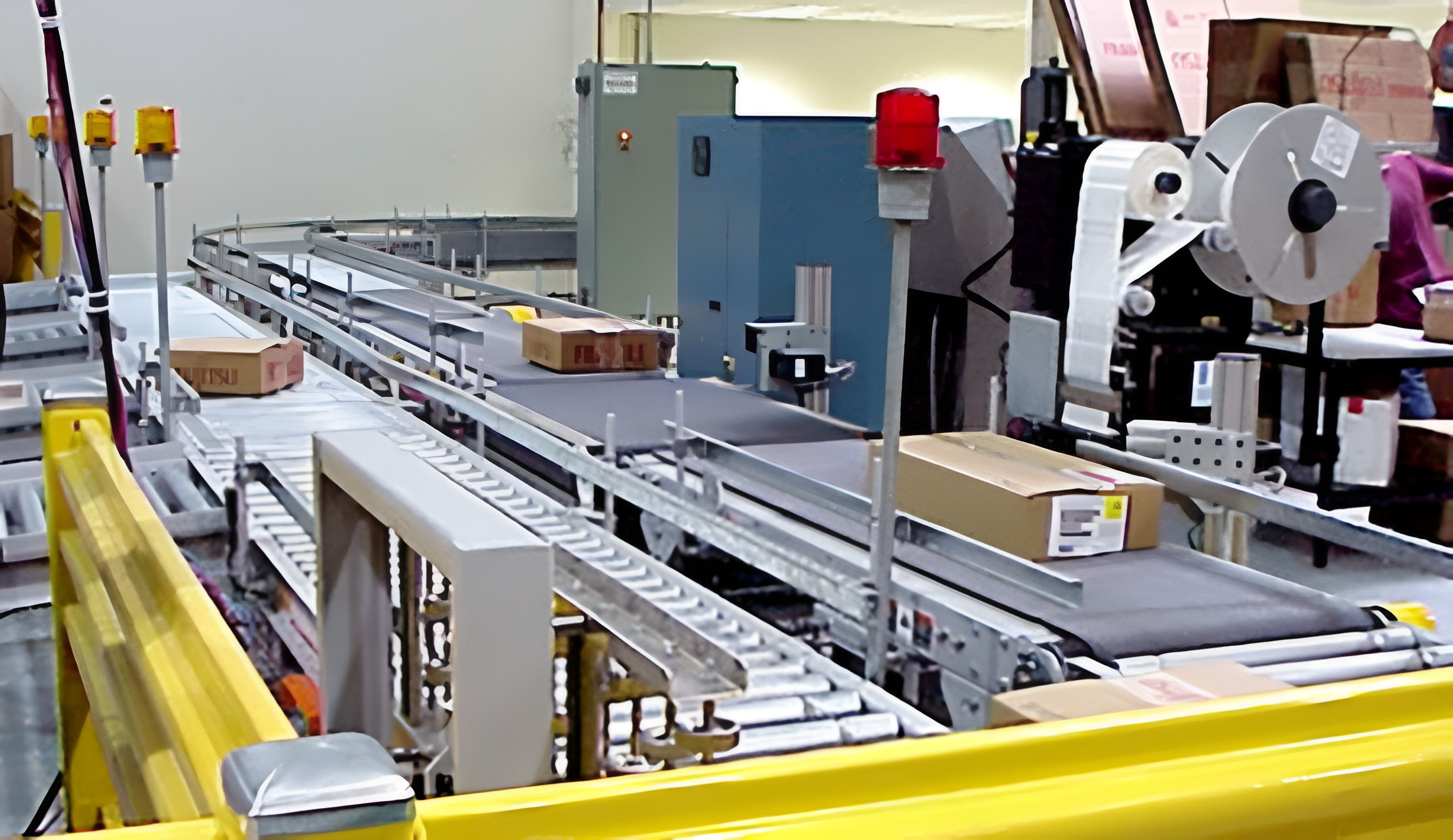


The automatic filling system adopts a pneumatic integrated transmission method. It can automatically switch between large and small flow rates for filling, and automatically close the valve once the set weight is reached. The filled barrels are transported to the cap-laying station by the conveyor belt and automatically undergo the cap-laying operation. The palletizer can automatically stack the finished oil in the form of the number of rows, columns and layers set by the user, and then transport the stacked pallets to the storage area.

 020-34563445
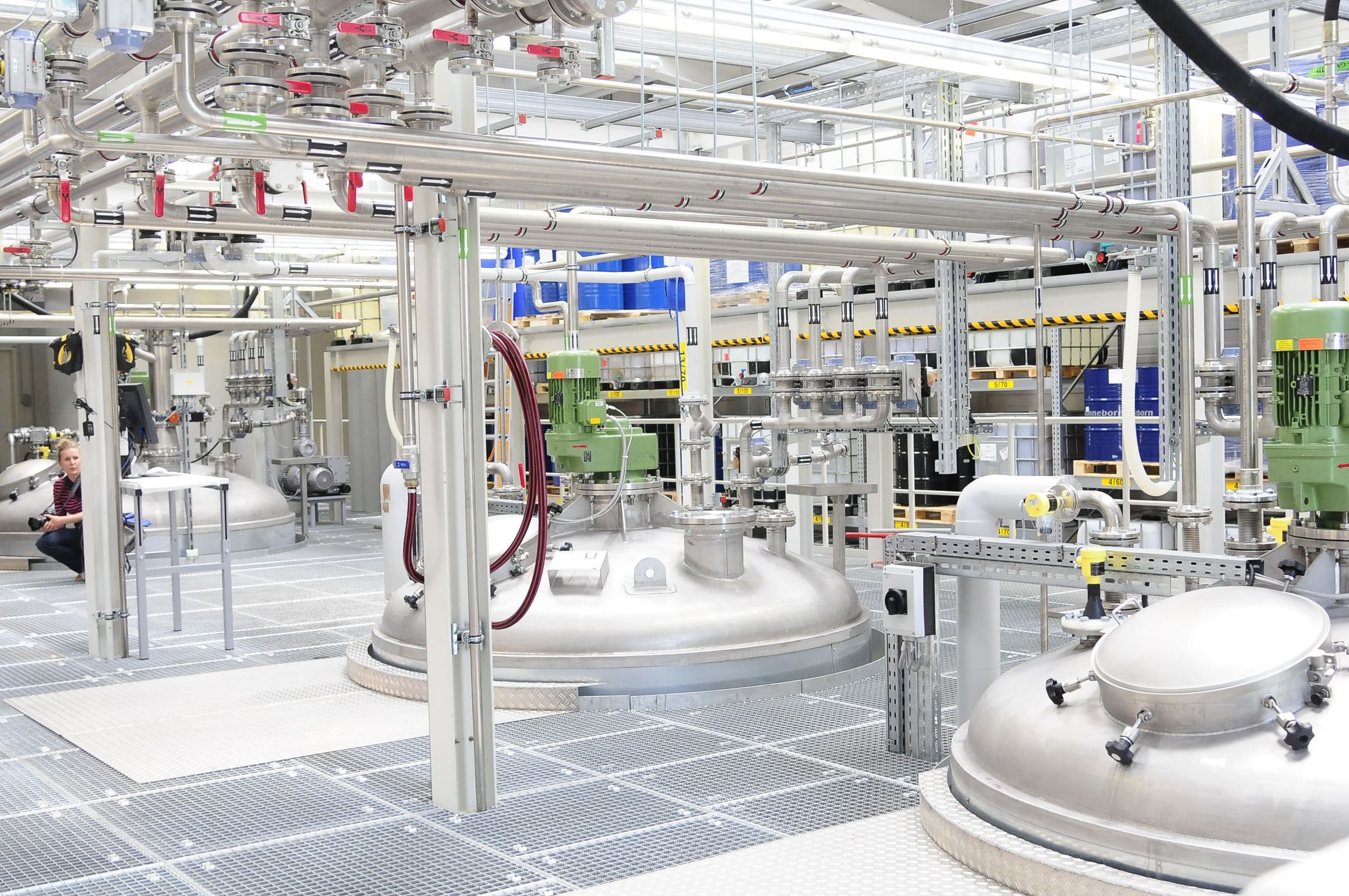
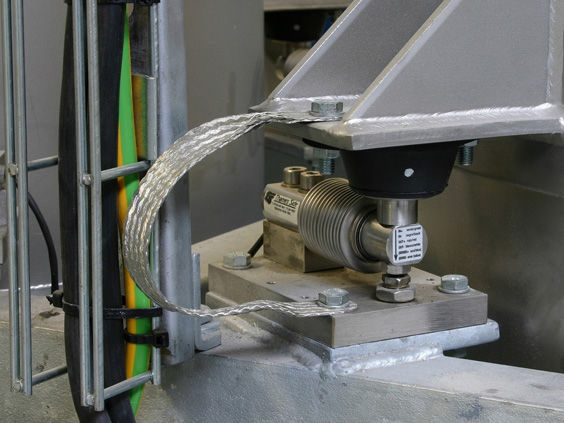
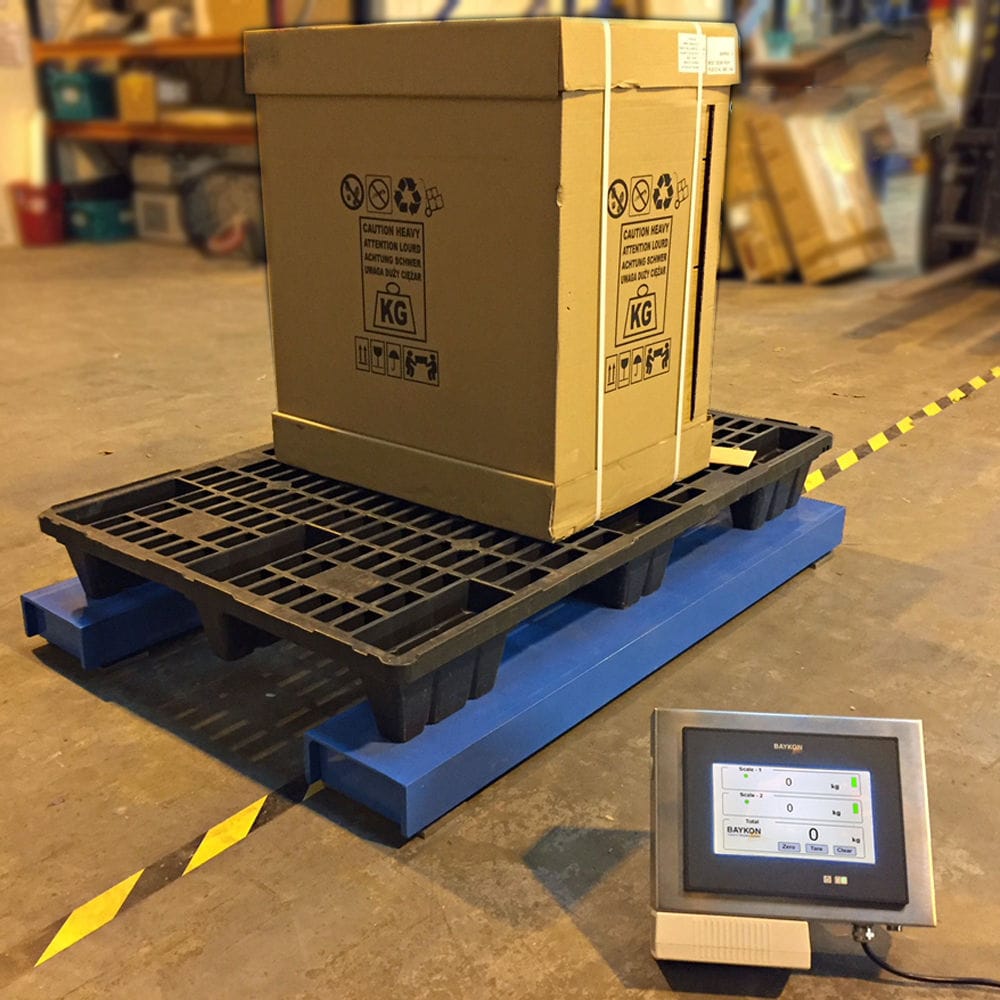
The automatic Filling system mainly consists of several components such as the signal acquisition system, PLC control system, gas path system, and electrical system. Among them, the signal acquisition system mainly uses a weighing module to detect the pressure changes of the filled material buckets. The PLC control system is the core of the Filling machine, mainly collecting flow data through the filling gun for weight analysis, controlling the solenoid valves, regulating valves, etc. to perform corresponding operation actions to achieve automatic filling of the system. The gas path system adopts a 4-channel multi-Measurement system, through solenoid valves, regulating valves, filter valves, and weighing sensors, realizes the gas path circulation between the filling gun and the filled material buckets. The electrical system mainly consists of indicator lights, key switches, RS232 interfaces, and auxiliary circuits such as actuating elements (solenoid valves, regulating valves, pneumatic valves, air pumps, etc.), according to the requirements of the system process, based on the design of the PLC application control program, realize the electrical application functions of the system, such as parameter setting, target volume setting, drop compensation, frequency power setting, report printing, etc. On each filling machine, establish data interaction between the PLC control system and the variable frequency drive system of the filling mechanism based on a dedicated communication network. The two work together, and in addition, realize hardwired interlocks outside the communication network. Each filling machine can achieve intelligent control and data acquisition. Finally, through the weighing instrument, the information obtained by the controller is connected to the PLC station on the machine, and the Liquid filling machine on the machine realizes intelligent variable frequency control based on the multi-sensor fusion data for precise notification. During the operation of the filling machine, according to the actual working speed, output torque, etc., adjust the output frequency of the frequency converter, change the actual operation speed of the filling machine, ensuring the precise and stable target control volume, and always operating in an efficient and safe state.
The automatic filling machine starts automatically by pressing the automatic operation start button. The automatic operation light turns on, the conveyor belt starts running. If there is a material bucket on the conveyor belt, it will automatically stop after transferring the empty bucket to the pusher bucket workstation. If there is no material bucket on the pusher bucket cylinder, the pusher bucket cylinder does not actuate. If there is a material bucket, the empty material bucket will be pushed into the Electronic scale workstation, and the vacuum suction cup will work synchronously. When the pusher bucket is in place, the suction cup releases and the pusher bucket cylinder returns. This is mainly programmed using the shift instruction SHL-B of the PLC's program, which can remember whether there is a material bucket at each workstation. The material bucket workstation always needs to work and works simultaneously. After the processing of the processing technology at each material bucket workstation is completed, the cylinder pushes one workstation. The electronic scale workstation has no material bucket, the push bucket cylinder does not actuate. The electronic scale workstation has a material bucket, the filling head lowers, reaches the lower limit position, and the filling valve opens to fill according to the set weight in real time. After filling is completed, the filling valve is closed, and the filling head rises back to the original position. The press cover workstation has no material bucket, the clamping bucket cylinder does not actuate. The press cover workstation has a material bucket, the clamping bucket cylinder clamps the material bucket, and after the press cover is completed, the clamping bucket cylinder returns to the original position. The finished product filling workstation has no material bucket, the freedom cylinder does not actuate; the finished product filling workstation has a material bucket, the taking bucket is taken, and placed at the designated position after waiting for the taking bucket; the automatic filling production line is completed after filling, and it returns to the standby position, which is also completed by PLC, and returns to the standby state to prepare for the next filling process.
The liquid filling machine adopts an integrated pneumatic transmission method and has two working modes: automatic and manual. In the automatic state, the filling main machine can automatically switch between large and small flow filling and automatically close the valve after reaching the set weight, and then through the conveyor belt, the filled buckets are transported to the press cover workstation for automatic press cover operation. The palletizing machine can automatically stack the finished oil in the form of the number of rows, columns and layers set by the user, and then transport the stacked pallets to the storage area. The entire control system is composed of PLC, touch screen and intelligent weighing instrument networked together, fully leveraging the advantages of PLC and touch screen, such as high reliability, strong anti-interference ability and convenient programming. The use of the weighing instrument enables a more rapid control response when reaching the weight. The communication connection between the PLC and the weighing instrument makes the wiring more convenient and reduces the number of control input points.
The liquid filling machine is mainly composed of two subsystems: the filling main unit and the palletizing machine. In the control of the entire system, an independent control system structure is adopted, that is, users can use only one part according to the actual situation. If used simultaneously, the system provides reliable interlock protection and collaborative working capabilities. The filling system adopts two-level control, that is, all valves are opened at the beginning stage, and when the filling value is about to be reached, the large-flow valves are closed, and the small-flow is used for the final filling. The control system of the filling machine mainly consists of touch screen, PLC, weighing instrument and various switches. The touch screen realizes a friendly human-machine operation interface, providing functions such as status monitoring, weight display, parameter setting and fault display. PLC completes the start/stop of the conveyor line and the opening/closing control of the valves. The weighing instrument converts the analog signal of the pressure sensor into a digital signal and transmits the processed result through the serial port to the PLC, and it has two digital output points, which can directly control the valves, greatly improving the response speed of the control system and thus enhancing the filling accuracy of the entire system.